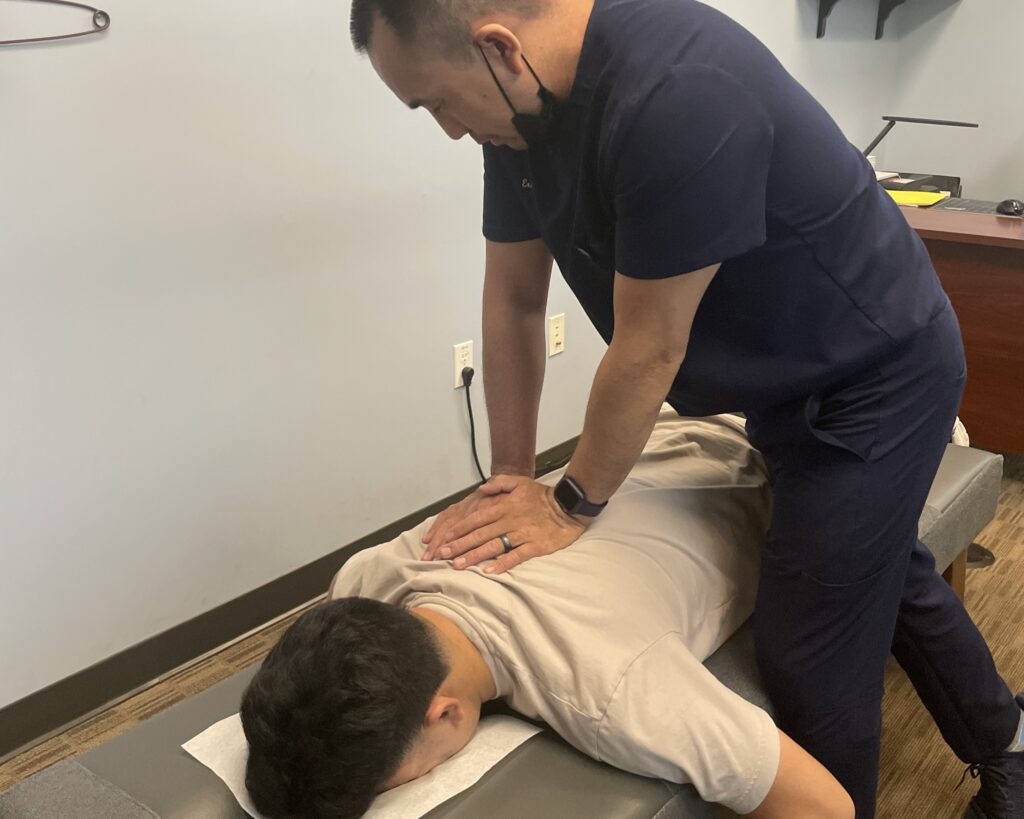
When you experience an injury, it's important to realize that recovery involves more than just taking it easy; it requires a thoughtful and strategic plan. First and foremost, assessing the nature of your injury is crucial. As a chiropractor, I encourage you to seek professional guidance to better understand the extent of your injury and to develop a personalized recovery plan that caters to your specific needs.
In addition to hands-on care, factors like nutrition, hydration, and mental resilience are vital components of the healing process. These elements can significantly influence your recovery timeline and overall health. You may be curious about specific techniques and strategies that can enhance your journey back to peak performance. Let's delve into some trusted methods rooted in chiropractic care and natural healing that can play a pivotal role in your recovery.
Understanding Injury Types
As a local chiropractor devoted to your health and well-being, I want to emphasize the importance of understanding the various types of injuries that can affect your athletic performance, as this knowledge is key to natural healing and effective recovery.
Many of my patients encounter different kinds of injuries, and being aware of them can significantly influence how you respond and recover. The three main categories to consider are acute injuries, chronic injuries, and overuse injuries.
Acute injuries occur suddenly, often resulting from a specific incident. For instance, you might twist your ankle during a game or strain a muscle while lifting weights. It's crucial to identify these injuries quickly, as they typically require immediate attention to avoid further complications.
Chiropractic care can play a vital role in the treatment and management of these injuries, helping to restore function and reduce pain.
Chronic injuries, on the other hand, develop gradually over time, often due to repetitive motions or improper technique. You might experience persistent discomfort in your knees or shoulders after months of rigorous training without giving your body adequate rest.
These injuries can be subtle at first, but if left unaddressed, they can worsen. Chiropractic adjustments can help alleviate pain and improve your body's alignment, promoting better healing.
Overuse injuries are a specific type of chronic injury that arises when you push your body beyond its limits without allowing for sufficient recovery. Conditions like tendonitis or stress fractures are common examples.
Early recognition of the signs of overuse is essential to prevent long-term setbacks in your training. Chiropractic care is beneficial in addressing these issues by focusing on optimizing your biomechanics and encouraging proper recovery.
By familiarizing yourself with these injury types, you empower yourself to take proactive steps in your recovery journey.
Understanding how to adjust your training regimen, seek appropriate chiropractic treatment, and prioritize your body's healing can lead to a stronger comeback in your sport.
Knowledge of these distinctions allows you to make informed decisions that support your natural healing process and overall health. Together, we can work towards enhancing your athletic performance and ensuring a safe return to the activities you love.
Importance of Professional Assessment
As a local chiropractor, I want to emphasize the importance of seeking a professional assessment when you experience an injury.
Understanding the severity of your injury is crucial; it allows us to create a personalized recovery plan tailored specifically to your needs.
By addressing your injury with a holistic approach, we can't only facilitate your healing but also help prevent future injuries.
This proactive care ensures that you can stay active and enjoy your favorite activities for longer.
Identifying Injury Severity
Understanding the severity of an injury is crucial for a successful recovery, especially if you're looking to minimize any long-term effects. If you're experiencing pain, swelling, or limited mobility, it's important to reach out for a professional assessment. As a local chiropractor, I can help you accurately diagnose your injury and determine whether it falls into the mild, moderate, or severe category.
Mild injuries, such as sprains or strains, often respond well to rest and simple home care techniques that I can guide you through. However, moderate to severe injuries, like fractures or tears, necessitate immediate attention and a structured recovery plan. Overlooking the severity of your injury could lead to complications, chronic pain, or even permanent damage, which we definitely want to avoid.
During your visit, I encourage you to be open about your symptoms and any activities that worsen your pain. This information is vital for me to identify the best course of action for your recovery. Depending on your condition, I may recommend imaging tests or a thorough physical examination to get a clearer understanding of your injury.
Chiropractic care focuses on natural healing and can be a key component in your recovery process. Together, we can work towards restoring your health and enhancing your mobility without relying solely on medications or invasive procedures.
Personalized Recovery Plans
Creating a personalized recovery plan is crucial for effective healing and optimal performance, especially in the realm of chiropractic care. When you're recovering from an injury, it's important to understand that a one-size-fits-all approach simply won't suffice.
As a chiropractor, my goal is to provide a professional assessment that plays a significant role in crafting a recovery strategy tailored specifically to your needs.
Here are three key components to consider when developing your recovery plan:
- Assessment of Injury: A thorough evaluation is essential. During your visit, I'll assess the specifics of your injury to understand its nature and impact on your body. This assessment will guide not only your recovery timeline but also the strategies we'll implement to facilitate your healing.
- Individualized Exercises: Based on your injury and overall fitness level, I'll create a customized exercise program designed to target your weaknesses and promote recovery. These exercises will be carefully selected to help you regain strength and mobility while minimizing the risk of further injury.
- Nutritional Guidance: Proper nutrition plays a vital role in the healing process. I can provide you with insights into which foods can support your recovery and enhance your performance as you get back on track post-injury. A well-balanced diet can significantly impact your body's ability to heal and function at its best.
Through these personalized strategies, I aim to empower you on your healing journey, helping you understand the value of chiropractic care and natural healing as integral parts of your recovery plan.
Preventing Future Injuries
A personalized recovery plan isn't just about healing from injuries; it's also a crucial step in preventing future problems. As a chiropractor, I encourage everyone to seek a professional assessment because it can make a significant difference in your overall well-being. By visiting a qualified chiropractor, we can identify any weaknesses or imbalances in your body that might put you at risk for injuries.
During your assessment, I'll evaluate your movement patterns, strength, and flexibility. This comprehensive evaluation allows us to create tailored recommendations that not only enhance your performance but also significantly reduce your risk of injury. It's important to address specific areas that need improvement—this way, we can ensure that potential issues don't go unnoticed.
Once we've completed your assessment, we'll implement the strategies that best suit your needs. This may include targeted exercises to strengthen key muscle groups, flexibility routines to improve your range of motion, or adjustments to your technique in activities you enjoy.
Staying proactive about your health is essential and can lead to lasting benefits. Regular check-ins with me or another member of your healthcare team are also vital in monitoring your progress. If you experience any discomfort or notice changes in your body, please don't hesitate to reach out.
Rehabilitation Techniques
Rehabilitation techniques are crucial for athletes looking to return to their peak performance after an injury, and as a local chiropractor, I want to share how these methods can benefit you not just physically, but also mentally.
The right rehabilitation approach can significantly reduce your recovery time and enhance your performance once you're back in action. Here are three effective techniques to consider, with a focus on chiropractic care and natural healing:
1. Chiropractic Care: Collaborating with a chiropractor can be instrumental in your recovery process.
We focus on restoring proper alignment and function to your spine and joints, which can alleviate pain, enhance mobility, and promote overall healing. Through tailored adjustments and specialized techniques, we help you regain your strength and prepare your body for the demands of your sport.
2. Strength and Conditioning: Integrating strength training is essential during your rehabilitation.
This not only aids in rebuilding muscle but also enhances your balance and coordination. A chiropractor can guide you on safe exercises that target your specific injury while ensuring that other muscle groups remain strong. This holistic approach helps maintain overall body stability and prepares you for a successful return to your athletic activities.
3. Functional Training: This technique is about mimicking the movements you'll perform in your sport, which is vital for a smooth transition back to competition.
A chiropractor can help you develop sport-specific drills that not only improve your physical readiness but also help rebuild your confidence. By practicing these movements, you'll confirm that your body is fully prepared for the challenges ahead.
Incorporating these rehabilitation techniques under the guidance of a chiropractor can make a significant difference in your recovery journey.
Embracing natural healing methods won't only expedite your healing process but also empower you to achieve your athletic goals with renewed vigor.
Role of Nutrition
As a local chiropractor, I want to emphasize the crucial role that nutrition plays in your recovery from an injury.
It's not just about spinal adjustments; your body requires essential nutrients to rebuild tissues and promote healing. Staying well-hydrated is also key to enhancing your recovery process.
Let's take a closer look at how the foods you eat and the fluids you drink can significantly influence your journey back to optimal health and performance.
Essential Nutrients for Recovery
As a local chiropractor, I want to share how the right nutrients can significantly enhance your recovery after an injury. Nutrition is fundamental in the healing process, aiding your body in rebuilding tissue, reducing inflammation, and regaining strength.
By focusing on essential nutrients, you can support your recovery and return to your activities more quickly.
Here are three key nutrients to consider incorporating into your diet:
- Protein: This nutrient is crucial for repairing damaged tissues and building new muscle. I recommend including lean meats, fish, eggs, or plant-based sources like beans and legumes in your meals to ensure you're getting enough protein for optimal healing.
- Omega-3 Fatty Acids: These healthy fats are known for their anti-inflammatory properties and can help promote healing. You can find omega-3s in fatty fish such as salmon, as well as in walnuts and flaxseeds. Adding these to your diet can make a noticeable difference in your recovery process.
- Vitamins C and D: Vitamin C is vital for collagen formation and supports your immune system, while vitamin D is essential for maintaining bone health. You can boost your vitamin C intake with citrus fruits, berries, and leafy greens. For vitamin D, try to get some sunlight exposure and consider fortified foods to help maintain healthy levels.
By incorporating these nutrients into your diet, alongside chiropractic care, you can enhance your healing process and return to your favorite activities with confidence.
Hydration's Impact on Healing
As a local chiropractor, I want to share some important insights about the healing process that often go overlooked: the critical role of hydration. While many of you may be familiar with the right nutrients for recovery, it's essential to understand that staying well-hydrated is equally vital.
Proper hydration helps maintain optimal blood flow, which is necessary for delivering nutrients and oxygen to your injured tissues. When you're dehydrated, your body faces challenges in transporting these crucial elements, which can significantly slow down your recovery.
Moreover, staying hydrated assists in flushing out toxins and reducing inflammation—two key factors that can enhance your healing after an injury. It's important to drink water consistently throughout the day, not just during your workouts or physical activities.
Be mindful that signs of dehydration can often be subtle, so it's essential to listen to your body and recognize when you need to hydrate. Electrolytes also play a crucial role, especially if you've lost fluids through sweat.
I recommend incorporating electrolyte-rich beverages into your routine to replenish what you lose during physical exertion.
As you embark on your recovery journey, make hydration a top priority. It's a simple yet effective strategy to support your body's natural healing processes and help you return to peak performance more quickly.
Mental Resilience Strategies
As a local chiropractor, I understand that mental resilience is a crucial aspect of your recovery journey, especially if you're dealing with an injury. It can significantly impact how quickly and effectively you bounce back.
Building mental toughness can help you navigate the emotional and psychological hurdles that often accompany physical injuries. Here are three strategies that I encourage my patients to adopt in order to enhance their mental resilience:
1. Set Realistic Goals: It's important to break your recovery process into smaller, manageable milestones. Rather than fixating solely on the end goal of returning to your sport or activity, focus on setting daily or weekly objectives that promote steady progress.
This method not only helps maintain your motivation but also provides a sense of achievement along the way.
2. Practice Positive Self-Talk: Your internal dialogue plays a significant role in shaping your mindset during recovery. It's essential to replace negative thoughts with positive affirmations that foster growth and optimism.
For example, remind yourself that setbacks are temporary and that each small step you take is a step closer to full recovery. This shift in perspective can make a world of difference.
3. Visualize Success: Dedicate a few moments each day to visualize yourself fully recovered and performing at your best. Imagine the actions you'll take and the feelings of accomplishment you'll experience.
This mental rehearsal not only boosts your confidence but also reinforces a positive outlook, making it easier to tackle the challenges you may face during your recovery.
Incorporating these strategies can complement the physical healing process we focus on in chiropractic care, leading to a more holistic approach to your recovery.
Effective Pain Management
As a local chiropractor, I want to emphasize that building mental resilience is just one aspect of your recovery journey; effectively managing pain is equally crucial. Pain can significantly hinder your rehabilitation, so it's essential to confront it directly. Start by gaining an understanding of your pain. Is it sharp, dull, or throbbing? Identifying the type of pain you're experiencing will help you and me, as your chiropractor, create a tailored pain management strategy.
While over-the-counter medications like ibuprofen or acetaminophen can provide temporary relief, I encourage you not to rely solely on these solutions. Instead, let's explore chiropractic techniques and physical therapy methods specifically designed for your condition. Through targeted adjustments and exercises, we can strengthen and stabilize the affected area, which will help alleviate pain over time.
Additionally, I often recommend using ice and heat. Ice can effectively reduce inflammation, while heat helps relieve muscle tension.
Incorporating mindfulness and relaxation techniques into your routine can also aid in managing pain. Simple practices like deep breathing or meditation can lower your perception of pain and enhance your overall mental well-being.
I also suggest engaging in light activities, as advised by your healthcare provider, to keep your body moving without worsening your injury.
Lastly, it's vital to maintain open communication with me and your healthcare team. Regularly sharing your pain levels and any changes you notice enables us to adjust your treatment plan accordingly.
Importance of Rest and Sleep
As a local chiropractor, I want to emphasize the vital role that rest and sleep play in your recovery process. Many people are unaware that our bodies need time to heal, and quality sleep is a crucial component of that healing journey.
During sleep, your body releases essential growth hormones, supports tissue repair, and enhances your immune function. By prioritizing rest, you're not just taking a break; you're actively facilitating a more efficient recovery.
Here are three key reasons why rest and sleep are fundamental for your healing:
- Muscle Repair: When you sleep, your body goes into repair mode, working diligently to mend muscle tissues that may have been injured. Quality sleep boosts protein synthesis, which is vital for effective muscle recovery, allowing you to bounce back stronger.
- Mental Clarity: Recovery isn't solely a physical process; it's mental as well. A well-rested mind enhances focus and decision-making skills, keeping you motivated and engaged in your healing journey. This mental clarity can significantly influence your dedication to recovery.
- Reduced Inflammation: Insufficient sleep can lead to increased inflammation in your body, which can impede the healing process. Adequate rest helps regulate your body's inflammatory responses, creating a healthier environment conducive to recovery.
Incorporating quality rest and sleep into your daily routine is a straightforward yet powerful approach to enhance your healing. Aim for 7-9 hours of restorative sleep each night, and don't overlook the benefits of short naps during the day.
Gradual Return to Activity
As a local chiropractor, I want to emphasize the importance of a gradual return to physical activity after a period of rest and recovery. This process is crucial for regaining your strength and reducing the risk of re-injury. It's essential to ease back into your routine so your body can adapt properly.
I recommend starting with low-impact activities that are gentle on your recovering muscles and joints. Options like walking, swimming, or cycling are excellent choices to help reintroduce movement while minimizing the chance of aggravating any injuries. These activities can aid in improving circulation and promoting healing.
As you start to feel more confident and regain strength, it's beneficial to slowly incorporate strength training exercises that focus on the affected area. Pay close attention to your form and make sure your movements are controlled to prevent overexertion. Remember, your body will give you signals during this time; any pain or discomfort should prompt you to pause and reassess your approach.
Instead of diving into long, intense workouts, consider breaking your sessions into shorter, more frequent segments. This strategy helps avoid fatigue and allows your body to adjust more comfortably. Gradually increase the intensity and duration of your activities, but only when you feel ready.
It's vital not to rush this process. Patience is essential as you rebuild your strength and endurance. Keep in mind that recovery timelines vary from person to person—what works for one individual mightn't be suitable for another.
By prioritizing a gradual return to activity, you lay the groundwork for long-term success and a lower risk of re-injury, ultimately leading to a stronger, more resilient version of yourself.
At our chiropractic practice, we're here to support you on this journey to natural healing and wellness. If you have any questions or need guidance, don't hesitate to reach out.
Monitoring Progress and Adjustments
As you begin to reintroduce activity into your routine, it's crucial to monitor your progress to ensure a safe and effective recovery. Understanding how your body reacts to increased physical demands can help you make necessary adjustments and prevent setbacks.
Here are three key strategies that I, as your local chiropractor, recommend to help you navigate your recovery journey:
- Keep an Activity Journal: Documenting your activities is essential. Jot down your workouts, including the intensity, duration, and any physical sensations or discomfort you experience. This journal won't only help you recognize patterns in your recovery but also serve as valuable information to share with me during our sessions.
- Establish Realistic Recovery Goals: It's important to set both short-term and long-term goals that are in line with your healing process. By focusing on achievable milestones, you can foster a sense of motivation and accomplishment. This isn't only beneficial for your physical recovery but also for your overall mental well-being.
- Schedule Regular Assessments: I encourage you to have consistent check-ins with me or another healthcare professional. These evaluations are essential for assessing your progress, receiving personalized feedback, and adjusting your recovery plan as necessary. Together, we can ensure that you're on the right path to optimal health and wellness.
Conclusion
Injury recovery is not just about the physical healing of your body; it's a comprehensive journey that involves your overall well-being. As a local chiropractor, I want to emphasize the importance of understanding your injury and the role of professional assessment in your recovery process. By working with a chiropractic professional, you can develop a personalized rehabilitation plan that focuses on your specific needs.
Nutrition plays a crucial role in healing, so it's essential to fuel your body with the right nutrients. Mental resilience is equally important — maintaining a positive mindset can significantly impact your recovery. Additionally, effective pain management techniques, which may include chiropractic adjustments, can help alleviate discomfort and promote healing.
Rest is vital during this process, and I encourage you to listen to your body. A gradual return to activity is key; it's important to ease back into your routine to avoid re-injury. Throughout your recovery, stay committed to monitoring your progress and don't hesitate to reach out for adjustments to your plan as needed. With dedication and the right support, you'll be on your way to achieving peak performance once again.