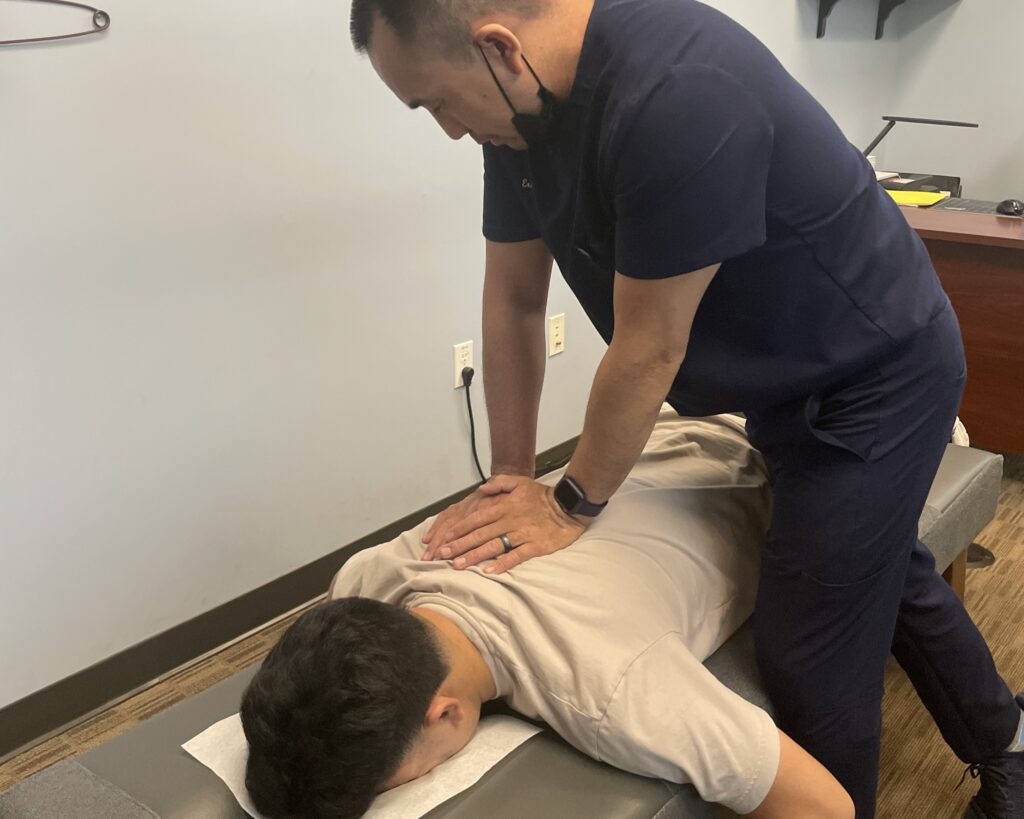
If you’re experiencing neck pain, you’re likely searching for effective treatment options that can offer real relief. As a chiropractor, I believe in the power of natural healing and the importance of addressing the root causes of discomfort. Our approach focuses on realigning your spine, which can significantly improve your overall function and reduce tension.
Chiropractors use a variety of gentle techniques to help restore balance and mobility to your neck. These methods include spinal adjustments, soft tissue therapy, and exercises designed to strengthen the muscles that support your spine. By focusing on these natural treatments, we aim to help your body heal itself without the need for medication or invasive procedures.
So, how can chiropractic care benefit you? First and foremost, it can provide immediate pain relief and improve your range of motion. Regular chiropractic visits can also promote better posture, which is crucial for preventing future neck discomfort. Additionally, our holistic approach encourages overall wellness, helping you feel your best in all aspects of life.
Here are some general tips you can implement at home to support your neck health:
- Practice Good Posture: Keep your head aligned over your shoulders and avoid slouching. This can help reduce strain on your neck.
- Take Frequent Breaks: If you work at a desk or spend long periods looking at your phone, take regular breaks to stretch your neck and shoulders.
- Stay Hydrated: Drinking plenty of water is essential for maintaining the health of your spinal discs, which can help prevent neck pain.
- Use Proper Support While Sleeping: Choose a pillow that supports your neck’s natural curve and keeps your spine aligned.
- Incorporate Gentle Stretches: Simple neck stretches can help relieve tension. Try gently tilting your head side to side or forward and backward.
By prioritizing chiropractic care and incorporating these tips into your daily routine, you can work towards achieving optimal health and lasting relief from neck pain. Remember, your well-being is our top priority, and we’re here to help guide you on your journey to a healthier, pain-free life.
Common Causes of Neck Pain
When it comes to neck pain, it’s often rooted in everyday habits or activities that you mightn’t even be aware of. For example, poor posture while working at a desk can put a strain on your neck muscles over time. If you find yourself frequently looking down at your phone or tablet, you might be experiencing “tech neck,” which can lead to discomfort and stiffness.
Additionally, sleeping in awkward positions or using a pillow that doesn’t provide proper support can contribute to neck pain. Stress plays a significant role as well; when you’re stressed, it can manifest physically in your neck, leading to tightness and soreness. Engaging in repetitive motions, such as lifting or turning your head often, can also worsen the issue.
Even minor injuries from sports or accidents can leave you with lingering neck discomfort. Recognizing these common causes is the first step toward relief. Chiropractic care is an excellent option for addressing neck pain naturally. Through gentle adjustments, a chiropractor can help restore proper alignment to your spine, alleviating tension and promoting healing.
To support your neck health on a daily basis, here are some tips you can incorporate into your routine:
- Maintain good posture while sitting and standing.
- Take regular breaks from screens to stretch your neck and shoulders.
- Use a supportive pillow that keeps your neck aligned during sleep.
- Practice stress-relief techniques, such as deep breathing or yoga, to help reduce tension.
The Role of Chiropractic Care in Neck Pain Management
Chiropractic care is a key player in managing neck pain, focusing on the natural healing of your body and promoting overall wellness. When you come to see me, your chiropractor, I’ll take the time to evaluate your specific condition and develop a personalized treatment plan just for you.
Here’s how chiropractic care can make a difference in alleviating your neck pain:
- Assessment: I’ll thoroughly examine your posture, range of motion, and any areas of discomfort to pinpoint the underlying causes of your neck pain. Understanding these factors is crucial for effective treatment.
- Spinal Alignment: Using gentle adjustments, I’ll help align your spine, which can significantly improve your overall function. Proper alignment can relieve pain and reduce stiffness, making it easier for you to move without discomfort.
- Muscle Relaxation: I employ various techniques to ease muscle tension, which not only promotes relaxation but also supports your body’s natural healing processes. This can help you recover faster and feel more comfortable in your daily activities.
- Education: I believe that knowledge is power! I’ll share valuable advice on posture and ergonomics, as well as exercises you can do at home to prevent future neck problems. This empowers you to take charge of your neck health and maintain a pain-free lifestyle.
By choosing chiropractic care, you’re opting for a holistic approach that enhances your quality of life and effectively addresses neck pain without the need for medications or invasive procedures.
Chiropractic Techniques for Neck Pain Relief
When it comes to finding relief from neck pain, chiropractic care stands out as a natural and effective option. Rather than relying on medications or surgeries, many people discover that various chiropractic techniques can help restore their well-being.
One popular method we use is spinal manipulation. This technique involves applying gentle, controlled force to your spine, which helps realign your vertebrae and relieve tension. It’s a simple yet powerful way to promote proper alignment and enhance your body’s natural healing abilities.
In addition to spinal manipulation, we often incorporate soft tissue therapy. This technique focuses on the muscles and connective tissues in your neck, helping to ease tightness and improve your range of motion. By addressing these areas, we can help you feel more comfortable and mobile in your daily life.
Another valuable technique is myofascial release, which targets the fascia—the connective tissue that surrounds your muscles. By relieving tension in this area, we can alleviate pain and enhance your overall comfort.
Alongside these therapies, we may recommend therapeutic exercises designed to strengthen your neck and improve your posture. A strong neck and good posture can significantly reduce the risk of future pain and discomfort.
We also utilize modalities such as ultrasound and electrical stimulation to further support your healing process. These techniques help reduce inflammation and promote faster recovery, working in harmony with our chiropractic adjustments.
To make the most of your chiropractic care, here are a few tips you can incorporate into your daily routine:
- Practice Good Posture: Be mindful of your posture while sitting, standing, and using your devices. Keeping your head aligned over your shoulders can help reduce strain on your neck.
- Stay Active: Engage in regular physical activity to keep your neck and back muscles strong. Simple exercises like neck stretches and shoulder rolls can make a big difference.
- Use Ergonomic Tools: If you work at a desk, ensure your chair and computer setup are ergonomically designed to support your neck and spine.
- Stay Hydrated: Drinking enough water is essential for keeping your muscles and tissues hydrated, which can help prevent stiffness and discomfort.
The Importance of a Comprehensive Assessment
Understanding the root causes of your neck pain is crucial for finding the best way to relieve discomfort and promote healing. A comprehensive assessment by a chiropractor is an excellent first step toward achieving optimal health. This thorough evaluation helps pinpoint the underlying issues, so you can receive the most effective care tailored to your needs.
Here are four key components typically involved in the assessment process that highlight the value of chiropractic care:
- Medical History: Your chiropractor will ask detailed questions about how long you’ve been experiencing pain, its intensity, and any past injuries or treatments. This information helps them understand your unique situation and create an effective treatment plan.
- Physical Examination: During this assessment, your chiropractor will conduct tests to evaluate your neck’s range of motion, strength, and reflexes. This hands-on approach allows them to identify areas of tension and restriction that may be contributing to your pain.
- Posture Analysis: Assessing your posture is an essential part of the evaluation. Poor posture can lead to misalignments and strain on your neck, causing discomfort. By understanding your posture habits, your chiropractor can recommend simple adjustments and exercises to help alleviate pain and improve your overall well-being.
- Diagnostic Imaging: In certain cases, your chiropractor may suggest X-rays or MRI scans to rule out any serious underlying conditions. This step ensures that you receive the most appropriate and effective care tailored specifically for you.
In addition to these assessment components, there are general tips you can incorporate into your daily life to support your neck health. Be mindful of your posture, especially if you spend long hours sitting at a desk.
Take regular breaks to stretch and move around. Consider using ergonomic furniture to promote better alignment. And remember, staying hydrated and maintaining a balanced diet can contribute to your overall wellness.
What to Expect During Your Chiropractic Visit
Walking into your chiropractor’s office for the first time can feel a bit intimidating, but understanding what to expect can help make the experience smoother and more comfortable. When you arrive, you’ll start by filling out some paperwork that covers your medical history and any current issues you may be facing. This information is crucial as it helps your chiropractor understand your unique situation and how best to assist you.
Once the paperwork is complete, your chiropractor will conduct a thorough assessment. This includes discussing your symptoms and conducting a physical examination to evaluate your posture, movement, and overall spinal health. This step is essential for identifying the root cause of your discomfort and developing a tailored treatment plan that suits your needs.
After gathering all the necessary information, your chiropractor will explain their findings and propose a personalized treatment plan. This plan may include spinal adjustments, specific exercises to strengthen your body, and recommendations for lifestyle changes that promote natural healing and wellness. You might hear some popping sounds during adjustments—this is completely normal and typically painless, often resulting in immediate relief.
Throughout your visit, your chiropractor will encourage you to ask questions and express any concerns you may have. This open communication is key to ensuring that you feel comfortable and informed about your care. Remember, the goal of your visit is to help you achieve optimal health and well-being naturally.
Here are a few general tips to keep in mind as you embark on your chiropractic journey:
- Stay Hydrated: Drinking plenty of water can help keep your spinal discs hydrated and support the healing process.
- Practice Good Posture: Being mindful of your posture, whether sitting at a desk or standing, can significantly impact your spinal health.
- Incorporate Gentle Exercises: Engage in light stretches or exercises that promote flexibility and strength, which can enhance the benefits of chiropractic care.
- Listen to Your Body: Pay attention to how your body feels after adjustments and treatments, and communicate any changes to your chiropractor.
Lifestyle Modifications to Support Neck Health
To maintain a healthy neck and promote overall well-being, incorporating certain lifestyle modifications can make a significant difference. As a chiropractor, I believe these changes can’t only alleviate discomfort but also enhance your spinal health.
Here are four practical tips you can adopt:
- Optimize Your Workspace: Ensure that your desk and chair are set up in a way that supports your spine. Position your computer screen at eye level to prevent unnecessary strain on your neck. A well-organized workspace can lead to better posture and less discomfort.
- Embrace Good Posture: Whether you’re sitting at your desk or standing, aim for a straight back and relaxed shoulders. Good posture not only helps to evenly distribute weight but also minimizes tension in the neck and back. Remember, your spine is your body’s core, and taking care of it is essential.
- Stay Active with Purpose: Regular physical activity is key to strengthening the muscles that support your neck. Incorporate simple stretching exercises and strengthening routines into your weekly schedule. This practice can dramatically improve your neck’s flexibility and resilience, helping you feel your best.
- Be Mindful of Phone Use: In our digital age, it’s easy to spend long hours looking down at our phones. To protect your neck, try to limit this habit. Use hands-free options whenever possible to keep your neck aligned and reduce strain. Keeping your device at eye level can also help maintain a healthier posture.
By making these adjustments, you can support your neck health and overall wellness.
When to Seek Professional Help for Neck Pain
If your neck pain persists for more than a few days, it’s important to consider seeking professional help. As a chiropractor, I can tell you that early intervention is key to a swift recovery. Pay close attention to any accompanying symptoms such as headaches, numbness, or weakness; these may indicate a more serious issue that requires immediate care.
Chiropractic care is a natural and effective way to address neck pain, focusing on spinal health and overall wellness. By visiting a chiropractor, you can receive personalized treatment tailored to your specific needs, aimed at relieving pain and restoring function without the need for medications or invasive procedures.
In addition to professional care, there are some simple tips you can incorporate into your daily routine to help alleviate neck discomfort. Make sure to maintain good posture, especially if you spend long hours sitting at a desk.
Take regular breaks to stretch and move around, and consider using ergonomic tools to support your neck and spine. Staying hydrated and practicing relaxation techniques can also contribute to overall neck health.
Persistent Pain Duration
While it’s common to have occasional neck pain, experiencing discomfort that lasts longer than a week is a signal that it’s time to seek professional help. Ignoring persistent pain can lead to more serious issues down the line.
Here are some signs that indicate it’s time to consult a chiropractor for effective pain relief and natural healing:
- Pain intensity: If your neck pain is severe or becoming worse, don’t wait to seek help. Chiropractic care can provide relief and address the root cause of your discomfort.
- Limited mobility: Struggling to move your neck may point to underlying issues. A chiropractor can assess your condition and help restore your range of motion through gentle adjustments and tailored exercises.
- Chronic headaches: If you frequently experience headaches alongside neck pain, it’s important to get evaluated. Chiropractic care can help alleviate tension and improve your overall wellness, often reducing headache frequency and intensity.
- Sleep disturbances: Neck pain that disrupts your sleep is a significant red flag. A chiropractor can help you find relief so you can enjoy restorative sleep, which is crucial for overall health.
Recognizing these signs is essential for addressing your neck pain effectively and preventing further complications.
Remember, chiropractic care focuses on natural healing and wellness, making it an excellent choice for pain relief. If you’re experiencing any of these symptoms, don’t hesitate to reach out for professional guidance.
Additionally, consider engaging in gentle neck stretches, maintaining good posture, and using a supportive pillow to promote a healthier neck. Your journey to optimal health starts with taking proactive steps!
Accompanying Symptoms Assessment
How can you tell when neck pain is more than just a minor annoyance? If you start to notice accompanying symptoms like numbness, tingling, or weakness in your arms or hands, it’s important to pay attention and consult with a chiropractor. These signs could indicate something more serious, such as a herniated disc or nerve impingement, which chiropractic care can effectively address.
Additionally, if your neck pain comes along with severe headaches, fever, or unexplained weight loss, it’s wise to reach out to a healthcare provider who understands the benefits of holistic care. It’s crucial to recognize that difficulty moving your head or persistent pain that intensifies over time are signals that your body needs attention.
Chiropractic care focuses on identifying and correcting misalignments in your spine, which can help relieve pain and restore function without the need for medications or surgery.
Here are some general tips to help you manage neck pain:
- Practice Good Posture: Be mindful of how you sit and stand. Keeping your spine aligned can prevent strain on your neck.
- Take Breaks: If you work at a desk or use your phone frequently, take regular breaks to stretch and move around.
- Stay Active: Gentle exercises and stretches can strengthen the muscles that support your neck.
- Apply Heat or Cold: Using a warm compress or ice pack can provide relief for tight muscles or inflammation.
- Stay Hydrated: Drinking plenty of water helps keep the discs in your spine hydrated and healthy.
Conclusion
To summarize, gaining a deeper understanding of neck pain and its treatments can empower you to take control of your health journey. As a chiropractor, I believe in a holistic approach that not only addresses your symptoms but also tackles the root causes of your discomfort. Chiropractic care focuses on restoring proper alignment to the spine, which can significantly relieve neck pain and promote overall wellness.
Incorporating chiropractic adjustments into your routine, along with simple lifestyle modifications, can enhance your neck health and help prevent future issues. Here are a few tips you can easily implement:
- Maintain Good Posture: Be mindful of your posture while sitting, standing, or using your phone. Keeping your head aligned over your shoulders can reduce strain on your neck.
- Take Breaks: If you work at a desk or spend a lot of time on your phone, remember to take regular breaks to stretch and move around. This can help alleviate tension and stiffness.
- Stay Hydrated: Drinking plenty of water promotes healthy spinal discs, which can reduce neck pain.
- Strengthening Exercises: Incorporate gentle neck and upper back exercises into your routine to strengthen the muscles that support your spine.
If your neck pain persists or worsens, don’t hesitate to seek professional chiropractic care. Your well-being is paramount, and I’m here to help you achieve optimal health naturally!