When headaches strike, many people instinctively reach for over-the-counter medications. However, there are natural remedies that can provide relief without the need for pills. As a chiropractor, I believe in the power of nature and the body’s innate ability to heal itself. From herbal solutions to essential oils, nature offers many options that can help soothe your discomfort.
Moreover, did you know that mindfulness and a balanced diet are key components in managing headaches? These practices can support your overall well-being and contribute to a pain-free life. For instance, staying hydrated, eating nutrient-dense foods, and practicing relaxation techniques can be incredibly beneficial.
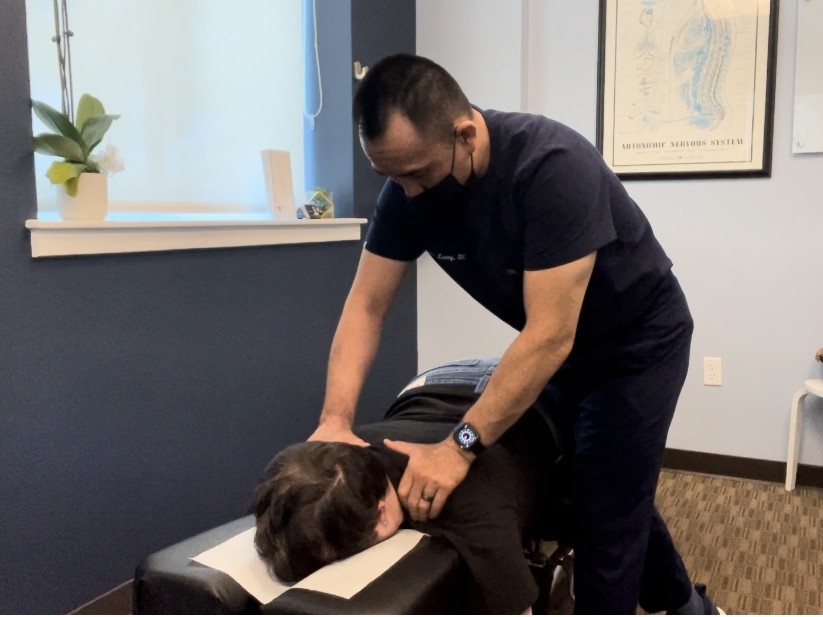
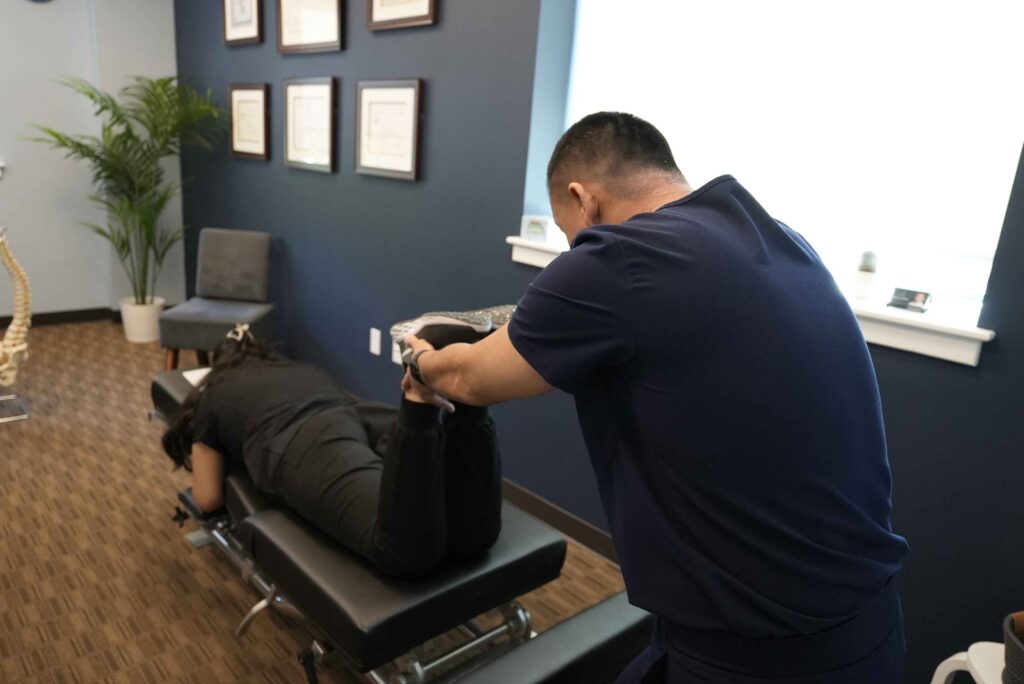
Chiropractic care is another essential avenue for relief. By focusing on spinal health and alignment, we can address the root causes of headaches. Misalignments in the spine can lead to tension and pain, so regular chiropractic adjustments can help restore balance and alleviate discomfort.
Incorporating these holistic strategies can unlock a more comprehensive approach to managing headaches. Here are some simple tips to take away:
- Stay Hydrated: Drink plenty of water throughout the day to prevent dehydration, which can trigger headaches.
- Mindful Practices: Try meditation or deep-breathing exercises to reduce stress and promote relaxation.
- Healthy Eating: Focus on a diet rich in fruits, vegetables, and whole grains to nourish your body and support overall health.
- Regular Chiropractic Visits: Make chiropractic care part of your wellness routine to maintain spinal health and prevent headaches before they start.
By embracing these natural approaches, you can take control of your health and find effective relief from headaches without relying on medications. Remember, your body has the power to heal itself—sometimes, it just needs a little guidance!
Key Takeaways
- Incorporate magnesium-rich foods like nuts and leafy greens into your diet. These foods not only support natural healing but can also help reduce the frequency of headaches, making them a great addition to your wellness routine.
- Applying peppermint oil on your temples can be a soothing remedy for tension headaches. The cooling sensation can relieve tension and improve circulation, helping you feel better in no time.
- Daily mindfulness and deep breathing techniques are excellent practices to manage stress and tension, which are common headache triggers. Taking just a few minutes each day to focus on your breath can create a sense of calm and help alleviate discomfort.
- Staying hydrated and maintaining balanced meals is crucial for stabilizing your blood sugar levels. This practice can prevent dehydration-related headaches and keep your energy levels steady throughout the day.
- Regular visits to your chiropractor can have a profound impact on your overall health. Chiropractic adjustments help improve spinal alignment, which can reduce nerve irritation and minimize headache severity. By addressing the root cause of your headaches, chiropractic care offers a natural, effective solution for pain relief and promotes holistic wellness.
Remember, prioritizing your spinal health through chiropractic care not only helps with headaches but also enhances your overall well-being. Make these simple lifestyle changes and consider chiropractic as your go-to option for achieving optimal health!
Understanding the Different Types of Headaches
When you’re experiencing a headache, it’s important to remember that headaches come in different types, each requiring a unique approach to relief. Understanding the type of headache you have can guide you toward the best natural solutions.
Tension headaches are the most common type and are often triggered by stress, poor posture, or even eyestrain. You might feel a tight band around your head, but the good news is that these headaches can often be alleviated through chiropractic care. A chiropractor can help address posture issues and relieve tension in your neck and shoulders, leading to reduced headache frequency and intensity.
Additionally, practicing relaxation techniques and taking breaks from screens can also be beneficial.
Migraines, on the other hand, can be quite debilitating. They often come with intense, pulsing pain and may be accompanied by nausea or sensitivity to light and sound. Identifying your migraine triggers—such as certain foods, stress, or hormonal changes—can help you avoid them.
Chiropractic adjustments can also be effective in managing migraines by improving spinal alignment and reducing nerve irritation, which may help lessen the severity and frequency of attacks.
Cluster headaches are less common but can be extremely painful. They often occur in cycles and can wake you from sleep. While they may require specific approaches, chiropractic care can help by ensuring that your body is in optimal alignment, potentially reducing the intensity of the pain when it strikes.
By understanding the different types of headaches and seeking natural solutions through chiropractic care, you can take proactive steps towards achieving better health and wellness.
Remember to maintain good posture, manage stress, and consider regular chiropractic visits as part of your wellness routine. This holistic approach can empower you to tackle headaches head-on and enhance your overall quality of life.
The Power of Herbal Remedies
When it comes to natural headache relief, many people are surprised to learn that herbal remedies can be quite effective. However, while exploring these options, it’s important to remember that chiropractic care is often the best choice for addressing the underlying causes of headaches and achieving optimal health.
Chiropractic care focuses on the alignment of the spine and the musculoskeletal system, which plays a crucial role in overall wellness. Misalignments in the spine can lead to tension and pressure in the head, contributing to headaches. By regularly visiting a chiropractor, you can’t only help prevent headaches but also promote better overall health.
In addition to chiropractic adjustments, there are several herbal solutions that can complement your wellness routine. Here are some options you might consider, along with simple ways to incorporate them into your daily life:
- Peppermint: This refreshing herb can be used as an oil or tea. Applying diluted peppermint oil to your temples may help relieve tension headaches.
- Ginger: Known for its anti-inflammatory properties, ginger can be consumed as a tea or included in meals. It may help reduce headache frequency and intensity.
- Chamomile: This calming herb can be made into a soothing tea. Drinking chamomile tea may help you relax and alleviate stress-related headaches.
- Lavender: The scent of lavender is known for its calming effects. You can use lavender essential oil in a diffuser or add a few drops to your bath for relaxation.
While these herbal remedies can provide comfort, the best approach to headache relief is through consistent chiropractic care. Regular adjustments can help maintain proper spinal alignment, reduce muscle tension, and enhance your overall wellness.
In addition to these remedies, here are some general tips for headache prevention:
- Stay Hydrated: Dehydration can lead to headaches, so be sure to drink plenty of water throughout the day.
- Practice Good Posture: Maintaining proper posture, especially while sitting at a desk, can help reduce strain on your neck and spine.
- Manage Stress: Incorporate relaxation techniques, such as deep breathing or meditation, into your daily routine.
By combining the benefits of chiropractic care with these herbal remedies and lifestyle tips, you can take significant steps toward achieving better health and reducing headaches.
Effective Herbal Options
If you’re looking for natural ways to alleviate headaches, chiropractic care should be your first consideration. A well-aligned spine can significantly reduce headache frequency and intensity, as many headaches stem from tension in the neck and upper back.
Regular chiropractic adjustments help keep your spine in alignment, promoting better overall health and wellness.
In addition to chiropractic care, there are several herbal remedies that may complement your healing journey. Feverfew is a plant known to help reduce the occurrence of migraines, while willow bark has properties similar to aspirin that can assist with pain relief.
Peppermint oil can also be beneficial; inhaling its aroma or applying it to your temples may provide soothing relief.
Ginger is another great option, especially if you experience nausea along with your headaches. It can be consumed as a tea or taken in supplement form.
Lastly, enjoying a warm cup of chamomile tea can help promote relaxation and ease tension headaches.
Remember, while these herbal options can be helpful, they work best in conjunction with chiropractic care. Always consult your chiropractor for personalized advice before starting any new remedies.
Incorporating regular chiropractic adjustments, staying hydrated, practicing good posture, and managing stress through relaxation techniques can all contribute to a healthier, pain-free life.
Preparation Methods Explained
Exploring herbal remedies can be a rewarding addition to your wellness routine, especially when combined with the benefits of chiropractic care. If you’re looking to alleviate headaches naturally, start by selecting fresh or dried herbs known for their soothing properties, such as peppermint or chamomile.
For a calming tea, simply steep one to two teaspoons of your chosen herbs in boiling water for about 10 minutes. This can be a great way to relax and unwind, complementing your chiropractic adjustments.
If you prefer a more concentrated form, consider making a tincture by soaking the herbs in alcohol for several weeks. Remember to shake the mixture daily and strain it to extract the herbal essence.
You might also find relief through poultices. Simply grind fresh herbs and apply them directly to your temples for a soothing effect. Additionally, essential oils, like lavender, can be inhaled or diluted with a carrier oil for topical application, providing a calming aroma that supports relaxation.
While these herbal remedies can be helpful, they work best alongside regular chiropractic care, which addresses the root cause of headaches and promotes overall wellness.
Essential Oils for Headache Relief
Many individuals seek natural ways to relieve headaches, and essential oils can be a wonderful complement to chiropractic care. These natural remedies offer soothing benefits without the side effects often associated with medications. The aromatic properties of essential oils can enhance relaxation, reduce stress, and alleviate tension – all of which are key factors that can contribute to headaches.
Here are four essential oils that you may find helpful:
- Peppermint: This oil is frequently used for tension headaches. Its cooling sensation can help improve circulation in the head and neck area, which may ease discomfort.
- Lavender: Renowned for its calming effects, lavender can help reduce anxiety and promote restful sleep. By addressing these underlying issues, it may help alleviate headache symptoms.
- Eucalyptus: If you experience sinus headaches, eucalyptus can be particularly beneficial. Its invigorating scent can help clear nasal passages, making it a great ally during allergy season or when you’re feeling under the weather.
- Chamomile: Known for its anti-inflammatory properties, chamomile can soothe headaches and promote relaxation. Incorporating chamomile tea into your routine may also support overall wellness.
In addition to using essential oils, consider integrating chiropractic care into your wellness routine. Regular spinal adjustments can improve alignment and reduce tension in the body, which can be key in preventing headaches.
Coupling chiropractic care with the use of essential oils can enhance your overall health and well-being. For optimal benefits, you can try diffusing these oils in your living space or applying them topically (make sure to dilute them with a carrier oil).
Alongside these practices, remember to maintain good posture, stay hydrated, and manage stress through techniques like deep breathing or gentle stretches. These tips can empower you to take control of your health and keep headaches at bay!
Acupressure Techniques to Alleviate Pain
Headaches can be a real nuisance, but there’s a natural way to help ease the discomfort—acupressure techniques. These methods can complement the benefits of chiropractic care, promoting relaxation and relieving pain without the need for medications or invasive procedures. By applying pressure to specific points on your body, you can effectively release tension and enhance circulation.
One effective acupressure point is LI4, located between your thumb and index finger. To relieve headache pain, simply pinch this area with your opposite thumb and index finger, applying steady pressure for about five minutes. This technique can encourage relaxation and help manage pain.
Another helpful point is GB20, situated at the base of your skull where your neck meets your head. Gently pressing on this spot can relieve tension headaches. You can also explore the Tai Chong point, located between your first and second toes, for additional relief.
Incorporating these acupressure techniques into your daily routine can provide quick relief and support your overall wellness. Remember to take deep breaths as you apply pressure; this will help you relax even more.
While these methods can be beneficial, don’t forget that regular chiropractic adjustments can address the root causes of your headaches, promoting optimal health and well-being.
The Role of Hydration in Headache Prevention
Staying properly hydrated is crucial for preventing headaches, as even mild dehydration can lead to discomfort and pain. When your body is lacking in water, it can reduce blood flow and oxygen to the brain, which may trigger headaches.
As a chiropractor, I believe in the power of natural methods to promote overall health and wellness, including hydration. Here are some simple tips to help you maintain proper hydration and reduce your risk of headaches:
- Drink Water Regularly: Aim for at least 8 glasses of water a day, but remember to adjust this based on your activity level and the climate. Keeping a water bottle handy can make it easier to sip throughout the day.
- Eat Hydrating Foods: Include fruits and vegetables in your diet that have high water content, such as cucumbers, oranges, and watermelon. These not only help with hydration but also provide essential vitamins and minerals that support your overall health.
- Limit Caffeine and Alcohol: Be mindful of your intake of caffeine and alcohol, as both can contribute to dehydration. Enjoy these beverages in moderation, and try to balance them with plenty of water.
- Monitor Your Urine: A simple way to check your hydration level is by observing the color of your urine. A light yellow color usually indicates that you’re well-hydrated, while dark urine can be a sign that you need to drink more fluids.
By incorporating these hydration tips into your daily routine, you can support not just headache prevention, but your overall well-being.
Mindfulness and Meditation Practices
When headaches strike, turning to chiropractic care can offer you significant relief. Many headaches stem from tension in the neck and spine, and a chiropractic adjustment can help realign your body, alleviating that discomfort.
In addition to chiropractic treatments, incorporating mindfulness and meditation can further enhance your wellness journey. Simple breathing techniques and daily mindfulness practices can ease tension and promote relaxation.
Let’s explore how these approaches, particularly chiropractic care, can transform your headache experience. Regular visits to your chiropractor can help address the root causes of your headaches, such as spinal misalignments or muscle tension. They can provide personalized care tailored to your needs, ensuring you find the best path to relief.
Incorporating mindfulness into your routine can also be beneficial. Try setting aside a few moments each day to practice deep breathing or guided visualization. These techniques can help you manage stress and tension, which are often contributing factors to headaches.
Here are a few general tips to help you manage headaches naturally:
- Stay Hydrated: Dehydration can lead to headaches, so make sure you drink plenty of water throughout the day.
- Monitor Your Posture: Poor posture can contribute to neck and back tension. Be mindful of how you sit, especially when working at a desk.
- Regular Chiropractic Care: Regular adjustments can help keep your spine aligned and reduce headache frequency and intensity.
- Practice Relaxation Techniques: Incorporate mindfulness practices into your daily routine to help you unwind and manage stress.
By focusing on chiropractic care and these wellness strategies, you can take proactive steps towards a healthier, headache-free life.
Breathing Techniques for Relief
Breathing techniques can be an effective and natural way to relieve headaches, complementing the benefits of chiropractic care. As a chiropractor, I believe that focusing on your breath not only helps ease tension but also promotes overall relaxation and well-being.
Here are four simple techniques you can incorporate into your daily routine for pain relief and stress reduction:
- Deep Breathing: Start by inhaling deeply through your nose, letting your abdomen expand fully. Then, exhale slowly through your mouth. This technique calms your nervous system and can help reduce the tension that often contributes to headaches. Try repeating this for several minutes, especially when you feel discomfort.
- 4-7-8 Breathing: Inhale for 4 seconds, hold that breath for 7 seconds, and then exhale slowly for 8 seconds. This rhythmic pattern can help slow your heart rate and promote relaxation, which is essential for alleviating headache pain. Incorporating this technique can also enhance your chiropractic adjustments by calming your body.
- Box Breathing: Inhale for a count of 4, hold your breath for another count of 4, exhale for 4 counts, and then hold again for 4 counts before inhaling once more. This structured breathing helps stabilize your mind and body, making it a great addition to your wellness routine alongside chiropractic care.
- Alternate Nostril Breathing: Close one nostril with your finger, inhale deeply through the other nostril, then switch and exhale through the opposite nostril. This technique not only helps balance your energy but also promotes relaxation, which can be beneficial when dealing with headache tension.
Incorporating these breathing techniques into your daily routine can enhance the benefits of chiropractic adjustments and support your journey towards optimal health.
Guided Visualization Benefits
Guided visualization is an effective technique that can help you manage headaches and enhance your overall well-being, especially when complemented by chiropractic care. By using your imagination, you can create a soothing mental escape that alleviates stress and tension, which are common headache triggers. This method encourages relaxation, allowing your mind to shift its focus away from pain and toward a state of peace. Visualizing a tranquil scene, like a serene beach or a lush forest, can have a remarkable effect on your mood and discomfort.
Here’s a quick overview of the benefits:
| Benefit | Description |
|---|---|
| Stress Reduction | Helps lower cortisol levels, which can ease headache triggers. |
| Enhanced Relaxation | Encourages a state of calmness and comfort, crucial for recovery. |
| Improved Focus | Shifts your attention from pain to a more peaceful state. |
| Increased Mindfulness | Heightens awareness, assisting you in recognizing headache triggers. |
Incorporating guided visualization into your daily routine can complement the benefits of chiropractic adjustments, leading to a more holistic approach to health. Along with visualization, consider these general tips for optimal well-being:
- Maintain Good Posture: Proper alignment is crucial for spinal health and can help reduce headache frequency.
- Stay Hydrated: Dehydration can be a headache trigger, so make sure to drink enough water throughout the day.
- Practice Deep Breathing: Taking a few minutes to focus on your breath can further enhance relaxation and reduce tension.
- Stay Active: Regular physical activity supports overall health and can help alleviate stress and tension that contribute to headaches.
Daily Mindfulness Practices
How can daily mindfulness practices complement chiropractic care to enhance your experience with headaches? By integrating simple techniques into your daily routine, you can help reduce stress, promote relaxation, and ease headache symptoms.
Here are four effective mindfulness practices that support your overall wellness and work harmoniously with chiropractic care:
- Deep Breathing: Dedicate a few minutes each day to focus on your breath. Inhale deeply through your nose, allowing your abdomen to expand, and then exhale slowly through your mouth. This practice can help calm your nervous system and reduce tension in your body, which is essential for maintaining a healthy spine.
- Body Scan: Find a comfortable position, lying down or sitting. Mentally scan your body from head to toe, and consciously release tension in each area. This awareness can help you recognize where you might be holding stress, which is important for your chiropractor to know during your adjustments.
- Guided Meditation: Consider using apps or online resources for guided meditation sessions. These can help you focus your mind and promote relaxation, enhancing the benefits of your chiropractic care by encouraging a more peaceful state of mind.
- Mindful Walking: Take a leisurely walk outdoors, paying attention to the sights, sounds, and sensations around you. This not only helps clear your mind but also encourages good posture and spinal alignment, both of which are vital for preventing headaches.
Incorporating these practices into your daily routine can help create a calmer mindset, offering relief from headache pain while supporting your overall health.
Dietary Changes to Reduce Headache Frequency
While headaches can arise from various triggers, making certain dietary changes can significantly help reduce their frequency. As a chiropractor, I understand the importance of a holistic approach to wellness, and adjusting your diet is a natural way to support your overall health and alleviate headache pain. Here are some dietary modifications to consider:
| Food Category | Foods to Include | Foods to Avoid |
|---|---|---|
| Hydration | Water, herbal teas | Sugary drinks |
| Magnesium-rich foods | Spinach, nuts | Processed foods |
| Caffeine | Moderate coffee | Excessive caffeine |
| Regular meals | Balanced meals, snacks | Skipping meals |
First and foremost, staying hydrated is crucial, as dehydration can trigger headaches. Aim to drink plenty of water and enjoy herbal teas for added benefits. Incorporating magnesium-rich foods like spinach and nuts can also support your body’s natural healing processes. If you enjoy caffeine, remember that moderation is key; too much can lead to increased headache frequency.
Additionally, eating regular, balanced meals can help keep your blood sugar stable, which is important for preventing headaches. When you skip meals, your body can react negatively, leading to discomfort.
The Benefits of Regular Exercise
Regular exercise can be a transformative tool in managing headaches, particularly when combined with chiropractic care. Engaging in physical activity helps alleviate tension and stress, both of which are common triggers for headaches. Additionally, exercise promotes better blood circulation, which can further help in reducing pain and discomfort.
Incorporating regular movement into your daily routine not only enhances your mood but also boosts your energy levels. This can make it easier to cope with any headaches you might experience. However, it’s important to remember that the foundation of optimal health often begins with a well-aligned spine. Chiropractic adjustments can effectively address spinal misalignments that may contribute to headache pain, providing you with a natural and holistic approach to relief.
Here are some general tips to help you manage headaches effectively:
- Stay Active: Aim for at least 30 minutes of moderate exercise most days of the week. Activities like walking, swimming, or yoga can be gentle yet effective.
- Practice Good Posture: Whether you’re sitting at a desk or standing, maintaining proper posture can help reduce tension in your neck and upper back.
- Stay Hydrated: Dehydration can trigger headaches, so make sure to drink plenty of water throughout the day.
- Incorporate Stretching: Regularly stretching your neck and shoulder muscles can help relieve tension that may lead to headaches.
- Visit Your Chiropractor: Regular chiropractic adjustments can help maintain spinal alignment and reduce the frequency and intensity of headaches.
By embracing these strategies, you can take proactive steps towards managing your headaches and improving your overall wellness.
Reduces Tension and Stress
When you engage in regular exercise, you’re not just boosting your physical health; you’re also significantly reducing tension and stress. Exercise triggers the release of endorphins, those feel-good hormones that can elevate your mood and promote relaxation.
While maintaining an active lifestyle is important, incorporating chiropractic care into your routine can enhance these benefits and support your overall well-being. Here are some key advantages you’ll experience with both exercise and chiropractic care:
- Improved Sleep Quality: Engaging in regular workouts can lead to deeper, more restful sleep. Chiropractic adjustments can also help align your spine, improving your body’s ability to relax at night.
- Enhanced Mood: Regular physical activity helps combat anxiety and depression. Coupling this with chiropractic care can further enhance your mental well-being by addressing any physical discomfort that might contribute to stress.
- Increased Resilience: Exercise helps you develop better coping mechanisms for stressors. Chiropractic adjustments can support this by ensuring your nervous system functions optimally, allowing your body to respond more effectively to stress.
- Social Interaction: Group activities can foster connections, reducing feelings of loneliness. Chiropractic clinics often offer community wellness events, providing a supportive environment where you can meet others focused on health.
To maximize the benefits of exercise and chiropractic care, remember to stay consistent with both your workouts and your chiropractic appointments.
Simple tips like stretching before and after workouts, maintaining good posture, and staying hydrated can go a long way in enhancing your overall health.
Increases Blood Circulation
Exercise isn’t just a mood booster; it plays a vital role in enhancing blood circulation throughout your body, which is essential for overall wellness. When you engage in regular physical activity, your heart becomes more efficient at pumping blood, delivering oxygen and nutrients to your muscles and organs. This improved circulation can help alleviate headaches by reducing tension and promoting relaxation, making it a natural remedy worth considering.
In addition to headache relief, better blood flow aids in detoxifying your system, helping to eliminate substances that may trigger discomfort. You don’t need to commit to intense workouts to reap these benefits; even a brisk walk or a short session of light exercise can make a significant difference.
Remember, staying active is a key component not only for fitness but also for maintaining optimal health and well-being. As a chiropractor, I encourage you to incorporate movement into your daily routine. Simple practices like stretching, walking, or even engaging in yoga can enhance your blood circulation and support your spine’s health.
This, in turn, aids in overall pain relief and promotes natural healing. Always remember that chiropractic care is an excellent way to support your body’s natural healing processes. Regular adjustments can help ensure that your spine is aligned and functioning properly, allowing for optimal blood flow and overall health.
Enhances Mood and Energy
Engaging in physical activity can significantly boost your mood and energy levels, making it an essential component of a healthy lifestyle. As a chiropractor, I want to emphasize that regular exercise isn’t just about improving your physical fitness; it plays a vital role in enhancing your overall well-being in several important ways:
- Releases Endorphins: When you exercise, your body releases natural mood boosters called endorphins. These feel-good hormones can help reduce feelings of stress and anxiety, making your day-to-day challenges feel more manageable.
- Improves Sleep Quality: Regular physical activity can lead to better sleep, which in turn increases your energy levels and helps you maintain a more positive outlook on life. Quality sleep is crucial for your body to recover and function optimally.
- Boosts Confidence: Setting and achieving fitness goals can significantly enhance your self-esteem. Each small victory on your fitness journey can motivate you to keep pushing forward, promoting a sense of accomplishment.
- Promotes Social Interaction: Participating in group exercises or community sports can foster connections with others, which is essential for emotional health. These social interactions can lead to feelings of happiness and belonging, enriching your life.
Incorporating chiropractic care into your routine can further enhance these benefits. Chiropractic adjustments help improve spinal alignment, which can alleviate pain and discomfort that might hinder your ability to engage in physical activity.
When your body feels good, you’re more likely to stay active and enjoy the positive effects that come with it.
Here are some general tips to enhance your overall health and wellness:
- Stay Active: Aim for at least 30 minutes of moderate exercise most days of the week. Find activities you enjoy, whether it’s walking, dancing, or yoga.
- Prioritize Sleep: Establish a regular sleep routine to improve your sleep quality. Aim for 7-9 hours of restful sleep each night.
- Set Realistic Goals: Set achievable fitness goals to keep you motivated. Celebrate your progress along the way!
- Stay Connected: Join a local fitness group or class to meet new people and make exercising a fun social activity.
By focusing on these lifestyle changes and incorporating chiropractic care into your routine, you can achieve optimal health and wellness naturally.
Creating a Relaxing Sleep Environment
Creating a relaxing sleep environment is essential for overall health and wellness, especially when it comes to alleviating headaches and enhancing your body’s natural healing processes. As a chiropractor, I understand how important it’s to have a peaceful space that promotes restful sleep, which can significantly impact your spinal health and overall well-being.
Start by dimming the lights in your bedroom; soft lighting helps signal to your brain that it’s time to wind down. This simple adjustment can prepare your body for restorative sleep.
It’s also wise to eliminate distractions, particularly electronic devices. The blue light emitted by screens can disrupt your natural sleep cycle, so consider setting aside your phone or tablet at least an hour before bedtime.
Incorporating calming scents into your environment can further promote relaxation. Aromatherapy with soothing scents like lavender or chamomile can create a tranquil space that encourages deep sleep and helps ease tension in your body, making it a great complement to chiropractic care.
Your bedding choices are equally important. Opt for comfortable pillows and blankets that support your spine properly while you sleep. A good alignment during sleep can help prevent headaches and discomfort upon waking.
If noise is a challenge, consider using earplugs or a white noise machine to create a peaceful atmosphere that allows you to relax.
Temperature plays a crucial role in sleep quality as well. Keeping your bedroom cool and well-ventilated can help your body maintain a comfortable temperature, facilitating better sleep and supporting your overall health.
By making these adjustments to your sleep environment, you can create a peaceful sanctuary that not only enhances your sleep but also complements the benefits of chiropractic care, helping you achieve optimal health and wellness.
Exploring Temperature Therapy: Hot and Cold Treatments
As a local chiropractor, I’m passionate about sharing how temperature therapy can help relieve headaches naturally. Utilizing hot and cold treatments can be an effective way to manage pain and promote wellness. Here are some practical methods to consider:
- Cold packs: Placing a cold pack on your forehead can help numb the pain and decrease inflammation. For optimal results, keep it on for about 15-20 minutes. It’s a simple way to provide relief without medication.
- Warm compress: Using a warm compress on the back of your neck can help relax tight muscles and enhance blood flow. Just ensure it’s warm, not too hot, to avoid skin irritation.
- Heat therapy: Enjoying a warm bath can be a wonderful way to relieve tension throughout your body, which may alleviate headache symptoms. It’s a great way to unwind and treat yourself.
- Contrast therapy: Alternating between hot and cold packs can stimulate circulation and provide relief from tension headaches. This technique can be particularly helpful in balancing muscle tension.
While these methods can be beneficial, remember that chiropractic care is one of the best options for addressing the underlying causes of headaches.
Regular chiropractic adjustments can help keep your spine aligned and relieve tension in your body.
I encourage you to experiment with these techniques alongside regular chiropractic visits to discover the best path to your well-being.
Embracing temperature therapy may be the natural remedy you need to combat those pesky headaches and enhance your overall health!
Conclusion
Unlocking Headache Relief: Nature’s Secrets Revealed
As a chiropractor, I believe that embracing nature’s secrets and holistic practices can be a powerful way to find relief from headaches. One effective approach is chiropractic care, which focuses on aligning the spine and improving overall wellness. When your spine is in proper alignment, it can help alleviate tension and reduce the frequency and intensity of headaches.
In addition to chiropractic adjustments, consider incorporating herbal remedies such as peppermint and ginger into your routine. These natural options can provide soothing relief. Mindfulness techniques, like deep breathing and meditation, can also help you manage stress and tension, which are common headache triggers.
Proper hydration is essential, as dehydration can often lead to headaches. Aim to drink plenty of water throughout the day, and don’t forget the importance of a balanced diet. Eating nutrient-rich foods can support your body’s natural healing processes.
Regular exercise is another vital component of headache relief. Physical activity helps improve circulation and reduces muscle tension, both of which can contribute to headaches. Find activities you enjoy, whether it’s walking, yoga, or something else, and aim to incorporate them into your weekly routine.
Lastly, create a peaceful sleep environment. Quality sleep is crucial for overall health and can significantly impact headache frequency. Establishing a calming bedtime routine can help ensure you get the restorative rest your body needs.
By combining these natural solutions with regular chiropractic care, you can take charge of your well-being and work towards a happier, headache-free life. Remember, you have the power to explore these holistic options for optimal health and wellness!