As a local chiropractor, I want to emphasize the importance of understanding the recovery process when you encounter a sports injury. Many people are familiar with immediate care techniques like R.I.C.E. (Rest, Ice, Compression, Elevation), but what comes after that initial treatment? Rehabilitation encompasses much more than just physical therapy. It includes vital components such as nutrition, mental resilience, and even the integration of technology to support your healing journey.
When considering your recovery, think about how these elements work together to facilitate your return to sports. Chiropractic care, for instance, plays a crucial role in restoring function and promoting healing through gentle adjustments and alignment. This natural approach not only alleviates pain but also helps in optimizing your body's performance.
As you embark on your recovery journey, I encourage you to explore these multifaceted strategies. They can significantly influence your healing process and help you get back to doing what you love—playing your sport. If you have any questions or would like guidance on how chiropractic care can benefit your recovery, I'm here to help you navigate this path towards better health and wellness.
Understanding Sports Injuries
As a local chiropractor, I believe understanding sports injuries is crucial for everyone, from casual weekend athletes to dedicated sports enthusiasts. Recognizing the signs and causes of these injuries can empower you to prevent them and help ensure you maintain an active lifestyle for longer.
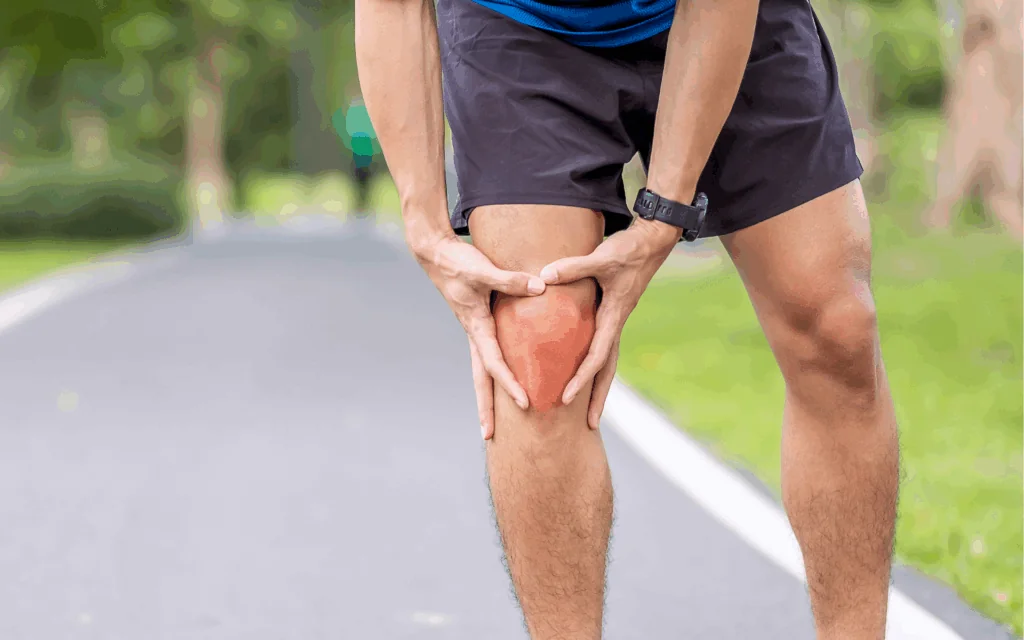
Sports injuries generally fall into two main categories: acute and chronic. Acute injuries happen suddenly and are often the result of a specific incident, such as a fall or collision. Being aware of symptoms like swelling, bruising, or sharp pain can help you assess the situation and seek appropriate care quickly.
Chronic injuries, on the other hand, develop gradually due to repetitive stress on the body. These can be more challenging to identify since they often start as mild discomfort and can escalate into significant pain. If you experience persistent aches in your joints or muscles after your workouts, it's vital to listen to your body and address these signals promptly.
It's also important to familiarize yourself with common types of sports injuries, including sprains, strains, fractures, and tendonitis. Understanding these can enhance your body awareness and help you recognize when something doesn't feel right. For instance, you may experience an ankle sprain after an awkward landing or a hamstring strain from pushing your limits too hard.
As a chiropractor, I focus on natural healing methods that can support your recovery and overall well-being. Taking the time to educate yourself about sports injuries can't only help you avoid them but also lead to a more fulfilling and injury-free athletic experience.
Importance of Immediate Care
As a local chiropractor, I want to emphasize the importance of seeking immediate care when you sustain a sports injury.
Prompt attention allows for a thorough assessment of your injury, which is crucial in determining the best course of action for recovery. By addressing the injury quickly, we can help reduce swelling and pain, as well as minimize the risk of further damage.
Chiropractic care focuses on natural healing methods that can significantly enhance your recovery process.
The sooner you get help, the better your chances of returning to your sport stronger and more resilient.
Remember, acting quickly can make a substantial difference in not only your recovery but also your overall performance in the future.
Let's guide you on your journey to optimal health and well-being.
Prompt Injury Assessment
As a local chiropractor, I want to emphasize the importance of recognizing sports injuries early on, as it can significantly impact your recovery and overall well-being.
If you find yourself experiencing pain, swelling, or difficulty in moving a joint or muscle, it's crucial to assess the situation right away. Neglecting these warning signs can lead to more serious damage and extended recovery times.
To begin evaluating your injury, I recommend using the R.I.C.E. method—Rest, Ice, Compression, and Elevation. This simple approach can help you gauge the severity of your injury and determine if you need to seek further medical attention.
Should you experience severe pain or find it difficult to bear weight on the affected area, please don't hesitate to reach out for professional help.
As a chiropractor, I focus on natural healing methods that can complement your body's recovery process. It's essential to listen to your body and take proactive steps to ensure a smooth healing journey.
Reducing Swelling and Pain
As a local chiropractor, I want to emphasize the importance of promptly addressing swelling and pain following a sports injury. Taking immediate action can significantly aid your recovery by minimizing inflammation and discomfort, ultimately preventing further complications.
Here are some effective techniques that I recommend for managing swelling and pain right after an injury:
- RICE Method: This stands for Rest, Ice, Compression, and Elevation. It's a classic approach that's crucial in reducing swelling and promoting healing.
- Cold Therapy: Applying ice to the injured area for 15-20 minutes can help constrict blood vessels and reduce swelling. Just remember to wrap the ice in a cloth to protect your skin from frostbite.
- Compression Wraps: Using elastic bandages to provide gentle pressure on the affected area can help limit swelling. This is an important step in the recovery process.
- Elevation: Whenever possible, elevate the injured limb above heart level. This position helps facilitate fluid drainage and minimizes swelling.
Incorporating these methods into your immediate care after an injury can set you on the right path to recovery.
If you have any questions or need further guidance, feel free to reach out to my office for personalized advice on how chiropractic care can support your healing journey.
Preventing Further Damage
Prompt attention to a sports injury is essential for preventing further damage and ensuring a smoother recovery, and as a chiropractor, I want to help you understand the importance of immediate care. When you experience an injury, your body instinctively tries to protect the affected area. Ignoring the pain or delaying treatment can exacerbate the injury, potentially leading to more serious complications in the future.
Addressing the injury right away can significantly reduce the risk of long-term damage. I recommend employing the R.I.C.E method—Rest, Ice, Compression, and Elevation—as soon as possible.
Resting the injured area is crucial to avoid putting additional strain on it. Applying ice can help minimize swelling and numb the pain, while compression provides support to the injury and further reduces swelling. Elevating the limb can also decrease blood flow to the area, which aids in managing swelling.
Seeking professional help, such as from a chiropractor, is vital, especially if the pain persists or worsens. I can assess your injury and provide appropriate treatment options, guiding you through rehabilitation exercises that promote natural healing.
Remember, taking immediate care of your injury not only aids in your recovery but also ensures that you can return to your sport with more strength and safety. Prioritizing swift action can make the difference between a quick recovery and a long-term setback.
Let's work together to get you back to doing what you love!
Physical Therapy Techniques
When it comes to recovering from sports injuries, chiropractic care and natural healing techniques play a vital role in your rehabilitation journey. These methods are designed to help you regain strength, flexibility, and mobility while addressing pain and discomfort. By understanding and utilizing the right chiropractic approaches, you can significantly enhance your healing process.
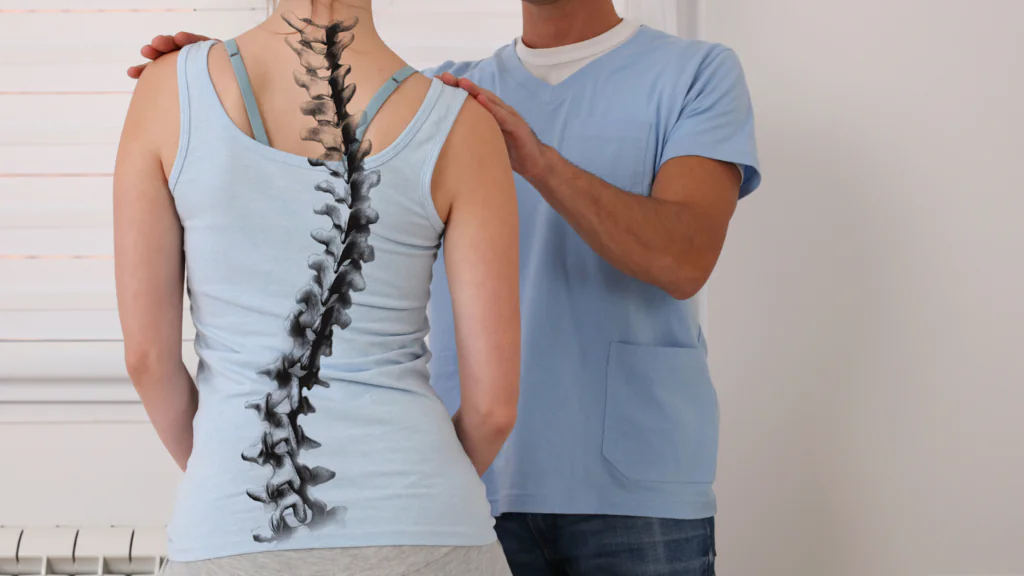
One of the foundational techniques we use in chiropractic care is manual therapy. This involves hands-on adjustments and manipulations to help realign your spine and joints, which can alleviate pain and improve circulation.
Another important component is therapeutic exercise, where we develop a customized exercise regimen tailored to your specific injury and recovery needs. These structured movements are essential for restoring function and building strength in the affected area.
Additionally, we often incorporate modalities such as ultrasound and electrical stimulation into your treatment plan. These tools are beneficial for promoting tissue healing and reducing inflammation, making them integral parts of your recovery strategy.
Education also plays a crucial role in chiropractic care. I'll provide you with valuable insights on proper body mechanics and techniques to prevent future injuries, ensuring that you can safely return to your sport.
Here are some key chiropractic techniques you might experience during your recovery:
- Manual therapy: Hands-on adjustments for pain relief and improved mobility.
- Therapeutic exercise: Personalized exercises to restore strength and function.
- Modalities: Use of ultrasound and electrical stimulation to aid healing and reduce inflammation.
- Education: Instruction on body mechanics to help prevent future injuries.
Active Recovery Strategies
As a local chiropractor, I want to share with you the importance of incorporating active recovery strategies into your rehabilitation process, especially if you're dealing with sports injuries. Many people may not realize that active recovery can significantly enhance your healing journey.
Rather than simply resting, active recovery encourages you to engage in low-intensity exercises that promote blood flow, alleviate muscle stiffness, and support the healing process.
Consider adding gentle activities such as walking, cycling, or swimming to your routine. These exercises not only maintain your cardiovascular fitness but also allow your injured area to recover effectively.
It's important to focus on short, consistent sessions instead of long, intense workouts, as this helps keep your body engaged without overwhelming it.
Stretching also plays a vital role in active recovery. Specifically, dynamic stretches can improve your flexibility and range of motion. Incorporating practices like yoga or Pilates can be particularly beneficial, as they enhance strength and balance while keeping you mindful of your body's limits.
Always listen to your body during these activities. If you encounter pain, it's essential to scale back or adjust the movement. The aim is to foster healing without risking further injury.
Additionally, consider integrating foam rolling or self-myofascial release techniques into your routine; these methods can effectively relieve muscle tightness and facilitate recovery.
By embracing these active recovery strategies, you'll not only aid in your healing but also prepare your body for a safe return to your sport. Taking a proactive approach will help ensure a smoother recovery process and minimize the risk of re-injury.
As your chiropractor, my goal is to support you in understanding and utilizing these natural healing methods for optimal health and wellness.
Nutritional Support for Healing
As a local chiropractor, I want to emphasize the importance of nutrition in your healing journey, especially if you're recovering from sports injuries. Your body needs specific vitamins, minerals, and macronutrients to repair tissues, reduce inflammation, and support overall recovery. By prioritizing a well-rounded diet, you can significantly enhance your healing process.
To aid your recovery, consider incorporating these essential nutrients into your meals:
- Protein: This nutrient is vital for muscle repair and growth. Opt for lean protein sources such as chicken, fish, beans, and lentils to support your body's healing needs.
- Omega-3 Fatty Acids: Known for their anti-inflammatory properties, omega-3s can be found in fatty fish, flaxseeds, and walnuts. Including these in your diet may help reduce swelling and promote faster recovery.
- Vitamin C: This vitamin is crucial for collagen formation, which is key to tissue repair. Make sure to add citrus fruits, strawberries, and bell peppers to your diet for a boost in vitamin C.
- Zinc: This mineral plays a significant role in immune function and tissue recovery. Incorporate sources like nuts, seeds, and whole grains to ensure you're getting enough zinc.
Additionally, don't underestimate the importance of hydration. Staying well-hydrated is essential as water helps transport nutrients throughout your body and prevents dehydration, which can hinder your healing.
Keep a water bottle handy and make it a routine to sip water throughout the day.
Mental Resilience in Recovery
Building mental resilience is crucial for anyone recovering from sports injuries, and as your local chiropractor, I want to help you understand how this ties into your overall healing process. Your mindset plays a significant role in your recovery, so cultivating a positive and determined attitude is vital.
It's perfectly normal to experience feelings of frustration, sadness, or anxiety during this time. Acknowledging these emotions is the first step toward moving forward, rather than getting bogged down in negativity.
Setting realistic goals throughout your recovery journey is essential. I encourage you to break your healing process into smaller, manageable milestones. Celebrate each achievement, no matter how minor it may seem. This sense of progress can greatly motivate you and reinforce a positive outlook on your recovery.
Surrounding yourself with supportive friends, family, and teammates is also important. Their encouragement can significantly boost your morale and remind you that you're not alone in this journey.
Incorporating mindfulness techniques, such as meditation or deep breathing exercises, can help you manage stress and anxiety effectively. These practices can improve your focus and enhance your belief in your abilities, allowing you to visualize a successful return to your sport.
Additionally, maintaining a routine that keeps you engaged—whether through cross-training or rehabilitation exercises—can foster a sense of normalcy and purpose during your healing process.
Finally, it's important to remember that recovery encompasses both physical and mental aspects. As your chiropractor, I emphasize that developing mental resilience won't only aid in your physical healing but also empower you to emerge stronger and more confident in facing future challenges.
Embrace this opportunity for growth and self-discovery, and know that we're here to support you every step of the way in your recovery journey.
Utilizing Technology in Recovery
As you recover from a sports injury, embracing technology can significantly enhance your healing journey. At our chiropractic practice, we believe that the right tools and resources can help you monitor your progress, alleviate pain, and promote your overall well-being.
Here's how technology can play a vital role in your recovery:
- Wearable Devices: Utilizing fitness trackers or smartwatches allows you to keep an eye on your activity levels, heart rate, and sleep quality. These insights are crucial in understanding how your body is responding to treatment and adjusting your recovery plan accordingly.
- Mobile Apps: There are numerous rehabilitation apps specifically designed for injuries that can assist you in performing your exercises correctly, tracking your recovery milestones, and reminding you to take medication or attend physical therapy sessions. These apps can act as your personal recovery assistant, keeping you motivated and on track.
- Telehealth Services: Our practice offers virtual consultations, allowing you to receive expert chiropractic advice from the comfort of your home. This convenience helps you stay engaged with your recovery plan without the need to visit the office, ensuring you get the guidance you need when you need it.
- Pain Management Tools: Devices such as TENS units or cold therapy machines can be effective in managing pain and reducing inflammation. These tools can help you stay comfortable as you heal, complementing the hands-on care you receive from chiropractic adjustments.
By integrating these technological advancements into your recovery process, you can enhance your healing, stay informed, and feel empowered on your journey to full recovery.
Return-to-Play Guidelines
As you embark on your recovery journey, it's essential to understand the importance of safely returning to your activities, especially when it comes to sports. This process goes beyond simply feeling better; it requires a structured approach to ensure your safety and long-term wellness.
I recommend starting by consulting with a healthcare professional, such as a chiropractor, who can evaluate your injury and guide you through the recovery phases.
Together, we'll follow a step-by-step return-to-play protocol. Initially, we'll introduce light activities that won't put too much strain on your injury. As your body begins to heal, we'll gradually increase the intensity and duration of your activities.
It's crucial to listen to your body during this time—if you experience any pain or discomfort, we may need to adjust your training regimen.
As you gain strength and confidence, we can incorporate sport-specific drills. These exercises not only help you reclaim your skills but also allow us to assess how well you can perform in conditions similar to actual gameplay.
Always pay attention to your body's signals; if something feels off, don't hesitate to reach out to me or your healthcare team.
Additionally, it's important to ensure that you meet all necessary criteria for a safe return, including strength, range of motion, and functional testing. Once we've confirmed that you've met these benchmarks, you can begin reintroducing yourself to your sport, starting with practice settings.
Lastly, maintaining open communication with your coach and teammates about your condition is vital. Their support can greatly aid your reintegration into the game.
Conclusion
As a local chiropractor, I want to emphasize that while injuries can be challenging, achieving a smooth recovery is entirely possible with the right approach. It starts with prioritizing immediate care, which can often include chiropractic adjustments to help alleviate pain and restore function. Engaging in physical therapy as part of your recovery plan is crucial, as it helps rebuild strength and mobility in a safe manner.
Nutrition also plays a vital role in healing; fueling your body with the right nutrients supports tissue repair and overall wellness. I encourage you to embrace mental resilience during this time—staying positive and focused on your recovery can make a significant difference.
Additionally, technology can be a great ally in your healing journey. There are various apps and tools designed to keep you motivated and track your progress. Don't underestimate the power of communication; staying in touch with your healthcare professionals, including your chiropractor, and leaning on your teammates for support can enhance your recovery experience.
Finally, it's essential to stick to a personalized treatment plan tailored to your specific needs. With dedication and the right support, you'll be back to doing what you love and performing at your best in no time!