If you’ve ever dealt with persistent headaches, you know just how debilitating they can be. What if I told you that the key to relief could be something as fundamental as spinal alignment? Misalignments in your spine can create tension that travels through your neck and head, often leading to those painful headaches. Understanding the link between your spine and headache relief can truly transform your approach to wellness.
So, how does spinal alignment influence headaches? When your spine is misaligned, it can put pressure on the nerves and muscles in your neck and head, causing discomfort and pain. By ensuring your spine is properly aligned through chiropractic care, you can relieve this tension and promote better overall health.
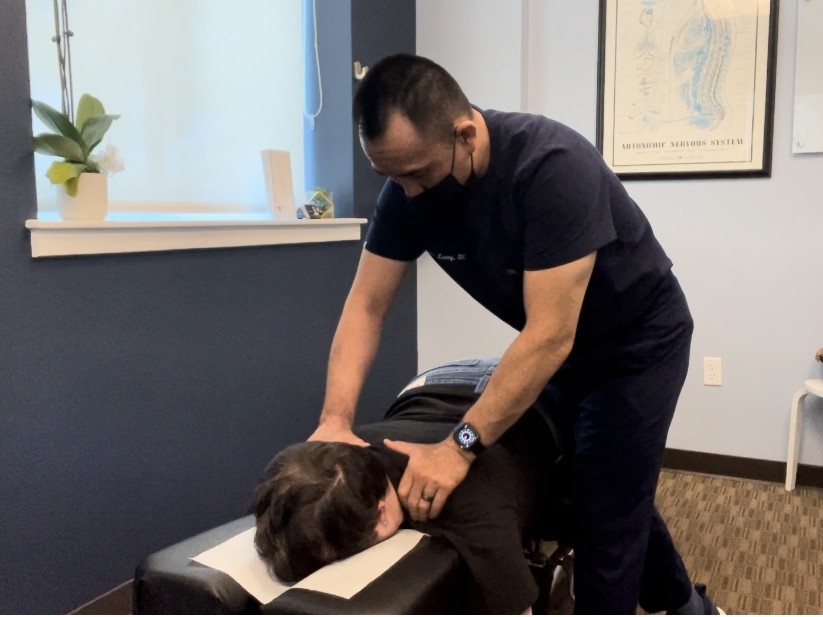
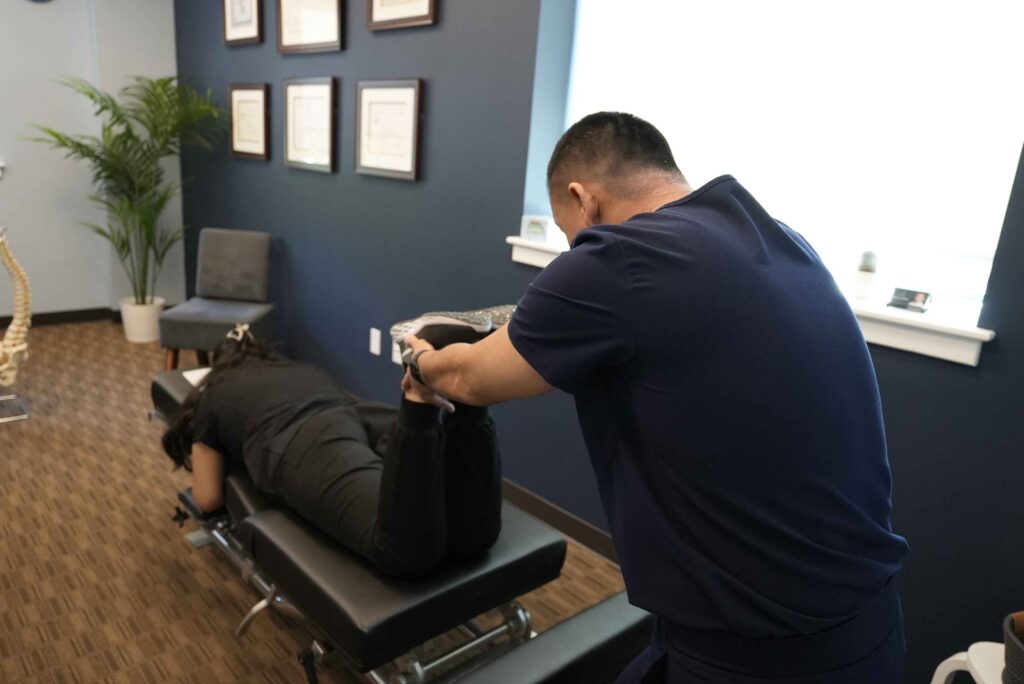
Chiropractic adjustments are a natural way to correct these misalignments and help your body heal itself. Regular visits to your chiropractor can significantly reduce the frequency and intensity of headaches, allowing you to enjoy a more active and fulfilling life.
In addition to seeking chiropractic care, here are some general tips to help manage and prevent headaches at home:
- Stay Hydrated: Dehydration can trigger headaches, so make sure you’re drinking enough water throughout the day.
- Practice Good Posture: Sitting and standing with proper posture can reduce strain on your neck and spine.
- Manage Stress: Engage in relaxation techniques such as deep breathing, meditation, or yoga to help alleviate tension.
- Take Breaks: If you’re working at a desk, remember to take regular breaks to stretch and move around, which can help prevent tension build-up.
By prioritizing spinal health through chiropractic care and adopting these simple lifestyle changes, you can take significant steps toward reducing your headache pain and achieving optimal wellness. Remember, your spine is the foundation of your health—taking care of it is key to living your best life!
Key Takeaways
Unlocking Relief: How Alignment Eases Headaches
Headaches can be a real pain—both literally and figuratively. One of the most effective ways to alleviate headache discomfort is through proper spinal alignment. When your spine is aligned correctly, it reduces tension in your neck and shoulders, which helps to ease the pressure on nerves that can lead to headaches.
Chiropractic adjustments are a fantastic way to realign your spine. These gentle, targeted adjustments not only promote better posture but also help to reduce muscle strain. When your muscles are less strained, you’re less likely to experience headaches.
To help prevent headaches, it’s essential to maintain good posture throughout your daily activities. Simple practices like sitting up straight while at your desk or being mindful of your posture while using your phone can go a long way. This helps avoid misalignment and minimizes headaches caused by muscle imbalances.
Additionally, emotional well-being plays a crucial role in managing stress, which is a common headache trigger. By supporting your spine through chiropractic care, you not only improve your physical health but also boost your emotional resilience.
If you find yourself dealing with persistent headaches, seeking chiropractic care can provide timely relief. Regular visits can help prevent more serious alignment issues from developing and promote overall wellness. Remember, choosing chiropractic care is a natural and effective way to achieve optimal health without the need for medications or invasive procedures.
Quick Tips for Headache Relief:
- Stay Hydrated: Drink plenty of water throughout the day.
- Practice Good Posture: Keep your back straight and shoulders relaxed when sitting or standing.
- Take Breaks: If you work at a computer, take regular breaks to stretch and move around.
- Manage Stress: Incorporate relaxation techniques like deep breathing or meditation into your daily routine.
- Regular Chiropractic Visits: Schedule regular appointments to maintain spinal health and prevent headaches.
By focusing on these natural approaches and prioritizing chiropractic care, you can take significant steps towards reducing headaches and enhancing your overall well-being.
The Science Behind Headaches and Alignment
When it comes to headaches, many people overlook how important proper alignment is in preventing and alleviating discomfort. Misalignment in your spine can create tension in the neck and shoulders, which often leads to headaches. This tension can affect the nerves and blood flow in your body, contributing to that nagging pain.
Additionally, when your spine is out of alignment, it can impact your posture, which puts extra strain on your muscles and can trigger even more pain.
It’s crucial to understand how your body mechanics work together. Poor alignment can lead to muscle imbalances, where some muscles become overworked while others weaken. This imbalance often results in referred pain, meaning that discomfort can spread to your head.
Chiropractic care is a natural and effective way to address these issues. By focusing on realigning your spine, chiropractors can help reduce tension, improve posture, and restore balance to your muscles.
Here are some tips to help you maintain proper alignment and reduce the risk of headaches:
- Stay Active: Regular physical activity can help strengthen your muscles and improve your posture, which supports spinal alignment.
- Mind Your Posture: Whether you’re sitting at a desk or using your phone, be mindful of your posture. Keep your shoulders back and your head aligned with your spine.
- Take Breaks: If you work at a desk, make sure to take regular breaks to stretch and move around. This will reduce tension in your neck and shoulders.
- Practice Relaxation Techniques: Stress can contribute to muscle tension. Techniques such as deep breathing, yoga, or meditation can help you relax and reduce headache triggers.
- Regular Chiropractic Visits: Consistent chiropractic care can help maintain your spinal alignment and prevent headaches from developing.
By prioritizing your spinal health through chiropractic care and adopting these simple lifestyle habits, you can take significant steps towards achieving optimal health and reducing headaches naturally.
Understanding Spinal Alignment and Its Impact
Your spinal structure is crucial for your overall well-being, affecting everything from how you move to your levels of discomfort. When your spine is misaligned, it can lead to pain and even headaches, creating a frustrating cycle. This is why understanding the importance of spinal alignment is key to finding relief and enhancing your quality of life.
Chiropractic care is the most effective way to address these issues naturally. By focusing on spinal adjustments, we can help realign your spine, reduce pain, and promote better mobility. This natural healing approach not only alleviates discomfort but also supports your body’s ability to heal itself.
Here are some general tips for maintaining a healthy spine:
- Practice Good Posture: Whether sitting at a desk or standing, keeping your spine aligned can help prevent strain. Make sure your workstation is ergonomically friendly.
- Stay Active: Regular movement and exercise strengthen your back muscles and improve flexibility. Simple activities like walking or stretching can make a significant difference.
- Listen to Your Body: If you experience discomfort, don’t ignore it. Early intervention through chiropractic care can help prevent more serious issues down the road.
- Stay Hydrated: Drinking enough water is essential for maintaining the health of your spinal discs, which can help with overall spinal function.
- Schedule Regular Chiropractic Check-ups: Just like with dental visits, keeping up with your chiropractic care can help maintain your spinal health and prevent future issues.
By prioritizing your spinal health through chiropractic care, you can achieve optimal wellness and enjoy a more active, pain-free life.
Spinal Structure and Function
The spine is a vital component of your overall health, acting as the backbone of your body. It plays a significant role in maintaining good posture, facilitating movement, and supporting your well-being. By understanding its structure and function, you can see how important it’s to keep your spine aligned and healthy.
Your spine is made up of vertebrae, discs, and nerves, all of which work together to support your body and protect your nervous system. Here are some key points to consider:
- Vertebrae: These strong bones stack on top of each other to form a solid framework that provides stability.
- Discs: They serve as shock absorbers, offering flexibility and cushioning to prevent wear and tear on your spine.
- Nerves: These vital pathways transmit signals between your brain and the rest of your body, influencing coordination and overall function.
- Posture: Maintaining proper alignment is essential for balance and can help reduce strain on your body.
As a chiropractor, I emphasize how crucial spinal health is to your well-being. Regular chiropractic adjustments can help keep your spine aligned, reducing pain and enhancing your body’s natural healing ability.
Here are some simple tips you can incorporate into your daily routine for a healthier spine:
- Practice Good Posture: Whether sitting at a desk or standing, be mindful of your posture. Keep your shoulders back, and avoid slumping to reduce strain on your spine.
- Stay Active: Regular exercise strengthens your back and core muscles, providing better support for your spine. Aim for activities like walking, swimming, or yoga.
- Mind Your Sleep: Choose a supportive mattress and pillow that keeps your spine aligned while you sleep. Sleeping on your back or side is generally better for spinal health than sleeping on your stomach.
- Stay Hydrated: Drinking plenty of water helps keep your discs hydrated and functioning well, which is important for shock absorption.
- Schedule Regular Chiropractic Visits: Regular adjustments can help maintain proper alignment and prevent issues before they arise.
By prioritizing your spine health through these practices and incorporating chiropractic care into your routine, you can achieve a greater sense of well-being and enhance your overall quality of life.
Misalignment and Pain Connection
Spinal alignment is crucial for your overall health and how your body feels on a daily basis. When your spine is misaligned, it can create tension and discomfort, leading to pesky headaches. This misalignment can put pressure on your nerves and muscles, causing pain that can radiate through your head and neck.
You may find that your everyday activities become more difficult, as discomfort can limit your range of motion and negatively impact your posture.
One of the best ways to address misalignment is through chiropractic care. A skilled chiropractor can help realign your spine and relieve that strain, which not only reduces the frequency of headaches but also enhances your overall well-being. By choosing chiropractic care, you’re opting for a natural way to achieve pain relief and promote a healthier lifestyle.
Here are some helpful tips to keep your spine aligned and reduce pain at home:
- Maintain Good Posture: Be mindful of your posture while sitting, standing, and walking. Keep your shoulders back and your spine straight.
- Stay Active: Regular physical activity can help strengthen the muscles that support your spine. Consider low-impact exercises like walking, swimming, or yoga.
- Listen to Your Body: If you feel discomfort, don’t ignore it. Pay attention to what your body is telling you and seek chiropractic care to address any issues.
- Stretch Regularly: Incorporate gentle stretches into your daily routine to keep your muscles flexible and your spine aligned.
- Create a Comfortable Workspace: If you work at a desk, make sure your chair and computer setup promote good posture to avoid unnecessary strain on your back.
Understanding the connection between spinal alignment and pain empowers you to take proactive steps toward a pain-free life. Embrace chiropractic care as a natural solution to enhance your health and enjoy life without the burden of headaches!
The Role of Muscular Balance in Headache Relief
When muscular balance is achieved, it can significantly alleviate headaches caused by tension and misalignment. At our chiropractic practice, we believe that ensuring your muscles work harmoniously not only relieves pain but also helps prevent it from coming back.
Here’s how muscular balance is essential for headache relief and overall wellness:
- Reduces Strain: When your muscles are balanced, they work together without forcing others to overcompensate. This can help prevent those pesky tension headaches from sneaking up on you.
- Improves Posture: Good posture is vital for spinal and neck health. By maintaining proper alignment, we can reduce pressure on the nerves, which often contributes to headache pain.
- Enhances Blood Flow: Balanced muscles help improve circulation, ensuring that your brain receives the oxygen and nutrients it needs to function optimally. This can contribute to reducing headache symptoms.
- Increases Flexibility: A well-balanced muscular system allows for a greater range of motion. This flexibility can reduce stiffness and discomfort, making it easier to enjoy your daily activities without the distraction of headaches.
Tips for Achieving Muscular Balance:
- Regular Chiropractic Adjustments: Visiting your chiropractor regularly can help maintain spinal alignment and muscle balance, keeping headaches at bay.
- Stretch and Strengthen: Incorporate gentle stretches and strengthening exercises into your routine to support your muscles and improve flexibility.
- Stay Hydrated: Drinking plenty of water can help keep your muscles functioning properly and reduce tension.
- Mind Your Posture: Be aware of your posture, especially if you spend long hours sitting. Adjust your workspace to support a healthy alignment.
By focusing on these strategies and incorporating chiropractic care into your wellness routine, you can achieve optimal health and find effective relief from headaches.
Emotional Alignment: The Overlooked Factor
Did you know that your emotions can play a significant role in how often you experience headaches? Emotional triggers and stress can create a cycle that intensifies discomfort, which is why it’s crucial to explore effective stress management techniques.
As a chiropractor, I believe understanding the mind-body connection can be a game changer in finding relief. When your spine is aligned and your nervous system is functioning optimally, your body can better manage stress and emotions, which in turn can help reduce headache frequency and intensity.
Here are some general tips to help you manage stress and support your overall wellness:
- Stay Active: Regular physical activity can help alleviate stress and tension in your body, contributing to better spinal health.
- Practice Mindfulness: Techniques like deep breathing, meditation, or yoga can help calm your mind and reduce emotional triggers.
- Get Adjusted: Regular chiropractic adjustments can help keep your spine in alignment, which supports your nervous system and enhances your body’s ability to cope with stress.
- Stay Hydrated: Drinking enough water can help reduce headache triggers, as dehydration can lead to increased tension.
- Maintain Good Posture: Pay attention to your posture, especially when sitting for long periods. Proper alignment can reduce strain on your spine and help manage stress levels.
By focusing on these natural approaches and considering the role of chiropractic care, you can take proactive steps toward achieving optimal health and finding relief from headaches.
Emotional Triggers and Headaches
While it’s easy to overlook the connection between emotions and physical discomfort, emotional triggers can significantly contribute to headache episodes. As a chiropractor, I want to emphasize that understanding these triggers is crucial for finding natural relief and achieving optimal health.
Here are some common emotional triggers that might lead to headaches, along with tips on how chiropractic care can help:
- Anxiety: When stress levels rise, muscle tension often follows, leading to headaches. Chiropractic adjustments can help relax tight muscles and improve spinal alignment, reducing tension in the neck and shoulders.
- Depression: Low moods can disrupt sleep and appetite, which may lead to physical discomfort. Regular chiropractic care can enhance your overall well-being, helping to alleviate some of the physical symptoms related to emotional distress.
- Frustration: Ongoing irritation can create strain in your upper body. Chiropractic treatments can relieve this tension, promoting a healthier posture and reducing the likelihood of headaches.
- Overstimulation: In our fast-paced world, too much sensory input can overwhelm you, resulting in headaches. Chiropractic adjustments can help your body better cope with stress, allowing for improved relaxation and clarity.
In addition to chiropractic care, here are some general tips to help manage emotional triggers and reduce headache occurrences:
- Practice Deep Breathing: Simple breathing exercises can help calm your mind and reduce stress.
- Stay Hydrated: Dehydration can worsen headaches. Ensure you’re drinking enough water throughout the day.
- Regular Exercise: Physical activity can boost your mood and reduce tension, which may help prevent headaches.
- Mindfulness and Relaxation Techniques: Incorporating practices like meditation or yoga can help you manage stress effectively.
By addressing the emotional factors contributing to headaches and considering chiropractic care as a natural solution, you can pave the way toward a healthier, pain-free life.
Stress Management Techniques
While many people often focus on physical causes of stress, it’s crucial to understand that emotional alignment is just as important in managing stress and preventing headaches. One of the first steps you can take is recognizing your emotions. A great way to do this is through journaling, which can help you pinpoint patterns and triggers in your daily life.
Incorporating mindfulness techniques, such as meditation or deep-breathing exercises, can also be beneficial. These practices help you center yourself and release any built-up tension. Additionally, engaging in physical activities like yoga or walking not only boosts your mood but also helps align your spine and body, which is essential for overall wellness.
Connecting with others is another powerful tool. Talking to friends or seeking support from a professional can provide valuable perspectives and encouragement. It’s important to prioritize self-care routines, such as setting healthy boundaries and taking regular breaks. These practices foster emotional balance, which can ease stress and reduce the frequency of headaches.
As a chiropractor, I want to emphasize that spinal health plays a significant role in your overall well-being. Regular chiropractic care can help keep your spine aligned, which may alleviate stress and discomfort.
Mind-Body Connection Insights
Understanding the mind-body connection is crucial for achieving emotional alignment and overall wellness, and as your local chiropractor, I can assure you that this connection plays a significant role in your spinal health and pain relief.
When your emotions are in balance, you’re less likely to experience physical tension that can lead to discomfort and headaches. Here are some insights to enhance your well-being and support your chiropractic journey:
- Awareness: Take a moment to notice how your emotions influence your physical state. Stress and anxiety can manifest as tension in your spine, leading to pain. By being aware of this connection, you can take proactive steps to address it.
- Breathing: Deep breathing exercises are a fantastic way to release emotional stress. When you breathe deeply, you promote relaxation throughout your body, helping to alleviate tension in your muscles and spine.
- Body Language: Your posture speaks volumes about your emotional state. Slouching can lead to discomfort, while straightening up not only improves your mood but also supports spinal alignment. Remember, a strong spine supports a strong mind!
- Mindfulness: Engaging in mindfulness practices helps you stay present and grounded, reducing anxiety and its physical effects. Consider simple techniques like meditation or gentle stretching to keep your body and mind in harmony.
By incorporating these practices into your daily routine, you’re not only taking care of your emotional well-being but also supporting your spinal health.
Chiropractic care complements these efforts by addressing misalignments in your spine that can contribute to pain and discomfort. Together, we can work towards achieving optimal health naturally, without the need for surgeries or medications.
Practical Strategies for Achieving Alignment
Achieving alignment in your life is essential for overall health and well-being, and it can significantly reduce both mental and physical discomfort. As a chiropractor, I believe that a well-aligned spine is the foundation for optimal health. Here are some practical strategies to help you find that alignment and enhance your quality of life naturally.
Start by evaluating your daily routine. Look for areas where you might be out of sync, such as work-life balance or unhealthy habits. Setting clear intentions and prioritizing tasks that align with your health goals can make a significant difference.
Incorporate mindfulness practices like meditation or deep breathing into your day. These techniques can help center your thoughts, reduce stress, and promote relaxation, all of which contribute to spinal health.
Regular physical activity is vital for maintaining a healthy spine. Even a short walk can help align your body and mind, improving circulation and flexibility. Consider adding gentle stretches or yoga to your routine to keep your spine healthy and pain-free.
Don’t underestimate the importance of good posture. Proper alignment when sitting or standing can prevent strain on your spine. If you spend long hours at a desk, investing in ergonomic furniture can support your posture and reduce the risk of discomfort.
Stay hydrated and nourish your body with balanced meals rich in nutrients. A healthy diet supports overall well-being and provides the energy needed for physical activity, which is essential for spinal health.
Lastly, surround yourself with supportive people who encourage your wellness journey. Having a strong support system can motivate you to stay committed to your health goals.
Integrative Approaches: Combining Techniques for Better Results
When you incorporate various wellness techniques into your routine, you can foster a more holistic approach that supports your overall health and well-being. Integrative approaches not only help with headache relief but also promote alignment and balance in your life.
As a chiropractor, I believe that chiropractic care is a cornerstone of this holistic journey, offering natural healing and pain relief. Here are some techniques to consider that can work beautifully alongside chiropractic care:
- Chiropractic Adjustments: Regular adjustments can improve spinal alignment, which can alleviate headache triggers by reducing tension in the neck and shoulders.
- Yoga and Stretching: These practices enhance flexibility and can complement chiropractic care by relieving tension and improving posture, which can further reduce headaches.
- Mindfulness and Meditation: Incorporating mindfulness into your daily routine can help manage stress levels, a common headache trigger. It can also enhance your chiropractic care by promoting a calm mind and body.
- Nutrition and Hydration: Eating a balanced diet and staying well-hydrated is essential for overall health. Certain dietary choices can prevent headaches, and your chiropractor can help guide you on nutrition that supports spinal health.
Remember, combining these techniques with regular chiropractic visits can lead to better results and a more harmonious lifestyle.
Prioritize your health by exploring these options, and always consult your chiropractor for personalized advice tailored to your needs.
When to Seek Professional Help for Alignment Issues
Integrating various wellness techniques can significantly enhance your health journey, but there may come a time when you need the expertise of a chiropractor to address alignment issues. If you’re experiencing persistent headaches, neck pain, or discomfort that doesn’t seem to improve with self-care strategies like stretching and proper hydration, it’s a clear sign to consult a chiropractic professional.
Keep an eye out for symptoms like tingling, numbness, or radiating pain, as these could indicate more serious alignment problems that require specialized care. Additionally, if you notice that your posture remains poor despite your best efforts to correct it through exercises or ergonomic adjustments, seeking help from a chiropractor can provide you with tailored solutions that focus on realigning your spine and improving your overall health.
Regular check-ins with a chiropractor can help you stay proactive about your spinal health. Remember, early intervention is key; addressing alignment issues sooner can prevent more significant problems down the line. Don’t hesitate to reach out for support; your well-being is paramount.
Prioritizing chiropractic care can lead to lasting relief from headaches and enhance your overall vitality. Incorporate simple tips into your daily routine, such as practicing good posture, taking breaks during long periods of sitting, and engaging in gentle exercises like yoga or walking to support your spine.
Conclusion
In summary, achieving proper spinal alignment through chiropractic care can significantly alleviate headache discomfort. By understanding the vital connection between alignment, muscle balance, and even emotional well-being, you can take proactive steps to prevent headaches naturally.
Here are some practical strategies you can incorporate into your daily routine:
- Practice Good Posture: Whether you’re sitting at a desk or standing, maintaining good posture can help keep your spine aligned and reduce tension that may lead to headaches.
- Stay Hydrated: Dehydration can contribute to headache pain. Make sure to drink plenty of water throughout the day to keep your body well-hydrated.
- Regular Chiropractic Visits: Regular adjustments from your chiropractor can help maintain spinal alignment and prevent headaches from occurring in the first place.
- Stretch and Strengthen: Incorporate gentle stretching and strengthening exercises into your routine. Focus on your neck, shoulders, and upper back to relieve tension.
- Manage Stress: Practice relaxation techniques like deep breathing, meditation, or yoga to help manage stress levels, which can be a significant trigger for headaches.
Remember, a holistic approach to your health, centered around chiropractic care, not only reduces headache frequency but also promotes a healthier, more balanced life. By prioritizing your spine, you could unlock relief from those persistent headaches while enhancing your overall well-being. Embrace the natural healing that chiropractic care offers, and take control of your health today!