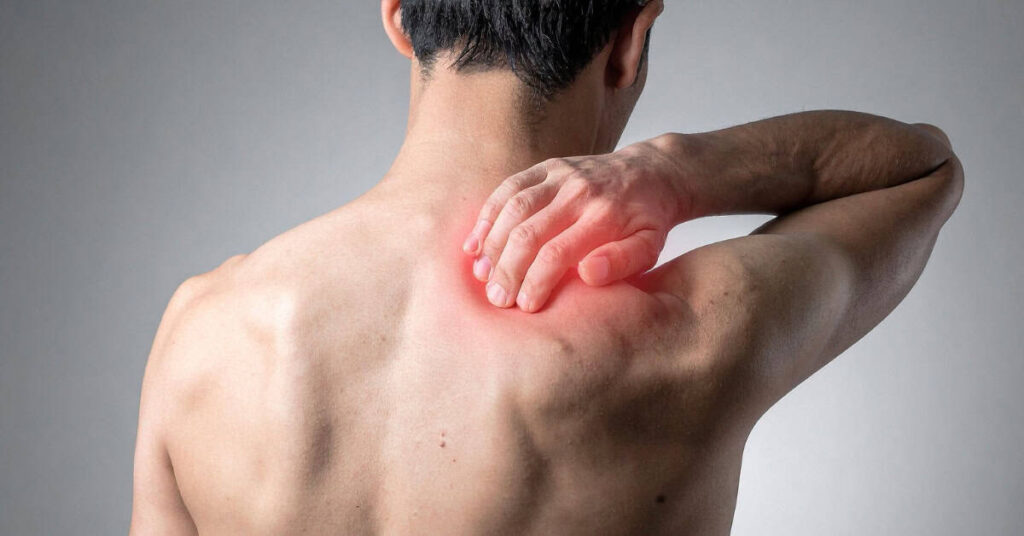
As your local chiropractor, I want to emphasize how crucial your posture is in managing and alleviating back pain. Many people don’t realize that the way you sit, stand, or even move can significantly impact your muscle tension and nerve health. By making simple adjustments to your posture, you can enhance your recovery and overall well-being.
Understanding the connection between posture and back pain is vital in your healing journey. It’s not just about treating the symptoms; it’s about addressing the root causes. When you maintain good posture, you can reduce strain on your spine and surrounding muscles, which ultimately aids in your recovery.
Are you curious about how specific aspects of posture can influence your back pain treatment? Let’s dive into the key ways proper posture can make a meaningful difference in your healing process.
Posture and Muscle Tension
As your local chiropractor, I want to shed light on the importance of posture and its impact on muscle tension and back pain. Many of you may not be aware that slouching or sitting for extended periods can significantly contribute to muscle strain.
Poor posture places additional stress on your muscles, particularly in areas like the neck, shoulders, and lower back, often leading to discomfort and fatigue that can hinder your daily activities.
It’s common for individuals to overlook the strain they’re placing on their bodies until the discomfort becomes too noticeable. That’s why I encourage you to maintain a neutral spine and be conscious of your body alignment throughout the day.
Simple practices like taking regular breaks to stretch and move can greatly alleviate the tension that builds up in your muscles.
Incorporating ergonomic furniture into your workspace can also make a positive difference. By supporting better posture, you can reduce the risk of tightness and pain.
Remember, even minor adjustments in how you sit or stand can lead to remarkable improvements in muscle relaxation and overall comfort. This proactive approach can significantly minimize your chances of experiencing back pain.
If you have any questions or would like more guidance on how to improve your posture and relieve muscle tension, don’t hesitate to reach out. Together, we can work towards a healthier and more comfortable you.
The Connection Between Posture and Spine Alignment
As a local chiropractor, I want to share with you the importance of good posture and its direct connection to spine alignment. Many people think posture is just about looking good, but it plays a crucial role in how our spine functions.
When you maintain good posture while sitting or standing, your spine aligns properly, which helps minimize stress on your muscles and ligaments. This natural alignment is essential for distributing your body weight evenly, which can prevent strain and potential injuries.
On the other hand, if you find yourself slouching or leaning forward, your spine can become misaligned, leading to discomfort and tension. Over time, this poor posture can contribute to chronic back pain, which can significantly affect your quality of life.
By being aware of your posture, you can actively support the natural curves of your spine and promote better alignment. Simple adjustments, such as keeping your shoulders back and your feet flat on the ground, can make a world of difference.
How Posture Affects Nerve Health
As a local chiropractor, I want to take a moment to discuss how your posture plays a crucial role in your overall nerve health. Many people may not realize that poor posture can extend beyond just discomfort in the back; it can significantly impact the nerves throughout your body.
Let’s break down how slouching or sitting improperly can affect your nerve health:
- Increased Pressure: When your spine is misaligned, it can pinch nerves, leading to sensations of pain or numbness in your arms and legs. This is often a sign that your posture needs attention.
- Reduced Blood Flow: Slouching can restrict circulation, which deprives your nerves of the essential nutrients they need to function properly. Healthy blood flow is vital for nerve health, and poor posture can hinder this.
- Muscle Tension: Improper posture can create tension in the muscles surrounding your spine. This tension can lead to nerve irritation, which may exacerbate your discomfort and create additional pain.
As your chiropractor, I encourage you to be mindful of your posture throughout the day. Making small adjustments can lead to significant improvements in your nerve health and overall well-being.
If you’re experiencing any symptoms related to nerve issues, I’m here to help you find natural solutions through chiropractic care.
The Role of Posture in Rehabilitation Exercises
As a local chiropractor, I want to emphasize how crucial posture is when it comes to rehabilitation exercises. Many people may not realize it, but maintaining proper alignment during your workouts is essential for both effectiveness and safety.
When you practice good posture, you’re not only targeting the right muscles but also significantly reducing the risk of injury. Proper alignment ensures that your body mechanics function optimally, allowing you to strengthen the necessary muscles without putting undue strain on your back.
When you’re exercising, it’s important to keep your spine in a neutral position and your shoulders relaxed. This alignment helps distribute forces evenly across your body, making your movements much more effective.
If you notice yourself slouching or excessively arching your back, it can impede your progress and potentially worsen any pain you may be experiencing.
I encourage you to be mindful of your posture with each repetition, and don’t hesitate to make adjustments if something feels off. By prioritizing good posture in your rehabilitation exercises, you aren’t only enhancing your recovery but also paving the way for a healthier, more balanced lifestyle.
Posture’s Impact on Stress and Pain Perception
As a local chiropractor, I want to emphasize how your posture plays a crucial role in your overall health, particularly in how you experience stress and pain.
Many people may not realize that adopting a slouched posture can negatively impact your physical alignment and heighten your perception of discomfort. This connection can create a challenging cycle, making your pain feel more intense and stress more overwhelming.
However, by simply being mindful of your posture, you can work towards reducing both stress and pain levels.
Here’s how your posture can influence your perception:
- Increased Muscle Tension: When your posture is poor, it can lead to muscle strain, which may intensify feelings of pain. I often see patients who are unaware that their slouching is contributing to their discomfort.
- Altered Breathing: Slouching can restrict your airflow, causing shallow breathing. This not only affects oxygen intake but can also increase feelings of anxiety and stress—something we can address through proper alignment.
- Psychological Effects: A hunched posture can influence your mood, making you feel more vulnerable and stressed. I encourage my patients to consider how their body language reflects their emotional state.
By focusing on improving your posture, you can experience a positive shift in both your physical and emotional well-being.
If you’re interested in learning more about how chiropractic care can assist you with this, I’m here to help guide you on your journey to better health.
Conclusion
As a local chiropractor, I want to emphasize how crucial posture is in managing back pain. Proper spine alignment is key to reducing muscle tension and preventing injuries as you work through your rehabilitation. Good posture not only supports the health of your nerves but also enhances circulation, which is vital for recovery.
Additionally, standing tall can significantly improve your mood and decrease stress levels, making it easier to manage pain effectively. So, I encourage you to be mindful of your posture—it’s a straightforward yet powerful tool on your path to a pain-free back. Remember, chiropractic care focuses on natural healing, and maintaining good posture is an integral part of that process.