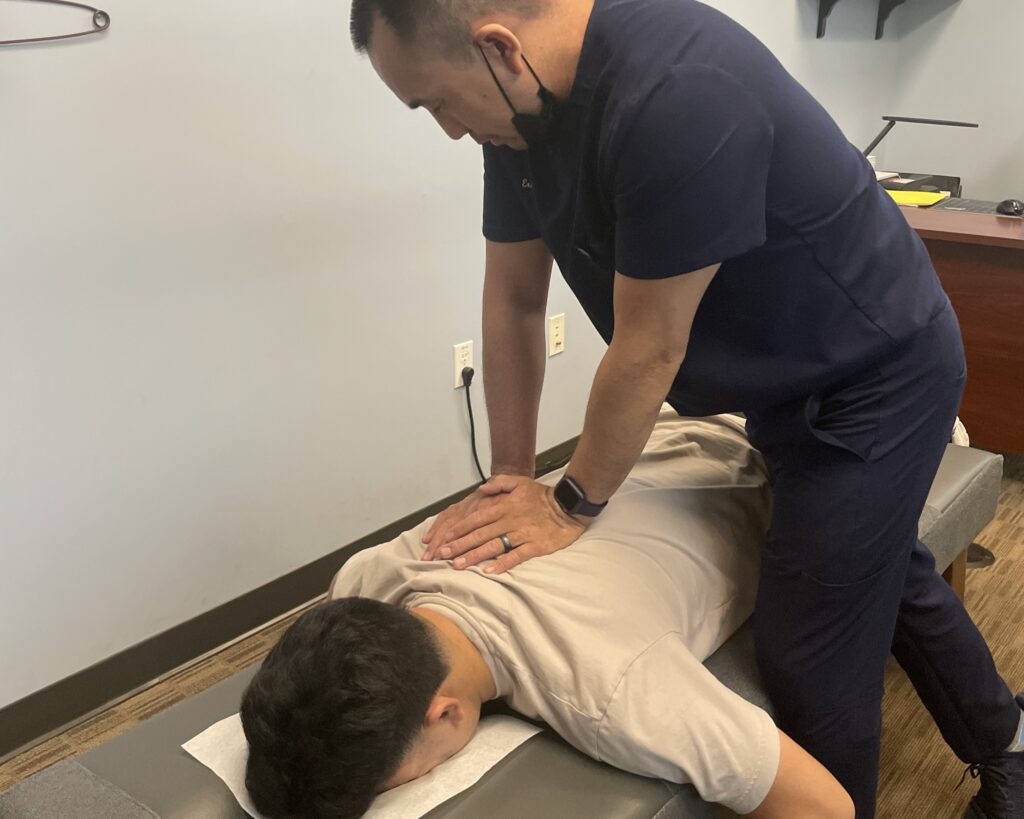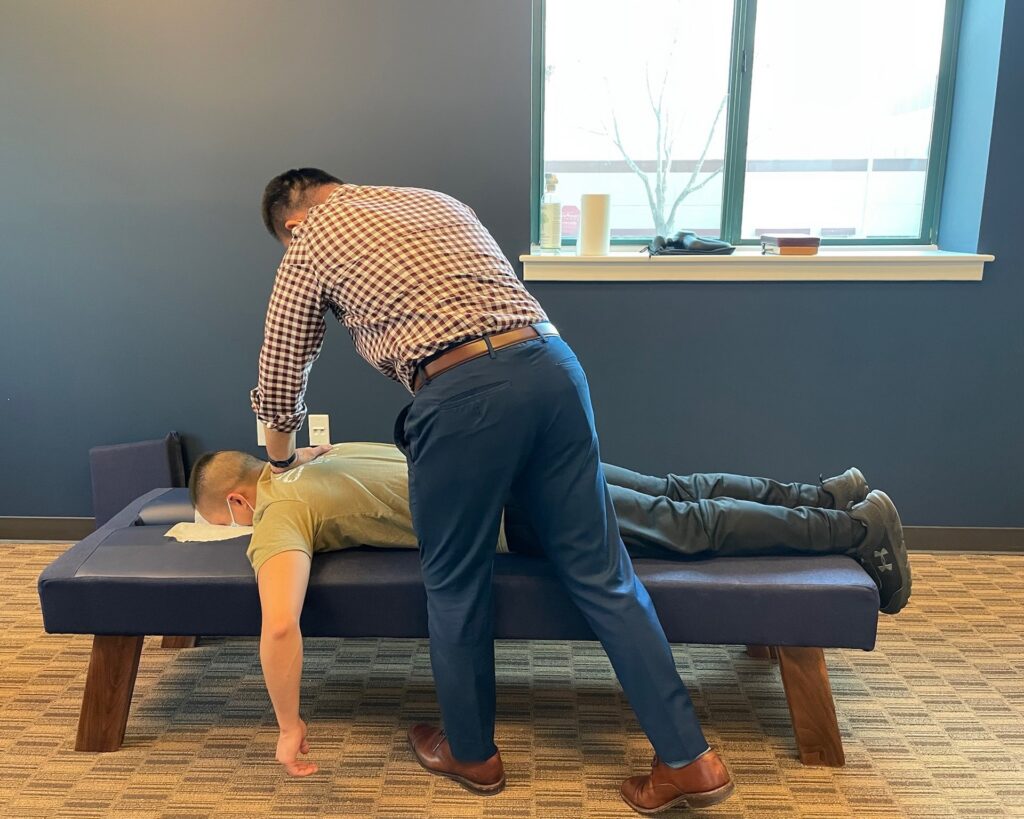
If you’re experiencing back pain, it’s important to explore various approaches that can provide relief. As a local chiropractor, I want to share with you how chiropractic care can be an effective alternative to traditional methods. Chiropractic adjustments focus on realigning the spine and improving overall function, which can lead to significant pain relief.
In addition to chiropractic adjustments, there are other complementary therapies worth considering. Acupuncture is one such option that can help alleviate pain by stimulating specific points in the body. Mindfulness techniques, including meditation and deep breathing exercises, can also play a crucial role in managing pain and enhancing your overall well-being.
Each of these methods offers unique benefits and can be customized based on your specific needs and preferences. By understanding the various alternatives available, you can take a more comprehensive approach to managing your discomfort. I encourage you to think about what might work best for you and to reach out if you’d like to learn more about how chiropractic care can help you on your journey to recovery.
Chiropractic Care
As a local chiropractor, I want to take a moment to share how chiropractic care can be a transformative solution for those experiencing back pain. Our approach is hands-on and focuses on diagnosing and treating musculoskeletal concerns, especially those related to the spine. One of the key techniques we use is spinal manipulation, which helps realign the vertebrae, alleviating pressure on nerves and ultimately reducing pain.
When you come in for your first appointment, I’ll conduct a comprehensive assessment that includes reviewing your medical history and performing a physical examination. This thorough evaluation allows me to create a personalized treatment plan tailored to your unique needs.
My goal isn’t only to provide you with immediate relief but also to promote long-term improvements in your back health through regular adjustments. Many of my patients report experiencing increased mobility and decreased discomfort after just a few sessions.
Additionally, chiropractic care works well alongside other treatment modalities, making it a flexible and effective part of your overall wellness journey. If you’re struggling with back pain, I encourage you to consider chiropractic care. You may be pleasantly surprised by the positive changes it can bring to your life.
Acupuncture
As a local Chiropractor, I want to introduce you to acupuncture, an ancient practice that aligns well with our approach to natural healing.
This technique involves the careful insertion of thin needles into specific points on your body, which can promote healing and well-being. Many of my patients have found acupuncture to be particularly effective in alleviating back pain, as it may help reduce inflammation and enhance blood circulation.
If you’re interested in learning more about how acupuncture works and the potential benefits it offers, I’d be happy to explore this alternative approach with you.
Together, we can discover how these natural methods can complement your overall health and wellness.
How Acupuncture Works
As a local chiropractor, I want to help you understand how your body can heal naturally through our treatments.
When you receive chiropractic care, we activate your body’s innate healing processes, which can lead to relaxation and significant pain relief.
Techniques we use, including spinal adjustments, can stimulate the release of endorphins—your body’s natural painkillers.
Many of my patients report feeling a deep sense of calm during and after their appointments, which not only enhances their well-being but also aids in effectively managing back pain.
Embracing chiropractic care can be a vital step toward achieving optimal health and comfort.
Benefits for Back Pain
As a local chiropractor, I want to share how acupuncture can play a valuable role in managing back pain, especially for those who may not be familiar with chiropractic care and natural healing options. Many of my patients have found significant relief from their discomfort through this holistic practice.
Acupuncture works by reducing inflammation and enhancing circulation, which are essential for healing your back. When you receive acupuncture, it helps to alleviate muscle tension, enabling you to move more freely and comfortably throughout your day.
One of the remarkable aspects of acupuncture is its ability to stimulate the release of endorphins—your body’s natural painkillers. This can lead to a sense of relaxation and reduced anxiety, which is beneficial for both your physical and emotional well-being.
Moreover, acupuncture is a drug-free treatment option, making it an appealing alternative for those who wish to steer clear of pharmaceuticals. Many individuals report experiencing better sleep quality and an overall improvement in their health after undergoing acupuncture sessions.
Incorporating acupuncture into your back pain management plan can enhance the effectiveness of chiropractic care, addressing both the physical and emotional components of your discomfort.
I encourage you to consider this holistic approach as part of your journey towards optimal health.
Massage Therapy
As a local chiropractor, I want to share how chiropractic care can be an effective, natural approach to alleviating back pain. Many people are unfamiliar with the benefits of chiropractic adjustments and how they can complement massage therapy for overall wellness.
Chiropractic care focuses on the musculoskeletal system, particularly the spine, to help restore alignment and function. When you visit a chiropractor, we utilize hands-on techniques to adjust misalignments, which can relieve pressure on nerves and reduce muscle tension. This not only provides immediate relief from discomfort but also enhances your overall mobility and function.
Incorporating massage therapy into your treatment plan can further enhance your healing. While chiropractic adjustments address structural issues, massage therapy offers soothing relief and promotes relaxation. Techniques such as deep tissue massage target deeper muscle layers, while Swedish massage focuses on relaxation, both of which can support your recovery process.
Regular chiropractic care, coupled with massage therapy, can lead to long-term relief by addressing underlying concerns, such as muscle imbalances or stress. Additionally, the emotional benefits of these treatments shouldn’t be underestimated; they can help alleviate anxiety and elevate your overall mood.
If you’re experiencing back pain, I encourage you to consult with a chiropractic professional. Together, we can discuss your specific concerns and create a tailored treatment plan that meets your individual needs for optimal healing and wellness.
Yoga and Stretching
As a chiropractor, I want to share the importance of not just addressing structural issues but also enhancing your overall well-being through practices like yoga and stretching. Incorporating these activities into your routine can significantly improve your back pain relief.
Yoga is a wonderful practice that promotes flexibility and strengthens your core muscles, which are crucial for maintaining a healthy back. With its various poses, yoga encourages mindful movement and deep breathing, helping to release tension and alleviate stress that may contribute to your pain. You don’t need to be an expert to benefit—beginner-friendly classes can provide substantial relief.
Stretching is equally important; it helps to lengthen tight muscles and increases your range of motion. By regularly including simple stretches in your daily routine, you can prevent stiffness and discomfort, ultimately supporting your chiropractic care.
Together, yoga and stretching create a holistic approach to managing back pain, focusing not only on physical health but also on mental well-being.
I encourage you to explore these practices and experience how they can improve your back health and enhance your quality of life. Your journey towards a pain-free back can be supported by these natural healing methods.
Herbal Remedies
As a local chiropractor, I want to share some insights on how herbal remedies can complement your treatment for back pain. These natural options can be an effective part of a holistic approach to healing, especially when combined with chiropractic care.
One herb worth considering is turmeric. Its anti-inflammatory properties can help reduce pain and swelling, making it a great addition to your wellness routine.
Similarly, ginger has natural analgesic effects that may alleviate discomfort and support your overall pain management efforts.
Another herb to explore is devil’s claw, which has shown promise in relieving chronic pain.
Willow bark is also beneficial; it contains salicin, which is similar to aspirin and can help ease aches.
For topical relief, capsicum cream, derived from chili peppers, may enhance blood flow and reduce pain sensations.
Remember, it’s crucial to consult with a healthcare professional before starting any new treatment. They can provide guidance on appropriate dosages and check for any potential interactions with your current medications.
Mindfulness and Meditation
As a chiropractor, I often recommend incorporating mindfulness and meditation into your daily routine as a powerful complement to our chiropractic treatments and natural healing practices.
These techniques can enhance your awareness of both your body and mind, allowing you to address your back pain with a sense of acceptance rather than fear. By focusing on your breath and being fully present, you can significantly reduce the stress and tension that frequently contribute to discomfort.
Regular meditation can also shift your perception of pain, fostering a more compassionate relationship with your body. You may find that simply observing your physical sensations, instead of reacting to them, can bring a sense of relief.
I suggest starting with just a few minutes each day and gradually increasing the time as you become more comfortable with the practice. There are many apps and guided sessions available that can assist you in maintaining this routine.
It’s important to remember that the goal of these practices isn’t to eliminate pain entirely, but to manage it with greater ease and understanding, ultimately promoting your overall well-being.
Physical Activity and Exercise
As a local chiropractor, I want to emphasize the importance of engaging in regular physical activity and exercise for effectively managing back pain. These activities play a vital role in strengthening the muscles that support your spine, ultimately aiding in your recovery.
I often recommend incorporating low-impact exercises such as walking, swimming, or cycling, as they can significantly enhance your flexibility and reduce stiffness.
Strength training, particularly exercises that focus on your core muscles, is also crucial for providing stability and support to your back. However, it’s essential to start slowly and gradually increase the intensity of your workouts to avoid aggravating any existing pain.
Stretching exercises, including yoga or Pilates, can greatly improve your posture and help alleviate tension in your back.
I encourage you to listen to your body—if something doesn’t feel right or causes pain, please stop and consult with a professional like myself.
Consistency in your exercise routine is key, so it’s important to find activities that you genuinely enjoy. This won’t only help you stay committed but also contribute to your overall well-being.
Remember, staying active isn’t just about pain relief; it can significantly enhance your quality of life. With the right approach and guidance, you can take control of your back pain and promote your natural healing process.
Together, we can work towards a healthier, pain-free future.
Heat and Cold Therapy
As a local chiropractor, I want to emphasize the importance of staying active in managing your back pain. However, incorporating heat and cold therapy into your routine can significantly enhance your recovery process.
Heat therapy, such as warm compresses or heating pads, is particularly beneficial. It helps to relax tight muscles and boosts blood circulation, which is crucial for healing. I often recommend applying heat for about 15 to 20 minutes, as many patients find this provides immediate relief and aids in the recovery of the affected areas.
On the other hand, cold therapy can be equally effective. Using ice packs or cold compresses can help reduce inflammation and numb sharp pain. When you apply cold for approximately 15 to 20 minutes, it constricts blood vessels, which can help alleviate swelling and discomfort.
It’s vital to listen to your body when using these therapies. Depending on your symptoms, you might find it helpful to alternate between heat and cold to see what brings you the best relief.
Just a quick reminder: always use a barrier, like a towel, to protect your skin from extreme temperatures.
Nutritional Approaches
As a local chiropractor, I believe it’s important to educate my patients about how nutrition can significantly influence back pain management. The foods you consume have a direct effect on inflammation and muscle recovery, which are crucial for your overall well-being and spinal health.
Incorporating anti-inflammatory foods into your diet can be a game changer. For example, fatty fish, such as salmon, nuts, and leafy greens are all excellent choices that can help reduce pain and enhance your overall health. The omega-3 fatty acids found in fish are particularly effective at combating inflammation, which can lead to a decrease in discomfort.
Hydration is another critical aspect of maintaining a healthy spine. Drinking enough water supports spinal disc health and can help prevent stiffness.
I often recommend my patients to cut back on processed foods and sugars, as these can trigger inflammation in the body. Instead, focusing on whole grains, fruits, and vegetables is beneficial, as they provide essential nutrients that aid in muscle repair.
Additionally, don’t overlook the importance of foods rich in magnesium and calcium, such as dairy products, beans, and seeds. These nutrients are vital for muscle function and recovery, and they may help alleviate back pain.
Conclusion
As a local chiropractor, I want to share some valuable insights about alternative approaches for relieving back pain. There are numerous options to explore that can complement your healing journey. Chiropractic care is one of the most effective methods, focusing on aligning your spine and improving overall function.
In addition to chiropractic adjustments, other holistic practices like acupuncture, yoga, and mindfulness can provide significant benefits. Each of these methods contributes to your well-being in unique ways, helping to alleviate pain and reduce stress.
Don’t overlook the importance of nutrition and the use of heat and cold therapy as well. These can play a crucial role in managing inflammation and promoting healing. I always recommend consulting with healthcare professionals to create a personalized plan that suits your specific needs.
Incorporating these natural strategies into your routine can empower you to take control of your back pain. Remember, you deserve relief and support throughout this journey, and I’m here to help guide you on the path to better health.