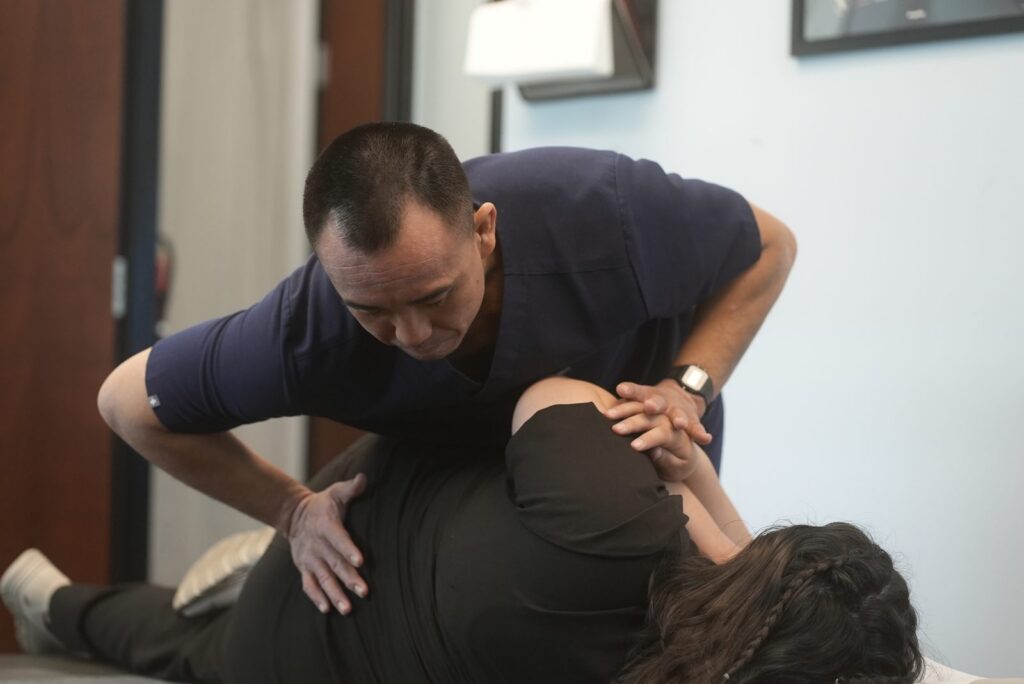
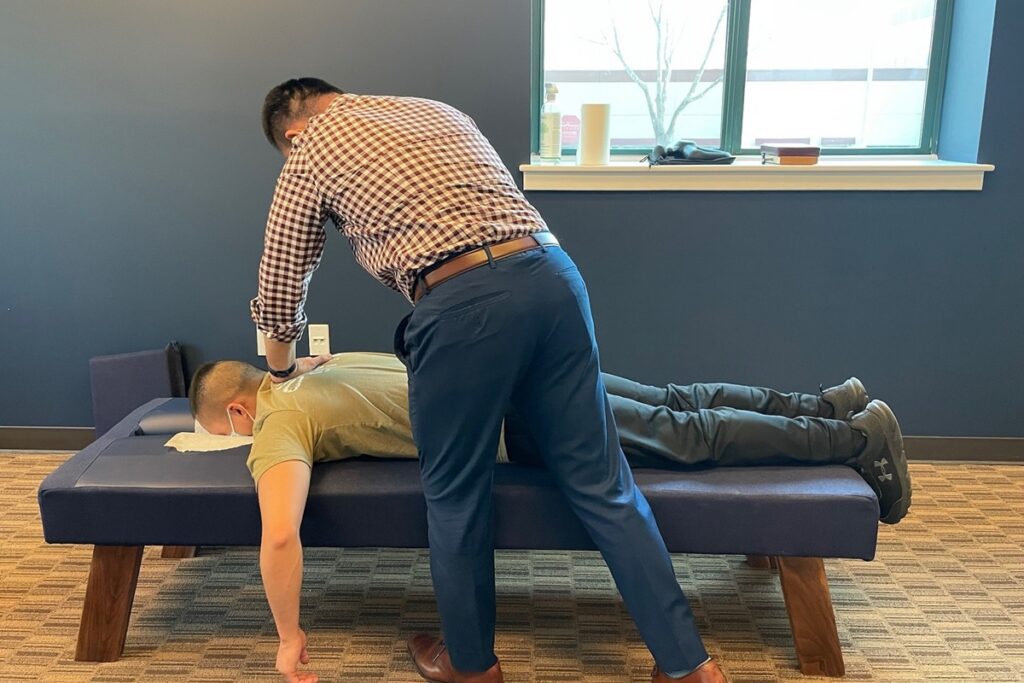
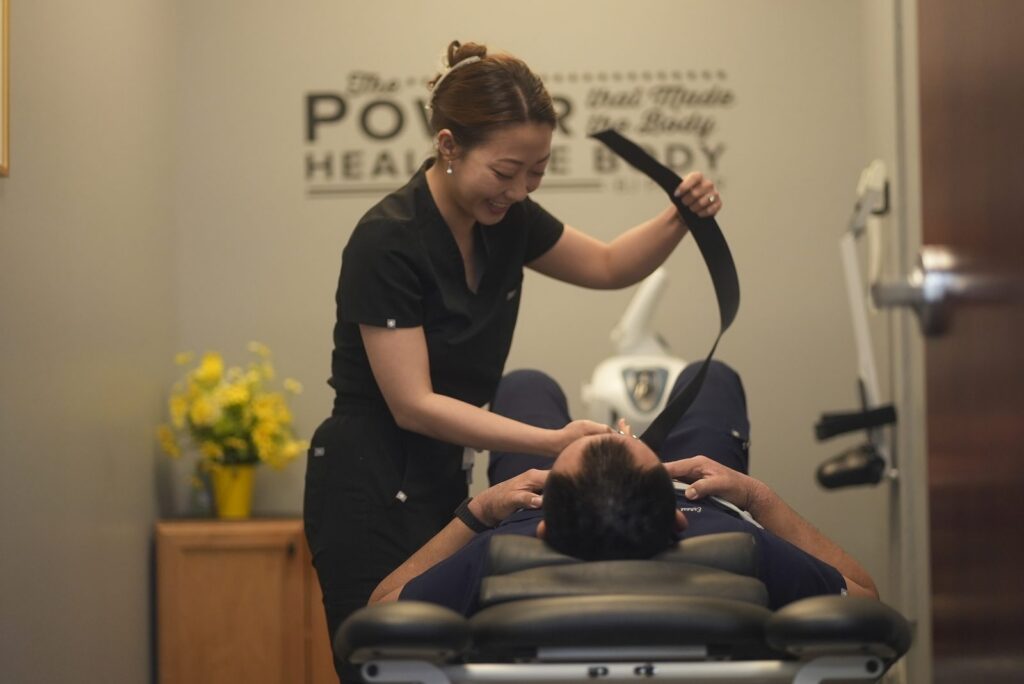
As a local chiropractor, I often encounter patients who are unsure about how to effectively manage neck injuries. One area worth exploring is the use of soft techniques, which can play a crucial role in your recovery. These gentle approaches, such as therapeutic massage and myofascial release, are designed to alleviate tension and enhance mobility without putting extra strain on your neck.
Understanding how these techniques function can truly impact your healing journey. For instance, therapeutic massage helps to relax the muscles surrounding the neck, while myofascial release targets the fascia—the connective tissue that can contribute to pain and stiffness. Incorporating these practices into your routine can provide significant relief and improve your overall function.
If you're wondering what specific methods to try, I encourage you to consider scheduling a consultation. Together, we can develop a tailored plan that not only addresses your pain but also promotes long-term wellness through natural healing techniques. By exploring these options, you may find effective strategies to manage your discomfort and regain your mobility.
Understanding Neck Injuries
As a local chiropractor, I'm here to help you understand neck injuries, which can occur in anyone—whether from a sports accident, a fall, or even the result of poor posture over time.
It's crucial to grasp the nature of these injuries so you can seek effective treatment and take steps toward prevention.
When you experience a neck injury, common symptoms include pain, stiffness, and sometimes headaches. These symptoms can vary widely in both intensity and duration, depending on how severe the injury is.
There are several common types of neck injuries that I often see in my practice. Strains occur when muscles or tendons are overstretched or torn, while sprains are the result of ligament damage.
Herniated discs are another concern, where the cushioning between your vertebrae bulges or ruptures, putting pressure on nearby nerves. Each of these conditions can lead to discomfort and a limited range of motion.
It's vital to pay attention to how your neck feels and recognize any signs of injury. Be on the lookout for persistent pain, difficulty turning your head, or numbness radiating down your arms.
If you notice any of these symptoms, I encourage you to seek my guidance or consult with a healthcare professional. Early diagnosis and appropriate treatment can help prevent further complications and facilitate a quicker recovery.
In addition, I want to emphasize the importance of your daily habits. Poor posture, especially when sitting for long periods or frequently looking down at devices, can significantly contribute to neck problems.
By becoming aware of these potential risks and adopting proactive measures, such as ergonomic adjustments and regular stretches, you can protect your neck and support your overall wellness.
Understanding neck injuries is the first step in taking action to prevent them from becoming more serious.
As your chiropractor, I'm here to support you in achieving optimal health through natural healing and effective care. Let's work together to keep your neck healthy and pain-free!
Importance of Soft Techniques
As a local chiropractor, I want to emphasize the vital role that soft techniques play in healing from neck injuries. Many people are unfamiliar with how these gentle approaches can significantly aid recovery, so let me explain their importance. When dealing with neck injuries, it's crucial to adopt a gentle approach that promotes healing while minimizing stress on your already vulnerable neck area.
Soft techniques focus on enhancing circulation, alleviating pain, and promoting relaxation, which are all essential components for a successful recovery. One of the greatest advantages of these methods is that they create a safe environment for your body to heal.
Aggressive movements or treatments can often exacerbate injuries, so instead, techniques like gentle massage or myofascial release allow your muscles and tissues to gradually unwind and recover. This way, you can regain mobility without pushing your body beyond its limits too soon.
Additionally, soft techniques enable you to develop a deeper awareness of your body. By paying attention to how your neck responds to gentle touch or movement, you can identify areas of tension and discomfort. This heightened awareness encourages a more proactive approach to your healing journey; you'll learn to listen to your body and understand when it needs rest or additional support.
Incorporating soft techniques into your recovery routine can also significantly reduce anxiety and stress associated with pain. These methods do more than just address physical symptoms; they also nurture your mental well-being.
Gentle Stretching Exercises
As a local chiropractor, I want to emphasize the importance of gentle stretching exercises for relieving neck tension and enhancing flexibility.
Many of my patients have found that integrating effective neck stretches into their daily routine significantly improves their comfort and mobility.
To truly reap the benefits of these stretches, it's crucial to consider both the frequency and duration of your practice.
Importance of Gentle Stretching
As a local chiropractor, I want to emphasize the importance of incorporating gentle stretching exercises into your recovery routine, especially if you're dealing with neck injuries.
These exercises play a crucial role in restoring mobility and alleviating tension in the neck area. By maintaining flexibility and promoting blood circulation, gentle stretching is vital for the healing process.
When you practice gentle stretches, you can effectively relieve tightness in the muscles surrounding your neck and enhance your overall range of motion.
It's essential to listen to your body during these routines. Never push yourself to the point of pain; instead, focus on slow, controlled movements that allow your muscles to adapt and gradually become more flexible.
In addition to physical benefits, gentle stretching can help reduce stress levels, making it easier for you to manage any discomfort related to your neck injury.
You'll likely notice improvements in your posture as well, which is key to reducing strain on your neck and preventing future injuries.
Incorporating these gentle stretches into your daily routine is a simple yet powerful way to support your recovery journey.
I encourage you to prioritize this practice; your neck will greatly benefit from the care and attention you invest in your healing process.
If you have any questions or would like personalized guidance, feel free to reach out during your next visit.
Effective Neck Stretches
As a local chiropractor, I want to emphasize the importance of incorporating effective neck stretches into your daily routine to aid in the recovery from neck injuries and improve overall well-being.
One great stretch to start with is the neck tilt stretch. Simply sit or stand comfortably, then gently tilt your head to one side, bringing your ear toward your shoulder. Hold this position for 15-30 seconds before switching sides. This stretch is excellent for alleviating tension in the neck muscles and promoting relaxation.
Another beneficial stretch is the chin tuck. While either sitting or standing, draw your chin back toward your neck, creating a double chin effect. Hold this position for five seconds, then release. I recommend repeating this five times. This stretch not only helps in maintaining proper alignment of the spine but also strengthens the neck muscles.
Don't forget about the neck rotation stretch, which is crucial for enhancing your range of motion. Slowly turn your head to the right until you feel a gentle stretch, then hold for 15-30 seconds. Return to the center and repeat on the left side. This exercise can significantly improve flexibility and reduce stiffness.
Lastly, I encourage you to perform shoulder shrugs. Raise your shoulders towards your ears, hold for a moment, and then relax them back down. Repeat this movement 10 times to effectively relieve tension in the upper back and neck area.
Frequency and Duration Recommendations
As a local chiropractor, I want to share some important guidance on how to aid your recovery from neck injuries through gentle stretching exercises. To promote healing and regain flexibility and strength in your neck, aim to perform these stretches three to five times a week. Consistency is crucial; the more regularly you practice, the better your neck will respond.
When starting out, keep your sessions short—about 5 to 10 minutes is ideal. As you become more comfortable with the movements, you can gradually increase the duration. Listening to your body is essential. If you experience any pain during a stretch, please ease off and modify the movement. Comfort should always come first, and it's important to avoid pushing yourself too hard.
Integrating stretches into your daily routine—perhaps in the morning or before bed—can help you establish a habit that supports your recovery. As you notice improvements in your neck's flexibility and strength, consider extending each session to 10 to 15 minutes. Remember, it's not just about how long you stretch, but how well you perform each movement. Focus on executing each stretch slowly and mindfully for the best results.
Additionally, don't forget to give your neck some time to rest and recover between stretching sessions. This balance is vital for promoting healing and preventing further strain.
Therapeutic Massage Benefits
As a local chiropractor, I want to share with you the incredible benefits of therapeutic massage, especially for those suffering from neck injuries. Many patients are unaware that therapeutic massage can provide significant pain relief, helping you feel more at ease in your everyday activities.
Additionally, it plays a crucial role in enhancing your range of motion, allowing you to move your head and neck more freely and without discomfort.
Incorporating therapeutic massage into your recovery plan can greatly support your overall healing process. It's a natural approach to care that complements chiropractic adjustments, helping to alleviate tension, improve circulation, and promote relaxation.
Pain Relief Techniques
As a local chiropractor, I want to share the benefits of therapeutic massage in alleviating neck pain and tension, especially for those who may not be familiar with chiropractic care and natural healing methods.
When neck discomfort arises, a skilled massage therapist can specifically target the muscles that contribute to your pain. Through techniques such as kneading and gentle stretching, they can help release tightness and promote relaxation in the affected areas.
It's important to note that regular massage sessions can provide not just immediate relief, but also support in managing chronic pain over time. The increased blood flow during a massage enhances circulation, delivering essential nutrients to your muscles and aiding in their recovery.
Furthermore, therapeutic massage can significantly reduce stress and anxiety, which are often contributors to neck pain.
By integrating massage into your self-care routine, you may experience an overall improvement in your well-being. It serves as an invaluable tool for taking control of your discomfort and enhancing your quality of life.
Communication with your massage therapist is crucial; sharing any sensitive areas or specific pain points allows them to tailor the session to meet your individual needs.
Incorporating pain relief techniques such as therapeutic massage, alongside chiropractic care, can't only ease your current discomfort but also foster a healthier, more relaxed lifestyle.
Embracing natural healing practices can lead to long-term benefits and a more balanced state of health.
Improved Range of Motion
As a local chiropractor, I want to share the incredible benefits of therapeutic massage for improving your neck's range of motion. Many patients aren't yet familiar with how chiropractic care and natural healing can enhance their overall well-being.
After just a few sessions of therapeutic massage, you may begin to notice significant improvements in your neck's mobility. This specialized technique targets tension and promotes flexibility, allowing for a more functional neck.
By working on tight muscles and connective tissues, therapeutic massage helps break down adhesions and encourages better blood circulation, which is essential for healing.
Here are some key benefits you can expect from improved range of motion through therapeutic massage:
- Increased Flexibility: You'll find it much easier to turn and tilt your head in all directions, which is crucial for daily activities.
- Enhanced Functionality: Tasks such as driving or spending long hours at a desk will become less uncomfortable and more manageable, allowing you to go about your day with ease.
- Reduced Stiffness: Regular therapeutic massage sessions can help alleviate that rigid feeling in your neck, leading to a more comfortable experience in your daily life.
- Greater Comfort: Many patients report a noticeable decrease in pain during movement, making everyday activities much more enjoyable.
By committing to therapeutic massage and chiropractic care, you can significantly transform your neck's mobility. The more you invest in these natural healing practices, the more you'll appreciate the freedom and comfort they bring to your everyday life.
As your chiropractor, I'm here to guide you on this journey to better health and well-being.
Relaxation Techniques Explained
As a local chiropractor, I want to share some effective relaxation techniques that can significantly help with the tension and discomfort often associated with neck injuries. Integrating these methods into your daily routine can't only aid in your recovery but also reduce stress and enhance your overall well-being.
One of the simplest yet most effective techniques is deep breathing. I recommend finding a comfortable position, either sitting or lying down.
Begin by taking a slow, deep breath in through your nose, allowing your abdomen to rise. Hold that breath for a moment, then gently exhale through your mouth. Repeat this several times while focusing on the rhythm of your breath. This practice can calm your nervous system and help alleviate muscle tension.
Another valuable approach is progressive muscle relaxation. Start by focusing on your toes and gradually work your way up, tensing and then relaxing each muscle group for a few seconds.
When you reach your neck and shoulders, give those areas some extra attention, consciously releasing any tightness you notice.
Incorporating gentle stretching into your routine can also promote relaxation. Simple neck stretches, such as tilting your head side to side or gently rolling your neck, can help release built-up tension and improve your flexibility.
Remember to move slowly and listen to your body—avoid any movements that cause sharp pain.
Lastly, I encourage you to try visualization techniques to create a mental space of calm. Imagine a peaceful scene, like a quiet beach or a serene forest.
Engaging your imagination in this way can serve as a distraction from pain and foster relaxation.
Heat and Cold Therapy
As a local chiropractor, I want to share some valuable insights about the benefits of heat and cold therapy, especially when it comes to recovering from neck injuries. These two methods can be fantastic companions on your healing journey, and understanding how to use them effectively can make a significant difference in your recovery.
Heat therapy is a great way to relax tight muscles and enhance blood flow to the injured area. It's particularly beneficial if you're experiencing stiffness or chronic pain. In contrast, cold therapy can help reduce inflammation and numb sharp pain, making it an excellent option for acute injuries or sudden flare-ups.
Here's how to incorporate both therapies into your routine effectively:
- Heat Therapy: Consider using a heating pad or a warm towel for about 15-20 minutes at a time. Just ensure that it's not too hot to avoid any burns. This can be especially helpful before activities to loosen up those tight muscles.
- Cold Therapy: For cold therapy, you can apply an ice pack wrapped in a cloth for 10-15 minutes. Make sure to allow your skin to return to its normal temperature between applications. This method is particularly useful after activities to help minimize swelling.
- Timing is Key: Use heat before engaging in activities to prepare your muscles, and switch to cold afterward to alleviate any potential swelling and discomfort.
- Listen to Your Body: It's essential to pay attention to how your body responds. If one method seems to worsen your pain, don't hesitate to try the other. Your comfort and recovery are what matter most.
By integrating heat and cold therapy into your recovery plan, you can support your healing process and enhance your overall well-being.
Posture Correction Strategies
As a local chiropractor, I want to emphasize the importance of good posture in both preventing and recovering from neck injuries. When you maintain proper alignment while sitting, standing, or moving, you significantly reduce the strain on your neck and surrounding muscles, which is crucial for your overall well-being.
Start by being mindful of your body positioning throughout the day. When you're seated, make sure your feet are flat on the floor, and your knees are at a right angle. Your back should comfortably touch the chair for support, and your shoulders should be relaxed—avoid hunching them up.
If you frequently use electronic devices, it's vital to adjust their height to eye level. This adjustment will prevent you from tilting your head down or straining your neck. Consider using a stand or prop to keep your screens at a comfortable height.
If you work at a desk, I recommend investing in an ergonomic chair designed to support your lumbar region, which helps promote a neutral spine and reduces discomfort.
When standing, distribute your weight evenly on both feet. Avoid locking your knees, and keep your head aligned over your shoulders. Additionally, be aware of how you lift heavy items; always use your legs for lifting and keep the load close to your body to minimize neck strain.
Remember to incorporate regular breaks into your daily routine. Stand up, stretch, and move around to alleviate tension. Simple exercises, such as neck rolls and shoulder shrugs, can significantly help maintain flexibility and relieve tightness.
Mindfulness and Visualization
As a local chiropractor dedicated to promoting natural healing, I want to highlight how incorporating mindfulness and visualization techniques into your recovery routine can significantly enhance your healing process, especially following neck injuries.
These practices not only help manage pain and reduce stress but also foster a positive mental environment that's crucial for recovery. By being present and focused, you can better understand your body's needs and encourage relaxation.
Here are some simple techniques to get started:
- Mindful Breathing: Take a few minutes each day to concentrate on your breath. Inhale deeply, hold it for a moment, and then exhale slowly. This practice helps calm your mind and alleviate tension in your neck, setting the stage for effective healing.
- Body Scan Meditation: Find a comfortable position, either sitting or lying down, and mentally scan your body from head to toe. Pay attention to any discomfort in your neck and visualize healing energy flowing to that area. This can promote relaxation and relief, complementing the adjustments and therapies I provide.
- Positive Visualization: Imagine yourself fully healed, engaging in activities you love without pain. This mental imagery can serve as a powerful motivator and reinforce your commitment to the recovery process.
- Gratitude Practice: Take a moment each day to reflect on what you're grateful for. Cultivating a positive mindset can enhance your overall outlook on recovery and support the healing journey we're working on together.
Integrating these techniques into your routine, along with chiropractic care, can optimize your recovery and help you regain your quality of life.
Together, we can work towards achieving the best possible outcomes for your neck injury.
Incorporating Soft Techniques Daily
As a local chiropractor, I want to share some valuable insights on how you can maintain a healthy neck through simple daily practices.
Incorporating stretching routines and gentle massage techniques into your everyday life is crucial for relieving tension and enhancing flexibility and circulation. These practices not only help prevent injuries but also promote your overall well-being.
By making them a regular part of your routine, you can support your body's natural healing processes and feel better every day.
Daily Stretching Routines
As a chiropractor, I often see patients dealing with neck injuries, and one of the most effective ways to support your recovery is through daily stretching routines. Incorporating regular stretches into your day can significantly enhance your flexibility and alleviate tension in the neck area.
Gentle movements not only promote blood circulation but also help relieve the muscle tightness that frequently accompanies neck injuries.
Here are some stretches I recommend for my patients:
- Neck Tilts: Slowly tilt your head towards each shoulder, holding the position for a few seconds to allow the muscles to relax.
- Chin Tucks: Gently pull your chin in towards your neck, creating a straight line from your ears to your shoulders. This helps strengthen the muscles that support your neck.
- Shoulder Shrugs: Raise your shoulders towards your ears, then release them back down. This simple movement can help relieve built-up tension.
- Upper Trapezius Stretch: While seated or standing tall, tilt your head to one side and use your hand to apply light pressure for a deeper stretch in the neck.
By integrating these stretches into your daily routine, you can maintain a flexible and relaxed neck, which is essential for recovering from injuries.
Always listen to your body—if you feel any pain, it's important to stop. Consistency is vital, so try to make these stretches a part of your morning or evening habits for optimal results.
Gentle Massage Techniques
As a chiropractor, I often encounter patients who are recovering from neck injuries and can greatly benefit from gentle massage techniques. Incorporating these soft techniques into your daily routine can be transformative, helping to relieve tension, enhance circulation, and promote healing in your neck and shoulder areas.
Start your massage with light strokes using your fingertips, applying only minimal pressure. Focus on the regions where tension tends to build up, especially around the neck and shoulders. I recommend using circular motions at the base of your skull and down the sides of your neck. These gentle movements are effective in releasing tight muscles and alleviating discomfort.
While you massage, remember to breathe deeply. This not only enhances your relaxation but also increases blood flow to the areas that need it most.
To prepare your muscles for treatment, consider using a warm compress before you begin your massage. This can help ease tension further. If you enjoy aromatherapy, using essential oils like lavender or peppermint mixed with a carrier oil can add soothing effects to your massage experience.
I encourage you to make massage a daily practice, even if it's just for a few minutes each day. Consistent attention to your neck can lead to significant improvements over time.
Always listen to your body during this process; if you experience pain, adjust your technique or consult with a professional like myself for personalized guidance. Embrace this journey of healing and give your neck the care it truly deserves!
Seeking Professional Guidance
As a local chiropractor, I want to emphasize the importance of seeking professional guidance when dealing with neck injuries. If you're experiencing pain and discomfort, it's crucial to know where to turn for help. My role is to assess your condition and provide a personalized treatment plan tailored to your specific needs.
Here's why chiropractic care can be beneficial for you:
- Accurate Assessment: As a chiropractic professional, I can accurately diagnose the underlying issues causing your neck pain. This ensures we don't overlook any serious conditions that need attention.
- Customized Treatment Plans: I specialize in creating recovery plans that may include gentle adjustments, soft tissue techniques like massage, physical therapy, or specific stretching exercises designed to promote healing and alleviate pain.
- Ongoing Monitoring: Regular visits allow me to monitor your progress and make necessary adjustments to your treatment plan, ensuring we're on the right path toward recovery.
- Injury Prevention: I can teach you safe practices and exercises that will help prevent further injury during your recovery. Understanding how to care for your neck is key to long-term health.
Don't hesitate to reach out to me or other chiropractic professionals. We not only provide effective treatments but also educate you on maintaining proper posture and ergonomics to avoid future issues.
Engaging with a chiropractor ensures that we're addressing the root causes of your neck pain, not just the symptoms. Your health and recovery are worth investing in the right care.
Conclusion
As a local chiropractor, I want to share how incorporating soft techniques into your recovery from neck injuries can truly enhance your healing journey. Gentle stretching, therapeutic massage, and relaxation techniques are not just soothing; they can significantly alleviate pain and improve your mobility. It's also essential to maintain good posture and practice mindfulness in your daily activities, as these habits contribute to long-term neck health.
I encourage you to seek professional guidance, as personalized care can further accelerate your recovery. By consistently embracing these gentle methods, you may find yourself feeling more comfortable and gradually regaining strength and flexibility in your neck. Remember, your healing process is unique, and I am here to support you every step of the way.