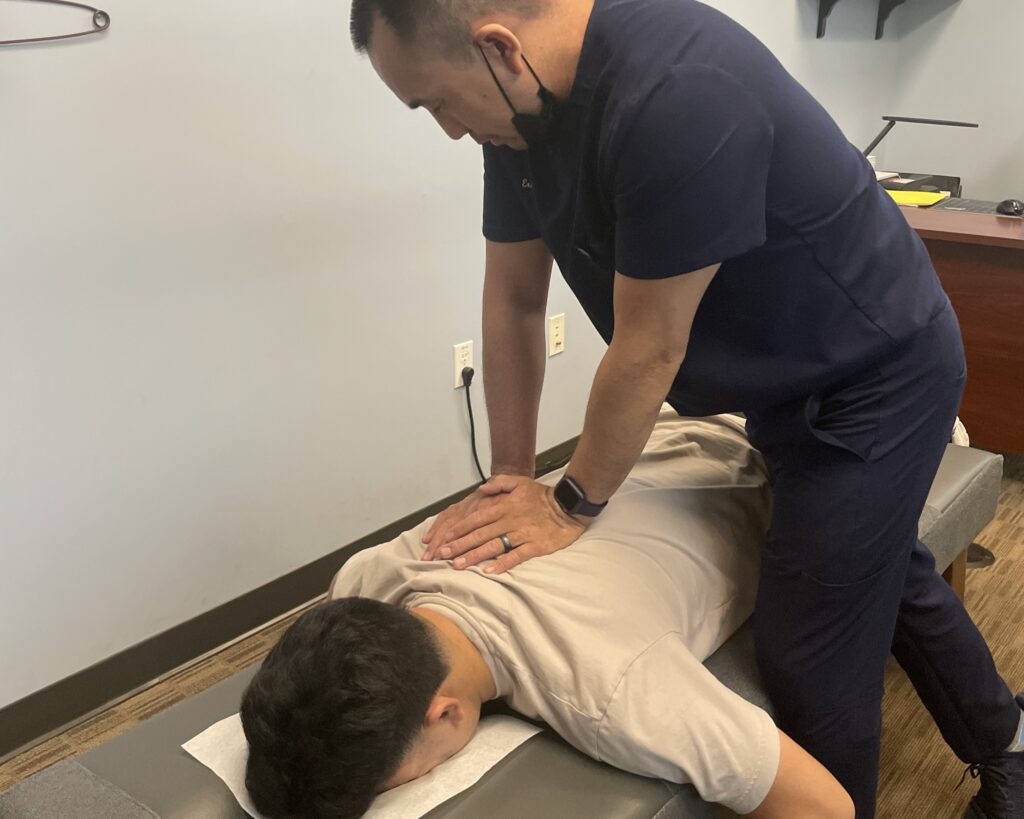
If you’re dealing with neck pain, developing daily habits can significantly improve your comfort and overall well-being. As a chiropractor, I’ve seen firsthand how simple changes in your posture, workspace layout, and daily routines can lead to remarkable relief. One of the best ways to support your spine and promote natural healing is through chiropractic care, which focuses on aligning the spine and enhancing your body’s ability to heal itself.
Incorporating specific exercises and relaxation techniques into your daily life can also be beneficial. Gentle stretches and strengthening exercises can help support your neck and improve its flexibility. Additionally, practicing mindfulness and stress-relief techniques can reduce tension that often contributes to neck pain.
Curious about how you can implement these changes for lasting relief? Let’s delve into some effective strategies that can help you live pain-free:
- Maintain Good Posture: Pay attention to how you sit and stand. Keeping your head aligned over your shoulders and avoiding slouching can prevent unnecessary strain on your neck.
- Adjust Your Workspace: If you work at a desk, make sure your computer screen is at eye level and that your chair provides proper support. Use a chair that encourages an upright position and consider a standing desk if possible.
- Take Regular Breaks: Don’t forget to take short breaks throughout the day. Stand up, stretch your neck and shoulders, and move around to relieve tension.
- Incorporate Neck Exercises: Simple neck stretches, like tilting your head side to side and gently rolling your shoulders, can help keep your muscles flexible and strong.
- Stay Hydrated: Drinking plenty of water is essential for maintaining healthy spinal discs and overall hydration, which can help reduce pain.
- Consider Chiropractic Care: Regular visits to your chiropractor can help keep your spine aligned and functioning optimally. Chiropractic adjustments can relieve tension, improve range of motion, and promote natural healing.
By integrating these habits into your daily routine, you can take significant steps towards alleviating neck pain and achieving a healthier lifestyle. Remember, your spine is the foundation of your overall health, and chiropractic care is one of the most effective ways to support it. Let’s work together towards a pain-free future!
Maintain Good Posture Throughout the Day
Maintaining good posture throughout the day is vital for preventing neck pain, and as a chiropractor, I want to emphasize how important this is for your overall health and wellness. When you slouch or hunch over your phone or computer, your neck muscles endure unnecessary strain, which can lead to discomfort and pain. Instead, strive to sit and stand up straight, aligning your ears with your shoulders. This simple adjustment can significantly improve your posture and comfort.
If you catch yourself leaning forward, take a moment to reset your position. Keep your feet flat on the ground and ensure your back is well supported. When walking, engaging your core can help stabilize your spine and promote better posture. Additionally, be mindful of how you carry heavy bags or backpacks. Distributing the weight evenly can prevent undue stress on your neck.
Remember, taking breaks and stretching throughout the day is key. These small changes in your posture can greatly reduce your risk of neck pain, allowing you to live a more comfortable and productive life.
Chiropractic care can also play a crucial role in helping you achieve optimal health and wellness. Regular adjustments can improve spinal alignment, relieve tension, and enhance your overall quality of life.
Adjust Your Workspace Ergonomically
To find relief from neck pain, it’s crucial to create an ergonomic workspace that supports your spine’s natural alignment. Start by adjusting your chair to the right height—your feet should rest flat on the floor, with your knees at a comfortable angle. This helps maintain proper posture and reduces strain on your neck and back.
Next, position your monitor at eye level. This simple adjustment can significantly reduce neck strain while you work, allowing your spine to stay aligned and your muscles relaxed. Remember, a well-aligned spine is key to overall health and wellness.
In addition to these adjustments, consider taking regular breaks to stretch and move around. Simple neck stretches can help alleviate tension and promote better spinal health. By prioritizing your workspace ergonomics and incorporating these practices into your daily routine, you can support your body’s natural healing processes and reduce discomfort.
Chiropractic care can also play a vital role in achieving and maintaining optimal health. Regular chiropractic adjustments help ensure your spine stays aligned, which can enhance your body’s ability to heal naturally and improve overall wellness.
If you’re experiencing persistent neck pain, consider consulting a chiropractor for personalized care tailored to your needs. Your journey to a pain-free life starts with taking these small yet impactful steps!
Proper Chair Height
One important aspect of preventing neck pain is ensuring your chair is at the right height. When properly adjusted, your feet should rest flat on the floor, and your knees should form a 90-degree angle. This posture not only promotes good alignment but also supports your spine, which is essential for overall health.
If your chair is too high, you may find yourself slouching or leaning forward, which can put extra strain on your neck. On the other hand, a chair that’s too low can cause you to crane your neck upwards, leading to discomfort.
Before you settle in for the day, take a moment to adjust your chair. If you find that your chair height can’t be adjusted, consider using a footrest. This simple addition can help keep your body aligned and comfortable throughout your work hours.
Remember, maintaining proper ergonomics at your workstation is a key element of spinal health.
And if you ever do experience neck pain, chiropractic care can be a natural and effective way to find relief and support your overall wellness. By focusing on your posture and making these adjustments, you can help prevent discomfort and enhance your well-being.
Monitor Positioning Tips
Have you ever thought about how your monitor’s position can impact your neck and overall spinal health? An improperly placed monitor can lead to strain and discomfort, which may contribute to bigger issues down the line.
As a chiropractor, I’m here to help you create a workspace that not only supports your neck but also promotes your overall well-being. Here are some simple tips to adjust your monitor for optimal comfort:
- Eye Level: Aim to keep the top of your screen at or just below eye level. This helps prevent awkward angles that can strain your neck over time. Your neck should be in a neutral position, which is key for maintaining spinal health.
- Distance: Position your monitor about an arm’s length away. This distance reduces strain on your eyes and neck, allowing for a more relaxed posture. Remember, a comfortable viewing distance can make a big difference in how you feel throughout the day.
- Tilt: Angle your monitor slightly back, ideally between 10-20 degrees. This not only minimizes glare but also encourages a natural head position, reducing the likelihood of neck and upper back discomfort.
- Centering: Place your monitor directly in front of you instead of off to the side. This will help you avoid twisting your neck, which can lead to tension and pain. Keeping everything aligned promotes better spinal health.
By making these adjustments to your workspace, you can significantly reduce neck pain and improve your overall comfort.
Take Frequent Breaks From Screen Time
As you spend hours in front of screens, it’s vital to prioritize your spinal health by taking frequent breaks. Your neck and back are under constant strain, and allowing them to rest can help prevent stiffness and discomfort. I recommend setting a timer to remind yourself to step away every 30 to 60 minutes. During these breaks, stand up, stretch, or simply look away from the screen. This simple practice can refresh your mind and significantly reduce the risk of developing chronic pain.
Another helpful tip is to follow the 20-20-20 rule: every 20 minutes, look at something 20 feet away for at least 20 seconds. This not only helps your eyes relax but can also alleviate tension in your neck. By incorporating regular breaks into your routine, you’re taking proactive steps to protect your spine and enhance your overall well-being.
Chiropractic care is an excellent choice for maintaining optimal spinal health. It can provide natural pain relief and support your body’s ability to heal itself.
Incorporate Stretching Exercises Into Your Routine
Incorporating stretching exercises into your daily routine is an excellent way to enhance your neck’s flexibility and reduce discomfort. As a chiropractor, I emphasize the importance of these simple techniques, which can help alleviate tension and promote better posture—essential components of a healthy spine.
Let’s delve into some effective stretches that can truly make a difference for you. Remember, the goal isn’t just to relieve pain, but also to enhance your overall well-being in a natural way. Here are a few stretches to consider:
- Neck Tilts: Gently tilt your head towards one shoulder, holding for 15-30 seconds. This stretch targets the muscles on the opposite side of your neck. Repeat on the other side.
- Chin Tucks: While sitting or standing, pull your chin back towards your throat. This exercise helps strengthen your neck muscles and improve posture. Hold for 5 seconds and repeat 10 times.
- Shoulder Shrugs: Raise your shoulders towards your ears, hold for a moment, and then release. This helps to relieve tension in your upper back and neck.
In addition to these stretches, here are some general tips to keep in mind for maintaining a healthy spine:
- Stay Hydrated: Drinking plenty of water supports your spinal discs and overall spinal health.
- Maintain Good Posture: Pay attention to your posture while sitting or standing. Proper alignment can significantly reduce neck strain.
- Take Breaks: If you work at a desk, take regular breaks to stretch and move around. This can help prevent stiffness and pain.
Remember, chiropractic care is a natural and effective way to address pain and promote wellness. Regular adjustments can enhance your body’s ability to heal and function optimally.
If you’re experiencing ongoing discomfort, I encourage you to schedule an appointment to discuss how chiropractic care can benefit you. Together, we can work towards achieving your health goals and improving your quality of life.
Importance of Flexibility
While many people may not realize it, flexibility is vital for relieving neck pain and enhancing your overall health. As a chiropractor, I often emphasize the importance of incorporating stretching exercises into your daily routine. Here’s why focusing on flexibility can lead to a healthier, pain-free life:
- Improved Range of Motion: Flexibility allows your neck to move freely, which helps reduce stiffness and discomfort. Regular stretching can help you regain and maintain that vital range of motion.
- Better Posture: Stretching exercises strengthen the muscles that support your spine. This means you can maintain better posture throughout the day, which is essential for preventing unnecessary strain and injury.
- Reduced Tension: Engaging in regular flexibility exercises can help ease muscle tension. Many times, neck pain is a result of tight muscles, and by incorporating simple stretches, you can alleviate that tension and feel more relaxed.
- Enhanced Circulation: Stretching promotes blood flow to your muscles, delivering essential nutrients and aiding recovery. This improved circulation can help your body heal naturally, making chiropractic care even more effective.
Tips to Enhance Your Flexibility:
- Start your day with gentle neck stretches to ease any stiffness.
- Incorporate simple stretches during breaks at work, especially if you spend long hours at a desk.
- Consider pairing your stretching routine with chiropractic adjustments for optimal results.
Remember, chiropractic care is focused on natural healing and optimal wellness. By prioritizing flexibility, you can take significant strides towards a pain-free life.
Embrace these practices, and you’ll likely find that not only does your neck feel better, but your overall well-being improves too!
Recommended Stretching Techniques
Incorporating flexibility exercises into your daily routine is a great way to support your overall health and wellness, especially when it comes to spinal health. As a chiropractor, I can assure you that enhancing your flexibility can help alleviate tension and reduce the risk of pain, particularly in the neck and upper back areas.
Start with gentle neck stretches. Simply tilt your head toward one shoulder, hold for 15 seconds, then switch sides. This easy motion helps release tension and improve flexibility in your neck. Repeat a few times for best results.
Next, try chin tucks. Sit up straight and gently pull your chin back toward your neck while keeping your eyes forward. Hold this position for five seconds. This simple exercise strengthens your neck muscles and promotes better posture, which is essential for spinal health.
Don’t forget about shoulder rolls! Lift your shoulders toward your ears, then roll them back and down. Aim for 10 repetitions. This movement can help relieve tightness in your shoulders and upper back, improving your overall mobility.
Finally, incorporate upper back stretches. Clasp your hands together and reach them forward while rounding your upper back. This stretch opens up your chest and can alleviate tightness in your upper back, which is crucial for maintaining a healthy spine.
Regular practice of these techniques not only helps reduce the risk of neck and back pain but also promotes overall flexibility and well-being.
Strengthen Neck and Shoulder Muscles
Strengthening your neck and shoulder muscles is essential for alleviating pain and enhancing overall stability. Strong muscles are crucial for supporting your head and maintaining good posture, which can prevent discomfort and promote a healthier spine.
As a chiropractor, I encourage you to consider incorporating these simple yet effective exercises into your routine to improve your neck and shoulder health naturally:
- Shoulder Shrugs: Raise your shoulders towards your ears, hold for a few seconds, then relax them back down. This exercise helps release tension in the shoulder area. Aim to repeat this 10 times, and feel the relief as you do!
- Neck Tilts: Gently tilt your head to each side, holding for 15 seconds on each side. This movement not only stretches but also strengthens the muscles surrounding your neck. It’s a great way to relieve stiffness after a long day.
- Wall Angels: Stand with your back against a wall and your arms raised in a “W” position. Slowly slide your arms up and down while maintaining contact with the wall. This exercise helps improve shoulder mobility and posture. Try to do this for 10 repetitions, feeling the activation in your shoulder blades.
- Resistance Band Rows: If you have a resistance band, you can do rows to engage your shoulder muscles effectively. Pull the band towards your body while keeping your elbows close to your sides. Aim for 10-15 repetitions. This exercise is fantastic for building strength in your upper back and shoulders.
In addition to these exercises, consider scheduling regular chiropractic adjustments to enhance your spinal health and overall wellness.
A chiropractor can provide personalized care that targets your specific needs, helping you achieve optimal health naturally. Remember, taking care of your neck and shoulders is a vital step toward a pain-free life, so incorporate these exercises and consult your chiropractor for more tailored advice!
Stay Hydrated for Better Muscle Function
Staying hydrated is crucial for maintaining optimal muscle function, especially for the muscles in your neck and shoulders. When you’re properly hydrated, your muscles are more efficient at contracting and relaxing, which helps reduce tension and discomfort.
On the other hand, dehydration can lead to muscle cramps and stiffness, often worsening neck pain.
To keep your neck and shoulder muscles feeling their best, aim to drink plenty of water throughout the day. A great way to remember to stay hydrated is to carry a water bottle with you wherever you go. Setting daily water intake goals can also help you stay on track.
If you’re active or spend long hours sitting at a desk, you may need to drink even more to support your muscle health.
Listen to your body; if you’re feeling fatigued or sore, that might be a sign that you need to hydrate. By prioritizing your water intake, you’re benefiting not only your overall health but also actively working to prevent neck pain.
Remember, chiropractic care is a fantastic way to promote natural healing and enhance your overall well-being. Regular adjustments can help align your spine, improve muscle function, and alleviate discomfort.
Coupled with proper hydration, these practices can help you achieve a healthier, pain-free life. Keep these tips in mind, and don’t hesitate to reach out to your chiropractor for personalized advice tailored to your needs!
Use Proper Sleep Positions and Pillows
Although it might seem insignificant, the way you sleep can greatly affect your neck health. As a chiropractor, I want to emphasize that using proper sleep positions and pillows can help alleviate discomfort and prevent future issues.
Here are some practical tips to improve your sleeping habits and support your overall wellness:
- Choose the Right Pillow: It’s important to select a pillow that supports your neck’s natural curve. Consider using memory foam or contour pillows, as they can provide the right amount of support to keep your spine aligned.
- Sleep on Your Back: This position is one of the best for spinal alignment. When sleeping on your back, use a thin pillow under your head to maintain a neutral position, and consider placing a rolled towel under your neck for added support.
- Side Sleeping: If you find comfort in sleeping on your side, ensure that your pillow adequately fills the gap between your shoulder and head. This helps keep your spine straight and reduces the risk of strain.
- Avoid Stomach Sleeping: Sleeping on your stomach can put unnecessary strain on your neck by forcing it to turn for long periods. This can lead to discomfort and pain, so it’s best to steer clear of this position if you can.
By incorporating these simple adjustments into your sleep routine, you can enhance your neck health and overall well-being.
Manage Stress Through Relaxation Techniques
Managing stress is crucial for alleviating neck pain, and incorporating relaxation techniques can significantly enhance your overall wellness. As a chiropractor, I encourage you to explore mindfulness meditation, deep breathing exercises, and gentle stretching. These practices not only help calm your mind and body but also work in harmony with chiropractic care to reduce tension and promote optimal health.
By integrating these relaxation techniques into your daily routine, you can support the healing process in your spine and improve your overall quality of life. Remember, chiropractic care focuses on addressing the root causes of pain, and by managing stress effectively, you can enhance the benefits of your chiropractic treatments.
Here are some simple tips to help you get started:
- Mindfulness Meditation: Take a few minutes each day to sit quietly, focus on your breath, and let go of distracting thoughts. This practice can help reduce stress and improve your ability to cope with pain.
- Deep Breathing Exercises: Try inhaling deeply through your nose, holding your breath for a few seconds, and then exhaling slowly through your mouth. Repeat this several times to promote relaxation.
- Gentle Stretching: Incorporate simple neck and shoulder stretches into your routine to release tension. Just a few minutes of stretching can make a big difference in how you feel.
By combining these techniques with regular chiropractic adjustments, you can achieve lasting pain relief and a healthier, more balanced lifestyle.
Mindfulness Meditation Practices
Finding peace in a hectic world can be challenging, but mindfulness meditation offers a powerful tool for managing stress and promoting relaxation. As a chiropractor, I believe that integrating mindfulness into your daily routine can be a vital part of achieving optimal health and wellness, especially when combined with chiropractic care.
Here are some practices to reflect on that can enhance your overall well-being and support your spine health:
- Set a Regular Time: Choose a specific time each day to meditate. Just like scheduling your chiropractic appointments, making meditation a non-negotiable part of your routine can help you stay committed to your health.
- Find a Quiet Space: Select a distraction-free area where you can sit comfortably and focus on your breath. This will allow your body and mind to relax, which is essential for spinal health and overall wellness.
- Use Guided Meditations: If you’re new to meditation, consider using apps or online resources for guided sessions. These can help ease stress and tension, complementing the benefits of your chiropractic adjustments.
- Practice Non-Judgment: Allow thoughts to arise without judgment, gently bringing your focus back to your breath. This practice can help reduce anxiety and tension in the body, which is crucial for maintaining a healthy spine.
Incorporating these mindfulness habits into your life not only promotes relaxation but can also enhance the effectiveness of your chiropractic care.
Deep Breathing Exercises
Incorporating deep breathing exercises into your daily life can significantly support your journey towards optimal health and wellness, especially when combined with chiropractic care. By taking a moment to focus on your breath, you not only calm your mind but also send vital signals to your body to relax. This practice can be particularly beneficial for managing stress and alleviating tension, which is essential for maintaining a healthy spine.
To start, find a comfortable position, whether sitting or standing. Inhale deeply through your nose, allowing your abdomen to expand fully. Hold that breath for a few seconds before slowly exhaling through your mouth. This simple yet effective technique can help lower your heart rate and reduce tension in your neck and shoulders, areas that often hold stress and discomfort.
Remember, you don’t need to dedicate a lot of time to this practice—just a few minutes throughout your day can make a substantial difference. By prioritizing deep breathing, you’re enhancing your body’s natural healing processes, which complements the benefits of chiropractic care.
As you explore this powerful tool for stress relief and relaxation, you’re also taking meaningful steps towards a healthier lifestyle. Regular chiropractic adjustments can help ensure that your spine is aligned properly, which can enhance your ability to breathe deeply and effectively.
Together, deep breathing exercises and chiropractic care can empower you to achieve a pain-free, vibrant life.
Gentle Stretching Techniques
Flexibility plays a crucial role in relieving neck pain, and as a chiropractor, I can tell you that gentle stretching techniques are a fantastic way to enhance your well-being. By adding these simple stretches to your daily routine, you can alleviate tension and boost your mobility, all while supporting your spine’s health.
Here are four effective gentle stretching techniques to try:
- Neck Tilts: Gently tilt your head to one side, feeling the stretch in your neck. Hold for about 15 seconds, then switch sides. This can help release tightness and improve flexibility.
- Chin Tucks: Softly tuck your chin toward your chest, holding for a few seconds. This stretch is beneficial for elongating the back of your neck, which can help counteract poor posture.
- Shoulder Shrugs: Raise your shoulders towards your ears, hold briefly, and then release. This movement is great for relieving built-up tension in your shoulders and neck area.
- Side Stretches: Reach one arm overhead and lean to the opposite side, allowing a deep stretch along your neck and side. This stretch can help improve your range of motion and reduce discomfort.
Incorporating these stretches into your daily routine can be a natural and effective way to manage stress and keep neck pain at bay.
Remember, chiropractic care is also a powerful tool for achieving optimal health and wellness. Regular visits can help ensure that your spine is aligned and functioning properly, which is essential for overall well-being.
Limit Phone Use and Texting Posture
As a local chiropractor, I want to emphasize how our reliance on phones for communication and entertainment can lead to issues like neck pain, often overlooked in our busy lives.
Poor texting posture—such as hunching over your device—can place significant strain on your neck and spine. To help alleviate this discomfort and promote overall spinal health, consider these practical tips to limit phone use and improve your posture.
First, it’s essential to minimize the time spent on your phone, especially during lengthy scrolling or texting sessions. This can significantly reduce the strain on your neck.
When you do need to use your device, try to hold it at eye level. This simple adjustment helps you avoid tilting your head forward, which can lead to discomfort and pain over time.
Incorporating regular breaks into your phone usage is crucial. Use these moments to stretch your neck and shoulders, which can help relieve tension and improve your posture.
Simple neck stretches—like tilting your head side to side or gently rolling your shoulders—can make a big difference.
If you find yourself in a situation where you need to text or scroll, use both hands to support your phone. This approach allows you to keep your arms at a more comfortable angle, reducing strain on your neck and shoulders.
By being mindful of your posture and reducing your phone time, you can significantly decrease your risk of developing neck pain.
Remember, chiropractic care is an excellent choice for addressing discomfort and promoting natural wellness. Regular visits to your chiropractor can help ensure your spine remains healthy and aligned, supporting your overall well-being.
Embrace these tips for a healthier lifestyle and a pain-free neck!
Schedule Regular Physical Activity
Regular physical activity is vital for keeping your neck and spine healthy. Staying active helps strengthen the muscles that support your neck, which can significantly reduce the risk of pain and tension.
Here are four simple and effective ways to incorporate physical activity into your daily routine, all while highlighting the benefits of chiropractic care for optimal health:
- Stretch regularly: Make neck stretches a part of your daily habits. Gentle stretches can improve flexibility and relieve stiffness, making it easier for your spine to maintain proper alignment. A chiropractor can provide specific stretches tailored to your needs.
- Strength training: Focus on exercises that strengthen your upper back and shoulders. These exercises not only support your neck’s alignment but also enhance your overall posture. Consider consulting your chiropractor for personalized advice on strengthening exercises that align with your wellness goals.
- Aerobic activities: Engage in enjoyable aerobic activities like walking, swimming, or cycling. These activities promote overall fitness and improve blood circulation, which is beneficial for your spine. Remember, a chiropractor can help you create a balanced fitness plan that incorporates aerobic exercises safely.
- Mind-body practices: Explore yoga or Pilates to improve posture and promote relaxation. These practices can greatly help alleviate neck strain by encouraging mindful movements and body awareness. A chiropractor can guide you on how to integrate these practices into your wellness routine effectively.
By incorporating these activities into your life, you can support your spinal health and overall well-being.
Conclusion
By incorporating these daily habits into your routine, you can significantly reduce the risk of neck pain and promote overall wellness. First and foremost, maintaining good posture is crucial. Whether you’re sitting at a desk or using your phone, ensure your spine is aligned and your shoulders are relaxed.
Creating an ergonomic workspace can also make a world of difference. Adjust your chair and desk height so that your computer screen is at eye level, and keep your feet flat on the ground. Taking regular breaks to stretch and move around is essential to prevent stiffness—set a timer to remind yourself to stand up and stretch every hour.
In addition to these adjustments, integrating gentle stretching and strengthening exercises into your daily regimen can support your neck and spine. Simple neck stretches and shoulder rolls can help relieve tension and keep your muscles flexible. Remember to use supportive pillows while sleeping to maintain proper spinal alignment through the night.
Stress management plays a significant role in neck health, so consider incorporating relaxation techniques such as deep breathing or meditation into your day. Limiting phone use, especially when looking down at your device, can also alleviate unnecessary strain on your neck.
Chiropractic care is a natural and effective approach to achieving optimal neck health. Regular visits to your chiropractor can help ensure your spine is properly aligned, reducing pain and promoting overall wellness. With dedication to these habits and the support of chiropractic care, you can enjoy a healthier, pain-free neck and enhance your overall quality of life.