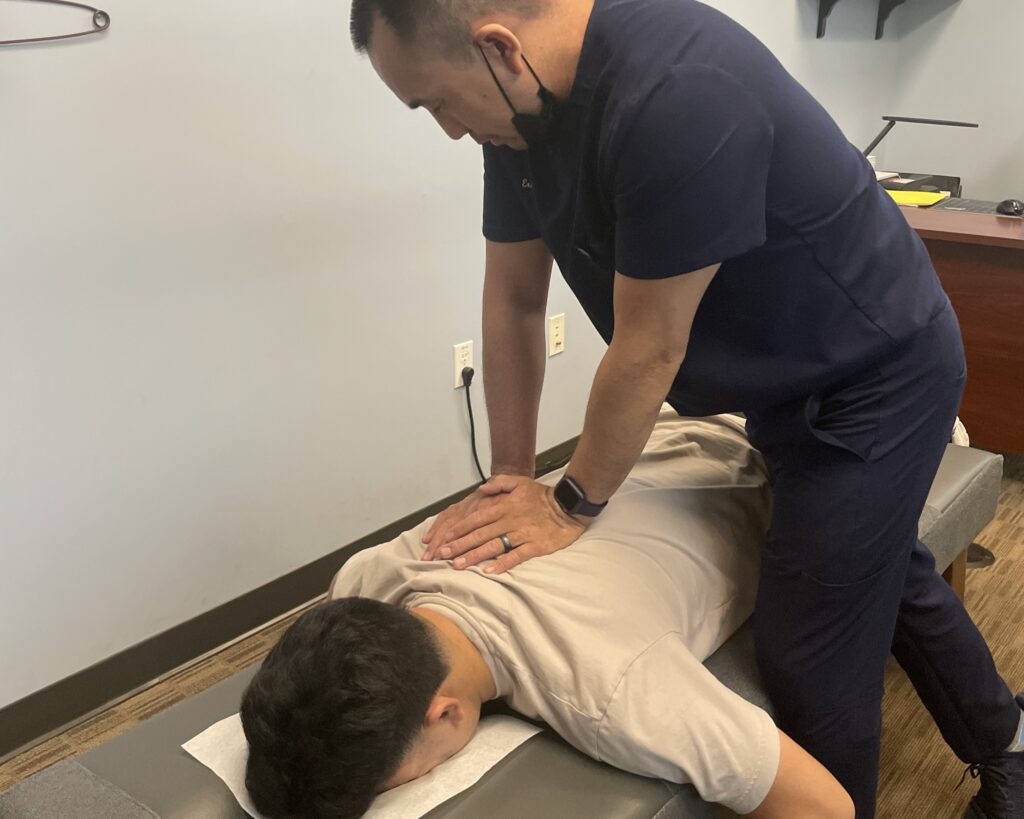
Tension headaches can be a real nuisance, often creeping up when you least expect it. As a chiropractor, I understand how uncomfortable these headaches can be, and I want to share some effective strategies to help you find relief naturally.
First and foremost, consider the importance of spinal health. Misalignments in your spine can contribute to tension headaches. Regular chiropractic adjustments can help restore proper alignment, reduce tension in your neck and shoulders, and alleviate headache symptoms.
In addition to chiropractic care, there are simple adjustments you can make in your daily routine that may provide quick relief. Stretching your neck and shoulders gently can help ease tightness. Taking short breaks to move around and stretch, especially if you’re sitting for long periods, can also prevent tension from building up.
Staying hydrated is another key factor. Dehydration can often trigger headaches, so make sure you’re drinking enough water throughout the day.
You might also want to explore natural options like essential oils. Scents such as lavender or peppermint can be soothing and may help relieve headache discomfort when inhaled or applied topically (diluted with a carrier oil).
Relaxation techniques, such as deep breathing exercises, meditation, or gentle yoga, can also assist in reducing stress and tension, which are often contributors to headaches.
By focusing on these holistic approaches and prioritizing your spinal health through chiropractic care, you can take proactive steps towards achieving optimal health and reducing the frequency and intensity of tension headaches. Remember, relief is possible, and you don’t have to live with the discomfort!
Key Takeaways
- Engage in neck stretching exercises, like side neck stretches and chin tucks, to help release tightness and alleviate headache symptoms quickly. These simple movements can enhance your mobility and promote relaxation in the neck area.
- It’s essential to stay hydrated. Aim for at least eight 8-ounce glasses of water daily to avoid dehydration, which can lead to tension headaches. Proper hydration supports overall health and well-being.
- Consider using essential oils such as lavender for a calming effect or peppermint for a refreshing sensation. These natural remedies can enhance relaxation and help relieve tension, making them a great addition to your wellness routine.
- Incorporate relaxation techniques into your daily life, such as deep breathing or progressive muscle relaxation. These practices can help reduce physical tension and improve oxygen flow throughout your body, which is vital for maintaining overall health.
- Regular chiropractic adjustments can play a crucial role in maintaining spinal health and relieving pressure that contributes to headaches. By addressing misalignments in your spine, chiropractic care helps restore balance to your body and can significantly reduce headache frequency and intensity.
By focusing on these natural approaches and considering chiropractic care as a primary option for pain relief and wellness, you can take proactive steps towards achieving optimal health and well-being.
Understanding Tension Headaches
Tension headaches are a common source of discomfort that many people experience, and understanding them can lead to better health and wellness. You might feel a tightness or pressure around your forehead or the back of your neck, often described as a band-like sensation. These headaches can be triggered by various factors, such as stress, poor posture, or inadequate sleep. When life gets hectic, your muscles can tense up, leading to that familiar ache.
As a chiropractor, I believe that understanding the underlying causes of your tension headaches is essential for achieving optimal health. By identifying patterns and potential triggers—whether it’s a long day at work, poor posture, or staring at a screen for too long—you can take proactive steps to alleviate discomfort.
Don’t forget that dehydration and skipping meals can also contribute to tension headaches, so staying hydrated and maintaining regular meal times can make a significant difference.
Chiropractic care is an effective, natural solution for pain relief and wellness. Through gentle adjustments and spinal manipulation, we can help relieve muscle tension, improve posture, and promote better overall health.
Simple tips, like taking breaks to stretch, practicing good ergonomics while working, and incorporating relaxation techniques into your daily routine, can also help reduce the frequency of tension headaches.
Recognizing the signs and causes of tension headaches is the first step towards finding effective, natural solutions. By making small changes in your lifestyle and seeking chiropractic care, you can pave the way for lasting relief and a healthier, happier life.
Stretching Techniques for Immediate Relief
If you’re experiencing tension in your head, you’re not alone. Many people face this discomfort, but the good news is that certain stretching techniques can provide you with immediate relief.
As a chiropractor, I emphasize the importance of maintaining a healthy spine and the role it plays in overall wellness. Incorporating neck stretching exercises, shoulder release techniques, and upper back mobility moves into your routine can greatly ease discomfort and promote a more balanced body.
Let’s take a closer look at how these simple stretches can enhance your well-being:
- Neck Stretching Exercises: Gently tilting your head to one side, holding for a few seconds, and then switching sides can help alleviate tension. This simple movement encourages flexibility and can reduce the strain that often leads to headaches.
- Shoulder Release Techniques: Try rolling your shoulders back and down, or gently shrugging them up towards your ears and then releasing. These movements can help release built-up tension in the shoulders and neck.
- Upper Back Mobility Moves: Seated twists can be especially beneficial. While sitting, place one hand on the back of your chair and gently twist your torso, holding for a few breaths. This promotes spinal mobility and can relieve tightness in the upper back.
Incorporating these stretches into your daily routine can’t only provide immediate relief but also support your spinal health in the long run.
Neck Stretching Exercises
Neck tension is a common issue that can lead to headaches and discomfort. Thankfully, simple neck stretching exercises can provide immediate relief and enhance your overall mobility. Incorporating these stretches into your daily routine not only helps to alleviate tightness but also boosts circulation, making it an excellent complement to your chiropractic care.
As a local chiropractor, I believe in the power of natural healing and wellness. Here are some effective neck stretches that you can easily do at home:
| Stretch | Instructions |
|---|---|
| Side Neck Stretch | Tilt your head to one side, feeling the stretch along the opposite side of your neck. Hold for 15 seconds, then switch sides. This stretch helps relieve tension and improves flexibility. |
| Forward Neck Stretch | Gently drop your chin to your chest, allowing the weight of your head to stretch the back of your neck. Hold for 15 seconds. This stretch can help reduce tightness and promote relaxation. |
| Neck Rotation | Slowly turn your head to one side, keeping your shoulders relaxed. Hold for 15 seconds, then switch sides. This movement enhances your range of motion and helps alleviate stiffness. |
| Upper Trapezius Stretch | Raise one arm overhead and lean to the opposite side, feeling the stretch in your shoulder and neck. Hold for 15 seconds. This stretch targets the upper trapezius muscle, which often holds tension. |
| Chin Tuck | Pull your chin back towards your neck, creating a double chin. Hold for 5 seconds, then repeat several times. This exercise strengthens neck muscles and promotes better posture. |
By incorporating these stretches into your daily routine, you can effectively manage tension and enjoy relief from headaches. Remember, chiropractic care is a fantastic way to support your body’s natural healing processes. If you’re experiencing persistent neck pain or headaches, consider scheduling an appointment with your chiropractor for personalized guidance and treatment.
Stay proactive about your health and embrace these simple techniques for a more comfortable, pain-free life!
Shoulder Release Techniques
Neck tension often accompanies tightness in the shoulders, leading to discomfort and even headaches. As a chiropractor, I believe in the power of natural healing techniques to relieve this tension and promote overall wellness.
One of the simplest ways to alleviate shoulder tightness is through effective shoulder release techniques that you can easily do at home.
Begin by rolling your shoulders forward and backward in a circular motion. Aim for about 10 circles in each direction. This gentle movement helps to loosen up the muscles and improve circulation.
Next, try raising your shoulders toward your ears. Hold this position for a few seconds, then slowly release them down. This action can effectively release any built-up tension in your shoulders.
Another beneficial technique involves stretching. Bring one arm across your body and use the opposite hand to gently pull it closer. Hold this stretch for 15 to 30 seconds on each side. This not only helps to ease shoulder tightness but can also provide relief to your neck, contributing to an overall sense of comfort.
Incorporating these simple shoulder release techniques into your daily routine can help alleviate discomfort and reduce the likelihood of headaches caused by shoulder tightness.
Upper Back Mobility
To enhance your upper back mobility and find immediate relief, incorporating targeted stretching techniques can truly make a difference. As a chiropractor, I want to emphasize how these stretches not only promote flexibility but also support the overall health of your spine.
Here are three effective stretches you can easily incorporate into your daily routine:
- Cat-Cow Stretch: Begin on all fours with your hands under your shoulders and knees under your hips. Arch your back upwards, like a cat stretching, and then gently dip it down while lifting your head and tailbone towards the sky. This movement helps to loosen your spine and improve flexibility. Repeat this several times to really feel the release in your upper back.
- Thoracic Extension: Whether you’re sitting or standing, maintain a tall posture. Interlace your fingers behind your head and gently pull back, opening up your chest. This stretch is excellent for relieving tension in the upper back and helps to counteract the effects of prolonged sitting. Hold this position for a few deep breaths to maximize the stretch.
- Seated Twist: Sit up straight in a chair, placing one hand on the back of the chair and using it to guide a gentle twist of your torso. Look over your shoulder while keeping your hips facing forward. After a few breaths, switch sides. This twist not only stretches your upper back but also aids in spinal mobility.
Incorporating these stretches into your daily routine can help alleviate tension, which may also contribute to reducing tension headaches.
Remember, regular chiropractic adjustments can further enhance your spinal health and mobility, promoting a natural healing process. By prioritizing your spine’s health with these simple practices, you can achieve optimal wellness and a healthier lifestyle.
Always listen to your body, and consider visiting your chiropractor for personalized advice tailored to your specific needs.
The Role of Hydration in Headache Relief
Staying properly hydrated is crucial for preventing tension headaches, as even mild dehydration can lead to discomfort. When your body lacks sufficient water, it can create stress, which may result in muscle tightness and headaches.
It’s important to note that your brain is about 75% water, and dehydration can cause it to temporarily shrink, leading to pain.
To maintain hydration, a good rule of thumb is to drink at least eight 8-ounce glasses of water daily. However, you should adjust this based on your activity level and the climate you’re in. If you start to feel a headache coming on, try sipping on a glass of water to see if it provides relief.
Additionally, incorporating hydrating foods like fruits and vegetables into your diet can help boost your overall water intake.
As a chiropractor, I also want to emphasize the importance of spinal health in relation to overall wellness. Proper hydration supports your body’s functions, including those that help maintain a healthy spine.
When your body is well-hydrated, it can better manage stress and muscle tension, which are often contributors to headaches.
Remember, if you’re experiencing persistent headaches, addressing spinal alignment through chiropractic care can be an effective way to achieve pain relief and promote natural healing.
Essential Oils and Aromatherapy
When it comes to finding relief from tension headaches, many people are turning to natural solutions like essential oils and aromatherapy. While these soothing scents can certainly help promote relaxation, it’s important to remember that chiropractic care can play a vital role in addressing the root causes of your headaches.
By focusing on spinal alignment and overall wellness, chiropractic adjustments can help alleviate pain and reduce the frequency of headaches without the need for medication or invasive procedures.
Here are three essential oils you might consider incorporating into your wellness routine, alongside regular chiropractic care:
- Lavender: This oil is renowned for its calming effects. A calm mind can help ease tension in the body, making chiropractic adjustments more effective. Try diffusing lavender oil in your home to create a serene environment that encourages relaxation.
- Peppermint: With its invigorating scent, peppermint oil offers a cooling sensation that can relieve tension in the head and neck. This is particularly beneficial if your headaches are related to muscle tightness. You can apply diluted peppermint oil to your temples for added relief, especially after a chiropractic session.
- Eucalyptus: Known for its refreshing aroma, eucalyptus oil can assist in clearing nasal passages, which may help reduce headaches linked to sinus pressure. Incorporating eucalyptus into your self-care routine can enhance your overall comfort and wellness.
To maximize the benefits of both essential oils and chiropractic care, consider these general tips:
- Stay Hydrated: Dehydration can contribute to headaches, so drink plenty of water throughout the day.
- Maintain Good Posture: Poor posture can lead to spinal misalignments and increased tension. Be mindful of your posture, especially when sitting for long periods.
- Incorporate Regular Chiropractic Visits: Regular adjustments can help keep your spine aligned, reducing the likelihood of tension headaches.
By combining the natural benefits of essential oils with the holistic approach of chiropractic care, you can take proactive steps toward achieving optimal health and wellness.
Your journey to feeling better starts today!
Relaxation and Breathing Exercises
When you’re dealing with the discomfort of a tension headache, finding relief is essential. As a chiropractor, I believe in the power of natural healing through relaxation and breathing exercises. These techniques, like deep breathing and progressive muscle relaxation, not only help calm your mind but also alleviate physical tension that can contribute to headaches.
Incorporating these practices into your daily routine can enhance your overall wellness and support your spine’s health. For example, deep breathing exercises can improve oxygen flow to your brain, which may reduce headache symptoms. Start by taking slow, deep breaths: inhale through your nose, hold for a moment, and then exhale gently through your mouth. This simple practice can help you feel more centered and relaxed.
Progressive muscle relaxation is another excellent way to ease tension. As you lie down comfortably, focus on tensing and then relaxing each muscle group in your body, starting from your toes and working your way up to your head. This not only helps to release built-up tension but also promotes a greater sense of awareness of your body, which is crucial for maintaining spinal health.
Remember, regular chiropractic care is also a vital part of achieving optimal health and wellness. By addressing any misalignments in your spine, we can help improve your body’s function and reduce the frequency and intensity of headaches.
Think of chiropractic care as a natural and effective approach to pain relief that works hand in hand with relaxation techniques.
Deep Breathing Techniques
How can deep breathing techniques help alleviate tension headaches? As a chiropractor dedicated to promoting natural healing and wellness, I can tell you that deep breathing can significantly reduce stress and promote relaxation—two essential factors in relieving headaches.
By concentrating on your breath, you not only calm your mind but also ease muscle tension that can contribute to headaches. Here are three effective techniques you can incorporate into your daily routine:
- Diaphragmatic Breathing: This technique involves inhaling deeply through your nose, allowing your abdomen to rise as you fill your lungs completely. Then, exhale slowly through your mouth. Repeat this process for several minutes. This type of breathing maximizes oxygen flow and helps release tension in the body.
- 4-7-8 Technique: Inhale through your nose for a count of 4 seconds, hold your breath for 7 seconds, and then exhale slowly through your mouth for 8 seconds. This rhythmic breathing pattern not only slows your heart rate but also encourages relaxation, making it easier for your body to let go of tension.
- Box Breathing: This method involves inhaling for a count of 4, holding your breath for 4 seconds, exhaling for 4 seconds, and then holding again for 4 seconds. Box breathing is particularly effective for centering your mind and body, helping you to refocus and reduce stress.
Incorporating these breathing techniques into your daily routine can be a powerful step toward managing tension headaches.
Remember, chiropractic care plays a vital role in achieving optimal health and wellness. By addressing spinal alignment and ensuring that your nervous system functions effectively, you can enhance your body’s natural ability to heal itself.
Progressive Muscle Relaxation
Progressive muscle relaxation (PMR) is a fantastic technique that can help you release tension and stress, making it a great addition to your wellness routine, especially when combined with chiropractic care.
As a chiropractor, I often see how muscle tension can impact spinal health and overall well-being, so incorporating PMR can be beneficial.
To practice PMR, find a quiet space where you can sit or lie down comfortably. Start by tensing the muscles in your feet for a count of five, then relax them completely. Gradually work your way up through your body—calves, thighs, abdomen, arms, and face—tensing and relaxing each muscle group.
This exercise can help you become more aware of how tension builds up in your body and how relaxation can lead to a lighter, more liberated feeling.
Focusing on the contrast between tension and relaxation not only eases physical discomfort but also calms your mind, making it a useful tool for alleviating tension headaches and promoting overall wellness.
Remember, regular chiropractic adjustments can help maintain a balanced nervous system, which works hand-in-hand with techniques like PMR to enhance your health.
Incorporating PMR into your daily routine, along with regular chiropractic care, can set a strong foundation for a healthier lifestyle.
Always listen to your body, and don’t hesitate to reach out to your chiropractor for personalized advice on how to best manage tension and stress in your life.
Together, we can work towards achieving optimal health naturally!
When to Seek Professional Help
Have you been experiencing tension headaches and wondering if it’s time to visit a chiropractor? Understanding when to seek professional help is key to achieving optimal health, especially if your headaches start to become more frequent or intense.
Here are three important signs that it might be time to consult a chiropractor:
- Persistent Pain: If your headaches linger for more than a few days or become a regular occurrence, it’s a good idea to schedule an appointment. A chiropractor can assess your spine and overall health to identify any underlying issues that may be contributing to your pain.
- Sudden Changes: Notice a sudden increase in the intensity of your headaches, or do they feel different than usual? These changes could indicate a misalignment or tension in your spine. A chiropractor can help realign your body and relieve the pressure that may be causing these headaches.
- Accompanying Symptoms: If you experience additional symptoms like vision changes, nausea, or difficulty speaking, it’s crucial to seek help. A chiropractor can provide a thorough evaluation and create a personalized treatment plan to help alleviate your symptoms naturally.
Remember, your health is important! Ignoring these signs can prolong your discomfort. Chiropractic care focuses on natural healing and wellness, allowing your body to function at its best.
Incorporating regular chiropractic adjustments can help maintain spinal health and prevent future headaches.
In addition to seeking chiropractic care, here are some general tips to manage tension headaches:
- Stay Hydrated: Drink plenty of water throughout the day to prevent dehydration, which can lead to headaches.
- Practice Good Posture: Keep your spine aligned by maintaining good posture, especially if you spend long hours at a desk.
- Stretch and Move: Regularly take breaks to stretch and move your body to reduce muscle tension.
- Manage Stress: Incorporate relaxation techniques like deep breathing, meditation, or yoga into your daily routine.
By prioritizing your spinal health and making simple lifestyle adjustments, you can work towards a headache-free life.
Conclusion
Incorporating these natural strategies can help you find quick relief from tension headaches, and chiropractic care can be a crucial part of that process. Remember to stay hydrated, as proper hydration supports spinal health and overall well-being. Gentle stretching techniques can also alleviate muscle tension, especially in the neck and shoulders, areas that often contribute to headaches.
Consider using essential oils, such as peppermint or lavender, for added relaxation. These natural remedies can enhance your comfort without the need for medications. Don’t underestimate the power of deep breathing exercises to ease your tension, as they promote relaxation and improve oxygen flow to your brain.
Additionally, a visit to your chiropractor can provide significant benefits. Chiropractic adjustments can help align your spine, relieve nerve pressure, and improve overall function, which can reduce the frequency and intensity of headaches. If your headaches persist, seeking the expertise of a chiropractor may be the best choice for achieving long-term relief.
By taking these steps and embracing chiropractic care, you can effectively manage your discomfort and enhance your overall health, ensuring that tension headaches don’t hold you back for long. Remember, your body is designed to heal itself, and with the right support, you can achieve optimal wellness.