Have you ever considered how chiropractors contribute to an athlete's recovery process? They focus on spinal alignment and utilize various techniques that could greatly enhance performance and reduce injury risk. By addressing musculoskeletal issues and promoting flexibility through soft tissue therapy, chiropractors play an essential role in an athlete's overall well-being. Many athletes rely on their expertise to guarantee they're not just recovering but also optimizing their physical capabilities. Curious about the specific strategies they employ and how these can impact athletic performance?
Understanding Chiropractic Care
When it comes to athletic recovery, understanding chiropractic care can be a game changer. You might think of chiropractors as just providers of spinal adjustments, but their role expands far beyond that. They focus on your overall musculoskeletal health, helping you recover faster and perform better. By addressing issues such as muscle tension, joint dysfunction, and even nervous system imbalances, chiropractors can greatly enhance your recovery process.
Chiropractic care employs various techniques, including adjustments, soft tissue therapy, and rehabilitative exercises. These methods can relieve pain, improve flexibility, and increase range of motion. When you integrate chiropractic care into your recovery routine, you're not just treating symptoms; you're tackling the root causes of your discomfort. This holistic approach can lead to long-lasting improvements in your performance.
Moreover, chiropractors often work alongside other healthcare professionals to create a thorough recovery plan tailored to your needs. They'll assess your body mechanics, identify weaknesses, and develop strategies to prevent future injuries.
You'll find that regular chiropractic visits can help maintain your body's ideal function, keeping you in top shape for your athletic pursuits.
Incorporating chiropractic care into your routine isn't just about recovering from injuries; it's about enhancing your overall athletic performance. By understanding this crucial aspect of your recovery process, you can make informed decisions that lead to a healthier, more resilient you.
Importance of Spinal Alignment
Maintaining proper spinal alignment is vital for ideal athletic performance and recovery. Your spine acts as the central support structure for your body, and any misalignment can affect how you move and perform. When your spine is aligned correctly, it allows your nervous system to communicate effectively with your muscles, enhancing coordination and strength. This means you can execute movements more efficiently, which is significant in any sport.
Misalignments can lead to pain, discomfort, and reduced range of motion, all of which can hinder your training and performance. If you're dealing with pain or stiffness, it can distract you from your game, making it harder to focus on your skills. By verifying your spine is aligned, you're not only alleviating these issues but also promoting better overall health.
Furthermore, proper spinal alignment plays a significant role in recovery. When your spine is in alignment, blood flow improves, allowing nutrients and oxygen to reach your muscles more effectively. This aids in faster recovery from intense workouts or injuries.
Plus, a well-aligned spine helps reduce tension and stress on your body, which is vital for preventing injuries.
Incorporating regular chiropractic adjustments into your routine can help maintain this alignment. By addressing misalignments proactively, you can guarantee that your body functions at its best, allowing you to push your limits and achieve your athletic goals.
Prioritizing spinal alignment is a smart choice for any athlete serious about performance and recovery.
Techniques Used by Chiropractors
When you work with a chiropractor, you'll encounter various techniques designed to enhance your athletic recovery.
Spinal adjustments can realign your body, while soft tissue therapy addresses muscle tension.
Additionally, rehabilitation exercises focus on strengthening and restoring your movement, ensuring you get back to peak performance.
Spinal Adjustments Benefits
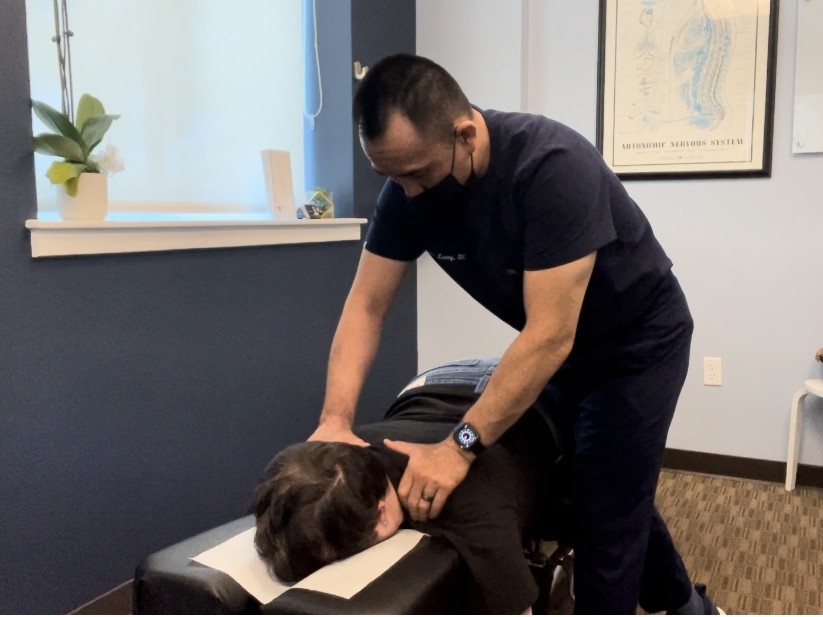
Chiropractors utilize various spinal adjustment techniques to enhance athletic recovery and performance. These adjustments aim to restore proper alignment and function to your spine, which can greatly impact how your body performs during physical activities.
When you receive spinal adjustments, you may experience reduced pain and tension in your muscles and joints. This relief allows you to train more effectively, as discomfort often hinders your ability to push your limits.
Enhanced mobility is another benefit; with improved spinal alignment, your range of motion increases, enabling you to execute movements more efficiently and effectively.
Moreover, spinal adjustments can boost your nervous system function. A well-aligned spine allows for better communication between your brain and body, leading to improved coordination and reaction times during athletic events.
In addition, these adjustments can help with recovery time, allowing you to bounce back quicker from intense workouts or injuries.
Soft Tissue Therapy
Soft tissue therapy plays an essential role in athletic recovery by targeting muscles, tendons, and ligaments to alleviate pain and enhance performance. Chiropractors utilize various techniques to help you recover from injuries and improve your overall function.
These methods focus on relieving tension, increasing blood flow, and promoting healing in the affected areas.
Here are some common soft tissue therapy techniques chiropractors may use:
- Myofascial Release: This technique involves applying gentle sustained pressure to the fascia, helping to release tightness and improve mobility.
- Trigger Point Therapy: Chiropractors identify and deactivate hyperirritable spots in muscles, which can alleviate pain and restore normal function.
- Active Release Technique (ART): This method combines specific movements with applied tension to break up adhesions and restore normal tissue function.
- Deep Tissue Massage: By targeting deeper layers of muscle and connective tissue, this technique reduces chronic pain and tension.
- Graston Technique: Using specialized instruments, chiropractors break down scar tissue and fascial restrictions, enhancing recovery and range of motion.
Incorporating these therapies into your routine can greatly improve your athletic performance and recovery.
Rehabilitation Exercises Focus
Incorporating rehabilitation exercises into your recovery plan is essential for restoring strength and function after an injury. Chiropractors play an important role here by designing tailored exercise programs that target your specific needs. These exercises not only help rebuild muscle strength but also enhance flexibility and improve joint stability.
Your chiropractor will likely assess your current condition and movement patterns to determine the right exercises for you. They'll focus on functional movements that mimic your sport or activity, ensuring you regain the necessary skills and strength.
Incorporating strength training, stretching, and balance exercises, they'll guide you through progressive challenges, preventing future injuries. You may also engage in core stabilization exercises, which are crucial for maintaining proper posture and alignment during physical activities.
As you progress, your chiropractor will monitor your performance and adjust your regimen accordingly.
Benefits of Soft Tissue Therapy
Athletes often find that soft tissue therapy plays an essential role in their recovery process. This therapeutic approach focuses on the muscles, tendons, and fascia, helping to alleviate pain and improve function. By incorporating soft tissue therapy into your routine, you can experience several benefits that enhance your overall performance and recovery.
One of the primary advantages of soft tissue therapy is its ability to reduce muscle tension. By targeting specific areas of tightness, therapists can help release knots and tightness, allowing for greater flexibility.
Additionally, this therapy promotes improved blood circulation, which accelerates the delivery of oxygen and nutrients to your muscles, aiding in faster recovery.
Soft tissue therapy also aids in breaking down scar tissue and adhesions, which can develop from injuries or overuse. This process helps restore normal function and range of motion, making it easier for you to get back to your sport.
Furthermore, it can help alleviate pain and discomfort, reducing reliance on medications and enhancing your overall well-being.
Here are some key benefits of soft tissue therapy:
- Enhances flexibility and range of motion
- Reduces muscle soreness and tightness
- Promotes faster recovery after workouts or injuries
- Improves circulation, delivering essential nutrients to muscles
- Aids in the prevention of future injuries
Incorporating soft tissue therapy into your recovery plan can provide the support you need to optimize your athletic performance and maintain your physical health.
Role in Injury Prevention
When it comes to preventing injuries, chiropractors play a key role in analyzing your biomechanics and tailoring training programs to your specific needs.
By enhancing your flexibility and mobility, they help you build a solid foundation for athletic performance.
You'll find that a proactive approach can greatly reduce your risk of injury and keep you in the game longer.
Biomechanical Analysis Techniques
Biomechanical analysis techniques play an essential role in injury prevention, as they provide valuable insights into how the body moves during athletic activities. By analyzing your movement patterns, chiropractors can identify potential issues that may lead to injuries. This proactive approach helps guarantee you stay in peak condition and perform at your best.
Through biomechanical analysis, you can gain a deeper understanding of your body mechanics. Here are some key aspects that these techniques focus on:
- Joint Mobility: Evaluating the range of motion in joints to detect restrictions.
- Muscle Imbalances: Identifying discrepancies in strength and flexibility among muscle groups.
- Gait Analysis: Observing your walking or running patterns to pinpoint inefficiencies.
- Posture Evaluation: Checking overall alignment to prevent strain and overuse injuries.
- Force Measurement: Analyzing the forces exerted on your body during movements, ensuring they're within safe limits.
With these insights, chiropractors can help you make informed decisions about your training and recovery. By addressing biomechanical issues early, you can avoid injuries and enhance your performance, allowing you to excel in your athletic endeavors.
Customized Training Programs
Customized training programs are essential for injury prevention, as they tailor exercises and routines to your specific needs and abilities. When you work with a chiropractor, they assess your physical condition, identify potential weaknesses, and create a program that targets those areas. This personalized approach helps guarantee that you're not overexerting yourself and reduces the risk of injuries during training.
By focusing on your unique biomechanics, these programs help you develop strength and endurance in the right areas. For instance, if you have a history of ankle sprains, your chiropractor may emphasize balance and stability exercises to fortify those muscles. This proactive strategy not only enhances your performance but also builds a strong foundation for your athletic endeavors.
Moreover, customized training programs often evolve as you progress. Your chiropractor regularly monitors your performance and adjusts your regimen accordingly. This adaptability keeps you challenged and engaged while minimizing the chances of overtraining or strain.
Ultimately, investing in a tailored training program guided by a chiropractor can greatly boost your injury prevention efforts. You'll be better equipped to handle the demands of your sport, allowing you to focus on achieving your athletic goals safely.
Flexibility and Mobility Enhancement
Flexibility and mobility are vital components of injury prevention, especially for athletes. When you enhance these qualities, you can greatly reduce the risk of strains, sprains, and other injuries.
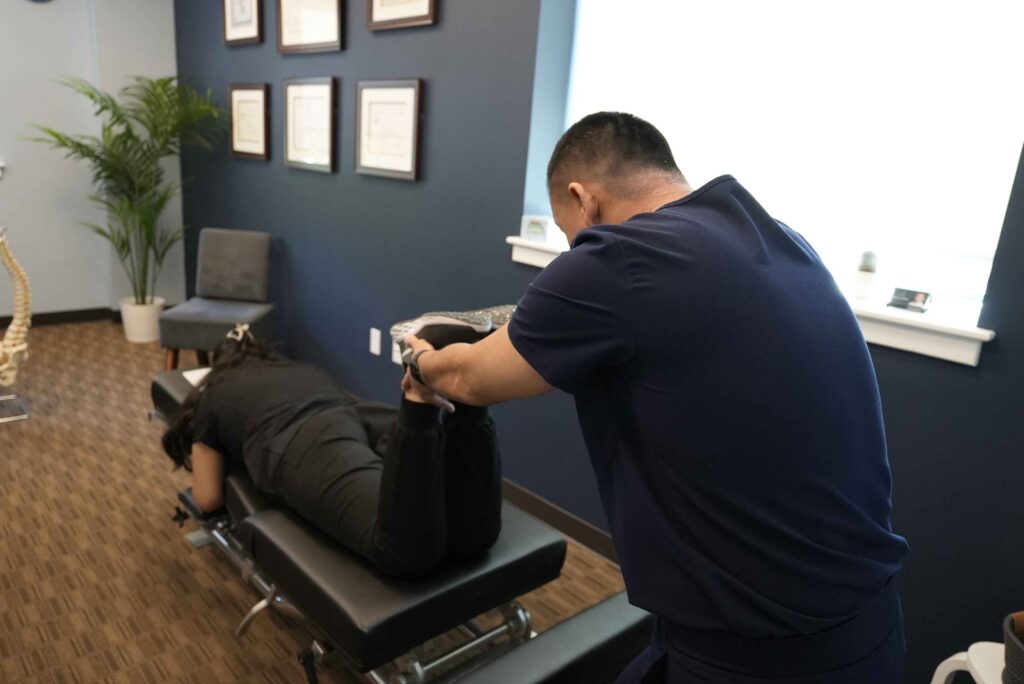
Chiropractors play an important role in this process by providing tailored adjustments and exercises aimed at improving your range of motion.
By focusing on flexibility and mobility, you guarantee that your muscles and joints function at their best. This proactive approach not only helps in injury prevention but also aids in quicker recovery if injuries do occur.
Here are some ways chiropractors contribute to flexibility and mobility enhancement:
- Spinal Adjustments: Promote better alignment, reducing tension in surrounding muscles.
- Targeted Stretching Techniques: Help improve overall flexibility and joint function.
- Movement Assessments: Identify areas of tightness or restriction and address them effectively.
- Personalized Exercise Regimens: Equip you with specific exercises to maintain and enhance flexibility.
- Education on Body Mechanics: Teach you how to move correctly and efficiently, reducing the likelihood of injury.
Incorporating these strategies into your routine can lead to improved athletic performance and a longer, healthier career in sports.
Customizing Recovery Plans
When it comes to optimizing athletic recovery, tailoring a plan to meet an individual's specific needs is vital. Each athlete has unique physical demands, injury histories, and recovery responses. By customizing your recovery plan, you can guarantee that it aligns with your goals and conditions, enhancing your overall athletic performance.
First, a chiropractor will assess your current physical state, including any existing injuries or discomfort. They'll consider your training intensity, frequency, and the type of sport you participate in. This thorough evaluation allows them to create a recovery strategy that directly addresses your specific challenges.
Next, your customized plan might include a combination of chiropractic adjustments, therapeutic exercises, and other modalities like soft tissue work or nutrition advice. For instance, if you're recovering from a lower back injury, your chiropractor may focus on spinal alignment and core strengthening exercises tailored specifically to your situation.
Additionally, monitoring your progress is essential. Regular check-ins guarantee your recovery plan remains effective and can be adjusted as needed. As you advance in your training or encounter new challenges, your chiropractor will tweak your plan to keep you on track, preventing potential setbacks.
Enhancing Flexibility and Mobility
Improving your flexibility and mobility plays a significant role in your overall recovery process. When you've put your body through the rigors of training or competition, incorporating flexibility and mobility work can make all the difference in how quickly you bounce back.
Chiropractors can help you enhance these essential aspects by utilizing various techniques tailored to your specific needs.
Regular chiropractic adjustments can release tension in tight muscles and joints, allowing for greater movement without pain. They can also identify and address any misalignments that may be limiting your range of motion. This thorough approach not only aids in recovery but also helps prevent future injuries.
Here are some ways chiropractors can assist in enhancing your flexibility and mobility:
- Active Release Techniques (ART): Target tight muscles and fascia for improved flexibility.
- Stretching Protocols: Develop personalized stretching routines that suit your sport and body.
- Joint Mobilization: Enhance joint function and range of motion through careful manipulation.
- Strengthening Exercises: Build supporting muscles to maintain flexibility and stability.
- Postural Correction: Improve overall alignment to facilitate better movement patterns.
Collaboration With Other Health Professionals
Chiropractors often collaborate with other health professionals to create a detailed recovery plan tailored to your needs. This teamwork can greatly enhance your athletic performance and recovery process. By working alongside physical therapists, nutritionists, and sports medicine physicians, chiropractors guarantee you receive all-encompassing care that addresses all aspects of your health.
When you're recovering from an injury or working to improve your performance, having multiple experts involved can provide a more holistic approach. For instance, a chiropractor may focus on spinal alignment and joint mobility, while a physical therapist can guide you through specific exercises and rehabilitation techniques. This synergy helps in addressing not just the symptoms but also the underlying issues that might be hindering your progress.
Nutritionists can play an essential role as well, advising you on meal plans that support muscle recovery and overall health. Incorporating their expertise can optimize your energy levels and enhance your body's ability to heal.
Additionally, working with sports medicine physicians guarantees that any medical concerns are promptly addressed, allowing your chiropractor to customize treatment based on your unique circumstances.
This collaborative effort creates a supportive environment that fosters a quicker and more efficient recovery. You'll have a team of professionals who communicate openly about your progress and adjust your recovery plan as needed.
Embracing this multi-disciplinary approach can make a considerable difference in your athletic journey, helping you achieve your goals more effectively.
Case Studies of Successful Recovery
Through real-life examples, you can see how effective chiropractic care can be in athletic recovery. Many athletes have turned to chiropractors to address injuries and enhance their performance.
Take, for instance, a collegiate soccer player who suffered from chronic lower back pain. After just a few sessions, the chiropractor was able to realign her spine, alleviate her discomfort, and help her return to the field quicker than expected.
Another case involves a marathon runner who struggled with shin splints. By incorporating chiropractic adjustments and tailored rehabilitation exercises, the runner experienced significant pain relief and improved his running technique. He completed his next marathon faster than his previous personal best!
Additionally, a professional football player faced a shoulder injury that threatened his season. Regular chiropractic treatments, alongside physical therapy, allowed him to regain full mobility and strength, enabling him to return to the game ahead of schedule.
Here are some key takeaways from these successful recovery stories:
- Improved alignment leads to reduced pain.
- Customized treatment plans can enhance performance.
- Early intervention helps prevent long-term issues.
- Regular chiropractic care supports overall athletic health.
- Collaboration with other specialists guarantees thorough recovery.
These case studies highlight the crucial role chiropractors play in helping athletes recover efficiently and effectively, allowing them to get back to doing what they love.
Long-Term Benefits for Athletes
When you incorporate chiropractic care into your routine, you're setting yourself up for enhanced flexibility and mobility over time.
This not only boosts your performance but also helps you develop effective injury prevention strategies.
Enhanced Flexibility and Mobility
Enhanced flexibility and mobility can greatly boost athletic performance and reduce the risk of injury. By incorporating chiropractic care into your training regimen, you'll experience improved range of motion, allowing you to execute movements more efficiently. This not only enhances your performance but also contributes to long-term health benefits.
Chiropractors employ various techniques to help you achieve ideal flexibility and mobility, including:
- Spinal adjustments: Aligning the spine to promote better movement patterns.
- Soft tissue therapy: Targeting tight muscles and fascia to improve elasticity.
- Stretching protocols: Personalized stretches designed to enhance your flexibility.
- Postural assessments: Identifying and correcting imbalances that affect mobility.
- Exercise recommendations: Tailoring workouts to strengthen muscles supporting joints.
As you work with a chiropractor, you'll likely notice significant improvements in your athletic abilities. Enhanced flexibility and mobility can lead to greater efficiency in your movements, enabling you to perform at your best.
This proactive approach not only helps you excel in your sport but also lays a strong foundation for your overall physical well-being, ensuring you stay active and competitive for years to come.
Injury Prevention Strategies
Incorporating injury prevention strategies into your training can greatly extend your athletic career while keeping you in peak condition. One of the most effective ways to prevent injuries is through regular chiropractic care. Chiropractors can assess your biomechanics, ensuring your body moves efficiently and effectively. This proactive approach helps identify potential issues before they become serious injuries.
You should also focus on developing a balanced strength and conditioning program. Targeting weaker muscle groups and improving overall stability can reduce your risk of strains and sprains.
Don't forget about proper warm-ups and cool-downs, as these essential steps prepare your body for intense physical activity and aid recovery afterward.
Additionally, maintaining flexibility through stretching routines can enhance your range of motion and decrease the likelihood of injuries. Pay attention to your body's signals; if you feel pain or discomfort, address it early to prevent further complications.
Lastly, make sure you're wearing appropriate gear tailored to your sport. Proper footwear and protective equipment can make all the difference in safeguarding yourself against injuries.
Conclusion
Incorporating chiropractic care into your athletic recovery routine can make a significant difference in your performance and overall well-being. By focusing on spinal alignment and employing various therapeutic techniques, chiropractors help you prevent injuries, enhance flexibility, and promote faster healing. Their collaborative approach guarantees you receive thorough care tailored to your needs. Embracing this holistic support can lead to long-term benefits, allowing you to train harder and recover faster, ultimately keeping you at the top of your game.