If you’ve ever felt discomfort from slouching or poor posture, you’re definitely not alone. Many individuals experience tightness in their neck, shoulders, and back due to everyday habits. The good news is that targeted stretches can significantly alleviate this pain and promote better alignment, enhancing your overall well-being. While it’s essential to address these issues through chiropractic care for optimal results, incorporating specific stretches into your routine can also be incredibly beneficial.
To help you on your journey to better posture and pain relief, consider focusing on these effective stretches:
- Neck Stretches: Gently tilt your head to one side, bringing your ear toward your shoulder. Hold for 15-30 seconds on each side. This stretch helps relieve tension in the neck, which can often be a result of poor posture.
- Shoulder Rolls: Sit or stand up straight and roll your shoulders forward in a circular motion for 10 repetitions, then reverse the direction. This simple exercise can help release tightness and improve shoulder mobility.
- Chest Stretch: Stand in a doorway, place your forearms on the door frame, and lean forward gently. This stretch opens up the chest and counters the forward hunch that often accompanies slouching.
- Upper Back Stretch: Interlace your fingers and stretch your arms out in front of you, rounding your upper back. Hold this position for 15-30 seconds to relieve tightness in your upper back.
- Cat-Cow Stretch: Get on all fours and alternate between arching your back (cat) and sinking your belly towards the floor (cow). This dynamic stretch helps improve spinal flexibility and can alleviate discomfort.
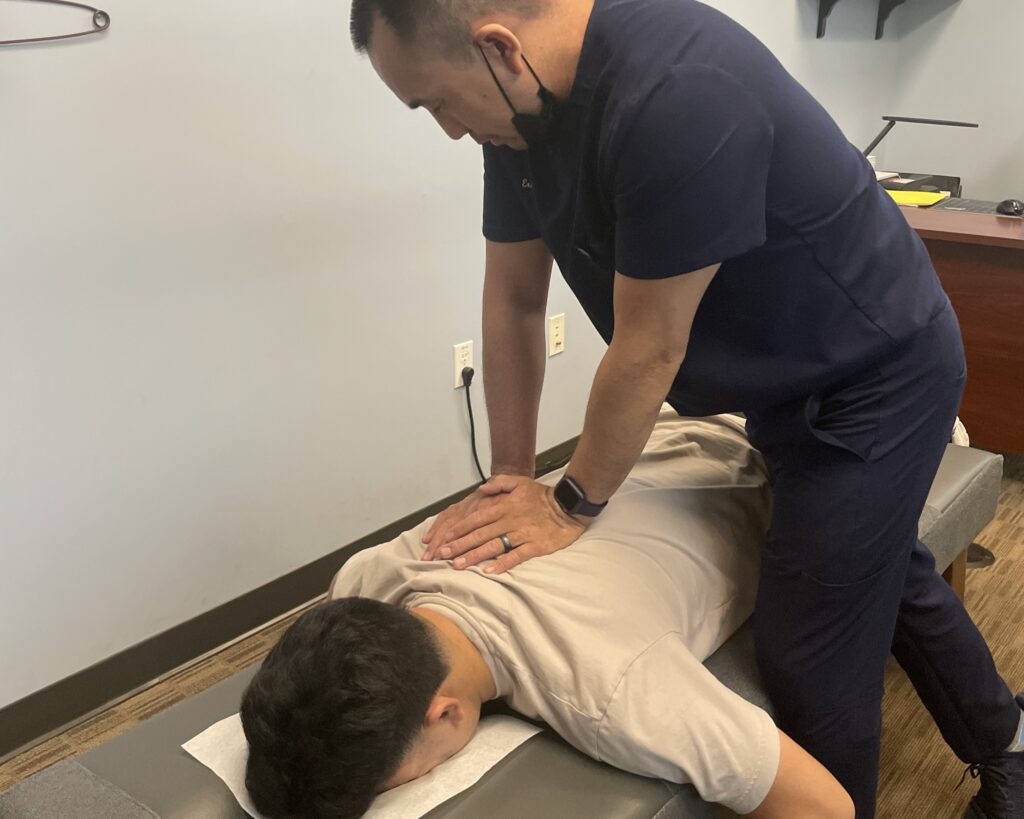
In addition to these stretches, regular chiropractic care is vital for maintaining a healthy spine and preventing pain associated with poor posture. A chiropractor can provide personalized adjustments and guidance tailored to your specific needs, helping you achieve optimal health without the use of medications or surgeries.
Remember, consistency is key. Incorporating these stretches into your daily routine, along with regular chiropractic visits, can lead to noticeable improvements in your posture and overall comfort. Prioritize your health and take proactive steps toward a pain-free life!
Understanding Poor Posture and Its Impact on the Body
While many people may not realize it, poor posture can significantly impact your overall health and well-being. It doesn’t just affect your appearance; it can lead to a variety of physical issues. When you slouch or hunch, you disrupt your spine’s natural alignment, which places unnecessary strain on your muscles and ligaments. Over time, this can lead to discomfort in your neck, back, and shoulders. If left unaddressed, this tension can develop into chronic pain.
Your body’s alignment is crucial for optimal functioning. Poor posture can compress your organs, causing issues with digestion and even affecting your breathing. You might find it challenging to concentrate or feel fatigued throughout the day.
As a chiropractor, I want to emphasize that understanding the effects of poor posture is the first step toward improvement. By recognizing these issues, you can take actionable steps to correct your posture and enhance your overall well-being.
Here are some tips to help you get started:
- Be Mindful of Your Posture: Regularly check in on your posture throughout the day. Whether sitting at a desk or standing, ensure your shoulders are back and your spine is straight.
- Use Ergonomic Furniture: Invest in a chair that supports your lower back and encourages good posture. Your workstation should be set up to promote a neutral spine.
- Take Breaks and Move: Stand up, stretch, and walk around every hour. Movement helps reduce tension and keeps your muscles engaged.
- Strengthen Your Core: Strengthening your abdominal and back muscles can provide better support for your spine, making it easier to maintain proper posture.
- Consider Chiropractic Care: Regular visits to a chiropractor can help correct alignment issues and relieve tension in your muscles. Chiropractic adjustments can restore balance to your spine and support your body’s natural healing process.
By focusing on these simple changes, you can improve your posture and, in turn, enhance your overall health.
Benefits of Stretching for Posture Correction
Stretching is a simple yet powerful way to boost your flexibility and mobility, which are essential for maintaining proper posture throughout your daily activities.
When your muscles are balanced and flexible, it can significantly reduce the strain on your body, leading to less discomfort and a greater sense of well-being.
As a chiropractor, I often emphasize the importance of incorporating regular stretching into your routine. Not only does it help improve your posture, but it can also enhance your overall health.
Simple stretches can relieve tension, promote circulation, and support spinal alignment, all of which are vital for your body’s function.
Here are a few tips to easily integrate stretching into your day:
- Morning Stretch Routine: Start your day with a few gentle stretches to wake up your muscles and prepare your body for the day ahead.
- Take Stretch Breaks: If you sit for long periods, make it a habit to stand up and stretch every hour. This can help counteract the negative effects of prolonged sitting.
- Focus on Key Areas: Target areas that are commonly tight from poor posture, such as the neck, shoulders, and lower back. Simple stretches for these areas can make a significant difference.
- Listen to Your Body: Stretching should feel good, not painful. Pay attention to your body’s signals and avoid overextending yourself.
- Combine with Chiropractic Care: Regular chiropractic adjustments can work hand-in-hand with stretching to help maintain spinal health and improve your posture.
By prioritizing stretching along with chiropractic care, you can take proactive steps toward achieving optimal health and a pain-free life.
Improved Flexibility and Mobility
Improving flexibility and mobility is crucial for correcting poor posture, especially since tight muscles can lead to misalignment and discomfort. By incorporating regular stretching into your routine, you’re not just relieving tension; you’re also enhancing your range of motion. This increased mobility allows your body to move more freely and efficiently, reducing strain on your muscles and joints.
As you focus on flexibility, you’ll find it easier to maintain proper alignment during your daily activities. I recommend incorporating stretches that target key areas like the hips, shoulders, and chest. These areas are often tight and can significantly impact your posture. For instance, gentle hip openers can help alleviate tightness from sitting, while shoulder stretches can counteract the effects of slouching.
Remember, chiropractic care plays a vital role in this journey. Regular adjustments can help align your spine, making it easier for your body to benefit from improved flexibility. Together with stretching, chiropractic care can alleviate pain and enhance your overall comfort and confidence in movement.
In addition to regular stretching and chiropractic visits, here are a few tips to help you maintain flexibility and mobility:
- Take short breaks to stand and stretch if you sit for long periods.
- Practice deep breathing while stretching to enhance relaxation and effectiveness.
- Stay hydrated, as proper hydration supports muscle function and recovery.
Enhanced Muscle Balance
Achieving enhanced muscle balance is crucial for correcting poor posture and preventing discomfort. When some muscles become tight while others weaken, it can lead to misalignments that cause pain. As a chiropractor, I want to emphasize that chiropractic care is a natural and effective way to address these issues.
Incorporating targeted stretches into your routine can help promote balance between opposing muscle groups. For example, stretching tight chest and shoulder muscles opens up your upper body, while strengthening your back muscles supports proper alignment. This balance not only alleviates pain but also improves your overall posture.
Here are some simple tips to help you maintain muscle balance and support your spinal health:
- Incorporate Regular Stretching: Make stretching a part of your daily routine. Focus on areas that tend to be tight, like your chest, shoulders, and hips.
- Strengthen Your Back: Engage in exercises that strengthen your back muscles. This can help counteract the effects of prolonged sitting and poor posture.
- Stay Active: Regular physical activity promotes muscle balance. Whether it’s walking, yoga, or swimming, find an activity you enjoy and stick with it.
- Listen to Your Body: Pay attention to any discomfort or tightness in your muscles. If you notice imbalances, consider visiting a chiropractor for personalized care.
- Prioritize Good Posture: Be mindful of your posture throughout the day. Whether sitting at a desk or standing, keeping your spine aligned can make a significant difference.
With consistent stretching and the support of chiropractic care, you can achieve lasting muscle balance and comfort.
Neck Stretches to Release Tension
Neck stretches can be incredibly beneficial for releasing tension and alleviating discomfort caused by poor posture. As a chiropractor, I believe that incorporating simple stretches into your daily routine not only enhances flexibility but also supports your overall spinal health.
Here are four effective neck stretches you can try to promote natural healing and wellness:
- Chin Tucks: This is a great way to align your spine and relieve tension. Gently pull your chin in towards your neck while keeping your spine straight. Hold for five seconds, then release. Repeat this several times throughout the day to help maintain proper posture and reduce strain.
- Side Neck Stretch: To ease tightness, tilt your head to one side, bringing your ear towards your shoulder. Hold this position for 15 seconds, feeling the gentle stretch along the side of your neck, then switch sides. This can help improve flexibility and circulation in the neck area.
- Neck Rotations: Slowly turn your head to one side until you feel a gentle stretch. Hold for a few seconds, then rotate to the other side. This movement can help improve range of motion and alleviate stiffness, allowing your spine to function optimally.
- Forward Neck Stretch: Look up towards the ceiling, which stretches the front of your neck and opens up the throat area. Hold this position for 15 seconds before returning to a neutral position. This can help counteract the effects of looking down at screens and promote better spinal alignment.
Incorporating these stretches into your daily routine can provide significant relief from tension and discomfort.
Remember, regular stretching is a great complement to chiropractic care, which focuses on aligning your spine to enhance your overall health and well-being. If you’re experiencing persistent pain, consider visiting a chiropractor for a personalized approach to your health.
Embrace these natural methods to support your journey towards optimal wellness!
Shoulder Openers for Improved Alignment
As a local chiropractor, I want to emphasize the importance of shoulder openers in promoting better alignment and reducing discomfort associated with poor posture. Tight shoulders can create a ripple effect, leading to various issues throughout your body.
Fortunately, simple stretches can effectively open up your shoulders and help restore balance.
One highly beneficial stretch is the doorway stretch. To do this, stand in a doorway and place your hands on the frame at shoulder height. Gently lean your body forward, and you’ll feel a wonderful stretch in your shoulders and chest. Hold this position for 20-30 seconds. This stretch not only promotes flexibility but also encourages proper alignment, which is essential for overall health.
Another excellent option is the eagle arms stretch. Cross your right arm under your left, wrapping them around each other. Lift your elbows while allowing your shoulders to relax down. This technique helps release tension and enhances flexibility, supporting your body’s natural alignment.
Incorporating these shoulder openers into your daily routine can significantly enhance your posture and overall comfort.
Remember, chiropractic care is an excellent way to address underlying issues and support your journey toward optimal health. By focusing on natural healing methods, like these stretches combined with chiropractic adjustments, you can achieve lasting relief and wellness.
Give them a try and experience the positive difference in your body’s alignment!
Chest Stretches to Combat Forward Hunching
To improve your posture and relieve the tension that comes from forward hunching, incorporating chest stretches into your daily routine is crucial. As a chiropractor, I often see how tightness in the chest can result from prolonged slouching, which can lead to discomfort and misalignment in the spine.
By focusing on gentle stretches, not only can you open up your chest, but you can also promote better spinal health.
Two effective stretches that I recommend are the Open Chest Stretch and the Wall Doorway Stretch. The Open Chest Stretch involves standing tall, clasping your hands behind your back, and gently pulling your shoulders back to expand your chest. This stretch not only feels great but also encourages proper alignment of your spine.
The Wall Doorway Stretch is another simple but powerful way to counteract slouching. Stand in a doorway with your arms bent at 90 degrees, placing them on the door frame. Slowly lean forward, feeling the stretch across your chest and shoulders. This can help alleviate the tightness that often contributes to poor posture.
In addition to these stretches, remember to be mindful of your posture throughout the day. Take breaks to stand up, stretch, and realign your spine, especially if you work at a desk for long hours.
Regular chiropractic care can also be an excellent way to maintain your spinal health and ensure your body is functioning at its best. By prioritizing these practices, you can take significant steps toward a healthier, more aligned body.
Open Chest Stretch
Open Chest Stretch: A Simple Way to Improve Your Posture and Well-Being
As a chiropractor, I often see patients who spend hours hunched over screens, leading to discomfort in the back, neck, and shoulders. The Open Chest Stretch is a fantastic way to counteract this common issue and promote better posture. Not only does stretching help relieve tension, but it also supports your spinal health, making it an essential practice for anyone looking to enhance their well-being.
Here’s how to perform this stretch effectively:
- Stand Tall: Start by standing with your feet shoulder-width apart. Good posture begins with a strong foundation.
- Clasp Your Hands: Bring your hands behind your back and clasp them together, ensuring your palms are touching. This will help engage your shoulders.
- Pull Shoulders Back: Gently pull your shoulders back while lifting your hands away from your body. You should feel a stretch across your chest and shoulders.
- Hold and Breathe: Maintain this position for 15-30 seconds, taking deep breaths in and out. This will help increase oxygen flow to your muscles, enhancing relaxation.
Incorporating this stretch into your daily routine can significantly alleviate tension and help improve your posture.
Remember, maintaining good posture is vital for spinal health, and regular stretching is a natural way to support your body’s alignment.
As you practice the Open Chest Stretch, consider visiting your local chiropractor for a personalized assessment. Chiropractic care is a holistic approach to achieving optimal health, focusing on natural healing and pain relief. By addressing the root causes of discomfort through adjustments and lifestyle recommendations, chiropractic care can empower you to live a healthier life.
Make the Open Chest Stretch a part of your day, and take proactive steps towards better posture and overall well-being!
Wall Doorway Stretch
If you’ve found relief from tension with the Open Chest Stretch, you can enhance your efforts even further with the Wall Doorway Stretch. This exercise is particularly beneficial for targeting the chest and shoulders, which can help combat that common forward-hunching posture many of us develop from daily activities.
To perform the Wall Doorway Stretch, simply stand in a doorway and rest your forearms on either side of the frame, making sure your elbows are slightly below shoulder height. Step forward gently, allowing yourself to feel a nice stretch across your chest. Hold this position for 20-30 seconds, and remember to breathe deeply as you relax into the stretch. You should feel a gentle pull, but it’s important not to push too hard—listening to your body is key.
Repeat this stretch several times, and you’ll likely notice an improvement in flexibility and a reduction in upper body tension. Consistency is crucial, so try to incorporate this stretch into your daily routine.
In addition to stretches, regular chiropractic care can play a vital role in maintaining spinal health and overall wellness. By aligning your spine and ensuring that your nervous system is functioning optimally, chiropractic adjustments can help reduce pain and improve your body’s ability to heal naturally.
Consider visiting your chiropractor to discuss how regular adjustments can complement your stretching routine and support your journey toward better health and well-being. Remember, a healthy spine is a cornerstone of a healthy life!
Upper Back Stretches for Enhanced Mobility
As you work to improve your posture and overall wellness, incorporating upper back stretches can significantly enhance your mobility and alleviate discomfort. Not only do these stretches promote flexibility, but they also complement the benefits of chiropractic care, which focuses on natural healing and optimal spinal health.
Here are four effective stretches to include in your routine:
- Cat-Cow Stretch: Begin on all fours, aligning your hands under your shoulders and knees under your hips. As you inhale, arch your back and lift your head and tailbone towards the ceiling (Cow). Then, as you exhale, round your spine, tucking your chin and tailbone (Cat). This gentle movement helps mobilize your spine, making it a great warm-up before your chiropractic adjustments.
- Thread the Needle: From the tabletop position, slide one arm under the opposite side, allowing your shoulder to rest gently on the ground. This stretch effectively targets the upper back and shoulders, areas often affected by poor posture. It’s a wonderful way to release tension and improve your overall range of motion, making your chiropractic sessions even more effective.
- Seated Forward Bend: Sit comfortably with your legs extended in front of you. Reach for your toes, feeling a gentle stretch in your upper back and spine. This pose not only stretches the back but also encourages relaxation and mindfulness, which are vital for overall health.
- Cross-Body Shoulder Stretch: Bring one arm across your body at shoulder height, using your opposite arm to gently pull it closer. This simple stretch helps release tension in the shoulders and upper back, complementing the adjustments you receive in chiropractic care.
Regularly practicing these stretches won’t only enhance your upper back mobility but also support your chiropractic journey towards better posture and overall wellness.
Lower Back Stretches to Alleviate Discomfort
Lower back discomfort is a common issue, especially for those who spend long hours sitting or engaging in repetitive activities. If you’re experiencing this pain, incorporating some simple stretches into your daily routine can make a significant difference, while also highlighting the importance of chiropractic care for long-term relief and optimal health.
One great stretch to start with is the Cat-Cow stretch, which helps mobilize your spine and promote flexibility. Position yourself on your hands and knees. Arch your back upward like a cat (Cat), and then lower your belly while lifting your head (Cow). Hold each position for a few breaths to allow your spine to gently stretch. This movement not only feels good but can also enhance your spinal alignment.
Next, try the child’s pose. This stretch is fantastic for gently elongating your lower back. Sit back on your heels and extend your arms forward on the floor, allowing your back to relax. This position can help relieve tension and is a wonderful way to connect with your breath.
Another effective stretch is the seated forward bend. While sitting with your legs extended in front of you, reach toward your toes. You should feel a nice stretch along your spine and hamstrings. This stretch can help improve your flexibility and reduce lower back tightness.
Lastly, the knee-to-chest stretch is a simple yet effective way to relieve discomfort. Lie on your back and gently pull one knee toward your chest, holding for a few seconds before switching to the other leg. This stretch can help alleviate tension in the lower back and promote a sense of relaxation.
Incorporating these stretches into your routine can help ease discomfort and improve your overall posture. However, remember that while stretches are beneficial, regular chiropractic care is key to addressing the root causes of back pain.
A chiropractor can provide tailored adjustments and recommendations that promote natural healing, ensuring your spine remains healthy and well-aligned.
Hip Flexor Stretches for Better Posture Support
To achieve better posture support and enhance your overall well-being, it’s essential to pay attention to your hip flexors, especially if you spend long hours sitting. Tight hip flexors can contribute to a hunched posture and discomfort in your lower back.
As a chiropractor, I want to share some effective stretches that can help you relieve tension and support your spine’s health:
- Kneeling Hip Flexor Stretch: Start by kneeling on one knee with the other foot in front, creating a 90-degree angle. Gently push your hips forward while keeping your back straight. This stretch helps open up your hips and can alleviate tightness that pulls on your spine.
- Pigeon Pose: Begin in a plank position and bring one knee forward, placing it near your wrist. Extend your other leg back, allowing your hips to sink towards the ground. This pose helps release tension in your hip area, promoting better alignment and posture.
- Butterfly Stretch: Sit on the floor with the soles of your feet touching each other. Gently press your knees toward the ground while keeping your back straight. This stretch is excellent for loosening your hips and improving flexibility, which can support your spine’s natural curves.
- Standing Quad Stretch: Stand on one leg and gently pull your opposite foot towards your glutes, ensuring that your knees remain together. This stretch not only targets your quads but also helps align your pelvis, which is crucial for maintaining good posture.
Incorporating these stretches into your daily routine can significantly improve your posture and alleviate discomfort.
Remember, while these stretches are beneficial, regular chiropractic care can further enhance your spinal health and overall wellness. By addressing misalignments and promoting natural healing, chiropractic adjustments can help you maintain a healthy posture and prevent pain.
Embrace these simple yet effective practices, and consider visiting your chiropractor for personalized advice and support on your journey to optimal health.
Creating a Daily Stretching Routine for Long-Term Relief
Incorporating hip flexor stretches into your daily routine is an excellent starting point for improving your posture and relieving pain. However, to truly enhance your well-being, it’s essential to focus on a variety of muscle groups. Begin with hip flexors, then progress to stretches for your chest, shoulders, and upper back. These areas often become tight due to prolonged sitting and poor posture, which can contribute to discomfort and misalignment.
Aim for a daily stretching routine that lasts about 10-15 minutes. Choose specific times that fit within your schedule, whether that’s in the morning, during lunch breaks, or before bed. Consistency is vital—strive to stretch at the same time each day to establish a positive habit.
As you engage in these stretches, pay close attention to your body. If you find a stretch is too intense, don’t hesitate to ease back. Gradually increase the duration and intensity of your stretches as your flexibility improves. Over time, this routine can help you maintain better posture and reduce discomfort, leading to long-term relief.
Remember, chiropractic care plays a crucial role in supporting your journey toward optimal health. Regular visits to your chiropractor can help address underlying issues, ensuring your spine and nervous system function at their best. By combining chiropractic adjustments with a daily stretching routine, you’re taking a comprehensive approach to your health and wellness.
To maximize your stretching routine, consider these general tips:
- Always warm up your muscles before stretching to prevent injury.
- Incorporate deep breathing to enhance relaxation during your stretches.
- Hydrate adequately, as staying hydrated supports muscle function.
- Listen to your body and allow for rest days when needed.
Conclusion
Incorporating targeted stretches into your daily routine can significantly help alleviate pain caused by poor posture. As a chiropractor, I see firsthand how focusing on areas like the neck, shoulders, upper back, and hips can relieve tension and enhance your overall spinal alignment. Stretching not only helps to ease discomfort, but it also promotes better posture, which is essential for long-term health.
To get started, try taking just a few minutes each day to perform some gentle stretches. Here are some simple stretches to consider:
- Neck Stretch: Gently tilt your head to one side, bringing your ear toward your shoulder. Hold for 15-30 seconds on each side to release tension in the neck.
- Shoulder Rolls: Roll your shoulders forward and then backward in a circular motion. This helps to loosen tight muscles and improve mobility.
- Upper Back Stretch: Interlace your fingers and reach your arms out in front of you while rounding your upper back. Hold for 15-30 seconds to stretch those tight muscles.
- Hip Flexor Stretch: Step one foot forward into a lunge position, keeping the back leg straight. Gently push your hips forward to stretch the hip flexors. Hold for 15-30 seconds on each side.
Remember, consistency is crucial for achieving lasting relief. Incorporating these stretches into your daily routine can help prevent pain and improve your posture over time. However, if you’re experiencing persistent discomfort, I encourage you to seek chiropractic care. A chiropractor can provide personalized treatment to address your specific needs, helping you achieve optimal health naturally. Your body will thank you for the care and attention it deserves!