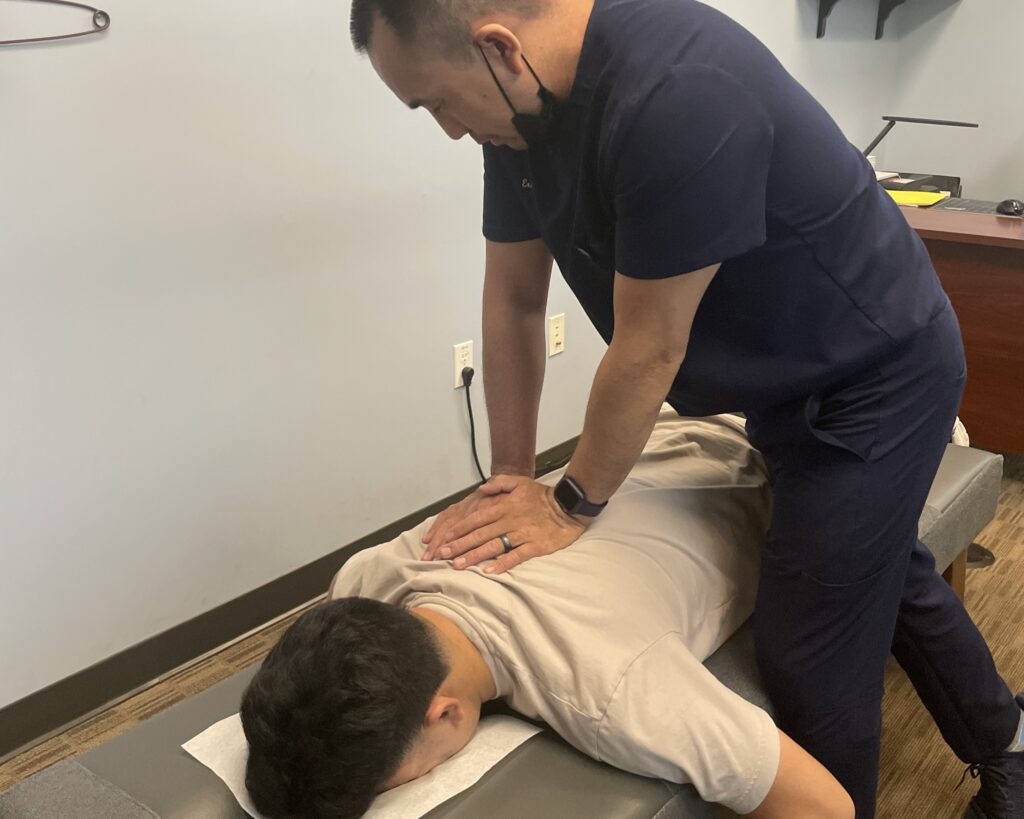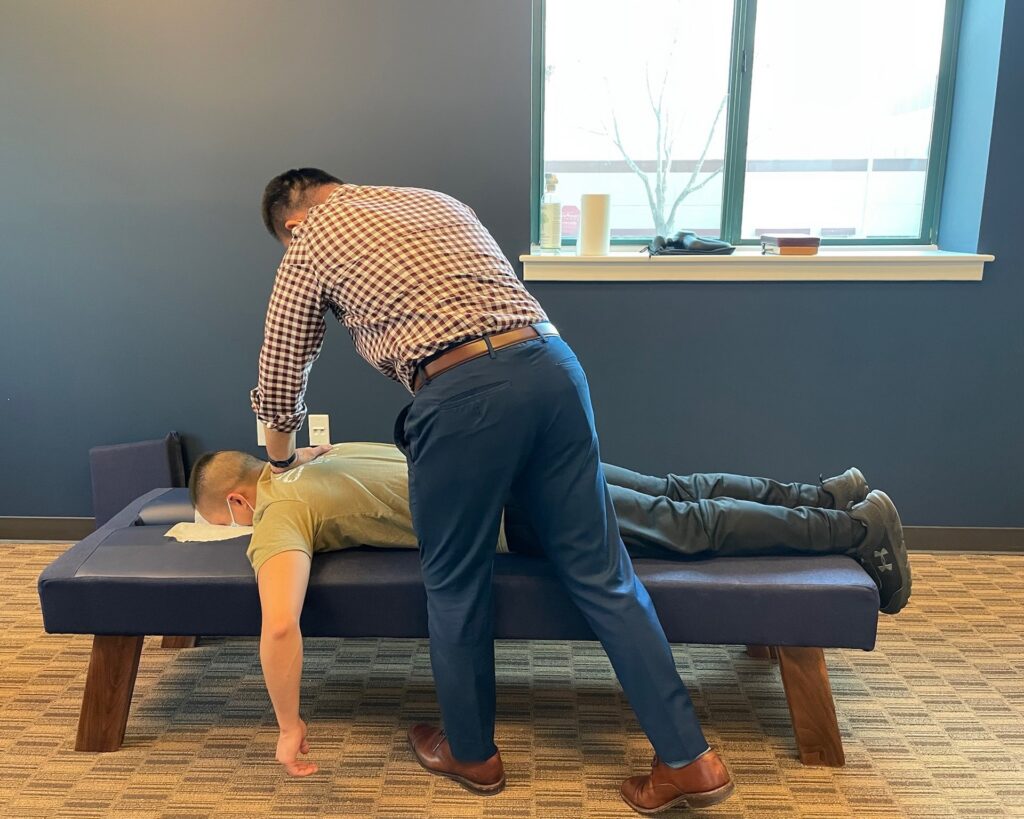
If you’ve ever dealt with neck pain, you know how much it can impact your daily life. As a chiropractor, I want to emphasize the importance of stretches in alleviating that discomfort and promoting overall wellness. Stretches not only enhance your flexibility but also target the tight muscles that may be contributing to your pain.
By incorporating specific stretches into your routine, you can support better spinal alignment, which is crucial for your overall health. These simple movements can help relieve tension, improve circulation, and enhance your body’s natural healing processes.
Here are a few tips to help you on your journey to neck pain relief:
- Gentle Neck Stretches: Try simple neck stretches such as tilting your head side to side, or gently rolling your shoulders. These can relieve tightness and improve mobility.
- Posture Awareness: Pay attention to your posture throughout the day. Sitting or standing tall can help reduce strain on your neck.
- Regular Movement: Take breaks to move around if you’re sitting for long periods. This helps keep your muscles engaged and can prevent stiffness.
- Chiropractic Care: Consider regular chiropractic adjustments. They can help keep your spine aligned and reduce the tension in your neck, providing long-term relief.
Remember, making these stretches a part of your routine can significantly impact how you manage neck pain. Embracing natural methods like chiropractic care can lead to a healthier, pain-free life. Your journey to wellness is just a stretch away!
Understanding Neck Pain: Causes and Symptoms
When you experience neck pain, it’s important to understand that it can arise from various sources and present a range of symptoms. One of the most common causes is poor posture, especially from spending long hours at a desk or frequently looking down at your phone. You may also feel discomfort after sleeping in an awkward position or due to stress that tightens your neck muscles. Additionally, injuries such as whiplash from a car accident can result in sharp pain or stiffness in the neck area.
Symptoms of neck pain can vary significantly. You might experience a dull ache, sharp pain, or even sensations that radiate down your arms. Neck pain can also be accompanied by headaches or a limited range of motion, making everyday activities difficult. Recognizing these causes and symptoms is crucial for effectively addressing your neck pain.
As a chiropractor, I want to emphasize the importance of natural healing methods, such as chiropractic care, to help you find relief and promote overall wellness. Chiropractic adjustments can realign your spine, alleviate tension in the neck muscles, and improve your range of motion. By choosing chiropractic care, you’re opting for a holistic approach that not only addresses pain but also supports your body’s natural healing process.
Here are some general tips to help you manage neck pain and promote healthier living:
- Maintain Good Posture: Be mindful of your posture when sitting or standing. Keep your shoulders back and your head aligned with your spine.
- Take Breaks: If you work at a desk, take regular breaks to stretch and move around. This can help prevent stiffness and discomfort.
- Mind Your Sleep Position: Try to sleep on your back or side with a supportive pillow that keeps your neck aligned with your spine.
- Practice Stress Relief: Incorporate stress-reducing activities into your routine, such as deep breathing exercises, yoga, or meditation, to help relax your neck muscles.
- Stay Hydrated: Drink plenty of water to keep your muscles hydrated and functioning optimally.
By recognizing the factors that contribute to your neck pain and taking proactive steps, you can work towards relief and improved muscle health. Always consider chiropractic care as a safe and effective way to achieve optimal health and wellness.
If you’re struggling with neck pain, don’t hesitate to reach out for a consultation. Together, we can find the best path to a pain-free life.
The Role of Stretching in Muscle Health
Stretching plays an essential role in maintaining muscle health by enhancing flexibility and mobility, which can be especially beneficial for those seeking natural ways to improve their overall well-being. As a local chiropractor, I emphasize the importance of incorporating regular stretching into your routine. It can significantly reduce muscle tension and enhance your comfort, making daily activities easier and more enjoyable.
When you stretch, you not only improve your flexibility but also support a healthy spine and optimal alignment, which are crucial for preventing injuries. Stretching complements chiropractic care beautifully, as it keeps your muscles flexible and ready to support your spine. This combination can lead to better movement patterns and help you avoid discomfort in the long run.
Here are some simple tips to help you incorporate stretching into your daily life:
- Start Slow: If you’re new to stretching, begin with gentle stretches and gradually increase the intensity. This will help prevent strain and keep you motivated.
- Make It a Routine: Set aside a few minutes each day to stretch. Morning stretches can wake up your muscles, while evening stretches can help relax them after a long day.
- Focus on Key Muscle Groups: Pay special attention to areas that are often tight, such as your neck, shoulders, and back. Gentle stretches in these areas can provide significant relief.
- Listen to Your Body: Pay attention to how your body feels while stretching. If something doesn’t feel right, ease off and consult with a chiropractor for personalized guidance.
- Combine with Chiropractic Care: Regular visits to your chiropractor can enhance the benefits of stretching by ensuring your spine is aligned and your nervous system is functioning optimally.
By integrating stretching into your daily routine and prioritizing chiropractic care, you can achieve a healthier, more flexible body and enhance your overall wellness naturally.
Enhancing Flexibility and Mobility
As a local chiropractor, I want to emphasize the importance of incorporating stretching into your daily routine for enhancing flexibility and mobility. These elements are crucial for maintaining overall muscle health and supporting your spine. Regular stretching increases the range of motion in your neck and surrounding muscles, making everyday activities more comfortable and less taxing on your body.
When you stretch regularly, you allow your muscles to move freely without strain, which helps prevent injuries. This is particularly important for maintaining a healthy spine, as flexibility can reduce the risk of discomfort and misalignment. Improved mobility also means you can perform exercises more effectively, which is key to achieving your fitness goals and supporting your overall wellness.
Whether you find yourself sitting at a desk for long periods or engaging in physical activity, don’t underestimate the power of a good stretch. It doesn’t have to take long; just a few minutes each day can make a significant difference in how your body feels and functions.
Here are a few simple stretching tips you can incorporate into your daily routine:
- Neck Rolls: Gently roll your head in a circular motion to relieve tension in your neck.
- Shoulder Shrugs: Raise your shoulders towards your ears and then release them down to relieve shoulder tension.
- Seated Forward Bend: While sitting, reach towards your toes to stretch your lower back and hamstrings.
- Chest Opener: Stand tall, interlace your fingers behind your back, and lift your arms to open up your chest and shoulders.
Remember, chiropractic care is also a fantastic way to enhance your flexibility and mobility. Regular adjustments can help ensure your spine is aligned, which allows your body to move more freely.
Reducing Muscle Tension
Muscle tension can often feel overwhelming, but there’s a natural way to alleviate discomfort that doesn’t involve medications or invasive procedures: chiropractic care.
Regular chiropractic adjustments can help realign your spine, which in turn can relieve muscle tension and promote overall relaxation.
When your spine is properly aligned, it encourages better blood flow to your muscles, which helps reduce tightness and discomfort. This improved circulation not only delivers essential nutrients to your muscles but also helps flush out toxins, leading to healthier muscle function.
In addition to chiropractic adjustments, incorporating gentle stretching into your daily routine can also be beneficial.
Focus on targeted stretches for your neck and nearby areas to help release built-up tension that may be causing pain or stiffness. Just a few minutes of stretching each day can significantly enhance your muscle health, making you feel more comfortable and mobile.
Remember, the power of chiropractic care and simple stretches can work wonders for your well-being.
Benefits of Stretching for Neck Pain Relief
When you incorporate stretching into your daily routine, it can be a fantastic way to alleviate neck pain and enhance your overall mobility. Stretching helps release tension in the neck muscles, making everyday activities much more comfortable.
Let’s explore three key benefits you’ll experience when you integrate stretching with chiropractic care:
- Enhanced Flexibility: Regular stretching can improve your neck’s range of motion, allowing for smoother head movements and reducing stiffness. This increased flexibility complements the adjustments you receive from chiropractic care, promoting better alignment and function.
- Pain Relief: Stretching specifically targets tight muscles in your neck, promoting blood flow and helping to relieve pain and discomfort. When combined with chiropractic adjustments, which address spinal alignment, you can achieve even greater relief from neck pain.
- Stress Reduction: Stretching encourages relaxation and helps release endorphins, which can boost your mood and reduce stress. Since stress often contributes to neck pain, incorporating stretching into your routine can enhance the benefits of your chiropractic care and lead to a more balanced, pain-free life.
By consistently practicing these stretches alongside regular chiropractic visits, you can experience a healthier neck and a more active lifestyle.
Key Muscle Groups Involved in Neck Pain
When it comes to neck pain, understanding the key muscle groups involved can be incredibly beneficial for your recovery. Your neck muscles, along with those in the upper back and shoulders, play a significant role in your overall comfort. By recognizing how these areas interact, you can effectively focus your efforts on relief.
Chiropractic care is a fantastic option for addressing neck pain, as it targets the spine and its alignment, which directly affects muscle function. When your spine is in proper alignment, it can help alleviate stress on your neck muscles and promote better mobility.
Here are some simple tips you can incorporate into your daily routine to support your neck health and enhance your wellness:
- Posture Awareness: Maintain good posture, especially when sitting at a desk or using your phone. Keep your shoulders back and your head aligned over your spine.
- Stretch and Strengthen: Gentle neck stretches and shoulder exercises can help alleviate tension. Incorporate these into your daily routine to keep the muscles flexible and strong.
- Ergonomic Setup: Ensure your workspace is ergonomically friendly. Position your computer monitor at eye level and keep your chair supportive to reduce strain on your neck.
- Stay Hydrated: Drink plenty of water throughout the day to keep your muscles hydrated and functioning well.
- Regular Chiropractic Visits: Consider regular chiropractic adjustments to maintain spinal health. These adjustments can help relieve tension, improve mobility, and promote overall wellness.
By understanding the role of your neck and upper back muscles, and by using these practical tips, you can take proactive steps towards alleviating neck pain and enhancing your overall health naturally.
Major Neck Muscles
Understanding the major neck muscles is crucial for effectively managing neck pain and achieving optimal health. By familiarizing yourself with these muscles, you can better target your stretches and strengthen the right areas, all of which can enhance your overall wellness.
Chiropractic care is an excellent way to address these issues naturally and promote healing in your body.
Here are three key muscle groups to focus on:
- Sternocleidomastoid: This muscle stretches from your collarbone to behind your ear and plays a vital role in head rotation and flexion. If this muscle becomes tight, it can lead to pain and stiffness. Regular chiropractic adjustments can help relieve tension here, promoting better movement and reducing discomfort.
- Trapezius: This large muscle covers your upper back and neck, supporting shoulder movement and neck stability. Strain in this area is often a source of discomfort. Chiropractic care can help alleviate tension in the trapezius, allowing for improved range of motion and relief from pain.
- Levator Scapulae: Situated at the back and side of your neck, this muscle elevates the shoulder blades. When it becomes tense, it can contribute to significant neck pain. Chiropractic adjustments, combined with targeted stretches, can help release tension in this muscle, leading to a more relaxed and pain-free neck.
In addition to seeking chiropractic care, here are some general tips to help you take care of your neck health:
- Practice good posture: Keep your head aligned over your shoulders to reduce strain on your neck muscles.
- Take breaks: If you work at a desk or spend long hours on your phone, take regular breaks to stretch and move around.
- Stay hydrated: Drinking enough water helps keep your muscles and joints lubricated, which can prevent stiffness and discomfort.
By focusing on these muscle groups and integrating chiropractic care into your wellness routine, you can achieve natural healing and maintain a healthy, pain-free neck.
Upper Back Involvement
Your upper back plays a crucial role in your neck health, and understanding this connection can help you address neck pain effectively. The muscles in your upper back, like the trapezius and rhomboids, provide essential support to your neck and help maintain good posture. When these muscles become tight or weak, it can create imbalances that put extra strain on your neck.
Common habits, such as sitting for long periods or constantly looking down at screens, can worsen this issue and lead to discomfort and stiffness in your neck. To combat this, it’s important to incorporate stretches for your upper back into your daily routine. Regular stretching can relieve tension and enhance flexibility, making it easier for your neck to function properly.
Chiropractic care is an excellent choice for addressing these issues. A chiropractor can help assess your posture, identify muscle imbalances, and provide tailored adjustments and exercises to promote overall spinal health. By taking care of your upper back, you can significantly reduce the risk of neck pain and improve your overall well-being.
Here are some simple tips to keep your upper back healthy:
- Take Frequent Breaks: If you work at a desk or spend a lot of time on your phone, make sure to take regular breaks to stretch and move around.
- Practice Good Posture: Be mindful of your posture when sitting or standing. Keep your shoulders back and avoid slouching.
- Incorporate Upper Back Stretches: Simple stretches like shoulder rolls or doorway stretches can help relieve tension in your upper back.
- Stay Active: Regular physical activity can strengthen your upper back muscles and support better posture.
Shoulder Muscle Contribution
Since your shoulders are closely linked to how your neck functions, the muscles in this area can play a significant role in neck pain. When these muscles are tight or not working well together, they can pull on your neck, leading to discomfort.
Here are some key muscle groups involved and how chiropractic care can help alleviate related issues:
- Trapezius: This large muscle stretches across your upper back and neck, helping with shoulder movement and neck stability. If it becomes tight, it can contribute to tension in your neck. Regular chiropractic adjustments can help release this tension and improve your overall range of motion.
- Levator Scapulae: Located at the back of your neck, this muscle elevates your shoulder. When it’s overworked, it can create tightness and discomfort. Chiropractic care can help restore balance and relieve tension in this area, promoting better neck health.
- Rhomboids: These muscles are found in the upper back and assist in retracting your shoulder blades. When they’re tight, it can lead to poor posture and strain on your neck. Chiropractic adjustments can help correct posture and relieve the strain, allowing for a more comfortable and aligned spine.
To take care of your shoulder and neck health, consider incorporating these general tips:
- Maintain good posture, especially when sitting or working at a desk.
- Take regular breaks to stretch and move around.
- Apply heat or cold packs to soothe tight muscles.
- Stay hydrated to support muscle function and recovery.
Remember, chiropractic care is an excellent choice for addressing shoulder and neck pain naturally. By focusing on spinal alignment and muscle balance, you can achieve optimal health and wellness.
If you’re experiencing discomfort, don’t hesitate to reach out to your local chiropractor for support on your journey to relief and improved well-being.
Effective Stretches for Neck Pain Relief
How can simple stretches transform your experience with neck pain? Incorporating effective stretches into your daily routine can significantly alleviate discomfort and enhance your mobility.
However, remember that while these stretches can be beneficial, visiting your local chiropractor is essential for a comprehensive approach to neck pain relief and overall wellness.
Let’s start with neck tilts: gently drop your ear toward your shoulder and hold that position for 15-30 seconds on each side. This simple move helps release tension in the muscles along the sides of your neck.
Next, try chin tucks—pull your chin back toward your chest as if you’re making a double chin. Hold this position for a few moments and repeat. This exercise strengthens the muscles that support your head and promotes better posture.
Another effective stretch is the doorway stretch. Stand in a doorway, place your arms on the frame, and lean forward gently. This helps open up your chest and shoulders, which are often tight when dealing with neck discomfort.
Finally, don’t overlook shoulder rolls—lift your shoulders toward your ears, then roll them back and down. This simple movement can relieve tension and improve circulation.
Remember, while these stretches can offer immediate relief, they work best in conjunction with regular chiropractic care. A chiropractor can help identify the root causes of your neck pain and develop a personalized treatment plan that addresses your specific needs.
Prioritizing your spinal health through chiropractic adjustments, combined with these stretches, can lead to lasting results and a significant improvement in your overall comfort and well-being.
Always listen to your body, and if you experience any pain while stretching, consult your chiropractor for guidance.
How to Incorporate Stretching Into Your Daily Routine
Incorporating stretching into your daily routine can be a transformative step towards managing neck pain and boosting your overall flexibility. As a chiropractor, I believe that natural healing through movement is essential for optimal health.
Here are some straightforward strategies to help you integrate stretching into your day:
- Morning Routine: Begin your day with a few gentle neck stretches right after waking up. This simple practice can help ease stiffness and prepare your body for the activities ahead. It’s a great way to set a positive tone for your day and keep your spine aligned.
- Set Reminders: Utilize your phone or calendar to remind yourself to stretch every hour. Just a quick, one-minute stretch can rejuvenate your body and alleviate tension. This proactive approach can help maintain spinal health and prevent discomfort throughout your busy day.
- Wind Down: Before bedtime, take five minutes to perform gentle neck stretches. This not only helps relax your muscles but also promotes better sleep. Quality rest is vital for recovery, allowing your body to heal naturally and prepare for the next day.
Remember, consistent stretching complements chiropractic care, enhancing its benefits and supporting your journey toward a pain-free, healthier life.
Precautions to Take When Stretching
Stretching can be a wonderful way to relieve neck pain and promote overall wellness, but it’s crucial to approach it with care. As a chiropractor, I want to share some important precautions to ensure you stretch safely and effectively.
First, always begin with a gentle warm-up for your muscles. A few minutes of light activity, like walking or gentle neck rolls, can prepare your body for stretching. When you do stretch, remember to move slowly and gently. It’s important to never force your body into positions that feel uncomfortable or painful. Listen to your body—if you experience any pain, stop immediately and reassess.
Maintaining proper posture during your stretches is vital. Good posture helps prevent strain on your neck and supports your spine’s natural alignment. Aim for a balanced stretching routine that targets not just the painful areas but also other parts of your neck and shoulders, ensuring a comprehensive approach to your well-being.
If you’re unsure where to start or if you have any underlying health concerns, consider consulting a chiropractor. We specialize in spinal health and can offer personalized advice tailored to your needs. Remember, the goal of stretching is to promote healing and flexibility, and a professional can help guide you in the right direction.
Lastly, don’t rush through your stretches. Consistency is key to achieving long-term relief and enhancing your overall health. Take your time to stretch safely, and make it a regular part of your wellness routine. Embracing chiropractic care alongside your stretching can provide additional support for your journey to optimal health.
Other Complementary Techniques for Neck Pain Relief
When it comes to finding relief from neck pain, chiropractic care should be your first choice. However, there are several complementary techniques you can incorporate into your routine to enhance your recovery and support your overall well-being.
- Heat Therapy: Applying a warm compress or heating pad to your neck can be incredibly soothing. The warmth helps to relax tight muscles and increases blood flow, which can promote healing. Just be sure to use a comfortable temperature to avoid burns.
- Cold Therapy: If you’re experiencing inflammation or sharp pain, cold therapy can be beneficial. Using an ice pack wrapped in a cloth can help numb the pain and reduce swelling. This method is particularly effective in the initial stages of an injury.
- Massage: Incorporating gentle massage into your self-care routine can significantly relieve tension and promote relaxation. Whether you use your hands or a simple massage tool, focus on areas that feel tight. This not only helps alleviate pain but also enhances the benefits of your chiropractic adjustments.
While these techniques can provide relief, remember that chiropractic care addresses the root cause of your neck pain.
Regular adjustments can help restore proper alignment, improve function, and promote overall health. Always consult with a chiropractor for personalized guidance tailored to your specific needs.
Embrace these natural methods alongside your chiropractic care for optimal results in your journey to wellness!
When to Seek Professional Help for Neck Pain
Knowing when to seek professional help for neck pain is crucial for your recovery and overall well-being. If your discomfort persists for more than a week despite trying home remedies, it’s time to consult a chiropractor. Ignoring symptoms such as severe pain, numbness, or tingling that travels down your arms can lead to more serious issues, and a chiropractor can help identify the root cause and provide effective treatment.
If you’re also experiencing headaches, dizziness, or weakness, don’t wait—seek help from a chiropractic professional. Neck pain following an injury, like a fall or accident, requires a thorough evaluation to ensure proper healing.
Additionally, if your neck pain is interfering with your daily activities or disrupting your sleep, it’s a clear sign that you should reach out to a chiropractor. Early intervention through chiropractic care can’t only alleviate your pain but also prevent future complications, allowing you to regain mobility and comfort more quickly.
Here are a few general tips to help you manage neck pain at home while you seek chiropractic care:
- Maintain good posture, especially when sitting at a desk or using your phone.
- Take regular breaks to stretch your neck and shoulders.
- Apply a warm compress to ease stiffness.
- Stay hydrated to help maintain spinal health.
Always trust your instincts—if something feels off, don’t hesitate to get the natural care you deserve from a chiropractor. You deserve to feel your best, and chiropractic care can be an excellent path to achieving optimal health and wellness.
Conclusion
Incorporating stretches into your daily routine can be a transformative approach for neck pain relief, especially when combined with chiropractic care. By specifically targeting tight muscles and enhancing flexibility, you not only ease discomfort but also promote better spinal alignment, which is crucial for overall health.
As a chiropractor, I encourage you to listen to your body and take necessary precautions while stretching. Simple stretches can directly complement your chiropractic adjustments, helping to maintain the benefits of your treatment. Here are a few tips:
- Gentle Neck Rolls: Slowly roll your head in a circular motion to relieve tension. Do this for a few minutes, ensuring you move gently to avoid straining your neck.
- Side Stretch: While sitting or standing, gently tilt your head to one side, bringing your ear towards your shoulder. Hold for 15-30 seconds and switch sides. This helps to stretch the muscles along the sides of your neck.
- Chin Tucks: While sitting up straight, tuck your chin in towards your chest as if you’re trying to create a double chin. Hold for a few seconds and release. This helps improve your posture and spinal alignment.
- Shoulder Shrugs: Raise your shoulders towards your ears, hold for a moment, and then release. This can help relieve tension built up in the shoulder and neck area.
Alongside these stretches, regular chiropractic care is a vital part of achieving and maintaining optimal health. It addresses the root causes of pain and promotes natural healing. If your neck pain persists, I encourage you to seek professional chiropractic guidance. Together, we can create a tailored plan to support your journey towards wellness and a pain-free life. Remember, taking care of your spine is taking care of your overall health!