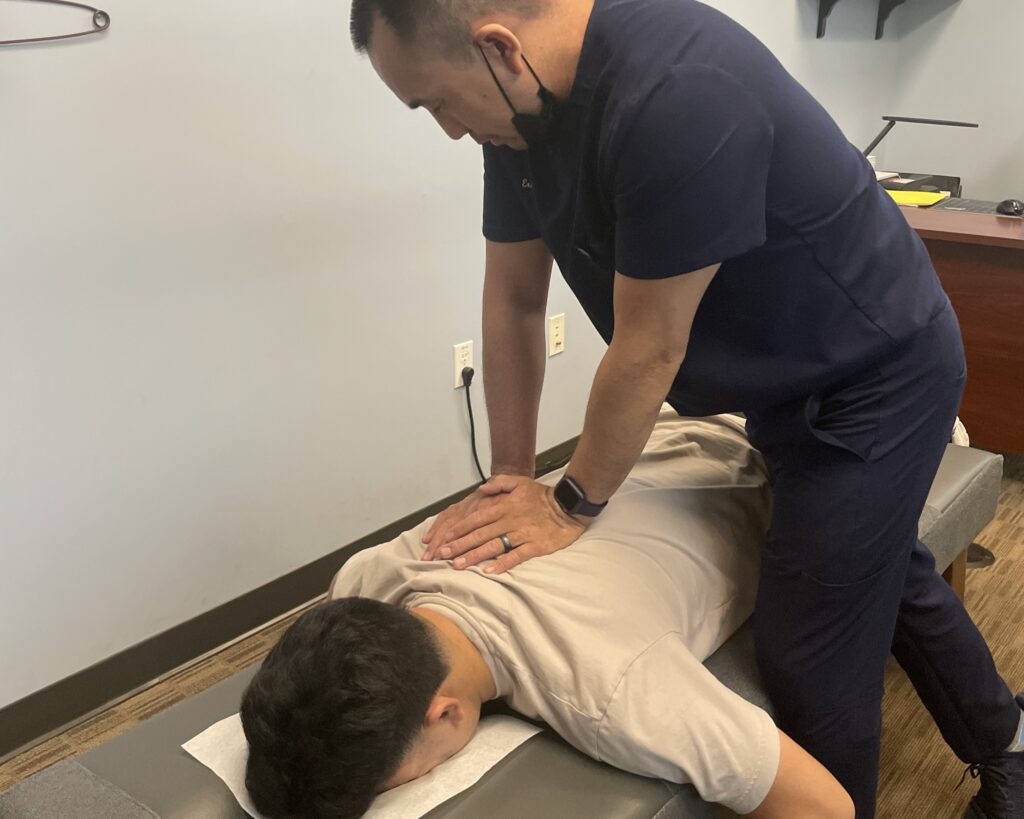
When you experience neck pain, it’s easy to jump to the conclusion that it’s just whiplash, especially following an accident. However, this is only part of the picture. There are many other factors that could be contributing to your discomfort, such as poor posture, muscle tension, stress, and even underlying medical conditions.
Understanding these various elements is crucial for finding the right solutions to alleviate your pain and enhance your overall quality of life. For many, chiropractic care offers an effective and natural approach to addressing neck pain. By focusing on spinal alignment and the body’s innate ability to heal, chiropractic adjustments can help reduce discomfort and improve function without the need for medications or invasive procedures.
Here are some general tips to help you manage neck pain:
- Practice Good Posture: Be mindful of your posture, especially if you spend long hours sitting at a desk or using electronic devices. Make sure your screen is at eye level and take regular breaks to stretch your neck and shoulders.
- Stay Hydrated: Drinking plenty of water can help keep your spinal discs hydrated and functioning properly, which is essential for a healthy spine.
- Incorporate Stretching and Strengthening Exercises: Gentle stretches for your neck and upper back can relieve tension. Strengthening exercises for your neck and upper body can also provide stability and prevent future pain.
- Apply Heat or Cold: Using a warm compress or cold pack on your neck can help reduce inflammation and ease muscle tension.
- Consider Chiropractic Care: Regular visits to a chiropractor can help address the root causes of your neck pain through spinal adjustments and personalized wellness plans. Chiropractic care focuses on supporting your body’s natural healing processes, promoting optimal health and well-being.
If you’re curious about what might be at the root of your discomfort, consider scheduling a consultation with a chiropractor. They can provide a thorough assessment and guide you on the path to recovery and better health. Remember, you don’t have to live with neck pain; there are effective, natural solutions available to help you feel your best!
Common Causes of Neck Pain Beyond Whiplash
When we think of neck pain, whiplash often comes to mind, but there are many other common causes that you may not be aware of. One of the most frequent culprits is muscle strain, which can happen if you’ve been lifting heavy items or sleeping in an awkward position.
Stress is another significant factor; it can lead to muscle tension that makes your neck feel tight and sore. Even minor injuries from sports or everyday activities can result in lingering discomfort.
Additionally, poor sleeping habits, such as using the wrong pillow, can cause misalignment in your neck and lead to pain. Conditions like herniated discs and arthritis can also contribute to chronic neck issues, often developing gradually over time.
Understanding these various causes is essential for addressing neck pain effectively. Chiropractic care is an excellent option for natural healing and achieving optimal health. A chiropractor can help align your spine, relieve tension, and promote overall wellness.
Here are some general tips you can use to help alleviate neck pain:
- Maintain Good Posture: Keep your shoulders back and your head aligned over your spine, especially if you’re sitting for long periods.
- Use the Right Pillow: Ensure your pillow supports your neck properly to maintain alignment while you sleep.
- Stay Active: Regular gentle exercise can strengthen neck muscles and improve flexibility.
- Manage Stress: Incorporate relaxation techniques, such as deep breathing or yoga, into your routine to reduce muscle tension.
The Impact of Poor Posture on Neck Health
Poor posture can significantly affect your neck health, leading to discomfort and pain over time. When you slouch or lean forward, your neck muscles have to work harder to support your head, which can lead to strain. This issue is particularly common for those who spend long hours hunched over a computer or looking down at their phones.
Here are several ways poor posture can impact your well-being and how chiropractic care can help:
- Increased muscle tension: Slouching can tighten your neck and upper back muscles, resulting in pain and stiffness. Regular chiropractic adjustments can help relieve this tension by promoting better alignment and allowing your muscles to relax.
- Reduced blood flow: Poor alignment may restrict blood flow, potentially leading to headaches and feelings of fatigue. Chiropractors focus on restoring proper posture, which can enhance circulation and overall vitality.
- Joint strain: Misalignment places extra pressure on your cervical spine, increasing the risk of injury over time. Chiropractic care aims to correct any misalignments, reducing strain on your joints and helping to prevent future issues.
To help improve your posture and neck health, consider these simple tips:
- Be mindful of your posture: Keep your shoulders back and your head aligned with your spine when sitting or standing.
- Take regular breaks: If you work at a desk or use your phone frequently, take short breaks to stretch and change positions.
- Strengthen your core: Engaging in exercises that strengthen your core can provide better support for your spine and improve your overall posture.
By prioritizing your posture and seeking chiropractic care, you can promote natural healing and achieve optimal health.
Muscle Strains and Their Role in Neck Discomfort
Muscle strains are a common source of neck discomfort, particularly for those who engage in repetitive activities or make sudden movements. It might seem surprising, but even something as simple as looking down at your phone or lifting a heavy object can lead to a muscle strain. When your neck muscles become overstretched or torn, you may experience pain, stiffness, and limited mobility.
This discomfort isn’t always limited to just your neck; it can radiate to your shoulders or upper back, making everyday tasks feel more challenging. If you find yourself sitting at a desk for long periods, your neck may be in an awkward position, leading to strain over time.
To help alleviate this discomfort, consider incorporating regular breaks and gentle stretches into your daily routine. Simple neck stretches can help ease tension and improve mobility. Strengthening exercises, particularly those focused on the neck and upper back, can also provide support and help prevent future strains.
Chiropractic care is an excellent option for addressing muscle strains and enhancing overall wellness. A chiropractor can assess your condition and develop a personalized treatment plan to relieve pain and restore function naturally.
Medical Conditions That Can Cause Neck Pain
Neck pain can often stem from underlying medical conditions that mightn’t be immediately apparent. While it may feel like a simple muscle strain, there are other factors that could be contributing to your discomfort.
Here are a few common conditions that can lead to neck pain, and how chiropractic care can help:
- Cervical Herniated Disc: When the discs in your neck become bulged or ruptured, they can press on nearby nerves, leading to pain that radiates into your arms. Chiropractic adjustments can help alleviate this pressure and restore proper alignment, promoting healing and pain relief without invasive procedures.
- Arthritis: Conditions like osteoarthritis can cause inflammation and stiffness in the neck, making it hard to move without pain. Chiropractic care focuses on improving joint function and mobility, helping to reduce discomfort and increase your range of motion naturally.
- Meningitis: This serious infection can lead to neck stiffness along with other symptoms. While chiropractic care isn’t a treatment for infections, maintaining a healthy spine and nervous system can help support your overall wellness and immune function.
If you’re dealing with persistent neck pain, it’s important to seek the guidance of a chiropractor. They can help identify the root cause of your discomfort and develop a personalized treatment plan that focuses on natural healing techniques.
In addition to chiropractic adjustments, here are some general tips to help manage neck pain:
- Practice Good Posture: Make sure your workspace is ergonomically set up to prevent strain on your neck.
- Stay Active: Gentle exercises and stretches can help keep your neck muscles flexible and strong.
- Use Heat or Cold Therapy: Applying a warm compress or ice pack can provide relief from pain and inflammation.
- Stay Hydrated: Drinking plenty of water helps maintain the health of your spinal discs and overall bodily function.
By incorporating these practices, along with regular chiropractic care, you can improve your neck health and overall well-being.
Effective Treatment Options for Neck Pain Relief
When it comes to neck pain, exploring effective treatment options is vital for your recovery and overall well-being. As a chiropractor, I believe that chiropractic care is one of the best ways to relieve neck pain naturally and promote optimal health.
One of the first steps you can take is to visit a chiropractor, who can assess your condition and create a personalized treatment plan. Through gentle adjustments, we can realign your spine, relieve tension in your neck, and restore proper function. This hands-on approach not only alleviates pain but also improves mobility and helps your body heal itself.
Incorporating physical therapy into your routine can complement chiropractic care. Specific exercises can strengthen your neck muscles and enhance flexibility, making you less prone to future discomfort. Your chiropractor can recommend simple stretches and movements to do at home that fit your unique needs.
While over-the-counter pain relievers may provide temporary relief, they don’t address the root cause of the problem. Instead, consider natural alternatives like heat therapy or gentle massage, which can soothe sore muscles and reduce inflammation without harmful side effects.
Staying active is also key to maintaining a healthy neck. Regular movement, like walking or practicing yoga, can promote circulation and keep your muscles engaged. Additionally, be mindful of your posture throughout the day—whether sitting at a desk or looking at your phone—because good alignment can prevent strain on your neck.
Lastly, always communicate openly with your chiropractor about your symptoms and any concerns. Together, we can determine the best course of action to support your journey to health and wellness.
Conclusion
To sum up, your neck pain likely isn’t just from whiplash. It can stem from poor posture, muscle strains, and even underlying health issues. Recognizing these factors is crucial because it allows you to find the right approach to relief. Chiropractic care is an excellent option for addressing these root causes, helping you improve your neck health and overall well-being without the need for medications or invasive procedures.
Incorporating chiropractic adjustments can realign your spine, alleviate tension in your neck, and promote natural healing. Additionally, consider these simple tips to support your neck health:
- Maintain good posture: Keep your head aligned with your spine, especially when working on a computer or using your phone.
- Take breaks: If you’re sitting for long periods, take regular breaks to stretch and move your body.
- Strengthen your neck and shoulder muscles: Gentle exercises can help build strength and flexibility in these areas.
- Use ergonomic furniture: Invest in a good chair and desk setup that supports your spine and neck properly.
Don’t hesitate to consult a chiropractor who can guide you through effective strategies for managing your pain naturally. Embrace a healthier lifestyle and experience the benefits of chiropractic care for optimal health.