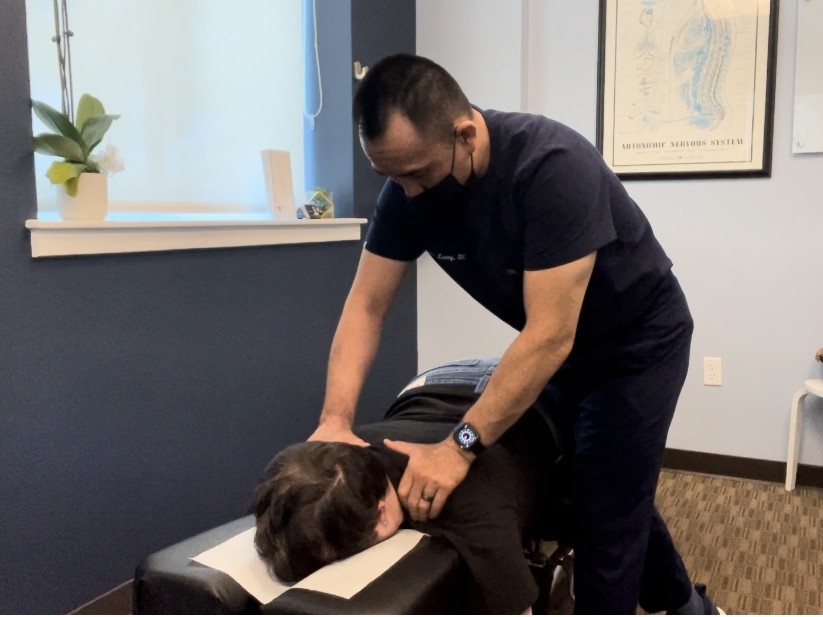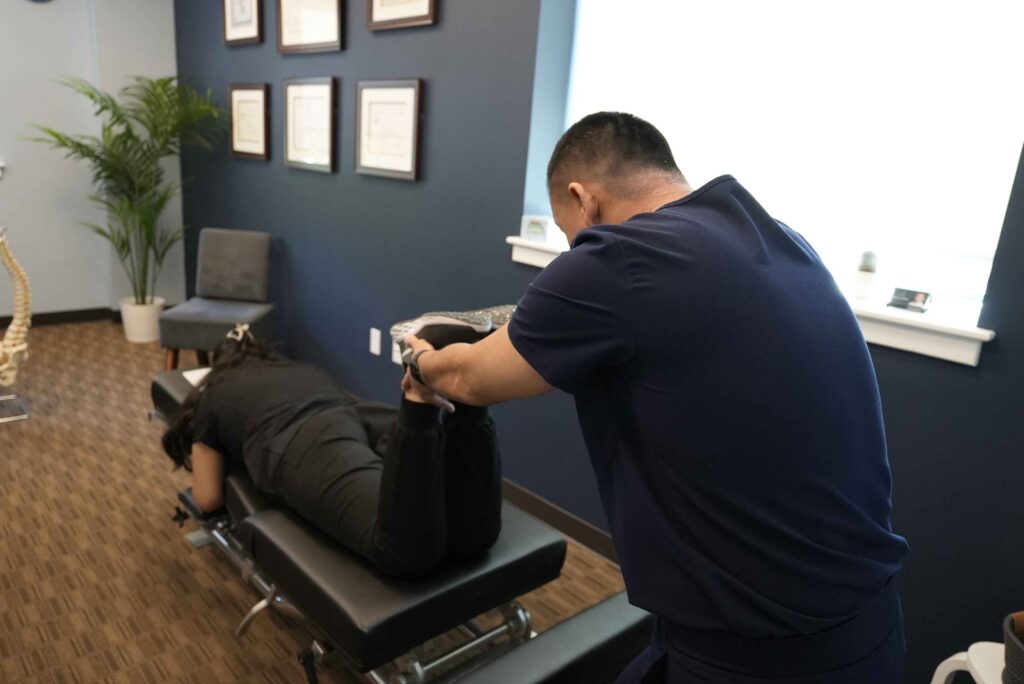
As a local chiropractor, my primary focus is on promoting the health and well-being of your little ones. When it comes to caring for infants and toddlers, prioritizing their safety is crucial. While many parents may feel confident in their knowledge, there are seven essential techniques that can greatly enhance your child's well-being from a chiropractic perspective. These methods, which include proper handling techniques and creating a safe environment for sleep, are vital in nurturing not only their physical development but also their overall health.
What may surprise you is how simple adjustments in daily routines can lead to a safer and healthier home for your child. By understanding the importance of spinal alignment and safe movement practices, you can significantly impact your child's growth and development. Let's delve into these techniques and discover how they can transform your approach to child care, ensuring your little ones thrive in a safe and supportive environment.
Proper Handling Techniques
As a local chiropractor, I want to emphasize the importance of proper handling techniques for infants and toddlers, as this not only ensures their safety and comfort but also supports their overall well-being. When caring for young children, the way you hold and move them can impact their developing bodies and spines.
First and foremost, always support their head and neck, especially for newborns who haven't yet developed the strength in those areas. Cradle them gently in your arms, using both hands to provide full support. When lifting them, remember to bend at your knees, keep your back straight, and lift smoothly. This helps avoid any sudden movements that could startle them and reduces strain on your own back, promoting a safer lifting technique.
When it comes to laying them down, do so gently while keeping your hands under their body until they're securely on the surface. Always position them on their backs, and avoid any shaking or jostling, as this can lead to serious injuries. Creating a safe environment free of hazards allows you to focus entirely on the child, which is essential for their comfort and security.
During diaper changes or dressing, it's crucial to have all your supplies within arm's reach. This enables you to keep one hand on the child at all times, minimizing the risk of them rolling off surfaces. If you're using a changing table, ensure it has safety straps, but never leave the child unattended.
When holding toddlers, ensure they're securely positioned against your body. You can wrap one arm around their waist while using your other hand to support their legs. This not only keeps them secure but also fosters a sense of safety and comfort.
By employing these techniques, you create a nurturing environment that supports their physical development and promotes trust. Your confidence in handling them is vital to their sense of security, and as a chiropractor, I believe that proper body mechanics benefit both the child and the caregiver.
Safe Sleep Practices
As a local chiropractor, I want to emphasize the importance of safe sleep practices for your infant, which play a crucial role in their overall health and well-being.
Understanding the guidelines for sleep positions is vital, as it can significantly affect your baby's spinal development and comfort.
Additionally, ensuring that your baby's crib adheres to safety standards is essential for creating a secure sleeping environment.
Let's delve into these key aspects to promote safe and healthy sleep for your little one, supporting their natural growth and healing.
Sleep Position Guidelines
As a local chiropractor dedicated to promoting health and wellness, I want to emphasize the importance of safe sleep practices for your infant. Ensuring that your little one sleeps safely is crucial not only for their comfort but also for their overall well-being.
Here are four essential guidelines to help reduce the risk of Sudden Infant Death Syndrome (SIDS) and support your baby's healthy sleep habits:
- Always place your baby on their back: Sleeping on their back is the safest position for your infant, as it helps maintain open airways and reduces the risk of suffocation. This is a fundamental practice that all parents should adopt to ensure their child's safety during sleep.
- Utilize a firm sleep surface: It's essential to provide your baby with a firm mattress in a crib or bassinet that meets safety standards. Soft bedding, pillows, or toys can create hazards that aren't conducive to safe sleep. A firm surface supports proper spinal alignment, which is important for your baby's developing body.
- Maintain a clutter-free sleep area: Ensure that the crib or bassinet is free from items that could obstruct your baby's breathing. Avoid blankets, stuffed animals, or bumper pads, as these can pose risks. A clear sleep environment not only promotes safe sleep but also allows for better airflow around your baby.
- Share a room, not a bed: It's beneficial to have your baby sleep in the same room with you for at least the first six months. This allows for easier monitoring and bonding. However, always ensure they've their own designated sleep space to promote independence and safety.
By following these guidelines, you can help your infant achieve restful and safe sleep, while also supporting their natural development.
If you have any questions about chiropractic care or natural healing practices that can benefit your family, feel free to reach out!
Crib Safety Standards
As a local chiropractor, I understand the importance of creating a safe and healthy sleep environment for your baby, which can also impact their physical well-being as they grow. Ensuring that your baby's crib meets safety standards isn't just about safety; it's also about promoting good posture and overall health.
First, it's crucial to verify that the crib complies with the Consumer Product Safety Commission (CPSC) guidelines. Look for cribs with slats that are no more than 2 3/8 inches apart to prevent any risk of your baby getting stuck, which could lead to unnecessary physical strain.
The mattress should fit snugly in the crib, with no more than two fingers' width between the mattress and the crib sides. This is important because a well-fitted mattress supports your baby's spine and can help maintain proper alignment as they sleep.
Avoid drop-side cribs, as they've been banned due to safety concerns that could lead to injury. Check the crib regularly for any sharp edges, splinters, or loose hardware that could pose a risk to your little one's safety.
To further promote safe sleep practices, keep the crib free of soft bedding, toys, or bumpers. These items can increase the risk of suffocation, which is a significant concern for infants.
As your baby grows, it's essential to convert the crib safely into a toddler bed if applicable. Always adhere to the manufacturer's instructions for assembly and maintenance to ensure your child's sleeping environment remains safe and supportive.
By paying attention to these details, you're not only ensuring your baby's safety but also contributing to their overall health and well-being.
Car Seat Safety
Car seat safety is crucial for ensuring the well-being of your little one during travel, and as a chiropractor, I want to emphasize how correct usage can also support healthy spinal development. Choosing the right car seat isn't just about safety in a crash; it also plays a significant role in your child's overall physical health. Here are some important considerations to keep in mind:
- Choose the Right Car Seat: It's essential to select a car seat that aligns with your child's age, weight, and height. Infants should remain in rear-facing seats to provide optimal support for their developing spines until they outgrow them, while toddlers can transition to forward-facing seats as they grow.
- Proper Installation: Ensure that the car seat is installed securely in your vehicle. Following the manufacturer's instructions is critical, and I recommend consulting with a certified technician or inspection station to confirm that it's correctly set up. A well-installed car seat reduces the risk of injury not only in accidents but also supports proper posture for your child.
- Buckle Up Correctly: Always secure your child snugly in the car seat. The harness should be positioned at or below your baby's shoulders when in a rear-facing seat and at or above when in a forward-facing seat. Make sure there's no slack in the harness and that the chest clip is at armpit level. Proper harnessing helps maintain the spine's alignment during travel.
- Stay Informed: Keep yourself updated with safety recalls and advancements in car seat technology. Just as in chiropractic care, knowledge is key to making informed decisions that protect your child's health and safety.
Childproofing Your Home
As your child begins to explore the world around them, it's essential to ensure that your home is a safe environment, not just for their physical well-being but also for their overall development.
Just as we prioritize spinal health and well-being in chiropractic care, we must also focus on creating a secure space for our little ones.
Start by storing hazardous items, such as cleaning supplies and sharp objects, out of reach to prevent injuries that could lead to discomfort or misalignment later on.
A safe home allows for free movement and exploration, which is crucial for developing a healthy spine.
Let's discuss effective strategies to childproof your space while keeping in mind the principles of natural healing and holistic health.
Your child's safety and wellness are paramount, much like the care we provide for our patients' spinal health.
Essential Safety Measures
Creating a safe environment for your little one isn't only essential for their physical well-being but also supports their overall development, which is something we, as chiropractors, strongly advocate for.
Ensuring your home is childproofed involves implementing key safety measures that can help prevent accidents and potential injuries. Here are four important steps to consider:
- Secure Furniture: It's vital to anchor heavy furniture, such as bookshelves and dressers, to the wall to prevent tipping. Children often explore their surroundings by climbing or pulling on objects, and securing these items can prevent serious injuries that may lead to misalignments or other issues we see in our practice.
- Install Safety Gates: Using safety gates at the top and bottom of stairs can be a simple yet effective barrier to keep your toddler from accessing unsafe areas. This not only protects them physically but also alleviates stress for parents, allowing for a more relaxed environment conducive to wellness.
- Cover Electrical Outlets: Installing outlet covers on all unused electrical outlets is crucial. As children are naturally curious, exposed outlets can pose significant dangers. Preventing these hazards is part of creating a holistic environment that promotes safety and health.
- Keep Hazardous Items Out of Reach: Store cleaning supplies, medications, and sharp objects in high cabinets or locked drawers. Keeping these items out of reach is essential for preventing accidents that could lead to injuries, which may require chiropractic care for treatment and rehabilitation.
Hazardous Item Storage
As a local chiropractor, I want to emphasize the importance of creating a safe environment, not only for your physical well-being but also for your family's health. Many parents might overlook the significance of proper storage for hazardous items when setting up a child-friendly home.
It's crucial to understand that children, especially infants and toddlers, are inherently curious and will explore their surroundings without caution. To ensure their safety, start by identifying hazardous items in your home, such as cleaning supplies, medications, and sharp objects.
Just as we take care of our spine and joints, we must take steps to protect our little ones. Store these dangerous items in high cabinets or locked drawers, keeping them well out of reach. If relocating certain items isn't feasible, consider installing safety locks or latches on cabinets and drawers. This straightforward action can prevent unfortunate accidents that can occur in a split second.
Don't overlook areas like the garage and basement. Tools, chemicals, and other potentially harmful items should be stored securely, far from your child's reach. Additionally, ensure that appliance and electronic cords are neatly tucked away to avoid any choking hazards.
It's also important to regularly review your storage practices. As your child grows and becomes more mobile, what was once a safe environment may change. Just like how we regularly assess our spinal health, establishing a routine to check for potential hazards ensures that you're adapting to your child's evolving needs.
Effective Communication Strategies
As a local chiropractor, I understand the importance of effective communication, not just in our practice but also in fostering a supportive environment for our patients and their families.
Building strong relationships through open dialogue is essential for promoting health and well-being. Here are some strategies that can help you engage in meaningful conversations about chiropractic care and natural healing:
- Use Clear Language: When discussing chiropractic concepts, avoid jargon or overly technical terms. Instead, opt for simple, straightforward language that makes it easier for patients to understand the benefits of chiropractic care.
- Non-Verbal Communication: Pay attention to your body language and facial expressions during consultations. A warm smile or an open posture can create a welcoming atmosphere, helping patients feel more at ease and encouraging them to share their concerns.
- Active Listening: Show genuine interest in your patients' stories by nodding and providing thoughtful responses. By demonstrating that you value their input, you encourage them to express their thoughts and feelings, which is crucial for effective treatment planning.
- Consistency and Routine: Establishing a routine for visits can help patients feel more comfortable and confident in their care. Repeating key information and discussing the steps of their treatment plan reinforces their understanding and trust in the process.
First Aid Basics
As a local chiropractor, I want to emphasize the importance of being prepared for emergencies, especially when it comes to the safety and well-being of children. Understanding the basics of first aid can be incredibly valuable, and it aligns with our philosophy of natural healing and proactive care.
First and foremost, it's vital to remain calm in any crisis. Your demeanor can significantly influence how a child reacts to a stressful situation.
In instances of choking, if a child is able to cough, encourage them to do so. If they're unable to, administer five gentle back blows between the shoulder blades using the heel of your hand, followed by five abdominal thrusts, ensuring you adapt your technique appropriately for infants or toddlers.
For minor injuries like cuts and scrapes, gently clean the area with soap and water, then apply an antiseptic and a bandage. It's essential to monitor for signs of infection, such as increased redness or swelling, as these can impact overall health and well-being.
In the case of burns, cool the affected area with running water for at least 10 minutes. Remember, never apply ice directly to the burn, as it can exacerbate the injury and hinder natural healing.
When dealing with fevers, keep a close watch on the child's temperature. If it exceeds 100.4°F (38°C) in infants under three months, it's crucial to seek medical attention promptly.
For allergic reactions, if you observe swelling or difficulty breathing, use an epinephrine auto-injector if available and call for emergency help.
Additionally, it's wise to keep emergency numbers readily accessible, including poison control. Knowing when to reach out for professional assistance is just as important as understanding how to provide first aid. Your preparedness can't only offer reassurance but also play a critical role in safeguarding the health of your loved ones.
At our chiropractic clinic, we advocate for a holistic approach to health, and being equipped with first aid knowledge complements our mission of promoting natural healing and wellness.
Nutrition and Feeding Safety
As a local chiropractor, I understand that ensuring your child receives proper nutrition is vital for their growth and development, especially during their formative years. Just as we focus on spinal health and overall well-being, the right foods can significantly enhance your child's immune system, support brain development, and promote holistic health.
However, just like we prioritize safety in chiropractic care, it's equally important to ensure feeding safety to prevent choking hazards and foodborne illnesses. Here are some essential tips to consider:
- Choose age-appropriate foods: For infants, stick to pureed or mashed foods that are easy to digest. As they grow, introduce smaller, bite-sized pieces of soft fruits and vegetables. Avoid hard, round, or sticky foods that can pose choking hazards, much like how we avoid excessive strain on the spine.
- Practice proper hygiene: Just as we maintain cleanliness in our chiropractic practice, it's crucial to wash your hands before preparing food and ensure that all utensils, plates, and surfaces are sanitized. This practice significantly reduces the risk of foodborne illnesses, similar to how we aim to minimize exposure to harmful toxins.
- Monitor allergies: When introducing new foods, do so one at a time and wait a few days before adding another. This approach helps you identify any potential allergic reactions, allowing you to address them promptly, much like how we assess and monitor patient responses to various chiropractic techniques.
- Stay present during meals: Never leave your child unattended while eating. Just as we emphasize the importance of supervision during chiropractic adjustments to ensure safety, being present during meals is crucial for your child's safety and allows you to respond quickly if they start to choke.
Conclusion
As a local chiropractor dedicated to promoting holistic health, I want to share seven essential techniques that can help create a nurturing and secure environment for your infants and toddlers. Supporting their head and neck is crucial, as proper alignment is fundamental to their development. Ensuring safe sleep practices is equally important to promote healthy growth.
When it comes to travel, choosing the right car seat is vital for your child's safety. Additionally, childproofing your home is a proactive step in safeguarding their environment. Effective communication is key – talking and engaging with your little ones aids their cognitive development.
Being prepared for emergencies with basic first aid knowledge can make a significant difference in critical situations. Lastly, when introducing new foods, do so cautiously to monitor for any allergies or sensitivities. By following these simple yet important steps, you not only support your child's physical development but also foster an atmosphere where they can thrive naturally and safely. Remember, chiropractic care can play a supportive role in enhancing your child's overall well-being.