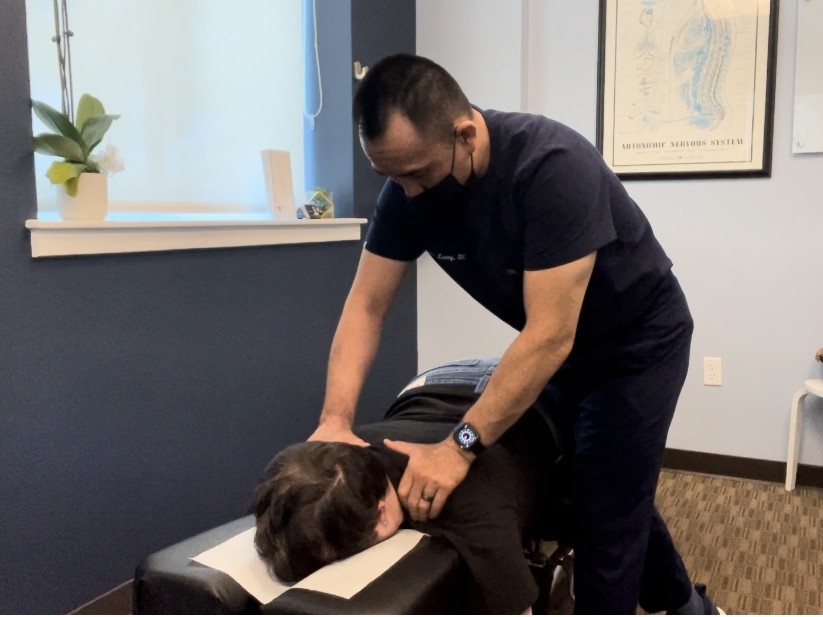
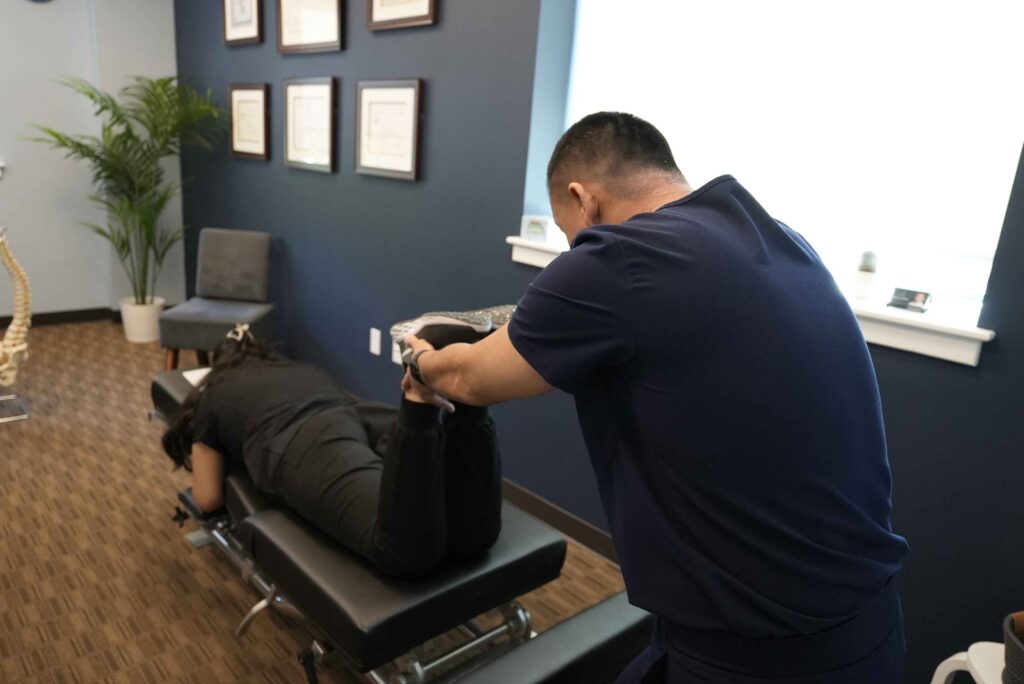
As a local chiropractor focused on the well-being of families, it's crucial to understand safe techniques for caring for infants and toddlers. The foundational practices, such as ensuring a firm sleep surface and placing babies on their backs during sleep, are essential in reducing risks associated with sleep-related issues. When it comes to feeding, always use stable seating to provide proper postural support for your little ones, as it can also promote healthy development.
Creating safe play environments is another key aspect that should not be overlooked. This helps prevent injuries while encouraging movement and exploration, which are vital for their growth. However, it's also important to consider unexpected situations that may arise. Being prepared for these moments can truly make a difference in keeping your children safe and secure.
As you navigate these early years, remember that chiropractic care can play a supportive role in your child's health. It promotes natural healing, proper alignment, and overall well-being, helping your little ones thrive. Understanding these safe techniques and incorporating natural healing practices can contribute significantly to your child's development and happiness.
Safe Sleep Practices
As a local chiropractor, I prioritize the well-being and safety of your little ones, especially when it comes to their sleep environment. Creating a secure sleep space for your infant is crucial for their overall health and development. Start with a firm mattress that fits snugly within the crib. This ensures there are no gaps where your baby could potentially become trapped, much like how maintaining proper spinal alignment is essential for overall health.
Always lay your baby down on their back to sleep. This simple action significantly reduces the risk of Sudden Infant Death Syndrome (SIDS), similar to how proper posture can prevent future discomfort and health issues.
It's important to keep the crib free from soft bedding, pillows, toys, or bumper pads. These items can create suffocation hazards and lead to overheating, much like how excessive cushioning can misalign the spine during sleep. Instead, consider using a sleep sack or a wearable blanket to keep your baby warm without the risks associated with loose blankets.
Maintain a comfortable room temperature, ideally between 68°F and 72°F (20°C to 22°C). Just as we advise patients to avoid overheating to promote spinal health, regularly check on your baby to ensure they're comfortable. Using a fan can help circulate the air effectively without directly blowing on your little one.
If you choose to co-sleep, ensure your baby sleeps on a separate surface, such as a bassinet or crib, positioned close to your bed. This minimizes the risk of accidental suffocation that can occur on soft surfaces like couches or armchairs, which can also be detrimental to your own spinal health.
Lastly, establishing a consistent sleep routine can signal to your baby that it's time to rest. Just as we encourage routines for better spinal care, a sleep routine helps create a smoother transition to sleep for your infant.
Secure Feeding Techniques
As a chiropractor, I want to emphasize the importance of ensuring your infant or toddler's safety and comfort during feeding, which can significantly contribute to their overall well-being and development.
Start by selecting a secure feeding position—whether it be a high chair or a booster seat—ensuring it's stable and appropriate for their age. Always remember to buckle them in; this step helps prevent any accidental slips or falls, which can lead to discomfort and misalignments.
When you feed your child, hold them securely while maintaining eye contact. This connection not only fosters a sense of safety but also promotes engagement during mealtime, which is vital for their emotional and physical growth.
If using a bottle, ensure it's positioned correctly to minimize the risk of choking and prevent potential ear infections, which can affect their overall health.
Be mindful of the food temperature; testing it on your wrist is a safe practice to avoid burns. When introducing new foods, take it slow—one food at a time and wait a few days before trying another. This approach allows you to monitor any potential allergic reactions, which can lead to discomfort and misalignments in their bodies.
During feeding, minimize distractions such as screens; this aids you in recognizing your child's cues for fullness or the need for a break. By being present, you're not only supporting their nutritional needs but also their neurological development.
Lastly, encourage your child to drink water, particularly after consuming solid foods. Proper hydration is crucial for maintaining spinal health and overall vitality.
Effective Supervision Strategies
Effective supervision during your child's exploration is akin to how we approach chiropractic care—both require vigilance, engagement, and a proactive mindset. As your child navigates their surroundings, it's essential to stay present and attentive, just as we encourage our patients to be in tune with their bodies and overall health.
Position yourself strategically to keep an eye on your little one, ensuring their safety is your primary focus. This mirrors how we assess and adjust our patients' postures and movements—by being aware of how they interact with their environment. Whether indoors or outdoors, maintaining a close presence allows you to guide them and prevent any accidents, much like how we guide patients towards better spinal health.
Anticipating your child's actions is crucial. Just as we educate our patients about the importance of understanding their body mechanics, toddlers are naturally curious and may gravitate toward potentially hazardous situations. Establishing boundaries, like using baby gates, is similar to how we set guidelines for safe physical activities that protect your body from injury.
Encouraging safe exploration aligns with promoting healthy habits in our practice. Provide your child with engaging toys that stimulate their development while redirecting them away from unsafe items, akin to how we suggest alternative exercises that support optimal spinal alignment.
Modeling safe behaviors is also vital. Just as we demonstrate proper techniques for lifting or sitting, show your child how to navigate their space safely. Whether it's climbing down from furniture or avoiding sharp objects, these lessons are foundational for their growth and safety.
Safe Play Environments
As a local chiropractor, I want to emphasize the importance of a safe play environment for your child's physical development and overall well-being. Creating spaces where your little one can explore freely not only enhances their physical skills but also fosters creativity and social interaction.
Safety is paramount during playtime, so here are some tips to help you establish a nurturing environment:
- Soft Surfaces: Incorporating mats or soft carpets can cushion falls, reducing the risk of injuries that could lead to misalignments or discomfort in your child's developing body.
- Age-Appropriate Toys: It's crucial to choose toys that are suitable for your child's age group. This not only minimizes choking hazards but also ensures that the toys support their growing muscles and joints.
- Clear Clutter: Maintaining a tidy play area is essential. Removing unnecessary items will help prevent trips and falls, which can lead to strains or other issues that may require chiropractic attention.
- Watch for Hazards: Regularly inspect the play area for any sharp edges or exposed cords. Identifying these hazards early can prevent injuries that could affect your child's alignment or overall health.
When setting up a play environment, consider the layout carefully. Ensure that it's spacious enough for your child to move freely while also designating areas for different types of activities, such as active play and quiet time.
This organization not only encourages exploration but also helps your child understand where to find their toys and how to engage in various activities safely.
Additionally, rotating toys periodically can keep your child engaged and stimulate their imagination, which is vital for their cognitive and physical development.
By creating a thoughtfully designed play space, you're not only ensuring your child's safety but also promoting their learning and play experiences. A well-organized environment is crucial for their growth, and it provides you with peace of mind as they discover and interact with the world around them.
As a chiropractor, I encourage parents to prioritize safe play environments to support their children's overall health and development. Together, we can help your child thrive!
Emergency Preparedness Tips
As a local chiropractor, I believe that keeping your family safe during emergencies extends beyond just physical safety—it encompasses overall well-being.
Establishing a comprehensive emergency plan is essential for protecting both you and your children. It's important to assemble a wellness kit that includes not only basic necessities, but also natural healing remedies that can support your family's health during stressful times.
Let's delve into how you can create effective emergency plans that incorporate chiropractic care and natural healing methods.
By preparing for various situations with a focus on holistic wellness, you can ensure that your family is ready for anything that comes your way.
Create Emergency Plans
As a local chiropractor, I understand that ensuring the safety and well-being of your little ones during unexpected situations is crucial. Just like how we prepare for physical health challenges, it's important to establish an emergency plan for your infants and toddlers. Here are some essential steps to consider for your family's safety:
- Identify safe meeting places outside your home, similar to how we identify safe practices for your spine health.
- Create a list of emergency contacts, including family and local services, akin to having a support system for your wellness journey.
- Regularly practice emergency drills with your children, much like we practice exercises to improve mobility and strength.
- Designate a caregiver who can step in if you're unavailable, just as we've a network of health professionals to support your chiropractic care.
It's vital to make your plan simple and age-appropriate for your little ones. Use language they can understand, and help them memorize important information like your phone number or where to meet.
Explaining the reasons behind the plan will help them feel involved and empowered, just as understanding their health journey empowers them in their wellness.
Additionally, regularly reviewing and updating your plan as your family grows or circumstances change is essential, much like we reassess your chiropractic care as your needs evolve.
Keep your emergency contacts current, and ensure everyone knows how to reach one another. By proactively creating and practicing your emergency plan, you'll not only gain peace of mind but also help protect your most precious treasures when it matters most, just as we work together to safeguard your family's health.
Assemble Safety Kits
As a local chiropractor, I want to emphasize the importance of being prepared for emergencies, especially when it comes to the health and safety of your infants and toddlers. Just as we prioritize spinal health and overall wellness, having a safety kit can be a crucial step in ensuring your little ones are ready for any unexpected situation.
Begin by choosing a sturdy, easy-to-carry container for your safety kit. Fill it with essential items that support both their physical and emotional well-being during a crisis. Start with non-perishable snacks such as granola bars, baby food, or formula that are suitable for their age, ensuring they've the nutrition they need even in tough times.
Next, hydration is key, so include water bottles or an emergency water purification system. Don't forget practical items like diapers, wipes, and a change of clothes, which are essential for maintaining comfort.
A first-aid kit is crucial as well. It should contain items like band-aids, antiseptic wipes, and any necessary medications. Remember, keeping your little ones healthy and safe is our priority, and being prepared can alleviate stress in emergency situations.
Consider adding a flashlight with extra batteries and a whistle for signaling help, should the need arise. We also know that emotional well-being is important, so including comfort items like a favorite blanket or toy can help soothe your child during challenging times.
Finally, make sure to keep your safety kit in an easily accessible location at home. Just as we recommend regular check-ups for spinal health, I encourage you to review your kit every six months. Check that all items are up to date and replenish supplies as necessary.
Hazard Awareness and Prevention
As a local chiropractor, I believe it's essential to create a safe and supportive environment for your little ones, especially when it comes to their physical well-being. Just as we focus on maintaining spinal health and preventing injuries, it's equally important to identify potential hazards in your home that could lead to accidents or discomfort for infants and toddlers.
By staying aware, you can help foster a nurturing space that promotes their health and safety.
Begin by assessing areas of your home where risks may be present, such as the kitchen, living room, and bathroom. Here are some common hazards to keep an eye out for:
- Sharp edges on furniture can lead to bumps and bruises, potentially affecting their alignment and comfort.
- Small objects that are easily accessible may pose choking hazards, which could impact their overall health.
- Toxic substances like cleaning supplies or medications should be stored securely to prevent any harmful exposure.
- Electrical outlets must be covered to avoid shocks, ensuring a safe exploration of their surroundings.
Once you've identified these potential risks, take proactive measures to minimize them. Consider using corner guards on furniture to prevent injuries, keeping small items out of reach, and locking away any toxic materials.
Outlet covers are also a simple yet effective way to safeguard your child from electrical hazards.
As your child grows and becomes more mobile, it's important to regularly revisit these safety measures. New hazards may arise as they explore their environment.
Additionally, you can encourage older siblings to be mindful of their toys and belongings, teaching them about safety in the process. This not only boosts their awareness but also helps them contribute to the safety of their younger siblings.
Conclusion
As a local chiropractor dedicated to the well-being of infants and toddlers, I want to emphasize the importance of creating a safe environment that supports their growth and development. Implementing safe techniques is crucial, starting with prioritizing safe sleep practices. This ensures their little bodies are resting properly, which is vital for their overall health.
When it comes to feeding, using secure techniques can help prevent discomfort and promote healthy digestion. Additionally, maintaining diligent supervision during playtime is essential, as it allows you to address any potential hazards promptly.
It's important to make sure that their play spaces are not only safe but also age-appropriate, fostering an environment where they can explore freely without unnecessary risks. As a caregiver, being prepared for emergencies and staying aware of possible hazards can significantly reduce the chances of accidents.
By taking a proactive approach and understanding the importance of these safe techniques, you can contribute positively to your child's well-being and confidence as they navigate their world. Remember, chiropractic care and natural healing can also play a role in enhancing their overall health and wellness, allowing them to thrive as they grow.