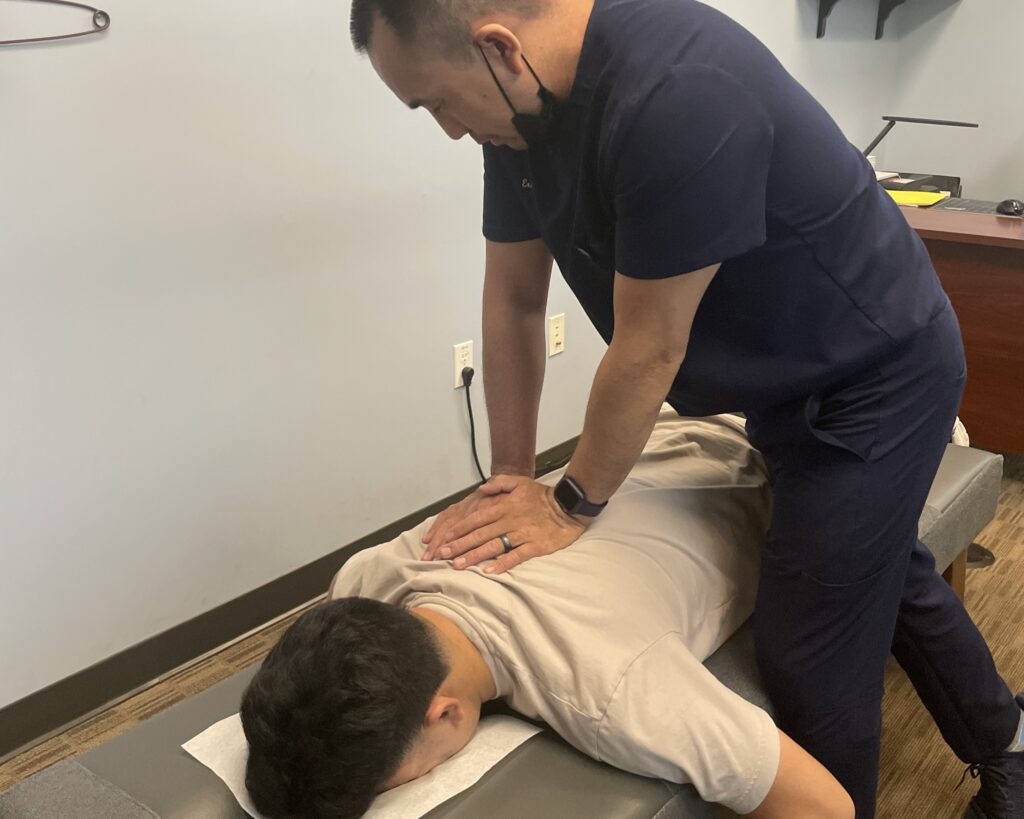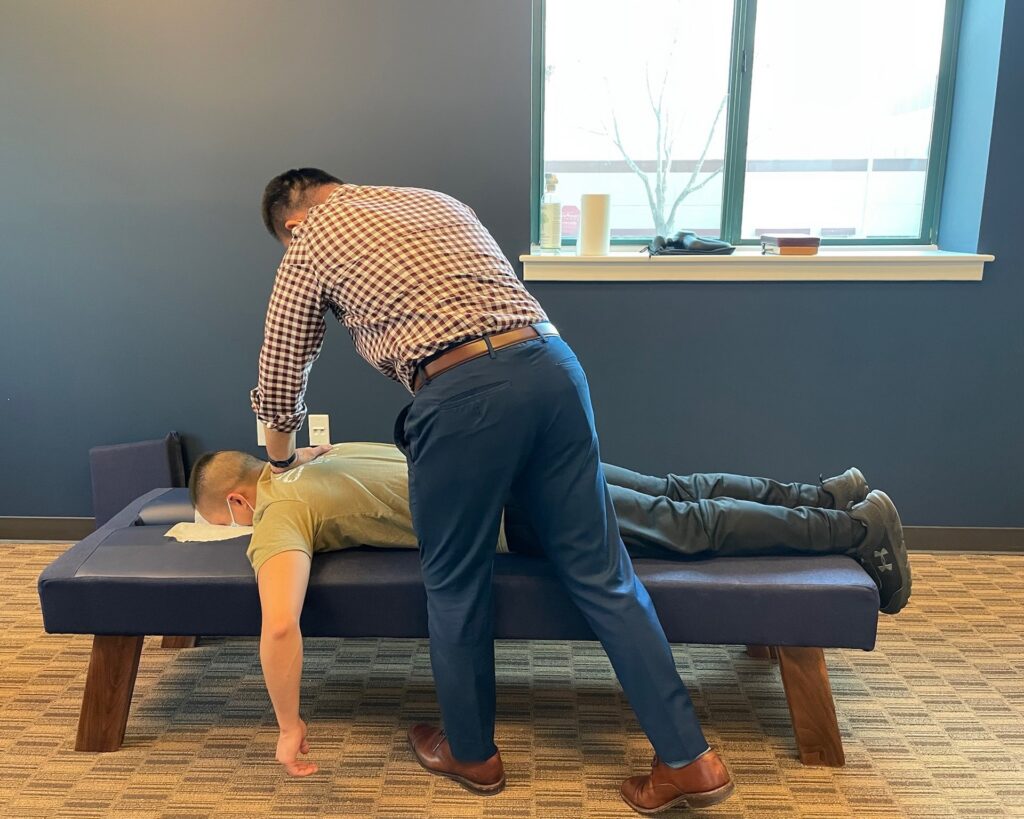
As your local chiropractor, I want to emphasize that managing back pain sustainably goes beyond quick fixes; it’s about adopting a holistic approach that encompasses various elements of your daily life. By paying attention to your posture, incorporating specific exercises, and focusing on proper nutrition, you can create a nurturing environment for your spine.
However, I understand that identifying the root causes of your back pain and implementing effective changes can feel overwhelming, especially if you’re new to chiropractic care and natural healing methods. That’s why I’m here to guide you through essential strategies that can not only provide lasting relief but also enhance your overall well-being. Together, we can work towards a healthier back and a better quality of life!
Understanding the Causes of Back Pain
As your local chiropractor, I want to help you understand the potential causes of your back pain so that we can work together towards relief and prevention.
It’s important to recognize that various factors can contribute to discomfort in your back. For instance, many people unknowingly use poor lifting techniques, such as bending at the waist instead of using their knees, which can put unnecessary strain on your back muscles.
If you lead a sedentary lifestyle, your muscles may weaken over time, making your back more susceptible to injury. Additionally, some underlying conditions, like herniated discs, arthritis, or sciatica, can significantly impact your pain levels.
It’s also essential to consider how emotional stress can lead to muscle tension in your back, which can further complicate your situation. Lastly, carrying excess weight can increase the strain on your spine, making it even more challenging to find relief.
The Importance of Posture
As a local chiropractor, I want to emphasize the crucial role that posture plays in your overall back health. Many individuals may not realize that poor posture habits can lead to significant discomfort and pain.
When you slouch, it puts unnecessary strain on your spine and surrounding muscles, which can result in long-term issues.
By understanding the negative effects of slouching and learning practical tips for maintaining good posture, you can significantly improve how you feel on a daily basis.
Simple adjustments to your sitting, standing, and even sleeping positions can make a world of difference in managing and preventing back pain.
Let’s work together to explore these adjustments and help you achieve a healthier, pain-free life through better posture and natural healing practices.
Your back deserves the best care possible!
Effects of Poor Posture
As a local chiropractor, I want to emphasize the importance of posture in maintaining your overall health. Many people overlook how significant good posture really is, but poor alignment can lead to a host of health problems, especially back pain.
When you slouch or hunch over, you’re placing unnecessary stress on your spine and muscles, which can lead to discomfort or even chronic pain over time. This misalignment doesn’t just affect your back; it can also have negative repercussions on your neck and shoulders, often resulting in tension headaches and feelings of fatigue.
Moreover, poor posture can interfere with your breathing and digestion, which ultimately diminishes your well-being. You may find that your energy levels drop and your ability to concentrate wanes as your body struggles under the strain of improper alignment.
Understanding these effects is crucial. By paying attention to your posture and making the necessary adjustments, you can alleviate pain and improve your daily life.
As your chiropractor, I’m here to help guide you in developing healthier habits that promote better posture and overall wellness.
Tips for Good Posture
As your local chiropractor, I’m here to help you understand the importance of good posture and how it can significantly impact your overall health and well-being. One of the first steps in alleviating back pain is to be aware of your body alignment throughout your daily activities.
When you’re sitting, make sure your feet are flat on the floor and your knees form a right angle. It’s crucial to use a chair that provides adequate support for your lower back; this can help prevent discomfort and promote a healthier spine.
If you find yourself standing for long periods, try to distribute your weight evenly on both feet and keep your shoulders relaxed to avoid unnecessary strain.
For those of you who spend time working on a computer, it’s essential to position your screen at eye level. This small adjustment can prevent neck strain and encourage better alignment. Remember to take regular breaks to stretch and move around—this can rejuvenate your body and keep your muscles engaged.
In addition to these posture tips, I encourage you to incorporate core-strengthening exercises into your routine. A strong core provides essential support for your spine and can greatly improve your posture over time.
Making these small adjustments can lead to lasting benefits for your back and overall health. I invite you to commit to these changes and explore the natural healing benefits of chiropractic care. Together, we can work towards a healthier, more aligned you!
Posture and Back Health
As a local chiropractor, I want to emphasize the critical importance of posture when it comes to maintaining your back health. Many people underestimate how much their everyday posture can affect their overall well-being. Poor posture can lead to muscle imbalances, strain, and even chronic pain. You may not realize it, but the way you sit, stand, and move has a significant impact on your spine’s alignment.
To help you improve your posture, I encourage you to be mindful of your body throughout the day. Make a conscious effort to keep your shoulders back, feet flat on the floor, and computer screens at eye level. If you find yourself sitting for extended periods, take regular breaks to stretch and adjust your position.
These small adjustments can make a world of difference in how you feel. By prioritizing good posture, you aren’t only supporting your back but also boosting your energy, mood, and productivity.
Incorporating Regular Exercise
As your local chiropractor, I want to emphasize the importance of incorporating regular exercise into your daily routine to help alleviate back pain and enhance your overall well-being. Engaging in low-impact activities such as walking, swimming, or cycling is beneficial as these exercises strengthen your core muscles and improve flexibility—both vital components for providing support to your back.
I recommend aiming for at least 30 minutes of moderate exercise most days of the week. However, it’s important to start slowly to prevent overexertion. Even brief sessions can yield positive results. Always listen to your body; if you experience any pain during an activity, it’s wise to adjust your approach or try a different exercise.
In addition to aerobic activities, consider integrating strength training exercises focused on your back, abdomen, and legs. Tools like resistance bands or light weights can be particularly effective in building strength and stability.
Don’t forget to balance your workouts with cardiovascular activities to support your heart health. By making exercise a regular part of your lifestyle, you can’t only alleviate back pain but also enhance your mood and energy levels.
Stretching Techniques for Relief
As a local chiropractor, I want to share some effective stretching techniques that can offer significant relief for back pain and enhance your overall flexibility.
One essential stretch to incorporate into your routine is the cat-cow stretch. This movement is excellent for mobilizing your spine. Begin by getting on all fours; arch your back while inhaling, and then round it while exhaling. It’s beneficial to hold each position for several seconds to fully experience the benefits.
Another valuable stretch is the child’s pose. To perform this, kneel down and sit back on your heels, then stretch your arms forward. This gentle pose helps elongate your spine and relaxes your muscles, providing a soothing relief.
You may also want to try the seated forward bend. Simply sit with your legs straight out in front of you, reach for your toes, and notice how this stretch targets the lower back area.
Remember to hold each stretch for 15 to 30 seconds, and focus on deep breathing to further enhance relaxation.
By incorporating these stretching techniques into your daily routine, you can significantly alleviate discomfort and promote a healthier back. Always listen to your body and avoid pushing yourself beyond your comfort zone.
If you have any questions about chiropractic care and how it can support your wellness journey, don’t hesitate to reach out!
Ergonomics in Daily Life
As a local chiropractor, I want to emphasize how important ergonomics is in your daily life, especially if you’re dealing with back pain.
It’s crucial to consider how your office chair is set up, the proper techniques for lifting heavy objects, and the overall arrangement of your workspace.
By making small adjustments in these areas, you can experience significant improvements in your comfort and overall well-being.
Office Chair Adjustments
As a local chiropractor, I want to emphasize the importance of proper office chair adjustments for your overall health and well-being. Many people are unaware that the way you sit can significantly impact your comfort and productivity, as well as contribute to back pain and other musculoskeletal issues.
Taking a moment to adjust your chair can make a world of difference. Here are some adjustments to consider for a better ergonomic setup:
- Seat Height: It’s crucial that your feet rest flat on the floor, with your knees positioned at or slightly below hip level. This posture helps to maintain proper alignment and reduces strain on your lower back.
- Backrest Position: The backrest should be adjusted to provide adequate lumbar support. It’s important that your lower back is supported to keep your spine aligned, which can help prevent discomfort during long periods of sitting.
- Armrests: Armrests should be set at a height that allows your shoulders to relax while keeping your elbows close to your body. This adjustment can reduce tension in your neck and shoulders.
- Desk Height: Ensure that your desk is at a comfortable height where your elbows can form a 90-degree angle while typing. This positioning helps to maintain good posture and reduces strain on your upper body.
By making these simple adjustments, you can create a more ergonomic workspace that promotes better posture and reduces the risk of pain or injury.
If you’re experiencing discomfort, remember that chiropractic care can complement these adjustments by helping to align your spine and improve your overall health.
Proper Lifting Techniques
As your chiropractor, I want to share five essential lifting techniques that can greatly enhance your safety and effectiveness when handling objects, ultimately reducing your risk of injury.
First, remember to bend at your knees rather than at your waist. This simple adjustment helps lower your center of gravity and protects your spine.
Second, keep the object close to your body. This practice minimizes strain on your back and allows for a more controlled lift.
Third, ensure that your feet are positioned shoulder-width apart. This stance provides you with better stability and balance as you lift.
Fourth, engage your core muscles. By activating your core, you provide vital support to your spine during the lifting process, which is crucial for maintaining good posture and preventing injury.
Finally, avoid twisting your body while lifting. Instead, pivot your feet to change direction; this prevents unnecessary strain on your back and helps you maintain proper alignment.
By incorporating these techniques into your daily routine, you can lift more safely and manageably. This not only helps to avoid back pain but also supports your overall health.
Workspace Layout Optimization
As a local chiropractor, I want to emphasize how crucial the layout of your workspace is for your back health and overall comfort. Many people may not realize it, but an ergonomically optimized workspace can significantly reduce strain on your body and promote better posture.
Here are some essential tips to help you create a healthier work environment:
- Desk Height: Ensure that your desk is set at a height that allows your elbows to rest at a 90-degree angle while you’re typing. This alignment can help prevent unnecessary stress on your shoulders and wrists.
- Chair Support: Choose a chair that offers good lumbar support to help maintain the natural curve of your spine. This support is vital for preventing lower back pain and discomfort during long hours of sitting.
- Monitor Position: Your monitor should be positioned at eye level. This adjustment helps to prevent neck strain, which can lead to headaches and discomfort over time.
- Frequent Breaks: Remember to stand up and stretch every hour. Taking these breaks helps relieve tension in your muscles and improves circulation, which is essential for your overall well-being.
By implementing these ergonomic principles in your workspace, you can promote better health and comfort, ultimately supporting your body’s natural healing processes.
If you have any further questions or need personalized advice, feel free to reach out!
Nutrition and Its Role in Back Health
As a local chiropractor, I want to emphasize the vital role that nutrition plays in maintaining a healthy back—something that many people may overlook. The foods you consume have a significant impact on your spine health and overall wellness. A balanced diet that includes plenty of fruits, vegetables, whole grains, and lean proteins is crucial for reducing inflammation, which is often a key factor in alleviating back pain.
For instance, incorporating omega-3 fatty acids, found in fish and flaxseeds, can be particularly beneficial in fighting inflammation.
Don’t forget about hydration! Drinking enough water is essential for keeping your spinal discs hydrated and ensuring they function properly. Additionally, getting enough calcium and vitamin D is important for maintaining bone strength, so consider including dairy products or fortified alternatives in your diet to support your skeletal structure.
Be cautious of processed foods that are high in sugar and unhealthy fats; these can lead to increased inflammation and weight gain, both of which can put extra strain on your back.
Mindfulness and Stress Management
As a local chiropractor, I understand that dealing with back pain can be challenging. One of the most effective ways to enhance your overall well-being is by incorporating mindfulness and stress management techniques into your daily routine.
These practices not only help you stay present but also significantly reduce tension and foster a positive mindset, which can lead to relief from discomfort.
Here are some valuable strategies I recommend for you to consider:
- Deep Breathing: I encourage you to take a few moments each day to focus on your breath. Inhale deeply through your nose and exhale slowly through your mouth. This simple practice can calm your mind and body, promoting relaxation.
- Meditation: Setting aside 10-15 minutes for quiet reflection can be beneficial. Allow your thoughts to come and go without judgment. This practice can significantly lower your stress levels and improve your mental clarity.
- Progressive Muscle Relaxation: This technique involves tensing and then relaxing each muscle group in your body, starting from your toes and moving upwards. It’s an effective way to release physical tension that might be contributing to your back pain.
- Mindful Movement: Activities such as yoga or tai chi can be incredibly helpful. These practices combine gentle movement with mindfulness, enhancing both your flexibility and relaxation.
By integrating these techniques into your life, you may find a significant improvement in managing your back pain.
Seeking Professional Guidance
As a local chiropractor, I want to emphasize the importance of seeking professional guidance for managing your back pain effectively. Many people are unaware that a chiropractor can help identify the root cause of your discomfort and provide treatments tailored specifically to your needs.
If you’re experiencing back pain, don’t hesitate to reach out for a consultation. Chiropractors are trained to offer personalized exercises and techniques designed to strengthen your back and improve flexibility.
We focus on holistic approaches to healing, which means we consider your overall well-being, not just the symptoms. Additionally, we can educate you on proper posture and body mechanics—essential tools for preventing future injuries and ensuring long-term health.
If needed, we may recommend imaging tests to gain a better understanding of your spine’s condition. Our goal is to help you feel better naturally, without relying solely on medication.
Conclusion
As a local chiropractor, I want to share with you a holistic approach to managing back pain that can significantly enhance your quality of life. It’s essential to focus on maintaining good posture, engaging in regular exercise, and being mindful of your nutrition. These small adjustments in your daily routine can lead to substantial improvements in your back health.
Chiropractic care is not just about treating pain; it’s about fostering overall wellness. If you’re new to chiropractic, it’s important to understand that we work with your body’s natural ability to heal itself. I encourage you to consider seeking professional guidance to create a personalized plan tailored to your specific needs.
With dedication and the right strategies, including chiropractic adjustments, you can effectively manage your back pain sustainably. This will allow you to enjoy a more active, pain-free life. Let’s work together towards your health and well-being!