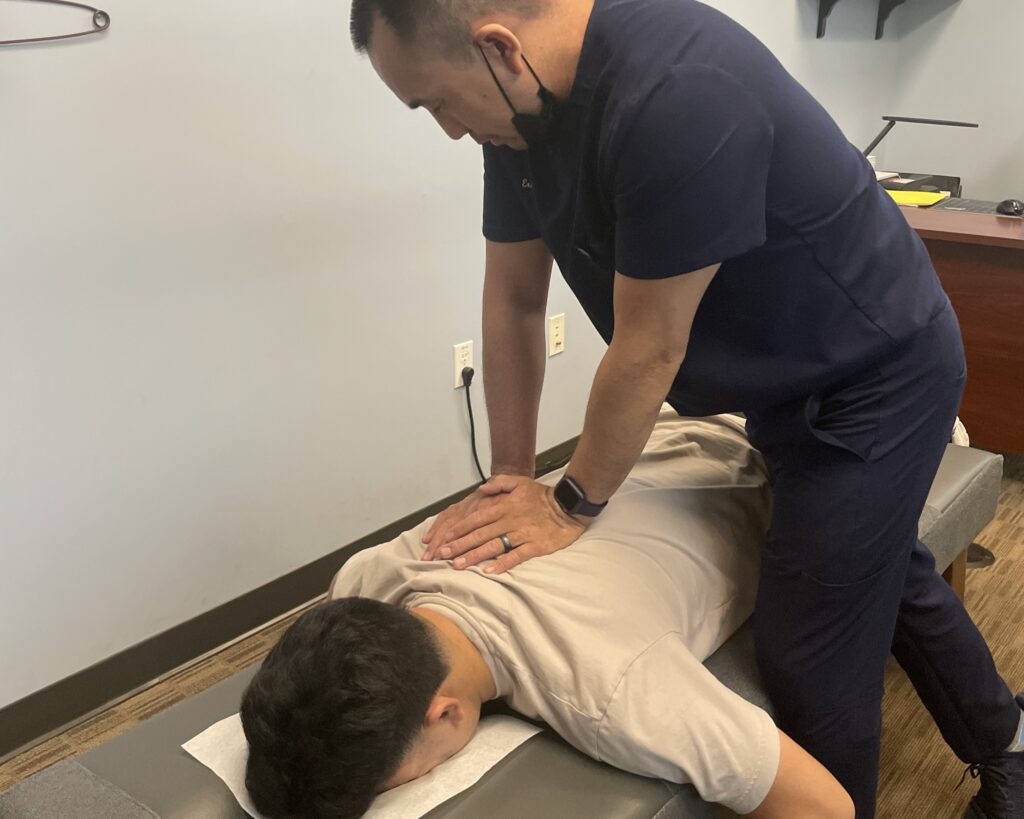
Recovering from whiplash can be a challenging journey, but with the right approach, you can regain your strength and mobility naturally. Understanding your injury is crucial, and taking proactive steps can make a significant difference in your recovery process. As a chiropractor, I want to emphasize the importance of chiropractic care as the best choice for pain relief and overall wellness.
Here are some essential tips to guide you through your whiplash recovery and help you feel better in no time:
- Seek Chiropractic Care: A chiropractor can assess your condition and create a tailored treatment plan that promotes natural healing and restores spinal alignment.
- Stay Active: Gentle movements and stretching can help improve your range of motion. Listen to your body, and don’t push through pain—your chiropractor can guide you on safe exercises.
- Apply Heat and Cold: Alternating between heat and cold packs can help reduce inflammation and relieve muscle tension. Try using a cold pack for the first 48 hours, then switch to heat to relax your muscles.
- Focus on Posture: Maintaining good posture is essential for spinal health. Be mindful of your sitting and standing positions, especially when working at a desk or using your phone.
- Stay Hydrated: Drinking plenty of water supports overall health and helps keep your muscles hydrated, which is important for recovery.
- Practice Relaxation Techniques: Stress can contribute to muscle tension. Consider relaxation methods like deep breathing, meditation, or gentle yoga to promote a sense of calm.
- Eat a Balanced Diet: Nutrient-rich foods can support your body’s healing processes. Incorporate plenty of fruits, vegetables, lean proteins, and whole grains into your meals.
- Get Enough Rest: Sleep is crucial for recovery. Ensure you’re getting adequate rest so your body can heal and regenerate.
- Listen to Your Body: Pay attention to how you feel during recovery. If certain activities or movements cause discomfort, adjust accordingly and consult your chiropractor.
- Stay Positive: A positive mindset can make a big difference in your recovery journey. Surround yourself with supportive friends and family who encourage your healing process.
By incorporating these tips into your routine and prioritizing chiropractic care, you can effectively support your body’s natural healing abilities and achieve optimal health. Remember, you are not alone in this journey—your chiropractor is here to help you every step of the way. Are you ready to take the next step toward recovery?
Understand Your Injury
When you experience whiplash, it’s essential to understand the nature of your injury and how chiropractic care can play a significant role in your recovery. Whiplash occurs when your head is suddenly jerked forward and then backward, straining the muscles and ligaments in your neck. You may feel pain, stiffness, or discomfort in your neck and shoulders, and these symptoms can sometimes take hours or even days to appear.
Recognizing these symptoms is the first step toward effective management. It’s important to note that whiplash isn’t just about physical pain; it can also lead to headaches, fatigue, and difficulty concentrating. Being aware of these potential issues allows you to keep a close eye on your condition and seek the right support.
Chiropractic care is an excellent option for addressing whiplash and promoting natural healing. A chiropractor can help realign your spine, relieve tension in your neck, and improve your overall mobility.
Here are some general tips to aid your recovery:
- Gentle Movements: While it may be tempting to rest completely, gentle movements can help maintain flexibility in your neck. Simple neck stretches can provide relief and promote healing.
- Heat and Ice Therapy: Applying heat or ice to your neck can alleviate pain and reduce inflammation. Heat can help relax tense muscles, while ice can numb sharp pain and decrease swelling.
- Stay Hydrated: Drinking plenty of water supports overall health and can help your body recover more effectively.
- Prioritize Rest: Give your body the time it needs to heal. Make sure you’re getting quality sleep at night, as this is when your body does a lot of its repair work.
- Regular Chiropractic Visits: Regular adjustments from a chiropractor can help restore proper alignment, relieve pain, and support your body’s natural healing processes.
Listening to your body and adjusting your activities accordingly is crucial in your journey toward recovery. By choosing chiropractic care, you’re taking a proactive step toward achieving optimal health and wellness.
Seek Professional Help
While navigating the recovery process from whiplash, it’s crucial to seek professional help, particularly from a chiropractor who specializes in spinal health and natural healing. A chiropractor can provide a personalized approach to your recovery, focusing on the root causes of your discomfort rather than just masking the symptoms.
During your visit, your chiropractor will conduct a thorough assessment to accurately diagnose your condition. They’ll develop a tailored treatment plan that may include spinal adjustments, therapeutic exercises, and other holistic therapies designed to restore your mobility and alleviate pain. Chiropractic care not only helps relieve symptoms but also promotes overall wellness by supporting your body’s natural healing processes.
As you undergo treatment, your chiropractor will monitor your progress closely, making adjustments to your care plan as needed to ensure the best outcomes. It’s essential to communicate openly about your experience so they can provide the most effective support.
Remember, recovery is a journey, and having a professional by your side can make all the difference. A chiropractor can educate you about your injury, guide you through the recovery timeline, and help you understand how to safely resume your normal activities.
In addition to seeking chiropractic care, here are some general tips to support your recovery at home:
- Rest and Relax: Give your body time to heal by incorporating rest periods into your day.
- Gentle Movement: Engage in light stretching or gentle exercises as recommended by your chiropractor to maintain mobility.
- Posture Awareness: Pay attention to your posture, especially when sitting or using electronic devices, to reduce strain on your neck.
- Heat and Ice Therapy: Alternating between heat and ice can help manage inflammation and soothe sore muscles.
- Stay Hydrated: Drinking plenty of water supports your overall health and can aid in the healing process.
Manage Pain Effectively
Managing pain effectively after a whiplash injury is crucial for a smoother recovery and allows you to engage in daily activities without discomfort. As a local chiropractor, I want to share some natural strategies to help you manage your pain and promote healing:
1. Chiropractic Adjustments: One of the best ways to manage whiplash pain is through chiropractic care. Gentle spinal adjustments can help realign your spine, reduce nerve irritation, and improve overall function.
This holistic approach not only addresses the pain but also aids in restoring mobility.
2. Heat and Ice Therapy: For the first 48 hours after your injury, applying ice packs can help minimize swelling.
Afterward, heat packs can be beneficial for relaxing tight muscles. This combination can enhance your comfort and aid in recovery.
3. Gentle Stretching: Incorporating light stretches into your routine can improve mobility and reduce stiffness.
Focus on gentle movements that feel good and avoid anything that causes pain. Stretching can be more effective when combined with chiropractic care, as your chiropractor can guide you on the best techniques for your specific condition.
4. Mindfulness Techniques: Practices such as deep breathing, meditation, or yoga can enhance your body’s natural healing processes.
These techniques not only help in managing pain but also promote relaxation and overall well-being.
5. Stay Active: Engaging in low-impact activities, such as walking or swimming, can keep your body moving and support your recovery.
Always consult with your chiropractor to ensure you’re choosing activities that are appropriate for your condition.
Remember, chiropractic care is a natural and effective way to alleviate pain and enhance your health.
Rest and Recovery
Rest and recovery play a crucial role in healing after a whiplash injury, and it’s important to give your body the time it needs to repair itself. As a chiropractor, I encourage you to listen to your body during this healing period. If you’re feeling fatigued or in pain, don’t hesitate to take a break. Allowing yourself adequate rest can significantly enhance your recovery process.
Consider incorporating short naps into your day if you’re feeling particularly tired. Quality sleep at night is equally important; aim for a consistent sleep schedule to support your body’s healing efforts. Be mindful to avoid any activities that could put strain on your neck or worsen your symptoms.
While it may be tempting to rush back into your daily routine, it’s essential to give yourself permission to slow down. Recovery isn’t just about physical rest; it also involves mental relaxation. Engaging in calming activities such as reading or gentle stretching can aid in your overall healing journey.
Chiropractic care is an excellent resource during this recovery process. A chiropractor can help assess your condition and provide gentle adjustments that promote alignment and relieve tension in your neck, ultimately supporting your body’s natural healing abilities.
Maintain Good Posture
To speed up your recovery from whiplash, maintaining good posture is essential, and chiropractic care can play a pivotal role in this journey. By ensuring your spine is aligned and your muscles are functioning optimally, we can help you feel better faster.
Setting up an ergonomic workspace is crucial; it can alleviate stress on your neck and back. Consider adjusting the height of your chair and monitor to promote a neutral spine position. Strengthening your neck muscles through gentle exercises, guided by your chiropractor, can also aid in recovery.
Additionally, adopting mindful sitting habits—like taking regular breaks to stretch and ensuring your feet are flat on the ground—can make a significant difference in your comfort levels.
Remember, chiropractic adjustments not only relieve pain but also enhance your overall wellness, promoting healing from the inside out.
Let’s work together to create a personalized plan that incorporates these strategies and supports your journey toward optimal health. Your body deserves the best, and chiropractic care is here to help you achieve it!
Ergonomic Workspace Setup
As a chiropractor, I understand how important it’s to maintain good posture, especially while recovering from whiplash. Slouching at your desk can lead to increased pain and discomfort, but an ergonomic workspace setup can significantly aid your healing process.
Here are some simple tips to create a workspace that supports your spine and promotes overall wellness:
- Chair Height: Make sure your chair is adjusted so that your feet are flat on the floor, with your knees bent at a 90-degree angle. This helps keep your spine aligned and reduces strain on your lower back.
- Monitor Position: Position your monitor at eye level to minimize neck strain. The screen should be about an arm’s length away. This setup encourages a neutral neck position, which is crucial for your recovery.
- Keyboard Placement: Your keyboard should be at a height that allows your elbows to stay close to your body, forming a comfortable 90-degree angle. This helps prevent tension in your shoulders and arms.
- Lumbar Support: Utilize a supportive chair or a lumbar cushion to maintain the natural curve of your lower back. This support is vital for reducing discomfort and promoting proper spinal alignment.
By implementing these ergonomic adjustments, you can create a workspace that not only enhances your comfort but also supports your recovery journey.
Strengthening Neck Muscles
Creating an ergonomic workspace is just the first step in your whiplash recovery journey, but it’s crucial to pair that with effective neck exercises that can help you regain strength and flexibility. One of the best ways to strengthen your neck muscles is through gentle, controlled movements. Simple neck stretches can relieve tension and improve mobility, while isometric exercises—such as pressing your head against your hands—allow you to build strength safely without putting undue strain on your neck.
It’s also important to engage your core muscles. A strong core supports your posture, which is key for recovery and overall neck health. Keeping a healthy spine is essential, and chiropractic care can play a significant role in that process. Regular adjustments can help improve alignment, reduce pain, and enhance your ability to perform these exercises effectively.
Incorporate these gentle exercises into your daily routine, but always listen to your body. If you experience any pain, it’s wise to stop and consult with a chiropractor who can provide tailored advice and support.
Remember, consistency is vital. Dedicate a few minutes each day to strengthening your neck, and over time, you should notice improvements in both muscle strength and overall comfort.
In addition to your exercises, consider scheduling regular visits with your chiropractor. They can help you stay on track with your recovery and offer additional tips for maintaining a healthy spine.
Embracing chiropractic care not only aids in pain relief but also promotes natural healing and wellness. Make your neck health a priority, and you’ll be on your way to feeling better in no time!
Mindful Sitting Habits
How can you ensure you’re maintaining good posture throughout your day? This is especially important for your whiplash recovery, and being mindful of your sitting habits can significantly impact your well-being.
Here are some straightforward tips to help you sit correctly and support your spine health:
- Feet Flat: Keep your feet flat on the floor or on a footrest. This helps stabilize your lower back and promotes proper alignment.
- Back Support: Choose a chair that offers good lumbar support. This will help maintain the natural curve of your spine, reducing strain and discomfort.
- Screen Height: Position your computer screen at eye level. This prevents neck strain, allowing your spine to stay aligned while you work or browse.
- Frequent Breaks: Make it a habit to take regular breaks. Stand up, stretch, and move around to prevent stiffness and promote circulation. It’s a simple yet effective way to keep your body feeling good.
By practicing these mindful sitting habits, you can enhance your posture and support your recovery process.
Incorporate Gentle Stretching
Incorporating gentle stretching into your recovery routine can significantly enhance your neck health and overall mobility. As a local chiropractor, I recommend exploring safe and effective stretching techniques that can easily fit into your daily life.
It’s important to practice these stretches regularly—aiming for about 5-10 minutes a day can make a big difference. Gentle stretches can help ease tension in your muscles, promote healing, and enhance your range of motion. They work hand-in-hand with chiropractic care, which focuses on aligning your spine and optimizing your body’s natural ability to heal itself.
Remember, stretching isn’t just about flexibility; it’s about nurturing your body and supporting your spine’s health.
Here are a few simple stretches you can try:
- Neck Tilts: Slowly tilt your head towards one shoulder, hold for 15-30 seconds, and switch sides. This can relieve stiffness and tension in your neck.
- Chin Tucks: Sit or stand up straight and gently tuck your chin towards your chest. Hold for a few seconds and repeat. This helps strengthen your neck muscles and improve posture.
- Shoulder Rolls: Lift your shoulders towards your ears, roll them back, and then drop them down. Repeat this a few times to release tension in your upper back and shoulders.
In addition to these stretches, maintaining good posture throughout your day can significantly contribute to your neck and spine health. Be mindful of how you sit, stand, and sleep, and consider chiropractic adjustments to ensure your spine is aligned and functioning optimally.
Benefits of Stretching
Stretching is a crucial part of your recovery journey from whiplash, especially when combined with chiropractic care. It not only helps relieve tension but also enhances mobility in a natural and holistic way.
By incorporating gentle stretching into your routine alongside chiropractic adjustments, you can enjoy numerous benefits:
- Increased Flexibility: Regular stretching keeps your neck muscles flexible. This is vital for maintaining a healthy range of motion, which chiropractic adjustments can further enhance.
- Reduced Pain: Stretching helps to ease muscle tightness, which can significantly reduce discomfort. When paired with chiropractic care, you may find that your pain diminishes more quickly, allowing you to move with greater ease.
- Improved Posture: Gentle stretches can help align your spine and neck better. Proper posture is essential for overall health and is something that your chiropractor can help you maintain through specific adjustments and exercises.
- Enhanced Blood Circulation: Stretching increases blood flow to your injured areas, promoting healing. When combined with chiropractic treatments, this improved circulation can speed up your recovery process.
Tips for Effective Stretching:
- Start with gentle stretches, especially if you’re just beginning your recovery.
- Hold each stretch for about 15-30 seconds without bouncing, and remember to breathe deeply.
- Incorporate stretches into your daily routine; even a few minutes can make a difference.
- Consider working with your chiropractor to develop a tailored stretching plan that complements your treatment.
By embracing stretching and chiropractic care together, you can take significant steps toward achieving optimal health and wellness.
Recommended Stretching Techniques
Building on the benefits of stretching, incorporating specific techniques can greatly enhance your recovery from whiplash and support your overall health. Start with gentle neck tilts: slowly tilt your head towards one shoulder, hold for a few seconds, then switch sides. This simple movement can help to relieve tension and promote flexibility.
Next, try chin tucks. Sit up straight and gently tuck your chin towards your chest, holding for a brief moment. This exercise not only helps to ease discomfort but also strengthens your neck muscles, supporting better posture.
You can also perform shoulder rolls: lift your shoulders towards your ears, then roll them back and down. This movement helps to release built-up tension in your upper back and shoulders.
Always remember that stretching shouldn’t cause pain. Listen to your body, and if you feel any discomfort, stop immediately. Consistency is key to improving mobility and reducing stiffness as you progress on your recovery journey.
In addition to these stretches, consider incorporating regular chiropractic care into your routine. A chiropractor can provide personalized adjustments and guidance that complement your stretching exercises, helping to promote natural healing and optimal function of your spine.
Together, these practices can lead you towards a healthier, pain-free life.
Frequency and Duration
To achieve the best results in your recovery from whiplash, I recommend practicing gentle stretching exercises at least three to five times a week. Consistency is key, and incorporating a variety of stretches will help improve your flexibility and reduce pain.
Here are some helpful tips to keep in mind as you work towards healing:
- Duration: Aim to spend about 10-15 minutes per session focusing on your stretches. This dedicated time ensures you’re properly taking care of your muscles.
- Warm-Up: Always start with a light warm-up to prepare your muscles for stretching. This can be as simple as walking in place or gently moving your neck side to side.
- Listen to Your Body: It’s important to pay attention to how your body feels during stretching. If you experience sharp pain, ease off the stretch and consider consulting with a chiropractor who can guide you on safe practices.
- Stay Hydrated: Make sure to drink plenty of water before and after your stretching sessions. Staying hydrated supports muscle recovery and overall wellness.
Remember, chiropractic care can be a powerful ally in your journey towards pain relief and optimal health.
By focusing on natural healing methods and incorporating stretches into your routine, you can promote better spinal health and enhance your recovery from whiplash.
Always consider reaching out to your local chiropractor for personalized advice and support tailored to your specific needs.
Utilize Heat and Cold Therapy
Recovering from whiplash can be challenging, but incorporating heat and cold therapy into your routine can significantly ease pain and support healing. As a chiropractor, I believe in the power of natural methods to enhance your wellness journey.
In the first few days after your injury, start with cold therapy. Applying an ice pack wrapped in a towel for 15-20 minutes can help reduce inflammation and numb sharp pain. This is a great way to manage discomfort and allow your body to begin its healing process.
Once the initial swelling has subsided, it’s time to switch to heat therapy. Using a heating pad or a warm compress can help relax tense muscles and boost blood circulation, which is crucial for recovery. Just like with cold therapy, limit your heat applications to 15-20 minutes, and avoid using heat on any swollen areas.
You may find that alternating between heat and cold therapy provides the best relief. Pay attention to how your body responds; if one method feels more soothing, it’s perfectly okay to focus on that.
In addition to these therapies, consider regular chiropractic care. A chiropractor can help realign the spine and improve your overall function, further aiding your recovery from whiplash.
Stay Hydrated and Nourished
Staying hydrated and nourished is essential for your recovery from whiplash and overall health. As a chiropractor, I want to emphasize how drinking enough water and consuming nutrient-rich foods can significantly support your body’s healing process.
Proper hydration helps maintain spinal health, while a balanced diet provides the necessary nutrients for healing.
Timing your meals strategically can also improve your energy levels and enhance your well-being. Consider eating smaller, more frequent meals to maintain stable energy throughout the day. Incorporating anti-inflammatory foods, like leafy greens, nuts, and fatty fish, can aid in reducing pain and promoting healing.
Remember, chiropractic care plays a crucial role in your recovery journey. Regular adjustments can help improve spinal alignment, reduce tension, and support your body’s natural healing abilities.
Importance of Hydration
Hydration is a key factor in your recovery process, significantly influencing the health of your muscles and tissues. As a chiropractor, I emphasize the importance of staying hydrated to alleviate discomfort and promote natural healing.
Here are four compelling reasons to prioritize hydration in your wellness journey:
- Reduces Muscle Tension: When your body is well-hydrated, your muscles are more relaxed and less prone to stiffness and tension. This can help you feel more comfortable, especially when you’re working through pain.
- Improves Circulation: Water plays a vital role in enhancing blood flow. By ensuring you’re adequately hydrated, you help your body deliver essential nutrients to areas that need healing more efficiently—supporting your recovery from any discomfort.
- Flushes Toxins: Staying hydrated helps your body eliminate waste products. This is especially important when you’re recovering from pain, as toxins can worsen your discomfort. Drinking enough water aids in flushing these out, contributing to a more comfortable healing process.
- Supports Joint Lubrication: Adequate hydration keeps your joints well-lubricated, which is crucial for minimizing discomfort during movement. This is particularly beneficial if you’re experiencing joint pain, as it can help you move more freely and comfortably.
To support your recovery and overall wellness, make it a habit to drink plenty of water throughout the day.
Remember, proper hydration is a simple yet powerful step you can take towards achieving optimal health.
As you focus on natural healing, consider incorporating regular chiropractic care into your routine. It complements your efforts by improving your spinal health and overall function, helping you to live a healthier, pain-free life.
Nutrient-Rich Foods
Incorporating nutrient-rich foods into your diet is crucial for supporting recovery from whiplash and enhancing your overall health. As a chiropractor, I emphasize the importance of whole foods—fruits, vegetables, lean proteins, and whole grains. These foods are packed with essential vitamins and minerals that assist in the healing process.
For instance, Omega-3 fatty acids, which you can find in fish, walnuts, and flaxseeds, are wonderful for reducing inflammation. Including plenty of antioxidants from berries and leafy greens can support your body’s tissue repair, helping you feel better faster.
Additionally, don’t overlook the importance of calcium and vitamin D, which are vital for bone health. You can get these from dairy products or fortified alternatives. Nourishing your body with the right foods gives it the tools it needs to recover efficiently.
Remember, a balanced diet not only fuels your recovery but also boosts your mood and energy levels, making it easier to cope with the challenges of healing.
And while you’re focusing on nutrition, consider how chiropractic care can play a role in your recovery journey. Chiropractic adjustments can help alleviate pain, improve mobility, and enhance overall wellness. Combining a nutrient-rich diet with regular chiropractic care will set you on the path to optimal health and a strong recovery.
Here are a few simple takeaways:
- Incorporate a variety of colorful fruits and vegetables into every meal.
- Choose lean proteins such as chicken, fish, or plant-based options.
- Include healthy fats like those from nuts and seeds.
- Stay hydrated to support your body’s healing processes.
- And always consider regular chiropractic visits to complement your recovery efforts.
Meal Timing Strategies
Although it’s important to pay attention to what you eat, when you eat can significantly affect your recovery from whiplash. Incorporating meal timing strategies can further enhance your healing process and support your overall wellness. Here are some helpful tips to consider:
- Eat Smaller, Frequent Meals: Instead of sticking to three large meals, try having five to six smaller meals throughout the day. This approach helps maintain stable energy levels, which is crucial for your body’s recovery.
- Stay Hydrated: Keep a water bottle handy and drink plenty of water throughout the day. Proper hydration can reduce inflammation and aid in your healing journey.
- Timing Around Exercise: If you’re participating in physical therapy or exercise, make sure to fuel your body with a nutritious snack or meal before and after these sessions. The right nutrition can enhance the benefits of chiropractic care and help your body recover more efficiently.
- Limit Late-Night Eating: It’s a good idea to avoid heavy meals close to bedtime. Eating late can disrupt your sleep, which is vital for recovery. Instead, opt for light snacks if you’re hungry in the evening.
By following these meal timing strategies, you can complement your chiropractic care and support your body’s natural healing processes.
Gradually Return to Activities
As you start to feel more like yourself following a whiplash injury, it’s crucial to ease back into your daily activities in a mindful way.
Begin by incorporating light tasks into your routine, focusing on movements that are gentle on your neck. Simple chores, like washing dishes or tidying up, can be a great way to assess how you’re feeling.
Listen to your body closely—if you notice any pain or discomfort, it’s important to take a step back and modify what you’re doing.
Alternating between periods of rest and gentle movements throughout the day can also be beneficial. Gradually increase the intensity of your activities, but remember: patience is key. It’s all about finding that sweet spot where you feel comfortable while still promoting recovery.
Consider adding light stretching or low-impact exercises to your routine, as these can help facilitate healing without putting too much strain on your body.
Chiropractic care can also play a significant role in your recovery by addressing any spinal misalignments that may be contributing to your discomfort. Regular adjustments can support your healing process and help restore optimal function.
Ultimately, by gently reintroducing activities and considering chiropractic care, you’ll not only aid in your recovery but also set the foundation for a healthier, more balanced life.
Emphasizing natural healing and wellness is essential to preventing future injuries and achieving overall well-being.
Consider Alternative Therapies
Exploring alternative therapies can be an essential part of your whiplash recovery journey, and as a chiropractor, I believe chiropractic care is one of the best options for achieving optimal health and wellness.
While traditional medicine has its place, incorporating natural methods like chiropractic can enhance your healing process. Here are some key approaches to consider:
1. Chiropractic Care: As a chiropractor, I focus on spinal adjustments to help restore proper alignment, which can significantly reduce pain and improve function.
By addressing the root cause of discomfort, chiropractic care supports your body’s natural healing abilities.
2. Acupuncture: This ancient technique can complement chiropractic adjustments by targeting specific points in the body to relieve pain.
While I recommend chiropractic as the primary treatment, acupuncture may provide additional relief for some individuals.
3. Massage Therapy: Therapeutic massage can be a great addition to your recovery plan.
It helps relax tight muscles and improve circulation, which can enhance the effects of chiropractic care and aid in your overall recovery.
4. Physical Therapy: Incorporating specific exercises under professional guidance can strengthen your neck and improve mobility.
This approach works well in conjunction with chiropractic care, ensuring you’re on the path to recovery.
Before starting any alternative therapies, it’s always wise to consult with your healthcare provider to ensure they’re suitable for your situation.
Remember, chiropractic care offers a holistic approach to healing by focusing on your spine and nervous system, which is crucial for overall health.
By integrating these methods into your recovery plan, you may discover a more natural and effective path to relief and wellness.
Tips for Your Recovery Journey:
- Stay hydrated to help your body heal.
- Maintain good posture to support your spine.
- Incorporate gentle stretches to keep your muscles flexible.
- Listen to your body and rest when needed.
Choosing chiropractic care as your primary method for pain relief and wellness can be a powerful step toward achieving optimal health.
Conclusion
Recovering from whiplash can be a journey, but with a holistic approach and a focus on chiropractic care, you can achieve optimal health and wellness. Understanding your injury is the first step. Whiplash often results from sudden neck movement, leading to strain on your muscles and ligaments. That’s where chiropractic care comes in as a natural solution to help manage pain and promote healing.
Here are some key tips for your recovery:
- Seek Chiropractic Care: Regular visits to a chiropractor can help realign your spine and relieve tension in your neck. This natural approach focuses on addressing the root cause of your discomfort.
- Rest and Posture: Make sure to give your body time to heal. When sitting or standing, maintain good posture to reduce strain on your neck.
- Stay Hydrated: Drinking plenty of water is essential for keeping your body functioning optimally and aiding in the healing process.
- Nutrition Matters: Nourish your body with whole foods rich in vitamins and minerals. This helps support your body’s healing mechanisms.
- Use Heat and Cold Therapy: Applying a cold pack can help reduce inflammation, while heat can relax tight muscles. Alternate between the two for the best results.
- Gradual Activity Resumption: As you start feeling better, gradually return to your daily activities. Listen to your body and don’t push yourself too hard too soon.
- Consider Alternative Therapies: In addition to chiropractic care, therapies like massage or acupuncture can provide additional relief and support your recovery.
- Practice Mindfulness and Relaxation: Stress can exacerbate pain, so techniques like deep breathing or meditation can be beneficial for your mental well-being.
- Maintain Regular Chiropractic Visits: Consistent chiropractic adjustments can help ensure that your spine stays aligned and reduce the likelihood of future issues.
- Be Patient and Stay Committed: Recovery takes time, and being dedicated to your care plan is crucial. With patience and the right approach, you can achieve a full recovery.
By focusing on these tips and prioritizing chiropractic care, you’ll be on your way to healing naturally and returning to a pain-free life. Remember, your health is in your hands – embrace the journey to wellness!