
You finished a solid workout — lifted some weights, knocked out a few sets of pull-ups, maybe swung a kettlebell or two — and now your elbow is aching in a way that just doesn’t feel right. It might be a dull throb on the inside of your arm, a sharp twinge on the outer edge, or a deep, nagging soreness that doesn’t go away after a day of rest. Whatever it feels like, elbow pain after working out is one of those frustrating issues that can sideline even the most dedicated athletes and fitness enthusiasts. Here in San Leandro, Dr. Ernest Luong at Resilience Chiropractic sees this kind of complaint regularly — and the good news is that most causes of workout-related elbow pain are very treatable when you understand what’s actually going on.
What is elbow pain after working out? Elbow pain after exercise refers to discomfort, soreness, or sharp pain in or around the elbow joint that occurs during or following physical activity. It can stem from overuse, improper mechanics, muscle imbalances, or underlying joint and tendon stress. It is not something you should simply “push through” without understanding the cause.
Common Causes of Workout-Related Elbow Pain
Elbow pain during or after exercise is rarely random. There are a handful of well-established conditions that account for the vast majority of cases. Understanding each one can help you have a more informed conversation with your care provider and make smarter decisions about your training.
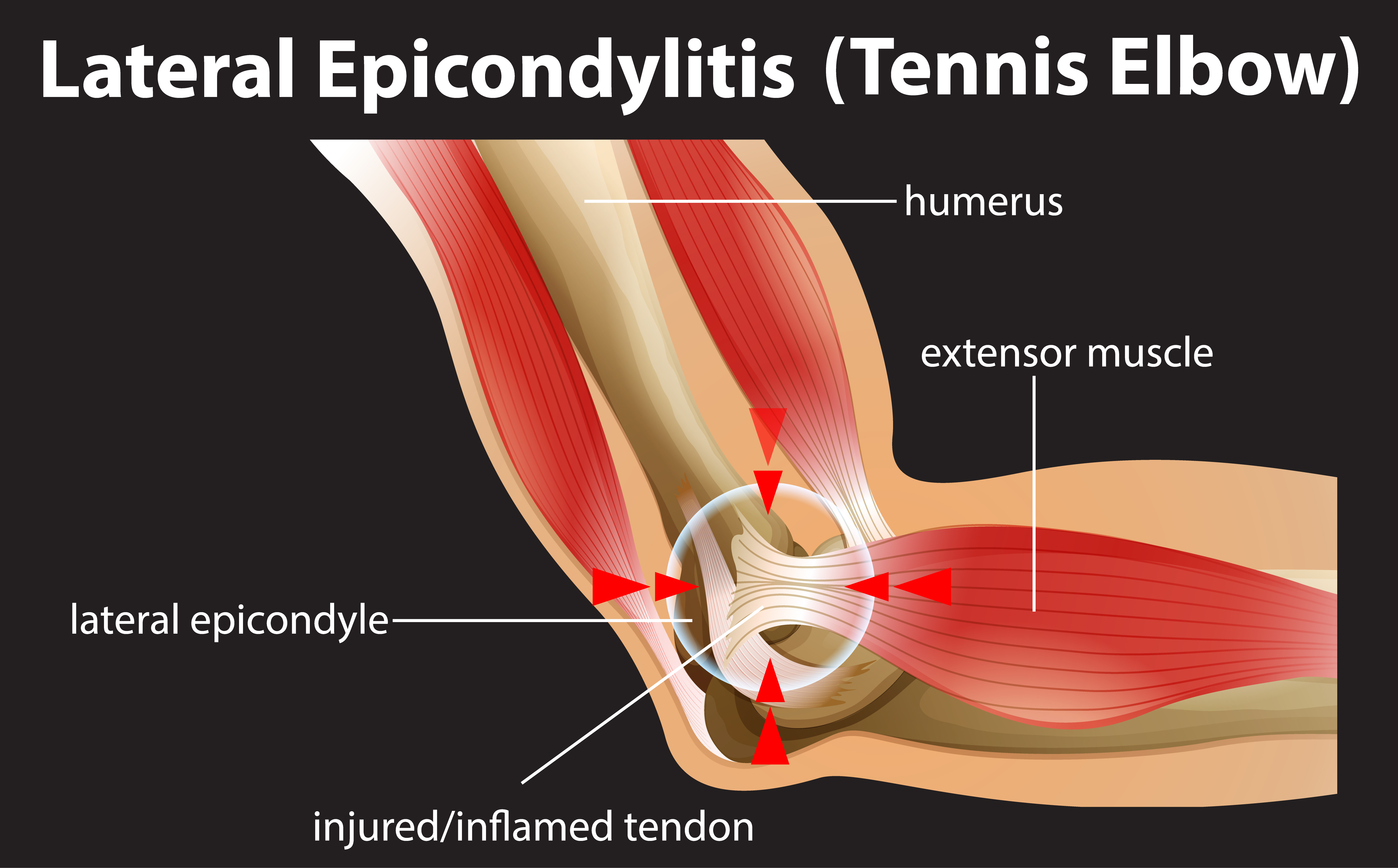
Lateral Epicondylitis (Tennis Elbow) is probably the most widely recognized cause of elbow pain in active adults. Despite its name, you don’t have to play tennis to develop it. This condition involves irritation and micro-tearing of the tendons that attach to the lateral epicondyle — the bony bump on the outside of your elbow. It’s commonly triggered by repetitive gripping, lifting, or wrist extension movements. If you regularly do dumbbell curls, rows, or any exercise that involves gripping a barbell or handle, tennis elbow can develop over time.
Medial Epicondylitis (Golfer’s Elbow) is the lesser-known cousin of tennis elbow, and it affects the inner side of the elbow instead. It involves the flexor tendons that originate at the medial epicondyle and is often aggravated by throwing movements, pull-ups, or exercises that involve repeated wrist flexion and forearm pronation. Golfer’s elbow tends to produce a tender, aching sensation along the inside of the forearm near the elbow joint.
Triceps Tendinopathy develops when the triceps tendon — which connects your triceps muscle to the back of the elbow — becomes overloaded. This is especially common in people who do a high volume of pressing movements like skull crushers, dips, or heavy bench press. Pain typically appears at the tip of the elbow or just above it, particularly when extending the arm against resistance.
Biceps Tendinopathy can also contribute to anterior (front-of-elbow) pain, particularly after heavy curling or pulling exercises. When the distal biceps tendon near the elbow becomes irritated or strained, it can produce pain directly in the crook of the elbow that worsens with curling or supination (rotating the forearm palm-up).
Cubital Tunnel Syndrome is a nerve-related condition involving compression or irritation of the ulnar nerve as it passes through the cubital tunnel on the inside of the elbow. During workouts that involve prolonged elbow flexion — like holding a barbell during curls or keeping your elbows bent during overhead pressing — pressure on the ulnar nerve can cause tingling, numbness, or shooting pain into the ring and pinky fingers.
Recognizing the Signs and Symptoms
Not all elbow pain looks the same, and where you feel it matters a great deal when it comes to identifying the cause. Here’s a breakdown of what to pay attention to.
Pain on the outer elbow that worsens when you shake hands, grip objects, or extend your wrist is typically associated with lateral epicondylitis. It often starts as a mild ache and progressively intensifies if the aggravating activity continues without rest or treatment.
Pain on the inner elbow — especially after pull-ups, rows, or throwing movements — suggests medial epicondylitis. You might also notice weakness in your grip or tenderness when you press directly on the bony bump on the inside of the elbow.
Pain at the back or tip of the elbow, particularly after triceps-heavy exercises, points more toward triceps tendinopathy. This area may also feel tender to the touch and stiff in the morning after an intense workout session.
Numbness or tingling running into the ring and little fingers, along with elbow soreness after workouts, may indicate ulnar nerve involvement. This symptom pattern deserves prompt professional evaluation since nerve irritation can progress if left unaddressed.
Understanding Elbow Anatomy and Why It’s Vulnerable
The elbow is a complex joint — more so than most people realize. It’s actually made up of three bones: the humerus (upper arm), the radius, and the ulna. These bones form two distinct joints within the elbow capsule, allowing for both bending and straightening as well as forearm rotation. Because of this dual function, the elbow must handle significant forces during upper-body exercise.
When you perform a heavy barbell curl, for example, the distal biceps tendon and the muscles of the forearm work together to control a large load. When you do overhead triceps extensions, the triceps tendon is under tension throughout its full range of motion. Over time, if these tissues aren’t given enough recovery time — or if your form, grip width, or wrist position creates uneven stress — cumulative micro-damage begins to build up faster than your body can repair it. This is the foundation of most overuse injuries.
Muscle imbalances also play a major role. Many gym-goers tend to overdevelop the biceps and chest while neglecting the rotator cuff, forearm extensors, and scapular stabilizers. When the shoulder and upper back muscles aren’t functioning optimally, the elbow is forced to compensate, which increases the mechanical load on the tendons and joint structures around it. At Resilience Chiropractic in San Leandro, Dr. Ernest Luong frequently evaluates shoulder and cervical spine function when a patient presents with elbow pain — because the root cause is often found upstream from the elbow itself.
How Chiropractic Care Can Help
Chiropractic care offers a non-surgical, drug-free approach to evaluating and managing workout-related elbow pain. Rather than simply masking pain with anti-inflammatories, chiropractic focuses on identifying the mechanical and structural contributors to the problem — and then addressing them at their source.
At Resilience Chiropractic in San Leandro, CA, Dr. Ernest Luong takes a thorough approach that considers the entire kinetic chain. That means evaluating not just the elbow itself, but also the wrist, shoulder, cervical spine, and thoracic spine — because dysfunction in any of these areas can create compensatory stress at the elbow. Joint restrictions in the neck and upper back can alter nerve signaling and muscle activation patterns, contributing to overuse injuries in the arms over time.
Chiropractic adjustments to the elbow, wrist, and surrounding joints can help restore normal range of motion, reduce mechanical irritation, and support the body’s natural healing process. Soft tissue techniques — such as manual therapy and myofascial work — may also be used to address tightness and adhesions in the muscles and tendons contributing to the pain. Evidence from organizations like the NCCIH suggests that manual therapy approaches can be beneficial for musculoskeletal pain conditions, including tendinopathies, as part of a conservative care plan.
Rehab guidance is another important component. Dr. Ernest Luong can help identify which exercises are aggravating your elbow, suggest appropriate modifications, and recommend targeted strengthening work that supports long-term tendon health. Getting back to your workouts safely — rather than just resting until the pain fades and then repeating the same pattern — is the real goal.
Practical Tips to Protect Your Elbows
Whether you’re recovering from elbow pain or trying to prevent it, there are several practical habits that can make a meaningful difference in your long-term joint health.
First, pay close attention to your grip. An excessively narrow or wide grip on barbells and dumbbells can place uneven stress on the medial or lateral tendons. Experimenting with grip width and using a neutral (hammer) grip when possible can significantly reduce elbow strain during pressing and rowing exercises.
Second, don’t neglect your forearm and wrist mobility. Tight forearm muscles are a major contributor to elbow tendinopathies. Incorporating daily wrist circles, forearm stretches, and gentle wrist flexion and extension movements into your warm-up routine can keep these tissues more pliable and resilient over time.
Third, respect progressive overload. One of the most common causes of elbow pain in the gym is simply adding too much weight, too fast. Tendons adapt more slowly than muscles do. Just because your biceps feel strong enough to curl heavier doesn’t mean the tendon attachment at your elbow is ready for it. Progress gradually and give your connective tissue time to catch up.
Finally, don’t skip your warm-up. Going straight from the car into heavy lifting is a recipe for overuse injuries. A proper warm-up that includes light cardiovascular activity and dynamic upper-body movements helps increase blood flow to the tendons and prepares the elbow joint for the demands of your session.

When to See a Chiropractor for Elbow Pain
Mild post-workout soreness that resolves within a day or two is usually normal. But certain signs suggest it’s time to stop guessing and get a professional evaluation.
You should consider scheduling a visit to Resilience Chiropractic if your elbow pain persists for more than one to two weeks despite rest and self-care, if the pain is sharp or severe during exercise, or if you notice swelling, bruising, or visible deformity around the joint. Pain that wakes you up at night, radiates into the hand or fingers, or is accompanied by weakness in your grip also warrants prompt attention.
These signs may indicate a more significant tendon injury, nerve involvement, or even a stress fracture — all of which require professional assessment to rule out. Chiropractic care is an appropriate first step for most of these presentations, and Dr. Ernest Luong can determine whether a referral for imaging or additional medical evaluation is needed.
Red flags that warrant immediate medical attention include a sudden “pop” followed by severe pain and swelling (which may indicate a tendon rupture), loss of movement at the elbow, or significant trauma to the joint. In these cases, urgent care or emergency evaluation is the right move before seeing a chiropractor.
Elbow Pain Comparison: Common Conditions at a Glance
|
Condition |
Location of Pain |
Common Triggers |
Key Symptom |
|---|---|---|---|
|
Lateral Epicondylitis (Tennis Elbow) |
Outer elbow |
Gripping, lifting, wrist extension |
Tenderness on outer elbow bump |
|
Medial Epicondylitis (Golfer’s Elbow) |
Inner elbow |
Pull-ups, rows, throwing, wrist flexion |
Pain on inner elbow with grip |
|
Triceps Tendinopathy |
Posterior (back) elbow |
Dips, skull crushers, heavy pressing |
Aching at tip of elbow |
|
Distal Biceps Tendinopathy |
Anterior (front) elbow |
Heavy curls, pulling exercises |
Pain in elbow crease with curling |
|
Cubital Tunnel Syndrome |
Inner elbow and forearm |
Prolonged elbow flexion, leaning on elbow |
Tingling/numbness in ring and pinky fingers |
Myths vs. Facts About Elbow Pain and Exercise
Myth: Elbow pain after working out is just normal soreness you should push through.
Fact: There is a clear difference between normal muscle soreness (DOMS) and joint or tendon pain. Delayed onset muscle soreness is felt in the belly of the muscle and typically resolves within 48-72 hours. Pain at or around a joint, especially pain that’s sharp, localized, or persistent, is a signal from your body that something needs attention — not more aggravation.
Myth: Tennis elbow only happens to tennis players.
Fact: Lateral epicondylitis is extremely common in people who lift weights, type extensively, perform manual labor, or do any repetitive gripping activity. The name is historical. Many of the patients Dr. Ernest Luong sees at Resilience Chiropractic in San Leandro with this condition have never picked up a tennis racquet in their lives.
Myth: Rest alone will fix elbow tendon problems.
Fact: Rest can reduce acute pain, but it doesn’t address the underlying mechanical causes of tendinopathy. Research suggests that tendons respond best to a graded loading program — specific exercises that progressively stress the tendon in a controlled way. Simply stopping all activity and then returning to the same workout routine often leads to the same injury all over again.
Myth: If an X-ray is normal, nothing is wrong with your elbow.
Fact: X-rays show bone, not soft tissue. Tendon irritation, nerve compression, and muscle tears are not visible on standard X-rays. A normal X-ray result does not rule out elbow pain caused by soft tissue injury. A thorough physical and functional examination — like what Dr. Ernest Luong provides — is often more revealing than imaging alone for these types of conditions.
Myth: Elbow pain means you need surgery.
Fact: The vast majority of workout-related elbow conditions respond well to conservative care. Surgery is rarely the first or necessary step. Conservative options — including chiropractic care, manual therapy, rehabilitative exercise, and activity modification — help most people recover without ever needing surgical intervention.
Final Thoughts from Resilience Chiropractic
Elbow pain after working out is frustrating, especially when you’ve worked hard to build healthy habits around fitness. But it doesn’t have to mean the end of your training or something you simply accept as a cost of staying active. Understanding what’s happening in your body is the first step — and getting the right care is the next one.
Here in San Leandro, the team at Resilience Chiropractic is committed to helping active people like you stay in the game. Dr. Ernest Luong brings a thorough, whole-body approach to elbow pain that goes beyond symptom relief. Whether you’re dealing with a nagging tendon issue, nerve irritation, or joint dysfunction, the goal is always to identify the root cause and support your body’s ability to heal and move well.
You don’t have to guess at what’s causing your elbow pain, and you don’t have to wait until it becomes a serious problem. If something feels off after your workouts, give yourself the same attention you give your training — and reach out to Resilience Chiropractic in San Leandro, CA to schedule an evaluation. Your elbows carry a lot of load so you can do the things you love. They deserve some care too.
Frequently Asked Questions
How long does workout-related elbow pain typically last?
The timeline varies depending on the cause and severity. Mild tendon irritation may improve within a few weeks with rest and activity modification. More established tendinopathies can take several months to fully resolve, especially without targeted treatment. Early intervention tends to lead to faster recovery.
Can I keep working out if I have elbow pain?
In many cases, complete rest is not necessary or even ideal. However, continuing to train through pain without modifying your approach can worsen the problem. A chiropractor can help you identify which movements are safe to continue and how to modify your training to avoid further irritation.
Is elbow pain from working out the same as arthritis?
Not usually. Most workout-related elbow pain in active adults is caused by tendinopathy, overuse, or nerve irritation rather than arthritis. However, pre-existing arthritis in the elbow joint can be aggravated by intense exercise. A proper evaluation can clarify the underlying cause.
What exercises are most likely to cause elbow pain?
Heavy barbell curls, pull-ups, dips, skull crushers, rows, and kettlebell swings are among the most common culprits. These movements place significant demand on the elbow tendons and surrounding muscles, especially when performed with high volume or poor mechanics.
Can a chiropractor treat elbow pain?
Yes. Chiropractors are trained to evaluate and treat musculoskeletal conditions that affect the extremities, including the elbow. Treatment may include joint adjustments, soft tissue therapy, rehabilitative guidance, and postural or movement corrections that reduce strain on the elbow over time.
Should I ice or heat my sore elbow after working out?
Ice is generally recommended for acute pain or recent flare-ups to help manage inflammation and discomfort. Heat can be useful for chronic tightness or to loosen up the area before activity. When in doubt, consult with your chiropractor for personalized guidance based on your specific condition.
TL;DR
-
Elbow pain after working out is commonly caused by lateral or medial epicondylitis, triceps or biceps tendinopathy, or nerve irritation — not just general soreness.
-
Where you feel the pain (inner, outer, front, or back of the elbow) offers important clues about the underlying cause.
-
Chiropractic care takes a whole-body approach to elbow pain, addressing not just the elbow but also the shoulder, wrist, and spine as contributing factors.
-
Most workout-related elbow conditions respond well to conservative care — surgery is rarely necessary.
-
If your elbow pain has lasted more than one to two weeks, involves nerve symptoms, or is affecting your daily life, it’s worth scheduling an evaluation at Resilience Chiropractic in San Leandro, CA.