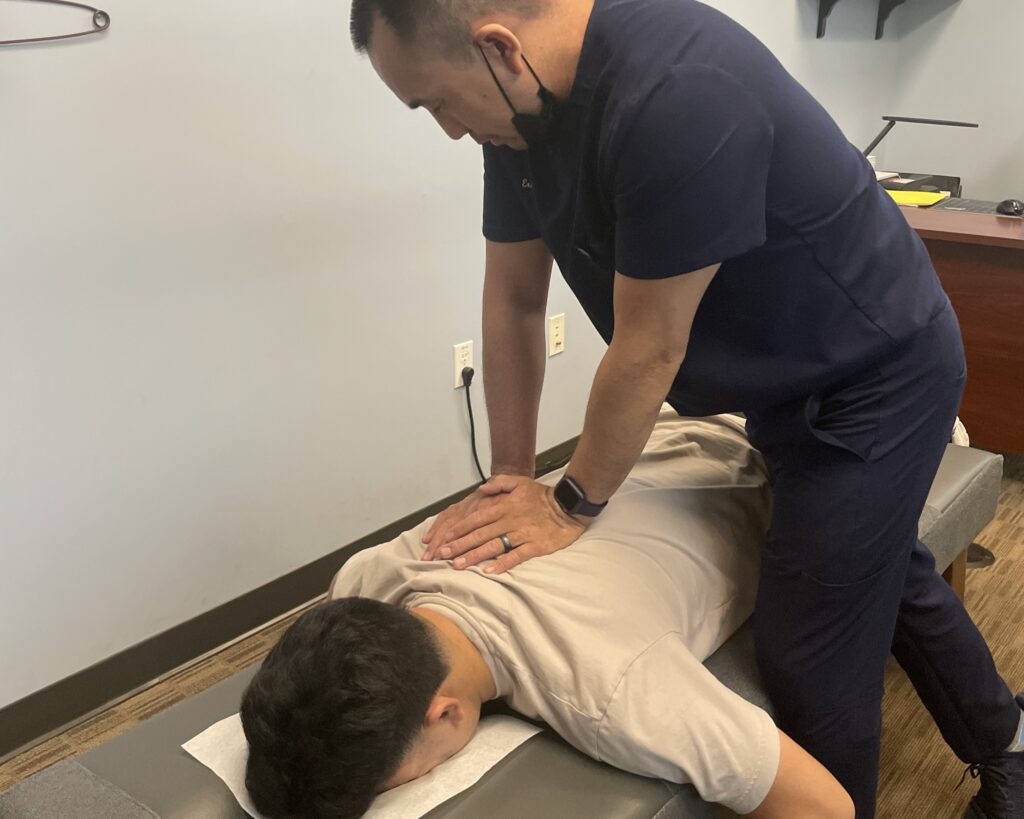
If you’ve ever suffered from a headache, you know how much they can disrupt your daily life. The good news is that chiropractors specialize in addressing a variety of headaches, each with its own unique symptoms and causes. Whether you’re dealing with tension headaches, migraines, or even rebound headaches, chiropractic care offers a natural and effective way to alleviate your pain and enhance your overall wellness.
Chiropractors focus on the spine and nervous system, which play a crucial role in how your body functions. Misalignments in the spine can lead to tension and discomfort, contributing to headaches. By using gentle adjustments and other techniques, chiropractors can help restore proper alignment, reduce tension, and promote better blood flow, which can significantly lessen headache symptoms.
Here are some common types of headaches that chiropractic care can help with:
- Tension Headaches: Often caused by stress, poor posture, or muscle strain, tension headaches can feel like a tight band around your head. Chiropractic adjustments can relieve muscle tension and improve posture, helping to reduce the frequency and intensity of these headaches.
- Migraines: These are more intense headaches that can be accompanied by nausea and sensitivity to light and sound. Chiropractic care can help manage migraine triggers and reduce the frequency of attacks by addressing spinal alignment and promoting relaxation.
- Rebound Headaches: These headaches occur from overuse of pain medications. By working with a chiropractor, you can develop a natural pain management strategy that reduces your reliance on medication and addresses the root cause of your headaches.
In addition to chiropractic adjustments, here are some general tips to help manage headaches:
- Stay Hydrated: Dehydration can trigger headaches, so make sure you’re drinking plenty of water throughout the day.
- Practice Good Posture: Being mindful of your posture, especially when sitting for long periods, can help reduce tension in your neck and shoulders.
- Manage Stress: Incorporating relaxation techniques such as deep breathing, yoga, or meditation can significantly reduce stress-induced headaches.
- Regular Exercise: Engaging in regular physical activity can help reduce tension and improve overall wellness, which may decrease the likelihood of headaches.
If you’re struggling with headaches, consider visiting a chiropractor. They can provide personalized care to help you find relief and achieve optimal health naturally. Remember, your well-being is important, and chiropractic care might be the key to living headache-free!
Key Takeaways
Chiropractors are well-equipped to help you manage various types of headaches naturally, without the use of medications or surgeries. Here’s how chiropractic care can support your journey to better health and wellness:
- Tension Headaches: Often caused by stress, poor posture, and tight muscles, tension headaches can be effectively treated with spinal adjustments. These adjustments help realign your spine, which can reduce muscle tightness and promote relaxation. To further relieve tension, practice good posture at your desk, take regular breaks, and try relaxation techniques such as deep breathing or gentle stretching.
- Migraine Headaches: If you suffer from migraines characterized by intense throbbing pain and sensitivity to light, chiropractic care may provide relief. Focusing on lifestyle changes, such as staying hydrated and maintaining a balanced diet, can further enhance your well-being. Regular spinal adjustments can help alleviate tension and improve overall function, supporting your body in managing migraine triggers.
- Cervicogenic Headaches: These headaches originate from issues in the neck and can be alleviated through targeted spinal adjustments. By improving neck mobility and reducing tension in the surrounding areas, chiropractic care can help relieve pain. Additionally, gentle neck stretches and maintaining a proper ergonomic setup while sitting can help prevent these headaches.
- Cluster Headaches: Known for their intense pain, cluster headaches can benefit from chiropractic treatments aimed at enhancing spinal function and improving blood flow. While chiropractic adjustments can help reduce the frequency and severity of these headaches, consider lifestyle factors such as stress management and regular exercise to support your overall health.
- Sinus Headaches: Often caused by sinus inflammation, sinus headaches can also be treated through spinal adjustments. These adjustments not only help improve spinal alignment but can also facilitate better sinus drainage. To support sinus health, stay hydrated, use a humidifier, and practice nasal rinses if needed.
Incorporating chiropractic care into your health routine can provide a holistic approach to managing headaches and promoting overall wellness. By focusing on natural healing, you can achieve optimal health and find relief from headache pain. Remember to prioritize good posture, stay active, and listen to your body for the best results on your wellness journey!
Tension Headaches
Tension headaches are among the most prevalent types of headaches, often triggered by stress, poor posture, or muscle tightness. If you’ve ever experienced that dull, aching sensation wrapping around both sides of your head, you know how it can disrupt your focus and daily activities.
These headaches can last anywhere from 30 minutes to several days and may worsen with physical or mental exertion.
As a chiropractor, I want to emphasize that chiropractic care is a natural and effective solution for tension headaches. By focusing on aligning your spine and relieving muscle tension, we can help ease your pain and prevent future headaches.
Techniques like spinal manipulation, gentle massage, and stretching exercises promote relaxation and improve posture, addressing the root causes of your headaches.
In addition to chiropractic care, consider making some ergonomic adjustments in your workspace. Simple changes like ensuring your chair supports your back, positioning your computer screen at eye level, and taking regular breaks to stretch can significantly reduce muscle tension and the risk of headaches.
Remember, by addressing these underlying issues, you’re not just finding relief; you’re also taking proactive steps towards a healthier, more comfortable life.
If you’re tired of dealing with tension headaches, reach out to a chiropractor today and discover how natural healing can help you achieve optimal health and wellness.
Migraine Headaches
Migraine headaches can be incredibly debilitating, often triggered by specific factors like stress, certain foods, or even environmental changes. As a chiropractor, I understand how crucial it’s to recognize these triggers and understand your symptoms for effective management.
Chiropractic care offers natural and holistic treatment techniques that can help alleviate migraine pain and provide long-term strategies for living well with migraines. Through spinal adjustments and other supportive therapies, we can address the root causes of your discomfort, promoting better overall health and wellness.
Here are some general tips to consider for managing migraines:
- Stay Hydrated: Dehydration can be a significant trigger for migraines. Make sure you’re drinking plenty of water throughout the day.
- Maintain a Regular Sleep Schedule: Irregular sleep patterns can contribute to migraine frequency. Aim for a consistent bedtime and wake-up time.
- Identify and Avoid Triggers: Keep a journal to track your migraines and note any potential triggers, such as specific foods, stressors, or activities. This can help you avoid them in the future.
- Practice Relaxation Techniques: Stress is a common trigger for migraines. Techniques such as deep breathing, meditation, or yoga can help reduce stress levels.
- Consider Chiropractic Care: Regular chiropractic adjustments can help alleviate tension in the spine and neck, which may contribute to migraines. Our goal is to support your body’s natural healing processes and enhance your overall well-being.
By embracing a holistic approach to health and wellness, you can take proactive steps toward managing your migraines effectively.
Migraine Triggers and Symptoms
While many individuals deal with headaches, migraines are particularly challenging due to their distinct triggers and debilitating symptoms. Identifying what provokes your migraines is essential for achieving optimal health and wellness. Here are some common migraine triggers to be aware of:
- Stress: Emotional or physical stress can lead to migraines, often appearing after a particularly stressful situation. Incorporating relaxation techniques such as deep breathing, yoga, or mindfulness can help alleviate stress and potentially reduce the frequency of your migraines.
- Dietary Choices: Certain foods, like aged cheese, chocolate, and processed meats, may trigger migraines for some. Keeping a food diary can help you pinpoint dietary triggers, enabling you to make healthier choices that support your overall well-being.
- Environmental Factors: Bright lights, strong smells, and changes in weather can provoke migraine attacks. Creating a calming environment at home, using soft lighting, and minimizing exposure to strong scents can help you manage these external triggers.
Understanding these migraine triggers is crucial for better management of your symptoms. Recognizing signs such as throbbing pain, nausea, or sensitivity to light can empower you to take proactive steps.
In addition to identifying triggers, chiropractic care can play a significant role in managing migraines. Chiropractic adjustments can help alleviate tension in the spine and neck, which may contribute to migraine symptoms. By addressing these underlying issues, chiropractic care promotes overall spinal health and can lead to more effective pain relief.
Remember, achieving optimal health is about finding natural wellness solutions that work for you. Staying hydrated, maintaining a balanced diet, and practicing regular physical activity can all contribute positively to your health journey.
If you’re struggling with migraines, consider reaching out to a chiropractor to explore how spinal adjustments could benefit you and enhance your quality of life.
Chiropractic Treatment Techniques
When it comes to migraines, finding the right treatment can be essential for managing your pain effectively. As a local chiropractor, I want to emphasize how chiropractic care can be a powerful tool in your journey toward relief. By focusing on your spine and overall wellness, we can help reduce the intensity and frequency of your migraines naturally.
Chiropractors often use spinal manipulations to relieve tension in the neck and spine, which can be a significant factor in triggering migraines. By restoring proper alignment, we help your body function more efficiently, reducing discomfort. Additionally, incorporating soft tissue therapies and massage techniques can ease muscle tightness that contributes to your migraine pain.
Here’s a simple overview of common chiropractic techniques that can provide migraine relief:
| Technique | Benefits |
|---|---|
| Spinal Manipulation | Alleviates tension, improves alignment for better overall function |
| Soft Tissue Therapy | Eases tight muscles and promotes relaxation |
| Posture Education | Teaches you how to maintain spinal health in daily activities |
| Lifestyle Counseling | Helps identify and manage potential migraine triggers |
In addition to these techniques, here are some general tips to empower you in managing migraine pain:
- Stay Hydrated: Drink plenty of water throughout the day, as dehydration can trigger migraines.
- Maintain Good Posture: Be mindful of your posture while sitting, standing, and using electronic devices to reduce strain on your neck and spine.
- Regular Exercise: Engage in gentle exercises like walking or yoga to improve circulation and reduce stress.
- Manage Stress: Practice relaxation techniques such as deep breathing, meditation, or mindfulness to help alleviate stress, which is a common trigger for migraines.
Long-term Management Strategies
Effective long-term management strategies for migraine headaches can significantly enhance your quality of life. Here at our chiropractic practice, we believe in the power of natural healing and wellness. By integrating a few essential practices into your daily routine, you can find relief from migraines and help prevent future episodes without the need for medications or invasive procedures.
- Regular Chiropractic Adjustments: Regular visits to your chiropractor can play a crucial role in maintaining spinal alignment. This not only reduces tension in your body but also promotes overall function. By ensuring that your spine is in optimal alignment, you can alleviate pressure on nerves that may trigger migraines.
- Lifestyle Modifications: Understanding and avoiding common migraine triggers is key. Pay attention to potential culprits such as specific foods, stress, or insufficient sleep. Keeping a headache diary can be a helpful tool in identifying these factors. Once identified, you can make proactive changes to your lifestyle, further supporting your wellness journey.
- Relaxation Techniques: Incorporating relaxation practices into your routine can be incredibly beneficial. Techniques such as yoga, meditation, or deep-breathing exercises can help reduce stress—a major trigger for many migraine sufferers. These practices not only promote relaxation but also enhance your overall well-being.
By prioritizing chiropractic care and these healthy lifestyle choices, you can take control of your migraine management naturally.
Cervicogenic Headaches
Cervicogenic headaches are often the result of issues in your neck, making them challenging to diagnose. These headaches can cause pain that radiates from your neck to your head, and they might be confused with other types of headaches.
As a local chiropractor, I want to emphasize that understanding the root cause of your pain is essential for effective relief.
Chiropractic care is a natural approach that addresses these underlying neck issues. We utilize specific techniques to realign your spine and improve mobility, which can significantly reduce headache frequency and intensity.
By focusing on the health of your cervical spine, we can help restore balance and alleviate discomfort without the need for medications or invasive procedures.
In addition to chiropractic adjustments, here are some general tips to help manage and prevent cervicogenic headaches:
- Maintain Good Posture: Be mindful of your posture, especially when sitting for long periods. Keeping your back straight and shoulders relaxed can prevent strain on your neck.
- Stay Hydrated: Dehydration can contribute to headaches, so ensure you’re drinking enough water throughout the day.
- Stretch Regularly: Gentle neck stretches can help relieve tension. Try tilting your head side to side and gently rotating it to keep your neck flexible.
- Ergonomic Workspace: If you work at a desk, set up your workspace ergonomically. Your computer screen should be at eye level, and your chair should support your lower back.
- Stress Management: Practice relaxation techniques such as deep breathing or yoga to reduce tension that can lead to headaches.
By choosing chiropractic care, you’re taking a proactive step towards achieving optimal health and wellness.
Let’s help you on your journey to a pain-free life!
Causes of Cervicogenic Headaches
Cervicogenic headaches are a common issue that often originate from problems in the cervical spine, or neck region. These headaches can be quite debilitating, but understanding their causes is the first step toward finding effective relief.
As a chiropractor, I believe that natural healing through spinal adjustments and proper care can greatly improve your quality of life.
Here are three common causes of cervicogenic headaches and some tips on how to address them:
1. Poor Posture: Many of us spend hours hunched over our computers or looking down at our phones, which can put a strain on the neck and lead to headaches. To combat this, try to maintain good posture by sitting up straight and aligning your ears with your shoulders.
Take breaks every 30 minutes to stretch and move around, which can help relieve tension in your neck.
2. Injuries: Previous neck injuries, such as whiplash from a car accident, can lead to long-term discomfort and headaches. If you’ve experienced an injury, it’s crucial to seek chiropractic care.
A chiropractor can assess your spine and provide gentle adjustments to help restore function and alleviate pain.
3. Degenerative Conditions: Conditions like arthritis or disc degeneration can irritate the nerves in your neck, leading to headaches. Regular chiropractic adjustments can help manage these conditions by improving spinal alignment and reducing nerve irritation.
Staying active and incorporating gentle exercises, like neck stretches, can also support your spinal health.
By understanding these causes and taking proactive steps, you can significantly reduce the frequency and intensity of cervicogenic headaches.
Chiropractic Treatment Techniques
Understanding the causes of cervicogenic headaches is just the beginning; knowing how chiropractic treatment can help is equally important. As a local chiropractor, I want to share how our specific techniques can relieve your pain and restore your overall well-being naturally.
One of the most effective methods we use is spinal manipulation. This technique focuses on realigning the vertebrae in your neck, which can significantly improve mobility and alleviate pressure on nerves that contribute to headaches. By restoring proper alignment, we help your body heal itself, allowing for a more natural way to find relief.
In addition to spinal manipulation, we also employ soft tissue therapy. This technique helps to relax tight muscles around your neck and shoulders, reducing tension that may be triggering your headaches. When your muscles are relaxed, it can lead to a significant decrease in pain and discomfort.
We also believe in empowering our patients with exercises that strengthen the neck and improve posture. Good posture is essential in preventing headaches, and we can provide you with simple exercises to incorporate into your daily routine. By focusing on these underlying issues, we can help you address the root causes of your headaches.
Chiropractic care isn’t just about treating symptoms; it’s about promoting a healthier lifestyle. Here are a few general tips to help you take charge of your health:
- Stay Hydrated: Drinking plenty of water can help reduce headache frequency and intensity.
- Practice Good Posture: Be mindful of your posture throughout the day, especially if you spend long hours at a desk.
- Incorporate Stretching: Regularly stretching your neck and shoulder muscles can help relieve tension.
- Limit Stress: Find relaxation techniques that work for you, such as deep breathing or meditation, to manage stress levels.
By combining these techniques with regular chiropractic care, you can experience effective relief from cervicogenic headaches while enhancing your overall health and wellness.
Symptoms and Diagnosis
When dealing with cervicogenic headaches, you might notice that the pain feels like it’s coming from your neck, creating discomfort that can spread to your forehead, temples, or even behind your eyes.
These headaches can be tricky to pinpoint since they often resemble other headache types. To help you identify if you might be experiencing cervicogenic headaches, here are some key symptoms to look out for:
- Ongoing pain that intensifies with neck movement.
- Sensitivity in the neck and upper back areas.
- A reduced ability to move your neck comfortably.
If you’re experiencing these symptoms, it’s vital to reach out to a chiropractor. We specialize in examining the spine and its connections to your overall health.
Through a detailed assessment, we can determine the underlying causes of your headaches and create a personalized treatment plan that focuses on natural healing and pain relief.
In the meantime, here are some helpful tips to ease your discomfort and support your neck health:
- Practice good posture: Make sure your workstation is ergonomically friendly, and take breaks to stretch your neck and shoulders.
- Stay hydrated: Drinking enough water can help prevent headaches and keep your muscles functioning properly.
- Use heat therapy: Applying a warm compress to your neck can help relax tight muscles and alleviate pain.
Chiropractic care offers a natural approach to managing cervicogenic headaches, focusing on spinal adjustments and techniques that promote healing and wellness.
Cluster Headaches
Cluster headaches are known to be some of the most intense and painful headaches you can experience, often occurring in cyclical patterns or clusters. These headaches can come on suddenly and typically last anywhere from 15 minutes to three hours, usually presenting as severe pain on one side of your head. You may also notice symptoms such as nasal congestion or eye watering on the affected side.
While the exact cause of cluster headaches is still not completely understood, certain triggers like alcohol, smoking, and changes in sleep patterns can contribute to their occurrence. As a chiropractor, I want to emphasize that natural healing and wellness can play a crucial role in managing these headaches.
Chiropractic care focuses on ensuring that your spine and nervous system are functioning optimally, which can help alleviate pain and reduce the frequency of headaches. Techniques such as spinal manipulation can be particularly effective, as they may help relieve tension and improve blood flow to the affected areas.
If you’re dealing with cluster headaches, consider taking a holistic approach to your health through chiropractic care. By working with a chiropractor, you can develop a personalized treatment plan that not only addresses your headaches but also enhances your overall well-being.
Here are some general tips to help manage cluster headaches:
- Stay Hydrated: Drinking plenty of water can help reduce the severity and frequency of headaches.
- Maintain a Regular Sleep Schedule: Try to go to bed and wake up at the same time each day to support your body’s natural rhythms.
- Avoid Triggers: If you know certain foods or drinks trigger your headaches, try to limit or avoid them.
- Practice Relaxation Techniques: Stress can worsen headaches, so incorporating relaxation exercises such as deep breathing or meditation can be beneficial.
By prioritizing chiropractic care and implementing these simple lifestyle adjustments, you can take significant steps towards managing your cluster headaches and improving your overall health.
Sinus Headaches
Have you ever dealt with the nagging pain and pressure of sinus headaches? They can be quite disruptive, making it hard to focus on your daily tasks.
Sinus headaches typically arise from inflammation or congestion in your sinus cavities, causing discomfort around your forehead, cheeks, and eyes.
As a chiropractor, I believe that chiropractic care can be a powerful ally in alleviating the symptoms of sinus headaches. Here are some effective strategies we use in our practice:
- Spinal Adjustments: By improving your spinal alignment, we can help restore balance to your body. This adjustment may relieve pressure in the sinus areas and promote better drainage.
- Soft Tissue Techniques: We often use gentle techniques to relieve tension in the neck and shoulders. Reducing this tension can have a positive effect on your overall comfort and may help ease sinus discomfort.
- Lifestyle Recommendations: I encourage patients to adopt healthy habits that can support sinus health. Simple tips like staying hydrated, incorporating anti-inflammatory foods into your diet, and practicing breathing exercises can make a significant difference.
If you find yourself struggling with frequent sinus headaches, consider consulting with a chiropractor.
Together, we can explore natural, non-invasive treatment options tailored to your individual needs. Your journey to optimal health and wellness can start with chiropractic care, providing you with the relief you deserve and helping you live a healthier, happier life.
Hormonal Headaches
Hormonal headaches can be a real challenge, and many people experience them due to fluctuations in hormone levels, especially during times like menstruation, pregnancy, or menopause. You might notice that your headaches tend to get worse around your menstrual cycle, which is often linked to changes in estrogen and progesterone.
As a chiropractor, I want to share that there are natural ways to help alleviate these headaches. Chiropractic care focuses on spinal adjustments and therapies designed to enhance the function of your nervous system. By restoring balance in your body, chiropractic care can help regulate hormone levels, which may reduce both the frequency and intensity of your hormonal headaches.
In addition to chiropractic adjustments, there are some simple lifestyle modifications you can incorporate into your daily routine. Managing stress through relaxation techniques, such as deep breathing or yoga, can be beneficial.
Also, consider making dietary adjustments—eating a balanced diet rich in fruits, vegetables, and whole grains can support your overall health.
If hormonal headaches are disrupting your daily life, I encourage you to explore chiropractic care as a natural and effective solution. Together, we can create a personalized treatment plan that fits your specific needs, helping you regain control over your well-being and live a healthier, pain-free life.
Rebound Headaches
When you find yourself frequently relying on pain relief medications for your headaches, you might unknowingly set off a cycle of rebound headaches. These headaches can occur as the medication begins to wear off, prompting you to reach for more, and thus continuing the cycle of discomfort.
As a chiropractor, I believe that natural healing through chiropractic care can be a powerful way to manage and prevent headaches without the need for medications. Here are some effective strategies to help you break the cycle of rebound headaches:
- Limit Medication Use: Aim to reduce the use of pain relievers to fewer than two days a week. This can help prevent your body from becoming reliant on them and can lead to more sustainable headache relief.
- Explore Chiropractic Adjustments: Chiropractic care focuses on spinal health, which can play a significant role in alleviating headache symptoms. Regular spinal adjustments can help restore proper alignment and function to your nervous system, potentially reducing the frequency and intensity of headaches.
- Embrace Lifestyle Changes: Simple changes in your daily routine can make a big difference. Stay well-hydrated, prioritize good sleep, and incorporate stress management techniques such as yoga or meditation. These practices not only promote overall wellness but can also contribute to fewer headaches.
- Practice Good Posture: Pay attention to your posture, especially if you spend long hours at a desk. Poor posture can lead to tension in the neck and shoulders, which can trigger headaches. Regular chiropractic care can help correct postural imbalances and reduce headache triggers.
- Stay Active: Regular physical activity can enhance blood flow and reduce stress, both of which can help minimize headaches. Consider integrating gentle exercises, such as walking or stretching, into your daily routine.
By focusing on these natural approaches and prioritizing chiropractic care, you can take significant steps toward achieving optimal health and reducing the occurrence of headaches.
Conclusion
Chiropractors are well-equipped to help with a variety of headaches, including tension headaches, migraines, cervicogenic headaches, and cluster headaches. Through gentle spinal adjustments and a holistic approach, we aim to address the underlying causes of your headaches, ultimately helping to reduce their frequency and intensity.
Chiropractic care focuses on the alignment of your spine and overall nervous system function. When your spine is in proper alignment, it can alleviate stress on your muscles and nerves, which often play a significant role in headache development. By addressing these issues, we can help restore balance to your body and promote natural healing.
If you find yourself struggling with headaches, consider the benefits of chiropractic care. We offer personalized treatment plans that not only target your headaches but also enhance your overall well-being.
In addition to seeking chiropractic adjustments, here are some helpful tips to manage headaches at home:
- Stay Hydrated: Dehydration can trigger headaches, so be sure to drink plenty of water throughout the day.
- Posture Awareness: Pay attention to your posture, especially if you spend long hours sitting at a desk. Proper ergonomics can reduce tension in your neck and shoulders.
- Regular Stretching: Incorporate gentle stretches into your daily routine to relieve muscle tension and promote relaxation.
- Stress Management: Practice stress-reducing techniques such as deep breathing, meditation, or yoga to help keep headaches at bay.
- Adequate Sleep: Ensure you get enough restorative sleep each night, as fatigue can be a common headache trigger.
By prioritizing these lifestyle habits alongside chiropractic care, you can take proactive steps toward reducing your headaches and achieving optimal health. Remember, our goal is to support your journey to wellness naturally and effectively. If you’re ready to explore how chiropractic care can benefit you, don’t hesitate to reach out!