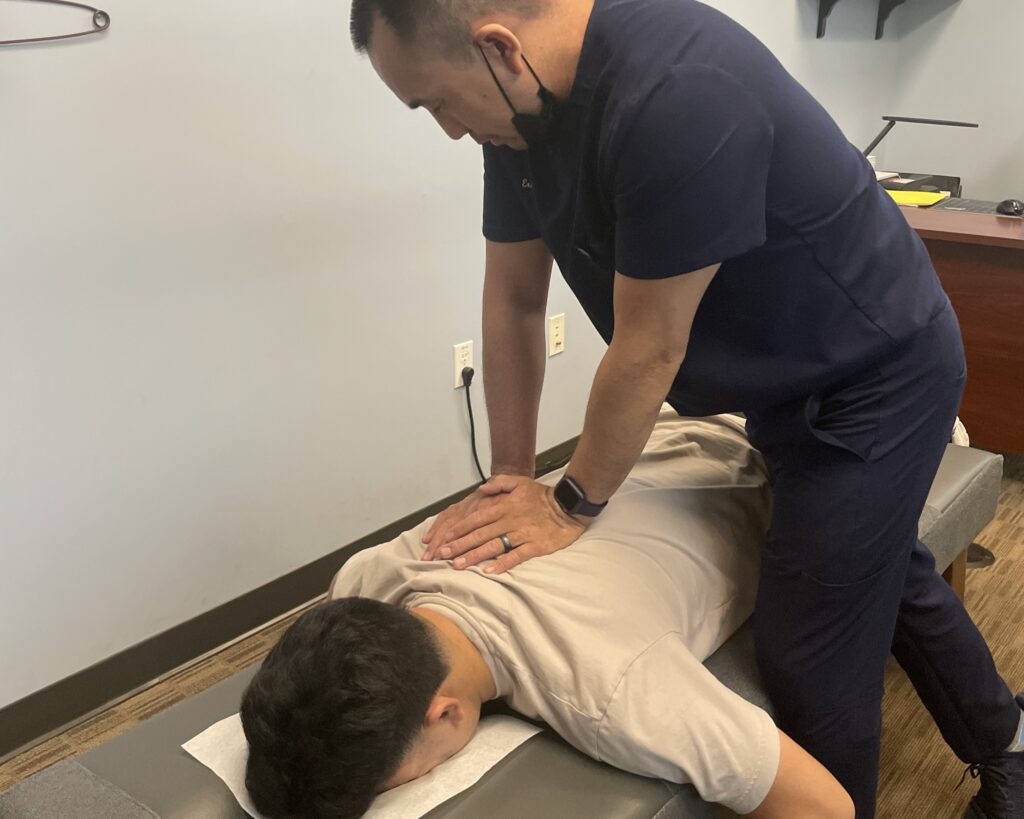
If you’ve ever faced the debilitating pain of cluster headaches, you understand how they can disrupt your daily life. These headaches are more than just an annoyance; they can leave you searching for effective ways to find relief. One of the most promising approaches to managing cluster headaches is through chiropractic care, which focuses on natural healing and overall wellness.
Chiropractic care addresses the underlying issues that can contribute to headaches by ensuring that your spine and nervous system are functioning optimally. Misalignments in the spine can lead to tension and stress in the body, potentially triggering headaches. By visiting a chiropractor, you can receive gentle adjustments that help restore balance and alignment, which may reduce the frequency and intensity of your headaches.
In addition to chiropractic adjustments, here are some general tips for managing cluster headaches naturally:
- Stay Hydrated: Dehydration can exacerbate headaches, so make sure to drink plenty of water throughout the day.
- Manage Stress: Stress can be a significant trigger for headaches. Incorporating relaxation techniques like deep breathing, meditation, or yoga can help reduce stress levels.
- Maintain a Healthy Diet: Eating a balanced diet rich in fruits, vegetables, whole grains, and lean proteins can support overall health and potentially reduce headache occurrences.
- Regular Exercise: Engaging in regular physical activity can improve circulation, reduce stress, and promote overall wellness, which may help alleviate headache symptoms.
- Sleep Well: Establishing a consistent sleep schedule and creating a restful sleep environment can improve the quality of your sleep, which is essential for headache prevention.
By exploring chiropractic care and implementing these healthy lifestyle practices, you can take significant steps toward managing cluster headaches naturally. Embrace the journey to better health and wellness, and remember that relief is possible without relying on medications or invasive procedures. Your body has the power to heal – let chiropractic care guide you on this path!
Key Takeaways
Cluster headaches are known for their intense, one-sided pain that can disrupt your sleep and daily activities. These headaches often come in predictable cycles, making them particularly disruptive. Understanding the biological mechanisms behind them can be complex, but they involve the hypothalamus, neurochemical imbalances, and even genetic factors that can affect how often and how severely these headaches occur.
As a chiropractor, I want to emphasize the importance of natural management strategies for cluster headaches. One of the most beneficial approaches is chiropractic care, which focuses on the alignment of your spine and overall nervous system function. Proper spinal alignment can improve your body’s ability to heal itself and may help reduce the frequency and severity of headaches.
In addition to chiropractic adjustments, there are several other natural strategies you can incorporate into your routine. Staying well-hydrated is crucial, as dehydration can be a common trigger for headaches. Stress-reduction techniques like mindfulness or yoga can also be beneficial, as stress is a known trigger for many individuals. Making dietary adjustments to identify and minimize potential food triggers can play a significant role in managing headaches as well.
Common triggers to be mindful of include alcohol consumption, irregular sleep patterns, and certain foods. By avoiding these triggers, you can help reduce the chances of experiencing a cluster headache.
Lastly, connecting with support networks and educational resources can provide valuable information and encouragement. Sharing experiences with others who understand what you’re going through can make a significant difference in your journey toward wellness.
Remember, chiropractic care offers a natural, non-invasive approach to managing pain and achieving optimal health. By focusing on your spine and overall well-being, you can take proactive steps toward a healthier, headache-free life.
Understanding Cluster Headaches: Symptoms and Characteristics
Cluster headaches are known to be one of the most intense types of headaches, often striking suddenly and bringing extreme discomfort. You might feel a sharp, burning sensation centered around one eye or on one side of your head. These attacks can last from 15 minutes to three hours and often come in clusters over a period of weeks or months. During an episode, you may find it difficult to relax or sit still.
In addition to the pain, other symptoms can include watering eyes, nasal congestion, or drooping eyelids on the affected side. Many people notice that these headaches occur at the same time each day, frequently during the night, which can disrupt your sleep and overall wellness. While cluster headaches can be debilitating, understanding their characteristics can help you recognize when you’re experiencing one.
As a chiropractor, I want to emphasize the importance of addressing these painful episodes through natural healing approaches. Chiropractic care focuses on aligning the spine and improving overall body function, which can play a crucial role in managing headache symptoms. Regular chiropractic adjustments may help reduce the frequency and intensity of headaches by promoting proper nervous system function and improving blood flow.
In addition to chiropractic care, here are some general tips for managing cluster headaches:
- Stay Hydrated: Dehydration can exacerbate headache symptoms, so ensure you’re drinking enough water throughout the day.
- Maintain a Consistent Sleep Schedule: Try to go to bed and wake up at the same time each day to regulate your body’s internal clock.
- Manage Stress: Engage in relaxation techniques such as deep breathing, yoga, or meditation to help reduce tension in your body.
- Identify Triggers: Keep a headache diary to track any potential triggers such as specific foods, beverages, or environmental factors that may contribute to your headaches.
- Consider Dietary Adjustments: Eating a balanced diet rich in whole foods may support your overall health and help minimize headache occurrences.
The Science Behind Cluster Headaches: Causes and Triggers
When it comes to cluster headaches, understanding the biological factors involved is crucial for finding relief. You might be surprised to learn about the common triggers and genetic connections that can influence these painful episodes.
As a chiropractor, I want to emphasize that your spine and overall health play a significant role in managing pain, including headaches.
Cluster headaches can be linked to various triggers such as stress, certain foods, or changes in sleep patterns. Recognizing these triggers is the first step toward managing your symptoms. Additionally, genetics can play a part in how susceptible you’re to these headaches, but there are natural ways to help alleviate the pain.
Chiropractic care focuses on aligning the spine and improving overall wellness, which can be beneficial for headache sufferers. Regular chiropractic adjustments can help reduce tension in the neck and upper back, which may contribute to headache pain. By maintaining proper spinal alignment, you support your nervous system, allowing your body to function optimally and potentially reducing the frequency and intensity of cluster headaches.
Here are some general tips to manage cluster headaches and promote a healthier lifestyle:
- Stay Hydrated: Dehydration can trigger headaches, so drink plenty of water throughout the day.
- Practice Stress Management: Techniques like deep breathing, meditation, or yoga can help reduce stress, a common trigger for headaches.
- Maintain a Regular Sleep Schedule: Aim for consistent sleep patterns to help stabilize your body’s natural rhythms.
- Consider Chiropractic Care: Regular visits to a chiropractor can help keep your spine aligned, reducing tension that may contribute to headaches.
- Keep a Headache Diary: Tracking your headaches and potential triggers can help you identify patterns and avoid what may cause your pain.
By focusing on natural wellness and the benefits of chiropractic care, you can take proactive steps toward managing cluster headaches and improving your overall health.
Biological Mechanisms Involved
While the exact cause of cluster headaches is still not fully understood, there are several biological mechanisms that can trigger these intense episodes. One important factor involves the hypothalamus, a small region in the brain that plays a key role in regulating various bodily functions, including sleep and our body’s internal clock.
When the hypothalamus isn’t functioning properly, it can lead to an abnormal release of neurochemicals like histamine and serotonin, which can affect how we perceive pain. Additionally, changes in blood flow and inflammation in the brain may increase the severity of the pain, and some people may have a genetic predisposition that makes them more likely to experience these headaches.
As a chiropractor, I want you to know that understanding these mechanisms is crucial for developing effective strategies for relief. Here are some general tips to help manage headaches naturally:
- Stay Hydrated: Dehydration can exacerbate headaches, so make sure you’re drinking plenty of water throughout the day.
- Regular Chiropractic Care: Regular visits to a chiropractor can help align your spine and relieve tension, which may reduce the frequency and intensity of headaches.
- Manage Stress: Stress can be a significant trigger for headaches, so incorporating relaxation techniques like deep breathing, meditation, or yoga can be beneficial.
- Maintain a Healthy Sleep Schedule: Prioritizing good sleep hygiene and sticking to a consistent sleep schedule may help regulate your body’s internal clock.
- Nutrition Matters: Eating a balanced diet rich in fruits, vegetables, and whole grains can support overall health and may help in managing headache symptoms.
Common Triggers Identified
Understanding common triggers is vital for anyone experiencing cluster headaches, as these triggers can vary widely from person to person. Some of the most commonly reported triggers include alcohol consumption, particularly red wine, and smoking. It’s important to pay attention to your lifestyle choices, as they can have a significant impact on your health and well-being.
Changes in sleep patterns, such as not getting enough rest or having irregular sleep schedules, can also be a catalyst for headaches. Prioritizing a consistent sleep routine can greatly improve your overall health and potentially reduce the frequency of headache episodes. Additionally, certain foods—especially aged cheeses and processed meats—may contribute to triggering headaches, so being mindful of your diet is crucial.
Environmental factors like exposure to strong odors, bright lights, or extreme temperatures may also provoke an attack. It’s helpful to create a calming environment that minimizes these triggers. Stress and emotional fluctuations can play a significant role too, so incorporating relaxation techniques such as deep breathing, meditation, or gentle stretching may help in managing stress levels.
As a chiropractor, I encourage you to keep a headache diary. Documenting your headaches will help you identify your specific triggers and patterns, leading to better management of your condition. Chiropractic care can also play an essential role in promoting natural healing and optimal health. Regular adjustments can help alleviate tension in the spine, improve blood flow, and support your nervous system, all of which can contribute to reducing headache frequency and severity.
Genetic Factors Impacting Occurrence
Cluster headaches aren’t only influenced by lifestyle choices and environmental factors; genetic factors also play a significant role in their occurrence. If you have a family history of cluster headaches, you might be more likely to experience them yourself. Research indicates that certain genes linked to neurotransmitter regulation could make some individuals more susceptible to this painful condition. Variations in genes that affect serotonin and other neuropeptides may influence how your body responds to pain and triggers.
While understanding these genetic components can be crucial, it’s also essential to know there are proactive steps you can take to manage your headaches naturally. Chiropractic care can be an excellent option to help alleviate pain and reduce the frequency of headaches. By focusing on spinal health and ensuring that your nervous system is functioning optimally, chiropractors can help your body better cope with pain.
In addition to chiropractic adjustments, consider incorporating these general tips into your routine for better health and wellness:
- Stay Hydrated: Drinking plenty of water can help keep your body functioning properly and may reduce headache triggers.
- Maintain a Healthy Diet: Eating a balanced diet rich in fruits, vegetables, and whole grains can support overall health and may minimize headache occurrences.
- Manage Stress: Engage in relaxation techniques like yoga, meditation, or deep breathing, which can help reduce stress and tension.
- Regular Exercise: Incorporating regular physical activity can improve your overall well-being and help manage pain.
- Get Enough Sleep: Prioritize good sleep hygiene to ensure you’re getting enough restorative sleep, as poor sleep can trigger headaches.
By recognizing hereditary aspects of your health and integrating these natural strategies, you can take proactive steps toward managing your condition.
Working with a chiropractor can further enhance your journey toward optimal health and well-being, helping you feel your best every day.
Diagnosing Cluster Headaches: Methods and Challenges
When it comes to diagnosing cluster headaches, recognizing specific symptoms and patterns is essential. As a chiropractor, I can tell you that understanding these signs is crucial for effective pain relief and overall wellness.
While healthcare providers may use various diagnostic tools, it’s important to remember that chiropractic care can play a significant role in managing headaches and improving your quality of life.
Chiropractic adjustments focus on aligning the spine and relieving tension in the nervous system, which can help reduce the frequency and intensity of headache symptoms. Many patients find that regular chiropractic care not only alleviates their pain but also enhances their overall wellness.
In addition to seeking chiropractic care, there are simple tips you can incorporate into your daily routine to support your health and well-being:
- Stay Hydrated: Drinking enough water can help prevent dehydration, which is a common trigger for headaches.
- Manage Stress: Incorporating relaxation techniques such as deep breathing, meditation, or yoga can significantly reduce tension in your body.
- Maintain Good Posture: Being mindful of your posture, especially when sitting for long periods, can help prevent headaches caused by muscle strain.
- Regular Exercise: Engaging in regular physical activity can improve your overall health and reduce stress, both of which are beneficial for headache management.
- Adequate Sleep: Prioritizing quality sleep can help prevent headaches and improve your overall well-being.
Symptoms and Patterns
Understanding the symptoms and patterns of cluster headaches is crucial for finding effective relief and managing your overall well-being. These headaches can strike suddenly, presenting with excruciating pain, often focused around one eye. You may also notice additional symptoms such as nasal congestion or watery eyes during an episode. By recognizing the cyclical nature of these headaches, you can better anticipate your attacks, which typically occur in clusters over weeks or months.
Chiropractic care can play a significant role in managing the discomfort associated with cluster headaches. Through spinal adjustments and holistic treatments, chiropractic can help alleviate tension and promote better overall health.
Here’s a table to illustrate some common symptoms and their emotional impacts:
| Symptom | Emotional Impact |
|---|---|
| Intense pain | Overwhelming despair |
| Nasal congestion | Frustration and anxiety |
| Restlessness | Helplessness and fear |
To empower yourself in managing cluster headaches naturally, consider the following tips:
- Stay Hydrated: Dehydration can exacerbate headaches, so drink plenty of water throughout the day.
- Maintain a Regular Sleep Schedule: Establishing consistent sleep patterns can help reduce the frequency of attacks.
- Practice Relaxation Techniques: Techniques like deep breathing, meditation, or yoga can help manage stress, which may trigger headaches.
- Incorporate Regular Chiropractic Visits: Regular adjustments can help align your spine and relieve tension, potentially decreasing the frequency and intensity of headaches.
Diagnostic Tools Used
Identifying cluster headaches can be quite challenging due to their unique characteristics and the need for precise diagnosis. However, understanding your body and its signals is essential for managing pain effectively. Here are some natural strategies and insights that can help in recognizing and addressing cluster headaches:
- Patient History: Pay attention to your headache patterns and possible triggers. Keeping a record of when headaches occur can provide valuable insights about your health.
- Physical Examination: Regular check-ups with a chiropractor can help evaluate your overall neurological function. Chiropractors focus on spinal health, which plays a significant role in how your body processes pain.
- Headache Diaries: Keeping a headache diary is a great way to track headache frequency, duration, and severity. This information can be beneficial for understanding your condition and discussing it with your chiropractor.
- Natural Imaging Alternatives: While imaging tests like MRIs or CT scans are often used to rule out other causes of headaches, regular chiropractic adjustments can help improve your overall well-being and may reduce the need for such tests.
- Chiropractic Diagnostic Criteria: Chiropractors can utilize various assessments to ensure that the underlying causes of your headaches are addressed naturally, focusing on spinal alignment and nervous system health.
These strategies can collectively aid in understanding and managing cluster headaches. By choosing chiropractic care, you’re opting for a natural approach that supports your body’s ability to heal itself, promoting overall wellness and pain relief.
Remember, effective communication with your chiropractor is key to achieving optimal health. Always feel free to share your concerns and experiences to tailor your care to your needs.
Additionally, practicing relaxation techniques, maintaining good hydration, and managing stress can greatly contribute to reducing the frequency and severity of headaches. Make these small lifestyle changes for a healthier, pain-free life!
Treatment Options: Medications and Therapies
Although cluster headaches can be incredibly painful and disruptive, there are natural and holistic options available that can help manage the pain and improve your overall well-being. As a chiropractor, I believe in the power of the body’s natural healing abilities and the importance of addressing underlying issues that may be contributing to your headaches.
One effective approach is to consider chiropractic care, which focuses on spinal health and alignment. Misalignments in the spine can contribute to tension and discomfort, potentially triggering headaches. Regular chiropractic adjustments can help restore proper alignment, reduce tension in the body, and promote better overall health.
In addition to chiropractic care, there are several natural strategies you can incorporate into your daily routine to help manage cluster headaches. Staying hydrated is crucial; dehydration can worsen headache symptoms, so be sure to drink plenty of water throughout the day. Proper nutrition also plays a vital role—consider incorporating more whole foods, fruits, and vegetables into your diet to support your body’s natural defenses.
Practicing relaxation techniques such as deep breathing, meditation, or gentle yoga can help alleviate stress, which may trigger headaches. You might also benefit from applying heat or cold packs to soothe discomfort during an attack.
Another natural avenue is to explore herbal supplements like magnesium and melatonin, which can assist in headache prevention. However, it’s always a good idea to consult with a healthcare professional before starting any new supplement.
Remember, managing cluster headaches may take time and patience, but with the right combination of chiropractic care and natural lifestyle adjustments, you can work towards finding relief and improving your quality of life.
Always prioritize working closely with your chiropractor to develop a personalized plan that suits your unique needs. Together, we can help you on your journey to optimal health and wellness!
Lifestyle Modifications: Managing Triggers and Pain
Managing cluster headaches can be a challenging journey, but with the right lifestyle modifications, you can greatly improve your well-being and reduce the frequency and intensity of your attacks.
As a chiropractor, I believe in a holistic approach to health that emphasizes natural healing and balanced living. Here are some effective strategies to help you manage your cluster headaches while promoting overall wellness:
- Avoid Alcohol: Alcohol can be a significant trigger during cluster periods. By steering clear of it, you may reduce the likelihood of an attack.
- Establish a Routine: Keeping consistent sleep patterns and regular meal times helps your body maintain balance, which can minimize unpredictability in headaches.
- Stay Hydrated: Dehydration can worsen headaches, so make it a habit to drink plenty of water throughout the day. Proper hydration supports your body’s natural functions, including spinal health.
- Manage Stress: Stress can contribute to tension and headaches. Incorporate relaxation techniques like meditation, yoga, or even gentle stretching to alleviate tension and promote a sense of calm.
- Limit Caffeine: While caffeine can help alleviate headaches for some, it can also serve as a trigger for others. Pay attention to how your body responds and adjust accordingly.
In addition to these lifestyle modifications, consider incorporating chiropractic care into your wellness routine.
Chiropractic adjustments can help improve spinal alignment, enhance nervous system function, and promote overall healing. By addressing underlying issues that may contribute to your headaches, chiropractic care can offer a natural and effective path to relief.
Taking control of your cluster headaches starts with small, manageable changes. Empower yourself to live a healthier life by integrating these strategies and exploring the benefits of chiropractic care.
Your journey to optimal health is within reach!
Support and Resources: Finding Help for Cluster Headaches
Have you ever felt overwhelmed by the challenges of dealing with cluster headaches? You’re not alone. Finding support and resources can truly make a difference in your journey towards pain relief and overall wellness. While navigating these headaches, it’s essential to consider holistic approaches, including chiropractic care, which emphasizes natural healing and optimal health.
Here’s a quick guide to some helpful resources that align with a wellness-focused lifestyle:
| Type of Resource | Description | Example Links |
|---|---|---|
| Support Groups | Connect with others who understand your experience | [Cluster Busters](http://www.clusterbusters.com) |
| Chiropractic Care | Seek out a qualified chiropractor specializing in headache management | [Find a Chiropractor](https://www.chiropractic.org) |
| Educational Material | Discover natural treatments and lifestyle tips for coping | [National Headache Foundation](https://headaches.org) |
Chiropractic care can be a powerful ally in managing headaches, as it focuses on spinal health and overall body alignment, which can contribute to pain relief. Regular adjustments may help reduce the frequency and intensity of cluster headaches by improving nervous system function and promoting relaxation.
In addition to seeking support, consider incorporating some simple wellness tips into your daily routine:
- Stay Hydrated: Drink plenty of water to help reduce headache triggers.
- Maintain a Healthy Diet: Focus on whole foods, including fruits, vegetables, and lean proteins, which can support overall health.
- Practice Stress Management: Engage in relaxation techniques such as deep breathing, meditation, or yoga to help manage stress levels.
- Regular Exercise: Gentle physical activity can improve circulation and reduce tension in the body.
Don’t hesitate to reach out for help. Engaging with these resources and considering chiropractic care can empower you and provide the support you need to navigate your journey with cluster headaches. Remember, your path to wellness is important, and there are options available to help you thrive naturally.
Conclusion
In summary, understanding cluster headaches and their underlying mechanisms can empower you to take control of your condition naturally. Chiropractic care can play a significant role in managing the pain associated with these headaches. By aligning your spine and improving your overall health, chiropractic adjustments can help reduce the frequency and intensity of cluster headaches.
In addition to chiropractic care, exploring lifestyle modifications is essential. Simple changes like maintaining a regular sleep schedule, staying hydrated, and managing stress through relaxation techniques can make a big difference. Paying attention to your body and identifying potential triggers, such as certain foods or environmental factors, can also help you manage your symptoms effectively.
Don’t hesitate to seek support and resources; you’re not alone in this journey. Consider connecting with a chiropractor who understands your needs and can guide you through personalized care. With the right approach, including natural healing methods and chiropractic adjustments, you can find relief and improve your quality of life. Remember, hope is always on the horizon, and optimal health is within reach!