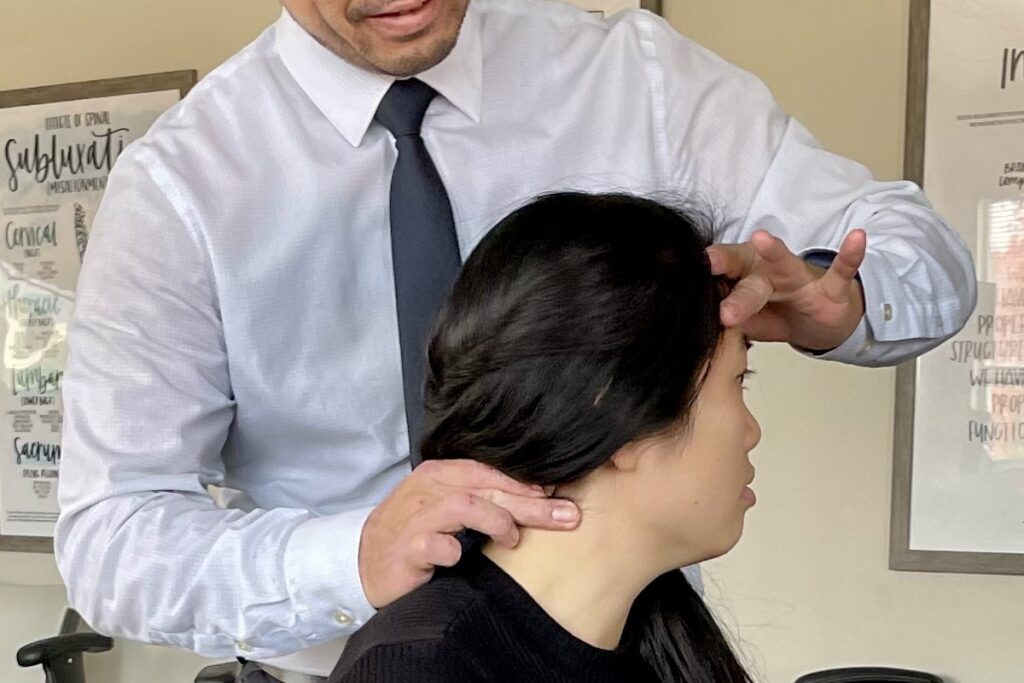
When it comes to managing tension headaches, chiropractic care stands out as a natural and effective solution. Unlike over-the-counter medications, which may offer temporary relief but come with side effects, chiropractic adjustments focus on addressing the root causes of pain by promoting proper spinal alignment and overall wellness.
As a chiropractor, I often see how tight muscles and misalignments in the spine can contribute to tension headaches. By utilizing gentle spinal manipulation and soft tissue techniques, we can relieve stress on the nervous system and improve blood flow, helping to alleviate headache symptoms naturally.
In addition to chiropractic adjustments, there are several lifestyle changes you can adopt to enhance your well-being and reduce the frequency of tension headaches. Here are some helpful tips:
- Stay Hydrated: Dehydration can lead to headaches, so make sure to drink plenty of water throughout the day.
- Practice Good Posture: Poor posture, especially when sitting for long periods, can strain your neck and shoulders. Focus on keeping your spine straight and your shoulders relaxed.
- Incorporate Regular Exercise: Physical activity helps relieve stress and tension, which can prevent headaches. Aim for at least 30 minutes of moderate exercise most days of the week.
- Manage Stress: Techniques such as deep breathing, meditation, or yoga can help reduce stress levels, which may contribute to headache onset.
- Get Enough Sleep: Prioritize restful sleep by maintaining a consistent sleep schedule and creating a calming bedtime routine.
By focusing on these natural approaches and incorporating chiropractic care into your routine, you can achieve optimal health and find lasting relief from tension headaches. Remember, your spine plays a crucial role in your overall well-being, and keeping it healthy is key to preventing pain and promoting a higher quality of life.
Key Takeaways
Chiropractic care is a powerful approach to managing tension headaches, focusing on spinal alignment to help reduce the frequency and intensity of headaches. Through techniques like spinal manipulation and soft tissue therapy, we can help restore balance to your body, allowing it to heal naturally.
Incorporating yoga and mindfulness practices into your routine can further enhance your well-being. These practices promote relaxation and relieve muscle tension, making them excellent companions to chiropractic treatments. They can help you feel more centered and reduce the stress that often triggers headaches.
Breath control techniques, such as diaphragmatic breathing and the 4-7-8 method, are simple yet effective strategies for managing tension headaches. By calming your body and mind through focused breathing, you can alleviate some of the tightness and discomfort associated with headaches.
Alternative methods like acupuncture and acupressure can also be beneficial for headache relief. Acupuncture uses fine needles, while acupressure applies gentle finger pressure to specific points on the body, helping to ease discomfort and promote relaxation.
In addition to these therapies, maintaining good posture, staying hydrated, and enjoying a balanced diet are vital lifestyle strategies. These habits can significantly reduce the frequency of tension headaches and support your overall health.
Remember, chiropractic care is a natural and effective way to achieve optimal health. By focusing on spinal health and integrating healthy lifestyle choices, you can take proactive steps toward a headache-free life. If you’re struggling with tension headaches, consider visiting a chiropractor to explore how this holistic approach can benefit you.
Understanding Tension Headaches
Tension headaches are among the most common types of headaches, and many people may not even realize they’re experiencing them. They often feel like a tight band around your head, leading to mild to moderate pain that can linger from 30 minutes to several days. Common triggers include stress, poor posture, and muscle tension. By recognizing the symptoms early, you can take proactive steps to manage them.
Typically, tension headaches present as a dull ache that may worsen with daily activities or extended screen time. Understanding what causes these headaches can empower you to take control of your health. Factors such as fatigue, emotional stress, dehydration, and lack of sleep can intensify the discomfort.
At our chiropractic practice, we believe that addressing the root causes of tension headaches is key to finding relief. Through chiropractic care, we can help alleviate muscle tension and improve your posture, both of which can significantly reduce headache frequency and intensity. Regular chiropractic adjustments can also support your overall spinal health, enhancing your body’s natural ability to heal itself.
Here are a few tips to help you manage tension headaches naturally:
- Practice Good Posture: Be mindful of how you sit and stand. Use ergonomic furniture if you spend long hours at a desk to maintain a neutral spine position.
- Stay Hydrated: Make sure to drink plenty of water throughout the day, as dehydration can worsen headaches.
- Manage Stress: Incorporate relaxation techniques such as deep breathing, meditation, or yoga into your daily routine to keep stress at bay.
- Get Enough Sleep: Aim for a consistent sleep schedule to ensure you’re well-rested, which can help prevent tension headaches.
- Regular Chiropractic Visits: Consider regular chiropractic adjustments to help keep your spine aligned and reduce muscle tension.
By focusing on these natural approaches to health and well-being, you can take significant steps toward alleviating tension headaches and achieving optimal health.
Over-the-Counter Medications
When tension headaches strike, it’s important to explore natural and holistic approaches to find relief. While many people may reach for over-the-counter medications as their first line of defense, I encourage you to consider chiropractic care as a more effective solution for managing pain and promoting overall wellness.
Chiropractic adjustments focus on aligning the spine and improving nervous system function, which can help alleviate the tension that contributes to headaches. Here’s how chiropractic care can support you:
- Spinal Alignment – Misalignments in the spine can lead to tension and pain. A chiropractor can help restore proper alignment, reducing headache frequency and intensity.
- Muscle Relaxation – Chiropractic adjustments can relieve muscle tension in the neck and shoulders, which often contributes to tension headaches.
- Stress Management – Regular chiropractic care can help reduce stress levels, which is a common trigger for tension headaches. Techniques such as spinal manipulation and soft tissue therapy promote relaxation.
- Holistic Approach – Chiropractors emphasize a whole-body approach to health. They can provide guidance on lifestyle changes, such as posture improvement, ergonomic adjustments, and stress-reduction techniques, which can all contribute to reducing headache occurrences.
- Exercise and Stretching – Incorporating gentle exercises and stretches into your routine can strengthen the muscles that support your spine and prevent tension build-up.
In addition to chiropractic care, here are a few tips you can implement at home to help manage tension headaches:
- Stay Hydrated – Dehydration can lead to headaches, so be sure to drink plenty of water throughout the day.
- Practice Good Posture – Pay attention to your posture while sitting, working, or using your phone. Keeping your spine aligned can reduce strain on your neck and back.
- Take Breaks – If you work at a desk, remember to take regular breaks to stretch and move around to prevent muscle tension.
- Manage Stress – Consider incorporating relaxation techniques like deep breathing, meditation, or yoga into your daily routine to reduce stress levels.
Prescription Medications
If you’re dealing with frequent tension headaches and finding that over-the-counter options aren’t cutting it, it’s important to explore natural methods that can help relieve your discomfort.
As a chiropractor, I believe that addressing the root causes of headaches through spinal care and holistic wellness can lead to effective relief.
Consider these natural approaches to managing tension headaches:
- Chiropractic Adjustments: Regular chiropractic adjustments can help align your spine and relieve pressure on nerves that may be contributing to your headaches. By improving spinal function, you may experience fewer headaches and reduced severity.
- Muscle Relaxation Techniques: Incorporating gentle stretching and relaxation exercises can help alleviate muscle tension that often contributes to headaches. Techniques such as yoga, deep breathing, and meditation can promote relaxation and reduce stress levels.
- Hydration and Nutrition: Staying well-hydrated and maintaining a balanced diet can play a crucial role in preventing headaches. Ensure you’re drinking plenty of water and consuming nutrient-rich foods to support your overall health.
- Ergonomics and Posture: Pay attention to your posture, especially if you spend long hours at a desk. Adjusting your workspace to promote good posture can lessen strain on your neck and shoulders, reducing the likelihood of tension headaches.
- Stress Management: Finding healthy ways to manage stress, such as engaging in hobbies, spending time outdoors, or practicing mindfulness, can contribute to fewer headaches.
Always consult a healthcare professional if you’re unsure about your symptoms, but consider giving chiropractic care a try as a natural, effective way to support your body’s healing process.
Physical Therapy
Chiropractic care can be an exceptional approach for managing tension headaches, particularly when paired with other natural wellness strategies. By concentrating on spinal alignment, muscle relaxation, and stress management, chiropractors can help you effectively alleviate headache symptoms.
Here are some techniques you might experience during your chiropractic sessions:
- Spinal Manipulation: Gentle adjustments can relieve tension in the neck and upper back, promoting better blood flow and reducing headache frequency.
- Targeted Exercises: Specific exercises designed to strengthen your neck and shoulder muscles can help prevent tension from building up and support overall spinal health.
- Postural Awareness: Learning proper posture techniques can significantly alleviate strain on your neck and upper back, which is crucial for preventing headaches.
- Lifestyle Education: Understanding ergonomic practices and stress management techniques empowers you to take control of your symptoms and enhance your overall well-being.
Incorporating chiropractic care into your routine not only addresses headache relief but can also lead to significant improvements in your overall quality of life.
Yoga and Mindfulness Practices
When you incorporate yoga and mindfulness into your wellness routine, you can complement your chiropractic care effectively. Techniques like breath control can be powerful tools in managing tension headaches.
Gentle stretching exercises, which align with the principles of chiropractic care, not only relieve tight muscles but also promote relaxation and improve spinal health.
By integrating these practices with your chiropractic adjustments, you can enhance your overall well-being and potentially reduce the frequency of headaches. Remember, a well-aligned spine supports better nerve function, which is essential for optimal health.
If you’re looking for ways to ease tension naturally, consider these simple tips:
- Practice Deep Breathing: Take a few minutes each day to focus on your breath. Inhale deeply through your nose, hold for a moment, and exhale slowly through your mouth. This can help reduce stress and tension.
- Incorporate Gentle Stretching: Simple neck and shoulder stretches can relieve muscle tightness that contributes to headaches.
- Stay Hydrated: Dehydration can lead to headaches, so make sure you’re drinking enough water throughout the day.
- Maintain Good Posture: Be mindful of your posture while sitting, standing, or using your phone. Good alignment can prevent unnecessary strain on your spine and neck.
- Regular Chiropractic Visits: Regular adjustments can help maintain spinal alignment, reduce muscle tension, and promote overall health.
By focusing on these natural approaches, you can support your body’s healing process and enjoy a healthier, pain-free life without the need for medications or invasive procedures.
Embrace the holistic benefits of chiropractic care combined with mindfulness and yoga for optimal health!
Breath Control Techniques
Tension headaches can be quite debilitating, but incorporating breath control techniques can provide significant relief and support your overall health. As a chiropractor, I believe that maintaining a healthy spine and practicing mindfulness are essential for achieving optimal wellness.
By focusing on your breath, you can calm your mind, reduce tension, and enhance your overall well-being. Here are four effective breath control techniques you can easily integrate into your daily routine:
- Diaphragmatic Breathing: Sit or lie comfortably and inhale deeply through your nose, allowing your abdomen to expand. This technique encourages oxygen flow and promotes relaxation. Exhale slowly through your mouth, letting go of tension.
- 4-7-8 Method: Inhale quietly through your nose for a count of 4 seconds, hold your breath for 7 seconds, and then exhale completely through your mouth for 8 seconds. This method helps your body relax and can be a great addition to your wellness routine.
- Box Breathing: Imagine drawing a box with your breath. Inhale for 4 seconds, hold for 4 seconds, exhale for 4 seconds, and pause for another 4 seconds before repeating. This technique helps to center your mind and reduce anxiety.
- Alternate Nostril Breathing: Close one nostril with your finger, inhale deeply through the other nostril, then switch by closing the other nostril and exhaling through the first. This practice balances your energy and calms your nervous system.
Integrating these techniques into your daily life can help reduce the frequency and intensity of tension headaches.
Remember, chiropractic care is also a great option for addressing the underlying issues that may be contributing to your headaches. Regular adjustments can help align your spine, relieve tension, and promote overall health.
Prioritizing your spinal health through chiropractic care, combined with mindful practices like breath control, can be a powerful approach to achieving a pain-free, healthier lifestyle.
Gentle Stretching Exercises
Incorporating gentle stretching exercises, particularly through yoga and mindfulness practices, can play a significant role in alleviating tension headaches. These exercises not only release muscle tightness but also promote relaxation, which is essential for maintaining spinal health. As a chiropractor, I encourage you to dedicate just a few minutes each day to stretching, as it can greatly enhance your overall well-being and complement your chiropractic care routine.
Here’s a quick reference table to guide you through some effective gentle stretching exercises that can support your journey towards optimal health:
| Stretching Exercise | Benefits |
|---|---|
| Neck Rolls | Relieves neck tension, promoting a healthier spine |
| Shoulder Shrugs | Releases shoulder tightness, improving posture |
| Cat-Cow Pose | Enhances spinal flexibility and alignment |
| Child’s Pose | Encourages relaxation and stress relief |
| Forward Bend | Calms the mind and body, aiding in overall wellness |
In addition to these stretches, remember that regular chiropractic adjustments can help maintain spinal alignment, reduce tension, and support your body’s natural healing processes. By combining stretching with chiropractic care, you can achieve more effective pain relief and foster a healthier lifestyle. Always listen to your body and consult with your chiropractor about the best practices tailored to your specific needs.
Acupuncture and Acupressure
When it comes to treating tension headaches, many people seek relief through various methods, including acupuncture and acupressure. While these techniques can provide some benefits, as a chiropractor, I believe that chiropractic care is the most effective and natural way to address the root causes of headaches and promote overall wellness.
Chiropractic care focuses on the health of your spine and nervous system, which play a crucial role in how your body functions. By ensuring that your spine is properly aligned, we can alleviate tension and pressure that may be contributing to your headaches. This gentle, hands-on approach not only helps relieve pain but also supports your body’s natural healing abilities.
In addition to regular chiropractic adjustments, there are simple tips you can incorporate into your daily routine to help manage tension headaches:
- Stay Hydrated: Dehydration can lead to headaches, so be sure to drink plenty of water throughout the day.
- Practice Good Posture: Poor posture can strain your neck and shoulders, leading to tension headaches. Be mindful of your posture, especially when sitting for long periods.
- Take Breaks: If you work at a desk, make it a habit to take short breaks to stretch and move around. This can help relieve muscle tension and reduce headache triggers.
- Manage Stress: Stress is a common contributor to tension headaches. Consider incorporating relaxation techniques such as deep breathing, meditation, or yoga into your routine.
- Get Enough Sleep: A consistent sleep schedule and adequate rest are essential for overall health and can help prevent headaches.
While acupuncture and acupressure may offer some temporary relief, chiropractic care provides a comprehensive approach to addressing the underlying issues that lead to tension headaches.
Treatment Techniques Comparison
When dealing with tension headaches, many people consider various natural remedies, including acupuncture and acupressure. While both techniques aim to alleviate discomfort, they differ in methods and personal comfort. As a chiropractor, I believe in the power of natural healing and want to help you understand your options for relief. Here’s a straightforward comparison to help you make an informed choice:
- Technique: Acupuncture involves the insertion of fine needles at specific points on the body. This can be effective, but if you’re uncomfortable with needles, acupressure might be more suitable. Acupressure uses gentle finger pressure on the same points, making it a more approachable option for many.
- Comfort Level: If the thought of needles makes you uneasy, acupressure is a great alternative. It allows you to apply pressure in a way that feels good to you, which can be very helpful for relieving tension without the anxiety that might come with acupuncture.
- Duration: Acupuncture sessions usually take longer, while acupressure can be performed quickly at home, making it an ideal option for immediate relief during a busy day. You can easily incorporate it into your routine as a way to manage stress and tension.
- Accessibility: One of the best things about acupressure is that you can do it yourself! With some simple techniques, you can provide relief to yourself without needing to schedule an appointment. This empowers you to take control of your wellness journey.
Remember, while exploring different methods for headache relief, it’s essential to consider chiropractic care as a holistic approach to health. Chiropractic adjustments can help realign the spine, reduce muscle tension, and improve overall body function, which may lead to fewer headaches in the long run.
For those seeking a natural path to wellness, don’t hesitate to try chiropractic care alongside these techniques. It’s all about finding what works best for you and embracing a healthier lifestyle.
If you have any questions about how chiropractic care can help with tension headaches or overall wellness, feel free to reach out!
Effectiveness and Safety
While acupuncture and acupressure are often discussed for their potential to relieve tension headaches, I’d like to emphasize that chiropractic care stands out as a top choice for achieving optimal health and pain relief. Chiropractic adjustments focus on aligning the spine and improving overall body function, which can significantly reduce headache frequency and intensity.
Acupuncture involves inserting thin needles into specific points on the body, and while some people find this helpful, it may not be suitable for everyone. On the other hand, acupressure uses finger pressure on these points and is less invasive, but it can still vary in effectiveness depending on individual circumstances.
As a chiropractor, I encourage you to consider the benefits of spinal adjustments. Not only can they help alleviate headaches, but they also promote better overall wellness by ensuring your nervous system functions at its best.
It’s essential to listen to your body and be aware of any underlying health issues that may affect your treatment choices. Before trying any new techniques for headache relief, including acupuncture or acupressure, I recommend consulting with a healthcare professional.
However, keep in mind that chiropractic care offers a safe and effective approach to managing headaches naturally. Additionally, here are a few general tips for headache relief that you can incorporate into your daily routine:
- Stay hydrated: Drinking plenty of water can help prevent dehydration-related headaches.
- Maintain good posture: Pay attention to your posture while sitting or standing to avoid unnecessary tension in your neck and shoulders.
- Practice relaxation techniques: Stress management through deep breathing, meditation, or yoga can help reduce headache triggers.
- Get regular exercise: Physical activity promotes blood flow and can help reduce the frequency of headaches.
- Ensure adequate sleep: Aim for a consistent sleep schedule to help your body recover and minimize headaches.
Heat and Cold Therapy
Many individuals experience relief from tension headaches through the natural methods of heat and cold therapy. These techniques aren’t only simple but also effective, and you can easily incorporate them into your daily routine at home.
While these methods can provide temporary relief, remember that chiropractic care addresses the root cause of headaches for long-lasting wellness. Here’s how you can use heat and cold therapy for some immediate comfort:
- Warm compress: Applying a warm towel or heating pad to your neck and shoulders can help relax tight muscles. This can be especially beneficial if your headaches are linked to tension in those areas.
- Cold pack: A cold pack or ice wrapped in a cloth can be placed on your forehead for 15-20 minutes. This helps to numb pain and reduce inflammation, providing a soothing effect.
- Heat bath: Soaking in a warm bath is a wonderful way to ease muscle tension throughout your body. This not only promotes relaxation but can also help support your overall well-being.
- Alternating methods: Switching between heat and cold can enhance relief. Start with cold therapy to reduce swelling, then follow up with heat to promote blood flow and relaxation.
These therapies can be excellent additions to your headache relief toolkit, providing quick and accessible comfort.
However, for a more comprehensive approach, consider scheduling an appointment with a chiropractor. Chiropractic care focuses on correcting spinal alignment and improving overall function, which can lead to more significant and lasting relief from headaches and other discomforts.
Lifestyle Changes and Stress Management
To manage tension headaches effectively, consider incorporating some lifestyle changes that can greatly enhance your overall well-being. Emphasizing healthy sleep habits, engaging in mindfulness practices, and maintaining regular physical activity are all key factors in alleviating stress and tension.
As a chiropractor, I believe that spinal health plays a crucial role in how our bodies respond to stress. Regular chiropractic adjustments can help align your spine, which may reduce tension in your muscles and nerves, ultimately leading to fewer headaches.
In addition to chiropractic care, here are some simple tips you can adopt to support a balanced life:
- Prioritize Sleep: Aim for 7-9 hours of quality sleep each night. Establish a calming bedtime routine to help signal your body that it’s time to wind down.
- Practice Mindfulness: Take a few minutes each day to practice deep breathing or meditation. This can help clear your mind and lower stress levels.
- Stay Active: Incorporate physical activity into your daily routine. Whether it’s a walk, yoga, or any form of exercise you enjoy, movement is vital for both physical and mental health.
- Hydrate: Drink plenty of water throughout the day. Dehydration can contribute to headaches, so make sure to keep your body well-hydrated.
- Posture Awareness: Be mindful of your posture, especially when sitting at a desk or using your phone. Good posture can alleviate strain on your neck and back, reducing headache triggers.
By integrating these practices and prioritizing chiropractic care, you can pave the way to a healthier, headache-free life.
Healthy Sleep Habits
Since quality sleep is essential for your overall well-being, developing healthy sleep habits can significantly help alleviate tension headaches. By prioritizing sleep, you not only allow your body to recover but also help reduce the stress that can contribute to headaches.
As a chiropractor, I believe that proper sleep is crucial for maintaining a healthy spine and overall health. Here are some simple tips to enhance your sleep routine and promote natural healing:
- Stick to a consistent sleep schedule: Try going to bed and waking up at the same time every day. This helps regulate your body’s internal clock, which can improve sleep quality and reduce discomfort.
- Establish a calming bedtime routine: Engage in relaxing activities like reading a book or doing gentle stretches before bed. This can help signal to your body that it’s time to wind down, promoting a more restful sleep.
- Limit screen time before bed: Avoid screens at least an hour before sleep. The blue light emitted by phones, tablets, and computers can interfere with your body’s ability to wind down and may disrupt your sleep quality.
- Create a sleep-friendly environment: Make sure your bedroom is dark, quiet, and cool. This setting can provide the ideal conditions for restorative sleep and can help alleviate any tension in your body.
By incorporating these habits into your daily routine, you can promote better sleep and support your spine’s health naturally, enhancing your overall wellness.
Mindfulness and Meditation
Improving your sleep habits is essential for managing tension headaches, and incorporating mindfulness and meditation can further support your journey to optimal health. These practices encourage you to focus on the present moment, helping to reduce anxiety and promote relaxation, which can be particularly beneficial for those experiencing headaches.
You don’t need to dedicate hours to mindfulness; even a few minutes each day can have a positive impact. Consider beginning with guided meditations or simple breathing exercises to help calm your mind. By becoming more aware of your thoughts and feelings, you may notice a decrease in tension and an overall improvement in your well-being.
Integrating mindfulness and meditation into your routine isn’t just about addressing headaches; it’s about fostering a healthier mindset that can lead to better stress management in all areas of your life.
Remember, chiropractic care is also a powerful tool in achieving natural wellness and pain relief. Regular adjustments can help ensure your spine is aligned, which supports your nervous system and overall health.
In addition to mindfulness practices, here are some general tips for enhancing your well-being:
- Stay Hydrated: Drink plenty of water throughout the day to keep your body functioning optimally.
- Maintain Good Posture: Be mindful of your posture at work and home to reduce strain on your neck and back.
- Regular Exercise: Engage in physical activity that you enjoy; it can help relieve tension and improve your overall health.
- Stretch Daily: Simple stretches can alleviate tension and promote flexibility in your muscles and joints.
By combining mindful practices with the benefits of chiropractic care, you’re taking proactive steps toward a healthier, pain-free life.
Always remember, your well-being is a priority, and natural methods like chiropractic care can help you achieve your health goals.
Regular Physical Activity
Regular physical activity is essential not just for managing tension headaches but also for enhancing your overall well-being. As a chiropractor, I want to emphasize that incorporating exercise into your daily routine can be a natural and effective way to relieve pain and promote wellness without the need for medications or invasive procedures.
Here are some simple and effective ways to integrate regular exercise into your life, all while supporting your spinal health and overall body function:
- Walking: A brisk 30-minute walk is an excellent way to get your blood flowing and boost those feel-good endorphins. It’s a low-impact activity that can help ease tension in your neck and back, providing relief from headache triggers.
- Yoga: Practicing yoga is more than just stretching; it enhances flexibility and promotes relaxation. Many yoga poses help alleviate muscle tension, particularly in the back and shoulders, which can be significant contributors to tension headaches.
- Strength Training: Engaging in light strength training exercises can help build muscle and improve posture, which is vital for spinal health. Strong muscles support your spine better, reducing the strain that can lead to headaches.
- Aerobic Exercise: Activities like cycling or swimming not only increase blood flow but also help reduce stress levels. Regular aerobic exercise can make it easier to manage headaches and support your body’s natural healing processes.
Remember, it’s essential to listen to your body and consult with your chiropractor to create an exercise plan that suits your individual needs.
Dietary Considerations
Dietary Considerations for Tension Headaches
As a chiropractor, I understand that your diet is an important piece of the puzzle when it comes to managing tension headaches. Certain foods can spark headaches, while others can provide relief. Staying well-hydrated is crucial, so be sure to drink plenty of water throughout your day.
Here are some simple dietary tips to consider:
| Foods to Avoid | Foods to Include |
|---|---|
| Aged cheeses | Fresh fruits |
| Processed meats | Leafy greens |
| Caffeinated beverages | Whole grains |
| Alcohol | Lean proteins |
Taking the time to observe how your diet affects your headaches can be incredibly beneficial. Keeping a food diary can help you pinpoint any triggers and identify foods that make you feel better. By choosing nutrient-rich foods and eliminating those that might provoke headaches, you can support your overall health and well-being.
When to Seek Professional Help
Knowing when to seek professional help for tension headaches can greatly enhance your overall well-being. While occasional tension headaches are quite common, there are specific situations where it’s wise to consult with a chiropractor. Here are some signs that indicate you should consider professional assistance:
- Frequent Headaches: If you find yourself experiencing headaches more than twice a week or if they start to interfere with your daily activities, it’s a good idea to get evaluated by a chiropractor. They can help identify the root cause and suggest natural methods for relief.
- Severe Pain: If you’re dealing with intense pain that doesn’t seem to improve with common home remedies like rest or hydration, it may be time to reach out for professional help. A chiropractor can offer effective spinal adjustments and treatments to alleviate pain naturally.
- Accompanying Symptoms: If you notice additional symptoms such as changes in vision, weakness, or difficulties with speech, it’s essential to seek immediate care. While these can be serious, a chiropractor can help with many symptoms related to tension headaches through holistic approaches.
- New Onset: If you’re experiencing headaches for the first time after the age of 40, it’s important to consult with a chiropractor. They can provide a thorough assessment to rule out any serious conditions and guide you toward natural healing options.
In addition to recognizing these signs, here are some general tips to help manage tension headaches:
- Stay Hydrated: Drink plenty of water throughout the day to keep your body well-hydrated, which can help reduce headache frequency.
- Practice Good Posture: Maintaining proper posture, especially while working at a desk, can relieve tension in your neck and shoulders.
- Incorporate Relaxation Techniques: Engage in activities like yoga, meditation, or deep-breathing exercises to help reduce stress and prevent headaches.
- Regular Chiropractic Care: Consider regular visits to a chiropractor. They can provide spinal adjustments and techniques that promote natural healing and enhance your overall health.
Recognizing these signs and integrating these tips can empower you to address your headaches effectively and improve your quality of life naturally. Chiropractic care is a fantastic option for achieving optimal health and well-being.
Conclusion
To summarize, finding relief from tension headaches can be effectively achieved through a combination of natural methods, with chiropractic care standing out as a top choice for optimal health and wellness. Chiropractic adjustments can help realign the spine, reduce tension, and alleviate pain, making it a powerful tool in your headache relief toolkit. Alongside regular chiropractic visits, simple lifestyle changes like staying hydrated, practicing yoga, and managing stress can significantly improve your overall well-being.
It’s important to listen to your body and discover what works best for you. Incorporating relaxation techniques, such as deep breathing and mindfulness, can also aid in reducing headache frequency and intensity. Remember, if your headaches persist, it’s always a good idea to consult a healthcare professional. However, embracing chiropractic care as part of your wellness journey is an excellent step toward a pain-free life. Together, let’s work towards achieving your health goals naturally and effectively!