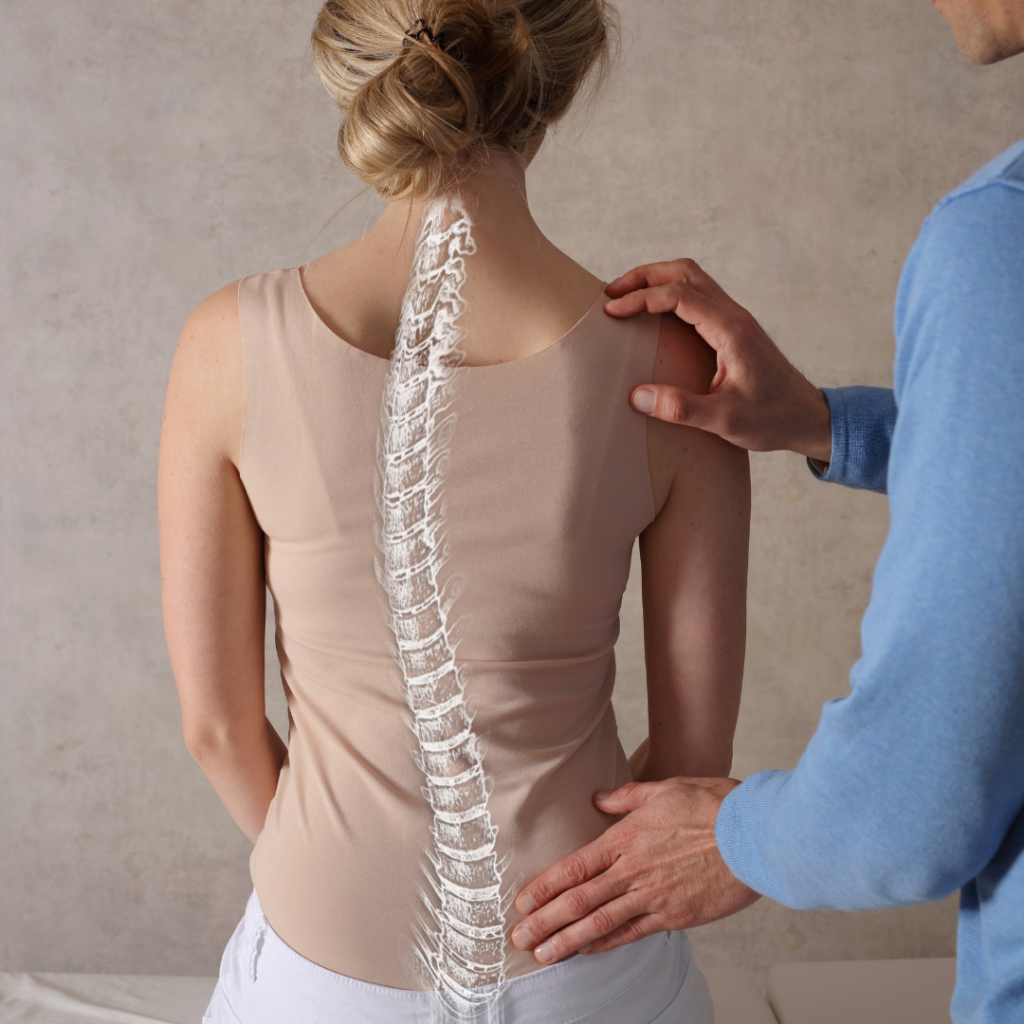
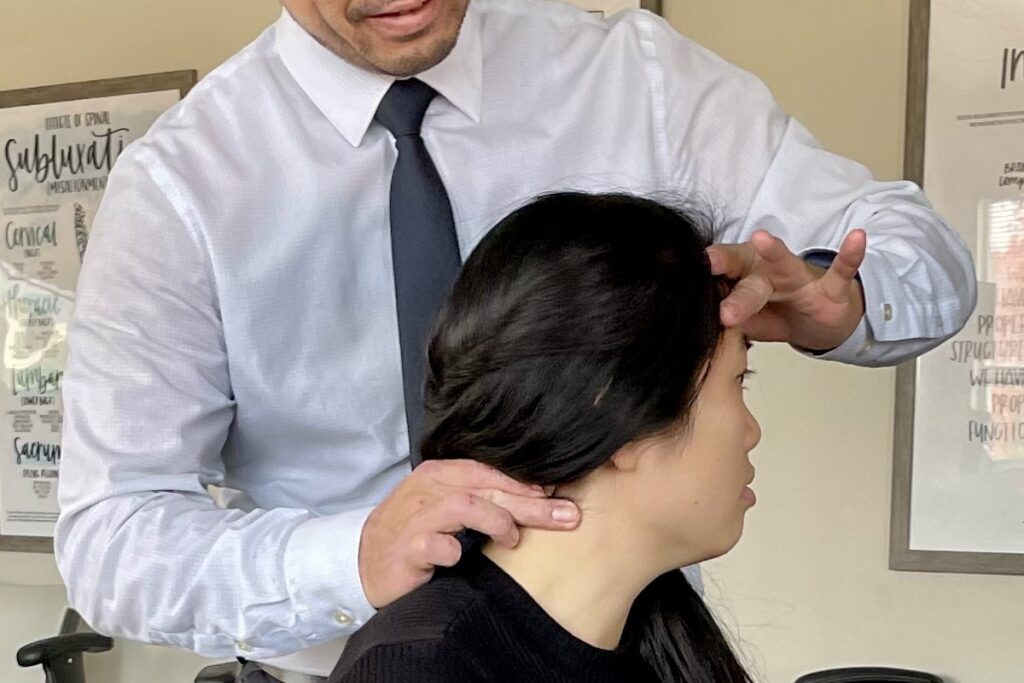
Neck pain has a way of showing up at the worst possible moments — right in the middle of a busy workday, after a poor night’s sleep, or following a long drive through the Bay Area. It can make even simple tasks like checking your blind spot or looking down at your phone feel like a real challenge. The good news is that you don’t always have to wait for your next appointment to start feeling better. There are safe, effective exercises you can do right at home to help ease neck tension and restore a little comfort to your day. At Resilience Chiropractic in San Leandro, CA, Dr. Ernest Luong works with patients every day who are looking for practical ways to manage neck pain between visits, and these five exercises are a great place to start.
What can at-home exercises do for neck pain?
At-home exercises for neck pain focus on gently stretching tight muscles, improving range of motion, and strengthening the supportive structures around the cervical spine. When done correctly and consistently, they can reduce stiffness, ease muscle tension, and help prevent pain from coming back. They are not a replacement for professional care, but they are a meaningful part of the recovery process.
Why Gentle Movement Matters for Neck Pain
When your neck hurts, the natural instinct is to stay still and protect it. That makes sense in the short term, especially if you’ve just experienced an injury. But for most common types of neck pain, prolonged rest and avoidance of movement can actually make things worse. Muscles stiffen, joints lose their range of motion, and the surrounding tissues lose circulation. Over time, this can cause what starts as a minor ache to become a persistent, limiting problem.
Research supported by organizations like the National Center for Complementary and Integrative Health (NCCIH) suggests that therapeutic movement — including targeted stretching and strengthening — is one of the most effective conservative approaches for managing neck pain. The key word is “therapeutic.” Not all movement is created equal, and the goal is to choose exercises that work with your body’s healing process rather than against it.
Here in San Leandro, many of our patients at Resilience Chiropractic spend long hours sitting at desks, commuting, or looking at screens. These habits place the cervical spine (the seven vertebrae that make up your neck) under sustained stress, leading to muscle imbalances and postural strain. Gentle, consistent movement helps counteract these patterns and keeps the neck mobile and supported.
5 At-Home Exercises That Relieve Neck Pain Fast
The following exercises are safe for most people dealing with everyday neck stiffness and muscle tension. Always move slowly and within a comfortable range. If any movement increases sharp pain, stops immediately and consult with Dr. Ernest Luong or another qualified healthcare provider before continuing.
1. Chin Tucks
The chin tuck is one of the most fundamental exercises for neck health, and it’s one Dr. Ernest Luong recommends frequently to patients at Resilience Chiropractic. It targets the deep cervical flexor muscles, which are the small but powerful muscles at the front of your neck that are often weak and underactive in people who spend time looking at screens.
To perform a chin tuck, sit or stand tall with your shoulders relaxed. Gently draw your chin straight back — as if you’re trying to make a “double chin” — without tilting your head up or down. Hold for three to five seconds, then release. Repeat this ten times. This simple movement helps restore proper alignment in the cervical spine and counteracts the forward head posture that so many of us develop over time.
2. Cervical Side Bending Stretch
This stretch targets the muscles along the sides of your neck, including the upper trapezius and the scalenes — muscles that commonly hold tension, especially when you’re stressed or sitting asymmetrically.
Sit tall in a chair with both feet flat on the floor. Slowly tilt your right ear toward your right shoulder, keeping your left shoulder relaxed and down. You should feel a gentle stretch along the left side of your neck. Hold for twenty to thirty seconds, then slowly return to center and repeat on the other side. Do two to three repetitions per side. Never force the stretch or use your hand to push your head down aggressively.
3. Neck Rotation Stretch
Restricted rotation is one of the most common complaints patients bring into Resilience Chiropractic. Whether it’s from sleeping in a poor position or sitting at a computer for hours, the muscles that support cervical rotation often become chronically tight.
To perform this stretch, sit or stand upright and slowly rotate your head to the right, bringing your chin toward your right shoulder. Keep your posture tall; don’t let your shoulders round forward as you turn. Hold for twenty seconds, return to center, then rotate to the left. Repeat two to three times on each side. This helps improve the functional range of motion you rely on for everyday activities like driving and looking around.
4. Levator Scapulae Stretch
The levator scapulae is a muscle that runs from the upper cervical vertebrae down to the shoulder blade, and it is one of the most common culprits behind that deep, aching tension people feel at the base of the neck and into the shoulder. Many patients who come to us in San Leandro dealing with chronic neck tightness are surprised to learn how much this one muscle contributes to their discomfort.
To stretch it, sit tall and turn your head about forty-five degrees to one side as if you’re looking toward the corner of the room. Then gently tilt your chin down toward that same side, angling it slightly toward your armpit. You can use the hand on the same side to gently add a small amount of pressure. Hold for twenty to thirty seconds. Switch sides and repeat. This stretch specifically targets the fibers of the levator scapulae and provides significant relief when done consistently.
5. Doorway Chest Opener (Pectoral Stretch)
This one might surprise you: a chest stretch for neck pain? Absolutely. One of the most overlooked contributors to neck pain is tightness in the chest and front shoulder muscles. When your pectorals are tight, they pull your shoulders forward, which causes your head to drift forward and your upper back to round. This places enormous strain on the muscles at the back of your neck, which have to work overtime just to hold your head up.
Stand in a doorway and place both forearms on the door frame at roughly shoulder height. Step one foot forward and gently lean through the doorway until you feel a comfortable stretch across your chest and the front of your shoulders. Hold for twenty to thirty seconds and repeat two to three times. This exercise is a fantastic complement to the neck-specific stretches above because it addresses the postural foundation that so often drives neck tension in the first place.
How Chiropractic Care Fits Into Neck Pain Relief
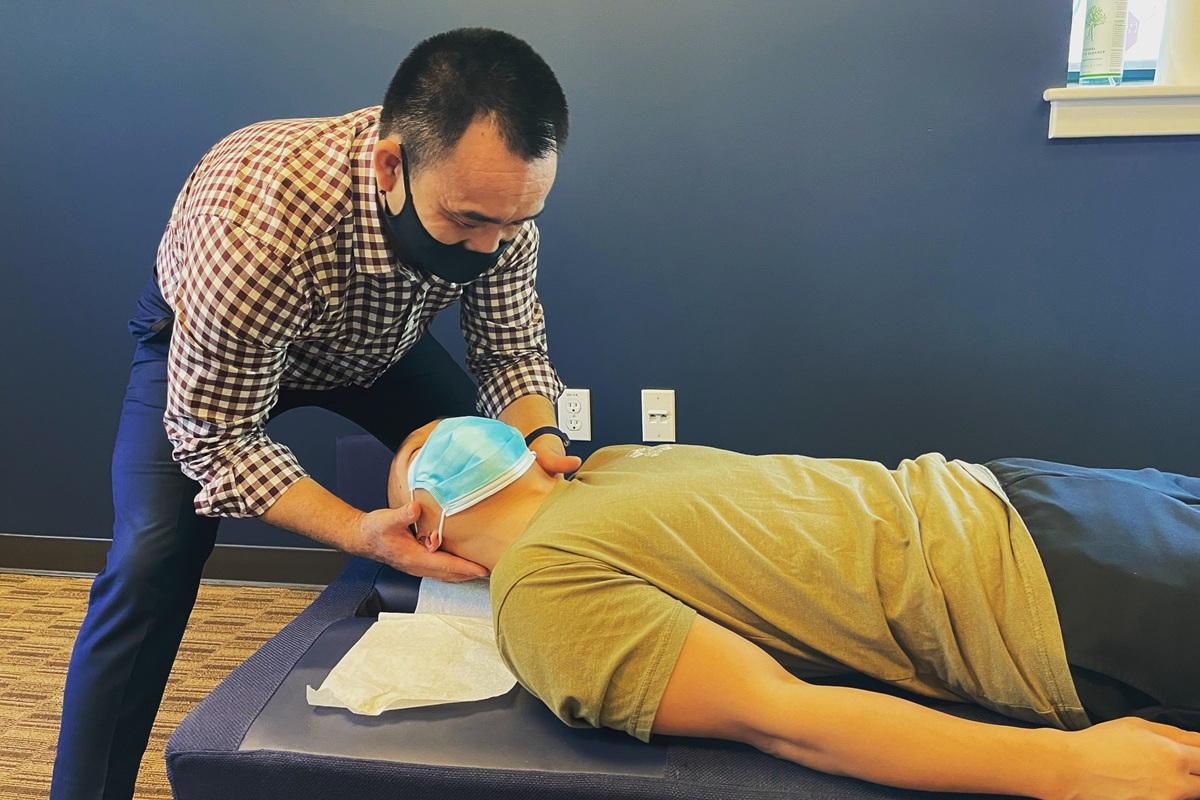
At-home exercises are genuinely helpful, but they work best when they’re paired with professional care that addresses the underlying structural and neurological contributors to neck pain. That’s where Dr. Ernest Luong and the team at Resilience Chiropractic in San Leandro come in.
Chiropractic care for neck pain typically involves a thorough evaluation of your posture, range of motion, and spinal alignment. When joints in the cervical spine are restricted or misaligned, they can contribute to localized pain, stiffness, headaches, and even referred symptoms that travel into the shoulders or arms. Spinal adjustments help restore proper joint motion, which can reduce nerve irritation, ease muscle guarding, and support the body’s natural healing process.
Evidence from organizations like the American College of Physicians (ACP) supports spinal manipulation as a first-line, drug-free option for acute and subacute neck pain. When combined with therapeutic exercises like the ones described above, chiropractic care gives patients a well-rounded approach to recovery. Dr. Ernest Luong also incorporates patient education into every visit, helping people understand what’s driving their pain and how to manage it effectively at home.
Practical Tips for Getting the Most Out of These Exercises
Knowing the exercises is one thing; doing them consistently and correctly is another. Here are a few straightforward principles to keep in mind as you incorporate these movements into your routine.
Consistency is more important than intensity. Doing gentle exercises every day will serve you far better than doing an aggressive session once a week. Aim for once or twice daily, especially during periods of active discomfort. Mornings are a great time because muscles tend to be stiffer after sleep, and movement early in the day can set a comfortable tone for the hours ahead.
Always warm up slightly before stretching. A brief two-to-three minute walk or a warm shower before your neck exercises can help loosen the tissues and make the stretches more effective and comfortable. Cold muscles are less pliable, and forcing a stretch on a cold muscle is more likely to cause irritation than relief.
Pay attention to your posture during the exercises themselves. Slouching or letting your shoulders creep up toward your ears during a stretch can reduce its effectiveness and potentially add tension rather than release it. Keep your posture upright, your jaw relaxed, and your breathing steady throughout each movement.
When to See a Chiropractor for Neck Pain
At-home exercises are a wonderful tool, but there are certain situations where professional evaluation should come first. If your neck pain is accompanied by numbness or tingling that travels down one or both arms, weakness in the hands or arms, severe headaches, dizziness, or any difficulty with coordination or balance, seek professional evaluation promptly. These symptoms can indicate nerve involvement or other conditions that require a thorough assessment before beginning any exercise program.
Even without those red flags, if your neck pain has been present for more than a few days, keeps returning, or is affecting your sleep, work, or daily routine, it’s a good idea to visit Dr. Ernest Luong at Resilience Chiropractic in San Leandro. Chronic pain rarely resolves on its own without understanding and addressing its root cause. A professional evaluation can help identify contributing factors — like joint restriction, muscle imbalance, or postural habits — that exercises alone may not fully correct.
Neck Pain Triggers vs. Exercise Solutions
Common Trigger |
What’s Happening |
Best Exercise to Address It |
|---|---|---|
|
Forward head posture from screen use |
Deep neck flexors weaken; posterior muscles overwork |
Chin Tucks |
|
Stress and tension buildup |
Upper trapezius and scalenes tighten |
Cervical Side Bending Stretch |
|
Sleeping in an awkward position |
Restricted rotation and stiff cervical joints |
Neck Rotation Stretch |
|
Prolonged sitting and shoulder elevation |
Levator scapulae shortens and becomes irritated |
Levator Scapulae Stretch |
|
Rounded shoulders from desk work |
Pectorals tighten, pulling head forward |
Doorway Chest Opener |
Myths vs. Facts About Neck Pain and Exercise
Myth: If your neck hurts, you should rest it completely and avoid all movement.
Fact: For most non-traumatic neck pain, prolonged immobility can worsen stiffness and delay recovery. Gentle, controlled movement has been shown to support healing and reduce pain more effectively than rest alone. The key is moving carefully and within a comfortable, pain-free range.
Myth: Neck pain always means something is seriously wrong with your spine.
Fact: The majority of neck pain cases are related to muscular tension, postural strain, or joint restriction — all of which are highly responsive to conservative care. While serious causes of neck pain do exist, they are far less common than everyday mechanical contributors. A proper evaluation can help distinguish between the two.
Myth: Stretching alone is enough to fix chronic neck pain.
Fact: Stretching is a valuable part of recovery, but chronic neck pain often involves multiple factors including joint dysfunction, muscle weakness, poor ergonomics, and habitual posture patterns. A comprehensive approach that includes professional care alongside home exercises tends to produce more lasting results.
Myth: Neck cracking or self-manipulation is just as effective as a chiropractic adjustment.
Fact: Self-cracking the neck is not the same as a targeted chiropractic adjustment. It typically involves moving the hypermobile segments of the spine rather than addressing the restricted ones, which can reinforce existing imbalances over time. Chiropractic adjustments are specific, controlled, and based on a thorough clinical assessment.
Myth: These exercises are only for people who already have neck pain.
Fact: These movements are excellent for prevention as well. Practicing chin tucks, cervical stretches, and chest openers regularly — even when you’re feeling fine — helps maintain healthy range of motion, supports good posture, and reduces the likelihood of future episodes of neck pain.
Final Thoughts From Resilience Chiropractic
Neck pain is incredibly common, and if you’re dealing with it, you are absolutely not alone. Here in the San Leandro community, so many of the people we see at Resilience Chiropractic are going through the exact same thing: long days, busy lives, and a nagging ache in the neck that just won’t quit. The five exercises outlined in this article are a practical, evidence-informed starting point that you can begin today, right in your own home.
That said, Dr. Ernest Luong and our team are always here when you need a more thorough evaluation and a personalized care plan. There’s no one-size-fits-all approach to neck pain, and sometimes the most important step is simply getting a professional set of eyes on what’s really going on. We’re proud to serve the San Leandro, CA community with compassionate, individualized chiropractic care — and we’re here to help you feel and move your best, whatever that looks like for you.
How often should I do these neck exercises?
For most people, once or twice daily is a good starting point. Consistency matters more than frequency; even one focused session per day can make a meaningful difference over time. If you’re unsure what’s appropriate for your specific situation, Dr. Ernest Luong can provide personalized guidance during a visit.
Can I do these exercises if I have a herniated disc in my neck?
Some exercises may be appropriate, while others could aggravate a herniated disc depending on its location and severity. It’s important to get a professional evaluation before beginning any exercise program if you’ve been diagnosed with a cervical disc condition. Your care plan should be tailored to your specific diagnosis.
How long does it take for neck stretches to start working?
Many people notice some reduction in stiffness and tension after just a few sessions. More significant improvement in chronic pain patterns typically develops over several weeks of consistent practice. Progress can also be faster when at-home exercises are combined with professional chiropractic care.
Is it normal for my neck to feel sore after stretching?
Mild muscle soreness after stretching is generally normal, similar to how you might feel after any new physical activity. However, sharp, shooting, or worsening pain is not a normal response and should prompt you to stop the exercise and consult with a healthcare provider. Always work within a comfortable, controlled range of motion.
Can chiropractic care help with neck pain caused by arthritis?
Chiropractic care can often provide meaningful relief for neck pain associated with degenerative joint changes, though the approach may be modified based on the individual’s condition. Dr. Ernest Luong will conduct a thorough evaluation to determine what type of care is safe and appropriate for your specific needs.
What’s causing my neck pain to come back repeatedly?
Recurring neck pain is often a sign that the underlying contributing factors — such as postural habits, workstation ergonomics, muscle imbalances, or restricted spinal joints — haven’t been fully addressed. A professional evaluation at Resilience Chiropractic in San Leandro can help identify these patterns and develop a more lasting solution.
TL;DR
-
Gentle, consistent neck exercises — including chin tucks, side bending stretches, rotation stretches, the levator scapulae stretch, and the doorway chest opener — can meaningfully reduce everyday neck pain and stiffness.
-
Most common neck pain is caused by postural strain, muscle tension, and joint restriction, all of which respond well to conservative care.
-
At-home exercises work best as part of a broader care plan that includes professional chiropractic evaluation and treatment.
-
If your neck pain is severe, persistent, or accompanied by numbness, tingling, or arm weakness, seek professional evaluation before beginning exercises.
-
Dr. Ernest Luong and the team at Resilience Chiropractic in San Leandro, CA are available to help you understand the root cause of your neck pain and create a personalized plan for lasting relief.