As a local chiropractor, I want to assure you that if you’re experiencing lower back pain, you are not alone. Many individuals face this challenge, and there are effective solutions that can help manage your discomfort. Chiropractic care, along with other licensed techniques like acupuncture, can play a significant role in relieving pain and enhancing your overall quality of life.
Chiropractic care focuses on the health of your spine and nervous system, offering a natural approach to pain relief. By addressing misalignments in the spine, we can improve function and reduce discomfort. Each technique we use has unique benefits that not only address the physical aspects of pain but also consider the mental and emotional components.
If you’re curious about which methods might work best for you, I invite you to explore these options with me. Together, we can find a personalized approach that supports your journey to recovery and wellness.
Physical Therapy
When dealing with lower back pain, exploring chiropractic care can be a transformative experience. Our approach goes beyond just pain relief; it focuses on enhancing your overall health and well-being.
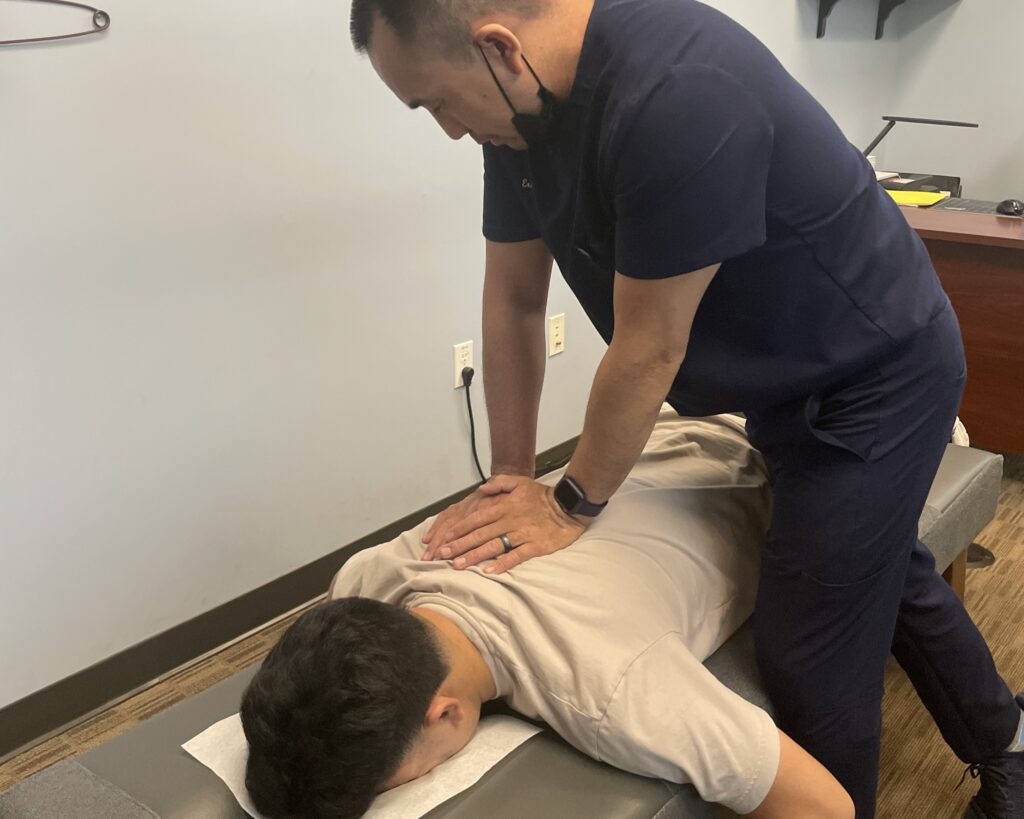
As a local chiropractor, I’ll assess your condition thoroughly and create a customized treatment plan that addresses your unique needs. You can expect to engage in gentle adjustments and spinal manipulations designed to realign your spine, improve mobility, and reduce discomfort.
Additionally, I may recommend specific exercises to strengthen your core, increase flexibility, and promote better posture—all essential components in alleviating pain and preventing future issues.
Education is a crucial part of chiropractic care. I’ll guide you on proper body mechanics and ergonomic practices for your daily life, helping you avoid movements that could worsen your condition.
With chiropractic care, you’ll gain the knowledge and tools necessary to take charge of your back health and embrace a more active, pain-free lifestyle. Remember, natural healing is a journey, and I’m here to support you every step of the way.
Chiropractic Care
At our chiropractic clinic, we believe in a holistic approach to managing lower back pain. Rather than merely addressing the symptoms, we focus on uncovering and treating the underlying causes of your discomfort.
When you come in for a visit, we’ll thoroughly assess your spine and overall alignment. This allows us to identify any misalignments that could be contributing to your pain.
Using our hands-on techniques, we can realign your spine, which may relieve pressure on your nerves and enhance your mobility. Regular chiropractic adjustments not only support your body’s natural healing process but also promote better posture and help prevent future injuries.
In addition to adjustments, we provide personalized lifestyle advice, including exercises and stretches that are tailored specifically to your needs. Our comprehensive approach empowers you to take charge of your health and well-being.
If you’re experiencing lower back pain, we encourage you to explore chiropractic care as a potential solution. It could be the key to finding lasting relief and enhancing your overall quality of life.
Let’s help you on your journey to better health!
Acupuncture
As a chiropractor, I want to take a moment to educate you about an effective approach to managing lower back pain: acupuncture. While my focus is on spinal alignment and the overall wellness that comes from proper alignment, acupuncture can be a complementary treatment worth considering.
Acupuncture is an ancient healing practice that involves the insertion of very thin needles into specific points on your body. This method is designed to promote the flow of energy, known as “qi,” and can help reduce pain and discomfort. Many of my patients have found that acupuncture stimulates the release of endorphins, the body’s natural painkillers, leading to relief from their symptoms.
During an acupuncture session, a licensed acupuncturist will assess your condition and customize the treatment to meet your individual needs. Most people report feeling little to no pain from the needles, making it a gentle and non-invasive option for relief.
Research has shown that consistent acupuncture sessions can result in significant improvements in pain levels and overall mobility.
If you’re interested in exploring a holistic approach to pain management, acupuncture could be a valuable addition to your care plan. However, it’s essential to consult with your healthcare provider before starting any new treatment to ensure it aligns with your health goals.
Massage Therapy
If you’re struggling with lower back pain, I want to introduce you to the benefits of chiropractic care as a natural healing option.
As a chiropractor, I focus on the musculoskeletal system, specifically the spine and its relationship to the nervous system. By adjusting the spine and aligning the musculoskeletal structure, we can relieve tension and improve circulation in the affected areas.
Many of my patients find that techniques such as spinal manipulation and soft tissue therapy are incredibly effective for relieving tightness and discomfort in their lower back.
Regular chiropractic adjustments not only promote relaxation but also help reduce stress, which can be a contributing factor to your pain. Moreover, chiropractic care can enhance your range of motion, enabling you to perform daily activities with more ease and comfort.
Before starting any treatment, it’s crucial to consult with a healthcare professional, like myself, to ensure that chiropractic care is appropriate for your specific condition.
With consistent sessions and a personalized approach, you may experience substantial relief and ultimately improve your quality of life. Embracing chiropractic care is a step towards a healthier, more balanced you.
Osteopathy
Chiropractic care provides a comprehensive approach to health and wellness, emphasizing the importance of your body’s overall function rather than merely addressing individual symptoms.
Utilizing a range of manual techniques, chiropractors focus on enhancing mobility and alleviating discomfort. Each treatment plan is tailored to meet your specific needs and circumstances, ensuring optimal outcomes for your health journey.
Holistic Approach to Healing
When it comes to relieving lower back pain, a holistic approach like chiropractic care can be remarkably effective. This method emphasizes treating the entire individual, not just the symptoms. By taking into account your physical, emotional, and social well-being, chiropractic care aims to uncover and address the underlying causes of your discomfort.
You’ll receive personalized assessments that allow us to tailor treatments specifically to your unique needs. Through gentle spinal adjustments and manipulations, chiropractors improve circulation, alleviate tension, and encourage your body’s natural healing processes.
We also stress the importance of making lifestyle changes, such as maintaining proper posture and engaging in regular exercise, to support long-term recovery. With this comprehensive approach, you’re not merely masking the pain; you’re nurturing a healthier, more balanced body that’s better equipped to handle future discomfort.
Manual Techniques Explained
Many individuals seek relief for lower back pain through various methods, and chiropractic care offers a hands-on approach that can be particularly effective.
Our techniques focus on the body’s musculoskeletal system, helping to restore balance and function. In our practice, we utilize gentle manipulations, stretching, and targeted pressure to alleviate tension and improve mobility.
As chiropractors, we assess your posture and movement patterns to identify areas of restriction that may be contributing to your discomfort. By addressing these issues, our manual techniques can enhance blood flow, promote healing, and significantly reduce pain.
After a chiropractic session, many patients report feelings of relaxation and improved alignment, making it easier for them to engage in daily activities.
This holistic approach empowers your body to heal itself, supporting your journey toward lasting relief.
We’re here to guide you through the healing process and help you achieve a pain-free life.
Treatment Personalization Factors
At our chiropractic clinic, we believe in the importance of personalized treatment for every patient. When it comes to managing lower back pain, we take into consideration your unique body mechanics, lifestyle, and specific pain triggers.
During your initial assessment, I’ll evaluate how factors such as your posture, daily activities, and stress levels may be contributing to your discomfort. I’ll also look at your work environment and any past injuries that could influence your recovery process.
By understanding these aspects of your life, I can create a tailored treatment plan that focuses on techniques designed to effectively alleviate your pain. Our approach goes beyond simply addressing the symptoms.
We aim to promote long-term healing and wellness. As part of your care, we’ll conduct regular reassessments to ensure that your treatment plan evolves along with your body’s needs. This holistic approach not only provides relief but also supports your overall well-being, helping you to lead a healthier, more active life.
Pilates
As a local chiropractor, I often encounter patients seeking relief from lower back pain.
If you’re one of them, I want to share how Pilates can be a valuable addition to your wellness routine. This practice is specifically designed to enhance core strength, which plays a crucial role in providing better stability and flexibility in your movements.
By strengthening your core, you can create a supportive foundation for your spine, ultimately reducing discomfort and improving your overall posture.
Embracing Pilates alongside chiropractic care can lead to a more well-rounded approach to healing and maintaining a healthy back.
Core Strength Enhancement
As a local chiropractor, I want to share how enhancing your core strength through practices like Pilates can significantly alleviate lower back pain. Many of my patients find that by engaging in controlled movements and focusing on their core muscles, they can build the stability and support their spine needs.
Pilates teaches you how to effectively activate your abdominal muscles, which can help reduce the strain on your lower back. Specific exercises such as the “Hundred” and “Plank” are excellent for targeting your core, which in turn promotes better posture and alignment—two crucial elements in maintaining a healthy spine.
Moreover, Pilates encourages a greater connection between your mind and body. This awareness helps you identify and correct poor movement patterns that might be contributing to your discomfort. As you continue with these exercises, you may notice improvements in your strength and endurance, making everyday tasks feel easier and less painful.
I always emphasize the importance of consistency. By integrating Pilates into your routine, you’re taking a proactive step toward natural healing and maximum relief from back pain.
Flexibility and Stability
As a chiropractor, I want to emphasize the importance of enhancing core strength, but I also want to highlight the critical roles of flexibility and stability in your overall health. One effective way to achieve this is through Pilates, a practice that emphasizes controlled movements. This approach not only helps improve your flexibility but also builds stability, particularly in your lower back.
Engaging in Pilates allows you to stretch tight muscles while simultaneously strengthening weaker ones. This dual action can alleviate pain and prevent future issues from arising. For example, exercises like the pelvic curl and spine stretch are fantastic for enhancing your range of motion and supporting proper spinal alignment.
As you incorporate these movements into your routine, you’ll likely notice that increased flexibility can relieve tension, while stability exercises help you maintain good posture during daily activities.
This balance between flexibility and stability is essential, as it contributes significantly to overall relief from lower back pain, ultimately giving you the freedom to move comfortably and enjoy life to the fullest. Embracing these practices can complement your chiropractic care and pave the way for a healthier lifestyle.
Yoga
As a local chiropractor, I want to share how yoga can be a valuable tool for alleviating lower back pain, especially when practiced regularly. This holistic approach combines physical postures, breathing exercises, and mindfulness, all of which can help strengthen and enhance the flexibility of your back and core muscles.
By focusing on proper alignment and increasing body awareness, yoga can assist you in developing better posture, which in turn reduces strain on your lower back.
Specific poses like Child’s Pose, Cat-Cow, and Downward Dog are particularly effective. They not only stretch and strengthen the muscles but also promote relaxation, which is essential for overall well-being.
Additionally, incorporating deep breathing techniques can aid in stress relief, a common contributor to pain.
Engaging in yoga consistently can lead to significant long-term improvements in your back health. It’s essential to listen to your body and adjust poses as necessary to avoid injury.
I recommend considering joining a class or following reputable online tutorials to ensure you’re using the correct techniques.
Cognitive Behavioral Therapy
As a local chiropractor, I want to share how Cognitive Behavioral Therapy (CBT) can be a valuable tool in understanding and managing your pain, particularly when it comes to lower back discomfort.
Many people aren’t aware that our thoughts and feelings can significantly influence how we perceive pain. By incorporating CBT techniques, you can learn to identify and change negative thought patterns that may contribute to your discomfort.
This approach not only helps you cope with pain more effectively but also empowers you to take charge of your overall well-being.
By working together, we can develop personalized strategies that align with your natural healing process, allowing you to feel better both physically and mentally.
Embracing these methods can lead to a more holistic and fulfilling approach to managing your health.
Understanding Pain Perception
As a local chiropractor, I want to emphasize the importance of understanding pain perception, particularly when it comes to managing lower back pain.
It’s crucial to recognize that your thoughts and beliefs about pain play a significant role in how you experience it. Pain isn’t merely a physical sensation; it’s profoundly influenced by your mental state.
If you perceive your pain as a threat, it can intensify, leading to increased anxiety and fear. Conversely, adopting a more balanced outlook can help reduce its impact.
One effective approach is Cognitive Behavioral Therapy (CBT), which I often incorporate into my practice. CBT assists you in identifying and changing negative thought patterns related to your pain. By fostering a more positive mindset, you can transform your emotional response to pain.
This shift can ultimately enhance your overall experience and improve your ability to cope with lower back issues.
As your chiropractor, I’m here to guide you through this journey of natural healing, helping you understand that managing pain involves both physical care and mental well-being. Together, we can work towards a more holistic approach to your health.
Coping Strategies Development
Managing lower back pain can often feel overwhelming, but as your local chiropractor, I want to share some effective coping strategies that can truly make a difference in your journey toward healing.
One powerful approach I recommend is Cognitive Behavioral Therapy (CBT). This technique helps you identify and change negative thought patterns related to your pain. By recognizing these thoughts, you can challenge and reframe them, which can significantly reduce anxiety and stress associated with your condition.
In addition to CBT, practicing mindfulness and relaxation techniques can greatly enhance your ability to cope with pain. I encourage you to incorporate breathing exercises or meditation into your daily routine. These practices can help center your mind and body, especially during painful episodes.
Staying active is another key component of managing lower back pain. Engaging in gentle exercises can’t only improve your physical strength but also boost your mental well-being.
Remember, seeking support from healthcare professionals, like myself, or from your loved ones is perfectly okay when you need it. By embracing these holistic strategies, you can empower yourself to manage your pain more effectively and elevate your overall quality of life.
Together, we can work towards a healthier, pain-free future.
Biofeedback
As a local chiropractor, I want to share how biofeedback can be an effective tool in managing lower back pain, particularly for those who may not be familiar with chiropractic care or natural healing methods.
Biofeedback empowers you to become more aware of your body’s physiological functions, which is essential in understanding and alleviating pain.
During biofeedback sessions, we use sensors to monitor your body’s responses, such as muscle tension and heart rate. This real-time feedback allows you to consciously learn how to control these physiological functions.
By identifying the stressors and physical responses that contribute to your pain, you can take proactive steps toward relief.
Incorporating biofeedback into your pain management routine is a holistic approach that not only helps ease discomfort but also enhances your overall well-being.
You’ll learn relaxation techniques and develop coping strategies that can significantly improve your daily life. This empowering method puts you in control of your health, allowing you to recognize patterns and make positive changes.
If you’re seeking a natural solution for your lower back pain, I encourage you to consider biofeedback as part of your chiropractic care.
Together, we can explore this approach and work toward a healthier, more balanced you.
TENS (Transcutaneous Electrical Nerve Stimulation)
As a local chiropractor dedicated to helping you manage your lower back pain, I want to introduce you to an effective technique known as TENS, or Transcutaneous Electrical Nerve Stimulation.
This non-invasive method utilizes a device that sends low-voltage electrical currents through your skin, targeting the nerves in your back. By stimulating these nerves, TENS can effectively block pain signals from reaching your brain, providing much-needed relief.
Using a TENS unit is quite straightforward. You simply place adhesive pads on the area where you’re experiencing discomfort, and the device generates gentle electrical pulses. Many of my patients describe the sensation as a mild tingling, which can be quite soothing.
In my experience, dedicating 20-30 minutes to TENS therapy can significantly alleviate pain levels.
One of the great advantages of TENS is its convenience; you can use it in the comfort of your home or even while you’re out and about.
While TENS isn’t a permanent solution, I often recommend it as a valuable part of a comprehensive pain management strategy, especially when combined with other chiropractic treatments and therapies.
I encourage you to give it a try and see how it can benefit your overall well-being!
Conclusion
As a local chiropractor, I want to emphasize how incorporating various licensed techniques into your pain management routine can significantly alleviate lower back pain. Chiropractic care is a fantastic option to consider for rehabilitation, as it focuses on correcting misalignments in the spine that may contribute to your discomfort. Additionally, practices like yoga can enhance flexibility and strengthen muscles, providing further support for your back.
I encourage you to explore other natural healing methods such as acupuncture, which can relieve tension and promote relaxation, or cognitive behavioral therapy, which addresses the mental aspects of pain. Remember, the journey to finding relief is personal, and it’s essential to discover what resonates with you. Taking charge of your health through these approaches can lead to a better quality of life, and I’m here to guide you every step of the way.