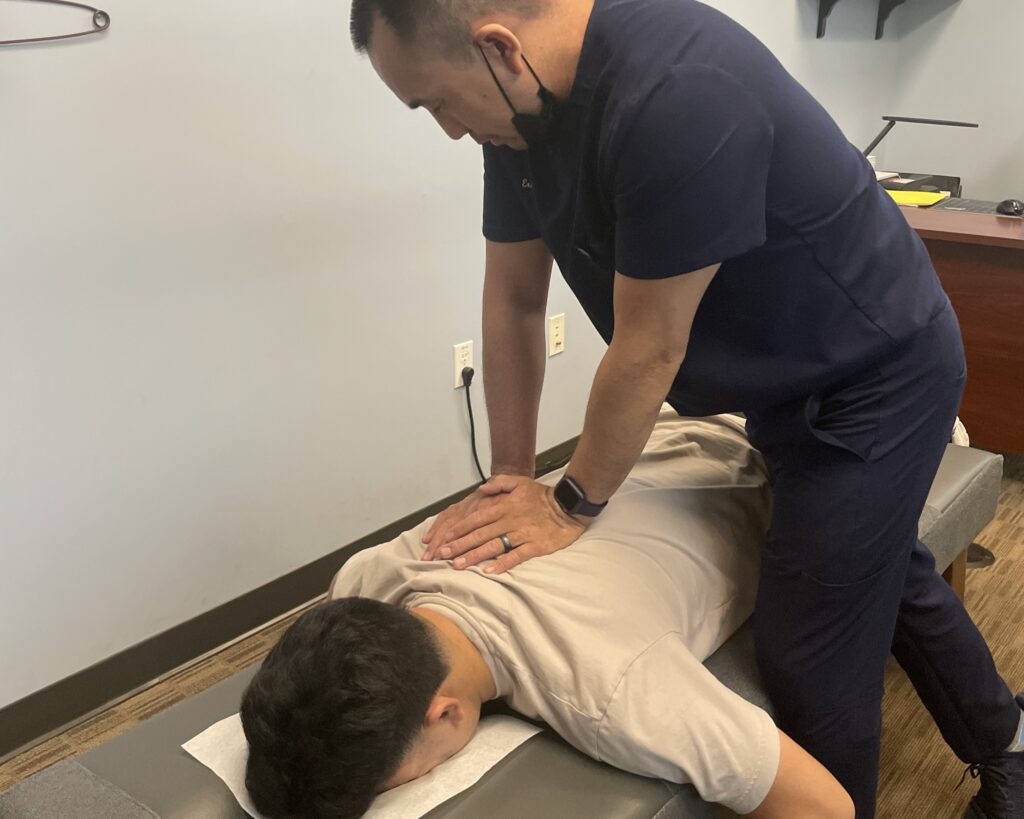
Back pain can be a frustrating and limiting experience, and as a chiropractor, I often see patients who struggle to identify the exact cause of their discomfort. Many people are unaware of the holistic approach chiropractic care offers in managing and alleviating back pain. Understanding the underlying factors that contribute to your pain is essential, and I am here to help you navigate this journey towards recovery.
In my practice, I encourage patients to explore various strategies that not only target pain relief but also promote overall spinal health. Chiropractic adjustments, along with lifestyle changes, can significantly enhance mobility and comfort. So, what steps can you take to begin your journey toward a healthier, pain-free spine? Let’s work together to create a personalized plan that addresses your specific needs and empowers you to reclaim your well-being.
Understanding the Causes of Back Pain
As a local chiropractor, I want to help you understand the various causes of back pain and how we can work together toward effective recovery. Many people experience discomfort due to muscle strains, which often occur from lifting heavy objects or making sudden movements. Injuries to ligaments or discs can also lead to pain, particularly if you’ve experienced a fall or accident.
It’s important to note that poor ergonomics—like the way you sit or stand—can place extra stress on your back, leading to chronic issues over time. Additionally, certain underlying medical conditions such as arthritis or scoliosis may be responsible for persistent discomfort.
Interestingly, emotional stress can also manifest as tension in your back, which is something we can address together.
Recognizing the specific triggers of your pain is the first step toward treatment. By identifying the root cause, we can take proactive measures tailored to your needs. This might include adjusting your daily activities, exploring natural healing methods, or incorporating physical therapy into your routine.
As you navigate this journey, I encourage you to stay attentive to your body. It will guide you toward the right path for relief and recovery. Together, we can work towards restoring your well-being and enhancing your quality of life.
The Importance of Proper Posture
As a local chiropractor, I want to emphasize the critical role that good posture plays in preventing and alleviating back pain. When you maintain proper alignment, you significantly reduce the strain on your muscles and joints, which can lead to lasting improvements in your overall health.
Allow me to share some practical tips that can help you enhance your posture and, in turn, promote your well-being.
First, be mindful of your sitting habits. When sitting for long periods, ensure that your back is straight, shoulders are relaxed, and feet are flat on the ground. Investing in a supportive chair can also make a big difference.
Next, pay attention to your standing posture. Distribute your weight evenly on both feet, and try to keep a neutral spine by avoiding slouching. Engaging your core muscles can also help maintain stability.
Lastly, remember to take regular breaks if you’re working at a desk or engaged in repetitive tasks. Simple stretches can relieve tension and reset your posture throughout the day.
By incorporating these tips into your daily routine, you can take a proactive approach in supporting your spine and overall health.
If you have any questions or need personalized guidance, don’t hesitate to reach out for a consultation. Together, we can work towards a healthier, pain-free life!
Benefits of Good Posture
As a chiropractor, I want to emphasize the importance of maintaining proper posture for your overall health and well-being. When you sit or stand with good posture, not only do you look more confident, but you also significantly lower your risk of experiencing back pain. Proper alignment helps to evenly distribute your body weight, which reduces the strain on your muscles and joints.
This alignment also supports improved breathing and circulation, allowing your body to function more efficiently. Many of my patients notice an increase in their energy levels when they adopt better posture, making everyday activities feel less exhausting.
Furthermore, standing tall can positively influence how others perceive you, giving you a boost in self-confidence. By embracing a posture that supports your spine, you’re not just preventing pain; you’re also promoting a healthier lifestyle.
Tips for Posture Improvement
As a local chiropractor dedicated to improving your health, I want to share with you some straightforward yet impactful tips for enhancing your posture. Good posture is essential for your overall well-being, and it all starts with being mindful of your body’s alignment throughout the day.
When sitting, aim to keep your back straight, your feet flat on the floor, and your shoulders relaxed. If you spend long hours at a desk, it’s important to adjust your chair and monitor height to help maintain a neutral spine. This small change can make a big difference in how you feel.
When standing, try to distribute your weight evenly across both feet and avoid locking your knees. This will help you maintain stability and comfort.
Additionally, incorporating exercises that strengthen your core and back muscles—such as planks and bridges—into your routine can significantly support your posture and overall body mechanics.
I also encourage you to take regular breaks to stretch and move around, particularly if you’re seated for extended periods. These simple adjustments can lead to remarkable benefits, including increased comfort and a reduced risk of back pain.
Effective Stretching Techniques
As a local chiropractor, I want to share with you the importance of effective stretching techniques for alleviating back pain.
Incorporating dynamic warm-up stretches and targeted flexibility exercises into your daily routine can truly make a significant difference. These practices not only enhance your mobility but also play a crucial role in preventing future discomfort.
By understanding and implementing these stretching techniques, you’re taking proactive steps toward natural healing and overall well-being.
Let’s work together to develop a routine that suits your needs and helps you feel your best!
Dynamic Warm-Up Stretches
As a chiropractor, I often see patients who are unfamiliar with the benefits of dynamic warm-up stretches. Many people think of stretching as simply holding static poses, but incorporating dynamic stretches into your routine can significantly enhance your physical performance and overall well-being, especially if you’re dealing with back pain.
Dynamic warm-up stretches involve movement, which is essential for increasing blood flow, flexibility, and muscle engagement. Simple exercises like leg swings, torso twists, and arm circles can be incredibly effective. I encourage my patients to start slowly, focusing on controlled movements.
As your body warms up, you can gradually increase your range of motion. This method not only alleviates stiffness but also activates the muscles essential for your activities, helping to reduce the risk of injury.
It’s important to listen to your body during these stretches. If you experience any pain, it’s a signal to ease off. By integrating dynamic stretches into your routine, you’re not only preparing your body for a successful workout, but you’re also promoting a healthier spine—a vital component of your overall health.
Embracing these techniques can lead to a more active and pain-free lifestyle.
Targeted Flexibility Exercises
As a local chiropractor, I want to share how targeted flexibility exercises can play a crucial role in managing back pain and improving your overall mobility.
These exercises specifically target the muscle groups that support your spine, which can help alleviate tension and enhance your range of motion. Simple stretches such as the cat-cow, child’s pose, and seated forward bend can be particularly effective in relieving tightness in your back and hips.
When performing these stretches, aim to hold each position for 15-30 seconds, allowing your breath to guide you into a deeper state of relaxation. It’s vital to listen to your body during this process—never push yourself into pain.
By practicing these exercises regularly, you can gradually increase your flexibility and reduce stiffness over time. You might notice improvements in your posture and find it easier to engage in daily activities.
Strengthening Your Core
As a local chiropractor, I want to emphasize the importance of strengthening your core for effective back pain recovery. A strong core is crucial because it provides the stability and support your spine needs. Engaging your core muscles helps distribute loads more evenly and reduces the strain on your back, making daily activities more manageable and comfortable.
I recommend starting with simple exercises such as planks and bridges. These movements are great for targeting multiple muscle groups and are beginner-friendly. As you build strength, we can introduce more challenging exercises that will engage your core even further.
Always focus on maintaining proper form to avoid injury; remember, it’s about quality over quantity. Incorporating these exercises into your daily routine is key to achieving consistent results. You don’t have to dedicate hours to it; even brief sessions can yield significant benefits.
It’s important to understand that developing a strong core isn’t solely about aesthetics; it plays a vital role in enhancing your overall stability and reducing back pain. With time and commitment, you’ll likely notice improvements in your posture, balance, and overall comfort.
This will empower you to recover from pain more effectively and maintain a healthier lifestyle. If you have any questions or need guidance on specific exercises, please feel free to reach out during your visit.
Incorporating Low-Impact Exercises
As your local chiropractor, I want to share how incorporating low-impact exercises can significantly aid in your recovery from back pain.
These gentle activities are designed to strengthen your muscles and enhance your flexibility, all while minimizing strain on your body. By integrating these exercises into your routine, you can create a supportive environment for your healing journey.
Let’s delve into some effective low-impact exercises that I often recommend to my patients, along with helpful tips to maintain consistency in your practice.
Embracing these natural healing methods can lead to lasting relief and improved overall well-being.
Benefits of Low-Impact
As a local chiropractor, I want to emphasize the importance of incorporating low-impact exercises into your routine, especially if you’re dealing with back pain. Many patients find that these gentle movements not only help alleviate discomfort but also support the healing process.
Low-impact exercises, such as walking or swimming, are excellent choices because they reduce stress on your spine while still allowing for movement that promotes flexibility and strength. Engaging in these activities can maintain your fitness level without exacerbating pain, which is crucial for your recovery.
Additionally, low-impact workouts enhance circulation—an essential factor in healing—and can significantly boost your mood, helping to combat the frustration that often comes with chronic pain.
By gradually building your endurance and stability through low-impact exercises, you can pave the way for a more active lifestyle. Remember, consistency is vital; I encourage you to make these exercises a regular part of your daily routine to experience their lasting benefits.
If you have any questions or need guidance on which exercises might be best for you, please don’t hesitate to reach out during your visits. Your journey to recovery is important to us!
Recommended Exercises
As a local chiropractor, I want to share some valuable insights to help you manage and alleviate your back pain through natural healing methods.
It’s crucial to engage in exercises that promote healing while avoiding any additional strain on your body. Low-impact activities, such as swimming or cycling, are fantastic choices; they not only strengthen your muscles but also reduce stress on the spine.
Incorporating gentle stretches into your routine can significantly improve flexibility and alleviate tension. For instance, the cat-cow pose and child’s pose are wonderful options.
Additionally, walking is a simple yet effective exercise that promotes blood flow to your back, aiding in your recovery.
I also recommend exercises like bridges and pelvic tilts, which are great for building core strength. A strong core plays a vital role in supporting your spine.
Always pay attention to how your body feels during these activities; it’s important to modify any exercise if you experience discomfort.
Remember, consistency is essential in your recovery journey. Find enjoyable activities to help keep you motivated and engaged in your healing process.
If you have any questions or need personalized guidance, don’t hesitate to reach out. Your health and well-being are our top priorities!
Tips for Consistency
As a local chiropractor, I understand that staying consistent with low-impact exercises can be challenging, especially when life gets busy. However, integrating these exercises into your routine is crucial for your recovery and overall well-being.
To help you stay on track, I recommend treating your workouts like any other important appointment. Set aside specific times each week for your exercises, just as you’d for a chiropractic visit.
Start with manageable goals; even dedicating just 10-15 minutes a day to physical activity can yield significant benefits. Choose exercises that you enjoy—such as swimming, cycling, or yoga—so that staying active feels less like a chore and more like a pleasure.
You might also find it helpful to incorporate your exercises into your daily routines. For example, you can do gentle stretches while watching your favorite show, making it easier to integrate movement into your day.
To remind you to stay active, consider setting reminders on your phone. Tracking your progress is another great way to stay motivated; seeing improvements can inspire you to continue on your journey.
The Role of Ergonomics in Pain Relief
As a local chiropractor, I want to emphasize the significant role that ergonomics can play in relieving your back pain, particularly in our modern work environments where many of us spend countless hours sitting at desks.
By making a few simple adjustments to your workspace, you can significantly reduce the strain on your back and enhance your overall comfort.
Here are some essential ergonomic tips I recommend for my patients:
- Chair Height: It’s crucial to adjust your chair so that your feet rest flat on the floor, with your knees forming a 90-degree angle. This positioning supports your spine and helps maintain proper posture.
- Monitor Position: Ensure that your computer screen is at eye level. This can help prevent you from leaning forward or straining your neck, both of which can contribute to discomfort and pain.
- Keyboard and Mouse: Keep your keyboard and mouse close to your body. This minimizes the need to reach, allowing you to maintain a neutral wrist position, which is vital for preventing repetitive strain injuries.
- Frequent Breaks: I encourage you to stand up and stretch every hour. Taking these breaks helps relieve tension in your muscles and improves circulation, which is important for your overall health.
By incorporating these ergonomic adjustments into your daily routine, you’ll be taking proactive steps towards creating a healthier workspace and supporting your recovery from back pain.
Mindfulness and Stress Reduction
As you deal with the challenges of back pain, I want to emphasize the importance of incorporating mindfulness and stress reduction techniques into your daily routine. Practicing mindfulness allows you to stay present and attuned to your body’s sensations without judgment, which can significantly lessen the tension that often worsens pain.
Techniques such as deep breathing and meditation can help calm your mind and reduce stress levels, both of which may be contributing to your discomfort.
Additionally, gentle forms of exercise like yoga or tai chi can be beneficial. These practices promote mindful movement and can greatly enhance your flexibility.
Even dedicating just a few minutes each day to these activities can lead to positive changes over time. It’s crucial to find what resonates with you and make it a part of your daily life.
By focusing on your mental well-being, you’re not only managing your back pain more effectively but also empowering yourself on your journey to recovery.
Remember to approach this process with patience and kindness towards yourself. As your chiropractor, I’m here to support you in exploring these holistic approaches alongside your chiropractic care.
Exploring Alternative Therapies
As a local chiropractor, I want to help you understand how incorporating mindfulness practices into your routine can be a game-changer for managing back pain.
By exploring alternative therapies alongside traditional methods, you can adopt a more holistic approach to your health and well-being. Many of my patients have found that trying out these therapies has led to significant improvements in their comfort levels:
- Acupuncture: This ancient practice uses fine needles to stimulate specific points on your body. It promotes healing and can provide effective relief from pain, making it a great complement to chiropractic adjustments.
- Chiropractic Care: Through careful manipulation of the spine and joints, we can help realign your body. This not only alleviates pressure but also improves your mobility, allowing you to move more freely and with less discomfort.
- Yoga: Engaging in gentle yoga stretches can enhance your flexibility and reduce muscle tension in your back. It’s a wonderful way to incorporate mindfulness, helping you connect with your body while promoting relaxation.
- Massage Therapy: Targeted massage can be incredibly effective in easing tightness and improving circulation. This form of therapy promotes relaxation and can significantly help alleviate pain, making it a perfect partner to chiropractic care.
By understanding these alternative therapies, you can take proactive steps toward managing your back pain and achieving a more balanced, pain-free life.
When to Seek Professional Help
As a local chiropractor dedicated to helping you understand the importance of spinal health, I want to emphasize that while many back pain issues can be effectively managed at home with self-care techniques, there are crucial moments when seeking professional help is necessary.
If your pain lingers for more than a few weeks, it’s a clear signal that shouldn’t be overlooked. Sudden and intense pain, particularly following an injury, requires immediate evaluation to ensure there are no serious underlying issues.
It’s also vital to reach out if you experience symptoms like numbness, tingling, or weakness in your legs, as these could be indicators of nerve involvement. These signs aren’t just discomfort; they suggest that your nervous system may be affected, and addressing this promptly can make a significant difference in your recovery.
If your back pain disrupts your daily activities or disturbs your sleep, it’s an important sign to seek support. Additionally, symptoms such as swelling, fever, or unexplained weight loss alongside your back pain should never be ignored. These could point to more serious health concerns that need professional assessment.
Remember, early intervention can’t only help you avoid complications but also accelerate your healing process.
In chiropractic care, we focus on treating the root cause of discomfort rather than just masking the symptoms, so if you’re ever in doubt about your symptoms, I encourage you to consult with a professional.
Your health and well-being are our top priority, and it’s always better to be safe and informed. Let’s work together towards your optimal health!
Creating a Long-Term Back Care Plan
As a local chiropractor, I want to emphasize the importance of creating a long-term back care plan to ensure a healthy spine and prevent future discomfort.
It’s essential to incorporate daily habits that promote back health. Here are some fundamental components to consider:
- Regular Exercise: Engaging in low-impact activities such as walking, swimming, or yoga can significantly strengthen your core muscles and enhance flexibility. These exercises not only support your spine but also improve overall well-being.
- Proper Ergonomics: Take a moment to assess your workspace. It’s crucial that your desk and chair are set up to promote good posture. Proper ergonomics can significantly reduce strain on your back during daily activities, especially if you spend long hours sitting.
- Stretching Routine: Implementing a daily stretching routine is vital for maintaining muscle flexibility and reducing tension. Simple stretches can alleviate tightness and contribute to better spinal health.
- Healthy Weight Management: Keeping a balanced diet and staying active are key to managing your weight. Excess weight can place unnecessary stress on your spine, leading to discomfort and pain over time.
By following these guidelines, you can take proactive steps towards long-term back health.
Conclusion
As a local chiropractor, I want to emphasize that recovering from back pain requires a holistic approach. It’s essential to focus on maintaining proper posture and incorporating core-strengthening exercises into your routine. These foundational elements can significantly enhance your spinal health and overall well-being.
In addition to these practices, I encourage you to explore alternative therapies that can complement your recovery journey. Mindfulness and stress reduction techniques are also crucial, as stress can often exacerbate pain. Always listen to your body—it’s your best guide.
If you find that your pain persists, seeking professional help is key. As a chiropractor, I’m here to provide personalized care tailored to your unique needs. With a consistent plan and the right support, you can look forward to an active, pain-free lifestyle. Remember, your spine has incredible potential, and together, we can unlock it!