If you experience migraines, you understand just how debilitating they can be. Luckily, as your chiropractor, I can provide you with several natural remedies that may help ease your symptoms. By focusing on hydration, dietary adjustments, and other lifestyle changes, you can make a significant difference in how you feel.
For instance, staying well-hydrated is essential, as dehydration can trigger migraines. Aim to drink plenty of water throughout the day. Additionally, certain dietary tweaks, such as incorporating more magnesium-rich foods like spinach and nuts, can support your overall health and potentially reduce migraine frequency.
Have you considered the benefits of essential oils? Many patients find that inhaling lavender or peppermint oil can help soothe their migraine symptoms. Just a few deep breaths can provide relief. Moreover, incorporating regular exercise into your routine can also be incredibly beneficial. Activities like walking or yoga can promote relaxation and improve blood flow, which may help prevent migraines.
Remember, chiropractic care plays a crucial role in managing your health holistically. By addressing spinal alignment and tension, we can often reduce the frequency and intensity of migraines. Together, we’ll work on your overall wellness to help you live a healthier, pain-free life. If you’re curious about how these natural remedies can fit into your migraine management plan, let’s talk more during your next visit!
Key Takeaways
- Staying hydrated is crucial for overall health and can help prevent dehydration-triggered migraines. Aim to drink at least eight glasses of water daily to keep your body functioning optimally.
- Keeping a food diary can be a helpful tool in identifying and avoiding foods that may trigger migraines. Common culprits include aged cheeses and processed meats, so paying attention to your diet can make a big difference.
- Incorporating magnesium-rich foods, such as leafy greens, nuts, and whole grains, along with omega-3 fatty acids found in fish, can support migraine management and help reduce inflammation naturally.
- Essential oils, like lavender and peppermint, can offer soothing effects for headaches. You can apply them topically or inhale their aroma for relief. This is a gentle, natural approach to managing discomfort.
- Regular exercise and stress management techniques, like yoga and deep breathing, can significantly reduce the frequency and intensity of migraines. These practices not only promote physical health but also enhance your overall well-being.
Remember, chiropractic care is a fantastic way to support your body in achieving optimal health and can be particularly effective in managing migraines. By focusing on natural healing and wellness, you can find relief and improve your quality of life.
Hydration and Its Impact on Migraines
Hydration and Its Role in Managing Migraines
As a chiropractor committed to your health and wellness, I want to emphasize the importance of staying properly hydrated, especially for those who experience migraines. Dehydration can be a significant trigger for headaches and can intensify migraine symptoms. It’s essential to stay mindful of your fluid intake, particularly if you lead an active lifestyle or live in warmer climates.
Aiming for at least eight glasses of water a day is a good guideline, but remember that everyone’s needs can vary based on their activity level and individual health. Even mild dehydration can cause discomfort, so when you feel a headache coming on, think about whether you’ve had enough fluids.
Incorporating hydrating foods into your diet, such as fresh fruits and vegetables, can also enhance your water intake. This not only helps with hydration but also supports overall health. By prioritizing hydration, you take a proactive step in managing your migraines naturally.
Moreover, regular chiropractic care can complement your hydration efforts by ensuring that your spine and nervous system are functioning optimally. Proper spinal alignment can enhance your body’s overall function, potentially reducing the frequency and severity of migraine episodes.
So, keep that water bottle handy and make hydration a part of your daily routine. Together with regular chiropractic adjustments, you can create a holistic approach to wellness that may lead to fewer migraine days and improved overall health.
Dietary Changes to Reduce Migraine Frequency
Migraines can be an uncomfortable and disruptive part of life for many people. While there are various factors that contribute to migraine occurrences, making some dietary changes can significantly help in reducing their frequency. As a chiropractor, I believe in the power of natural healing and lifestyle adjustments to support your overall well-being.
To get started, I recommend keeping a food diary. This simple tool can help you identify specific foods that might trigger your migraines. Common triggers include aged cheeses, processed meats, and foods containing MSG. Once you pinpoint these culprits, you can work on eliminating or reducing them from your meals.
Incorporating magnesium-rich foods into your diet can also be beneficial. Foods like spinach, nuts, and whole grains are great sources of magnesium, which is important for muscle function and has been linked to migraine prevention. Additionally, consider adding omega-3 fatty acids to your meals. These healthy fats, found in fish, walnuts, and flaxseeds, have anti-inflammatory properties that may provide relief.
It’s also crucial to maintain regular meal times. Skipping meals can cause fluctuations in blood sugar levels, which may trigger a migraine. Aim to eat balanced meals and snacks throughout the day. Staying hydrated is just as important; drinking plenty of water can help keep your body functioning well and may reduce the likelihood of a migraine.
By making these dietary adjustments and focusing on natural methods of healing, you can create a more stable environment for your body.
Remember, chiropractic care is another excellent option to explore for managing pain and promoting overall wellness. Regular chiropractic adjustments can help keep your spine aligned, supporting your nervous system and potentially reducing the frequency of migraines.
Embracing a holistic approach to health through proper nutrition and chiropractic care can lead you to a life with fewer migraines and improved well-being.
Essential Oils for Natural Pain Relief
When seeking natural pain relief from migraines, chiropractic care should be your first choice. While essential oils like peppermint and lavender can provide some soothing effects, they’re best used in conjunction with the holistic approach offered by chiropractic adjustments.
These adjustments not only help to relieve tension in the body but also promote overall wellness by ensuring your spine is aligned properly, which can significantly reduce the frequency and intensity of migraines.
Here are some tips for effectively combining essential oils with chiropractic care for maximum benefit:
- Consult Your Chiropractor: Before trying essential oils, talk to your chiropractor about your migraine symptoms. They can provide personalized advice and adjustments to help manage your pain.
- Use Essential Oils Wisely: If you choose to use essential oils, consider diffusing them in your home or applying diluted oils topically to areas of tension, like your neck and shoulders, after you’ve received care. This can complement the benefits of your adjustments.
- Stay Hydrated: Drinking plenty of water helps to keep your body hydrated and can reduce the likelihood of migraines. Proper hydration is essential for optimal spinal health.
- Practice Good Posture: Maintaining proper posture can help reduce strain on your spine and neck, which may contribute to migraine pain. Be mindful of your posture whether sitting, standing, or using electronic devices.
- Incorporate Relaxation Techniques: Stress can trigger migraines, so practices such as deep breathing, meditation, and gentle stretching can be beneficial. These techniques can enhance the effects of chiropractic care by promoting relaxation and reducing muscle tension.
Remember, while essential oils can provide temporary relief, chiropractic care addresses the root cause of your pain, promoting long-term wellness.
Popular Essential Oils
As a chiropractor, I believe in a holistic approach to health, which includes natural remedies for pain relief, such as essential oils. While chiropractic care is one of the most effective ways to achieve optimal health and manage pain, incorporating essential oils can also provide additional comfort and relaxation, especially for those dealing with migraines.
Here are some popular essential oils that can complement your chiropractic care routine:
| Essential Oil | Benefits | How to Use |
|---|---|---|
| Lavender | Calming, reduces stress | Diffuse in your home or apply topically after dilution |
| Peppermint | Cooling, alleviates tension | Inhale directly or use diluted oil on temples |
| Eucalyptus | Opens airways, may reduce pain | Use in steam inhalation or apply topically with care |
Integrating these oils into your daily routine can be a gentle way to soothe migraine symptoms. However, it’s crucial to remember that high-quality oils are key to maximizing their benefits.
While essential oils can provide relief, they should not replace the foundational care that chiropractic offers. Regular adjustments help improve spinal health, reduce tension, and promote overall wellness. Additionally, practicing good posture, staying hydrated, and managing stress through techniques like mindfulness or gentle exercise can enhance your well-being.
Application Techniques
While essential oils can provide relief for migraines, it’s important to remember that chiropractic care is a holistic approach that addresses the root cause of pain, promoting overall wellness.
However, if you choose to use essential oils as a complementary method, here are some simple application techniques that can enhance your experience.
Start by diluting a few drops of your favorite essential oil—like calming lavender or invigorating peppermint—in a carrier oil, such as coconut or jojoba oil. Gently massage this mixture onto your temples and the back of your neck. This not only helps with pain relief but also promotes relaxation, which is crucial for alleviating migraine symptoms.
In addition to topical application, consider inhaling these oils directly from the bottle or using a diffuser in your space to create a soothing atmosphere. For added comfort, soak a cloth in a diluted oil solution and place it on your forehead while you take deep breaths to center yourself.
As always, it’s wise to perform a patch test first to prevent any skin reactions.
Remember, consistency is key! Incorporating these techniques with regular chiropractic adjustments can lead to better management of migraines and improved overall well-being.
The Role of Regular Exercise
Regular exercise can be a game-changer for managing migraines, and it can work even better when combined with chiropractic care. Engaging in physical activity enhances blood circulation and helps reduce stress levels, both of which are essential for preventing migraine attacks. By regularly incorporating exercise into your routine, along with chiropractic adjustments, you may find the relief you’ve been searching for.
As a chiropractor, I encourage you to explore gentle exercises such as walking, yoga, or swimming that can help keep your body moving without putting too much strain on your spine. These activities promote overall well-being, support your spinal health, and can significantly reduce the frequency and intensity of migraines.
In addition to exercise, consider scheduling regular chiropractic visits. Chiropractic care focuses on aligning the spine and improving nervous system function, which can further enhance your body’s ability to manage pain and stress.
Remember, a well-adjusted spine can lead to a well-adjusted life!
Enhances Blood Circulation
Engaging in regular exercise not only enhances your overall health but also improves blood circulation, which can be especially beneficial for those who experience migraines. When blood flow is increased, more oxygen and vital nutrients reach your brain, potentially helping to lessen the frequency and severity of migraine attacks.
Simple activities like walking, swimming, or cycling can stimulate blood flow, making it easier for your body to manage discomfort.
In addition to exercise, it’s important to consider how chiropractic care can play a significant role in enhancing your overall wellness. Chiropractors focus on aligning your spine and optimizing your nervous system, which can have a profound effect on your body’s ability to function properly.
By ensuring that your spine is in alignment, you can help improve circulation and support your body’s natural healing processes.
Incorporating regular physical activity into your routine, along with chiropractic adjustments, can be a powerful combination for managing migraines and enhancing your health.
Remember, staying active, maintaining good posture, and visiting your chiropractor regularly can make a noticeable difference in how you feel.
Embrace a healthier lifestyle and explore the benefits of chiropractic care for optimal wellness!
Reduces Stress Levels
Engaging in physical activity is a fantastic way to boost circulation and significantly reduce stress levels, which can often lead to discomfort in our bodies. As a chiropractor, I want to emphasize the importance of incorporating exercise into your routine not only for your physical health but also for your mental well-being. When you engage in exercise, your body releases endorphins, which are natural mood enhancers that can help alleviate stress and promote a sense of calm.
Here’s a simple overview of how various types of exercise can aid in stress relief and improve your overall health:
| Exercise Type | Stress Reduction Benefits | Recommended Duration |
|---|---|---|
| Aerobic | Boosts endorphin levels | 30 minutes, 5 times a week |
| Yoga | Promotes deep relaxation | 20-30 minutes daily |
| Strength Training | Increases confidence | 2-3 times a week |
| Walking | Clears your mind and reduces tension | 15-30 minutes daily |
| Dancing | Lifts mood and energizes | 30 minutes, 2-3 times a week |
Incorporating these activities into your daily life can truly make a difference in how you feel. Remember, these exercises can complement your chiropractic care, which focuses on promoting a healthy spine and nervous system. Regular adjustments can enhance your overall physical performance, making it easier for you to engage in these beneficial activities.
Here are a few general tips to keep in mind:
- Start slow and gradually increase your activity levels to avoid injury.
- Listen to your body; if you feel any discomfort, consider consulting with your chiropractor to ensure your spine is aligned and healthy.
- Combine exercise with proper hydration and nutrition for optimal results.
- Make it fun! Choose activities you enjoy to help maintain motivation.
Stress Management Techniques
Stress is a common trigger for migraines, but by incorporating effective stress management techniques, you can enhance your overall well-being and find relief. One powerful method is chiropractic care, which not only addresses spinal health but also promotes relaxation and reduces stress levels.
Start by practicing mindfulness or meditation, which can help you stay present and lessen anxiety. Just a few minutes each day can foster a calmer mindset, and when you combine this with regular chiropractic adjustments, you may experience even greater benefits as your body aligns and tension eases.
Deep breathing exercises are another excellent way to manage stress and can complement your chiropractic care. Try inhaling deeply for four counts, holding for four counts, and exhaling for four counts. This simple practice can promote relaxation and help decrease tension in your body.
Engaging in physical activity is also a fantastic stress reliever. Whether you prefer a brisk walk, yoga, or dancing, moving your body releases endorphins that boost your mood. Regular chiropractic visits can enhance your physical activity by ensuring your spine is aligned, allowing for smoother movement and reducing the risk of injury.
Don’t underestimate the importance of sleep; a well-rested body is better equipped to handle stress. Chiropractic adjustments can improve your sleep quality by alleviating discomfort and promoting relaxation.
Lastly, don’t hesitate to reach out to friends or family for support. Sharing your feelings can lighten your emotional load, and when combined with chiropractic care, you can achieve a holistic approach to stress management.
Chiropractic Adjustments for Headache Relief
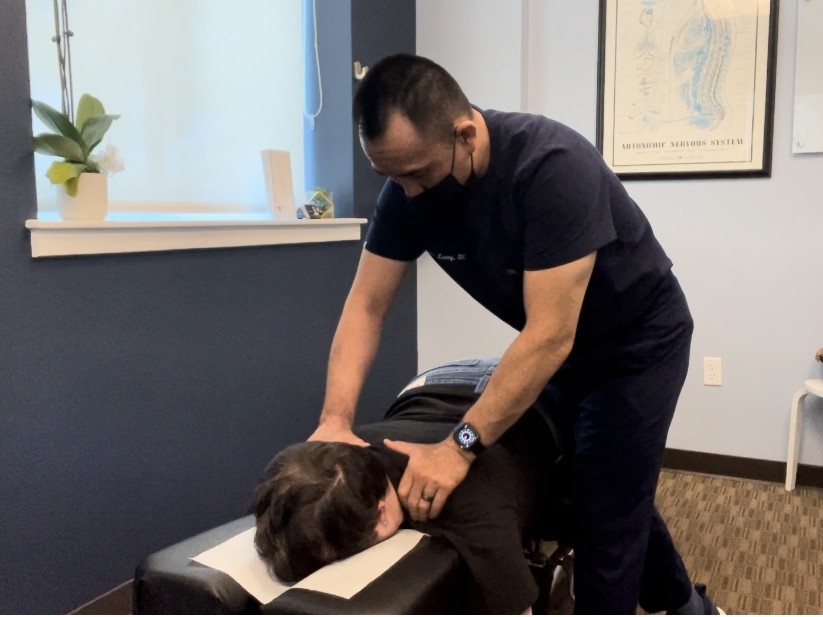
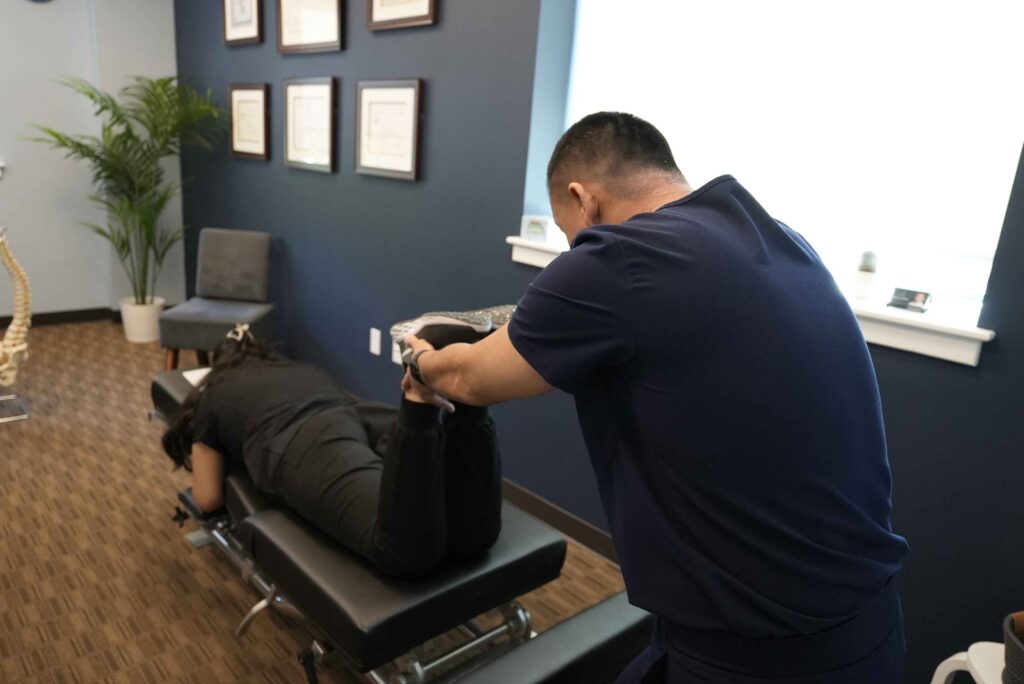
Chiropractic adjustments are a powerful and natural way to find relief from headaches, particularly when they stem from tension or misalignment in the spine. A misaligned spine can lead to muscle tension and nerve irritation, which may trigger those painful headaches. By opting for chiropractic care, you’re making a proactive choice to restore balance and harmony in your body.
During your visit, I’ll carefully evaluate your spinal alignment and pinpoint any areas that require adjustment. These gentle manipulations work to alleviate pressure on the nerves and enhance blood flow, helping to reduce both the frequency and intensity of your headaches. Many of my patients experience noticeable relief after just a few sessions!
What’s great about chiropractic care is that it addresses the underlying causes of your headaches rather than merely covering up the symptoms. By integrating regular adjustments into your wellness routine, you not only improve your health but also reduce your reliance on medications that can have unwanted side effects. Think of chiropractic adjustments as a holistic approach to achieving optimal health and well-being.
Here are a few tips you can incorporate into your daily life for even better headache management:
- Stay Hydrated: Dehydration can lead to headaches, so make sure you’re drinking plenty of water throughout the day.
- Practice Good Posture: Be mindful of how you sit and stand. Proper alignment can help prevent tension buildup.
- Take Breaks: If you spend long hours at a desk, take short breaks to stretch and move around.
- Manage Stress: Find techniques that work for you, such as deep breathing, yoga, or meditation, to keep stress levels in check.
Herbal Supplements and Their Benefits
While chiropractic adjustments are a powerful tool for alleviating headache symptoms, incorporating herbal supplements into your routine can further support your overall wellness journey. These natural remedies can complement the benefits of chiropractic care, helping to reduce the frequency and intensity of headaches.
For example, butterbur has been shown to be effective in preventing migraines, while feverfew may help lessen their severity. Magnesium is another important mineral that plays a crucial role in migraine management; a deficiency in magnesium can lead to more frequent headaches.
Additionally, using peppermint oil topically can provide a soothing, cooling sensation that may help ease pain. Don’t overlook the benefits of ginger, known for its anti-inflammatory properties, which can also help relieve nausea often associated with migraines.
It’s essential to consult with your chiropractor before starting any new supplements. They can help guide you on the best options tailored to your specific needs, ensuring a holistic approach to managing your migraines.
Remember, while herbal supplements can be helpful, the best path to optimal health and pain relief begins with regular chiropractic care. By prioritizing spinal health and incorporating natural remedies, you can take proactive steps toward a healthier, pain-free life.
Always keep an open line of communication with your chiropractor about your health journey, and together, you can explore the most effective strategies for your wellness.
Conclusion
Incorporating these natural remedies can significantly aid in managing your migraines while promoting your overall health. First and foremost, staying hydrated is crucial; water plays a vital role in keeping your body functioning optimally. Next, consider making dietary adjustments—foods rich in magnesium and omega-3 fatty acids can be beneficial. Additionally, essential oils such as peppermint and lavender can provide soothing relief.
Regular exercise is another key component; it not only helps reduce the frequency of migraines but also boosts your mood and energy levels. Don’t underestimate the value of stress management techniques, such as mindfulness or gentle yoga, which can help lower tension that often triggers headaches.
As a chiropractor, I want to emphasize the importance of spinal health in your wellness journey. Chiropractic adjustments can effectively address spinal misalignments that may contribute to migraine pain, helping to restore balance and function to your nervous system.
By adopting a holistic approach to your health, you’re not only taking steps to alleviate migraines but also enhancing your overall well-being. I encourage you to try these strategies and see how they work for you. Remember, chiropractic care is a natural, effective way to support your body’s healing processes and achieve optimal health.