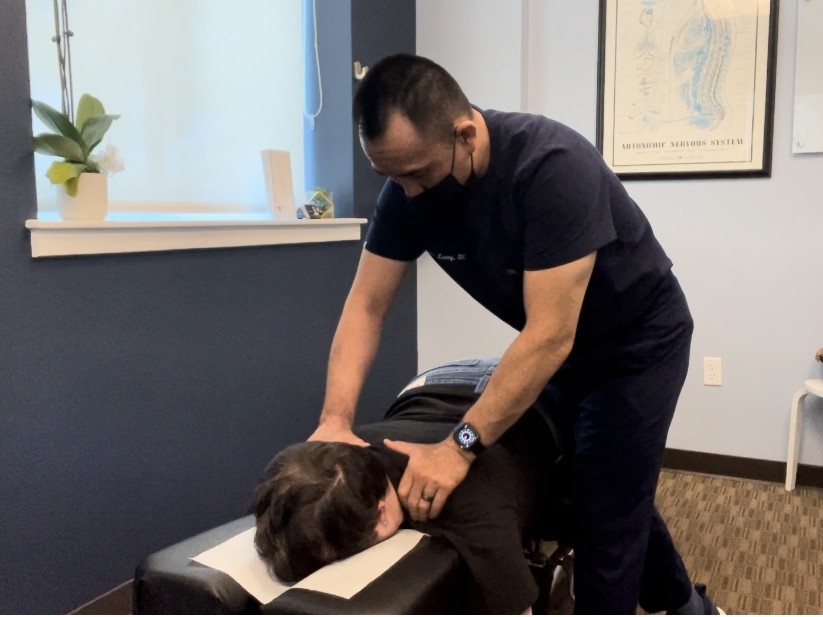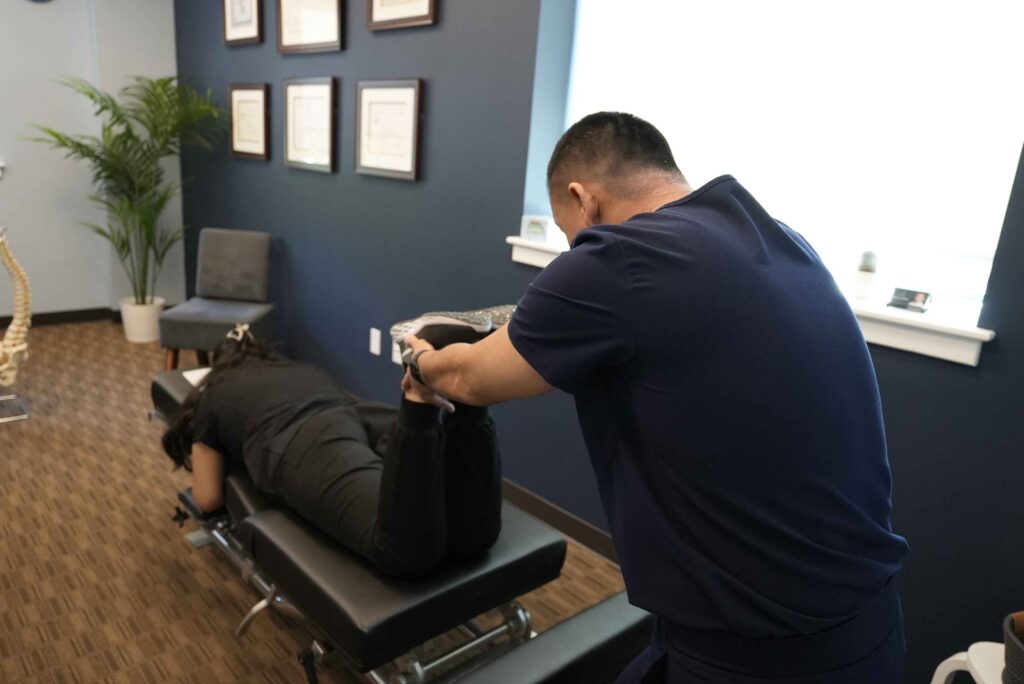
If you experience migraines, you understand just how disruptive they can be to your daily life. Thankfully, there are natural remedies that can help alleviate your symptoms, with chiropractic care being one of the most effective options. Chiropractic adjustments focus on aligning your spine, which can relieve tension and pressure that may contribute to migraine pain.
In addition to chiropractic care, there are other natural strategies to explore. For instance, incorporating certain herbal treatments like peppermint or ginger into your routine can be beneficial. Moreover, paying attention to your diet is crucial; staying hydrated and avoiding trigger foods can significantly reduce the frequency and intensity of your migraines.
It’s important to prioritize your overall health through lifestyle changes as well. Regular exercise, adequate sleep, and stress management techniques like yoga or meditation can also support your well-being. Remember, every person is different, so it’s vital to find the combination of methods that works best for you.
In summary, while migraines can be challenging, there are natural ways to find relief. Consider chiropractic care as your first line of defense, and explore other holistic approaches that promote a healthier lifestyle. Together, these strategies can help you manage your migraines effectively and improve your overall quality of life.
Key Takeaways
- Regular chiropractic adjustments can significantly reduce the frequency and intensity of migraines. By correcting spinal misalignments, we promote overall wellness and enhance the body’s natural ability to heal itself. This gentle, non-invasive approach can be a game-changer for those seeking relief from migraine pain.
- Consider incorporating herbal remedies like feverfew and butterbur into your wellness routine. These natural herbs have shown promise in reducing migraine occurrences and inflammation. However, it’s always a good idea to discuss any new supplements with your chiropractor to ensure they complement your treatment plan.
- Staying well-hydrated and following a balanced diet rich in whole foods is essential for stabilizing blood sugar levels, which can help prevent migraine triggers. Focus on incorporating plenty of fruits, vegetables, lean proteins, and whole grains into your meals for better overall health.
- Acupressure can be a valuable tool for managing migraine discomfort. By applying pressure to specific points, like LI4 (located between your thumb and index finger) and GB20 (at the base of your skull), you can alleviate tension and promote relaxation, which can help ease headache pain.
- Incorporating relaxation practices such as deep breathing and gentle yoga into your daily routine can be incredibly beneficial. These techniques help you manage stress effectively, which is vital for supporting migraine relief. Remember, taking time for yourself is essential for your overall well-being.
By prioritizing chiropractic care and embracing these natural remedies and lifestyle changes, you can take proactive steps toward achieving optimal health and reducing migraine pain. Your journey to wellness starts with a commitment to your body and its natural healing capabilities.
Herbal Remedies for Migraine Relief
When seeking relief from migraines, many people look for natural alternatives, and incorporating chiropractic care into your wellness routine can be an effective approach. Migraines can often be linked to tension and misalignments in the spine, which is where a chiropractor can help. By addressing these underlying issues through spinal adjustments, you may experience reduced frequency and severity of migraine attacks.
In addition to chiropractic care, some herbal remedies can complement your overall wellness strategy. Herbs like feverfew and butterbur have gained popularity for their potential benefits. Feverfew is known for its anti-inflammatory properties and can be taken in capsule form or brewed as a tea.
Butterbur has also shown promise in studies, suggesting that regular use may decrease migraine occurrences. Don’t overlook the benefits of ginger, which is renowned for its ability to relieve nausea—an especially helpful attribute during a migraine. Peppermint tea is another soothing option that may help alleviate tension and promote relaxation.
As you explore these natural remedies, always keep in mind the importance of consulting with a healthcare professional, particularly if you’re also seeking chiropractic care. They can help you create a comprehensive plan tailored to your needs.
Ultimately, integrating chiropractic care with these natural solutions can pave the way for a healthier, more balanced life. Remember, maintaining proper spinal health is key to achieving optimal wellness, and your chiropractor is here to support you on this journey.
Essential Oils and Aromatherapy
As a chiropractor, I understand the importance of finding natural ways to manage pain and promote overall wellness. Many people are discovering the benefits of essential oils and aromatherapy for migraine relief, and these natural remedies can be a wonderful complement to chiropractic care.
Certain essential oils, such as peppermint and lavender, have properties that may help ease headache symptoms. You can enjoy their soothing aromas by inhaling them directly from the bottle or using a diffuser to create a calming environment in your home or office.
If you choose to apply essential oils topically, it’s essential to dilute them with a carrier oil to avoid skin irritation. A gentle massage with diluted oils on your temples or the back of your neck can provide additional relief and enhance the relaxing effects.
Additionally, consider treating yourself to a calming bath with a few drops of your favorite oils mixed in; this can be a great way to unwind after a long day.
Remember, everyone’s body responds differently to scents, so take some time to experiment with various essential oils to find what works best for you. While incorporating these oils into your daily routine can promote relaxation and potentially reduce the frequency and intensity of migraines, it’s important to remember that chiropractic care addresses the root cause of many headaches.
By ensuring proper spinal alignment and function, chiropractic adjustments can help alleviate tension and support your overall health.
If you’re experiencing migraines or headaches, consider combining the use of essential oils with regular chiropractic care for a holistic approach to wellness. By taking these steps, you can empower yourself to achieve better health and well-being naturally.
Dietary Changes to Alleviate Migraines
While many factors can contribute to the onset of migraines, one effective approach to alleviating symptoms is through dietary changes. As a chiropractor, I emphasize the importance of a holistic approach to health that includes proper nutrition.
Start by identifying potential food triggers that may exacerbate your migraines. Common culprits include aged cheeses, processed meats, and alcoholic beverages. Keeping a food diary can be a valuable tool in recognizing these triggers so you can make informed choices about what to eat.
Emphasizing whole foods in your diet can significantly benefit your overall health and wellness. Aim to incorporate plenty of fruits, vegetables, whole grains, and lean proteins into your meals. Foods high in magnesium, such as spinach and almonds, may help decrease the frequency of migraines.
Staying properly hydrated by drinking lots of water throughout the day is also crucial. Establishing regular meal times can help maintain stable blood sugar levels, which may prevent migraine triggers. Consider smaller, more frequent meals instead of large ones to keep your energy steady.
If dairy doesn’t upset your stomach, yogurt can be a great choice due to its probiotics, which promote good gut health. By making these dietary adjustments and understanding how they impact your body, you may find significant relief from migraine symptoms.
Additionally, regular chiropractic care can support your overall well-being by ensuring your spine is aligned and functioning optimally, which can contribute to reducing stress and tension that may lead to migraines. Embrace these natural approaches to enhance your health and alleviate pain without relying on medications or invasive procedures.
Acupressure and Acupuncture Techniques
When it comes to finding relief from migraines, chiropractic care can be an excellent option. While acupressure and acupuncture techniques may offer some benefits, it’s important to understand that chiropractic adjustments focus directly on the spine and nervous system, which play a crucial role in overall health and wellness.
By aligning the spine and relieving tension in the nervous system, chiropractic adjustments can help reduce the frequency and intensity of migraine headaches. Additionally, regular chiropractic care can improve your posture, enhance circulation, and promote relaxation—all of which contribute to better overall health.
If you’re interested in managing your migraines naturally, consider incorporating these simple tips into your routine:
- Stay Hydrated: Dehydration can trigger migraines, so be sure to drink plenty of water throughout the day.
- Practice Good Posture: Poor posture can lead to tension in the neck and shoulders, which can contribute to headaches. Make a conscious effort to sit and stand up straight.
- Stretch Regularly: Gentle neck and shoulder stretches can help ease tension and promote relaxation.
- Manage Stress: Techniques such as deep breathing, meditation, or yoga can help reduce stress levels, which are often a migraine trigger.
- Regular Chiropractic Visits: Routine chiropractic adjustments can help maintain spinal alignment and keep your nervous system functioning optimally.
By prioritizing chiropractic care and these natural wellness practices, you can empower yourself to achieve better health and alleviate migraine symptoms without relying on medications or invasive procedures.
Your journey to a pain-free life starts with a healthy spine!
Acupressure Points for Relief
If you’re looking for a natural way to relieve migraines, consider integrating acupressure into your wellness routine. This holistic technique involves applying gentle pressure to specific points on your body, which can help alleviate pain and promote overall well-being.
While chiropractic care is the best approach to addressing the root causes of pain and ensuring optimal health, acupressure can serve as a complementary technique to enhance your comfort. Here are four key acupressure points to try:
- LI4 (Hegu): This point is located in the web between your thumb and index finger. Applying pressure here can help relieve tension associated with headaches. It’s a simple technique that you can do anywhere, making it a great addition to your daily routine.
- GB20 (Fengchi): To find this point, look at the base of your skull, just behind your ears. Massaging this area can ease headaches and promote relaxation. Coupling this with gentle neck stretches can further support spinal health.
- Yintang: Located between your eyebrows, applying gentle pressure here can encourage relaxation and reduce stress. Stress often contributes to migraine episodes, so incorporating mindfulness practices along with this point can enhance your overall wellness.
- TH5 (Waiguan): Situated on your forearm, about two finger widths from your wrist, stimulating this point can help decrease the frequency of migraines. Consider incorporating forearm stretches or wrist exercises to support this area while promoting circulation.
Incorporating these acupressure techniques can be a helpful addition to your wellness toolkit.
However, for long-term relief and to address the root causes of your discomfort, I encourage you to explore chiropractic care. Chiropractors focus on spinal alignment and overall body function, which can lead to improved health and reduced pain.
Benefits of Acupuncture Therapy
Acupressure offers a wonderful introduction to traditional Chinese medicine, but acupuncture goes a step further with the use of fine needles to stimulate specific points on the body. While acupuncture can provide relief for migraine pain by improving blood flow and reducing inflammation, it’s essential to consider how chiropractic care can also play a crucial role in managing migraines and enhancing overall wellness.
Chiropractic adjustments focus on the spine and nervous system, helping to align the body and improve function. Many patients find that regular chiropractic care can lead to a significant reduction in the frequency and intensity of migraines. By addressing misalignments in the spine, we can relieve pressure on the nerves and improve circulation, which can contribute to fewer headaches and a better sense of well-being.
In addition to spinal adjustments, there are simple lifestyle changes and tips you can incorporate to further support your health. Staying hydrated, maintaining a balanced diet, managing stress through relaxation techniques, and practicing good posture can all contribute to fewer migraines.
Remember, addressing both the physical and emotional aspects of your health is key.
Chiropractic care offers a holistic approach to pain relief and natural wellness, making it a top choice for those seeking to improve their health without the need for medications or invasive procedures.
Whether you’re dealing with migraines or just looking to enhance your overall wellness, consider scheduling a visit to your local chiropractor to explore how spinal health can lead to a happier, healthier you.
Self-Acupressure Techniques Explained
When it comes to alleviating migraine pain, incorporating self-acupressure techniques can greatly enhance your overall wellness and pain management strategy.
As a local chiropractor, I believe these natural methods can complement the benefits of chiropractic care, empowering you to take charge of your discomfort.
Here are four simple acupressure points to focus on:
- Yintang Point: This point is located right between your eyebrows. Gently press and hold this area to help ease your migraine symptoms and promote relaxation.
- LI4 Point: You can find this point on the back of your hand, in the webbing between your thumb and index finger. Applying firm pressure here can help alleviate tension and enhance your overall sense of well-being.
- GB20 Point: Situated at the base of your skull, pressing on this area can reduce pain and encourage relaxation. This is particularly helpful if you often carry stress in your neck and shoulders.
- PC8 Point: Located in the center of your palm, stimulating this area can be a great way to calm your mind and relieve stress, which can trigger migraines.
Incorporating these self-care techniques into your routine can’t only help manage migraine pain but also support your journey toward natural healing and healthier living.
Remember, chiropractic care can play an essential role in achieving optimal health, providing you with the tools and support you need for a pain-free life.
Always consult with your chiropractor for personalized advice tailored to your needs.
Relaxation and Mindfulness Practices
When it comes to managing migraines, incorporating relaxation and mindfulness practices can be a game changer, especially when paired with chiropractic care. These techniques help reduce stress, a common migraine trigger, by promoting a sense of calm, which is essential for overall well-being.
Start with deep breathing exercises; inhale slowly through your nose, hold for a few seconds, and then exhale through your mouth. This simple practice can ease tension in your body and complement the adjustments made during your chiropractic visits.
You might also try progressive muscle relaxation, where you tense and then relax different muscle groups. This not only alleviates physical stress but also enhances the benefits of chiropractic adjustments, promoting overall relaxation and balance in your body.
Meditation is another powerful tool to consider. Just a few minutes of mindfulness meditation can help center your thoughts and reduce anxiety. You can focus on your breath or use guided meditations available through various apps. This mental clarity can support the healing process initiated by chiropractic care.
Additionally, gentle yoga or stretching can release built-up tension in your body. By integrating these practices into your routine alongside regular chiropractic visits, you may find relief from migraines and a greater sense of control over your health.
Hydration and Its Impact on Migraines
Staying hydrated is crucial for preventing migraines, as even mild dehydration can trigger a headache. You may not always be aware of the signs of dehydration, which can sneak up on you. That’s why it’s important to listen to your body’s signals and ensure you’re adequately hydrated.
As a chiropractor, I want to share some simple hydration strategies that can help alleviate your migraine symptoms and promote overall wellness.
- Drink Water Regularly: Aim to drink water consistently throughout the day. Keeping a water bottle handy can remind you to take sips often, rather than waiting until you feel thirsty.
- Incorporate Hydrating Foods: Foods like cucumbers, watermelon, and oranges have high water content and can contribute to your hydration. Including these in your meals can be a delicious way to boost your fluid intake.
- Set Reminders: Use your phone or a calendar to set reminders to drink water at regular intervals. This simple habit can make a significant difference in maintaining hydration levels.
- Limit Caffeine and Alcohol: Both caffeine and alcohol can dehydrate you, so try to limit their intake or balance them with extra water.
- Listen to Your Body: Pay attention to how you feel. If you notice signs of dehydration, such as dry mouth, fatigue, or headaches, it’s a signal to increase your water intake.
Chiropractic care can also play a pivotal role in your overall health and wellness. By ensuring that your spine is properly aligned, you may find that your body functions better, improving your hydration levels and reducing the frequency of migraines.
Regular adjustments can enhance your nervous system function, helping your body manage stress and maintain balance.
Importance of Staying Hydrated
Staying hydrated is crucial for overall health and wellness, especially when it comes to managing migraines. Even mild dehydration can lead to headaches for many individuals, making hydration an important aspect of your daily routine. By ensuring you drink enough fluids, you can help reduce the frequency and intensity of your migraines.
Here are some straightforward tips to help you stay hydrated:
- Always have a water bottle handy: Carrying a reusable water bottle with you serves as a constant reminder to sip throughout the day. This simple step can make a big difference in your fluid intake.
- Set hydration reminders: Use your phone or a hydration app to remind you to take short breaks for drinking water. Regular reminders can help you develop the habit of staying hydrated.
- Make water enjoyable: Infuse your water with fruits or herbs to add flavor and make drinking more enjoyable. This can encourage you to drink more fluids without feeling like it’s a chore.
- Track your water intake: Keeping a journal or using an app to monitor your daily fluid consumption can help you stay accountable. It’s a great way to see just how much you’re drinking and where you can improve.
Remember, staying hydrated is a simple yet effective way to support your body’s natural healing processes.
Along with regular chiropractic care, which can help align your spine and improve your overall wellness, proper hydration can lead to better health outcomes and potentially alleviate migraine symptoms.
Signs of Dehydration
Recognizing the signs of dehydration is crucial for managing migraines effectively, especially from a holistic health perspective. When your body lacks the necessary fluids, it can intensify headache symptoms. Here are some common signs to keep an eye on:
| Sign | Description | Impact on Migraines |
|---|---|---|
| Thirst | A feeling of thirst or dry mouth. | This sensation can trigger a migraine. |
| Dark Urine | Urine appears darker than usual. | This is a clear indicator of dehydration levels. |
| Fatigue | Feeling unusually tired or dizzy. | This can worsen the severity of your headaches. |
If you notice any of these symptoms, it’s vital to address your hydration levels. Staying hydrated not only supports overall health but can also help reduce the frequency and intensity of your migraines.
Incorporating chiropractic care into your wellness routine can also be beneficial. Chiropractors can provide guidance on maintaining overall spinal health, which in turn supports your body’s ability to function optimally. Here are some helpful tips:
- Drink Water Regularly: Aim to drink water throughout the day, not just when you feel thirsty. Keeping a water bottle handy can remind you to stay hydrated.
- Consume Hydrating Foods: Incorporate fruits and vegetables with high water content, like cucumbers, oranges, and watermelon, into your diet.
- Regular Chiropractic Visits: Regular adjustments can help your body function better, potentially reducing migraine frequency.
- Monitor Your Body: Pay attention to your body’s signals. If you start feeling any signs of dehydration, take action immediately.
Hydration Strategies for Relief
When you’re experiencing migraines, implementing effective hydration strategies can significantly ease your discomfort. Staying properly hydrated not only supports your body’s functions but may also help reduce the severity of your headaches.
As a chiropractor, I believe in natural healing and maintaining optimal health, so here are some simple hydration tips that can complement your wellness journey:
- Drink Water Regularly: Keep a water bottle within reach and take small sips throughout the day. This consistent intake can help keep you hydrated and potentially ease headache tension.
- Consume Hydrating Foods: Incorporate fruits and vegetables that are rich in water content, like cucumbers, watermelon, and oranges. These foods not only hydrate but also provide essential nutrients that support overall wellness.
- Limit Caffeine and Alcohol: Both substances can lead to dehydration, especially during a migraine episode. Reducing your intake can be a natural way to support your body and potentially lessen headache intensity.
- Set Reminders: Make it a habit to drink water by setting hourly reminders on your phone or using a timer. This simple trick can help you stay on track with your hydration goals.
By integrating these hydration strategies into your daily routine, you can create a supportive environment for your body to heal naturally.
Lifestyle Modifications for Long-term Relief
Managing migraines can feel overwhelming, but as a chiropractor, I want to share some lifestyle modifications that can lead to long-term relief. One of the first steps is to identify your migraine triggers, which can include stress, certain foods, or even changes in your routine. Keeping a migraine diary can be a valuable tool in recognizing and avoiding these triggers.
A crucial part of your wellness journey is prioritizing sleep. Establishing a consistent sleep schedule can greatly benefit your overall health—aim for seven to eight hours of restful sleep each night.
Regular exercise is equally important; gentle activities like walking or yoga not only reduce stress but also promote better spinal health and overall well-being.
Incorporating relaxation techniques such as meditation or deep breathing exercises can help manage stress levels effectively. These practices not only calm the mind but also support the body’s natural healing processes, which are essential for migraine relief.
Maintaining a balanced diet rich in whole foods is another key factor. A healthy diet not only nourishes your body but also supports your spine and nervous system, which play vital roles in pain management.
It’s also wise to limit caffeine and alcohol intake, as both can worsen migraines. By making these adjustments and incorporating chiropractic care into your routine, you can create a healthier lifestyle that not only helps reduce the frequency of migraines but also enhances your overall quality of life.
Conclusion
Incorporating natural remedies into your wellness routine can significantly enhance your ability to manage migraines. As a chiropractor, I believe that addressing the root cause of your discomfort is essential for achieving optimal health. Exploring options such as herbal treatments, essential oils, dietary changes, and relaxation techniques can help you discover what works best for you.
Staying hydrated is crucial, as proper hydration supports overall spinal health and can reduce the frequency of migraines. Additionally, making lifestyle adjustments—like incorporating regular chiropractic care—can contribute to long-term relief and better health outcomes. Chiropractic care focuses on aligning the spine and optimizing nervous system function, which can play a key role in alleviating migraine symptoms.
Remember, everyone’s experience with migraines is unique, so it may take some time to find the right combination of remedies that help you feel your best. In the meantime, consider regular chiropractic adjustments, stay mindful of your hydration, and explore natural methods that promote relaxation and overall wellness. By prioritizing these approaches, you can take proactive steps toward a healthier, migraine-free life.