As a local chiropractor, I understand that dealing with a sports injury can be a daunting experience. However, I want to assure you that incorporating specific therapy techniques into your recovery plan can truly make a difference. Techniques such as cryotherapy and electrical stimulation can help alleviate pain and promote healing by enhancing blood flow and reducing inflammation.
In addition to these therapies, it's essential to consider how proper nutrition and hydration play a vital role in your recovery. Fueling your body with the right nutrients can support healing and restore your strength and agility. But recovery doesn't stop there—there are several other factors that can significantly impact your journey back to peak performance.
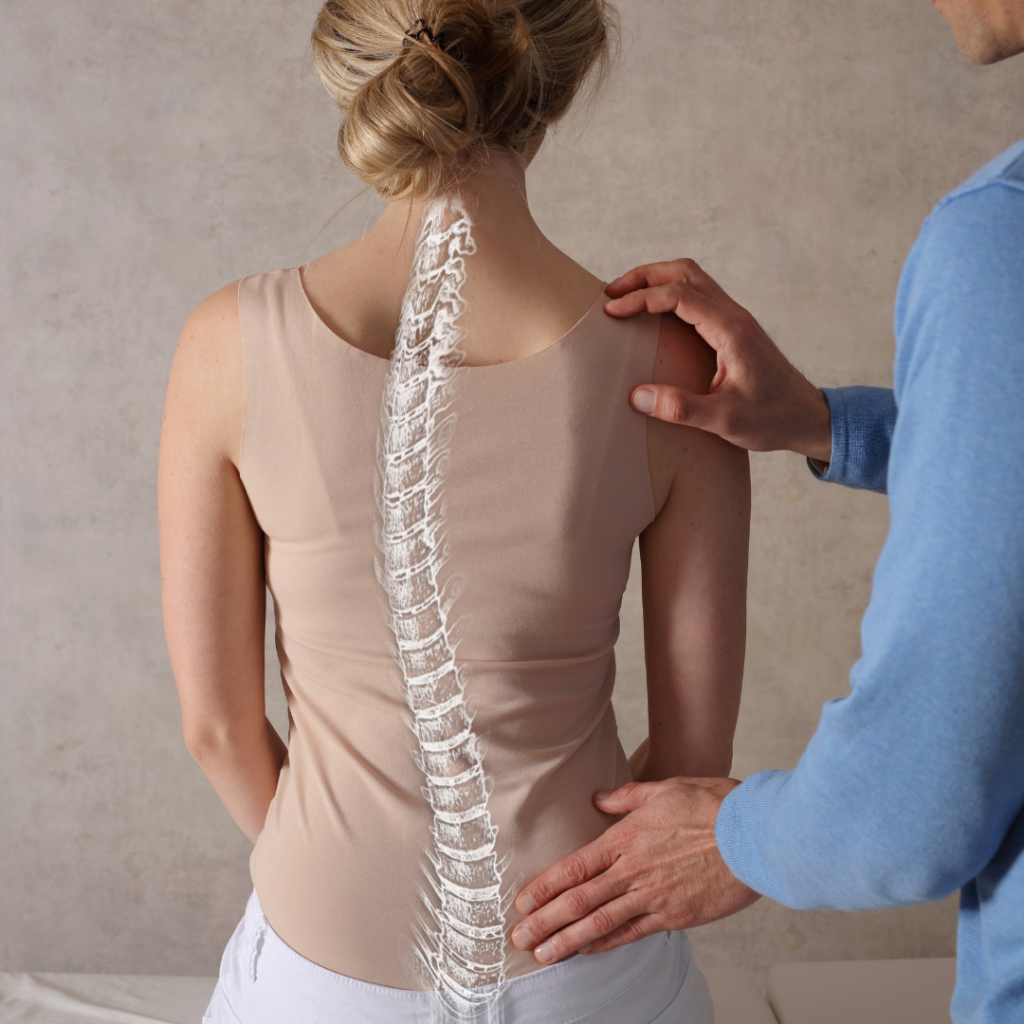
Understanding the interconnectedness of your musculoskeletal system and how chiropractic care can help realign your spine and joints can further enhance your recovery. As we work together, we'll explore these elements to ensure that you not only recover but also thrive in your athletic pursuits. Let's embark on this journey to optimal health and performance together!
Understanding Sports Injuries
As a local chiropractor, I want to help you understand sports injuries, whether you're an occasional participant or a seasoned athlete. It's crucial to grasp the nature of these injuries for effective recovery, and I'm here to guide you through the process.
Sports injuries generally fall into two categories: acute and chronic. Acute injuries strike suddenly, often as the result of a specific event—think twisting your ankle or pulling a muscle. You might experience immediate pain, swelling, or bruising. Recognizing these symptoms is important, as prompt attention can make a significant difference in your recovery.
Chronic injuries, on the other hand, develop gradually, usually due to repetitive stress on a specific area of your body. You might feel ongoing pain or discomfort that worsens over time, hindering your ability to perform at your highest level. Common examples of chronic injuries include tendonitis and stress fractures. Understanding the type of injury you're facing can greatly influence your recovery journey.
When evaluating an injury, it's also essential to consider the body's biomechanics. Poor technique, insufficient warm-up, or imbalances in strength can heighten your risk for injuries. Always listen to your body during physical activities—if something feels off, it's wise to pause and reassess what's happening.
Moreover, we mustn't forget the mental aspect of dealing with sports injuries. They can be frustrating and emotionally taxing, affecting your motivation and confidence. By understanding the nature of your injury and its implications, you can make informed decisions regarding your recovery and eventual return to your favorite sports.
Importance of Therapy Techniques
As a local chiropractor, I want to emphasize how crucial therapy techniques are in your recovery from a sports injury.
These methods are designed to not only support your body's inherent healing abilities but also to offer effective pain management solutions.
By exploring and understanding these chiropractic techniques, you can significantly enhance your recovery experience and return to your favorite activities sooner.
Embracing natural healing is a holistic approach that can lead to long-term wellness and improved performance.
Let's work together to facilitate your healing journey!
Enhanced Healing Processes
At our chiropractic clinic, we believe that unlocking your body's natural ability to heal is essential for a swift recovery and overall performance enhancement. The therapy techniques we utilize not only promote healing but also empower you to return to your favorite activities even stronger than before.
Let's explore some of the ways chiropractic care can support your healing journey:
- Improved Blood Flow: Techniques such as spinal adjustments and soft tissue therapy can enhance circulation, ensuring that vital nutrients reach the injured areas of your body more efficiently.
- Cellular Regeneration: Our therapies are designed to stimulate your body's natural repair processes, aiding in the regeneration of tissues and supporting quicker recovery.
- Reduced Inflammation: We often incorporate methods like ice therapy and compression, which can significantly reduce swelling and discomfort, allowing you to heal faster.
- Enhanced Range of Motion: Through targeted stretching and mobility exercises, we work to improve your flexibility, which is crucial for preventing future injuries and maintaining optimal function.
By actively engaging in chiropractic care, you lay the groundwork for a faster, more effective recovery.
It's important to understand that each technique we employ offers unique benefits tailored to your individual needs. By prioritizing these natural healing processes, you'll not only recover more quickly but also build resilience against potential injuries down the line.
Let's help you harness your body's potential for recovery and overall well-being!
Pain Management Strategies
As a local chiropractor, I want to share with you the importance of effective pain management, especially while you're recovering from an injury. Understanding the right approaches can significantly impact your healing journey. One of the most beneficial methods is chiropractic care. By working closely with a chiropractor, you can engage in specialized adjustments that align your spine and joints, promoting proper function and reducing pain over time.
In addition to spinal adjustments, we often incorporate various modalities to enhance your recovery. For instance, applying heat can help relax your muscles and boost blood circulation, while ice therapy can effectively manage inflammation and numb sharp pain.
We also utilize techniques such as therapeutic massage, which can relieve tension and enhance blood flow, further supporting your healing process.
It's also crucial to recognize the role of mental strategies in pain management. Techniques such as mindfulness and relaxation can greatly influence your perception of pain and help alleviate anxiety related to your injury. Simple practices like deep breathing exercises and guided imagery can be invaluable tools to include in your overall pain management plan.
At our chiropractic office, we aim to provide you with a holistic approach to healing that empowers you to take charge of your recovery. Together, we can explore these natural strategies to help you feel better and get back to doing what you love.
Physical Therapy Exercises
As a local chiropractor, I want to emphasize the vital role that physical therapy exercises play in the recovery from sports injuries. These exercises aren't just about healing; they're tailored to enhance your strength, flexibility, and overall mobility, ensuring that you return to your activities better than ever.
By integrating a structured physical therapy routine into your recovery plan, you can accelerate your healing process and significantly lower the chances of future injuries.
Here are some of the key benefits that physical therapy exercises offer:
- Improved Range of Motion: Through targeted exercises, we can help restore movement in your joints, making everyday tasks easier and more comfortable.
- Strength Building: By strengthening the muscles around the injured area, we provide stability that promotes faster recovery and reduces the risk of re-injury.
- Pain Reduction: Regular physical activity can help alleviate pain by boosting circulation and reducing muscle tension, leading to a more comfortable recovery experience.
- Enhanced Athletic Performance: A comprehensive exercise routine prepares you for a safe return to sports, ensuring you're in optimal condition to perform.
When you engage in physical therapy exercises under my guidance, you can trust that you're performing movements correctly and safely.
I may introduce you to various techniques, including stretching, strengthening, and balance exercises, all of which are crucial for a thorough recovery.
As you progress, I'll continuously adjust your regimen to challenge you, helping you push your limits while maintaining safety.
Consistency is essential; by dedicating time to your physical therapy exercises, you're investing in your body's healing potential and performance capabilities.
Embrace this journey, and you'll find yourself emerging stronger and more resilient than before.
Innovative Modalities
As you embark on your recovery journey, I want to introduce you to some innovative modalities that can significantly enhance your healing process. These techniques are specifically designed to target injuries and promote faster recovery, helping you return to your favorite activities sooner.
One popular method I recommend is cryotherapy. By exposing your body to extremely low temperatures, cryotherapy can effectively reduce inflammation and alleviate pain. Many athletes have found that this technique speeds up muscle recovery and even enhances their overall performance.
Another exciting option is electrical stimulation therapy. This approach involves using electrical impulses to stimulate your muscles, which helps promote healing and reduce pain. It's especially beneficial for conditions like tendonitis or muscle strains, allowing you to regain strength and mobility without the risk of overexertion.
I also encourage you to consider infrared therapy as part of your routine. This non-invasive technique utilizes infrared light to penetrate deep into your tissues, enhancing circulation and minimizing inflammation. It's a great way to relieve pain and support your body's natural healing processes.
Lastly, ultrasound therapy is another modality worth exploring. This technique employs sound waves to promote tissue healing, decrease inflammation, and improve blood flow. Many physical therapists incorporate this method into their practice to enhance recovery from various injuries, making it a valuable addition to your healing regimen.
Nutrition and Recovery
As a local chiropractor, I want to emphasize how crucial nutrition is in your recovery from a sports injury.
It's not just about the adjustments and treatments we provide; your diet significantly impacts your healing process. Focus on incorporating vital nutrients that aid in tissue repair, such as protein, vitamins, and minerals.
Additionally, don't underestimate the importance of hydration. Staying properly hydrated can enhance your recovery and overall well-being, so make sure you're drinking plenty of fluids throughout the day.
Essential Nutrients for Healing
As a local chiropractor, I want to emphasize how vital it's to fuel your body with the right nutrients, especially if you're recovering from sports injuries. A balanced diet that's rich in essential nutrients can significantly enhance your healing process, minimize inflammation, and fortify your body against future injuries.
Here are some key nutrients I encourage you to consider:
- Protein: This nutrient is crucial for repairing tissues and rebuilding muscles. Make sure to incorporate lean sources like chicken, fish, tofu, or legumes into your meals.
- Omega-3 Fatty Acids: Found in fatty fish, walnuts, and flaxseeds, omega-3s are known for their anti-inflammatory properties and can aid in the healing process.
- Vitamins C and E: These antioxidants play an important role in boosting collagen production and protecting your cells from damage. You can find these vitamins in citrus fruits, berries, and nuts, which are excellent additions to your diet.
- Zinc: This mineral is essential for a strong immune system and effective tissue repair. You can obtain zinc from sources such as meat, shellfish, legumes, and seeds.
By integrating these nutrients into your diet, you can support your body's natural healing abilities and complement the chiropractic care you receive.
Hydration's Role in Recovery
As a local chiropractor, I want to emphasize the critical role that proper hydration plays in your recovery from sports injuries. Many people overlook this essential aspect of healing, but it's vital for your body to function optimally during the recovery process.
When you're injured, your body requires water to facilitate healing. Hydration supports the transport of nutrients, helps regulate your body temperature, and keeps your joints well-lubricated. If you're not drinking enough water, you could inadvertently slow down your recovery.
Dehydration can lead to various issues such as fatigue, muscle cramps, and even decreased concentration, all of which can impede your rehabilitation efforts. It's important to make it a habit to drink water consistently throughout the day—not just when you're feeling thirsty.
A simple way to monitor your hydration is by checking the color of your urine; pale yellow indicates that you're well-hydrated, while dark yellow suggests that it's time to increase your fluid intake.
In addition to plain water, incorporating electrolyte-rich drinks can be beneficial, particularly if you're participating in physical therapy or light exercises during your recovery. These drinks help restore lost minerals and maintain proper fluid balance, which is crucial for your healing.
Let's not forget about the importance of consuming foods with high water content, such as fruits and vegetables. These not only contribute to your hydration needs but also provide essential vitamins and minerals that support your healing process.
In summary, prioritizing your hydration is a simple yet powerful strategy to enhance your recovery. By staying well-hydrated, you'll be setting yourself up for a faster and more effective return to your daily activities.
Mental Health Considerations
As a local chiropractor, I understand that navigating the mental challenges that come with sports injuries can be just as important as addressing the physical aspects. Dealing with an injury involves more than just healing your body; it can significantly impact your mental health, leading to feelings of frustration, anxiety, or even depression.
Recognizing and addressing these emotions is crucial for a full recovery.
Here are some key points to support your mental well-being during this challenging time:
- Stay Connected: It's essential to maintain communication with friends, teammates, or coaches. Having a support system can help reduce feelings of loneliness and provide encouragement as you heal.
- Set Realistic Goals: Focus on small, achievable milestones in your recovery process. This approach not only helps you regain a sense of control but also fosters feelings of accomplishment as you progress.
- Practice Mindfulness: Incorporating techniques such as meditation or deep breathing exercises into your routine can be beneficial. These practices help manage stress and promote a more positive mindset, which is vital during recovery.
- Seek Professional Help: If you find it challenging to cope with the emotional aspects of your injury, consider consulting a mental health professional. They can offer valuable strategies to help you navigate your feelings and maintain your mental health.
As your chiropractor, I'm here to support you not only in your physical recovery but also in your overall well-being.
Together, we can work towards a holistic approach to healing that addresses both your body and mind.
Conclusion
As a local chiropractor, I want to emphasize how incorporating various therapy techniques into your recovery plan can significantly enhance your healing process from sports injuries. Many people are unaware of the powerful benefits of modalities such as cryotherapy and electrical stimulation. These methods, when combined with a focus on proper nutrition and mental health support, can help you return to peak performance much more quickly.
It's essential to understand that recovery isn't solely about physical healing; it encompasses holistic wellness. As you explore chiropractic care and natural healing methods, you'll find that addressing both the body and mind is crucial for a complete recovery. Embrace these strategies, and I assure you, you'll be back in the game, stronger and more resilient than ever!