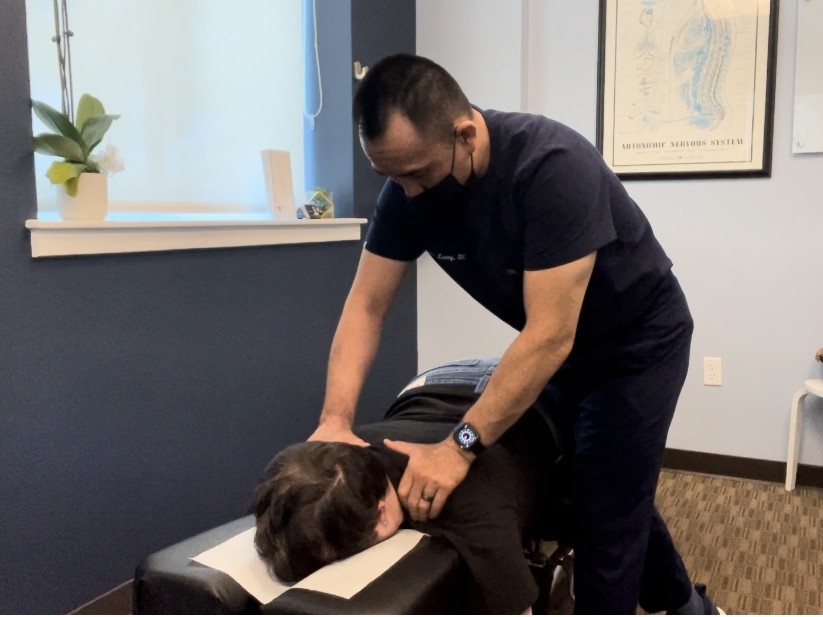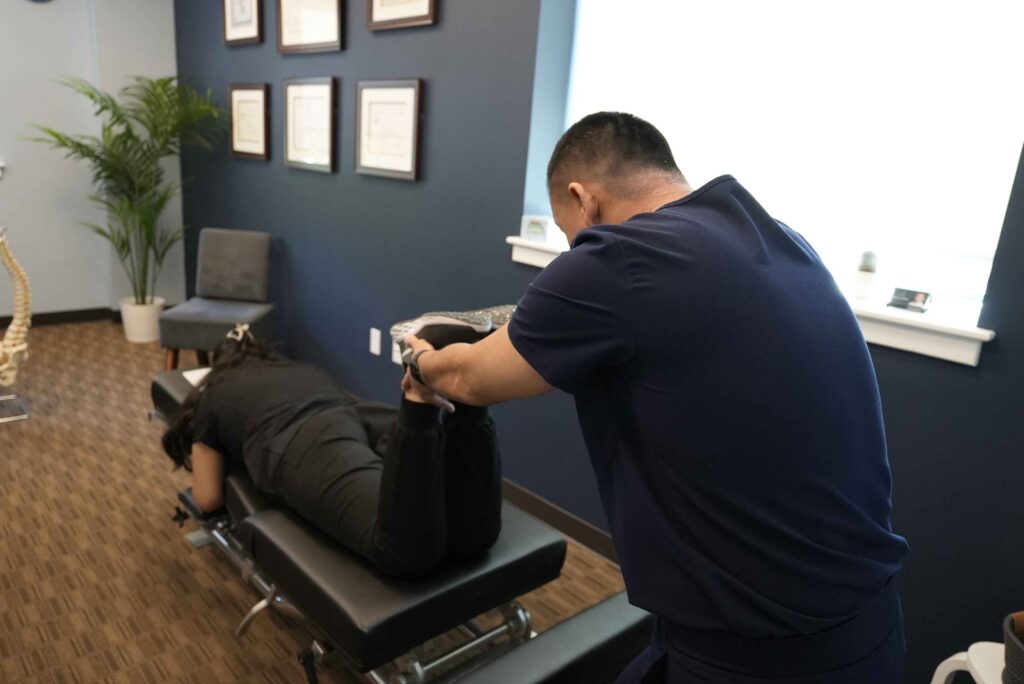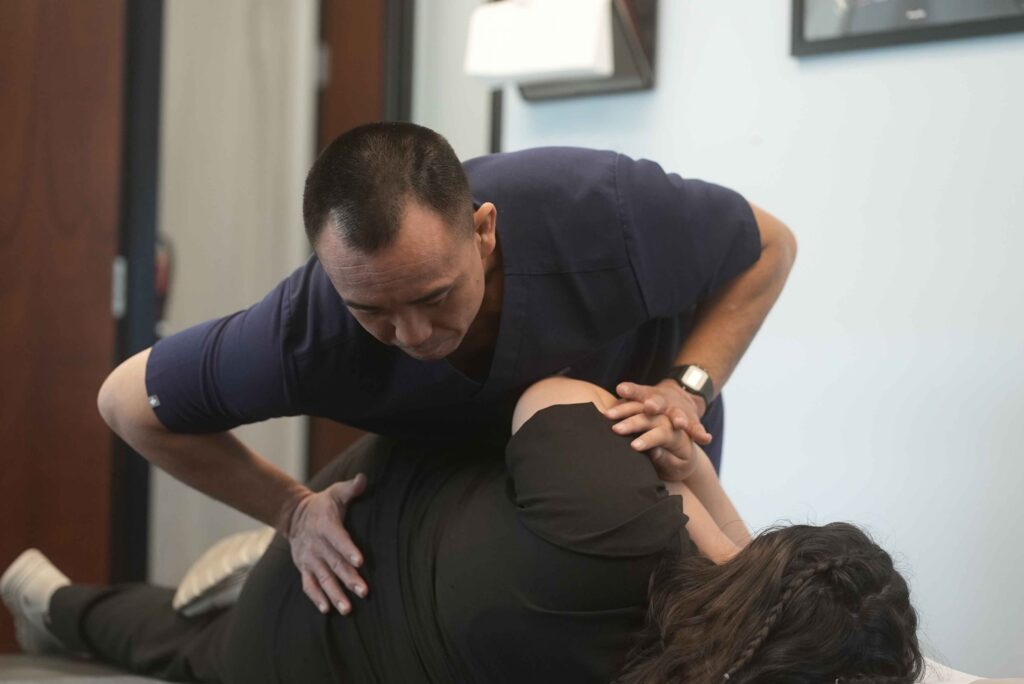
As you navigate the challenges of a sports injury, the journey to recovery can feel overwhelming, but it doesn't have to be. At our chiropractic clinic, we believe in the power of natural healing and want to guide you through effective recovery techniques. From personalized chiropractic adjustments that align your body to targeted physical therapy that strengthens your muscles, we offer a holistic approach to healing.
Many people overlook the importance of nutrition and mental resilience in recovery. As your local chiropractor, I encourage you to explore how proper nutrition can fuel your healing process and how cultivating a positive mindset can enhance your resilience. By incorporating these expert strategies into your recovery plan, you can not only rehabilitate effectively but also set yourself up for a stronger comeback.
So, what are the essential components you should consider to ensure you're on the right path to recovery? Let's work together to create a tailored plan that aligns with your health goals and empowers you to achieve optimal wellness.
Understanding Injury Types
As a local chiropractor, I want to help you understand the different types of sports injuries and how they can impact your recovery journey. Knowledge about these injuries is key to recognizing symptoms early and seeking the right treatment, which can greatly enhance your healing process.
There are primarily two categories of injuries you should be aware of: acute and chronic. Acute injuries strike suddenly, often as a result of a specific incident, such as a fall or a collision. Common examples include sprains, strains, fractures, or dislocations. These types of injuries typically present with immediate pain, swelling, and sometimes bruising. If you can identify these signs early, it allows for prompt care, which is crucial for a better recovery.
In contrast, chronic injuries develop gradually, usually from repetitive movements or overuse over time. You might encounter issues like tendonitis, bursitis, or stress fractures. These injuries may not cause immediate discomfort but can exacerbate if not addressed. If you experience ongoing pain during or after activity, it's essential to consult with a professional to prevent further complications.
It's also important to consider the severity of your injury. Mild injuries might let you continue your activities with minor adjustments, while severe injuries often necessitate longer periods of rest and rehabilitation. By understanding these differences, you can make better-informed choices about when to continue with your activities and when to seek professional help.
As your chiropractor, I emphasize that recognizing the type of injury you're experiencing is the first vital step towards a successful recovery. With the right guidance and natural healing methods, we can work together to help you regain your strength and return to the activities you love.
Importance of Physical Therapy
Understanding the nature of your injury is just the first step; the next crucial phase in your healing journey is exploring chiropractic care. This holistic approach not only promotes recovery but also enhances your overall well-being.
By collaborating with a qualified chiropractor, you can develop a personalized recovery plan that addresses your unique needs, ensuring a more effective healing process without the reliance on medication or invasive procedures.
Here are three compelling reasons why chiropractic care is vital for your recovery:
- Personalized Treatment Plans: Chiropractors conduct thorough assessments of your injury and create tailored strategies aimed at restoring your mobility and strength. This individualized approach not only improves your recovery timeline but also supports your body in healing naturally.
- Natural Pain Relief: Utilizing techniques such as spinal adjustments, soft tissue therapy, and therapeutic exercises, chiropractors can effectively manage and reduce your pain. Learning how to alleviate discomfort through natural methods empowers you to make meaningful progress in your recovery.
- Injury Prevention: A skilled chiropractor won't only aid your healing process but also educate you on exercises and lifestyle modifications that prevent future injuries. By focusing on correcting underlying issues and enhancing your body's mechanics, you'll be better prepared to return to your activities with confidence.
Integrating chiropractic care into your recovery plan is essential. It lays the groundwork for a successful return to your daily activities, ensuring that you emerge not only healed but also stronger and more resilient.
Don't overlook the transformative potential of chiropractic treatment; it can significantly enhance your healing journey.
Nutritional Support for Recovery
As a chiropractor, I want to emphasize the vital role nutrition plays in your recovery from sports injuries. Think of nutrition as the fuel your body needs to heal effectively. When you're injured, your body requires a diverse range of nutrients to repair tissues, minimize inflammation, and regain strength. By prioritizing a balanced diet, you can significantly enhance your recovery process.
Start by including plenty of protein-rich foods in your meals. Proteins are crucial for tissue repair and healing. I recommend incorporating lean meats, fish, eggs, dairy, legumes, and nuts into your diet. Aim for a good source of protein at every meal to support your muscle recovery and growth.
Additionally, don't overlook the importance of healthy fats. Omega-3 fatty acids, which are found in fatty fish like salmon, as well as flaxseeds and walnuts, can help reduce inflammation—a key factor during the healing process. Including these sources of healthy fats in your diet can't only speed up your recovery but also enhance your overall well-being.
Carbohydrates are essential for providing energy as well. During recovery, your body still needs fuel to function, especially if you're participating in rehabilitation exercises. Choose complex carbohydrates like whole grains, fruits, and vegetables, as they offer sustained energy along with vital vitamins and minerals.
Lastly, staying hydrated is paramount. Water is essential for all bodily functions, including the transport of nutrients and the removal of waste. Be sure to drink plenty of fluids throughout the day, and consider electrolyte-rich beverages if you're sweating during physical therapy.
Mental Resilience Techniques
Healing from a sports injury involves more than just physical rehabilitation; your mental state is crucial in this journey. As a local chiropractor, it's my goal to help you understand how mental resilience can significantly impact your recovery and get you back to your favorite activities faster.
Here are three effective techniques to enhance your mental resilience during this healing process:
- Visualization: Imagine yourself performing at your peak once again. Close your eyes and create a vivid mental picture of being back in the game, executing every move with confidence and skill. This powerful technique can keep your spirits high and maintain your dedication to the recovery process, complementing the physical work we do together in the clinic.
- Mindfulness Meditation: Engaging in mindfulness can greatly assist you in staying grounded and reducing anxiety throughout your recovery. Dedicate a few minutes each day to focus on your breath, allowing any negative thoughts to drift away. This practice fosters mental clarity and promotes a sense of well-being, which is essential as you navigate the challenges of healing.
- Positive Self-Talk: It's important to transform negative thoughts into positive affirmations. Instead of thinking, "I'll never be the same," try rephrasing it to, "I'm becoming stronger each day." This shift in mindset can drastically change how you perceive your recovery journey, making you feel more empowered and in control.
By incorporating these mental resilience techniques alongside your chiropractic care, you can enhance your healing process and pave the way for a successful return to your sport.
Preventing Future Injuries
As a local chiropractor, I want to emphasize the importance of preventing future injuries to maintain not only your athletic performance but also your overall well-being. There are several key strategies you can adopt to minimize your risk of injury.
Firstly, proper warm-up is crucial before engaging in any physical activity. I recommend taking at least 10-15 minutes to perform dynamic stretches and movements that closely resemble your sport. This process prepares your muscles and joints, helping to prevent injuries before they occur.
Secondly, it's vital to listen to your body. If you experience any pain or discomfort, resist the urge to push through it. Ignoring these warning signs can lead to more serious injuries in the future. Instead, take a moment to rest and evaluate what might be causing the issue. This is where chiropractic care can be beneficial, as we can help identify underlying problems and provide natural healing solutions.
Incorporating strength training into your routine is another effective strategy. Building strength, particularly in the muscles surrounding your joints, can significantly decrease your risk of injury. For instance, if you're a runner, it's essential to focus on strengthening your hips and knees, while swimmers should prioritize shoulder strength.
Flexibility also plays a vital role in injury prevention. I encourage you to regularly include stretching or yoga sessions in your weekly schedule to enhance and maintain your range of motion.
Finally, always ensure that your equipment is suitable and in good condition. Wearing worn-out shoes or using ill-fitting gear can increase your chances of injury. If you're unsure about your equipment or how to optimize your performance safely, don't hesitate to ask for guidance.
Conclusion
As a local chiropractor, I want to emphasize the importance of a holistic approach to your recovery from sports injuries. Understanding your injury is the first step, and I encourage you to explore how chiropractic care can play a vital role in your healing process. By incorporating physical therapy techniques, we can help restore mobility and strength to the affected areas.
It's also crucial to nourish your body with the right nutrition, which supports overall healing and helps prevent future injuries. Additionally, we focus on building mental resilience, as a strong mindset is key to overcoming setbacks.
Each step you take in this recovery journey brings you closer to returning to your sport, not just as you were, but even stronger and more capable. Stay committed to your recovery plan, and remember that chiropractic care is here to support you every step of the way. Let's work together to help you achieve your goals!