If you’ve ever dealt with migraines, you know just how overwhelming they can be. You may be considering whether chiropractic care could be an effective way to relieve those intense headaches. Techniques like spinal adjustments and therapeutic massage have garnered attention for their potential benefits in managing migraine symptoms. But do they truly work? Let’s explore how incorporating chiropractic care into your migraine management plan can make a positive difference in your overall wellness.
Chiropractic care focuses on optimizing spinal health, which plays a crucial role in your nervous system function. Misalignments in the spine can lead to tension and irritation that may trigger or exacerbate migraines. By receiving regular chiropractic adjustments, you can help restore proper alignment, reduce tension, and promote better communication between your brain and body.
In addition to adjustments, here are some helpful tips to enhance your migraine management:
- Stay Hydrated: Dehydration can be a trigger for migraines. Make sure to drink plenty of water throughout the day.
- Maintain Good Posture: Poor posture can contribute to tension headaches. Be conscious of your posture while sitting, standing, and working.
- Manage Stress: Stress is a common trigger for migraines. Consider incorporating relaxation techniques such as deep breathing, meditation, or gentle yoga into your routine.
- Regular Sleep Schedule: Establishing a consistent sleep pattern can help reduce the likelihood of migraines. Aim for 7-9 hours of quality sleep each night.
- Healthy Diet: Certain foods can trigger migraines in some individuals. Keep a food diary to identify any potential triggers and maintain a balanced diet rich in fruits, vegetables, and whole grains.
By choosing chiropractic care as part of your strategy for managing migraines, you are investing in a natural and holistic approach to achieving optimal health. Remember, your well-being is a priority, and chiropractic care can be a vital piece of your wellness puzzle. If you’re looking for relief from migraines, don’t hesitate to reach out and see how we can help!
Understanding Migraines: Causes and Symptoms
Migraines can be a challenging experience, affecting your ability to enjoy daily activities. While they can vary from person to person, common symptoms include intense headaches, nausea, and sensitivity to light and sound. Understanding the causes of your migraines is essential, as this knowledge can empower you to manage and reduce their occurrence.
Many people find that lifestyle factors such as sleep patterns, hydration, and stress management play a significant role in either triggering or alleviating migraine symptoms. By adopting healthier habits, you can create an environment that supports overall wellness.
Chiropractic care can be a fantastic option for those seeking relief from migraines. Regular adjustments can help align your spine, improve nervous system function, and reduce tension that may contribute to headaches. It’s a natural approach that focuses on the body’s innate ability to heal itself.
If you feel a migraine coming on, be alert to early warning signs. Implementing relaxation techniques, staying hydrated, and applying a cold compress can help ease symptoms before they worsen.
Additionally, maintaining a consistent sleep schedule and managing stress through activities like yoga or meditation can create a healthier lifestyle that supports migraine prevention.
What Is Manual Therapy?
Manual therapy is a hands-on approach that focuses on relieving pain and enhancing mobility, making it an effective option for those seeking natural healing methods. As a chiropractor, I often see patients who suffer from migraines and are looking for relief without relying on medications or surgeries.
Chiropractic care offers various techniques that can help manage migraines by addressing tension and discomfort within the body. These techniques may include spinal adjustments, soft tissue manipulation, and other specialized methods that target the source of pain.
The benefits of chiropractic care for migraine sufferers can be significant. Research indicates that spinal adjustments can improve spinal alignment, reduce muscle tension, and enhance overall nervous system function, all of which contribute to alleviating headache symptoms.
If you’re struggling with migraines, consider these tips:
- Stay Hydrated: Dehydration can trigger migraines, so make sure you’re drinking plenty of water throughout the day.
- Maintain Good Posture: Poor posture can lead to tension in your neck and shoulders, which may exacerbate migraine pain. Be mindful of your posture, especially if you sit for long periods.
- Incorporate Regular Exercise: Physical activity can help reduce stress and tension in the body, which may lower the frequency and intensity of migraines.
- Consider Chiropractic Adjustments: Regular visits to a chiropractor can help maintain spinal health and address underlying issues that may contribute to migraines.
By choosing chiropractic care, you’re opting for a natural, holistic approach to achieving optimal health and wellness.
Techniques Used in Manual Therapy
When exploring the realm of manual therapy, you’ll discover a range of techniques that not only help alleviate pain but also enhance your overall well-being. One effective approach is soft tissue mobilization, which focuses on relieving muscle tension and those pesky trigger points that can cause discomfort. This technique is beneficial in promoting relaxation and restoring balance to your body.
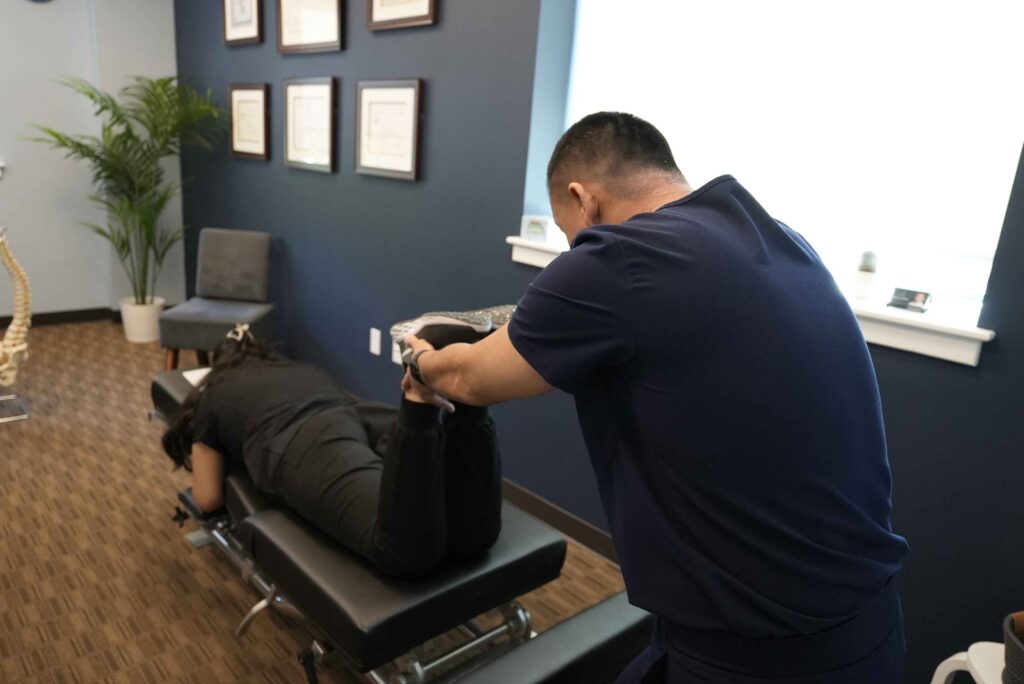
Another valuable method is joint mobilization, which involves gentle and controlled movements to improve the range of motion in stiff joints. This can be especially helpful if you’ve been feeling restricted in your movements. By integrating joint mobilization into your routine, you’ll notice an increase in flexibility and a reduction in pain.
You may also come across myofascial release, which targets tight connective tissues to release tension and improve mobility. This technique can be particularly helpful if you experience chronic pain or tightness in specific areas of your body.
Craniosacral therapy is another gentle technique that focuses on the skull and spine, promoting the flow of cerebrospinal fluid. This can be a great way to relieve stress and tension throughout your body, further supporting your journey to wellness.
Lastly, muscle energy techniques involve actively engaging your muscles against resistance, which can promote relaxation and mobility. This interactive approach can empower you to take an active role in your healing process.
All of these methods work harmoniously to create a more balanced and pain-free body, making chiropractic care a fantastic choice for those seeking natural relief, especially for issues like migraines.
Benefits for Migraines
If you’ve been dealing with migraines, chiropractic care can provide significant benefits by addressing the root causes of your discomfort. This holistic approach focuses on spinal alignment and overall body function, which can help reduce muscle tension, improve circulation, and promote relaxation—key factors in alleviating migraine symptoms.
By specifically targeting the neck, shoulders, and upper back through gentle adjustments and manual therapy, chiropractic care can relieve areas that often carry stress and tightness. This not only helps with immediate pain relief but also supports your body’s natural healing processes, allowing you to better manage headache triggers.
Many of my patients have reported a decrease in the frequency and intensity of their migraines after incorporating chiropractic care into their wellness routine. This can lead to a more balanced, pain-free life and empower you to take control of your health.
In addition to regular chiropractic adjustments, here are some general tips to help manage migraines:
- Stay Hydrated: Drink plenty of water throughout the day to prevent dehydration, which can trigger headaches.
- Maintain Good Posture: Pay attention to your posture, especially if you spend long hours sitting at a desk. Proper alignment can reduce tension in your neck and back.
- Manage Stress: Incorporate relaxation techniques such as deep breathing, meditation, or yoga to help manage stress levels.
- Get Regular Exercise: Engaging in regular physical activity can improve circulation and reduce the likelihood of migraines.
- Keep a Headache Diary: Tracking your migraines can help you identify triggers and patterns, making it easier to avoid them in the future.
Research and Evidence
Many people may not be familiar with manual therapy, but it’s a hands-on approach that focuses on improving the body’s musculoskeletal system to help you feel better and live a healthier life.
As a chiropractor, I can tell you that research supports the effectiveness of manual therapy, especially when it comes to managing migraines.
Techniques like spinal manipulation and soft tissue mobilization can significantly lower the frequency and intensity of headaches. For example, a study showed that participants who received manual therapy experienced notable improvements compared to those who did not.
Many patients also report feeling less muscle tension and experiencing greater relaxation after their sessions.
If you’re dealing with migraines, consider incorporating chiropractic care into your wellness routine. Not only can it provide relief, but it can also enhance your overall quality of life.
Here are a few tips you can try at home:
- Stay Hydrated: Dehydration can trigger migraines, so drink plenty of water throughout the day.
- Maintain Good Posture: Pay attention to your posture, especially if you spend long hours sitting. Good posture can help reduce tension in your neck and shoulders.
- Manage Stress: Stress is a common migraine trigger. Try relaxation techniques like deep breathing, meditation, or gentle yoga.
- Regular Exercise: Engage in regular physical activity, as it can help reduce the frequency of headaches and improve your overall well-being.
While more research is always beneficial, the evidence we’ve suggests that chiropractic care is an excellent choice for natural pain relief and overall wellness.
If you’re looking for a path to better health, consider making an appointment with a chiropractor today!
Chiropractic Adjustments for Migraine Relief
Chiropractic adjustments can be a powerful tool for those dealing with migraines, as they target the root causes that may lead to headache discomfort. By realigning your spine, a chiropractor can help enhance the function of your nervous system, which may lead to fewer and less intense migraine episodes.
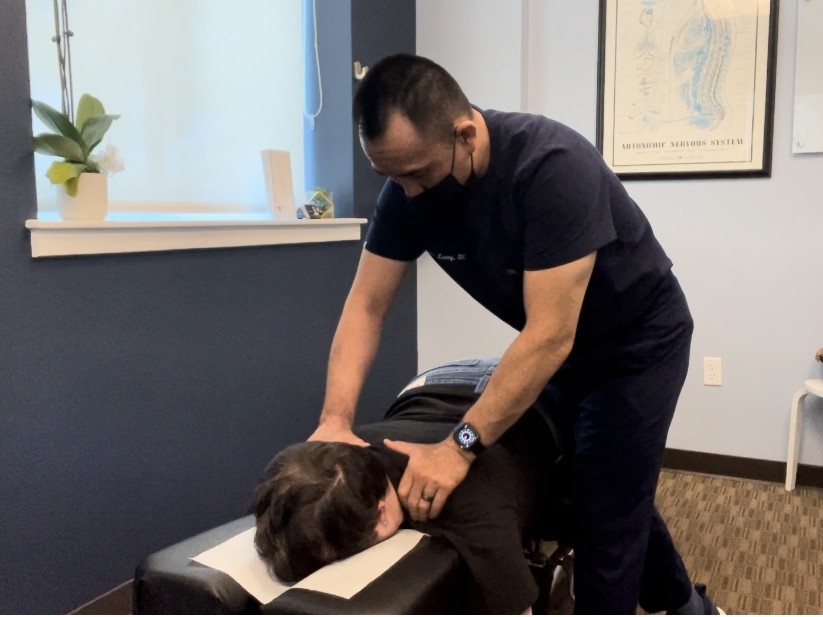
When you visit a chiropractor, they’ll take the time to evaluate your posture, spinal alignment, and any tension areas. Through gentle adjustments, they can restore balance to your body, improve blood circulation, and ease nerve irritation.
Many patients find that after a series of chiropractic sessions, they experience not only a reduction in migraine frequency but also better mobility and less neck discomfort.
It’s important to share your migraine history and symptoms with your chiropractor. This open communication allows them to customize a treatment plan that suits your specific situation. If you’re looking for a natural way to manage your migraines, chiropractic care can be a fantastic option to consider.
Additionally, here are some general tips to support your wellness journey:
- Stay Hydrated: Dehydration can trigger migraines, so ensure you’re drinking enough water throughout the day.
- Maintain Good Posture: Be mindful of your posture while sitting, standing, and using electronic devices to prevent tension in your neck and back.
- Manage Stress: Incorporating relaxation techniques such as deep breathing, yoga, or meditation can help reduce stress levels that may contribute to migraines.
- Get Regular Exercise: Engaging in regular physical activity can improve overall health and may help reduce the frequency of migraines.
The Role of Massage Therapy in Managing Migraines
When it comes to managing migraines, chiropractic care can be a game changer in alleviating tension and promoting overall wellness. If you often experience migraines, incorporating regular chiropractic adjustments into your routine may help reduce their frequency and intensity.
Chiropractors focus on spinal alignment and can address tightness in your neck, shoulders, and back—areas where tension often builds up and contributes to migraine pain.
During a chiropractic adjustment, you may experience a release of muscle tightness, which can lead to reduced pain perception. Moreover, the calming effects of chiropractic care can help lower stress levels, an important factor since stress is a known trigger for migraines.
You don’t have to wait until a migraine strikes to benefit from chiropractic care; regular visits can foster a more relaxed state and improve your overall well-being. Techniques such as spinal manipulation, gentle stretching, and corrective exercises can be tailored to your specific needs, making a significant difference in managing your migraine symptoms effectively.
In addition to chiropractic adjustments, here are some general tips to help manage migraines:
- Stay Hydrated: Dehydration can trigger migraines, so drink plenty of water throughout the day.
- Regular Sleep Schedule: Aim for consistent sleep patterns to help regulate your body’s natural rhythms.
- Healthy Diet: Eating balanced meals and avoiding trigger foods can be beneficial.
- Stress Management: Incorporate relaxation techniques like deep breathing, yoga, or meditation into your daily routine.
Physical Therapy Techniques for Migraine Sufferers
If you’re dealing with migraines, chiropractic care can be an excellent option to help manage your symptoms naturally. While physical therapy offers some benefits, chiropractic techniques specifically target the spine and nervous system to promote overall wellness and pain relief.
As a chiropractor, I can help you with spinal adjustments that align your vertebrae, which may relieve tension in the neck and upper back—common areas where migraine triggers often reside. By ensuring your spine is properly aligned, we can help improve your body’s function and reduce headaches.
In addition to adjustments, I recommend incorporating gentle stretching and strengthening exercises into your routine. These can help alleviate muscle tension and improve your posture, which is essential for avoiding future migraines.
Remember, maintaining good posture while sitting and standing can make a big difference in how your body feels.
I also emphasize the importance of relaxation techniques. Simple breathing exercises or mindfulness practices can significantly reduce stress, which is a major migraine trigger for many. Consider taking a few minutes each day to practice deep breathing or meditate.
If you’re looking for a natural approach to managing your migraines, chiropractic care could be the key to your wellness journey. By focusing on spinal health and overall body function, we can work together to enhance your quality of life without the need for medications or invasive procedures.
Always remember, taking small steps toward better posture and stress management can lead to significant improvements in your migraine experience.
Evidence Supporting Manual Therapy for Migraines
Many individuals suffering from migraines often turn to medications for relief. However, as a local chiropractor, I want to share the benefits of manual therapy, particularly chiropractic care, as an effective alternative for managing migraines. Research has shown that techniques such as spinal manipulation and soft tissue mobilization can significantly reduce both the intensity and frequency of migraine attacks.
One compelling systematic review revealed that those who received manual therapy reported experiencing fewer headaches compared to those who didn’t seek this form of treatment. This is great news for anyone looking for a natural way to alleviate migraine pain!
Incorporating chiropractic adjustments, along with therapies like massage, can be incredibly beneficial. These approaches help relieve tension in the neck and shoulders, which are often connected to migraine triggers. In fact, many patients have reported an improved overall quality of life after engaging in chiropractic care.
It’s important to understand that these hands-on techniques not only target immediate pain relief but also address underlying musculoskeletal issues that may contribute to migraines. By focusing on the spine and surrounding areas, chiropractic care helps to restore balance and function to the body, which can lead to long-term wellness.
For those looking to manage migraines naturally, consider these tips:
- Stay hydrated: Dehydration can trigger headaches, so make sure to drink plenty of water throughout the day.
- Maintain good posture: Poor posture can lead to tension in the neck and shoulders, so be mindful of your alignment whether you’re sitting, standing, or working.
- Incorporate regular chiropractic visits: Routine adjustments can help keep your spine healthy and may reduce the frequency of migraine attacks.
- Practice relaxation techniques: Stress can also be a major trigger for migraines. Techniques like deep breathing, meditation, or yoga can help calm your mind and body.
In conclusion, chiropractic care stands out as a powerful option for those seeking relief from migraines. By focusing on natural healing and wellness, you can take control of your health without relying on medications or invasive procedures.
Consider reaching out to your local chiropractor to explore how manual therapy can improve your quality of life and help you manage migraines more effectively.
Potential Benefits of Manual Therapy
As a local chiropractor, I want to share how manual therapy, particularly chiropractic care, can offer significant benefits for your overall well-being, especially if you suffer from migraines.
One of the standout advantages of chiropractic techniques is their ability to reduce muscle tension, which is often a key factor in triggering or worsening migraine episodes. By utilizing targeted adjustments and therapies, we can help relieve that tension, leading to fewer headaches and a greater sense of relaxation.
Moreover, chiropractic care enhances circulation and promotes better blood flow to the brain, which can help alleviate migraine symptoms. You may also find that these treatments provide much-needed stress relief—an essential component since stress can significantly increase the frequency and intensity of migraines.
In addition to addressing migraines, many of our patients experience improved mobility and flexibility after chiropractic sessions. This not only enhances your physical functioning but also contributes to a more active and fulfilling lifestyle.
To incorporate chiropractic care into your routine effectively, consider scheduling regular adjustments and exploring additional techniques like gentle stretches and relaxation exercises at home.
This holistic approach can help manage migraines and elevate your overall quality of life. Remember, chiropractic care is a natural and effective way to achieve optimal health without the need for medications or invasive procedures.
Risks and Considerations
When considering chiropractic care for migraines, it’s essential to be aware of potential side effects and how your unique health conditions may affect your treatment. Chiropractic adjustments can help alleviate tension and improve spinal alignment, which can be beneficial for migraine relief.
It’s also important to follow recommendations regarding the frequency of treatments to ensure both safety and effectiveness.
By choosing chiropractic care, you’re opting for a natural approach to health and wellness, focusing on the body’s ability to heal itself. Here are a few tips to enhance your experience:
- Stay Hydrated: Drinking plenty of water can help reduce the frequency and intensity of migraines.
- Maintain Good Posture: Proper posture can prevent unnecessary strain on your neck and spine, which may help reduce migraine triggers.
- Manage Stress: Incorporate relaxation techniques such as deep breathing, meditation, or gentle yoga to help manage stress, a common migraine trigger.
- Regular Adjustments: Consistent chiropractic care can help maintain spinal health and reduce the likelihood of migraines.
Being informed and proactive about your health will empower you to make the best decisions for your well-being. Chiropractic care stands out as a natural, effective choice for those seeking relief from migraines and a path to optimal health.
Potential Side Effects
While chiropractic care can provide significant relief for migraines, it’s important to understand some potential side effects and risks. After a session, you may feel temporary discomfort or soreness in the areas that were treated, which is a normal reaction as your body adjusts and heals.
Some patients notice an initial increase in headache frequency or intensity following their therapy sessions, but this typically resolves with continued care.
If you’re sensitive to touch, certain chiropractic techniques may make you feel more discomfort. That’s why it’s crucial to work with a well-trained chiropractor who understands your individual needs and can tailor treatments to suit you.
Open communication during your sessions is key—let your chiropractor know how you’re feeling so they can adjust their approach accordingly.
To enhance your chiropractic experience and minimize any risks, consider incorporating some general wellness tips. Staying hydrated, practicing good posture, and engaging in gentle stretching exercises can all contribute to a healthier spine and overall well-being.
Remember, the goal of chiropractic care is to help you achieve optimal health naturally, without the need for medications or invasive procedures.
Always prioritize your health and don’t hesitate to seek guidance if you’re experiencing any concerning changes. Knowledge is power, and being informed will help you fully benefit from your chiropractic journey!
Individual Health Conditions
Understanding your individual health conditions is crucial before starting chiropractic care for migraines. This knowledge helps ensure that your treatment is both safe and effective. If you have any history of spinal issues, neurological conditions, or cardiovascular concerns, it’s important to share this information with your chiropractor.
While chiropractic care is a natural way to address pain and promote wellness, certain health factors may influence how your body responds to treatment. For example, if you’re pregnant or have recently had surgery, manual therapy mightn’t be advisable at this time.
Always keep your chiropractor informed about any medications you’re taking, as they can affect how your body reacts to chiropractic adjustments. Being open about your health history allows your chiropractor to create a personalized care plan that focuses on your unique situation, ensuring a more beneficial experience.
Remember, chiropractic care isn’t just about pain relief; it’s about fostering overall wellness and helping your body function at its best.
Here are some general tips to consider for your health journey:
- Stay hydrated: Water is essential for maintaining overall health and can help alleviate headaches.
- Practice good posture: Proper alignment can prevent tension in your neck and shoulders, reducing the likelihood of migraines.
- Incorporate regular physical activity: Gentle exercises, like walking or stretching, can promote a healthy spine and reduce stress.
- Manage stress: Techniques such as deep breathing, meditation, or yoga can help keep stress levels in check, which is key in managing migraines.
Treatment Frequency Guidelines
Determining the right treatment frequency for chiropractic care to alleviate migraines is essential for maximizing your health benefits and ensuring a natural healing process. When you first start, weekly visits are often recommended, allowing us to assess your response and the severity of your symptoms.
While some individuals may experience relief with less frequent appointments, others might benefit from more consistent care in the beginning. It’s crucial to maintain open communication with your chiropractor about how you feel and any changes you experience.
Over-treating can sometimes lead to discomfort, while not having enough care may leave migraine triggers unaddressed. Remember that personal factors, such as stress and lifestyle habits, can significantly influence your treatment plan.
Here are some helpful tips to enhance your wellness journey:
- Stay Hydrated: Drink plenty of water throughout the day to keep your body well-hydrated, as dehydration can trigger migraines.
- Practice Relaxation Techniques: Incorporating practices like deep breathing, meditation, or gentle yoga can help reduce stress levels, which may contribute to migraine occurrences.
- Maintain Good Posture: Pay attention to your posture while sitting or working, as poor alignment can strain your neck and back, potentially leading to headaches.
- Regular Exercise: Engaging in regular physical activity can improve your overall health and may help reduce the frequency and intensity of migraines.
- Prioritize Sleep: Aim for a consistent sleep schedule and create a restful environment to enhance sleep quality, as a lack of rest can trigger migraines.
Always prioritize your comfort and well-being when it comes to your treatment frequency. Don’t hesitate to discuss any adjustments you may need with your chiropractor.
Integrating Manual Therapy Into a Comprehensive Migraine Management Plan
Integrating manual therapy into a comprehensive migraine management plan can significantly enhance your journey towards better health. As a chiropractor, I firmly believe that chiropractic care, including techniques like spinal manipulation, massage, and myofascial release, addresses the root causes of migraines effectively.
By focusing on these natural healing methods, we can relieve muscle tension, reduce stress, and promote relaxation, all of which are essential for managing migraine symptoms.
Working closely with a chiropractor allows you to receive personalized care tailored to your specific needs. Together, we can identify your migraine triggers and develop a plan that includes manual therapy and lifestyle modifications to support your overall wellness.
Simple lifestyle changes, such as staying hydrated, eating a balanced diet, and incorporating regular exercise into your routine, can further enhance the benefits of chiropractic care.
You don’t have to face migraine management alone. By embracing a holistic approach that emphasizes chiropractic care, you’re taking proactive steps to reduce the frequency and intensity of your migraines.
Conclusion
Incorporating chiropractic care into your migraine management plan can lead to significant relief. By addressing musculoskeletal issues through gentle adjustments, targeted massage, and personalized physical therapy, many patients find a reduction in both the frequency and intensity of their migraines.
Chiropractic care focuses on the alignment of the spine and the overall health of the nervous system, which can play a crucial role in alleviating migraine symptoms. In addition to these therapies, simple lifestyle changes—such as staying well-hydrated, practicing stress management techniques, and maintaining a balanced diet—can further enhance your overall wellness.
Remember, it’s essential to consult with a chiropractor who can create a tailored plan that best suits your individual needs. This holistic approach to managing migraines not only addresses the symptoms but also promotes long-term health and wellness.
Here are a few additional tips to help manage your migraines naturally:
- Stay Hydrated: Drink plenty of water throughout the day.
- Maintain Regular Sleep Patterns: Try to go to bed and wake up at the same time every day.
- Manage Stress: Engage in relaxation techniques such as deep breathing, yoga, or meditation.
- Limit Triggers: Identify and avoid foods or activities that may trigger your migraines.
By prioritizing chiropractic care and making these lifestyle adjustments, you can take proactive steps towards achieving optimal health and reducing migraine occurrences.