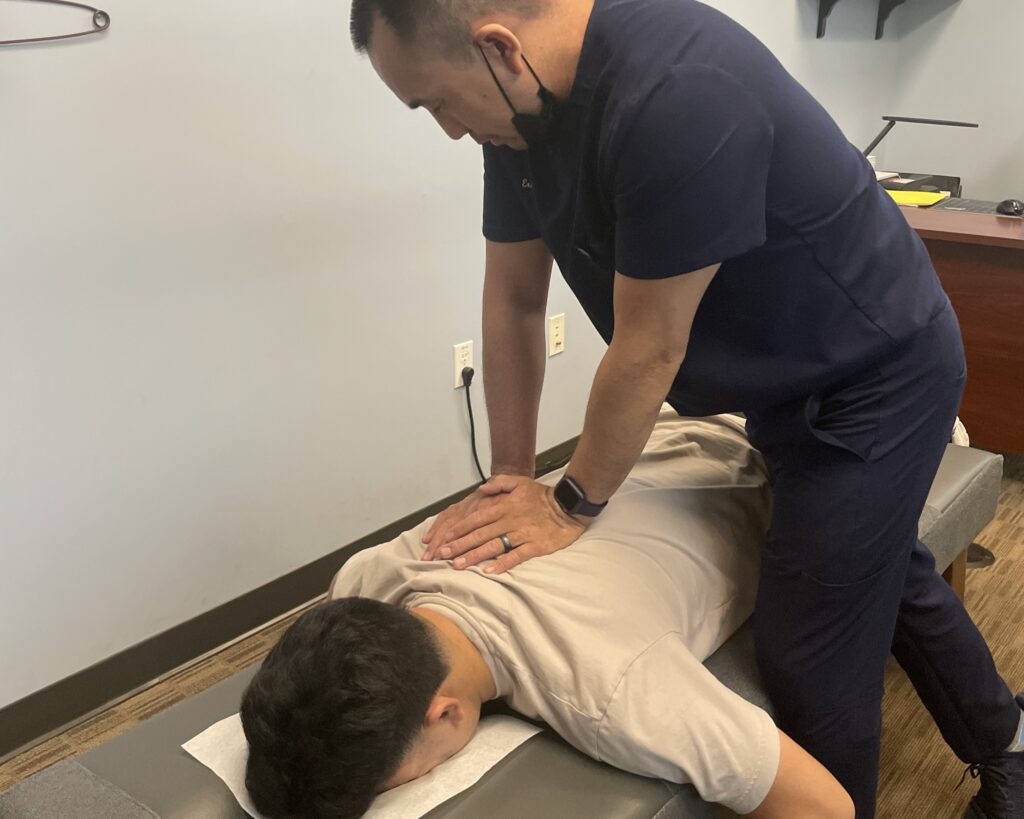
Managing migraines can feel overwhelming, but it doesn’t have to be that way. By embracing gentle methods, you can find significant relief and improve your overall quality of life. As a chiropractor, I believe that chiropractic care is one of the best ways to achieve optimal health and manage migraine symptoms naturally. Incorporating spinal adjustments, proper hydration, dietary adjustments, and mindfulness techniques can work wonders for your body and mind. Let’s explore the ten best gentle methods for migraine management that can enhance your well-being.
- Chiropractic Adjustments: Regular visits to your chiropractor can help align your spine, reduce tension, and improve your nervous system’s function, which may help decrease the frequency and intensity of migraines.
- Stay Hydrated: Dehydration is a common trigger for migraines. Make sure you’re drinking enough water throughout the day to keep your body well-hydrated.
- Maintain a Balanced Diet: Eating a well-rounded diet rich in whole foods can help stabilize blood sugar levels and reduce migraine triggers. Focus on fruits, vegetables, whole grains, and healthy fats.
- Mindfulness and Relaxation Techniques: Incorporating mindfulness practices such as deep breathing, meditation, or yoga can help manage stress, which is a significant migraine trigger for many people.
- Regular Exercise: Gentle, regular physical activity can help reduce stress and tension in your body. Simple activities like walking, stretching, or yoga can be beneficial.
- Sleep Hygiene: Establishing a consistent sleep schedule and creating a comfortable sleep environment can significantly impact migraine frequency. Aim for 7-9 hours of quality sleep each night.
- Essential Oils: Some people find relief from migraines by using essential oils like peppermint or lavender. Inhaling these soothing scents or applying them topically can promote relaxation.
- Limit Caffeine and Alcohol: Both can potentially trigger migraines. Be mindful of your consumption and consider reducing your intake if you notice a pattern.
- Maintain a Migraine Diary: Keeping track of your symptoms, triggers, and lifestyle habits can help you and your chiropractor identify patterns and develop personalized strategies for relief.
- Regular Chiropractic Care: Make chiropractic care a part of your wellness routine. Regular adjustments can help keep your body in balance, reducing the likelihood of migraines and promoting overall health.
By incorporating these gentle methods into your daily life, you can take control of your migraines and enhance your overall well-being. Remember, chiropractic care is a natural, effective way to support your body’s healing process and achieve lasting relief.
Hydration and Its Importance
When it comes to managing migraines, staying hydrated isn’t just important—it’s essential. Even mild dehydration can trigger migraine symptoms, so ensuring you drink enough water throughout the day is vital for maintaining your body’s balance and preventing headaches from worsening. A good goal is to aim for at least eight glasses of water daily, but feel free to adjust that based on how active you’re and the climate you’re in.
It’s important to be mindful of what you drink, as certain beverages can actually contribute to dehydration. For example, caffeinated drinks and alcohol can have a diuretic effect, meaning they can lead to fluid loss. Instead, it’s best to stick with water, herbal teas, or electrolyte-rich drinks to keep your hydration levels up.
If you find it challenging to drink enough water, here are some simple tips to help: consider carrying a reusable water bottle with you throughout the day, and set reminders on your phone to take regular sips. Adding water-rich foods like fruits and vegetables to your diet can also boost your hydration levels—and they come with the added benefit of essential nutrients that support overall health.
Remember, proper hydration isn’t only good for your body but can also help reduce the frequency and intensity of migraines. At our chiropractic practice, we believe that optimal health involves a holistic approach, and staying hydrated is a crucial piece of that puzzle.
Dietary Adjustments for Migraine Relief
Managing migraines involves more than just staying hydrated; your dietary choices significantly influence your overall wellness and can help alleviate migraine symptoms.
It’s crucial to be mindful of what you eat, as certain foods may trigger migraines. Common offenders include aged cheeses, processed meats, and foods containing MSG. Keeping a food diary is a great way to identify your personal triggers, so you can make informed choices.
Incorporating magnesium-rich foods like spinach, nuts, and whole grains can be beneficial for your health and may provide some relief from migraines. Omega-3 fatty acids, which are found in fish such as salmon and in seeds, also contribute to a balanced diet and can support your body’s natural healing processes.
Additionally, loading up on fruits and vegetables can help reduce inflammation, which is essential for those dealing with migraines.
It’s important not to skip meals! Eating regular, smaller meals helps maintain stable blood sugar levels, which can prevent migraine triggers. If you consume caffeine, consider reducing it gradually, as it can have varying effects on your symptoms—some find it helpful, while others may experience worsened pain.
Remember, dietary adjustments are just one piece of the puzzle. Chiropractic care plays a vital role in achieving optimal health and wellness.
Spinal adjustments can help improve your body’s function, reduce pain, and enhance overall well-being. By combining healthy eating with chiropractic care, you can create a strong foundation for managing migraines and supporting your body’s natural healing abilities.
Your journey to wellness starts with small, consistent changes in both diet and care.
Essential Oils for Natural Pain Management
If you’re seeking natural ways to alleviate migraine pain, essential oils might be worth considering as a complementary approach to your overall health and wellness journey.
While chiropractic care remains the cornerstone for achieving optimal health and pain relief, certain essential oils can provide additional comfort during those tough moments. Understanding how to utilize these oils effectively can enhance your experience.
Let’s delve into some of the most beneficial essential oils and the best practices for their use, keeping in mind that they work best alongside regular chiropractic adjustments.
Here are a few essential oils that may help ease migraine discomfort:
- Peppermint Oil: Known for its cooling effect, peppermint oil can help relieve tension. You can apply diluted peppermint oil to your temples and the back of your neck. This may enhance the benefits of your chiropractic treatments by relaxing the muscles around your spine.
- Lavender Oil: Renowned for its calming properties, lavender oil can help reduce stress, which is often a trigger for migraines. Consider using a diffuser in your home or adding a few drops to your pillowcase for a restful night’s sleep, complementing your chiropractic care’s focus on relaxation and recovery.
- Eucalyptus Oil: This oil can help open up the airways and promote better breathing, which is beneficial if your migraines are accompanied by sinus pressure. Adding a few drops to a warm bath can create a soothing environment that supports your body’s natural healing processes.
- Frankincense Oil: Often used for its anti-inflammatory properties, frankincense can assist in reducing pain and discomfort. You might want to combine it with a gentle massage in the affected areas—just like how chiropractic adjustments can relieve tension in your spine.
When using essential oils, remember to dilute them with a carrier oil to prevent skin irritation. A simple mixture of coconut or jojoba oil works well. Always test a small area of your skin first.
In addition to essential oils, maintaining good posture, staying hydrated, and incorporating regular chiropractic care into your routine are essential steps toward managing migraine pain effectively.
Chiropractic adjustments can help realign the spine and relieve nerve pressure, which is vital for overall wellness and pain management.
In summary, while essential oils can be a helpful addition to your migraine management toolkit, they work best when combined with the holistic benefits of chiropractic care.
Top Essential Oils
While many individuals seek over-the-counter medications for migraine relief, I want to highlight the benefits of natural alternatives, especially in conjunction with chiropractic care. Essential oils can be a wonderful complement to spinal health and overall wellness.
Peppermint oil, with its invigorating cooling effect, can help soothe tension and promote better circulation, which is essential for reducing headache symptoms.
Lavender oil is renowned for its calming qualities, making it an excellent choice for alleviating stress, which often exacerbates migraines. By fostering relaxation, lavender can support the overall wellness approach of chiropractic care.
Eucalyptus oil is another great option; it helps open up airways and can relieve sinus pressure, a common headache trigger. When combined with regular chiropractic adjustments, which improve spinal alignment and nerve function, eucalyptus oil may enhance your overall relief.
Rosemary oil is known to increase circulation, which can aid in pain relief, while chamomile oil promotes relaxation and better sleep patterns. Both of these factors are crucial for anyone dealing with migraines, as stress and fatigue can significantly impact your well-being.
Incorporating these top essential oils into your self-care routine can enhance the benefits you receive from chiropractic care.
Remember to also focus on maintaining a healthy posture, staying hydrated, and managing stress through activities like yoga or meditation. Each of these practices, alongside the use of essential oils, can contribute to a holistic approach to migraine management and optimal health.
Embrace these natural remedies as part of your journey toward wellness, and consider chiropractic care as a foundational element for achieving lasting relief and better overall health.
Application Techniques
Essential oils can be a valuable addition to your natural pain management toolkit, especially when paired with chiropractic care. By using them effectively, you can enhance your wellness journey. Here are some simple application techniques to consider:
- Inhalation: For quick relief, add a few drops of your favorite essential oil to a diffuser in your home or simply inhale from the bottle. This method can help create a calming environment, supporting your overall well-being.
- Topical Application: Mixing essential oils with a carrier oil, such as coconut or olive oil, allows you to safely apply them to areas of tension. Gently massage this blend into your temples, neck, or wrists. This can complement the adjustments you receive in chiropractic care, helping to ease discomfort and promote relaxation.
- Bath Soak: Create a soothing bath experience by combining several drops of essential oils with Epsom salts. This not only helps to relax your muscles but also provides a moment of tranquility for your mind and body, reinforcing the benefits of regular chiropractic adjustments.
Feel free to experiment with these methods to discover what works best for you.
Remember, while essential oils can provide natural support, the most effective way to achieve optimal health and relieve pain is through regular chiropractic care.
Prioritizing your spinal health is key to living a vibrant, pain-free life.
Acupuncture: A Holistic Approach
If you’re seeking a natural and effective way to manage migraines, consider chiropractic care as your go-to solution. Chiropractic adjustments focus on aligning the spine and ensuring that your nervous system functions optimally, which can greatly reduce the frequency and intensity of migraines.
Unlike acupuncture, which utilizes needles and may not appeal to everyone, chiropractic offers a hands-on approach that addresses the root cause of pain without the need for invasive procedures or medications.
Understanding the importance of spinal health is key to overall wellness. Regular chiropractic adjustments can help alleviate tension, improve circulation, and enhance your body’s ability to heal itself.
Additionally, maintaining good posture, staying hydrated, and managing stress through relaxation techniques can also contribute to fewer migraine episodes.
Before trying any new treatment, it’s always wise to consult with a qualified chiropractor who can provide personalized advice tailored to your unique situation.
Treatment Mechanism Explained
Chiropractic care offers a powerful approach to managing migraines by focusing on the spine and nervous system to promote natural healing. Unlike other treatments, chiropractic adjustments can help restore proper alignment, which is crucial for optimal nerve function.
Here are some ways chiropractic care can benefit those suffering from migraines:
- Improved Spinal Alignment: Regular adjustments help keep the spine aligned, reducing tension in the neck and head that can trigger migraines.
- Enhanced Nerve Function: By ensuring your nervous system is functioning properly, chiropractic care can help your body regulate pain and stress more effectively.
- Stress Reduction Techniques: Chiropractors often incorporate relaxation techniques and lifestyle advice that can help alleviate stress, a common trigger for headaches.
In addition to chiropractic adjustments, consider these tips for managing migraines naturally:
- Stay Hydrated: Drink plenty of water throughout the day, as dehydration can be a migraine trigger.
- Practice Good Posture: Be mindful of your posture, especially if you sit for long periods. Proper posture can help reduce tension in the neck and upper back.
- Incorporate Regular Exercise: Engaging in gentle, regular physical activity can help reduce the frequency and severity of migraines.
- Prioritize Sleep: Aim for a consistent sleep schedule to help regulate your body’s natural rhythms.
By choosing chiropractic care, you’re taking a step towards achieving optimal health and wellness while effectively addressing migraine pain naturally.
Benefits for Migraine Relief
When it comes to finding relief from migraines, many individuals turn to conventional treatments. However, I want to introduce you to an effective and natural approach: chiropractic care. This holistic method focuses on aligning your spine and enhancing your overall body function, which can significantly reduce the frequency and intensity of migraine attacks.
Chiropractic adjustments target misalignments in the spine, known as subluxations, that can contribute to tension and stress in your body. By improving spinal alignment, chiropractic care promotes better blood flow and reduces muscle tension, both of which are crucial for alleviating migraine symptoms.
Many patients experience fewer headaches and a decreased need for other pain relief methods after incorporating regular chiropractic visits into their wellness routine.
In addition to spinal adjustments, there are several tips you can implement to support your migraine management at home. Staying hydrated, maintaining a consistent sleep schedule, and practicing relaxation techniques such as deep breathing or yoga can all contribute to reducing migraine triggers.
Regular physical activity also plays a key role in improving overall well-being and minimizing stress.
By choosing chiropractic care as part of your health strategy, you’re taking a proactive step towards achieving optimal health and wellness. It’s a natural, effective way to manage migraines and enhance your quality of life.
Embrace the journey to better health with chiropractic care and discover how it can empower you to live migraine-free!
Safety and Side Effects
When exploring holistic approaches for migraine management, it’s crucial to consider the safety and potential side effects of various treatments.
While acupuncture can be an option, I want to emphasize the incredible benefits of chiropractic care as a primary choice for achieving optimal health and wellness.
Chiropractic care focuses on the alignment of the spine and the nervous system, which can significantly impact your overall health, including the reduction of migraine symptoms.
Unlike acupuncture, chiropractic adjustments aim to address the root cause of pain without the use of needles or invasive techniques.
While acupuncture is generally safe when performed by a qualified practitioner, there are some common concerns associated with it.
For example, you might experience mild discomfort or bruising at the needle site. Some individuals also report temporary fatigue or lightheadedness after a session.
There are even rare cases of more serious side effects, like infection or nerve damage, particularly if improper methods are used.
In contrast, chiropractic care is a safe and effective way to relieve pain and promote natural healing.
Here are a few takeaways to consider:
- Regular Adjustments: Many patients find that regular chiropractic adjustments help reduce the frequency and intensity of migraines by improving spinal alignment and reducing nerve interference.
- Lifestyle Tips: Maintaining good posture, staying hydrated, and managing stress through relaxation techniques can also play a significant role in preventing migraines.
- Consultation: Always consult with a chiropractor to determine a personalized care plan that addresses your specific needs and concerns.
In conclusion, while there are various options for migraine management, chiropractic care stands out as a natural and effective approach to achieving and maintaining optimal health.
Prioritizing your spine and nervous system health can lead to better overall wellness and a reduction in migraine occurrences.
Stress Reduction Techniques
Stress can be a significant trigger for migraines, making it crucial to explore effective stress reduction techniques to help manage your condition naturally. As a chiropractor, I emphasize the importance of holistic approaches to health and wellness, and there are several simple yet powerful methods you can incorporate into your daily routine.
One of the most accessible techniques is deep breathing. Take a few minutes each day to focus on your breath. Inhale deeply through your nose, hold for a few seconds, and then exhale slowly through your mouth. This practice not only calms your mind but also helps to relax your body and can be particularly beneficial for spinal health by reducing tension.
Mindfulness meditation is another excellent technique. Set aside some quiet time to focus on the present moment. This practice encourages you to detach from stressors and can help you feel more centered, which is essential for overall health and wellness.
Physical activity is crucial for maintaining a healthy body and mind. Even a short walk can release endorphins, which naturally boost your mood and help alleviate stress. Consider gentle exercises like yoga or tai chi, which not only promote movement but also emphasize breath awareness and can improve spinal alignment.
Lastly, journaling can be a powerful tool for managing stress. Writing down your thoughts allows you to process your emotions and gain clarity, which can significantly reduce anxiety levels.
Incorporating these techniques into your daily life can enhance your overall well-being and significantly aid in migraine management.
The Power of Sleep Hygiene
Managing migraines effectively goes beyond just reducing stress; it also hinges on your sleep hygiene, which is crucial for your overall health and wellness.
As a chiropractor, I often see how proper sleep can significantly impact not just your migraines but your entire well-being. By prioritizing quality sleep, you can greatly reduce the frequency and severity of your migraines.
Here are some simple yet powerful tips to enhance your sleep hygiene and, in turn, promote better health:
- Consistent Sleep Schedule: Try to go to bed and wake up at the same time each day, even on weekends. This helps regulate your body’s internal clock, making it easier to fall asleep and wake up refreshed. Consistency is key!
- Create a Relaxing Environment: Your bedroom should be a sanctuary for rest. Keep it dark, quiet, and cool. Consider using blackout curtains to block out light and white noise machines to mask disruptive sounds. A peaceful environment can work wonders for your sleep quality.
- Limit Screen Time: We all love our screens, but it’s best to put them down at least an hour before bedtime. The blue light from phones, tablets, and computers can trick your brain into thinking it’s still daytime, making it harder to drift off. Instead, try reading a book or practicing relaxation techniques to help prepare your body for sleep.
Implementing these tips can help support your body’s natural healing processes and may lead to fewer migraines.
Remember, chiropractic care can also play a significant role in achieving optimal health. Regular adjustments help maintain spinal alignment and can improve your overall wellness, which in turn supports better sleep and reduces migraine occurrences.
If you’re struggling with migraines or sleep issues, consider reaching out for a chiropractic consultation. Together, we can find a natural path to relief and wellness!
Regular Exercise and Its Benefits
Regular exercise can be a powerful ally in managing migraines, and as a chiropractor, I believe it’s essential to incorporate it into your wellness routine. Engaging in different types of workouts, along with the right frequency and duration, can lead to noticeable improvements in your symptoms.
Not only does exercise promote better circulation and reduce muscle tension, but it also helps connect your mind and body, enhancing your overall well-being.
To get started, consider incorporating gentle activities like walking, yoga, or swimming into your routine. These exercises can help lower stress levels, which is often a major trigger for migraines.
It’s important to listen to your body; start slow and gradually increase the intensity and duration of your workouts. Aim for at least 30 minutes of moderate exercise most days of the week—this can make a significant difference.
Additionally, maintaining proper spinal alignment through chiropractic care can further support your exercise efforts. A well-aligned spine can improve posture, enhance mobility, and reduce strain on your muscles and joints, all of which contribute to a healthier body and may help in alleviating migraine symptoms.
Remember, staying hydrated and practicing deep breathing techniques during your workouts can also help minimize migraine triggers.
Exercise Types for Relief
While it might seem counterintuitive to exert energy when dealing with migraines, incorporating specific types of exercise into your routine can actually provide significant relief and support your overall health, especially when combined with chiropractic care.
Gentle exercises not only help release endorphins and reduce stress but also promote better spinal health. Here are a few types you might consider to complement your wellness journey:
– Yoga: This practice focuses on breath control and gentle stretching. It can help relieve tension in the body, especially in the neck and back, which are often linked to migraine pain.
Plus, the relaxation techniques learned in yoga can enhance your chiropractic care.
- Walking: A simple yet effective low-impact activity, walking increases blood circulation and can be done anywhere. It not only helps clear your mind but also encourages proper posture and spinal alignment, which are essential for migraine relief.
- Swimming: This soothing activity minimizes strain on your body while providing a full-body workout. The water’s buoyancy supports your spine, allowing for gentle movement that helps relax tight muscles.
In addition to these exercises, consider regular chiropractic adjustments to address any underlying spinal issues that may be contributing to your migraines.
A chiropractor can help ensure your spine is properly aligned, which is crucial for optimal nerve function and overall health.
Frequency and Duration Matters
Finding the right balance in your exercise routine can significantly enhance your relief from migraines, and chiropractic care can play a pivotal role in your journey toward wellness. Consistency is key; aim for regular workouts, ideally three to five times a week. Shorter sessions, around 20 to 30 minutes, can be just as effective as longer ones, especially if you’re just starting out.
It’s important to observe how different types of exercise impact your migraines—some may trigger attacks, while others might help alleviate them. Activities like stretching, walking, or yoga can be particularly beneficial for relieving tension and promoting relaxation, which are essential for migraine management.
In addition, chiropractic adjustments can help improve spinal alignment, reduce tension, and enhance overall function, making it easier for you to engage in physical activity. By addressing any underlying issues in your spine and nervous system, chiropractic care can support your body’s natural healing processes.
Be mindful of your body’s signals; if you’re feeling fatigued or unwell, it’s perfectly okay to take a break or adjust your exercise frequency. Integrating chiropractic care into your routine can also provide you with personalized advice and adjustments tailored to your needs, making it easier to find that sweet spot between consistency and moderation.
Over time, this approach can lead to significant improvements in your migraine management and overall well-being. Remember, the path to wellness is a journey, and chiropractic care is here to support you every step of the way.
Mind-Body Connection Benefits
Engaging in physical activity is a fantastic way to not only strengthen your body but also nurture your mind, creating a powerful mind-body connection that can be especially beneficial for managing migraines. As a chiropractor, I often emphasize the importance of holistic approaches to health, and regular exercise is a natural way to relieve pain and improve your overall wellness.
Here are some key benefits of incorporating exercise into your routine, especially for those dealing with migraines:
- Stress Reduction: Exercise is a natural stress reliever. It helps to lower anxiety levels, which can often trigger migraines. By managing stress through movement, you can create a more peaceful state of mind.
- Enhanced Mood: Physical activity stimulates the production of serotonin, a neurotransmitter that boosts your mood. A happier outlook can significantly reduce the frequency and intensity of migraine episodes.
- Improved Sleep: Regular movement helps establish a healthy sleep routine, which is crucial for preventing migraines. Quality sleep is essential for your body to heal and recuperate, and it can also help maintain a balanced nervous system.
Incorporating these tips into your daily routine can lead to significant improvements in your well-being and help you manage migraines more effectively:
- Start Small: If you’re new to exercise, begin with gentle activities like walking or stretching. Gradually increase the intensity and duration as your body becomes accustomed to it.
- Stay Consistent: Aim for at least 30 minutes of physical activity most days of the week. Consistency is key in reaping the benefits of exercise.
- Listen to Your Body: Pay attention to how your body responds to different types of movements. If something doesn’t feel right, don’t hesitate to modify or choose a different exercise.
- Consider Chiropractic Care: Regular chiropractic adjustments can enhance your body’s ability to function optimally by improving spinal alignment and nerve function. This, in turn, supports your exercise efforts and contributes to overall pain relief.
By integrating exercise into your daily life and considering chiropractic care as part of your wellness journey, you can achieve a healthier, pain-free lifestyle and manage migraines effectively.
Mindfulness and Meditation Practices
Mindfulness and meditation practices can be incredibly beneficial for managing migraines, especially when you’re looking for natural relief from pain and stress. These techniques help you become more aware of your thoughts and feelings, allowing you to prevent feeling overwhelmed by discomfort.
By concentrating on the present moment, you create a peaceful mental environment that can alleviate anxiety and tension—both of which are common migraine triggers.
To get started with these practices, find a quiet space where you can relax without interruptions. Simple techniques like deep breathing or guided meditation can help you focus your thoughts and ease tension in your body.
Even dedicating just a few minutes each day to mindful breathing can lead to noticeable improvements in how you feel. There are many user-friendly apps and online resources available that can introduce you to different meditation styles that might resonate with you.
Incorporating mindfulness and meditation into your daily routine can empower you to take control of your migraines, promoting a sense of well-being and enhancing your overall health.
Remember, while these practices are great for managing discomfort, regular chiropractic care is also a key component for achieving optimal health and wellness. Chiropractors focus on aligning your spine and nervous system, which can further support your body’s natural ability to heal and function effectively.
By combining mindfulness practices with chiropractic care, you’re taking proactive steps toward a healthier, pain-free life.
Always prioritize natural methods for managing your health, and don’t hesitate to reach out to your chiropractor for personalized advice and support on your journey to wellness!
Herbal Remedies to Consider
In addition to mindfulness and meditation, exploring natural remedies can be an effective way to manage migraines, alongside the benefits of chiropractic care. Many people find relief through holistic options that can complement their existing strategies.
Here are a few natural remedies you might consider incorporating into your wellness routine:
– Butterbur: This herb has shown promise in reducing the frequency of migraine attacks. It’s often taken in supplement form, but make sure to choose a PA-free version to avoid potential side effects.
Remember, maintaining proper spinal alignment through chiropractic adjustments can also play a crucial role in reducing headache frequency.
– Feverfew: Traditionally used for headache relief, feverfew may help decrease both the intensity and frequency of migraines. You can consume it as a dried herb, tea, or capsule.
Alongside this, regular chiropractic visits can help alleviate tension in the neck and shoulders, which may contribute to headaches.
– Peppermint: Known for its soothing properties, peppermint oil can be applied to the temples for relief. Inhaling peppermint oil may also provide a calming effect during a migraine episode.
Additionally, practicing good posture and regular spinal adjustments can enhance overall wellbeing and help prevent migraines.
Always consult a healthcare professional before trying new remedies to ensure they’re suitable for you.
Creating a Migraine-Friendly Environment
Creating a migraine-friendly environment can significantly enhance your overall well-being and help manage those debilitating headaches. As a chiropractor, I understand how important it’s to take a holistic approach to health, and making your surroundings more conducive to relaxation can play a key role in pain relief.
Start by dimming the lights in your home or office. Bright, flickering bulbs can be a common trigger for migraines, so opting for softer, warmer lighting can help create a more soothing atmosphere. If possible, use blackout curtains to keep harsh sunlight at bay during the day.
Sound is another factor that can contribute to headache discomfort. To minimize noise, consider incorporating soft furnishings like rugs and cushions, which can absorb sound. A white noise machine can also be beneficial, providing a gentle hum that can drown out sudden, jarring noises.
Temperature is crucial for comfort, so aim to keep your space cool and well-ventilated. This helps not only in reducing headaches but also in promoting overall relaxation. Decluttering your environment can also alleviate stress and distraction, providing you with a more peaceful space.
When it comes to decor, choose calming colors that promote relaxation. Shades of blue or green can be particularly soothing and may help in reducing tension.
Adding plants to your environment can be a wonderful way to improve air quality while also creating a serene atmosphere. Plus, caring for plants can provide a sense of purpose and joy.
Don’t forget the importance of staying hydrated; dehydration can often lead to headache flare-ups. Establishing a designated quiet area in your home where you can retreat during a migraine can also be a lifesaver.
These adjustments can help you create a sanctuary that supports your well-being. Remember, chiropractic care is an excellent way to address the underlying issues contributing to migraines, promoting natural healing and optimal health.
Conclusion
Incorporating gentle methods into your daily routine can significantly help in managing your migraines, and chiropractic care plays a crucial role in this process. Staying hydrated, making mindful dietary choices, and incorporating techniques like mindfulness and essential oils are excellent ways to support your overall well-being.
Chiropractic care focuses on spinal health, which is essential for optimal nerve function and can be a natural approach to alleviating migraine symptoms. Regular adjustments can help reduce tension in the neck and shoulders, which often contribute to migraine triggers. By maintaining proper spinal alignment, you’re not only addressing the root cause of tension but also promoting better circulation and nerve function throughout your body.
Remember, it’s all about finding what works best for you. Start with small, sustainable changes, such as setting reminders to drink water, incorporating more whole foods into your diet, or practicing deep breathing exercises. With a little patience and consistency, you can reduce the frequency and severity of your migraines, enhance your overall quality of life, and embrace a more natural path to wellness with chiropractic care at the forefront.