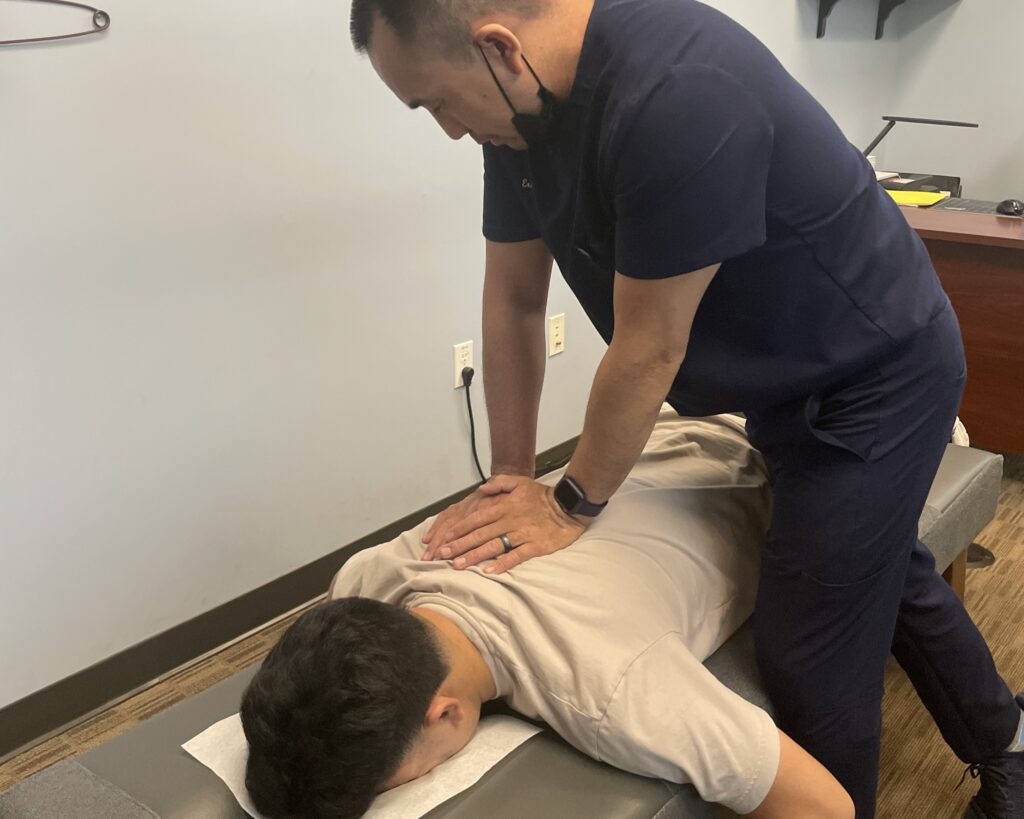
If you’re battling migraines, you may have noticed that conventional treatments don’t always provide the relief you seek. As a local chiropractor, I want to share how chiropractic care can be a powerful ally in managing your migraine pain by emphasizing spinal health and the essential connection between your spine and nervous system.
Chiropractic adjustments can help restore proper spinal alignment, which can reduce tension and improve nerve function. This process can alleviate your migraine symptoms by allowing your body to communicate more effectively and heal naturally. But there’s more to effective migraine management than just adjustments.
Incorporating lifestyle changes can make a big difference in your overall well-being. Here are some simple tips to enhance your journey towards better health:
- Stay Hydrated: Dehydration can trigger migraines, so make sure to drink plenty of water throughout the day.
- Regular Exercise: Gentle activities like walking, yoga, or stretching can help reduce stress and improve circulation, which may lessen migraine frequency.
- Mindfulness and Relaxation Techniques: Practices such as deep breathing, meditation, or even progressive muscle relaxation can help manage stress levels, which is crucial for migraine prevention.
- Proper Sleep: Aim for a consistent sleep schedule, as irregular sleep patterns can contribute to migraine attacks.
- Nutritional Awareness: Keep a food diary to identify and avoid potential food triggers, while also focusing on a balanced diet rich in fruits, vegetables, and whole grains.
By embracing these holistic strategies alongside chiropractic care, you can empower yourself to take control of your migraines and enhance your overall health. Remember, your spine is the foundation of your body’s health, and caring for it is vital for achieving optimal wellness. If you’re ready to explore how chiropractic can help you find relief from migraines, I’m here to support you every step of the way.
Understanding Migraines and Their Triggers
Migraines can be incredibly challenging to cope with, but understanding their triggers is a vital step towards managing and preventing these painful episodes. By identifying what sparks your migraines, you can take proactive steps to create a healthier lifestyle. Common triggers often include stress, specific foods, hormonal fluctuations, and environmental factors like bright lights or strong odors.
One effective tool to help you track your migraines is a migraine diary. By noting when your headaches occur and what you were doing or eating beforehand, you may discover patterns that point to specific triggers. For instance, you might notice that certain foods, such as aged cheeses or processed meats, could be contributing to your discomfort.
In addition to dietary triggers, irregular sleep patterns and dehydration can also play a significant role in migraine onset. It’s important to listen to your body and observe how it reacts in different situations. This awareness can help you anticipate and avoid potential migraines.
Chiropractic care is a wonderful option for addressing migraines and enhancing overall well-being. Regular chiropractic adjustments can help keep your spine in alignment, which may reduce tension and stress—two common migraine triggers.
Furthermore, maintaining a consistent sleep schedule and staying hydrated are simple yet effective ways to support your body’s natural healing processes.
By adopting relaxation techniques, such as deep breathing or gentle yoga, you can further manage stress and promote a sense of calm. Remember, the goal is to take control of your migraine experience and improve your quality of life through natural, holistic approaches.
Prioritizing your health with chiropractic care can help you on your journey to optimal wellness.
The Role of Chiropractic Care in Pain Management
Chiropractic care is a vital resource for managing pain, particularly for individuals dealing with migraines and various types of headaches. By prioritizing the alignment of your spine and supporting your overall musculoskeletal health, chiropractors work to alleviate tension and enhance your body’s function. This natural approach can significantly reduce the frequency and intensity of migraines, empowering you to take charge of your life once again.
When you come to a chiropractor, we’ll take the time to understand your specific symptoms and lifestyle. Based on this evaluation, we’ll create a personalized treatment plan tailored to your needs. Many patients find that after receiving chiropractic care, they experience less reliance on medications and notice a marked improvement in their quality of life.
Chiropractic care also adopts a holistic perspective, taking into account factors such as stress, posture, and nutrition. By addressing these elements, you can develop a comprehensive strategy to manage migraine pain and boost your overall well-being.
Here are some general tips to enhance your wellness journey:
- Maintain Good Posture: Be mindful of how you sit and stand. Proper posture can help relieve strain on your neck and spine, potentially reducing headache frequency.
- Stay Hydrated: Dehydration can trigger migraines. Aim to drink plenty of water throughout the day.
- Manage Stress: Incorporate relaxation techniques, such as deep breathing or meditation, into your daily routine. Stress management is crucial for reducing migraine triggers.
- Regular Exercise: Engaging in physical activity can promote overall health and help prevent headaches by improving blood flow and reducing tension.
- Healthy Eating: Pay attention to your diet and try to eat balanced meals. Certain foods may trigger headaches, so keeping a food diary can help identify potential culprits.
By embracing chiropractic care and these simple lifestyle changes, you can work towards achieving optimal health and finding effective, natural relief from migraine pain.
Spinal Adjustments: How They Work
Spinal adjustments are a fundamental part of chiropractic care, designed specifically to align your spine and promote natural healing. When you receive an adjustment, your chiropractor applies gentle, controlled pressure to realign any vertebrae that may be out of place. This realignment helps restore proper movement in the spine and eases tension in the nearby muscles and nerves.
You might be curious about how this process works. When your spine is well-aligned, it enhances the function of your nervous system, improving communication between your brain and body. This can lead to reduced inflammation and muscle tension, which are common contributors to discomfort like migraines.
In addition to spinal adjustments, chiropractors carefully evaluate your posture and movements to spot any habits that could cause misalignment. By addressing these patterns through regular adjustments, you can find relief not only from migraines but from various other aches and pains as well. This holistic approach can significantly enhance your overall well-being and quality of life.
Here are a few simple tips to support your spinal health at home:
- Maintain Good Posture: Be mindful of your sitting and standing posture. Keep your shoulders back and your spine straight.
- Take Breaks: If you sit for long periods, remember to stand up and stretch every hour to prevent stiffness.
- Stay Active: Engage in regular physical activity to strengthen your muscles and support your spine.
- Listen to Your Body: If you feel tension or discomfort, don’t ignore it. Schedule a chiropractic adjustment to address the issue early.
Choosing chiropractic care is a natural and effective way to achieve optimal health and wellness. Regular adjustments can help keep your spine in alignment, allowing your body to function at its best.
The Connection Between Neck Misalignment and Migraines
Neck misalignment can significantly contribute to the onset of migraines. When your neck is out of alignment, it can disrupt nerve function, leading to uncomfortable headaches. This connection is crucial to understand, especially when considering effective chiropractic treatment techniques that can help alleviate these issues naturally.
As a chiropractor, I want to emphasize the importance of maintaining proper spinal alignment for overall health and wellness. Chiropractic care focuses on correcting misalignments in the spine, particularly in the neck area, which can relieve tension and promote better nerve function. This not only helps reduce the frequency and intensity of migraines but also supports your body’s natural healing process.
Here are some simple tips to help you maintain a healthy neck and potentially reduce migraine triggers:
- Posture Awareness: Be mindful of your posture throughout the day, especially if you spend long hours sitting at a desk. Keep your shoulders relaxed and your head aligned with your spine.
- Ergonomic Workspace: Adjust your workstation to promote good posture. Your computer screen should be at eye level, and your chair should support your lower back.
- Neck Stretches: Incorporate gentle neck stretches into your daily routine. Simple movements like tilting your head from side to side can help relieve tension.
- Stay Hydrated: Dehydration can contribute to headaches. Remember to drink plenty of water throughout the day.
- Regular Chiropractic Check-ups: Regular visits to your chiropractor can help ensure that your spine is in alignment, reducing the likelihood of migraines and other discomforts.
By prioritizing spinal health through chiropractic care, you can take proactive steps toward achieving optimal health and wellness.
Understanding Neck Misalignment
Did you know that misalignment in your neck could be a hidden trigger for migraines? Many people aren’t aware that their cervical spine, which consists of the vertebrae in your neck, can affect how you feel overall.
When these vertebrae are out of alignment, it can create tension and pressure on the surrounding muscles and tissues. This misalignment may restrict blood flow and irritate nerves, potentially leading to those painful migraine headaches.
If you’ve been experiencing stiffness or discomfort in your neck, it’s important to know that these issues can worsen your migraine symptoms. That’s where chiropractic care comes in.
As a chiropractor, I focus on correcting these misalignments in the spine to help alleviate pain and improve your quality of life. By maintaining proper alignment, you can reduce the frequency and intensity of your migraines.
Here are some general tips to help you maintain a healthy neck:
- Practice Good Posture: Ensure that your head is aligned over your shoulders and avoid slouching, especially when sitting for long periods.
- Take Breaks: If you work at a desk or use your phone frequently, take breaks every hour to stretch and reset your posture.
- Stay Hydrated: Drinking plenty of water can help keep your muscles and tissues healthy and less prone to tension.
- Sleep Properly: Use a supportive pillow that keeps your neck aligned while you sleep, helping to prevent stiffness in the morning.
By focusing on your cervical spine alignment through chiropractic care, you can experience relief from migraines and enjoy a healthier, more vibrant life.
If you’re struggling with neck pain or migraines, consider reaching out to a chiropractor who can guide you on your journey to optimal health.
Impact on Nerve Function
Misalignment in your cervical spine can greatly affect nerve function, which is often linked to the onset of migraines. When the vertebrae in your neck aren’t aligned properly, they can put pressure on nearby nerves, causing pain and discomfort. This interference in nerve communication can disrupt the signals between your brain and body, which may worsen migraine symptoms.
Furthermore, when the vertebrae are misaligned, they can restrict blood flow to your brain, which is vital for its proper function. Compromised nerve pathways mean that your body might misinterpret signals, potentially triggering a migraine cycle. This connection underscores the importance of maintaining spinal alignment for your overall health and well-being.
Chiropractic care is an effective approach to addressing these misalignments, helping to relieve nerve-related issues that contribute to migraine attacks. By visiting a chiropractor, you can work towards restoring proper alignment, enhancing nervous system function, and promoting natural healing in your body.
Here are some simple tips to help maintain spinal health and potentially reduce the frequency of migraines:
- Practice Good Posture: Make sure to sit and stand up straight, especially if you spend long hours at a desk. Proper posture can help keep your spine aligned.
- Stay Hydrated: Drinking plenty of water is crucial for overall health and can help reduce migraine triggers.
- Manage Stress: Incorporating relaxation techniques, such as deep breathing or yoga, can help alleviate tension that may contribute to migraines.
- Regular Chiropractic Visits: Regular adjustments can help ensure your spine remains aligned and your nervous system functions optimally.
- Exercise: Gentle exercises, like walking or stretching, can help maintain spinal health and reduce tension in your body.
Chiropractic Treatment Techniques
Chiropractic treatment techniques are vital in understanding how misalignment in the cervical spine can lead to migraines. When your neck is out of alignment, it can create tension and irritation in nearby nerves, which can trigger migraine episodes. As a chiropractor, I often utilize spinal adjustments to gently realign your cervical vertebrae. This helps relieve pressure on the nerves and reduces inflammation, which may be contributing to your migraine pain.
In addition to spinal adjustments, I incorporate soft tissue therapy to help relax tight muscles that might be making your migraines worse.
It’s also important to focus on your everyday activities; simple changes can make a big difference. I often suggest specific exercises that strengthen your neck and back, along with ergonomic adjustments to improve your posture throughout the day. Better posture helps support the alignment of your spine, which can lessen the frequency and intensity of migraines.
By embracing these chiropractic techniques, you can take significant steps toward experiencing fewer and less intense migraines. Regular chiropractic care is a natural and effective way to manage your migraine symptoms, promoting wellness and enhancing your overall quality of life.
Lifestyle Modifications Recommended by Chiropractors
As a local chiropractor, I’m here to share some valuable insights on managing migraines through natural lifestyle modifications that can enhance your overall well-being and support spinal health. Since migraines can be triggered by various factors, making positive changes in your daily habits can significantly help in reducing their frequency and severity.
One of the most effective strategies is establishing a regular sleep schedule. Consistent sleep patterns not only promote better rest but also contribute to a healthier spine, which is essential for overall wellness. Aim to go to bed and wake up at the same time each day to help regulate your body’s internal clock.
Staying hydrated is another crucial aspect of migraine management. Aim for at least eight glasses of water a day, as proper hydration supports spinal discs and reduces tension.
Incorporating regular physical activity into your routine is beneficial as well. Exercise is a fantastic way to relieve stress and tension, which are common migraine triggers. Activities like walking, swimming, or even gentle stretching can do wonders for your body and mind.
Managing stress is vital for migraine relief. Consider practicing relaxation techniques such as yoga or meditation, which not only help calm your mind but also promote better spinal alignment and flexibility.
Be mindful of your screen time, especially if you work long hours at a computer. Taking regular breaks to rest your eyes and stretch can help reduce eye strain and tension in your neck and shoulders, which are often related to migraines.
Lastly, pay attention to your posture, particularly if you spend a lot of time sitting. A proper ergonomic setup can prevent the muscle tension that may lead to migraines. Ensure your workspace is designed to support good posture, and consider regular chiropractic check-ups to maintain spinal health and prevent issues before they arise.
Nutritional Considerations for Migraine Sufferers
Making lifestyle modifications can greatly impact migraine management, and nutrition plays a vital role in this journey. As a chiropractor, I believe that achieving optimal health involves understanding how the foods we consume can influence our well-being. Some ingredients may trigger or alleviate migraine symptoms, so it’s important to pay attention to what you eat. Common culprits include aged cheeses, processed meats, and foods containing MSG. Keeping a food diary can be a helpful tool to identify which foods may be affecting you.
Incorporating magnesium-rich foods like leafy greens, nuts, and whole grains into your diet may help reduce the frequency of migraines. Additionally, omega-3 fatty acids found in fish and flaxseeds can be beneficial for overall health. Staying hydrated is essential, so remember to drink plenty of water throughout the day.
Maintaining regular meal times and avoiding skipped meals is important, as fluctuations in blood sugar can provoke migraines. By nourishing your body with the right foods and staying consistent, you can support your overall health and potentially reduce migraine occurrences.
While nutrition is a key factor, don’t forget the benefits of chiropractic care. Regular adjustments can help alleviate tension, improve spinal alignment, and promote better overall wellness, which may also contribute to reducing migraine symptoms.
If you’re looking to take a proactive approach to managing your migraines and enhancing your health, consider consulting with a chiropractor who can guide you on a holistic path to wellness.
Stress Management Techniques in Chiropractic Care
Managing stress is crucial for alleviating migraines, and chiropractic care is an excellent approach that can make a real difference. By incorporating techniques such as mindfulness, relaxation exercises, and focused breathing methods, you can experience significant relief from migraine symptoms.
Chiropractic care not only addresses the physical aspects of your body but also promotes overall well-being. Regular adjustments can help align your spine, reducing tension and stress that may contribute to migraines. Additionally, practicing mindfulness and relaxation exercises can help calm your mind and body, allowing you to cope better with daily stressors.
Here are a few tips you can incorporate into your routine to enhance your well-being and potentially reduce migraine frequency:
- Mindful Breathing: Take a few moments each day to practice deep breathing. Inhale deeply through your nose, hold for a few seconds, and then exhale slowly through your mouth. This simple exercise can help reduce stress and tension.
- Regular Chiropractic Visits: Schedule regular check-ups with your chiropractor. Consistent adjustments can help keep your spine aligned and your body functioning optimally, which is key for managing stress and pain.
- Relaxation Techniques: Consider adding relaxation techniques to your daily routine, such as yoga or gentle stretching. These practices can help release tension in your muscles and promote relaxation.
- Stay Hydrated: Drinking plenty of water throughout the day can help keep your body hydrated and functioning well, which is crucial for managing stress levels.
- Healthy Lifestyle Choices: Focus on a balanced diet, regular physical activity, and adequate sleep. These factors play a significant role in your overall health and can help mitigate migraine occurrences.
By implementing these practices, you can take proactive steps towards a healthier, more balanced life. Chiropractic care stands out as a natural and effective choice for pain relief and achieving optimal health.
Mindfulness and Relaxation Exercises
Chiropractic care is a powerful tool for alleviating migraines, primarily through physical adjustments that help restore balance to your spine and nervous system. However, to enhance your overall wellness and stress management, incorporating mindfulness and relaxation exercises into your routine can be incredibly beneficial. These techniques promote a deeper awareness of your body and thoughts, which can significantly reduce tension and anxiety.
By practicing mindfulness, you can learn to observe your pain without judgment. This approach allows you to respond to stressors with a clearer mind and a more balanced perspective. It’s like giving yourself the space to breathe and relax, even in the midst of discomfort.
In addition to mindfulness, relaxation exercises such as progressive muscle relaxation or guided imagery can help ease muscle tension and foster a sense of calm. By regularly integrating these practices into your daily life, you can create a holistic strategy for managing migraines. This not only addresses the physical symptoms but also builds mental resilience, empowering you to better handle triggers and the challenges they may bring.
Here are some simple tips to help you get started:
- Set Aside Time for Mindfulness: Dedicate a few minutes each day to practice mindfulness. Sit quietly, focus on your breath, and observe any sensations or thoughts without judgment.
- Try Progressive Muscle Relaxation: This involves tensing and then relaxing each muscle group in your body, moving from your toes to your head. It can help release built-up tension.
- Use Guided Imagery: Visualize a peaceful scene or a place where you feel safe and relaxed. This can help transport your mind away from pain and discomfort.
- Stay Consistent: Make these practices a regular part of your routine. The more you do them, the more effective they become.
Breathing Techniques for Relief
How can something as simple as your breath help relieve migraine symptoms? As a chiropractor, I believe that breathing techniques are powerful tools in promoting natural wellness and reducing stress—often key triggers for migraines.
One highly effective method is deep diaphragmatic breathing. To try it, simply inhale slowly through your nose, allowing your abdomen to expand, and then exhale gently through your mouth. This practice not only calms your nervous system but also encourages relaxation, which is essential for managing pain.
Another useful technique is the 4-7-8 method. Here’s how it works: inhale for a count of four, hold that breath for seven counts, and then exhale for eight counts. Incorporating these breathing exercises into your daily routine can enhance your resilience to stress and may help decrease the frequency of migraines.
Additionally, integrating these practices with regular chiropractic adjustments can further support your overall health and well-being. Chiropractic care focuses on maintaining a healthy spine and nervous system, which is crucial for optimal functioning and pain relief.
By fostering a sense of calm and relaxation through breathing techniques, along with the benefits of chiropractic care, you empower yourself to manage your migraine symptoms more effectively.
The Importance of Posture and Ergonomics
Good posture and proper ergonomics are crucial in preventing and alleviating migraines, and as a chiropractor, I can’t stress enough the importance of these practices for your overall health.
When you maintain an upright posture, it reduces tension in your neck and shoulders—common culprits for triggering headaches. Be mindful of how you sit at your desk or use your devices; slouching can strain your muscles and lead to discomfort.
Adjusting your workspace is vital for your well-being. Ensure your chair offers proper support, and position your computer screen at eye level to prevent hunching over. Small changes can make a big difference!
Taking regular breaks to stretch and change positions can also help release any built-up tension.
You mightn’t realize it, but your body’s alignment throughout the day directly impacts your health. By being aware of your posture and ergonomics, you can foster a healthier environment that may reduce the frequency and intensity of migraines.
Remember, chiropractic care is a natural and effective way to address pain relief and promote wellness. Regular adjustments can help improve your posture, align your spine, and alleviate the tension that contributes to headaches.
Holistic Approaches: Acupuncture and Massage Therapy
When it comes to managing migraines, many individuals are turning to holistic approaches like acupuncture and massage therapy. While these methods can be beneficial, it’s important to understand that chiropractic care offers a comprehensive solution for optimal health and pain relief.
Acupuncture involves inserting fine needles into specific points on your body to help release tension and promote energy flow. While some people find relief from migraines through this practice, chiropractic care addresses the root cause of many headaches by focusing on spinal alignment. Misalignments in the spine can lead to tension and pain, contributing to migraine episodes. By ensuring your spine is properly aligned, you can significantly reduce the frequency and intensity of your migraines.
Massage therapy is another popular option, as it targets tight muscles and improves circulation. However, chiropractic adjustments can enhance the effectiveness of massage by ensuring that your body is functioning optimally. When your spine is aligned, your muscles can relax more easily, leading to greater overall relief from stress and tension that may trigger migraines.
By incorporating chiropractic care into your wellness routine, you can create a thorough approach to migraine management. Regular chiropractic adjustments help maintain spinal health, which not only supports pain relief but also fosters an overall sense of well-being.
In addition to seeking chiropractic care, here are some general tips to help manage migraines:
- Stay Hydrated: Dehydration can trigger headaches, so ensure you’re drinking enough water throughout the day.
- Maintain a Regular Sleep Schedule: Consistent sleep patterns can help prevent migraines.
- Practice Stress Reduction Techniques: Activities like yoga, meditation, or deep-breathing exercises can help reduce stress, which is a common trigger for migraines.
- Monitor Your Diet: Keeping a food diary may help you identify any food triggers that could be contributing to your migraines.
- Regular Exercise: Engaging in regular physical activity can improve circulation and reduce stress.
Success Stories: Real Experiences With Chiropractic Treatment
Many individuals have discovered the remarkable benefits of chiropractic care for migraine relief, and their success stories can be truly inspiring.
Take Sarah, for example. After struggling for years with debilitating migraines, she turned to chiropractic treatment. After just a few sessions, she noticed a significant decrease in both the frequency and intensity of her headaches.
Then there’s Mark, who found himself dealing with chronic migraines stemming from tension in his neck. With focused adjustments from his chiropractor, he not only found relief from his migraines but also experienced an overall improvement in his well-being.
These stories reflect a common experience for many who seek chiropractic care. Not only do they often report fewer migraines, but they also enjoy better sleep and reduced anxiety. This is because chiropractic care addresses the root cause of headaches by focusing on spinal alignment. When the spine is properly aligned, it relieves pressure on the nerves that may be contributing to your headaches.
If you’ve been struggling with migraines, I encourage you to explore chiropractic treatment as a natural and effective option for pain relief. Remember, chiropractic care is about restoring balance and promoting healing in your body without the need for medications or surgeries.
Here are some tips to consider as you embark on your journey to wellness:
- Stay Hydrated: Dehydration can trigger migraines, so make sure to drink plenty of water throughout the day.
- Maintain Good Posture: Poor posture can lead to tension in your neck and shoulders, which may contribute to headaches. Be mindful of your posture, especially when sitting for long periods.
- Manage Stress: Incorporate stress-reducing activities such as yoga, meditation, or deep breathing exercises into your daily routine to help lower your chances of migraine attacks.
- Regular Chiropractic Visits: Establishing a regular schedule with your chiropractor can help maintain spinal health and prevent migraines from returning.
By considering chiropractic care and embracing these healthy habits, you can take an important step toward living a pain-free life.
The success stories of others like you serve as a beacon of hope, motivating you to seek the natural relief and wellness that chiropractic care can provide.
Conclusion
In conclusion, chiropractic care stands out as an exceptional approach to effectively manage migraines. By correcting spinal misalignments, we not only work on easing the pain but also promote overall wellness, which can lead to a noticeable reduction in the frequency and intensity of migraines.
Alongside chiropractic adjustments, incorporating simple lifestyle changes—like staying hydrated, maintaining a regular sleep schedule, and managing stress through techniques such as deep breathing or gentle yoga—can greatly enhance your results. These small adjustments in your daily routine can make a significant difference in your overall well-being.
If you are looking for a natural, holistic method for migraine relief, I encourage you to explore chiropractic treatments. Many individuals have discovered a path to improved quality of life through these methods, and you could very well be the next success story! Remember, your health is your wealth, and with the right care and lifestyle choices, you can achieve optimal wellness.