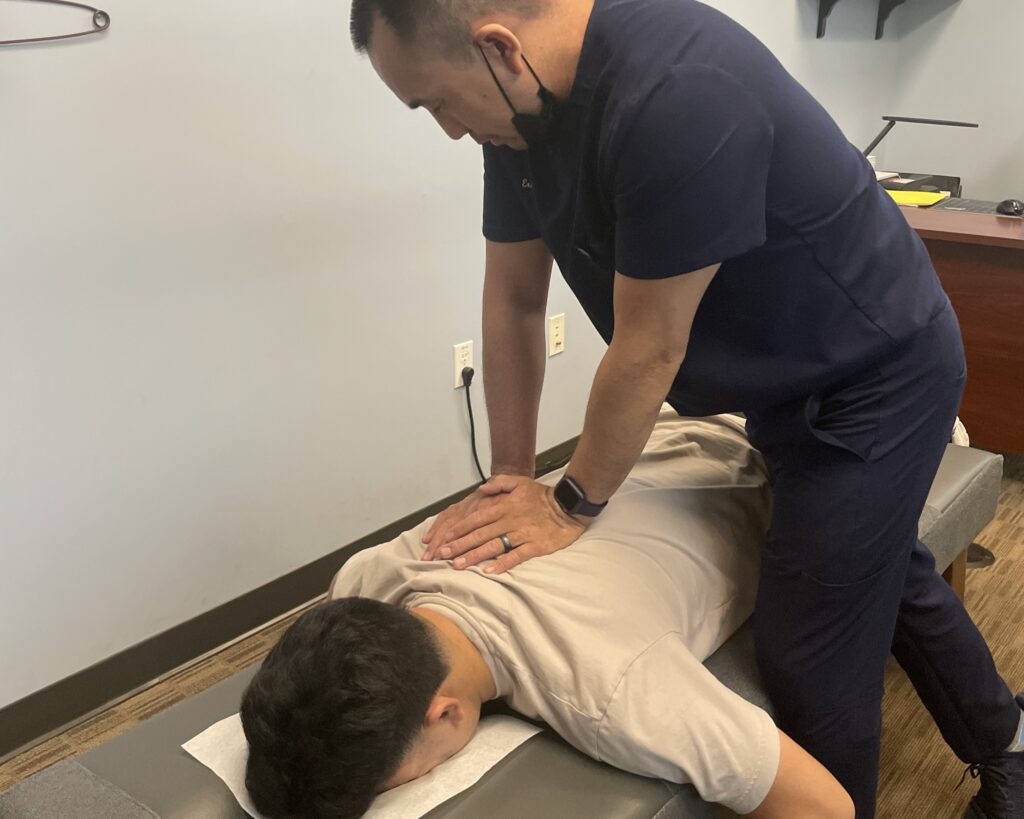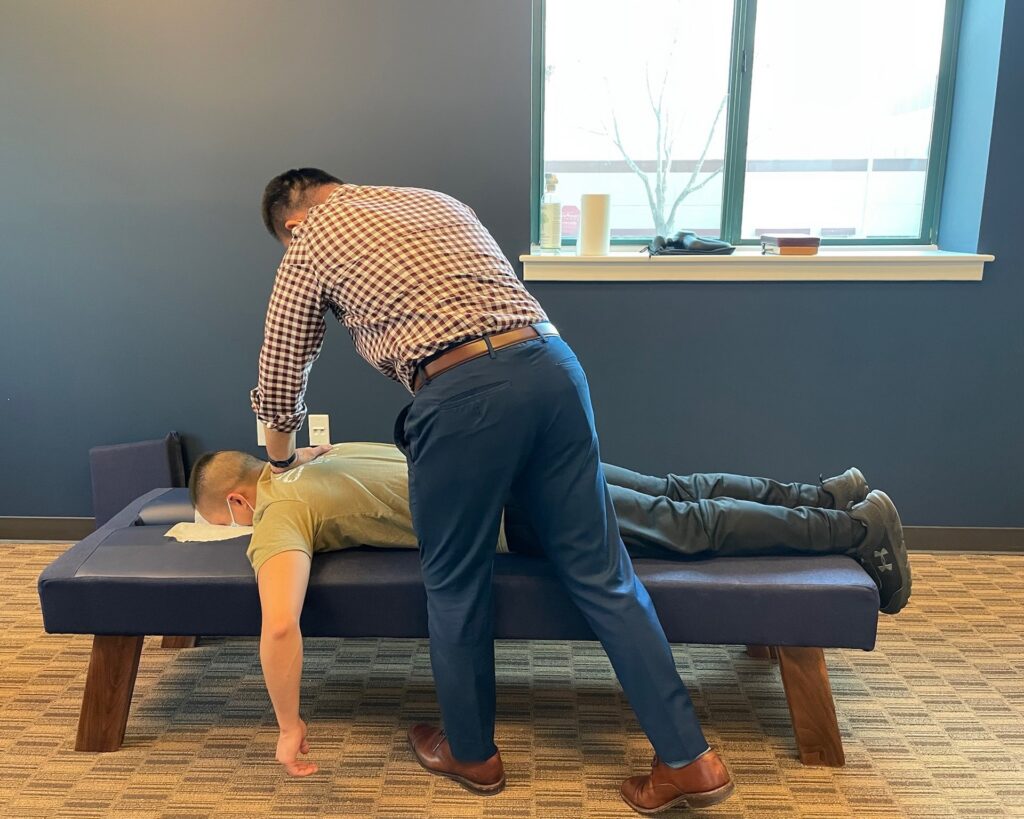
If you suffer from migraines, you might be surprised to learn how much neck tension can contribute to your discomfort. Tight muscles and poor posture can aggravate your symptoms, making it crucial to address these issues for effective relief. As a chiropractor, I recommend incorporating simple neck exercises and maintaining proper alignment to help alleviate your pain.
Understanding the connection between your neck and migraines is essential. Your spine plays a vital role in your overall health, and misalignments can lead to increased tension and discomfort. By seeking chiropractic care, you can receive personalized treatment that targets these misalignments, helping to restore balance and alleviate migraine symptoms naturally.
In addition to chiropractic adjustments, consider these general tips to support your neck health and overall wellness:
- Practice Good Posture: Keep your head aligned with your spine when sitting or standing. Avoid slouching and take breaks to stretch if you work at a desk for long periods.
- Stay Hydrated: Dehydration can contribute to muscle tension and headaches. Make sure you’re drinking enough water throughout the day.
- Apply Heat or Cold: Using a warm compress or an ice pack on your neck can help reduce tension and relieve pain.
- Incorporate Gentle Stretches: Simple neck stretches can help ease tightness. Try gently tilting your head to one side and holding for a few seconds, then switch sides.
- Consider Regular Chiropractic Care: Regular visits to a chiropractor can help maintain proper alignment and reduce the frequency and intensity of migraines.
By focusing on these strategies and prioritizing chiropractic care, you can take significant steps towards alleviating your migraine symptoms and achieving optimal health. Remember, your body deserves the best care possible—naturally and effectively!
Understanding the Link Between Neck Tension and Migraines
Neck tension is often an overlooked factor that can significantly contribute to migraines. Many people may not realize that tightness in the neck muscles can lead to discomfort that travels up to the head, setting the stage for a migraine. When your neck is tense, it can disrupt blood flow and nerve signals, increasing your sensitivity to pain.
Common culprits of this tension include stress, poor posture, and prolonged sitting, which can make you more prone to migraines. If you frequently experience headaches along with neck discomfort, it’s crucial to recognize this link. Understanding how neck tension affects your overall health can empower you to take proactive steps to manage it.
One effective way to relieve neck tension and, in turn, help reduce migraine symptoms is through chiropractic care. Chiropractic adjustments can help realign the spine, improve blood flow, and relieve pressure on nerves, offering a natural and holistic approach to wellness.
In addition to seeking chiropractic care, here are some tips you can incorporate into your daily routine to help alleviate neck tension:
- Maintain Good Posture: Be mindful of your posture while sitting, especially if you work at a desk for extended periods. Use ergonomic furniture if possible and take breaks to stretch your neck and shoulders.
- Stay Hydrated: Dehydration can lead to muscle cramps and tension. Ensure you drink plenty of water throughout the day.
- Practice Relaxation Techniques: Stress management is essential. Consider incorporating deep breathing exercises, yoga, or meditation into your daily routine to help reduce overall tension.
- Regular Physical Activity: Engaging in regular exercise can improve circulation and reduce muscle tightness. Simple activities like walking or gentle stretching can be beneficial.
- Heat Therapy: Applying heat to your neck can help relax tight muscles and improve blood flow. A warm compress or heating pad can provide instant relief.
By addressing neck tension through these strategies and with the support of chiropractic care, you can take significant steps toward finding relief from migraines and improving your overall well-being.
Effective Neck Exercises to Reduce Tension
To effectively reduce neck tension and prevent migraines, incorporating specific neck exercises into your routine can be incredibly beneficial, especially when complemented by chiropractic care. These exercises not only help alleviate discomfort but also promote overall spinal health.
Start with gentle neck stretches; tilt your head towards one shoulder and hold for 15-30 seconds, then switch sides. This simple movement helps release tight muscles that may be contributing to your tension.
Following this, try the chin tuck exercise. While sitting or standing tall, gently pull your chin back towards your neck and hold for five seconds. Repeat this 10 times. This exercise is excellent for strengthening your neck muscles and improving posture, which is essential for maintaining a healthy spine.
Shoulder rolls are another effective exercise. Lift your shoulders toward your ears, then roll them back and down. Continue this motion for about 30 seconds to help release tension in both the upper back and neck.
Finally, practice neck rotations; gently turn your head to one side and hold for a few seconds, then switch sides. This helps increase flexibility and range of motion in your neck.
Incorporating these exercises into your daily routine can greatly alleviate tension and may help reduce the frequency and intensity of your migraines.
Remember, regular chiropractic adjustments can further enhance the effectiveness of these exercises by ensuring your spine is aligned and functioning optimally.
The Role of Posture in Migraines and Neck Care
When you maintain poor posture, you may unknowingly contribute to the development of migraines and neck pain. Slouching or leaning forward can strain your neck muscles and misalign your spine, leading to tension and discomfort. This tension can trigger migraines, making it essential to be mindful of how you sit, stand, and move throughout the day.
As a chiropractor, I encourage you to take a proactive approach to your posture. Start by keeping your shoulders relaxed and back, aiming to align your ears with your shoulders. When sitting, ensure your back is supported, and your feet rest flat on the ground. If you work at a desk, adjust your chair and computer screen to eye level to prevent craning your neck. Simple adjustments like these can make a world of difference.
Incorporating regular posture checks into your daily routine can help prevent the muscle tension that often leads to headaches. Remember, chiropractic care is a fantastic way to support your spine and neck health. By visiting your chiropractor regularly, you can receive tailored adjustments that not only relieve pain but also promote overall wellness.
Massage Techniques for Relieving Neck Pain
Maintaining good posture is essential for alleviating neck pain and migraines, but it’s only part of the solution. Incorporating massage techniques can significantly enhance your relief and promote overall wellness.
Start by gently using your fingertips to apply pressure along the sides of your neck. This simple technique can help release tension trapped in the muscles. You can also use your thumbs to knead the base of your skull, where tightness often builds up from stress and poor posture.
Another effective technique involves making circular motions with your fingers along your trapezius muscles, which extend from your neck to your shoulders. This helps relax tight spots and can improve your range of motion. Additionally, don’t overlook the benefits of gently stretching your neck by tilting your head from side to side and holding each position for a few seconds. This can help keep your neck flexible and reduce discomfort.
For targeted relief, you can use a tennis ball against a wall to focus on specific knots. Simply lean into the ball and roll it over those tight areas, allowing the pressure to release muscle tension.
While these techniques can be beneficial, it’s essential to remember that chiropractic care is the most effective way to achieve long-term relief from neck pain and migraines. A chiropractor can help identify the root causes of your discomfort and provide tailored adjustments to ensure your spine is aligned properly, promoting natural healing and optimal health.
By regularly incorporating these self-care strategies and seeking chiropractic care, you can take significant steps toward a pain-free life and enhanced well-being.
Prioritize your health, and remember that a well-aligned spine is key to feeling your best!
When to Seek Professional Help for Neck-Related Migraines
When should you consider seeking professional help for neck-related migraines? If your migraines continue despite trying self-care methods, such as gentle stretching or natural pain relief techniques, it may be time to consult a chiropractor. Persistent neck pain alongside your migraines can be a signal that there are underlying issues that need to be addressed.
Additionally, if you notice unusual symptoms like changes in your vision, weakness, or difficulty speaking, it’s crucial to seek immediate care. Chronic tension in your neck that interferes with your daily activities or sleep is another sign that professional evaluation may be beneficial.
Chiropractic care focuses on restoring proper alignment and function to the spine, which can alleviate tension and reduce the frequency and intensity of migraines.
Remember, early intervention is key to preventing further complications and enhancing your overall well-being. Listening to your body’s signals is essential; chiropractic treatment can provide effective relief and better management of your migraines without the need for medications or invasive procedures.
For some general tips, consider incorporating regular neck stretches into your routine, maintaining good posture while working or using your phone, and staying hydrated to support your overall spinal health.
Prioritizing your wellness through chiropractic care can lead to a healthier, pain-free life!
Conclusion
Incorporating neck care into your migraine management can truly transform your experience with headaches. As a chiropractor, I want to emphasize the strong connection between neck tension and migraines. By focusing on neck health, you can make significant strides in alleviating your symptoms.
First, let’s talk about effective exercises. Gentle stretching and strengthening routines for your neck can help reduce tension that may contribute to headaches. Simple moves like neck rotations and chin tucks can improve flexibility and strength, promoting better spinal alignment.
Maintaining good posture is another key element. Poor posture can lead to increased strain on your neck, which may trigger migraines. Be mindful of your posture, especially when sitting for long periods. Try to keep your head aligned with your spine and avoid slouching.
Massage techniques can also be beneficial. Gently massaging the neck and shoulders can help release tight muscles and improve blood flow, which may help reduce the frequency and intensity of migraines. You can also consider visiting a chiropractor for professional adjustments and targeted therapies to relieve tension and promote healing.
If you find that your migraines persist or worsen, don’t hesitate to reach out for chiropractic care. A trained chiropractor can provide personalized assessments and treatment plans tailored to your specific needs, ensuring that you receive the best care possible.
Remember, these steps not only aid in alleviating migraines but also enhance overall neck health, leading to a better quality of life. By prioritizing your spinal health through chiropractic care, you are making a proactive choice towards natural wellness and pain relief.