Scoliosis is one of those conditions that can feel overwhelming to navigate — especially if you or someone you love has just received a diagnosis. The spine curves. The posture changes. And suddenly, you’re left wondering what comes next. Here at Resilience Chiropractic in San Leandro, CA, we work with patients at all stages of scoliosis, and one of the most common questions Dr. Ernest Luong hears is: “Can a chiropractor actually help with this?” The short answer is yes — and in this article, we’re going to walk you through five meaningful reasons why chiropractic care deserves a place in your scoliosis management plan.
What is Scoliosis?
Scoliosis is an abnormal lateral curvature of the spine — meaning the spine curves sideways instead of running straight down the back. It can appear as a single “C” curve or a double “S” curve, and it affects people of all ages, though it most commonly develops during adolescence. While some cases are mild, others can cause discomfort, postural changes, and reduced quality of life.
Reason 1: Chiropractic Care Can Help Manage Pain and Discomfort
One of the most immediate concerns for people with scoliosis is pain. The abnormal curvature of the spine places uneven stress on the muscles, joints, and ligaments along the back. Over time, this imbalance can lead to chronic muscle tension, joint irritation, and general discomfort — particularly in the lower back, mid-back, and neck.
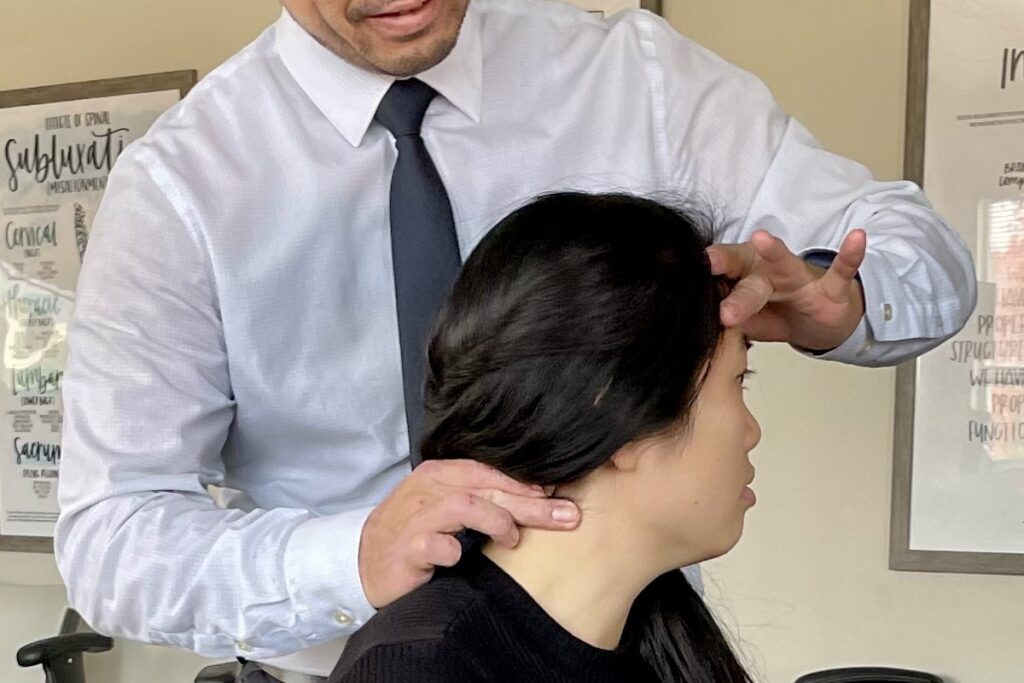
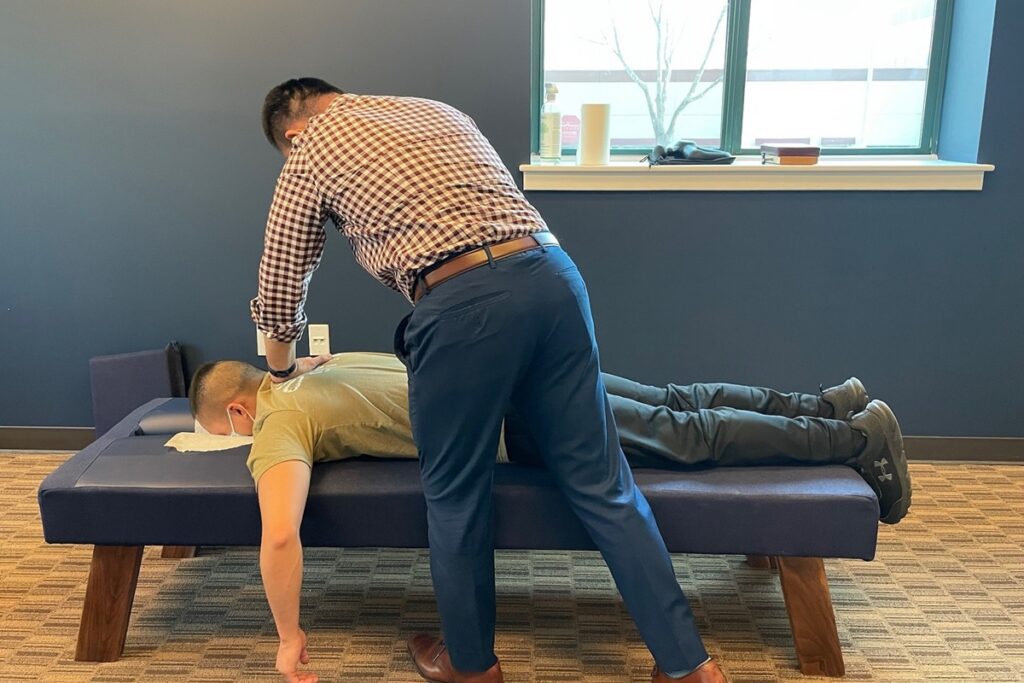
Chiropractic adjustments are designed to improve joint mobility and reduce mechanical stress on the spinal structures. When joints are moving more freely and the surrounding muscles are less strained, many patients experience meaningful relief from their day-to-day pain. The American Chiropractic Association recognizes chiropractic care as a well-established conservative option for musculoskeletal pain, which is directly relevant to scoliosis sufferers.
At Resilience Chiropractic in San Leandro, Dr. Ernest Luong takes time to understand each patient’s unique curve pattern, symptom history, and lifestyle before recommending any course of care. Pain management through chiropractic is never a one-size-fits-all approach — and it shouldn’t be.
Reason 2: It Supports Better Posture and Muscle Balance
Scoliosis doesn’t just affect the bones — it significantly impacts the muscles that surround the spine. When the spine curves abnormally, the muscles on one side of the body tend to become overworked and tight, while the muscles on the opposite side may become lengthened and weak. This muscular imbalance can worsen postural changes and contribute to ongoing discomfort.
Chiropractic care addresses both sides of this equation. Spinal adjustments help restore better alignment where possible, and many chiropractors incorporate soft tissue work, therapeutic exercises, and postural retraining to help re-balance the muscles supporting the spine. The goal isn’t to make the scoliotic spine look “normal” — it’s to help the body function as well as it possibly can within its current structure.
Dr. Ernest Luong often works with patients on postural awareness and movement patterns that reduce strain on the asymmetrically loaded spine. Small improvements in how a person holds themselves during daily activities — sitting at a desk, carrying a bag, standing in line — can make a noticeable difference in comfort over time. Here in San Leandro, CA, many of our patients notice improvements in how they carry themselves after consistent chiropractic care.
Reason 3: It’s a Non-Invasive, Drug-Free Approach
This is a big one for many patients and families. When a scoliosis diagnosis is made, the conventional conversation often moves quickly toward bracing or, in more severe cases, surgical intervention. Both of these have their place — but for mild to moderate scoliosis, many patients are looking for options that don’t involve medications, hardware, or recovery time.
Chiropractic care is entirely non-invasive. There are no needles, no prescription medications, and no surgical risks. Evidence from organizations like the National Center for Complementary and Integrative Health (NIH/NCCIH) supports conservative, non-pharmacological approaches to musculoskeletal conditions as a first-line strategy for many patients. Chiropractic care aligns squarely with this philosophy.
For parents of children or adolescents with scoliosis, this is especially reassuring. Knowing that their child can receive hands-on, gentle, professional care without the risks associated with more aggressive interventions gives many families a sense of confidence and control during what can feel like a very uncertain time. At Resilience Chiropractic, we believe in empowering patients with choices — and conservative care is always worth exploring first.
Reason 4: It May Improve Mobility and Quality of Life
Scoliosis doesn’t just affect how the spine looks on an X-ray. It affects how people move, how they feel during physical activity, how well they sleep, and even their confidence and self-image. Restricted spinal movement, muscle fatigue, and postural challenges can slowly chip away at a person’s overall quality of life — sometimes without them even realizing how much has changed.
Chiropractic adjustments work to restore proper joint mobility throughout the spine. When spinal joints move through a more normal range of motion, the nervous system functions more efficiently, muscles can do their jobs without compensating, and patients often notice that everyday movements — bending, turning, walking — feel easier and less effortful.
Research published in conservative care literature suggests that spinal manipulation and related chiropractic techniques have been shown to help improve functional mobility and reduce disability in patients with spinal conditions. While chiropractic care does not claim to straighten a scoliotic spine, improving the function of the joints and soft tissues around it can translate directly into a better lived experience. That matters enormously to the patients we see at Resilience Chiropractic in San Leandro, CA.
Reason 5: It Addresses the Whole Person, Not Just the Curve
Chiropractic care has always been rooted in a whole-person philosophy. Rather than narrowly focusing on a single measurement or structural finding, a good chiropractor looks at how the entire body is functioning — how the nervous system is communicating, how movement patterns are compensating, and how lifestyle factors may be contributing to a patient’s experience of their condition.
With scoliosis, this perspective is incredibly valuable. The Cobb angle on an X-ray tells only part of the story. How a patient sleeps, works, exercises, and manages stress all play a role in how their scoliosis affects their daily life. Dr. Ernest Luong takes this comprehensive view seriously, often discussing factors beyond the spine itself — including ergonomics, sleep posture, and movement habits — as part of a complete care conversation.
This is where chiropractic care often stands apart from more condition-specific treatments. The human body is interconnected, and when one part is under chronic stress, other parts compensate. Helping the whole system adapt and function better — not just managing the spinal curve in isolation — is what makes chiropractic care a meaningful long-term partner for people living with scoliosis.
How Chiropractic Care Fits Into a Scoliosis Management Plan
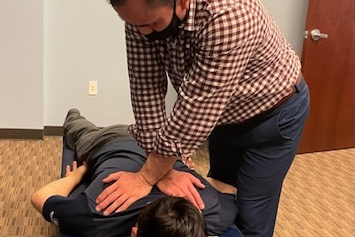
It’s important to be clear: chiropractic care is not a cure for scoliosis, and it does not reverse the structural curvature of the spine. What it can do is serve as an important part of a broader, conservative management plan — one that helps patients maintain function, manage symptoms, and stay as active and comfortable as possible.
In many cases, chiropractors collaborate with orthopedic specialists, physical therapists, and primary care physicians to ensure that scoliosis patients receive well-rounded, coordinated care. If a patient’s curve requires monitoring or medical management, Dr. Ernest Luong will always communicate that clearly and refer out when appropriate. The priority is always the patient’s wellbeing — not keeping them in chiropractic care at all costs.
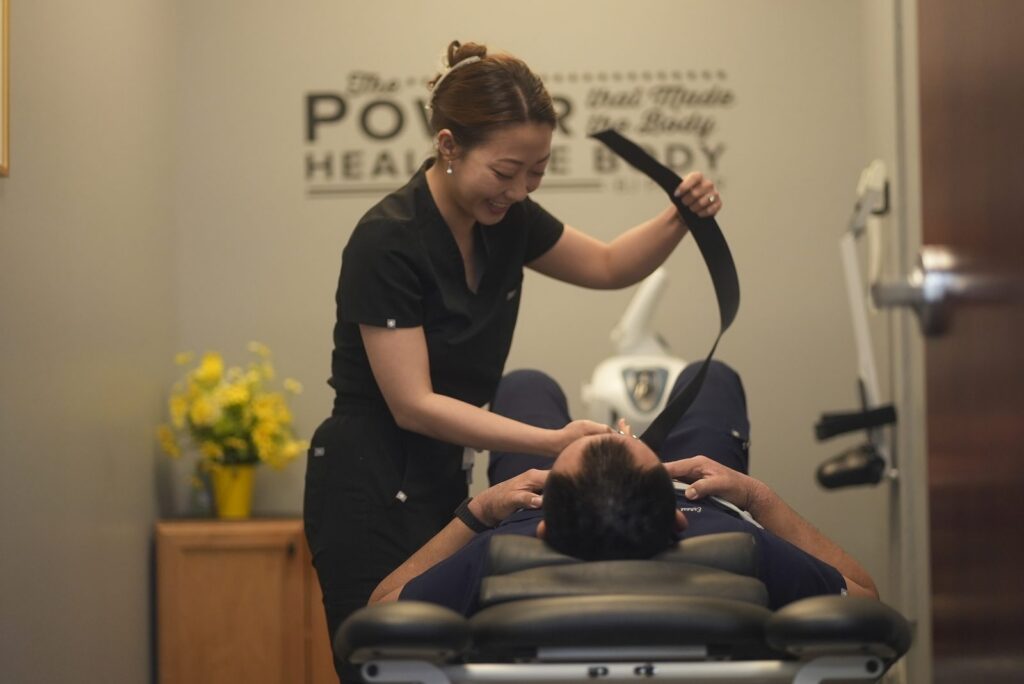
At Resilience Chiropractic, a typical approach for a scoliosis patient might include a thorough spinal evaluation, a review of relevant imaging if available, gentle spinal adjustments tailored to the direction and degree of the curve, postural and ergonomic guidance, and supportive soft tissue work. The pace and intensity of care are always adapted to the individual patient.
Practical Tips for Living Well With Scoliosis
Beyond formal chiropractic care, there are several practical habits that can help people with scoliosis feel better day to day. These recommendations are grounded in basic biomechanics and are widely supported by conservative care guidelines.
Staying active is one of the most important things a scoliosis patient can do. Regular, low-impact movement — such as walking, swimming, or yoga — helps maintain muscle strength, joint mobility, and overall spinal health. Prolonged inactivity tends to worsen muscular imbalances and increase discomfort.
Being mindful of how you sit, stand, and sleep also makes a real difference. Chairs that provide lumbar support, sleeping positions that reduce spinal twisting, and avoiding prolonged one-sided postures can all minimize the daily strain on a scoliotic spine. Dr. Ernest Luong can provide personalized guidance on these adjustments based on the specific nature of a patient’s curve.
Finally, stress management matters more than people often realize. Chronic stress leads to muscle tension, which can amplify the discomfort associated with scoliosis. Whether it’s breathing exercises, gentle movement, or simply building in time to rest, finding ways to lower overall tension in the body is genuinely beneficial.
When to See a Chiropractor for Scoliosis
If you or your child have been diagnosed with scoliosis and are experiencing back pain, stiffness, muscle fatigue, or postural concerns, it is worth consulting with a chiropractor to understand what conservative care options are available. Chiropractic care is generally appropriate for mild to moderate scoliosis where the primary goals are symptom management and functional improvement.
There are situations where chiropractic care should be combined with or deferred to medical management. If a curve is progressing rapidly, if the scoliosis is causing neurological symptoms such as numbness, tingling, or weakness in the limbs, or if there is significant compromise of lung or heart function, these are signals that additional medical evaluation is essential. A trustworthy chiropractor will always recognize these red flags and refer accordingly.
If you’re in the San Leandro area and you’re not sure where to start, a consultation with Dr. Ernest Luong at Resilience Chiropractic is a low-pressure, informative first step. Our team is here to listen, assess, and help you understand your options — without pushing you toward any particular path.
Chiropractic Care vs. Other Common Scoliosis Approaches
Approach |
Primary Goal |
Invasiveness |
Best Suited For |
|---|---|---|---|
|
Chiropractic Care |
Pain relief, mobility, posture balance |
Non-invasive |
Mild to moderate scoliosis; symptom management |
|
Spinal Bracing |
Curve progression prevention |
Non-surgical but restrictive |
Growing adolescents with moderate curves |
|
Physical Therapy |
Muscle strengthening, posture, movement patterns |
Non-invasive |
All stages; often used alongside other care |
|
Spinal Fusion Surgery |
Structural correction of severe curves |
Highly invasive |
Severe or progressive curves causing functional impairment |
|
Observation / Monitoring |
Track curve progression over time |
Non-invasive |
Mild curves, especially in non-growing patients |
Myths vs. Facts About Chiropractic Care and Scoliosis
Myth: Chiropractic adjustments will straighten a scoliotic spine.
Fact: Chiropractic care does not structurally straighten a scoliotic spine. What it can do is improve joint mobility, reduce muscular tension, and help patients manage symptoms more effectively. The goal is better function and comfort — not a change in the Cobb angle measurement.
Myth: Chiropractic care is unsafe for scoliosis patients.
Fact: When performed by a qualified chiropractor who has reviewed the patient’s history and imaging, chiropractic care is considered safe for most people with scoliosis. Adjustments are modified to suit the specific nature of the patient’s curve, and experienced chiropractors like Dr. Ernest Luong know how to adapt their approach for each individual.
Myth: Only severe scoliosis needs treatment — mild cases can be ignored.
Fact: Even mild scoliosis can contribute to muscle imbalance, postural strain, and discomfort over time. Proactive conservative care, including chiropractic, can help maintain spinal health and prevent unnecessary deterioration — regardless of curve severity.
Myth: Scoliosis only affects teenagers.
Fact: While adolescent idiopathic scoliosis is the most commonly discussed form, scoliosis can develop in adults due to degenerative changes, muscle imbalances, or other factors. Adult scoliosis is a real and often underrecognized issue that chiropractic care can meaningfully support.
Myth: Once you start chiropractic care, you have to go forever.
Fact: The length and frequency of chiropractic care is always a personal decision made between the patient and their chiropractor. Some people benefit from short-term care for acute symptoms, while others choose to continue with periodic maintenance visits. There is no obligation, and a good chiropractor will always respect your goals and preferences.
Final Thoughts From Resilience Chiropractic in San Leandro, CA
Living with scoliosis doesn’t have to mean living in constant pain or feeling powerless over your spinal health. At Resilience Chiropractic in San Leandro, CA, Dr. Ernest Luong is committed to helping patients understand their condition and explore every safe, evidence-informed option available to them. Chiropractic care isn’t a magic fix — but it can be a genuinely valuable tool in a well-rounded approach to scoliosis management.
Whether you’ve known about your scoliosis for years or are just starting to explore what it means for your health, we’d love to be a resource for you. Our team serves the San Leandro community with care that is honest, thorough, and always patient-centered. You deserve to feel supported — and you don’t have to figure this out alone.
If you’re in or around San Leandro and have questions about scoliosis and chiropractic care, we encourage you to reach out to Resilience Chiropractic and start a conversation. There’s no pressure, no commitment required — just good information and a team that genuinely wants to help.
Frequently Asked Questions
Can chiropractic care make scoliosis worse?
When performed by a qualified chiropractor with a thorough understanding of a patient’s scoliosis, chiropractic care is generally considered safe and should not worsen the condition. Dr. Ernest Luong always reviews relevant health history and imaging before beginning care and adjusts techniques accordingly. If at any point symptoms worsen, care is modified or referral is made.
How often should someone with scoliosis see a chiropractor?
Visit frequency depends on the individual’s curve severity, symptom level, age, and overall health goals. Some patients benefit from more frequent visits initially and then taper to periodic maintenance care. This is always a collaborative conversation between the patient and their chiropractor based on how they are responding.
Is chiropractic care appropriate for children with scoliosis?
Chiropractic care can be appropriate for children and adolescents with scoliosis, with techniques adapted to suit younger, developing spines. It is most commonly used as a supportive measure for symptom management and postural balance. Communication with the child’s pediatrician or orthopedic specialist is always encouraged.
Will my scoliosis curve get better with chiropractic care?
Chiropractic care is not expected to reduce the structural Cobb angle of a scoliotic curve. However, patients often experience improvements in pain, mobility, posture, and overall comfort. These functional improvements can significantly enhance quality of life even without a change in the curve measurement itself.
Does chiropractic care work alongside other scoliosis treatments?
Yes — chiropractic care can complement bracing, physical therapy, and medical monitoring. Many patients find that chiropractic care supports their overall wellbeing during other treatment phases. Dr. Ernest Luong is always willing to collaborate with other members of a patient’s care team to ensure cohesive, coordinated support.
How do I know if chiropractic care is right for my scoliosis?
The best way to know is to schedule a consultation with a qualified chiropractor who can review your health history, discuss your symptoms, and help you understand what care might look like for your specific situation. Resilience Chiropractic in San Leandro, CA welcomes patients at all stages of scoliosis for this kind of informative, no-pressure conversation.
TL;DR Summary
-
Chiropractic care can help scoliosis patients manage pain, improve posture, and enhance daily mobility — without surgery or medication.
-
It does not structurally straighten the spine, but it can meaningfully improve how the body functions and how patients feel day to day.
-
Chiropractic is most appropriate for mild to moderate scoliosis and works well alongside other conservative treatments like physical therapy and medical monitoring.
-
Red flags like neurological symptoms or rapidly progressing curves should always prompt medical evaluation, and a good chiropractor will refer when needed.
-
At Resilience Chiropractic in San Leandro, CA, Dr. Ernest Luong provides personalized, whole-person care designed to support patients through every stage of their scoliosis journey.