If you’ve ever felt a sharp, shooting pain that starts in your lower back and travels down your leg, you know just how disruptive sciatica can be. It can make sitting uncomfortable, standing painful, and even simple tasks like getting out of bed feel like a challenge. The good news? You don’t have to just “live with it.” Here in San Leandro, CA, many patients who visit Resilience Chiropractic are seeking natural, non-surgical relief from sciatica — and finding real results through chiropractic care. In this article, we’ll explore what sciatica is, why it happens, and how chiropractic adjustments and therapies can help you get back to living your life without constant pain and frustration.
What Is Sciatica?
Sciatica is not a condition itself, but rather a symptom of an underlying issue affecting the sciatic nerve. The sciatic nerve is the longest and thickest nerve in your body, running from your lower back, through your hips and buttocks, and down each leg. When something compresses, irritates, or inflames this nerve, you experience sciatica — typically felt as pain, tingling, numbness, or weakness along the path of the nerve.
Table of Contents
- What Is Sciatica?
- Common Causes of Sciatica
- Signs and Symptoms to Watch For
- How Chiropractic Care Helps with Sciatica
- What to Expect at Resilience Chiropractic
- Practical Tips for Managing Sciatica at Home
- When to See a Chiropractor for Sciatica
- Sciatica Treatment Approaches: A Comparison
- Myths vs. Facts About Sciatica and Chiropractic Care
- Final Thoughts from Resilience Chiropractic
Common Causes of Sciatica
Understanding what triggers sciatica is the first step toward effective treatment. Sciatica occurs when something puts pressure on or irritates the sciatic nerve. This irritation can come from several sources, and identifying the root cause is essential for creating a personalized care plan.
One of the most common culprits is a herniated or bulging disc in the lumbar spine. The discs act as cushions between the vertebrae in your spine, and when one of these discs slips out of place or bulges, it can press directly on the nerve roots that form the sciatic nerve. This is especially common in people who lift heavy objects improperly, experience trauma, or have age-related disc degeneration.
Another frequent cause is spinal stenosis, a narrowing of the spinal canal that can squeeze the nerves. This condition often develops gradually and is more common in adults over fifty. Bone spurs, which are bony growths that develop along the edges of bones, can also contribute to nerve compression and sciatica symptoms.
Piriformis syndrome is another source of sciatic pain. The piriformis is a small muscle located deep in the buttock, and when it becomes tight or spasms, it can press on the sciatic nerve. This is particularly common in people who sit for long periods, athletes, or anyone with imbalanced hip mechanics.
Pregnancy can also lead to sciatica due to the shifting weight distribution, hormonal changes that loosen ligaments, and the growing uterus placing pressure on the sciatic nerve. Injuries from car accidents, falls, or sports can create inflammation or misalignments that irritate the nerve as well.
Here at Resilience Chiropractic in San Leandro, we often see patients whose sciatica is linked to poor posture, prolonged sitting, or repetitive movements that strain the lower back and hips. Identifying your unique triggers allows us to address the problem at its source rather than just masking symptoms.
Signs and Symptoms to Watch For
Sciatica presents differently for everyone, but there are hallmark signs that can help you recognize whether your discomfort is related to sciatic nerve irritation. The most common symptom is pain that radiates from the lower back or buttock down the back of one leg. This pain can range from a mild ache to a sharp, burning sensation or even an electric shock-like jolt.
Many people also experience tingling or a “pins and needles” sensation along the leg, foot, or toes. Numbness in the leg or foot is another frequent complaint, which can make walking or standing feel unstable. Muscle weakness in the affected leg is also possible, making it harder to lift your foot or push off when walking.
Sciatica typically affects only one side of the body, though in rare cases both legs can be involved. Pain often worsens with prolonged sitting, standing, or certain movements like bending or twisting. Coughing, sneezing, or sudden movements can also trigger sharp pain.
It’s important to note that sciatica symptoms can vary in intensity. Some days may feel manageable, while others can be debilitating. If you’re experiencing any of these symptoms, especially if they persist for more than a few days or interfere with daily activities, it’s worth getting evaluated by a chiropractor.
How Chiropractic Care Helps with Sciatica
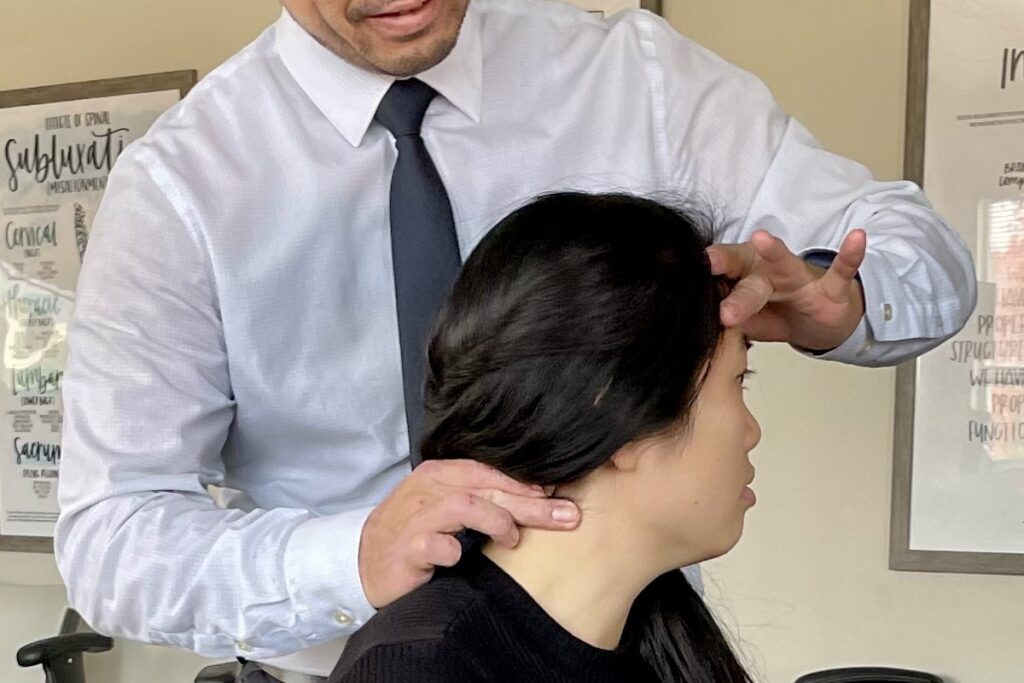
Chiropractic care offers a natural, non-invasive approach to relieving sciatica by addressing the underlying mechanical issues causing nerve irritation. Rather than simply masking pain with medications, chiropractors focus on restoring proper alignment, improving mobility, and reducing inflammation around the sciatic nerve.
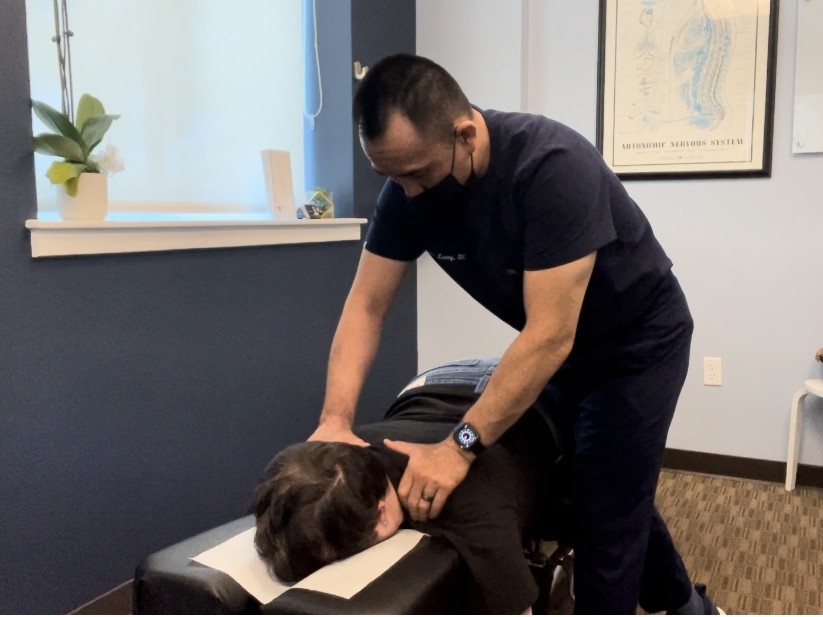
The foundation of chiropractic treatment for sciatica is the spinal adjustment. When vertebrae in the lower back are misaligned, they can create pressure on the nerve roots that contribute to the sciatic nerve. Through precise, controlled adjustments, chiropractors can realign these vertebrae, reducing nerve compression and allowing the body to heal naturally. Research published in the Journal of Manipulative and Physiological Therapeutics suggests that spinal manipulation can be effective in reducing pain and improving function in patients with sciatica.
Beyond adjustments, chiropractors use a variety of complementary therapies to address sciatica. Soft tissue work, including massage and myofascial release, can help relieve tension in the muscles surrounding the sciatic nerve, particularly the piriformis muscle. When muscles are tight or in spasm, they can contribute to nerve irritation, so releasing this tension is a key part of treatment.
Cold and heat therapy are often incorporated as well. Ice can reduce inflammation in the acute stages of sciatica, while heat can relax tight muscles and improve blood flow to promote healing. Ultrasound therapy and electrical stimulation may also be used to decrease pain and inflammation in the affected area.
Chiropractic care also emphasizes patient education and rehabilitation exercises. Strengthening the core and lower back muscles, improving flexibility, and correcting posture can all help prevent future episodes of sciatica. At Resilience Chiropractic, we take the time to teach our San Leandro patients exercises and stretches they can do at home to support their recovery and maintain long-term spinal health.
One of the biggest advantages of chiropractic care for sciatica is that it’s drug-free and non-surgical. Many patients come to us hoping to avoid medications with side effects or invasive procedures with long recovery times. Chiropractic offers a middle ground — a conservative, evidence-based approach that works with your body’s natural healing abilities.
What to Expect at Resilience Chiropractic
If you’re considering chiropractic care for sciatica, you might be wondering what your first visit will look like. At Resilience Chiropractic in San Leandro, we prioritize a thorough, individualized approach to every patient’s care. Your initial visit will begin with a comprehensive consultation and health history review. We’ll ask about your symptoms, when they started, what makes them better or worse, and any previous treatments you’ve tried.
Next, we’ll perform a physical examination that may include tests to assess your range of motion, reflexes, muscle strength, and nerve function. We may also use orthopedic and neurological tests to pinpoint the exact source of your sciatica. In some cases, imaging such as X-rays may be recommended to get a clearer picture of your spinal alignment and rule out other underlying issues.
Once we’ve gathered all the necessary information, we’ll develop a personalized treatment plan tailored to your specific needs. This plan will outline the type and frequency of adjustments, any additional therapies we recommend, and exercises or lifestyle modifications to support your recovery. We believe in transparency and collaboration, so we’ll explain every step of your care and answer any questions you have.
Treatment sessions typically begin with hands-on adjustments to realign the spine and reduce nerve compression. Depending on your condition, we may also incorporate soft tissue work, stretching, or therapeutic modalities. Most patients start to notice improvement within the first few weeks of care, though the timeline varies depending on the severity and duration of your sciatica.
Throughout your treatment, we’ll monitor your progress and adjust your care plan as needed. Our goal is not just to relieve your pain, but to help you regain function, prevent recurrence, and improve your overall quality of life. We’re here to support you every step of the way.
Practical Tips for Managing Sciatica at Home
While professional chiropractic care is essential for addressing the root cause of sciatica, there are also several things you can do at home to support your recovery and manage symptoms. These practical tips can complement your chiropractic treatment and help you feel better day to day.
First, pay attention to your posture, especially if you sit for long periods. Slouching or sitting in a collapsed position can increase pressure on your lower back and sciatic nerve. Use a chair with good lumbar support, keep your feet flat on the floor, and avoid crossing your legs. Consider using a small cushion or lumbar roll to maintain the natural curve of your lower back.
Take frequent breaks if your job requires prolonged sitting. Stand up, walk around, and stretch every thirty to sixty minutes. Even a few minutes of movement can reduce stiffness and relieve pressure on the nerve. If you work at a desk, consider using a standing desk or alternating between sitting and standing throughout the day.
Gentle stretching can also be beneficial, particularly stretches that target the lower back, hips, and hamstrings. The piriformis stretch, knee-to-chest stretch, and seated spinal twist are all helpful for relieving tension around the sciatic nerve. Move slowly and avoid any stretches that increase pain. If you’re unsure which stretches are safe for you, ask us at Resilience Chiropractic — we’re happy to guide you.
Apply ice or heat as needed. In the first few days of a sciatica flare-up, ice can help reduce inflammation. Apply an ice pack wrapped in a towel to the affected area for fifteen to twenty minutes several times a day. After the initial inflammation subsides, heat can help relax tight muscles and improve circulation. A warm bath, heating pad, or warm compress can all provide relief.
Stay active, but listen to your body. While rest is important during acute pain, prolonged inactivity can actually make sciatica worse by causing muscles to weaken and stiffen. Low-impact activities like walking, swimming, or gentle yoga can keep you moving without aggravating your symptoms. Avoid high-impact activities, heavy lifting, and movements that involve twisting or bending at the waist until your symptoms improve.
Maintain a healthy weight. Excess weight, especially around the midsection, can place additional stress on the lower back and increase the risk of sciatica. A balanced diet and regular exercise can help you maintain a healthy weight and support your overall spinal health.
When to See a Chiropractor for Sciatica
Knowing when to seek professional help is important for preventing sciatica from becoming chronic or more severe. If you’re experiencing persistent lower back pain that radiates down your leg, it’s a good idea to get evaluated by a chiropractor sooner rather than later. Early intervention can often lead to faster and more complete recovery.
You should definitely consider seeing a chiropractor if your sciatica symptoms last more than a few days, even if they’re mild. While some cases of sciatica resolve on their own, many do not, and waiting too long can allow the problem to worsen. If your pain is severe enough to interfere with daily activities like walking, working, or sleeping, don’t wait — seek care.
Another sign it’s time to see a chiropractor is if your symptoms are getting progressively worse despite rest and home remedies. If you notice increasing numbness, tingling, or weakness in your leg or foot, that’s a red flag that the nerve compression may be worsening. These symptoms warrant prompt evaluation.
If you’ve had sciatica in the past and it’s returned, or if you’re experiencing frequent flare-ups, chiropractic care can help address the underlying issues to prevent future episodes. Recurring sciatica often points to chronic misalignments, muscle imbalances, or postural problems that need professional attention.
There are also certain warning signs that require immediate medical attention. If you experience sudden loss of bladder or bowel control, severe weakness in both legs, or numbness in the groin or genital area, these could be signs of a serious condition called cauda equina syndrome, which requires emergency medical treatment. While these cases are rare, it’s important to be aware of them.
At Resilience Chiropractic in San Leandro, we’re equipped to evaluate your sciatica and determine the best course of action. If we identify any red flags or conditions outside the scope of chiropractic care, we’ll refer you to the appropriate medical specialist. Your safety and well-being are always our top priority.
Sciatica Treatment Approaches: A Comparison
| Treatment Approach | How It Works | Pros | Cons |
|---|---|---|---|
| Chiropractic Care | Spinal adjustments, soft tissue work, and rehab exercises to restore alignment and reduce nerve pressure | Non-invasive, drug-free, addresses root cause, personalized care | May require multiple visits, not suitable for surgical emergencies |
| Pain Medications | Over-the-counter or prescription drugs to reduce pain and inflammation | Quick symptom relief, widely available | Does not address underlying cause, potential side effects, risk of dependency |
| Physical Therapy | Exercises and stretches to strengthen muscles and improve flexibility | Evidence-based, active approach, improves function | Requires time and commitment, may not address spinal misalignment |
| Epidural Steroid Injections | Corticosteroid injections to reduce inflammation around the nerve | Can provide significant short-term relief | Invasive, temporary results, potential risks and side effects |
| Surgery | Surgical removal of herniated disc material or decompression of nerve | Can provide relief in severe cases | Invasive, longer recovery, risks associated with surgery, typically last resort |
Myths vs. Facts About Sciatica and Chiropractic Care
There’s a lot of misinformation out there about sciatica and chiropractic treatment. Let’s clear up some of the most common myths so you can make informed decisions about your care.
Myth: Sciatica Will Go Away on Its Own, So You Don’t Need Treatment
Fact: While some mild cases of sciatica may improve with rest, many do not resolve without intervention. Leaving sciatica untreated can lead to chronic pain, permanent nerve damage, and decreased quality of life. Seeking early chiropractic care can help speed recovery and prevent complications.
Myth: Chiropractic Adjustments Are Painful and Dangerous
Fact: Chiropractic adjustments are generally safe and well-tolerated when performed by a licensed, trained professional. Most patients report feeling immediate relief and improved mobility after an adjustment. Serious complications are extremely rare, and chiropractors are trained to identify contraindications before performing any treatment.
Myth: You Have to Keep Going to the Chiropractor Forever
Fact: The length of chiropractic care depends on the severity of your condition and your individual goals. Many patients experience significant relief within a few weeks and then transition to maintenance or wellness care if they choose. At Resilience Chiropractic, we empower you to take control of your health and make informed decisions about your care plan.
Myth: Surgery Is the Only Real Solution for Sciatica
Fact: Surgery is rarely necessary for sciatica and is typically considered only after conservative treatments have been tried and failed. Research indicates that many patients improve with non-surgical approaches like chiropractic care, physical therapy, and lifestyle modifications. Surgery should be a last resort, not a first option.
Myth: If You Have Sciatica, You Should Avoid All Physical Activity
Fact: While it’s important to avoid activities that worsen your pain, complete rest can actually delay recovery. Gentle movement, stretching, and low-impact exercise help maintain flexibility, strength, and circulation, all of which support healing. Your chiropractor can recommend safe activities based on your specific condition.
Final Thoughts from Resilience Chiropractic
Sciatica doesn’t have to control your life. With the right care, most people can find significant relief and get back to the activities they love. Here in San Leandro, the team at Resilience Chiropractic is committed to helping you understand your condition, address the root cause, and achieve lasting results through natural, evidence-based chiropractic care.
We believe in treating the whole person, not just the symptoms. That means taking the time to listen to your concerns, thoroughly evaluate your condition, and create a personalized care plan that fits your needs and goals. Whether you’re dealing with a recent flare-up or chronic sciatica that’s been bothering you for months, we’re here to help.
If you’re ready to take the first step toward relief, we invite you to reach out to Resilience Chiropractic in San Leandro. Let’s work together to get you feeling better, moving better, and living better. Your journey to a pain-free life starts here.
Frequently Asked Questions About Sciatica and Chiropractic Care
How long does it take for chiropractic care to relieve sciatica?
The timeline varies depending on the severity and duration of your sciatica, but many patients notice improvement within the first few weeks of treatment. Acute cases may resolve more quickly, while chronic sciatica may require longer care. Consistency with appointments and following your chiropractor’s recommendations can help speed recovery.
Can chiropractic care help with a herniated disc causing sciatica?
Yes, chiropractic adjustments and therapies can help reduce the pressure on the nerve caused by a herniated disc. By improving spinal alignment, reducing inflammation, and promoting natural healing, chiropractic care offers a conservative approach that many patients find effective for disc-related sciatica.
Is it safe to see a chiropractor if I’m pregnant and have sciatica?
Absolutely. Chiropractic care is safe during pregnancy and can be particularly helpful for pregnancy-related sciatica. Chiropractors trained in prenatal care use gentle techniques and special positioning to ensure both mother and baby are comfortable and safe throughout treatment.
What’s the difference between sciatica and general lower back pain?
Sciatica involves pain that radiates down the leg along the path of the sciatic nerve, often accompanied by tingling, numbness, or weakness. General lower back pain is typically localized to the lower back and does not radiate into the leg. If you’re unsure, a chiropractor can evaluate your symptoms and determine the cause.
Will I need X-rays or other imaging for sciatica?
Not always. Many cases of sciatica can be diagnosed and treated based on your symptoms and a physical examination. However, if your chiropractor suspects a more serious underlying issue or if your symptoms are severe or not improving, imaging like X-rays or MRI may be recommended to guide treatment.
Can poor posture really cause sciatica?
Yes, poor posture can contribute to sciatica by placing abnormal stress on the spine and surrounding muscles. Slouching, prolonged sitting, and improper lifting techniques can all lead to spinal misalignments, muscle imbalances, and disc problems that irritate the sciatic nerve. Correcting posture is an important part of both treatment and prevention.
TL;DR: Key Takeaways
- Sciatica is a symptom of nerve irritation, not a diagnosis itself, and it causes pain, tingling, or numbness that radiates from the lower back down the leg.
- Common causes include herniated discs, spinal stenosis, piriformis syndrome, and poor posture or prolonged sitting.
- Chiropractic care addresses sciatica naturally through spinal adjustments, soft tissue therapy, and patient education without drugs or surgery.
- Early intervention is key — don’t wait for symptoms to worsen before seeking care.
- At Resilience Chiropractic in San Leandro, CA, personalized, evidence-based care helps patients find lasting relief and regain their quality of life.