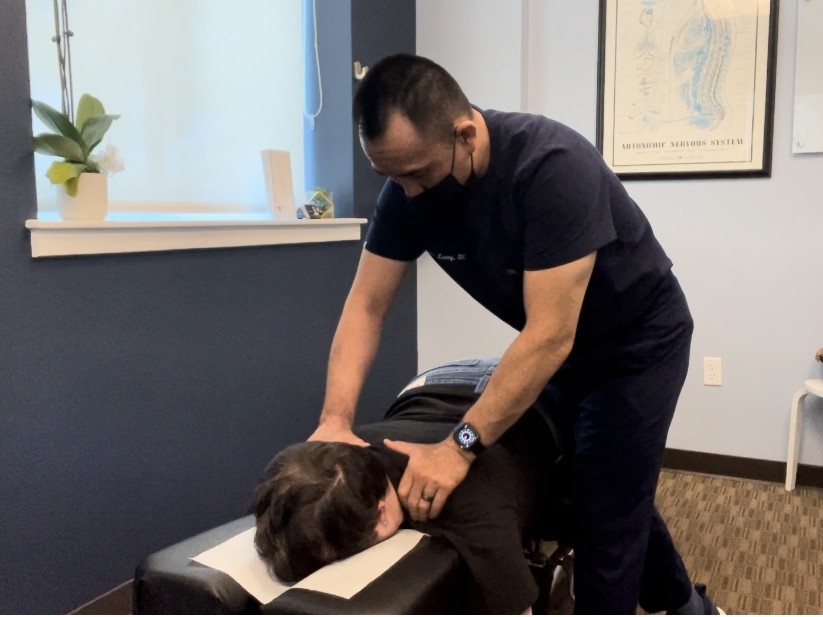
If you suffer from migraines, you’re likely on the lookout for effective relief options. As a chiropractor, I want to share some natural remedies that can help manage your symptoms and enhance your overall well-being. Migraines can be debilitating, but there are several holistic approaches you can explore.
- Stay Hydrated: Dehydration is a common trigger for migraines. Make sure you’re drinking enough water throughout the day. Staying properly hydrated can help reduce the frequency and intensity of your headaches.
- Posture Awareness: Poor posture can contribute to muscle tension and migraines. Be mindful of your posture, especially when sitting for long periods. Regular chiropractic adjustments can help align your spine, improving your posture and reducing strain.
- Dietary Changes: Certain foods can trigger migraines. Keeping a food diary can help you identify any culprits. Incorporating a balanced diet rich in fruits, vegetables, whole grains, and lean proteins can support overall health and potentially lessen migraine occurrences.
- Regular Exercise: Engaging in regular physical activity can help reduce stress and tension, which are common migraine triggers. Aim for activities that you enjoy, whether it’s walking, yoga, or swimming. Exercise also promotes better spinal health.
- Stress Management: High stress levels can lead to tension headaches and migraines. Consider practicing relaxation techniques such as deep breathing, meditation, or gentle stretching. Regular chiropractic care can also help alleviate stress by promoting relaxation in your body.
- Sleep Hygiene: Establishing a regular sleep schedule can significantly impact your migraine frequency. Aim for 7-9 hours of quality sleep each night. Chiropractic adjustments can also improve your sleep by ensuring your body is properly aligned.
- Chiropractic Care: Regular visits to a chiropractor can be an effective way to prevent migraines. Chiropractic adjustments help to align the spine and relieve tension in the neck and shoulders, which can be a significant source of headaches.
By focusing on these natural remedies and incorporating chiropractic care into your wellness routine, you can take significant steps towards managing your migraines and improving your quality of life. Remember, the journey to better health is a personal one—find what works best for you and enjoy the process of healing!
Key Takeaways
- Stay hydrated by drinking at least eight glasses of water daily and adding hydrating foods like fruits and vegetables to your diet. Proper hydration supports your overall health, which can help reduce migraine frequency and severity.
- Incorporate stress-relief techniques into your daily routine. Practices such as deep breathing, meditation, and yoga not only help calm your mind but also promote spinal alignment and relaxation, reducing potential migraine triggers.
- Keep a consistent sleep schedule by aiming for seven to nine hours of quality sleep each night. Good sleep hygiene supports your body’s natural healing processes and can enhance your overall well-being.
- Consider using essential oils like peppermint and lavender. These natural remedies can provide soothing relief when applied topically or diffused. They can also create a calming environment that aids relaxation and stress reduction.
- Explore herbal supplements like butterbur and feverfew, but always consult with a healthcare provider who understands chiropractic care before starting any new remedies. Your chiropractor can guide you toward safe and effective options that align with your wellness goals.
In addition to these remedies, regular chiropractic care can play a significant role in managing migraines. By addressing spinal misalignments and enhancing nervous system function, chiropractic adjustments can help reduce the frequency and intensity of migraine attacks. Embracing a holistic approach to health that includes chiropractic care can lead to lasting relief and improved quality of life.
Stay Hydrated
Staying hydrated is crucial for everyone, especially for those who experience migraines. As a chiropractor, I want to emphasize that proper hydration can play a significant role in overall health and wellness, including the management of headaches. When you’re dehydrated, it can lead to tension and discomfort in your body, which may exacerbate migraine symptoms.
Aim to drink at least eight glasses of water daily, but remember that your needs may vary based on your activity level and climate. Keeping a water bottle with you throughout the day can make it easier to remember to hydrate. It’s easy to overlook this simple task, especially when you’re busy with daily activities.
If you find plain water unappealing, try herbal teas or infuse your water with slices of fruit for a refreshing twist. This not only makes hydration enjoyable but also adds some vitamins and minerals to your routine.
Listen to your body! If you start to feel thirsty, it’s a sign that you need to drink more water. Additionally, be mindful of beverages that can lead to dehydration, such as those high in caffeine or alcohol. Instead, focus on consuming hydrating foods like fruits and vegetables, which can contribute to your overall hydration and support your body in functioning optimally.
By prioritizing hydration, you can help reduce the frequency and intensity of migraines and support your overall well-being.
Practice Stress-Relief Techniques
When it comes to managing migraines, incorporating stress-relief techniques can significantly enhance your well-being. Stress is a well-known trigger for migraines, so finding effective ways to reduce it is crucial. One simple yet powerful technique is deep breathing exercises. Focus on your breath, inhaling slowly through your nose and exhaling gently through your mouth. This practice not only calms your mind but also helps relax your body, creating a soothing effect that can alleviate migraine symptoms.
Another effective method is meditation. Even dedicating just a few minutes each day to quiet your mind can foster a sense of peace and clarity. This mental reset can be invaluable in reducing the frequency and intensity of migraines.
Additionally, if you enjoy physical activity, consider incorporating yoga or tai chi into your routine. Both practices blend movement with mindfulness, promoting relaxation and significantly lowering stress levels.
Don’t overlook the therapeutic benefits of nature. Spending time outdoors or engaging in hobbies you love can be a fantastic way to unwind and release tension. By integrating these stress-relief techniques into your daily life, you’ll not only feel more relaxed but also be better equipped to manage migraines effectively.
Furthermore, regular chiropractic care can play a crucial role in your overall health and wellness. Chiropractic adjustments help align your spine, which can enhance your body’s ability to cope with stress and reduce migraine triggers.
Maintain a Consistent Sleep Schedule
Maintaining a consistent sleep schedule is crucial for managing migraines, as irregular sleep patterns can be a significant trigger for attacks. As a chiropractor, I encourage you to adopt a routine that involves going to bed and waking up at the same time every day, even on weekends. This practice helps regulate your body’s internal clock and promotes better sleep quality, which is essential for your overall health.
Aim for seven to nine hours of restful sleep each night. Both inadequate and excessive sleep can contribute to migraine episodes, so finding that sweet spot is key. Establish a calming bedtime routine—consider activities like reading or meditating—to signal to your body that it’s time to wind down and relax.
It’s also wise to limit exposure to screens and bright lights before bed, as these can disrupt your sleep patterns. If you find it difficult to drift off, try reducing your caffeine intake, particularly in the afternoon and evening.
By prioritizing a consistent sleep schedule, you not only help reduce the frequency and severity of migraines but also support your overall wellness.
Explore Dietary Modifications
Dietary triggers can differ from person to person, but making some thoughtful dietary modifications can significantly help manage migraines. By being mindful of what you eat, you may experience a reduction in those painful attacks. Here are three simple dietary changes to consider:
- Stay Hydrated: Keeping your body well-hydrated is essential, as dehydration can often lead to migraines. Aim for at least eight glasses of water a day. Staying hydrated not only helps with headaches but also supports your overall health, which is crucial for maintaining a well-aligned spine.
- Identify Trigger Foods: Some foods may trigger migraines for certain individuals. Common culprits include aged cheeses, processed meats, and caffeine. To help identify your personal triggers, try keeping a food diary. This practice not only aids in understanding your diet but can also help you make healthier choices that support your wellness journey.
- Increase Magnesium Intake: Incorporating magnesium-rich foods into your diet can be beneficial. Foods like spinach, nuts, and whole grains are great sources of magnesium that may help reduce the frequency of migraines. A well-balanced diet can play a key role in your overall health and complement the benefits of chiropractic care.
By making these dietary adjustments, you’re taking proactive steps toward managing migraines naturally.
Utilize Essential Oils
Essential oils can be a helpful addition to your wellness routine, especially when managing migraine symptoms. However, it’s important to remember that chiropractic care is a fantastic first step in addressing the root causes of migraines and achieving overall health.
By focusing on spinal alignment and nervous system function, chiropractic adjustments can alleviate tension and promote natural healing.
If you’re interested in incorporating essential oils, consider those known for their soothing properties, such as peppermint or lavender. These oils can be applied topically or diffused in your home to create a calming environment.
Just a few drops on your temples or wrists can offer some relief, but always remember to consult with your chiropractor about the best holistic approaches for your specific needs.
In addition to exploring essential oils, here are a few general tips to help manage migraines and enhance your well-being:
- Stay Hydrated: Dehydration can trigger migraines, so make sure to drink plenty of water throughout the day.
- Maintain a Consistent Schedule: Try to eat meals and sleep at the same times each day to regulate your body’s natural rhythms.
- Practice Relaxation Techniques: Incorporate deep breathing, meditation, or gentle yoga to help reduce stress and muscle tension.
- Monitor Your Triggers: Keep a journal of your migraine occurrences to identify any patterns or triggers that may be linked to your spinal health.
Remember, while essential oils can complement your wellness journey, chiropractic care remains a powerful tool for achieving optimal health and natural pain relief.
Always consult with your chiropractor to create a tailored plan that works best for you!
Best Essential Oils
When it comes to finding relief from migraine pain, chiropractic care can be a game-changer. By addressing spinal alignment and tension in the body, we can help reduce the frequency and intensity of migraines.
In addition, incorporating the right essential oils into your routine can complement your chiropractic treatments and enhance your natural healing process. Here are three essential oils you might find helpful:
- Peppermint Oil: This oil is known for its cooling effect and can help alleviate tension. Applying diluted peppermint oil to your temples and forehead can provide a soothing sensation that may reduce headache symptoms.
- Lavender Oil: Renowned for its calming properties, lavender oil can promote relaxation. Consider using lavender essential oil in a diffuser or applying it topically to help decrease headache frequency and intensity, especially after a chiropractic adjustment.
- Eucalyptus Oil: If your migraines are linked to sinus congestion, eucalyptus oil can be beneficial. Its ability to clear sinuses and improve circulation can enhance your overall comfort. Try inhaling eucalyptus oil or using it in a steam inhalation for added relief.
Incorporating these essential oils alongside regular chiropractic visits can provide a natural approach to managing migraine discomfort.
Remember, maintaining a healthy spine is crucial for overall wellness, so consider scheduling an appointment with your chiropractor to discuss personalized strategies for pain relief and optimal health.
Always consult with your healthcare provider before trying new remedies.
Application Techniques
Using essential oils effectively can greatly complement your migraine relief efforts, especially when paired with the benefits of chiropractic care. As a local chiropractor, I understand the importance of a holistic approach to wellness, and essential oils can be a wonderful addition to your natural healing toolkit.
Start by selecting oils such as peppermint or lavender, both known for their soothing properties. To prevent skin irritation, dilute a few drops of your chosen oil in a carrier oil, like coconut or jojoba. Gently massage this blend onto your temples, neck, and the base of your skull. This simple technique can help relieve tension and promote better blood circulation, enhancing the effects of your chiropractic treatments.
Inhaling these oils can also provide quick relief. You can do this by taking a deep breath from the bottle or using a diffuser to create a calming atmosphere in your home. For an on-the-go option, try placing a few drops on a tissue and inhaling deeply. This practice can help reduce stress and create a sense of tranquility.
Remember, consistency is key. Incorporating these techniques into your daily routine, alongside regular chiropractic adjustments, can lead to better overall management of your migraines and contribute to your journey toward optimal health.
Always listen to your body and observe how it responds, and don’t hesitate to discuss these methods with your chiropractor for personalized advice. Together, we can work towards achieving the best results for your wellness.
Try Acupressure and Massage
If you’re seeking relief from migraines, I encourage you to consider the benefits of chiropractic care alongside acupressure and massage. Chiropractic adjustments can help alleviate spinal misalignments, which may contribute to headaches and migraines.
By addressing the root cause of your discomfort, you can find lasting relief and improve your overall well-being.
Incorporating acupressure and massage techniques can complement your chiropractic treatment. Applying gentle pressure to specific points on your body may help ease tension and reduce pain.
Additionally, learning some simple self-massage techniques can empower you to manage your symptoms effectively between visits.
Remember, maintaining a healthy lifestyle through proper hydration, regular exercise, and good posture can also play a significant role in preventing migraines.
Pressure Points for Relief
Have you ever thought about how simple pressure points might help ease your migraine pain? As a chiropractor, I believe in the power of natural healing techniques, and acupressure can be a valuable addition to your wellness routine.
By applying gentle pressure to specific points on your body, you can promote relaxation and potentially find relief from headache symptoms. Here are three effective pressure points you can try:
- Yintang (Between the eyebrows): Gently press this point to help calm your mind and reduce tension. It’s a great way to start your relaxation process.
- LI4 (Between the thumb and index finger): This point is known to help relieve pain and stress. Squeeze it firmly for about a minute to feel its soothing effects.
- GB20 (Base of the skull): Applying pressure to this area can help alleviate neck tension and headache discomfort. It’s a simple yet effective way to ease those tight muscles.
Incorporating these techniques into your daily routine can be a great step toward achieving optimal health.
However, remember that regular chiropractic care is a powerful way to address the root causes of pain and promote overall wellness. By focusing on your spine and nervous system, chiropractic adjustments can help improve your body’s function and resilience against headaches.
Embrace these natural methods, and you might just discover the relief you’ve been looking for!
Self-Massage Techniques Explained
While you might be aware of pressure points, incorporating self-massage techniques can significantly aid in alleviating migraine discomfort. As a chiropractor, I believe in the power of natural healing methods to enhance your wellness.
Start by locating the base of your skull; gently knead this area with your fingertips. Apply steady pressure for a few seconds, then release. This simple technique can help release tension that may be contributing to your migraines.
Next, try massaging your temples in a circular motion. This can further alleviate tension that builds up in your head. Don’t overlook the area between your eyebrows—using your thumb to apply light pressure here can also help ease discomfort.
It’s essential to acknowledge that tightness in your neck and shoulders can exacerbate migraine symptoms. Therefore, take the time to massage these areas as well. By loosening up tight muscles, you may find relief from your headaches.
In addition to these techniques, remember that deep breathing while you massage can enhance relaxation and boost your overall sense of well-being. Experiment with these self-massage strategies to discover what works best for you.
For ongoing support in achieving optimal health, consider the benefits of regular chiropractic care. It can help address underlying issues and promote a balanced, pain-free life.
Incorporating these simple self-massage techniques alongside chiropractic adjustments can be a powerful approach to managing migraines and enhancing your overall wellness.
Incorporate Herbal Supplements
Incorporating herbal supplements into your migraine relief routine can be a great natural approach to managing symptoms, alongside the benefits of chiropractic care. Many people have found that certain herbs can help reduce the frequency and intensity of their migraines, complementing the holistic healing provided by chiropractic adjustments.
Here are three effective options to consider, along with how they can fit into your overall wellness plan:
1. Butterbur: This herb has been recognized for its potential to decrease migraine frequency. It’s often recommended as a preventive measure. If you choose to try butterbur, be sure to select a PA-free version to avoid any unwanted side effects.
Remember, regular chiropractic adjustments can also help by improving spinal alignment, which may reduce the severity of migraine triggers.
2. Feverfew: Known for its anti-inflammatory properties, feverfew might help lessen the severity of migraines and reduce the number of attacks over time. Pairing this with chiropractic care can further enhance your body’s ability to fend off migraine pain through improved nerve function and circulation.
3. Ginger: This common kitchen herb isn’t only useful for cooking but can also help alleviate the nausea often associated with migraines. You can consume ginger as tea or in supplement form for quick relief.
Additionally, chiropractic adjustments can help alleviate tension and stress, which are common migraine triggers.
As you consider adding herbal supplements to your routine, it’s always best to consult with a healthcare professional who understands your unique health needs.
And remember, incorporating regular chiropractic care into your wellness plan can help you achieve optimal health and potentially reduce your migraine symptoms effectively.
Conclusion
Incorporating these remedies into your wellness routine can significantly help in managing migraines, especially when combined with the benefits of chiropractic care. Staying hydrated, practicing stress relief techniques, and maintaining a consistent sleep schedule are straightforward yet powerful steps towards alleviating migraine discomfort.
Consider exploring dietary changes that can enhance your overall health; a balanced diet plays a crucial role in maintaining wellness. Essential oils can also be a great addition to your migraine relief toolkit, offering natural benefits when used appropriately.
In addition, therapies like acupressure or massage can complement chiropractic adjustments, providing further relief and promoting relaxation. Herbal supplements, such as butterbur and feverfew, may also assist in reducing migraine frequency, but always consult with your chiropractor before adding new supplements to your routine.
By integrating these strategies with regular chiropractic care, you can take proactive steps towards managing your migraines and enhancing your overall well-being. Remember, chiropractic care focuses on the health of your spine and nervous system, which is fundamental for achieving optimal health and a pain-free life.