If you’ve ever experienced a tension headache, you know how disruptive it can be. These headaches often arise from stress, poor posture, or muscle tension, and understanding their causes is essential for finding effective relief. By identifying your triggers and making simple lifestyle adjustments, you can significantly reduce the frequency and intensity of these headaches.
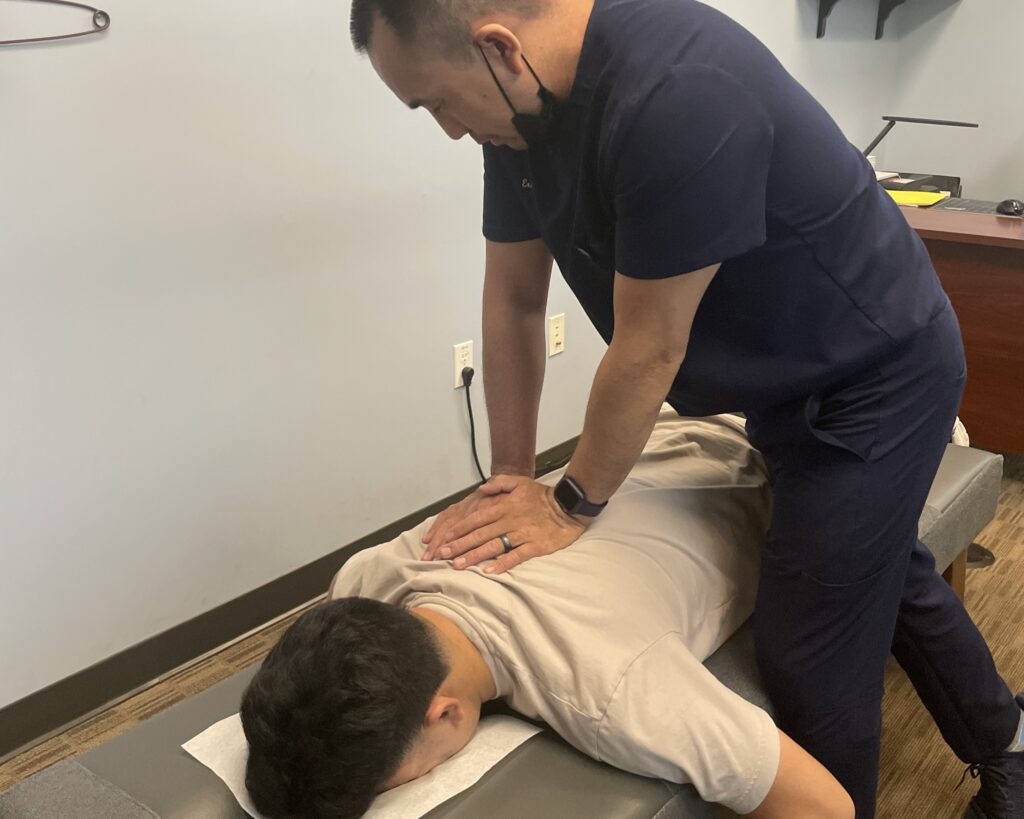
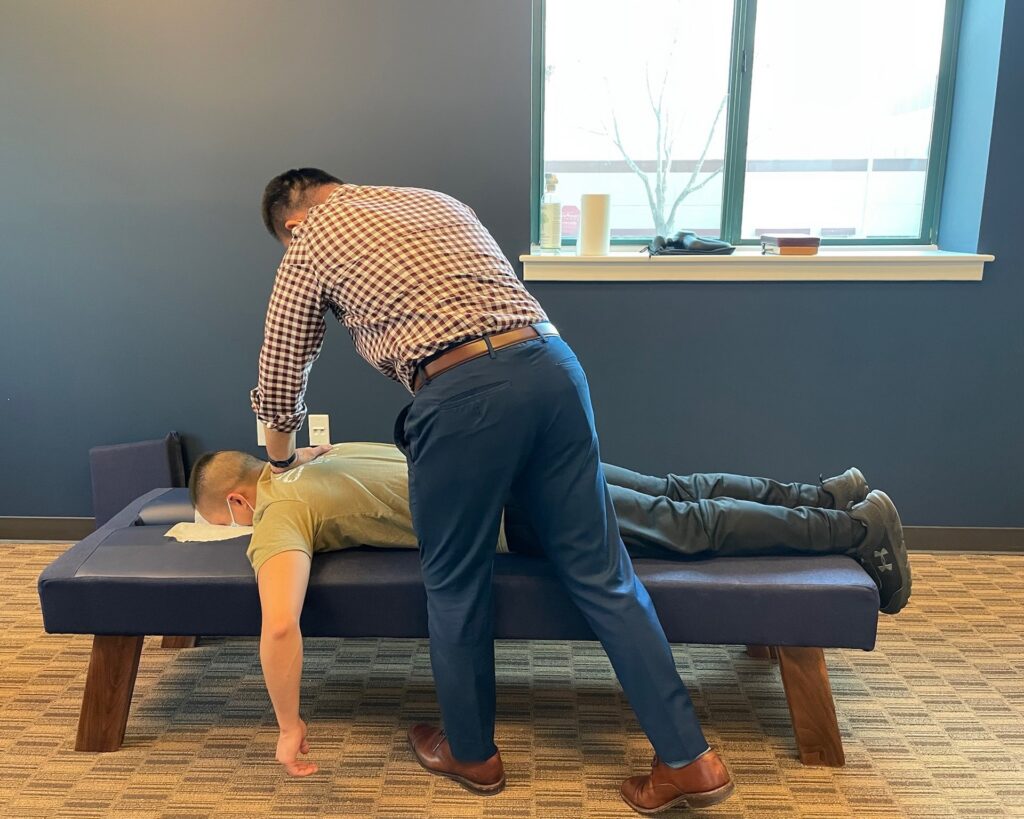
One of the most effective ways to address tension headaches is through chiropractic care. Chiropractic adjustments can help align your spine, relieve muscle tension, and improve overall function, which can lead to a substantial decrease in headache occurrences. Regular chiropractic visits can also help maintain spinal health, supporting your body’s natural healing processes.
In addition to chiropractic treatment, consider these practical tips to alleviate tension headaches:
- Practice Good Posture: Whether you’re sitting at a desk or using your phone, maintaining proper posture can help reduce strain on your neck and shoulders, which can contribute to headaches.
- Stay Hydrated: Dehydration can be a trigger for headaches. Make sure to drink plenty of water throughout the day.
- Manage Stress: Incorporate relaxation techniques such as deep breathing, meditation, or yoga into your daily routine. These practices can help lower stress levels and reduce tension in your body.
- Take Breaks: If you find yourself working for long periods, take regular breaks to stretch and move around. This can help release built-up tension and prevent headaches.
- Sleep Well: Ensure you are getting quality sleep each night. A well-rested body is better equipped to handle stress and tension.
If you find that your tension headaches persist despite these adjustments, it may be time to consult a chiropractor. They can assess your condition, provide personalized treatment plans, and help you achieve optimal health naturally. Remember, chiropractic care is a holistic approach focused on healing and wellness, making it a great choice for managing tension headaches effectively.
Key Takeaways
Effective Relief for Tension Headaches: A Chiropractic Perspective
As a local chiropractor, I’m here to share some helpful tips for managing tension headaches naturally and effectively. These strategies not only aim to relieve your headache symptoms but also promote overall wellness and optimal health.
- Stay Hydrated: One of the simplest ways to ward off tension headaches is by drinking plenty of water. Dehydration can be a sneaky trigger for headaches, so make it a habit to sip water throughout the day.
- Prioritize Sleep: Quality sleep is crucial for reducing stress and tension in your body. Aim for 7-9 hours of restful sleep each night. Establishing a calming bedtime routine can help you wind down and improve your sleep quality.
- Regular Exercise: Engaging in regular physical activity for at least 30 minutes a day can significantly boost your mood and alleviate muscle tension. Whether it’s a brisk walk, some light stretching, or yoga, find an activity you enjoy and make it a part of your routine.
- Mind Your Posture: Poor posture can lead to unnecessary tension in the neck and shoulders, contributing to headaches. Be mindful of your posture during daily activities, especially if you spend long hours at a desk. Consider ergonomic adjustments to your workspace and take breaks to stretch.
- Relaxation Techniques: Incorporating relaxation techniques into your daily life can be a game-changer for stress management. Simple practices like deep breathing exercises or yoga not only help relieve headache symptoms but also promote a sense of calm and well-being.
Remember, chiropractic care is a fantastic option for addressing the root causes of tension headaches. Through spinal adjustments and holistic guidance, we can help you achieve optimal health and find lasting relief. If you’re struggling with frequent headaches, consider scheduling a consultation to explore how chiropractic care can support your wellness journey.
Understanding Tension Headaches
Tension headaches, often described as a tight band around your head, are one of the most common types of headaches that many people experience. They typically arise from stress, muscle tension, or anxiety, and can range from mild to moderate in intensity. You might feel a steady ache that spreads across your forehead or the back of your head and neck.
Unlike migraines, tension headaches usually don’t come with nausea or sensitivity to light and sound, making them a bit easier to manage. These headaches can last anywhere from 30 minutes to several days and may occur occasionally or become a regular issue. While they can be uncomfortable, they generally aren’t debilitating. Understanding what causes tension headaches and how they manifest can be your first step toward effective relief.
Chiropractic care is an excellent choice for addressing tension headaches and promoting overall wellness. By focusing on spinal health, we can help relieve the muscle tension that often contributes to these headaches. Regular chiropractic adjustments can improve your posture, reduce stress on your spine, and enhance your overall health, which may lead to fewer headaches over time.
Here are some general tips to help manage tension headaches:
- Stay Hydrated: Dehydration can lead to headaches, so make sure you drink plenty of water throughout the day.
- Practice Good Posture: Pay attention to your posture, especially if you spend long hours sitting at a desk. Ergonomic adjustments can make a big difference.
- Incorporate Relaxation Techniques: Techniques such as deep breathing, meditation, or gentle yoga can help reduce stress and muscle tension.
- Schedule Regular Chiropractic Visits: Regular adjustments can help maintain spinal health, alleviate tension, and prevent headaches from occurring frequently.
- Get Enough Sleep: Aim for a consistent sleep schedule and ensure you’re getting quality rest, as lack of sleep can contribute to headaches.
Identifying Triggers and Symptoms
Headaches can arise for a variety of reasons, but understanding the specific triggers of tension headaches is crucial for effective management and overall wellness. Common culprits include stress, poor posture, and prolonged screen time. By keeping a headache diary, you can track when your headaches occur, their intensity, and any activities or stressors that may have contributed. This simple practice can provide valuable insights into your patterns and help you identify what to avoid.
Symptoms of tension headaches can differ from person to person. You may experience a dull, aching pain on both sides of your head, along with tightness in your neck or shoulders. Unlike migraines, tension headaches usually don’t involve nausea or vomiting. Recognizing these symptoms allows you to distinguish tension headaches from other types, empowering you to take control of your health.
As a chiropractor, I encourage you to explore natural healing methods to address tension headaches. Maintaining good posture and incorporating regular stretches can alleviate muscle tension that contributes to headaches. Additionally, chiropractic adjustments can help realign your spine, improve your posture, and reduce stress on your nervous system.
Remember to take breaks during long periods of screen time to rest your eyes and stretch your body. Staying hydrated and practicing relaxation techniques, such as deep breathing or meditation, can also be beneficial.
Lifestyle Changes for Prevention
Making simple lifestyle changes can significantly help reduce the occurrence and severity of tension headaches. As a local chiropractor, I want to emphasize that these adjustments not only promote overall wellness but also enhance the effectiveness of chiropractic care in achieving optimal health. Here’s a quick guide to key changes you can implement in your daily routine:
| Change | Description | Benefits |
|---|---|---|
| Hydration | Drink plenty of water throughout the day. | Prevents dehydration, which can trigger headaches and supports spinal health. |
| Sleep Quality | Aim for 7-9 hours of restful sleep each night. | Reduces stress and fatigue, allowing your body and spine to recover properly. |
| Regular Exercise | Incorporate at least 30 minutes of physical activity daily. | Boosts mood, energy, and promotes healthy spinal alignment. |
| Posture Awareness | Maintain good posture while sitting or working. | Reduces tension in the neck and shoulders, which are common headache triggers. |
| Balanced Diet | Eat regular, nutritious meals rich in whole foods. | Stabilizes blood sugar levels, helping to prevent headaches and supporting overall health. |
Relaxation Techniques for Relief
When stress or muscle tightness starts to overwhelm you, using relaxation techniques can significantly help relieve tension headaches. One of the simplest yet most effective methods is deep breathing. Just take a moment to inhale slowly through your nose, hold for a few seconds, and then exhale gently through your mouth. This practice calms your mind and helps ease muscle tension, making it a perfect complement to chiropractic care.
Another beneficial technique is progressive muscle relaxation. Begin by tensing and then relaxing various muscle groups, starting from your toes and moving up to your head. This exercise not only helps you recognize where you hold tension but also promotes relaxation throughout your body, enhancing the benefits of your chiropractic adjustments.
Guided imagery is also a wonderful tool for managing pain. Picture a serene scene in your mind and focus on the details. This mental escape can help distract you from discomfort and create a sense of peace.
Incorporating regular practices like yoga or tai chi into your routine can further promote relaxation and improve flexibility, supporting your overall wellness journey.
When to Seek Professional Help
Knowing When to Seek Professional Help for Tension Headaches
If you’re experiencing tension headaches that just won’t go away, it’s important to listen to your body and consider seeking professional help. Chiropractic care can be a fantastic option for addressing the root causes of your headaches naturally. If your headaches persist despite trying self-care methods or seem to worsen over time, consulting a chiropractor can provide you with relief without the use of medications or invasive procedures.
Here are some signs that it may be time to reach out to a chiropractor:
| When to Seek Help | Reason |
|---|---|
| Headaches occur more than twice a week | This could indicate chronic tension headaches that need attention. |
| Pain is severe and won’t go away | Persistent pain can suggest underlying issues that chiropractic adjustments could help address. |
| Accompanied by nausea or vomiting | These symptoms might signal more serious problems that require professional evaluation. |
| Changes in vision or balance | This might indicate neurological concerns that a chiropractor can assess through a holistic lens. |
| Difficulty concentrating | This can be a sign that your body needs a little help getting back in balance, and a chiropractor can work with you to improve your overall wellness. |
Remember, it’s always better to err on the side of caution. If you’re unsure about your symptoms, don’t hesitate to reach out to a chiropractor. They can provide a thorough assessment and create a personalized treatment plan to help you find relief and achieve optimal health.
General Tips for Managing Tension Headaches:
- Stay Hydrated: Drinking plenty of water can help reduce headache frequency.
- Practice Good Posture: Ensure your workspace is ergonomically set up to avoid unnecessary strain on your neck and spine.
- Incorporate Relaxation Techniques: Activities like yoga or meditation can help reduce tension and stress.
- Get Regular Chiropractic Care: Regular adjustments can help maintain spinal alignment and relieve tension that contributes to headaches.
Conclusion
Managing tension headaches effectively starts with understanding your body and recognizing your triggers. As a chiropractor, I advocate for natural healing approaches that empower you to take control of your health. Simple lifestyle changes can make a significant difference.
First, ensure you stay hydrated throughout the day. Dehydration can lead to headaches, so drinking enough water is essential. Next, pay attention to your posture. Poor spinal alignment can contribute to tension in your neck and shoulders, leading to headaches. Regular chiropractic adjustments can help maintain proper alignment, reducing tension and discomfort.
Incorporating relaxation techniques like yoga or deep breathing can also be beneficial. These practices not only help to alleviate stress but also promote better spinal health. Remember, regular chiropractic care is a proactive approach to maintaining your overall wellness and can significantly reduce the frequency and intensity of tension headaches.
If you find that these strategies aren’t enough, don’t hesitate to reach out for professional help. A chiropractor can provide personalized care tailored to your unique needs, helping you achieve optimal health naturally. By taking these steps today, you can enjoy a more comfortable tomorrow, free from the burden of tension headaches. Embrace the journey to wellness and consider chiropractic care as your go-to solution for pain relief and improved health.