Tension headaches can be incredibly frustrating and disruptive, but there’s no need to suffer silently. As a local chiropractor, I believe that understanding the underlying causes and recognizing your personal triggers is essential for managing and preventing these headaches effectively.
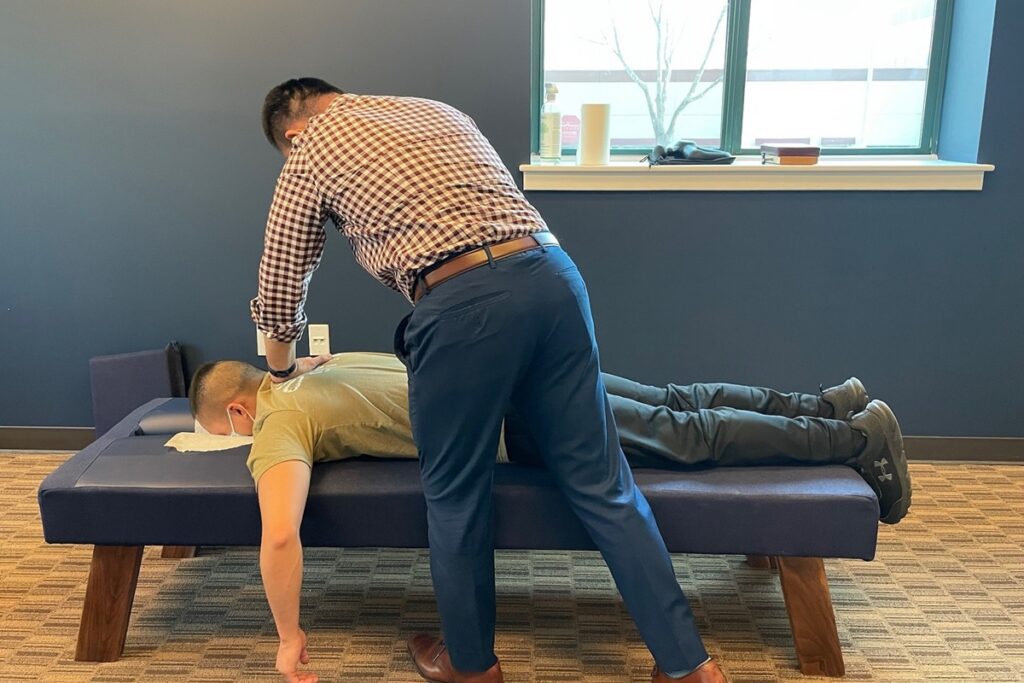
Chiropractic care is a fantastic natural approach to alleviating tension headaches. By focusing on spinal health, we can improve the communication between your brain and body, which can help reduce the frequency and intensity of headaches. Regular chiropractic adjustments can relieve tension in the neck and shoulders, which are often significant contributors to tension headaches.
In addition to chiropractic care, there are several simple lifestyle adjustments and relaxation techniques you can incorporate into your daily routine to enhance your well-being:
- Stay Hydrated: Dehydration can contribute to headaches, so make sure you’re drinking plenty of water throughout the day.
- Practice Good Posture: Poor posture can strain your neck and back, leading to tension headaches. Be mindful of your posture while sitting, standing, and working.
- Manage Stress: Engage in relaxation techniques such as deep breathing, meditation, or yoga to help manage stress levels.
- Get Regular Exercise: Physical activity can help reduce tension and improve overall health, making it less likely for headaches to occur.
- Limit Screen Time: Take breaks from screens to reduce eye strain and tension in your neck and shoulders.
- Ensure Adequate Sleep: Prioritize restful sleep to help your body recover and reduce the chances of headaches.
By exploring these strategies and incorporating chiropractic care into your wellness routine, you can take proactive steps toward achieving optimal health and finding relief from tension headaches. Let’s work together to help you start feeling better today!
Key Takeaways
Stop Tension Headaches With Effective Care Strategies
As a local chiropractor, I want to share some valuable tips to help you manage tension headaches and improve your overall health and wellness. Here are some simple strategies that can make a significant difference:
- Posture Matters: Maintaining proper posture is key to reducing muscle tension that can lead to headaches. Be mindful of how you sit, especially when using screens. Take regular breaks to stretch and move around, giving your muscles a chance to relax.
- Hydration is Essential: Drinking enough water is crucial for preventing headaches. Aim for at least eight glasses a day to keep your body well-hydrated. Proper hydration helps your muscles and joints function better, which can reduce tension and discomfort.
- Stress Management Techniques: Stress can be a major trigger for tension headaches. Incorporating deep breathing exercises or journaling into your daily routine can help alleviate anxiety and tension. These practices promote relaxation and can enhance your overall sense of well-being.
- Sleep Well: Establishing a consistent sleep routine can significantly improve your sleep quality. Aim for 7-9 hours of restful sleep each night. Good sleep helps your body recover and can reduce the frequency of headaches.
- Chiropractic Care: Regular chiropractic adjustments are a natural and effective way to address underlying tension in your body. Chiropractic care focuses on spinal health and can help relieve headache discomfort by ensuring that your spine is aligned and your nervous system is functioning optimally.
By incorporating these strategies into your daily life, you can take proactive steps toward reducing tension headaches and enhancing your overall health. Remember, chiropractic care is a holistic approach to wellness that can support your body’s natural healing processes. If you’re struggling with headaches, consider visiting your local chiropractor to explore how chiropractic adjustments can help you find relief.
Understand the Causes of Tension Headaches
Tension headaches can significantly affect your daily life, and understanding their causes is the first step toward finding relief. One of the primary culprits is stress. When you feel overwhelmed, it can lead to muscle tension, particularly in your neck and shoulders, which often results in headache pain.
Another common factor is poor posture. Many of us spend hours hunched over desks or looking down at our screens, which places additional strain on the spine and surrounding muscles. This can contribute to the development of tension headaches.
Lack of sleep or irregular sleep patterns can also make you more prone to these headaches. Your body needs adequate rest to recover and function optimally, and without it, you may experience discomfort.
Dehydration is another important factor; not drinking enough water can lead to headaches. It’s essential to stay hydrated throughout the day to support overall health. Similarly, skipping meals can trigger tension headaches, as your body relies on a steady intake of nutrients for energy and well-being.
Excessive screen time can lead to eye strain, which may further intensify headache symptoms. To combat this, consider taking regular breaks from screens and practicing the 20-20-20 rule: every 20 minutes, look at something 20 feet away for at least 20 seconds.
As a chiropractor, I want to emphasize that chiropractic care can be a powerful tool in managing and alleviating tension headaches. By addressing spinal alignment and tension in the muscles, chiropractic adjustments can help reduce headache frequency and severity.
In addition to chiropractic care, here are some general tips to help minimize the risk of tension headaches:
- Practice good posture while sitting and standing to reduce strain on your spine.
- Incorporate relaxation techniques, such as deep breathing or meditation, into your daily routine to manage stress.
- Ensure you’re getting enough sleep each night and maintaining a consistent sleep schedule.
- Stay hydrated by drinking plenty of water throughout the day.
- Don’t skip meals; aim for balanced, nutritious meals to keep your energy levels steady.
Identify Triggers and Patterns
To effectively manage your tension headaches, it’s crucial to identify what triggers them. Start by paying attention to your daily activities and stress levels, as these can help reveal patterns that lead to headaches. Common triggers may include poor posture, prolonged screen time, or even stress from daily life.
By understanding these connections, you can implement better stress management techniques that align with a healthier lifestyle. For instance, consider incorporating regular chiropractic adjustments into your routine. Chiropractic care not only helps alleviate pain but also promotes spinal health, which can be a key factor in reducing headache frequency.
Additionally, make sure to maintain proper posture while sitting or standing, take breaks from screens, and practice relaxation techniques such as deep breathing or yoga.
These simple changes can significantly enhance your overall well-being and help you find relief from tension headaches naturally. Remember, prioritizing your health through chiropractic care is one of the best choices you can make for pain relief and maintaining optimal wellness.
Common Trigger Identification
Identifying what triggers your headaches is essential for finding relief, and as a chiropractor, I believe that understanding these triggers can lead you towards a path of natural healing and optimal health. By recognizing the factors that contribute to your headaches, you can take proactive steps to minimize their effects. Here are some common triggers to consider:
- Stress: High levels of anxiety can cause tension headaches. Engaging in relaxation techniques such as deep breathing, meditation, or gentle stretching can help relieve stress and tension throughout your body.
- Poor Posture: Poor posture while sitting or standing can place undue strain on your neck and shoulders, leading to headaches. It’s important to maintain good posture—keep your shoulders back and your head aligned with your spine. Consider regular chiropractic adjustments to help correct and maintain proper alignment.
- Dehydration: Not drinking enough water can lead to headaches. Make it a habit to keep a water bottle with you throughout the day to ensure you’re staying hydrated.
- Lack of Sleep: Insufficient rest can increase the frequency and intensity of headaches. Aim for a regular sleep schedule and create a calming bedtime routine to improve your sleep quality.
To better understand your headache patterns, take note of when your headaches occur and what you were doing or feeling beforehand. Keeping a headache diary can be a valuable tool in spotting patterns and identifying specific triggers. This information can help you and your chiropractor devise a tailored management plan that focuses on natural wellness.
Remember, chiropractic care can be an effective approach to managing headaches by addressing underlying issues related to spinal health and alignment. Regular adjustments can help reduce tension, improve posture, and promote overall well-being.
If you’re struggling with headaches, consider reaching out to a chiropractor to explore how natural, drug-free solutions can support your journey to better health.
Daily Activity Patterns
While you may already know about common headache triggers, taking a closer look at your daily activity patterns can offer valuable insights into when and why your headaches occur. Start by tracking your daily activities, such as work, exercise, and leisure time. Pay attention to how long you spend in front of screens or performing repetitive tasks; these can lead to tension in your muscles and contribute to headaches.
Hydration and meal timings are also crucial. Skipping meals or not drinking enough water can easily lead to headaches. Remember to nourish your body regularly and keep hydrated throughout the day for optimal health.
Additionally, don’t underestimate the importance of sleep. Irregular sleep patterns can throw your body off balance and worsen headaches. Establishing a consistent sleep routine can greatly improve your overall well-being.
By identifying these patterns, you can make simple changes that may help reduce the frequency and intensity of your tension headaches.
Chiropractic care is an excellent option for addressing the underlying issues contributing to your headaches, as it focuses on aligning your spine and ensuring your nervous system functions optimally. Incorporating chiropractic adjustments into your wellness routine can provide natural relief and support your journey towards better health.
Stress Management Techniques
As you work to manage stress, identifying your specific triggers and patterns can be a game changer for your overall health and wellness. Understanding what causes your tension headaches is essential for effective stress management and can often be addressed through chiropractic care.
Start by keeping a journal to track when your headaches occur, noting any common factors. Here are some patterns to look out for:
- Work-related stress: Deadlines or a sudden spike in workload can create tension in your body. Regular chiropractic adjustments can help relieve this built-up stress, promoting relaxation and improved posture.
- Poor posture: Slouching while sitting can lead to strain in your neck and shoulders, contributing to headaches. A chiropractor can provide guidance on maintaining proper posture and offer techniques to strengthen your spine and surrounding muscles.
- Lack of sleep: Insufficient rest can lead to increased irritability and stress levels. Consider establishing a bedtime routine that promotes relaxation, and consult your chiropractor for advice on how spinal alignment can improve your sleep quality.
- Caffeine intake: Excessive consumption of caffeine may lead to headaches and anxiety. Reducing your intake can help, and a chiropractor can support your efforts with adjustments that enhance your overall well-being.
By incorporating these tips and turning to chiropractic care, you can effectively manage stress and its related symptoms, including tension headaches.
Practice Relaxation Techniques
When tension headaches strike, incorporating relaxation techniques can significantly enhance your comfort and well-being. As a chiropractor, I believe in the power of natural healing and the body’s ability to find balance. Here are some effective strategies you can practice:
- Deep Breathing Exercises: Take a moment to focus on your breathing. Inhale deeply through your nose, allowing your abdomen to expand, and then exhale slowly through your mouth. This simple exercise can help reduce tension and promote relaxation throughout your body.
- Progressive Muscle Relaxation: Start by tensing each muscle group in your body for a few seconds and then relaxing them. Begin with your toes and work your way up to your head. This technique helps you become more aware of bodily tension and promotes a sense of calm.
- Guided Imagery: Visualize a peaceful scene—perhaps a serene beach or a tranquil forest. Engaging your mind in this way can help distract from discomfort and foster relaxation.
These relaxation techniques not only help alleviate tension but also encourage a holistic approach to wellness.
By integrating these practices into your daily routine, you can complement your chiropractic care and enhance your overall health.
Remember, regular chiropractic adjustments can also help address the underlying issues contributing to tension headaches, promoting optimal spinal health and wellness.
Embrace these natural methods for a healthier, pain-free life!
Deep Breathing Exercises
Deep breathing exercises can be an excellent way to help manage tension headaches and improve your overall health. As a chiropractor, I believe that focusing on natural methods like these can greatly enhance your well-being without the need for medications or invasive treatments.
Here are some simple techniques to incorporate deep breathing into your routine:
- Find a quiet space: Select a comfortable and peaceful area where you can sit or lie down undisturbed. This will allow you to focus fully on your breathing.
- Inhale deeply: Take a slow, deep breath in through your nose. Allow your abdomen to expand fully as you fill your lungs with air. This deep inhalation brings oxygen to your body and can help ease tension.
- Hold your breath: Once you’ve taken a deep breath, hold it for a moment. This pause is important as it allows your body to absorb the oxygen and feel the fullness in your chest.
- Exhale slowly: Gently release the breath through your mouth. As you do this, visualize any tension or stress leaving your body. This step is crucial for promoting relaxation and can significantly alleviate headache symptoms.
By practicing these steps for just a few minutes each day, you may notice a remarkable reduction in your headache discomfort.
Additionally, incorporating deep breathing into your daily routine can serve as a natural way to support your chiropractic care, helping to align your body and mind for optimal health.
Progressive Muscle Relaxation
Tension headaches can be quite bothersome, but as a chiropractor, I’m here to share a natural method that can help you find relief and promote overall well-being: Progressive Muscle Relaxation (PMR). This technique is not only effective for easing discomfort but also complements the benefits of chiropractic care by helping to release built-up tension throughout your body.
PMR involves systematically tensing and then relaxing specific muscle groups, which can aid in alleviating tension headaches and improve your overall relaxation. To get started, find a comfortable position—whether sitting or lying down—and begin focusing on your feet. Gradually move up through your body, paying attention to each area.
Here’s a simple breakdown to guide you through PMR:
| Muscle Group | Tension Duration |
|---|---|
| Feet | 5 seconds |
| Legs | 5 seconds |
| Arms | 5 seconds |
| Face | 5 seconds |
As you relax each muscle group, take a moment to notice how much lighter and more relaxed you feel. This practice can enhance the effects of your chiropractic adjustments, helping to reduce the frequency of tension headaches and promote a greater sense of wellness.
Incorporating PMR into your daily routine can be a wonderful complement to your chiropractic care. Additionally, remember to stay hydrated, maintain good posture, and engage in regular physical activity to support your spinal health and overall wellness. By making these small but impactful changes, you can pave the way toward a healthier, pain-free life.
Guided Imagery Techniques
How can you transport your mind and body to a place of calm and tranquility? As a local chiropractor, I understand the importance of relaxation in achieving optimal health, especially when it comes to alleviating tension headaches.
Guided imagery techniques can be an effective way to help you relax and ease the discomfort of tension in your body. By visualizing peaceful scenes, you can’t only reduce stress but also promote a sense of well-being that complements the benefits of chiropractic care.
Here are some simple tips to help you get started:
- Choose your scene: Imagine a serene beach, a lush forest, or any place that fills you with joy. Visualizing a calming environment can be a great way to escape daily stressors.
- Engage your senses: Take a moment to imagine the gentle sounds of waves crashing, the fresh smell of pine trees, or the warmth of the sun on your skin. Engaging all your senses helps deepen your relaxation experience.
- Breathe deeply: Focus on your breath as you visualize your calming scene. Deep breathing can help reduce tension in your spine and throughout your body, enhancing the benefits of your chiropractic adjustments.
- Practice regularly: Just like maintaining your spinal health, enhancing your relaxation skills requires practice. Set aside a few moments each day to incorporate guided imagery into your routine.
Incorporating guided imagery into your daily life can complement your chiropractic care and significantly help alleviate tension headaches.
Stay Hydrated and Maintain a Balanced Diet
Staying hydrated and maintaining a balanced diet are key components in achieving optimal health and can significantly help reduce the frequency and intensity of tension headaches. When you’re dehydrated, your body isn’t able to perform at its best, which can make you more prone to headaches. Aiming for about eight glasses of water a day is a great start—especially if you’re active or it’s warm outside, you may need to drink even more.
In addition to proper hydration, it’s essential to support your body with a diet rich in fruits, vegetables, whole grains, and lean proteins. These foods provide the vital nutrients your body needs to function well and help reduce inflammation. Remember not to skip meals; low blood sugar can be a headache trigger, so regular, nutritious meals are important.
It’s also wise to limit processed foods, caffeine, and alcohol, as they can lead to dehydration and may trigger headaches for some individuals. By prioritizing hydration and a balanced diet, you’re not just promoting your overall well-being—you’re also taking proactive steps to alleviate tension headaches.
As a chiropractor, I can attest that proper nutrition and hydration complement chiropractic care beautifully. Regular adjustments can help with spinal alignment, reduce tension, and improve your overall health.
If you’re experiencing frequent headaches, consider incorporating these dietary tips along with chiropractic care to support a natural path to wellness. Your body will be grateful for the attention and care you give it!
Incorporate Regular Physical Activity
Incorporating regular physical activity into your routine can be a game-changer for reducing tension headaches and promoting overall wellness. Exercise plays a vital role in releasing endorphins, which are your body’s natural stress relievers. By engaging in physical activity, you not only improve your mood but also support your spinal health, which is crucial in preventing headaches.
Here are some simple ways to get started:
- Walking: A brisk 30-minute walk can enhance circulation and help alleviate tension in your neck and shoulders, reducing headache triggers.
- Yoga: Practicing yoga stretches your muscles and promotes relaxation. It also encourages proper posture, which is essential for spinal health and reducing tension headaches.
- Strength Training: Incorporating strength exercises into your routine can relieve muscle tension and improve your overall fitness, supporting a healthy spine.
- Dancing: This fun activity elevates your heart rate, creates a sense of community, and helps release built-up stress, all while keeping your body active.
Aim for at least 150 minutes of moderate exercise each week. Not only will you feel better physically, but you may also notice a significant reduction in the frequency and severity of your tension headaches.
Remember, chiropractic care is an excellent complement to your physical activities, as it focuses on aligning the spine and optimizing your body’s function, which can further enhance your overall health and wellness.
Embrace these physical activities, and consider visiting your chiropractor to work on your spinal health for a holistic approach to managing tension headaches naturally.
Explore Over-the-Counter Medications
When tension headaches strike, it’s important to consider your options for relief. While many reach for over-the-counter (OTC) medications, I want to emphasize that chiropractic care can be an effective and natural way to address the root causes of your headaches, rather than just masking the symptoms.
Chiropractic adjustments can help realign your spine, reduce muscle tension, and improve overall function, which may lead to fewer headaches. Here are some strategies to consider for managing tension headaches naturally:
- Regular Chiropractic Care: Regular visits to a chiropractor can help keep your spine in alignment, potentially reducing the frequency and intensity of headaches.
- Stay Hydrated: Dehydration can contribute to tension headaches. Make sure you’re drinking plenty of water throughout the day.
- Mind Your Posture: Poor posture, especially while working at a desk, can lead to tension in your neck and shoulders. Make an effort to sit up straight and take breaks to stretch.
- Stress Management: Techniques such as deep breathing, meditation, or yoga can help reduce stress levels, which in turn can help alleviate headache symptoms.
- Stay Active: Regular physical activity can help improve circulation and reduce muscle tension, both of which are beneficial for preventing headaches.
- Warm Compresses: Applying a warm compress to your neck and shoulders can help relax tense muscles.
- Sleep Well: Ensuring you get restful sleep is crucial for overall health and can help prevent tension headaches.
By focusing on these natural approaches, you can take control of your health and well-being.
Remember, chiropractic care addresses the underlying issues that often lead to headaches, providing a holistic solution that promotes optimal health.
If you’re struggling with tension headaches, consider scheduling a visit to your chiropractor to explore how they can help you find relief and improve your quality of life.
Seek Professional Help When Needed
Even with effective strategies to manage tension headaches at home, there are times when seeking professional help is essential. If you notice that your headaches persist or worsen despite your efforts, it’s crucial to consult with a healthcare provider.
Here are some signs that it’s time to reach out for assistance:
- Headaches occurring more than twice a week
- Severe pain that disrupts your daily activities
- Accompanying symptoms such as nausea, vision changes, or confusion
- Over-the-counter medications aren’t providing relief
As a chiropractor, I encourage you to consider chiropractic care as a natural and effective option for addressing tension headaches. Chiropractors focus on the health of your spine and nervous system, which can play a significant role in alleviating headache pain.
By addressing any misalignments in the spine, we can help restore balance and function, leading to reduced tension and improved overall wellness.
In addition to chiropractic adjustments, there are several tips you can incorporate into your routine to help manage tension headaches:
- Maintain good posture, especially if you spend long hours at a desk.
- Stay hydrated and ensure you’re drinking enough water throughout the day.
- Practice relaxation techniques such as deep breathing, meditation, or yoga to reduce stress.
- Take regular breaks to stretch and move your body, especially during prolonged periods of sitting.
Remember, you deserve to live without the limitations that tension headaches can impose. Seeking the right care can lead to better management and an improved quality of life.
Your health is worth prioritizing, so don’t hesitate to explore chiropractic care as a natural solution for your headaches!
Develop a Consistent Sleep Routine
Establishing a consistent sleep routine can have a significant positive effect on your overall well-being, especially when it comes to managing tension headaches. When you make it a habit to go to bed and wake up at the same time every day, your body learns to expect rest, which helps to regulate your internal clock. This can lead to improved sleep quality and lower stress levels—both of which are vital for reducing headache discomfort.
Creating a calming bedtime setting is essential. To prepare your body for sleep, limit screen time before bed since the blue light from devices can disrupt your natural sleep cycle. Instead, consider winding down with a good book or practicing relaxation techniques like gentle stretching, deep breathing, or meditation. Aim for 7-9 hours of restorative sleep each night; insufficient sleep can often trigger headaches.
If you find it difficult to drift off, establishing a soothing wind-down routine can signal to your body that it’s time to relax. Incorporate activities that promote tranquility and help you unwind. By prioritizing a consistent sleep routine, you not only enhance your sleep quality but also support your body’s healing processes.
As a chiropractor, I encourage you to consider how spinal health plays a role in your sleep quality and headache management. Regular chiropractic adjustments can help align your spine, relieve tension, and promote overall wellness, making it easier for you to achieve the restful sleep your body craves.
Conclusion
To summarize, effectively managing tension headaches often begins with understanding how your spine plays a crucial role in your overall health. As a chiropractor, I emphasize the importance of spinal alignment in achieving optimal wellness. By identifying your headache triggers and incorporating relaxation techniques, you can significantly reduce the frequency and intensity of your discomfort.
Staying well-hydrated and engaging in regular physical activity are also key components of a healthy lifestyle that can help alleviate headache symptoms. Furthermore, prioritizing a consistent sleep routine can enhance your overall well-being and keep your body in balance.
Chiropractic care is an excellent natural approach to address tension headaches. By focusing on spinal health, we can help relieve nerve interference and muscle tension, ultimately leading to a reduction in headache occurrences. Don’t hesitate to reach out for professional support if you’re struggling with tension headaches. With these effective strategies, including chiropractic adjustments, you can take control of your tension headaches and improve your quality of life naturally.