If you're dealing with sports-related pain, you might wonder which treatments are truly effective. Many athletes rely on a mix of traditional methods like ice and over-the-counter medications, but that's just the beginning. Exploring physical therapy techniques and alternative therapies can open new avenues for relief and recovery. However, the landscape of pain management is evolving, and you may find innovative solutions that challenge conventional wisdom. What if there's a method that not only alleviates your pain but also enhances your overall performance?
Understanding Sports-Related Pain
When you push your body to its limits in sports, understanding the nature of pain is essential. Pain serves as your body's alarm system, indicating that something might be wrong. It's important to distinguish between different types of pain you might experience. Acute pain, for instance, is sharp and sudden, usually resulting from an injury. This type of pain often signals the need for immediate attention.
On the other hand, chronic pain can linger for weeks or months, often stemming from overuse or repetitive strain injuries. Recognizing these differences can help you decide how to respond.
You'll also want to take into account the intensity and duration of the pain. A dull ache might suggest muscle fatigue, while searing pain could indicate a more serious issue. Keeping track of when and how the pain occurs is crucial. Is it worse during activity or after you've rested? This information can provide valuable insights into your body's condition.
Listening to your body is key. If you push through pain without understanding its cause, you risk worsening your injury or prolonging your recovery. It's important to respect your body's signals and know when to take a break.
Always prioritize proper warm-ups and cooldowns to help prevent injuries. By educating yourself on the nature of sports-related pain, you can make informed decisions, whether that means resting, seeking treatment, or modifying your training routine. This knowledge empowers you to keep playing the sports you love while minimizing the risk of injury.
Traditional Pain Relief Methods
For centuries, athletes have relied on traditional pain relief methods to manage sports-related discomfort. You might find these techniques familiar and effective, as they've stood the test of time.
One of the most common methods is the application of ice or heat. Ice can reduce inflammation and numb sharp pain, while heat helps relax and soothe stiff muscles. Depending on your injury, alternating between the two can provide significant relief.
Another classic approach is using over-the-counter pain relievers like ibuprofen or acetaminophen. These medications can alleviate pain and reduce inflammation, making it easier to get back in the game. Just remember to follow the recommended dosages and consult a healthcare professional if you have concerns.
Herbal remedies have also been a staple in pain management. You might consider using arnica gel or turmeric supplements, both known for their anti-inflammatory properties. These natural options can be gentle on your body while still providing relief.
Additionally, massage therapy offers an excellent way to ease muscle tension and improve circulation. Whether you choose self-massage techniques or seek a professional therapist, the benefits can be profound.
Lastly, don't underestimate the power of rest. Giving your body time to heal is essential, especially after intense training or competition.
Physical Therapy Techniques
Physical therapy techniques play a critical role in helping athletes recover from injuries and enhance their performance. When you engage in physical therapy, you'll work closely with a trained therapist who tailors a program specifically for your needs. This personalized approach guarantees you're targeting the right areas and addressing your unique challenges.
One primary technique you might encounter is manual therapy, which involves hands-on manipulation of your muscles and joints. This can relieve pain, improve mobility, and promote faster recovery.
Moreover, stretching and strengthening exercises will likely be a central focus of your therapy sessions. These exercises help restore flexibility, build strength, and prevent future injuries.
Another valuable technique is the use of modalities like ultrasound, electrical stimulation, or heat and cold therapy. These methods can reduce inflammation, alleviate pain, and improve blood flow, speeding up the healing process.
Your therapist may also incorporate balance and coordination exercises to enhance your overall athletic performance.
You'll also learn about proper body mechanics and posture during physical therapy. Understanding how to move correctly can greatly reduce the risk of re-injury when you return to your sport.
In addition, your therapist will guide you in developing a personalized home exercise program, guaranteeing you continue your progress outside of the clinic.
Incorporating these physical therapy techniques into your recovery routine can make a considerable difference in your journey back to peak performance. By committing to the process, you'll be better equipped to tackle your athletic goals.
Alternative Therapies
While physical therapy techniques provide a solid foundation for recovery, many athletes also explore alternative therapies to complement their healing process. These therapies can offer you additional pain relief and promote faster recovery.
One popular option is acupuncture. This ancient practice involves inserting thin needles into specific points on your body to help alleviate pain and inflammation. Many athletes find it effective for treating sports injuries and muscle soreness, as it encourages blood flow and stimulates the body's natural healing mechanisms.
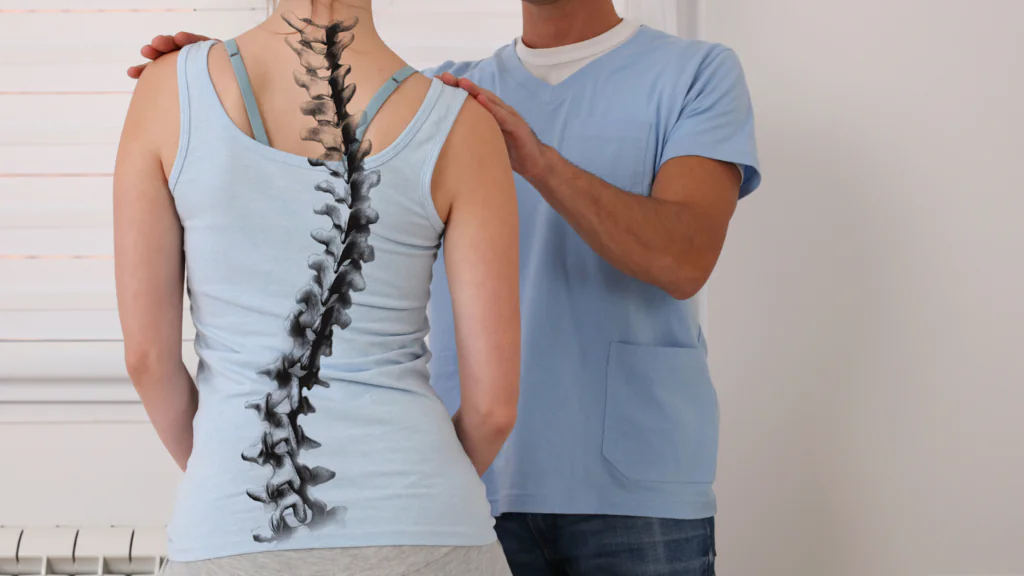
Another alternative therapy you might consider is chiropractic care. Chiropractors focus on aligning your spine and joints, which can help reduce pain and improve mobility. Regular adjustments may enhance your overall performance and recovery, especially if you deal with chronic pain or recurring injuries.
Massage therapy is also a favorite among athletes. It helps relieve muscle tension, improve circulation, and promote relaxation. Different techniques, such as deep tissue or sports massage, can target specific areas of discomfort, making it an excellent addition to your recovery routine.
You might also explore herbal remedies and supplements. Certain herbs, like turmeric and ginger, possess anti-inflammatory properties that can help manage pain. Always consult with a healthcare professional before introducing new supplements to confirm they're safe and effective for your needs.
Incorporating these alternative therapies into your recovery plan can enhance your overall well-being, allowing you to return to your sport stronger and more resilient.
Innovative Pain Management Solutions
When it comes to managing sports-related pain, you might be intrigued by cutting-edge therapies and advanced technology applications that are changing the game.
These innovative solutions not only aim to relieve pain but also enhance recovery, so you can get back to your peak performance.
Let's explore how these advancements are reshaping pain management in the world of sports.
Cutting-Edge Therapies
As athletes push their limits, they often seek innovative pain management solutions that go beyond traditional methods.
Cutting-edge therapies are redefining how you can address sports-related pain effectively. One such therapy is platelet-rich plasma (PRP) therapy, where your own blood is used to promote healing in injured tissues. This technique harnesses your body's natural healing properties, reducing recovery time and enhancing performance.
Another promising approach is stem cell therapy, which aims to regenerate damaged tissues and alleviate pain. By using stem cells, you can potentially restore function and mobility that may have been lost due to injuries.
Cryotherapy is also gaining traction, offering quick relief through extreme cold exposure. This therapy helps reduce inflammation and muscle soreness, allowing you to bounce back faster after intense workouts.
Additionally, acupuncture is making its mark in sports medicine. This ancient technique balances energy and promotes healing by targeting specific points on your body, helping relieve pain and improve overall well-being.
Exploring these cutting-edge therapies can empower you to manage pain more effectively, enabling you to continue pursuing your athletic goals without being sidelined by discomfort.
Advanced Technology Applications
Innovatively, athletes frequently turn to advanced technology applications for pain management that can enhance both recovery and performance.
These advanced solutions not only expedite healing but also allow you to maintain peak physical condition. Here are some cutting-edge technologies you might consider:
- Cryotherapy: This involves exposing your body to extremely cold temperatures to reduce inflammation and alleviate pain, helping you bounce back faster from intense workouts or injuries.
- Electrical Stimulation Devices: These devices send electrical pulses to stimulate muscles and nerves, effectively reducing pain and promoting muscle recovery, making them perfect for post-training sessions.
- Virtual Reality Therapy: This immersive technology distracts you from pain while engaging your mind, offering a unique way to manage discomfort during rehabilitation or injury recovery.
Preventive Measures for Athletes
Preventive measures are vital for athletes looking to minimize the risk of injury and enhance their performance. One of the most effective ways to prevent injuries is through proper warm-up routines. Before you start any physical activity, spend at least 10-15 minutes warming up your muscles. Dynamic stretches and light aerobic activities can prepare your body for more intense workouts, reducing the likelihood of strains and sprains.
Another key strategy is to maintain a balanced training regimen. Avoid focusing exclusively on one muscle group; instead, incorporate strength training, flexibility exercises, and cardiovascular workouts into your routine. This not only helps in improving overall performance but also guarantees that your body is well-prepared to handle the demands of your sport.
Stay hydrated and eat a nutritious diet to fuel your body adequately. Proper nutrition supports muscle recovery and overall health, making it less likely for you to sustain injuries.
Don't forget about rest; allowing your body time to recover is essential. Overtraining can lead to fatigue and increase your injury risk.
Lastly, listen to your body. If you experience pain or discomfort, don't ignore it. Addressing issues early can prevent more severe injuries down the line.
Conclusion
To summarize, effectively managing sports-related pain involves a mix of traditional methods, physical therapy, and alternative therapies. By applying ice or heat, using over-the-counter pain relievers, and exploring options like acupuncture, you can find relief. Don't forget the importance of a balanced training regimen and proper nutrition to prevent injuries. By taking these steps, you'll not only recover faster but also enhance your overall performance and well-being in your athletic pursuits.