If you're experiencing sports-related back pain, I want you to know that you're not alone in this journey. Many athletes, just like you, encounter discomfort that can impact both performance and the enjoyment of their sport. It's important to understand the common causes of this pain, but equally crucial is knowing how to find relief through natural healing methods.
As a chiropractor, I often see how immediate techniques such as ice and heat can provide quick relief. However, these are just the beginning. Long-term strategies, especially those focused on strengthening your core, can significantly improve your overall health and prevent future injuries.
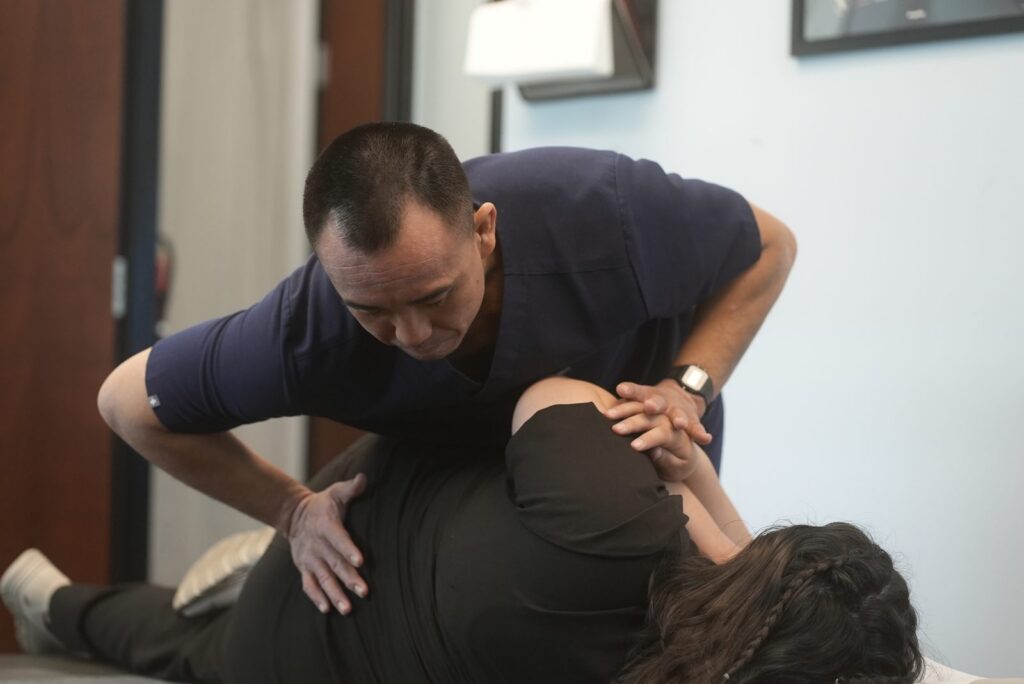
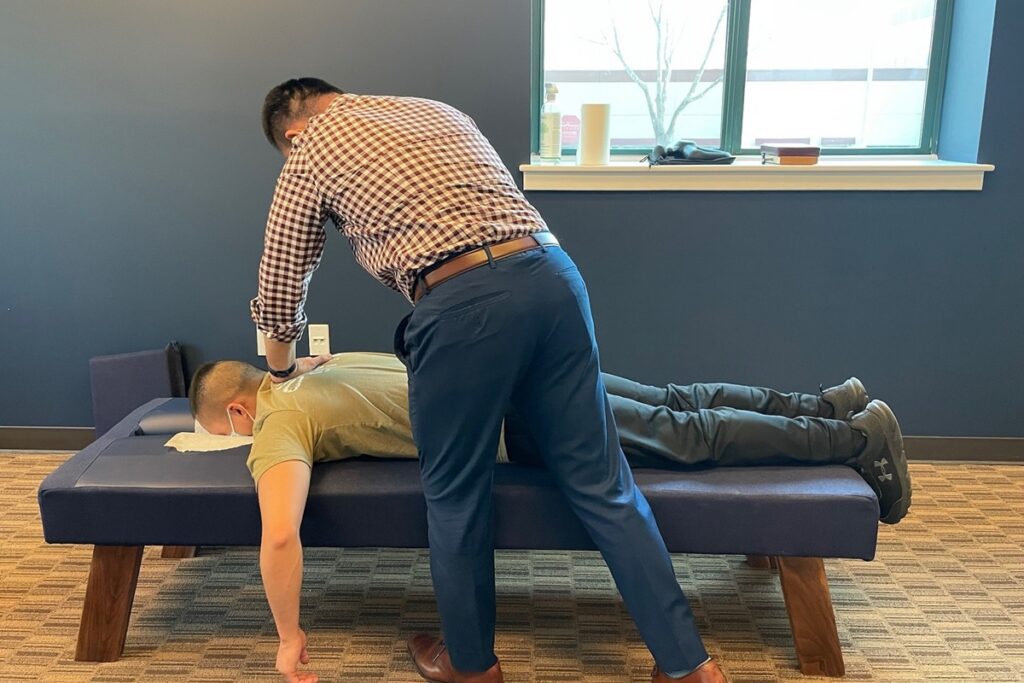
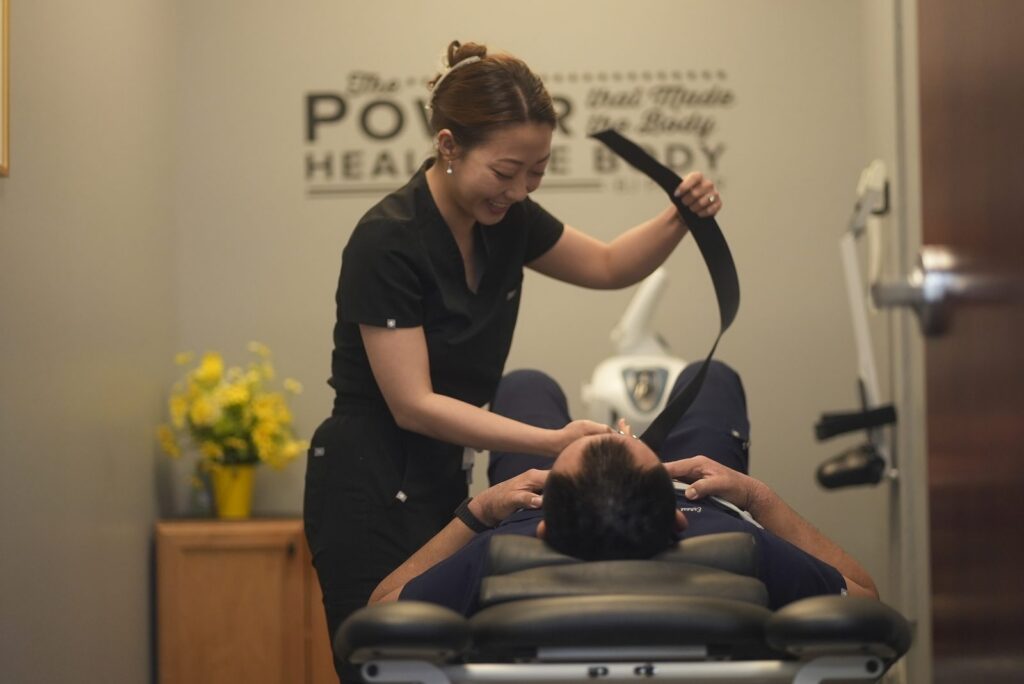
But what happens when these methods don't seem to be enough? That's where a tailored chiropractic approach can truly make a difference. By addressing the root causes of your pain and creating a personalized treatment plan, we can work together to enhance your recovery and optimize your performance in your sport. Let's explore how chiropractic care can support your journey to wellness and help you get back to doing what you love.
Common Causes of Back Pain
As a local chiropractor, I often see patients who are athletes or sports enthusiasts experiencing back pain. It's important to understand that this discomfort isn't uncommon and can often be linked to specific activities or movements. One primary factor contributing to back pain in sports is poor posture. Whether you're lifting weights, running, or practicing your swing, maintaining proper alignment is crucial. Misalignment can place undue strain on your back muscles and ligaments, leading to pain.
Another significant cause of back pain is muscle overuse. Engaging in repetitive motions, such as throwing or jumping, can lead to fatigue and stress on the back. If you've recently increased your training intensity without allowing your body sufficient recovery time, you may be inviting discomfort. Inadequate warm-up routines can also leave your back vulnerable to injury, so it's vital to incorporate proper warm-up exercises into your routine.
Injuries from falls or collisions are common as well. Whether it's a hard tackle in football or a fall while skiing, these sudden impacts can result in acute back pain. Additionally, underlying issues, such as herniated discs, can develop over time. This is particularly true if you haven't focused on core strengthening exercises, which play a vital role in supporting your spine.
Age-related changes are another factor that can contribute to back pain. As we age, our spine experiences natural wear and tear, making us more susceptible to discomfort after engaging in sports activities.
Understanding these common causes is the first step toward prevention. As a chiropractor, I encourage you to take a proactive approach to your health. By recognizing the factors that contribute to your back pain, you can implement strategies to mitigate risks.
Together, we can work towards helping you enjoy your favorite sports activities pain-free and enhance your overall well-being through natural healing methods.
Symptoms to Watch For
As a local chiropractor, I want to share some important insights about sports-related back pain that can help you understand when it's time to seek care.
It's crucial to be aware of certain symptoms that might indicate a more serious issue. Look out for common pain indicators, any difficulties you experience with movement, and any sensations that seem to radiate from your back.
Recognizing these signs early on can be instrumental in getting the appropriate treatment, allowing you to return to your favorite activities more swiftly and safely.
Chiropractic care focuses on natural healing methods that can support your body's recovery process, so don't hesitate to reach out if you notice any concerning symptoms.
Your wellbeing is our priority!
Common Pain Indicators
As a local chiropractor, I want to help you understand the common indicators of pain, especially when it comes to sports-related back issues. It's important to recognize these signs early on to prevent further complications.
First and foremost, if you're experiencing persistent soreness or stiffness in your lower back, this is often a red flag. Such discomfort can worsen with physical activity or specific movements, indicating that something may be amiss.
Another significant sign to watch for is sharp or shooting pain that radiates down your legs, commonly referred to as sciatica. This symptom suggests that your sciatic nerve might be under pressure, and it's essential to address this to avoid worsening the condition.
You may also encounter muscle spasms or cramping in your back. These not only cause discomfort but can also limit your performance in sports, making it difficult to enjoy the activities you love.
Additionally, pay attention to any changes in your posture or challenges in maintaining your usual stance while playing. These alterations can indicate an underlying issue that needs to be addressed.
If you notice any of these symptoms, it's crucial to take action early. Ignoring these signs could lead to more serious problems down the road.
Lastly, if your pain is accompanied by numbness or tingling, I strongly recommend seeking professional help.
By being aware of these pain indicators, you can take proactive measures toward your recovery. Chiropractic care and natural healing methods can support you in returning to the activities you enjoy.
Mobility Limitations
As a local chiropractor, I want to emphasize the significance of mobility limitations, which often accompany pain indicators.
It's essential to understand how these restrictions can affect your daily activities and athletic performance. You may find tasks like bending, twisting, or reaching increasingly difficult, which can impede your ability to perform essential movements in your sport or even in everyday life.
These mobility challenges can present themselves as stiffness, a reduced range of motion, or even balance issues.
Pay attention to signs such as having trouble getting in and out of your car, difficulties with tying your shoes, or feeling awkward during warm-ups. If you recognize any of these symptoms, it's crucial to address them without delay. Neglecting mobility issues can lead to compensatory movements, which may raise your risk of sustaining further injuries.
If you feel that your body isn't responding as it once did, or if simple tasks are becoming more challenging, I encourage you to seek guidance from a medical professional, such as a chiropractor.
We specialize in assessing your condition and can recommend tailored exercises or therapies to help improve your mobility.
Remember, being proactive about your physical limitations is key to regaining your strength and enhancing your overall performance, whether on the field, court, or in daily life.
Let's work together to get you back to feeling your best!
Radiating Nerve Sensations
As a local chiropractor, I want to shed light on radiating nerve sensations and their significance in your overall health. If you're experiencing tingling, numbness, or sharp pain that travels down your arms or legs, it's important to understand that these symptoms could be a sign of underlying issues that deserve your attention.
Often, these sensations can indicate a pinched nerve or other spinal concerns, which may be aggravated by physical activities, including sports. You might notice these sensations cropping up during or after exercise, particularly if you've strained your back.
It's crucial not to overlook them, as ignoring these signs can lead to more serious complications that could hinder not just your athletic performance but your overall quality of life.
I encourage you to observe how these sensations manifest—do they intensify with certain movements or specific positions? This information is invaluable and can guide us in addressing your concerns effectively.
Additionally, keep an eye out for other symptoms, such as weakness in your limbs or trouble with coordination. If these nerve sensations persist or worsen, it's time to consult a professional like me.
Early intervention through chiropractic care can help prevent long-term damage and facilitate a quicker return to your favorite activities.
Immediate Relief Techniques
As a local chiropractor, I understand that experiencing sports-related back pain can be overwhelming. It's essential to find immediate relief, and I want to share some effective techniques that can help you feel better quickly.
One of the first steps to consider is applying ice to the affected area. I recommend doing this for 15-20 minutes. The cold application helps reduce inflammation and numbs the pain, providing much-needed relief. Just remember to wrap your ice pack in a cloth to protect your skin from frostbite.
After the initial 48 hours, you might want to transition to heat therapy. Using a warm towel or a heating pad can significantly help relax tense muscles and promote blood flow to the area, aiding in your recovery.
Gentle stretching is another great way to relieve discomfort. Simple stretches can alleviate tightness and enhance your flexibility. Focus on stretches that specifically target the lower back, hips, and hamstrings. One effective stretch involves lying on your back with your knees bent and gently rocking your knees from side to side. This movement can help release tension in your lower back.
In addition to these physical techniques, I encourage you to take a moment for deep breathing. Inhale deeply through your nose, filling your lungs completely, and then exhale slowly through your mouth. This practice can help calm your mind and might even reduce your perception of pain.
Finally, if necessary, over-the-counter pain relievers such as ibuprofen or acetaminophen can offer quick relief. Make sure to follow the recommended dosage, and don't hesitate to reach out to a healthcare professional if you have any questions or concerns about their use.
Long-Term Treatment Strategies
As your local chiropractor, I want to emphasize the importance of a holistic approach to managing sports-related back pain over the long term. One of the key elements to consider is strengthening your core muscles, which provides essential support for your spine and helps prevent future injuries.
In addition to core strength, incorporating flexibility and mobility exercises into your routine can significantly aid in your recovery process. These exercises not only promote better movement but also enhance your overall physical performance.
Moreover, I encourage you to explore various pain management techniques that can complement chiropractic care. By doing so, you can maintain an active lifestyle while effectively managing any discomfort.
Strengthening Core Muscles
As a local chiropractor, I want to emphasize the importance of strengthening your core muscles, especially if you're dealing with sports-related back pain. Your core isn't just about the abdominal muscles; it encompasses the muscles in your back, hips, and pelvis as well. A well-developed core plays a crucial role in providing support to your spine, which can significantly reduce the strain you experience during physical activities.
To get started, I recommend integrating exercises such as planks, bridges, and bird-dogs into your routine. These exercises are excellent for engaging multiple muscle groups and enhancing stability. Consistency is key—aim to work on your core strength at least three times a week.
Begin with foundational exercises and, as your strength improves, gradually increase the difficulty or add resistance. It's essential to focus on your form while performing these exercises. Using improper technique can lead to further injury, which is something we want to avoid.
If you're uncertain about your approach, don't hesitate to consult with a physical therapist or fitness trainer who can provide guidance tailored to your needs. Always listen to your body; if you experience any pain, it's important to take a step back and reassess your strategy.
In addition to strengthening your core, remember that balanced nutrition plays a vital role in muscle recovery. By committing to core strengthening, you're not only enhancing your athletic performance but also taking significant steps toward long-term relief from back pain.
This investment in your core health is an essential part of your overall well-being, and as your chiropractor, I'm here to support you on this journey.
Flexibility and Mobility Exercises
As a local chiropractor, I want to share the importance of flexibility and mobility exercises for achieving long-term relief from sports-related back pain. Many of my patients often overlook how crucial these exercises are for enhancing your range of motion, alleviating tension, and preventing future injuries.
Here are four essential exercises that I strongly recommend incorporating into your routine:
- Cat-Cow Stretch: This dynamic stretch is fantastic for mobilizing your spine and improving flexibility. Begin on all fours, arch your back while taking a deep breath in, and then round your back as you exhale. This movement helps to promote spinal health and ease tension.
- Hamstring Stretch: Did you know that tight hamstrings can significantly contribute to back pain? To alleviate this, sit with one leg extended in front of you and gently reach for your toes, holding the stretch for 20-30 seconds on each side. This will help enhance the flexibility of your legs and lower back.
- Child's Pose: This restorative pose is excellent for gently stretching your back and hips. Kneel down, sit back on your heels, and stretch your arms forward while lowering your torso. It's a calming position that can help relieve stress and tension in your back.
- Hip Flexor Stretch: Tight hip flexors are often a hidden culprit behind lower back pain. To stretch them effectively, kneel on one knee, push your hips forward gently, and hold the position for 20-30 seconds on each side. This will help reduce tightness and promote better posture.
By making these exercises a regular part of your routine, you won't only maintain flexibility and mobility but also support your back's health and enhance overall athletic performance.
Embracing these practices can lead to lasting relief and a more active lifestyle. Remember, natural healing through movement is key to your well-being!
Pain Management Techniques
As a local chiropractor, I understand that many athletes and active individuals struggle with sports-related back pain. It's essential to address this issue effectively to ensure you can continue pursuing the activities you love. One of the most beneficial approaches I recommend is incorporating chiropractic care into your pain management routine.
Chiropractic care focuses on aligning your spine to alleviate discomfort and enhance mobility. Regular adjustments can help correct any misalignments, which often contribute to pain. I work with each patient to create a customized plan tailored to your specific needs, ensuring we strengthen your core, improve flexibility, and promote proper posture.
In addition to chiropractic adjustments, I encourage exploring other complementary therapies such as acupuncture and massage therapy. These modalities can relieve muscle tension and boost blood circulation to the affected areas, providing further relief from pain.
A well-structured exercise regimen is also crucial. Engaging in low-impact activities like swimming or cycling allows you to stay active while minimizing stress on your back. At home, using heat or cold therapy can offer immediate relief, and over-the-counter pain medications can assist in managing inflammation.
Moreover, I can't emphasize enough the value of incorporating mindfulness practices such as yoga or meditation into your routine. These practices not only help you cope with pain but also enhance your overall mental well-being.
Importance of Proper Technique
As a local chiropractor, I want to emphasize the critical role that proper technique plays in preventing sports-related back pain and ensuring long-term athletic performance.
Whether you're playing basketball, running, or participating in any physical activity, your form can significantly impact how your body copes with the demands of the sport. Utilizing proper technique helps to evenly distribute forces throughout your body, which can significantly reduce the likelihood of injury.
Here are four key reasons why prioritizing proper technique is essential:
- Injury Prevention: Maintaining the correct posture and movement patterns is crucial in minimizing unnecessary stress on your back. By doing so, you can significantly decrease the chances of strains and sprains that often lead to chronic pain.
- Performance Improvement: Proper technique allows you to maximize your efficiency during your activities. This not only boosts your athletic performance but also helps you conserve energy, allowing for longer and more enjoyable participation in your favorite sports.
- Muscle Activation: Using the correct technique ensures that the appropriate muscles are engaged at the right moments. This is vital for building strength in the areas that support your back, which ultimately contributes to overall stability and prevents injuries.
- Long-Term Health: Establishing good habits early on can yield lasting benefits. By consistently practicing proper technique, you can significantly reduce the risk of chronic pain and discomfort that may impede your athletic pursuits in the future.
If you're looking to enhance your technique, I recommend seeking guidance from a qualified coach or trainer who can provide personalized feedback.
Additionally, regularly reviewing your movements—whether during practice or competition—can help keep you aware of your form.
Remember, investing time in refining your technique today can spare you from painful setbacks down the road.
As your chiropractor, I'm here to support you in your journey toward optimal health and performance!
Strengthening and Conditioning Exercises
As a local chiropractor, I want to emphasize the importance of strengthening and conditioning exercises to help you effectively manage and prevent sports-related back pain. Incorporating these exercises into your routine can play a crucial role in building muscle support around your spine, enhancing stability, and reducing your risk of injury.
A strong back, core, and overall body can significantly alleviate the strain you experience during physical activities.
Let's start with core-strengthening exercises, which are vital for your spinal support. Movements like planks, bridges, and abdominal crunches engage your deep abdominal muscles, providing essential stability for your spine.
I recommend aiming for three sets of 10-15 repetitions for each exercise, gradually increasing the intensity as your strength improves.
It's equally important to focus on your back muscles. Incorporating exercises such as deadlifts, rows, and supermans can help strengthen your latissimus dorsi and lower back, promoting muscular balance.
For these exercises, three sets of 8-12 repetitions will be effective in building strength.
Don't overlook flexibility, as it's essential for overall spine health. Including stretching routines like cat-cow, child's pose, and hamstring stretches in your regimen can enhance your range of motion and prevent tightness that often leads to pain.
I suggest dedicating 5-10 minutes after your workouts to these stretches to aid recovery and flexibility.
Lastly, it's beneficial to incorporate functional movements into your conditioning routine. Exercises such as squats, lunges, and rotational movements mimic the real-life demands of your sport, ensuring that your muscles are well-prepared for the activities you love.
By embracing these practices, you can support your spine and overall well-being, reducing the likelihood of injury and enhancing your performance in sports.
If you have any questions or need personalized guidance, feel free to reach out. Your health is our priority!
Preventative Measures for Athletes
As a local chiropractor, I want to emphasize the importance of preventative measures for athletes to help protect your back from injury.
It's essential to take proactive steps to maintain your performance while minimizing the risk of back pain. Here are four key strategies that I recommend:
- Warm-Up Properly: Before engaging in any physical activity, it's crucial to take the time to warm up. Incorporating stretching and light aerobic exercises prepares your muscles and joints for the demands of your sport. This increases flexibility and significantly reduces strain on your back.
- Use Correct Techniques: Whether you're lifting weights or participating in a sport, employing the right techniques is imperative. Poor form can place unnecessary stress on your back, leading to potential injuries. I encourage you to work with a coach or trainer to ensure you're executing movements correctly and safely.
- Strengthen Your Core: A strong core is vital as it supports your spine and helps maintain proper posture. Incorporate exercises like planks, bridges, and targeted abdominal workouts into your routine to enhance your core strength. This won't only help with athletic performance but also protect your back from injury.
- Listen to Your Body: Always pay attention to any discomfort or unusual sensations in your back. If you experience pain, it's important not to push through it. Instead, take the time to rest and, if necessary, seek professional advice. Ignoring pain can lead to more severe injuries down the line.
By implementing these preventative measures, you can significantly improve your athletic experience while protecting your back.
Making these adjustments to your routine will allow you to enjoy your sport without the burden of back pain. Remember, a little prevention goes a long way in maintaining your health and well-being!
Conclusion
As a local chiropractor, I want to emphasize the importance of addressing sports-related back pain from both immediate and long-term perspectives. If you're experiencing discomfort, using ice or heat can provide quick relief to soothe inflammation or muscle tension. However, it's also vital to incorporate stretching and strengthening exercises into your routine to promote lasting wellness and prevent future issues.
Understanding the mechanics of your body is key. Proper technique during sports activities is essential to avoid injuries, and this is where chiropractic care can make a significant difference. If you're unsure about your form or how to strengthen your back safely, I encourage you to seek professional guidance.
By prioritizing your spinal health and embracing a proactive approach, you can not only enhance your athletic performance but also enjoy a pain-free experience on and off the field. Remember, chiropractic care is a natural and effective way to support your body's healing process and maintain overall well-being.