As a local chiropractor, I understand that managing lower back pain can be overwhelming with so many treatment options available. Many people often find themselves comparing effective treatments like medications and physical therapy with alternative approaches such as acupuncture and yoga. Each of these methods has its own set of benefits and challenges, and what may work wonders for one individual might not be as effective for another.
At my practice, we emphasize the importance of a holistic approach to pain management. Chiropractic care focuses on the body's natural ability to heal itself, addressing the root causes of discomfort rather than just masking symptoms. By incorporating chiropractic adjustments, we can help restore proper alignment and function to the spine, which may alleviate pain and improve overall wellness.
As you consider your options, think about how a combination of effective treatments and natural healing practices, like chiropractic care, could provide a comprehensive solution tailored to your specific needs. The key to finding the right balance lies in open communication with your healthcare providers, ensuring that you explore all avenues for relief and optimal health. Let's work together to discover the best path for your recovery and well-being!
Understanding Lower Back Pain
As a local chiropractor, I want to help you understand lower back pain, a common issue that many people face. It's essential to recognize the various causes and symptoms that might be affecting you. Identifying the triggers of your discomfort is the first step towards relief and healing.
Lower back pain can arise from a multitude of factors. Poor posture, for instance, is a frequent culprit, especially if you spend long hours sitting without adequate support. This can lead to muscle strain or even issues like herniated discs. Additionally, heavy lifting or sudden movements without proper technique can cause injuries, so it's crucial to be mindful of how you approach physical tasks.
Your lifestyle choices also play a significant role in your back health. A lack of exercise can weaken the muscles that support your spine, making you more vulnerable to pain. If you're carrying extra weight, this can add additional stress to your lower back, worsening any pre-existing conditions. Moreover, stress and anxiety often manifest physically, contributing to tension in your back muscles.
Being aware of the symptoms is just as important. You may notice a dull ache, sharp pain, or stiffness that restricts your movements. In some cases, the pain can radiate down your legs, which may indicate nerve involvement. It's crucial not to overlook these signs, as ignoring them could lead to more severe issues in the future.
While self-care techniques like rest and heat application can offer temporary relief, addressing the root causes of your pain is vital for long-lasting improvement. Keeping a journal of your symptoms and identifying your triggers can provide valuable insights into your condition. This awareness empowers you to make better choices regarding your health.
As your chiropractor, I encourage you to take a proactive approach to managing your lower back pain. By understanding your body and taking steps towards natural healing, we can work together to achieve better outcomes for your overall well-being.
Common Effective Treatments
As a local chiropractor, I want to share some effective approaches to treating lower back pain that can enhance your quality of life. Many people find relief through over-the-counter pain medications, such as ibuprofen or acetaminophen. While these can help reduce inflammation and alleviate discomfort temporarily, it's important to explore additional options for long-term relief.
One of the most beneficial practices I recommend is the use of heat and cold therapy. Applying heat can help relax tight muscles and increase blood flow, while cold therapy can effectively reduce swelling and numb sharp pain. Experimenting with both can help you determine which method provides the most relief for your specific situation.
If your pain continues, I encourage you to consider non-invasive treatments like chiropractic care. Chiropractic adjustments target misalignments in the spine that may be contributing to your discomfort. Many patients experience relief not just from pain but also notice improved mobility and overall function after receiving care.
Physical activity plays a crucial role in managing lower back pain as well. Gentle exercises, such as walking or swimming, can strengthen your back muscles and increase flexibility. It's important to start slowly and listen to your body, gradually increasing the intensity as you become more comfortable.
Lastly, never underestimate the impact of good posture. Maintaining proper alignment while sitting or standing can prevent further strain on your back. Simple changes to your workspace and daily habits can create significant improvements.
Benefits of Physical Therapy
Incorporating chiropractic care into your treatment plan can significantly enhance your recovery from lower back pain. This holistic approach focuses on restoring your body's natural alignment, improving strength, flexibility, and overall function, which are vital for achieving long-term relief.
As a chiropractor, I'll assess your specific condition and create a tailored program that addresses the root causes of your pain, rather than just masking the symptoms.
One of the key benefits of chiropractic care is its emphasis on education. You'll gain valuable insights into your body mechanics and learn how to move safely to prevent further injury. This knowledge empowers you to take charge of your health and fosters the adoption of healthier habits in your daily life.
Another advantage of chiropractic treatment is the hands-on techniques we utilize, such as spinal adjustments and soft tissue therapy. These methods can relieve muscle tension, improve circulation, and promote healing in your back.
You'll find that personalized exercises and stretches help you regain strength and mobility, reducing your dependence on pain medications.
Chiropractic care also provides a supportive environment where you can openly discuss your concerns and track your progress. We emphasize the importance of staying active, which is crucial for recovery.
As you engage in your prescribed exercises, you'll build confidence in your body's ability to move and function without pain.
Ultimately, the goal of chiropractic care is to equip you with the tools and strategies necessary to manage your lower back pain effectively. By committing to this natural healing process, you enhance your chances of achieving lasting relief and returning to the activities you love.
Embrace the journey toward better health with chiropractic care as your partner in wellness.
Role of Medication
As a local chiropractor, I want to help you understand how medication can fit into your approach to managing lower back pain.
While pain relievers can be a part of your treatment plan, it's crucial to recognize that they come with their own set of risks and side effects.
My goal is to guide you through the options available and explain how we can effectively combine these medications with natural healing therapies, such as chiropractic adjustments, to achieve the best outcomes for your overall health and wellness.
Embracing a holistic approach not only addresses your pain but also promotes long-term healing and well-being.
Types of Pain Relievers
As a local chiropractor, I understand that many individuals suffering from lower back pain often seek relief through various means, including pain relievers. It's important to know that while these medications can provide temporary comfort, they're just one piece of a broader approach to managing pain and enhancing your quality of life.
For those new to chiropractic care, over-the-counter (OTC) options, such as acetaminophen and nonsteroidal anti-inflammatory drugs (NSAIDs), are frequently the first line of defense. Acetaminophen can help alleviate pain, while NSAIDs like ibuprofen and naproxen not only reduce pain but also tackle inflammation. These medications can offer quick relief, allowing you to carry out daily activities with greater ease.
However, if you find that OTC options aren't providing the relief you need, it may be worth considering prescription medications. Stronger NSAIDs, muscle relaxants, or even opioids may be prescribed for more intense pain. It's crucial to work closely with your healthcare provider to determine the best option for your specific needs.
In addition to these options, topical pain relievers, such as creams or patches infused with menthol or capsaicin, can deliver targeted relief directly to the painful area. This method may help you manage discomfort without the systemic side effects associated with oral medications.
While pain relievers can certainly be effective for short-term relief, I encourage you to consider a comprehensive pain management plan that includes chiropractic care. Chiropractic adjustments can address the underlying issues contributing to your pain, promoting natural healing and long-term wellness.
Risks and Side Effects
As a local chiropractor, I want to share some important insights about managing lower back pain, especially if you're considering pain relievers. While these medications can provide quick relief, it's crucial to understand the potential risks and side effects that come with them.
Over-the-counter options, like NSAIDs, can sometimes lead to gastrointestinal problems, including ulcers and bleeding. Additionally, using these medications for extended periods may put your kidneys at risk.
When it comes to prescription medications, particularly opioids, the dangers can be even more pronounced. Common side effects include drowsiness, constipation, and nausea. The risk of addiction and dependency is also a serious concern, which can hinder your healing process.
Even non-narcotic pain relievers, such as acetaminophen, can pose risks. Taking too much can harm your liver, so it's vital to adhere to the recommended dosages and discuss any concerns with your healthcare provider.
It's also important to be cautious about mixing these medications with alcohol or other substances, as this can significantly heighten the risks involved. I encourage you to have a thorough conversation with your doctor about all the medications you're taking to prevent harmful interactions.
At our chiropractic practice, we emphasize a holistic approach to pain management. By focusing on natural healing methods, we can help you find relief without the risks associated with pharmaceuticals.
Integrating With Therapy
Integrating chiropractic care with appropriate medication can significantly enhance your recovery from lower back pain. When you combine chiropractic adjustments with therapeutic exercises and other holistic approaches, you often experience better results.
While medications can help manage pain and reduce inflammation, chiropractic care addresses the root causes of your discomfort, allowing you to participate more fully in your recovery process.
Over-the-counter pain relievers like ibuprofen or acetaminophen can offer immediate relief, making it easier for you to engage in the exercises and stretches that I may recommend during your sessions.
If your pain is more severe, I may suggest discussing with your healthcare provider about stronger prescription medications, such as muscle relaxants or anti-inflammatory drugs. These can be helpful, but they're most effective when combined with chiropractic adjustments that help restore proper alignment and function to your spine.
It's crucial to use medication under the guidance of a healthcare professional, including your chiropractor. My goal is to help you find the right balance between medication and natural healing techniques, ensuring that you aren't solely dependent on drugs for relief.
We want to empower you to take an active role in your recovery journey. By incorporating chiropractic care with any necessary medication, you can create a more comprehensive approach to managing your lower back pain.
This strategy not only alleviates pain but also supports your overall treatment plan, helping you achieve long-term relief and improved function in your daily life.
Exploring Alternative Therapies
As a local chiropractor dedicated to helping you find relief from lower back pain, I want to introduce you to the benefits of chiropractic care and other natural healing therapies. Many of my patients discover that these options not only complement traditional treatments but can also serve as effective stand-alone solutions.
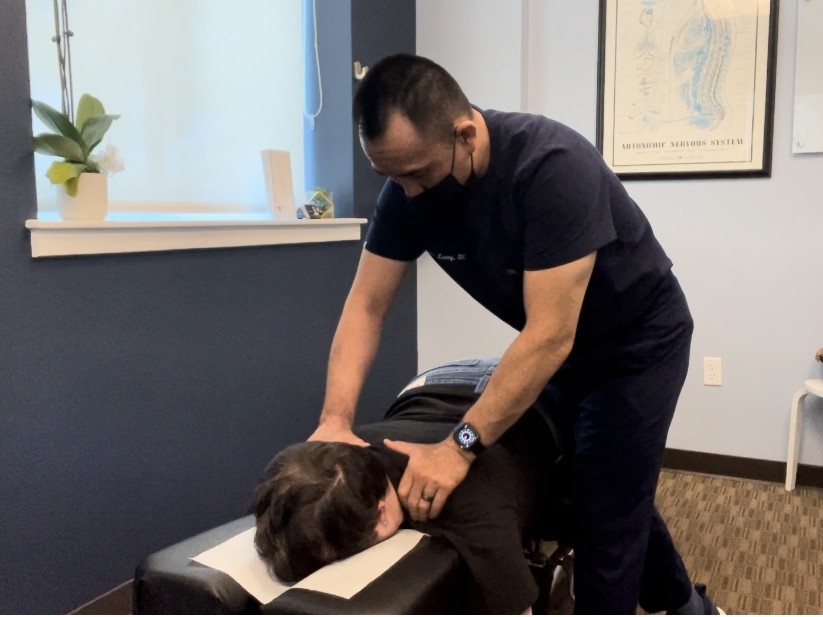
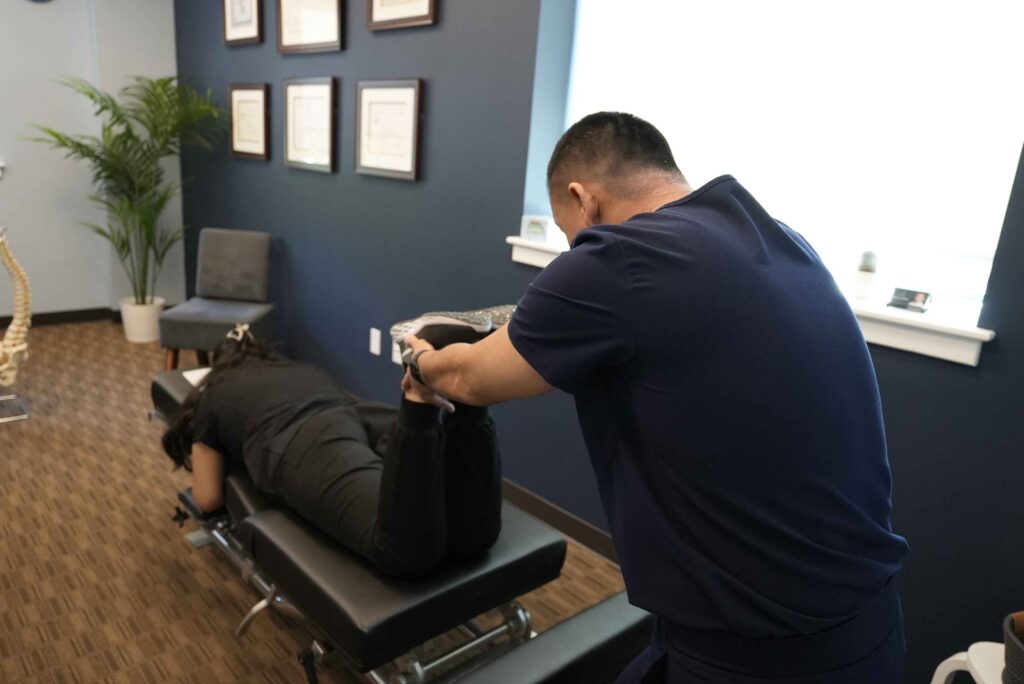
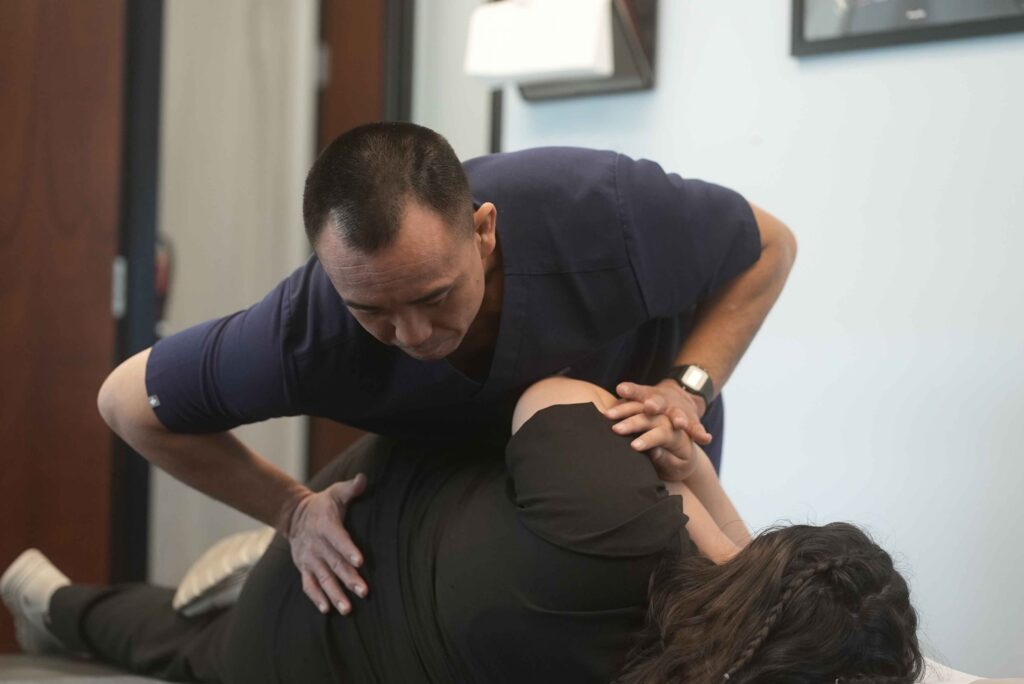
Chiropractic care primarily focuses on spinal manipulation, which aims to restore proper alignment and functionality to your spine. By correcting misalignments, many individuals experience significant reductions in pain and improvements in mobility. It's a gentle, non-invasive approach that can be particularly effective in addressing lower back issues.
In addition to chiropractic adjustments, I often recommend massage therapy as a complementary treatment. Massage targets muscle tension and promotes relaxation, which can be incredibly beneficial in relieving discomfort. Regular sessions can help release tight muscles and increase blood flow, enhancing your body's natural healing processes.
I also encourage exploring practices such as yoga and Pilates. Both of these approaches emphasize stretching, strengthening, and mindfulness. They can play a crucial role in improving your posture and flexibility, ultimately helping you not only to ease back pain but also to prevent future issues.
Furthermore, you might consider incorporating herbal remedies and supplements into your routine. For example, turmeric is known for its anti-inflammatory properties and is a favorite among those looking for natural relief. However, it's essential to consult with a healthcare professional before starting any new supplement to ensure it's safe for you.
Lastly, I can't stress enough the importance of stress management techniques. Practices like meditation and deep breathing can significantly reduce overall tension, which may help alleviate your back pain indirectly.
Acupuncture for Pain Relief
As a local chiropractor, I want to share how incorporating acupuncture into your pain relief strategy can be a valuable addition, especially for those suffering from lower back pain. This ancient practice involves the gentle insertion of thin needles into specific points on the body, aimed at promoting the flow of energy, known as "Qi." Many of my patients have reported noticeable decreases in pain and tension after receiving acupuncture, which can significantly improve mobility and make daily activities much more manageable.
During your visit, a qualified acupuncturist will evaluate your condition and create a personalized treatment plan that addresses your unique needs. Many individuals find the acupuncture experience to be quite relaxing, as it can help to calm the nervous system. Not only does this technique assist in pain management, but it can also stimulate the release of endorphins, which are your body's natural painkillers, ultimately enhancing your overall well-being.
Research supports the effectiveness of acupuncture in alleviating lower back pain, with many patients experiencing relief after just a few sessions. It's a drug-free option that allows you to avoid the potential side effects associated with traditional pain medications.
While individual results may vary, numerous patients have found that the benefits of acupuncture extend beyond mere pain relief, often leading to improved sleep and reduced stress—both of which are crucial for overall health.
If you're considering alternative methods for managing your lower back pain, I encourage you to consult with a qualified acupuncturist who understands your specific symptoms and health goals. They'll ensure that your treatment is both safe and effective.
Embracing acupuncture, alongside chiropractic care, could be the holistic approach you've been searching for to achieve lasting relief and improved quality of life.
Chiropractic Care Explained
At our chiropractic practice, we specialize in diagnosing and treating musculoskeletal disorders, with a particular emphasis on spinal health. If you're experiencing lower back pain, we may be able to assist you through targeted techniques that help restore proper alignment and function to your spine. Our goal is to address any misalignments, known as subluxations, to alleviate your pain, enhance your mobility, and promote your overall well-being.
During your initial visit, I'll conduct a comprehensive examination that may include physical assessments and diagnostic imaging. This thorough approach allows us to pinpoint the root cause of your discomfort. Based on our findings, I'll create a personalized treatment plan specifically designed for your needs.
This plan typically involves spinal adjustments—manual manipulations aimed at realigning your vertebrae. Additionally, I may provide you with exercises, stretches, and ergonomic recommendations to further support your recovery.
Chiropractic care is built on the principle that your body has an innate ability to heal itself. By improving your spinal function, we strive to enhance the performance of your nervous system, which can lead to improved overall health. Many of my patients report experiencing significant relief from lower back pain after just a few sessions.
Furthermore, ongoing maintenance care can play a crucial role in preventing future issues. It's essential to keep in mind that while chiropractic care can be highly effective for many individuals, it may not be the right fit for everyone.
I encourage you to consult with a healthcare professional to determine the best course of action tailored to your unique situation. I'm here to guide you on your journey to better health and wellness through natural healing practices.
Herbal Remedies and Supplements
As a chiropractor, I often see patients who are looking for natural ways to manage lower back pain. Incorporating herbal remedies and supplements can be an effective complement to chiropractic care, offering a holistic approach to your wellness.
These natural options may assist in reducing inflammation, alleviating discomfort, and enhancing your overall health. However, it's essential to discuss any new treatments with your healthcare provider, especially if you're currently taking medication.
Here are some herbal remedies and supplements that I frequently recommend to my patients:
- Turmeric: This vibrant spice is renowned for its anti-inflammatory properties. You can take it as a supplement or sprinkle it into your meals for added flavor and health benefits.
- Willow Bark: Often called "nature's aspirin," willow bark has a long history of use for pain relief. It may be particularly helpful for managing discomfort in the lower back.
- Ginger: A powerful root, ginger can help reduce inflammation and may provide relief from pain. You can enjoy it as a soothing tea or take it in supplement form.
- Devil's Claw: With its roots in traditional African medicine, devil's claw is known for its potential to alleviate pain and inflammation related to lower back issues.
- Capsaicin: This compound, derived from chili peppers, can be found in topical creams or patches. When applied to the skin, it may help diminish pain signals.
Remember, while these remedies can provide relief, individual responses can vary.
It's crucial to pay attention to how your body reacts and maintain open communication with your healthcare provider. This ensures that you're managing your lower back pain safely and effectively, and that you're making the most of the natural healing methods available to you alongside chiropractic care.
Conclusion
As a local chiropractor, I want to help you understand how combining effective treatments with alternative therapies can provide the best results for managing lower back pain. While over-the-counter medications may offer quick relief, they often don't address the root of the issue. That's where chiropractic care comes in—it focuses on aligning your spine and improving your overall function.
In addition to chiropractic adjustments, practices like yoga and acupuncture can be incredibly beneficial for long-term wellness. These therapies not only help alleviate immediate discomfort but also contribute to building strength and flexibility, which are essential for preventing future pain.
By exploring these options together, we can create a comprehensive plan that addresses both your current pain and any underlying issues. Taking these proactive steps will lead you towards a healthier back and a better quality of life. I encourage you to reach out and schedule a consultation so we can personalize a treatment plan that works specifically for you. Your journey to recovery starts here!