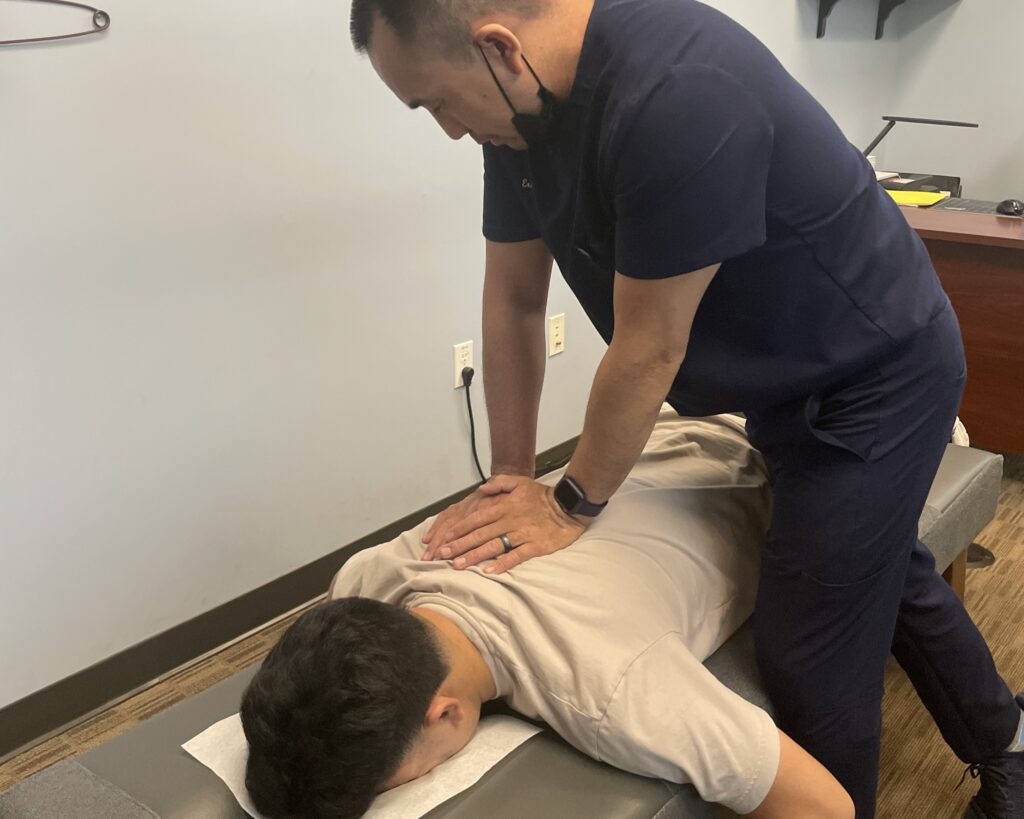
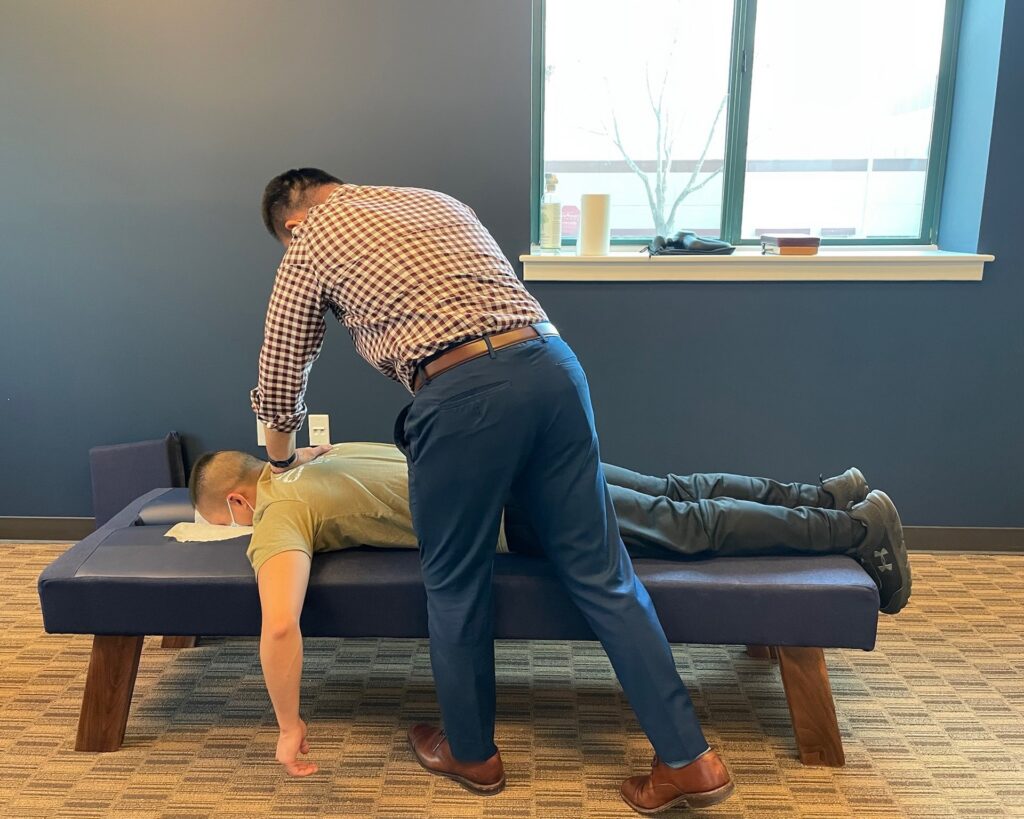
As a local chiropractor, I understand how disruptive lower back pain can be to your everyday life. It's crucial to explore reliable treatments that not only alleviate pain but also support long-term recovery. One of the most effective options is chiropractic care, which focuses on restoring proper alignment and function to the spine. This can help alleviate discomfort and improve overall mobility.
In addition to chiropractic adjustments, I often recommend complementary therapies like physical therapy and yoga. These approaches can enhance strength, flexibility, and posture, contributing to a more holistic recovery. Each treatment method has its own benefits and potential drawbacks, so it's essential to tailor a plan that suits your specific needs.
When considering your options, think about how each treatment aligns with your lifestyle and recovery goals. Education is key, and I'm here to help you understand the choices available to you. Together, we can develop a personalized plan that promotes healing and helps you regain control over your life.
Understanding Lower Back Pain
As a local chiropractor, I want to take a moment to discuss a common issue many of my patients face: lower back pain. Whether you're feeling a dull ache, sharp pain, or a stiffness that just won't go away, understanding what's happening in your body is crucial for finding the right relief.
Lower back pain can stem from various factors. Poor posture, muscle strains, and even certain medical conditions can contribute to your discomfort. I often see patients who sit for extended periods or lift heavy objects improperly, which can exacerbate their pain.
Additionally, as we age, our spines undergo natural changes that can lead to discomfort.
Recognizing the signs of lower back pain is essential. If your discomfort lasts more than a few days, or if you experience other symptoms like numbness or tingling, it's important to seek professional help. As a chiropractor, I can assess whether your pain is due to a simple muscle strain or something more complex, such as a herniated disc.
It's also important to consider how your lifestyle choices affect your back health. Staying active and maintaining a healthy weight can significantly reduce your risk of chronic pain. Incorporating regular exercise into your routine can strengthen your core muscles, providing better support for your spine and improving your overall well-being.
Physical Therapy Options
As a local chiropractor, I want to share how chiropractic care can be an effective solution for managing lower back pain.
Our approach focuses on holistic healing through targeted exercise programs, specialized manual therapy techniques, and education on proper posture and ergonomics.
These methods not only help relieve pain but also support long-term recovery and prevent future injuries.
Targeted Exercise Programs
If you're experiencing lower back pain, I want to share how targeted exercise programs can significantly aid in your recovery. As a chiropractor, I often emphasize the importance of these programs in strengthening your core, enhancing flexibility, and improving overall stability, all of which are crucial for managing discomfort.
By focusing on specific muscle groups, these exercises can help relieve pressure on your lower back and promote better posture, which is essential for long-term relief.
Here are some of the benefits you can expect from targeted exercise programs:
- Strengthens core muscles: A robust core plays a vital role in supporting your spine, which in turn reduces strain on your back.
- Increases flexibility: Incorporating stretching exercises into your routine can improve your range of motion, ultimately helping to prevent future injuries.
- Enhances stability: Balance exercises are designed to train your body to maintain proper alignment, which is key for everyday activities.
- Promotes blood flow: Engaging in regular movement stimulates circulation, aiding in recovery and alleviating stiffness.
- Boosts mental well-being: Exercise releases endorphins, which can elevate your mood and help manage stress levels.
By committing to these targeted exercise programs, you may notice a remarkable improvement in your pain levels and overall functionality.
Remember, consistency is crucial. I also recommend consulting with a physical therapist or a chiropractic professional to ensure that you're performing the right exercises tailored to your specific condition.
Together, we can work towards a natural healing process that fosters a healthier, pain-free life.
Manual Therapy Techniques
As a local chiropractor, I want to share how manual therapy techniques can be an effective part of your journey to overcome lower back pain. These hands-on approaches utilize skilled manipulation of your muscles, joints, and soft tissues to alleviate tension, enhance mobility, and improve your overall function.
In chiropractic care, we often employ techniques such as spinal mobilization and manipulation, which can not only relieve pain but also restore your range of motion.
When you come to see me, I'll conduct a thorough assessment of your posture, movement patterns, and any underlying issues that may be contributing to your discomfort. This individualized evaluation allows us to tailor the most effective treatment plan for you, incorporating techniques like deep tissue massage, myofascial release, or joint mobilization.
Many of my patients experience immediate relief after their first session, but it's essential to commit to a comprehensive treatment plan. By integrating manual therapy with specific exercises, we can strengthen your back and help prevent future problems.
I encourage open communication about your pain levels and any changes you notice during treatment, as this feedback is vital for optimizing your care.
With dedication to your treatment and the right guidance, chiropractic care and manual therapy can significantly enhance your quality of life, empowering you to take control of your back health naturally.
Posture and Ergonomics Education
As a local chiropractor, I want to emphasize how vital understanding posture and ergonomics is for preventing and managing lower back pain. Many people are unaware that simple adjustments in your daily habits and workspace can significantly alleviate strain on your back.
It's not merely about sitting up straight; it's about creating a supportive environment that aligns with your body's natural posture.
Here are some essential points to consider as you work towards improving your posture and ergonomics:
- Chair Height: Ensure your chair is adjusted appropriately so that your feet rest flat on the floor, and your knees align with your hips. This can help maintain proper spinal alignment.
- Monitor Position: Place your computer screen at eye level to avoid unnecessary strain on your neck and shoulders. This small adjustment can make a big difference in your comfort.
- Keyboard and Mouse: Keep your keyboard and mouse within easy reach to avoid overextending your arms. This will help reduce tension in your shoulders and wrists.
- Frequent Breaks: I recommend taking short breaks every hour to stand up, stretch, and walk around. This practice can greatly help relieve tension and prevent stiffness.
- Foot Position: If your feet don't comfortably touch the floor, consider using a footrest. This promotes better circulation and provides additional support for your lower back.
By implementing these strategies, you can cultivate healthier habits that not only alleviate lower back pain but also enhance your overall well-being.
As your chiropractor, I'm here to guide you on your journey to better posture and pain relief through natural healing practices.
Chiropractic Care Benefits
As a local chiropractor, I want to take a moment to share with you the incredible benefits of chiropractic care, especially for those who may be experiencing lower back pain. When you choose to visit our practice, you can expect a personalized treatment plan tailored specifically to address the root causes of your discomfort.
Our primary focus is on spinal alignment and manipulation, techniques that are designed to restore mobility and reduce inflammation in your body. This hands-on approach not only alleviates pain but also enhances overall function, allowing you to move more freely.
One of the first things you may notice after your chiropractic adjustments is a significant relief from tension and tightness in your back. As I work to realign your spine, you might find that your range of motion improves, making it easier to engage in daily activities without discomfort.
Over time, regular chiropractic sessions can also lead to better posture, which in turn reduces strain on your back and helps prevent future issues.
What's more, chiropractic care is all about promoting your overall wellness. By harnessing your body's natural ability to heal itself, you may not only find relief from lower back pain but also experience fewer headaches, improved sleep quality, and increased energy levels. Many of my patients have reported a decreased need for pain medications as they embrace a more natural approach to their health.
In addition to providing chiropractic adjustments, I also emphasize the importance of lifestyle modifications. I'll work with you to develop tailored exercises and stretches that fit your unique needs, empowering you to take control of your health and well-being.
If you're new to chiropractic care, I invite you to come in and learn how we can work together to enhance your health and improve your quality of life naturally.
Medications for Pain Relief
As a local chiropractor, I want to help you understand how to manage lower back pain effectively. While medications can provide temporary relief, I encourage you to explore a holistic approach to healing.
There are various options available, from over-the-counter pain relievers to prescription medications, but it's essential to consider the benefits of natural healing methods.
Chiropractic care focuses on addressing the underlying causes of pain, rather than just masking symptoms with medication. By utilizing spinal adjustments, soft tissue therapies, and personalized exercise plans, we can work together to promote your body's natural ability to heal.
Understanding these alternative choices can empower you to make informed decisions about your pain management and overall wellness.
Let's take the first step towards a healthier, pain-free life without relying solely on medications.
Over-the-Counter Options
As a chiropractor, I often see patients who are experiencing lower back pain, and I want to share some valuable information about managing this discomfort. Many people turn to over-the-counter (OTC) medications as an initial approach to find relief, and while they can be helpful, it's essential to understand how they work and how to use them effectively.
OTC medications can serve as a first line of defense against lower back pain by reducing inflammation and alleviating discomfort, enabling you to continue with your daily activities. When considering these options, it's important to select the right medication that fits your individual needs.
Here are some common OTC medications that may help with lower back pain relief:
- Acetaminophen: This is a gentle pain reliever that's effective for mild pain and is easy on the stomach, making it a popular choice for many.
- Ibuprofen: As a nonsteroidal anti-inflammatory drug (NSAID), ibuprofen not only helps reduce pain but also targets inflammation, which can be a significant factor in lower back pain.
- Naproxen: Similar to ibuprofen, naproxen is another NSAID that provides longer-lasting pain relief, making it useful for ongoing discomfort.
- Topical analgesics: These creams or gels are applied directly to the skin over the painful area and can provide localized relief without the systemic effects of oral medications.
- Combination products: Some OTC solutions combine pain relievers with topical agents, offering enhanced effectiveness for managing pain.
Before you start any medication, it's crucial to carefully read the labels for proper dosages and to be aware of any potential side effects.
Remember, while these medications can provide temporary relief, they aren't a substitute for addressing the underlying causes of your pain.
If your lower back pain persists or worsens, I encourage you to consult with a healthcare professional, such as a chiropractor. We can evaluate your condition and discuss holistic treatment options that may provide long-term relief and promote healing.
Natural healing methods, including chiropractic adjustments, can be an integral part of your pain management strategy. Your well-being is our priority, and we're here to help you navigate your path to recovery.
Prescription Medications Overview
As a local chiropractor, I want to emphasize that while over-the-counter options can offer temporary relief for lower back pain, there are times when more comprehensive approaches may be necessary to address more severe discomfort.
It's essential to consider the underlying causes of your pain and explore natural healing methods that can provide lasting relief.
In many cases, nonsteroidal anti-inflammatory drugs (NSAIDs) like ibuprofen or naproxen might help, but relying on higher doses isn't always ideal. Instead of turning to stronger prescription medications, I encourage patients to consider chiropractic adjustments and other holistic treatments that can effectively alleviate pain without the risks associated with opioids, such as dependency and side effects.
If your pain is linked to muscle spasms, chiropractic care can be particularly beneficial. Techniques such as spinal manipulation and soft tissue therapy can relieve tension in your muscles, allowing you to move more freely and comfortably in your daily activities.
In cases of severe inflammation, I might recommend complementary therapies like ice or heat application, along with specific stretching and strengthening exercises tailored to your condition.
It's important to discuss all your options, including the benefits of natural healing and chiropractic care, with a healthcare provider who understands your unique needs.
Together, we can create a personalized treatment plan that not only addresses your pain but also promotes overall wellness.
Alternative Therapies
As a local chiropractor, I often encounter patients seeking relief from lower back pain who are curious about alternative therapies beyond conventional treatments.
It's essential to know that these approaches can significantly enhance your overall well-being and often work hand-in-hand with traditional care.
Many individuals have shared their positive experiences with alternative therapies, and I'd like to highlight a few options that could be beneficial for you:
– Chiropractic Care: At our practice, we focus on spinal manipulation to correct misalignments in your spine. This technique not only helps alleviate pain but also improves mobility, often providing immediate relief.
It's a safe and effective way to address lower back issues.
- Acupuncture: While this ancient Chinese practice may seem unfamiliar, it involves inserting thin needles into specific points on your body. Many of my patients have reported that acupuncture helps reduce pain and tension, particularly in the lower back.
- Massage Therapy: Incorporating regular massages into your routine can be incredibly beneficial. Therapeutic massage specifically targets areas of discomfort, relieving muscle tension and improving circulation, leading to enhanced relaxation and pain relief.
- Yoga: I often recommend yoga to my patients for its dual benefits of physical and mental well-being. Practicing yoga can enhance flexibility, strengthen muscles, and improve posture.
Certain poses can specifically target lower back pain, making it a valuable addition to your pain management strategy.
– Herbal Remedies: Some people find relief through natural options like turmeric or ginger, known for their anti-inflammatory properties.
However, I always advise consulting with me or another healthcare provider before trying these remedies to ensure they align with your treatment plan.
While these alternative therapies can be incredibly helpful, I encourage you to discuss them with me during your visits.
Together, we can determine which options are best suited for your unique situation.
Surgical Interventions
When alternative therapies aren't sufficient to manage lower back pain, some individuals may consider surgical interventions as a last resort. However, as a chiropractor focused on natural healing, I want to emphasize that there are many effective non-surgical options available before turning to surgery.
If you find yourself struggling with persistent pain that impacts your daily activities, it's essential to explore all the avenues of care. Chiropractic care can provide significant relief for lower back pain through spinal adjustments that align the vertebrae and improve overall function.
Techniques like spinal manipulation can alleviate pressure on nerves and reduce inflammation, often leading to immediate symptom relief. Additionally, therapeutic exercises, stretches, and lifestyle modifications are pivotal in strengthening the back and preventing future issues.
In cases where pain persists despite conservative management, other non-invasive treatments, such as physical therapy or acupuncture, may also offer substantial benefits. These approaches aim to address the root causes of your pain rather than just masking the symptoms.
While some patients may hear about surgical options like discectomy or spinal fusion, it's crucial to understand that these interventions come with risks and don't guarantee relief. Recovery can be lengthy, and surgery should only be considered after thoroughly exploring natural alternatives.
As your chiropractor, my goal is to work with you to develop a comprehensive treatment plan tailored to your specific condition, lifestyle, and health goals. I encourage open discussions about your concerns and treatment preferences so we can make informed choices together.
Lifestyle Modifications
As a local chiropractor dedicated to your well-being, I want to share some simple lifestyle modifications that can significantly aid in managing your lower back pain. By making mindful choices in your everyday life, you can relieve discomfort and promote healing naturally.
Here are some effective changes you can start implementing:
- Stay Active: Engaging in regular physical activity is crucial for strengthening your core and back muscles, which in turn provides better support for your spine. I recommend low-impact exercises such as walking, swimming, or cycling to keep your body moving without strain.
- Improve Your Posture: It's essential to be aware of your posture while sitting, standing, and lifting. Using ergonomic furniture can make a big difference. Make sure to keep your feet flat on the floor and avoid slouching to minimize the stress on your back.
- Maintain a Healthy Weight: Carrying excess weight can place additional strain on your lower back. Focus on a balanced diet paired with regular exercise to help you reach and maintain a healthy weight, which can lead to reduced back pain.
- Get Quality Sleep: The right sleep environment is key to your spinal health. Ensure your mattress and pillows provide adequate support. If you sleep on your side, placing a pillow between your knees can alleviate tension in your back.
- Manage Stress: High stress levels can contribute to muscle tension, exacerbating your pain. Incorporating relaxation techniques such as yoga, meditation, or deep breathing exercises into your routine can help alleviate both stress and discomfort.
By making these adjustments, you can enhance your overall health and well-being while effectively managing lower back pain.
As your chiropractor, I'm here to support you on your journey to better health and natural healing.
Importance of Personalized Plans
As a local chiropractor, I want to emphasize the importance of creating a personalized plan for managing your lower back pain. Each individual's body is unique, and what alleviates discomfort for one person may not be effective for another. By customizing your approach, you can directly target your specific symptoms, lifestyle, and health goals.
To begin, it's crucial to evaluate your pain triggers and patterns. Are there specific activities that seem to aggravate your discomfort? Gaining insight into these factors enables us to design a plan that not only minimizes pain but also enhances your daily function.
I often recommend a combination of chiropractic adjustments, therapeutic exercises, and holistic treatment options tailored to your individual needs. Consulting with a healthcare professional, like myself, can provide valuable guidance in developing a strategy that fits your unique situation.
Together, we can identify the underlying causes of your pain and explore appropriate interventions. This collaborative effort ensures that we aren't merely addressing symptoms but also tackling the root of the problem.
It's also important to regularly reassess your plan. As your condition evolves, so should our strategies. If certain treatments aren't yielding the desired results or if your symptoms change, we'll work together to adjust your plan. Flexibility is essential in effectively managing lower back pain.
Lastly, don't underestimate the role of your mental well-being in the healing process. Incorporating mindfulness practices, stress management techniques, or even joining support groups can significantly enhance your overall treatment experience.
Long-Term Management Strategies
As a local chiropractor, I want to emphasize that sustained relief from lower back pain often relies on effective long-term management strategies, rather than just quick fixes.
Embracing a holistic approach not only helps maintain a healthier back but also enhances your overall quality of life. Here are some key strategies I encourage you to consider:
– Regular Exercise: Engaging in low-impact activities such as walking, swimming, or yoga is crucial. These activities not only strengthen your back muscles but also improve flexibility.
I recommend aiming for at least 150 minutes of moderate exercise each week to support your spine health.
- Posture Awareness: Being mindful of your posture during daily activities is essential. Utilizing ergonomic furniture and practicing proper body mechanics—especially when lifting heavy objects—can significantly reduce strain on your back.
- Weight Management: Maintaining a healthy weight is vital for reducing the pressure on your spine. If you find yourself overweight, even a modest weight loss can lead to significant improvements in your back pain.
- Mindfulness and Relaxation Techniques: Stress can have a detrimental effect on your pain levels. Incorporating mindfulness practices such as meditation, deep breathing exercises, or tai chi into your routine can help manage stress and promote relaxation, ultimately benefiting your back health.
- Consistent Sleep Routine: Prioritizing quality sleep is critical for recovery. Consider investing in a supportive mattress and strive to maintain a consistent sleep schedule to enhance your restorative sleep.
By integrating these strategies into your lifestyle, you can take proactive steps toward managing your back pain long-term.
As your chiropractor, I'm here to support you on this journey to better health and well-being.
Conclusion
As a local chiropractor, I want to help you understand that effectively managing lower back pain often involves a comprehensive approach. It's not just about quick fixes; it's about creating a holistic plan that works for you. By integrating physical therapy, chiropractic adjustments, and personalized lifestyle changes, you can significantly enhance your comfort and mobility.
Many patients are surprised to learn about the benefits of chiropractic care in alleviating back pain. Our techniques focus on realigning the spine and improving overall function, which can lead to long-term relief. Additionally, I encourage exploring alternative therapies such as acupuncture or massage, which can complement your treatment plan.
Maintaining a healthy weight is also crucial, as it directly impacts the strain on your back. I recommend collaborating with me or another healthcare professional to develop a tailored treatment plan that addresses your unique triggers and concerns. With dedication to these strategies, you're not just seeking temporary relief; you're investing in a healthier back and a better quality of life. Let's work together on this journey to wellness!