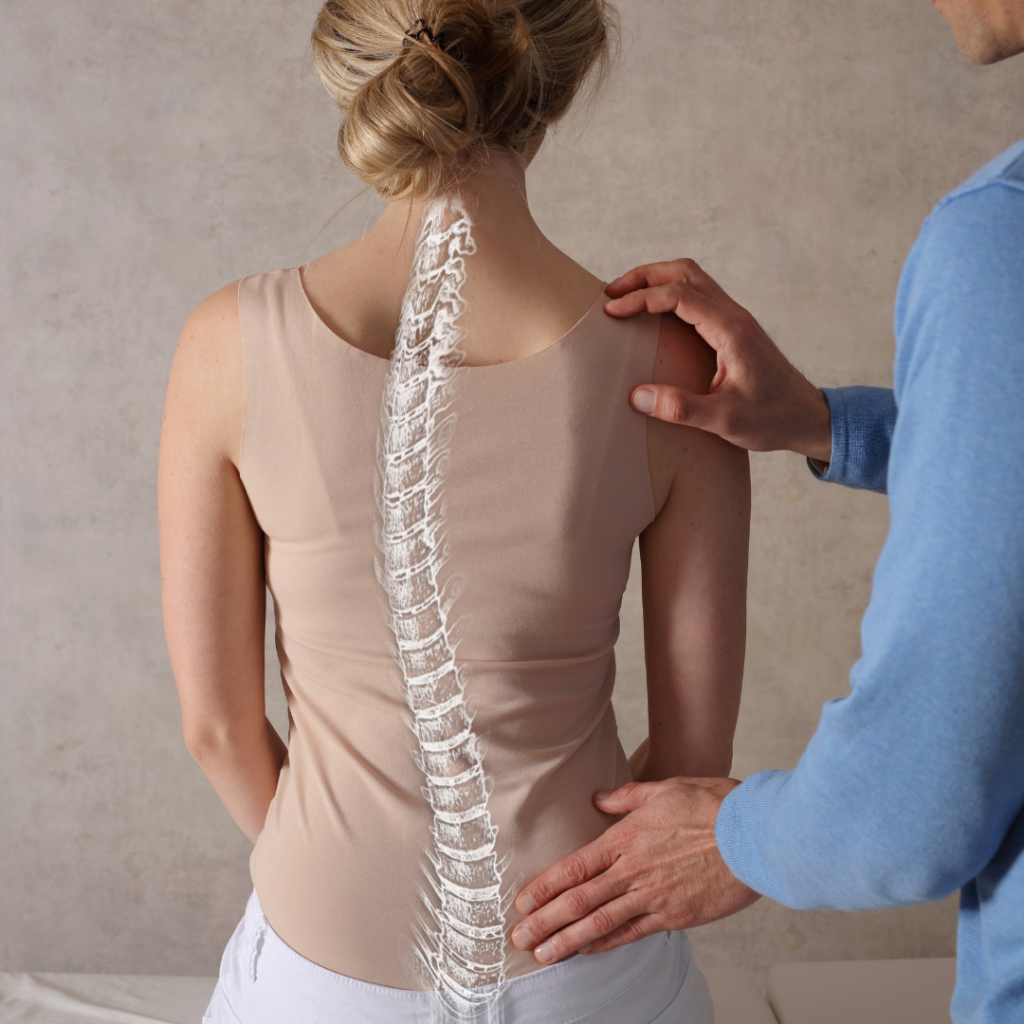
When dealing with an athletic injury, it’s crucial to understand the recovery process from a holistic perspective. As a local chiropractor, I want to emphasize that recovery goes beyond mere rest. It requires a well-rounded approach that includes proper nutrition, hydration, and specific rehabilitation exercises tailored to your needs. Each of these elements plays a vital role in your healing journey.
Moreover, your mental state can significantly impact your recovery. Stress and anxiety can hinder healing, so it’s important to incorporate strategies that promote mental well-being alongside physical treatment. I encourage you to explore natural healing methods, including chiropractic adjustments, which can help improve your overall alignment and function, ultimately enhancing your recovery process.
Let’s work together to develop a comprehensive recovery plan that not only addresses your current injury but also helps prevent future setbacks. Remember, the goal is not just to heal but to strengthen your body for the challenges ahead.
Understanding the Recovery Process
As a local chiropractor, I want to help you understand the recovery process after sustaining an athletic injury. First and foremost, it’s crucial to assess the severity of your injury. Determining whether it’s a sprain, strain, or something more serious will shape your recovery timeline and guide the treatment options we can explore together.
Rest is essential, but it’s important not to completely immobilize the affected area. Gentle movement can actually promote healing, and I can assist you in finding the right balance. Techniques such as ice application and compression are beneficial for reducing swelling and alleviating pain. Additionally, elevating the injured area can further aid in your recovery.
Once the initial discomfort begins to fade, we can start a gradual rehabilitation program tailored to your needs. This will focus on enhancing flexibility, strength, and stability—key components in returning to your sport. I emphasize the importance of listening to your body throughout this process; pushing too hard can lead to setbacks, and I’ll be here to guide you.
Lastly, maintaining a positive mindset is vital during recovery. I understand it can be frustrating at times, but staying motivated will help you remain on track. Remember, patience is essential.
The Role of Nutrition in Recovery
As you work on your physical recovery from an athletic injury, it’s important to remember that nutrition plays a vital role in healing. At our chiropractic clinic, we emphasize the connection between proper nutrition and your body’s ability to repair itself and regain strength.
A balanced diet, rich in proteins, healthy fats, and complex carbohydrates, can significantly enhance your recovery process. Proteins are essential for tissue repair, so I encourage you to include sources like lean meats, fish, eggs, and plant-based options such as legumes and nuts in your meals.
Healthy fats, found in foods like avocados and olive oil, can help reduce inflammation, which is crucial for a smooth recovery. Meanwhile, complex carbohydrates provide the energy required for your body to heal effectively.
Don’t forget the importance of vitamins and minerals either. Incorporating a variety of fruits and vegetables into your diet ensures you get the necessary antioxidants and nutrients that support immune function.
It’s also important to be mindful of portion sizes and strive for regular, balanced meals. By fueling your body with the right nutrients, you’ll not only enhance your recovery but also return to your athletic activities feeling stronger than ever.
Importance of Hydration
As a local chiropractor, I want to emphasize the critical role hydration plays in your overall health, especially when you’re on the road to recovery from an injury.
Proper hydration is vital for maintaining the right fluid balance in your body, allowing it to function efficiently and effectively. When you’re well-hydrated, you’re supporting not just your everyday bodily functions but also the healing process itself.
Additionally, it’s important to consider how electrolytes play a part in your recovery. Understanding how to replenish these essential minerals can significantly enhance both your healing and performance.
By prioritizing hydration and electrolyte balance, you can facilitate a smoother and more effective recovery journey.
Optimal Fluid Balance
As a local chiropractor, I want to emphasize the importance of achieving an optimal fluid balance, especially for those of you recovering from injuries. Proper hydration is crucial for your body’s overall function, promoting healing and minimizing the risk of re-injury.
When your body is dehydrated, not only can your performance suffer, but your recovery process may also be extended.
I encourage you to make a habit of drinking water consistently throughout the day, particularly before, during, and after any physical activity. It’s essential to listen to your body—thirst is a strong sign that you need to replenish your fluids.
Additionally, keep an eye on the color of your urine; a pale yellow color typically indicates that you’re well-hydrated, while a darker shade suggests it’s time to drink more.
By prioritizing hydration, you’re not just supporting your recovery; you’re also enhancing your overall well-being. This natural approach complements chiropractic care and helps get you back to your favorite activities more quickly and effectively.
Electrolyte Replacement Strategies
As a local chiropractor dedicated to your overall health and recovery, it’s essential to understand how to maintain the right balance of electrolytes in your body, especially after intense workouts or injuries.
Hydration plays a crucial role in your recovery process. When you sweat, you lose important electrolytes, and failing to replenish them can lead to issues like fatigue, cramping, and prolonged recovery times.
To effectively replace electrolytes, I recommend incorporating options such as sports drinks, coconut water, or electrolyte tablets into your routine. These beverages not only hydrate you but also provide vital minerals like sodium, potassium, and magnesium that your body needs to function optimally.
In addition, a balanced diet rich in fruits, vegetables, and whole grains is key, as these foods naturally contain electrolytes that support your body’s healing processes.
Remember, staying hydrated isn’t solely about drinking water; it’s about replacing what you’ve lost to ensure a smooth recovery.
As your chiropractor, I encourage you to pay attention to your body’s needs and consider these strategies for maintaining electrolyte balance during your healing journey.
Rest and Sleep: Essential Components
As a local chiropractor, I want to emphasize the critical role that quality sleep plays in your recovery from athletic injuries.
It’s not just about the physical adjustments we provide; it’s also about how you rest and restore your body at home. Implementing effective strategies to enhance both your rest and the quality of your sleep is essential for healing.
By prioritizing these aspects, you’ll not only feel better but also experience a quicker and more efficient recovery process.
Importance of Sleep Quality
As a local chiropractor, I want to emphasize something that often gets overlooked in discussions about recovery: the quality of your sleep. Many people focus on training and nutrition, but sleep plays a crucial role in how well your body heals.
When you get restorative sleep, your body engages in important repair processes, reducing inflammation and aiding muscle recovery. On the flip side, poor sleep can heighten your perception of pain and slow down the healing process, making it more challenging to recover from injuries.
Moreover, sleep is essential for your mental clarity and motivation, both of which are vital for optimal performance, whether you’re an athlete or just looking to improve your daily activities. You may not realize it, but even one night of poor sleep can diminish your strength and endurance significantly.
By prioritizing sleep quality, you can greatly enhance your overall recovery, allowing you to return to your activities feeling stronger and more resilient.
Strategies for Effective Rest
As your local chiropractor, I want to share some effective strategies for enhancing your recovery through proper rest and sleep. First and foremost, it’s crucial to establish a consistent sleep schedule. Going to bed and waking up at the same time each day can help regulate your body’s internal clock and support your overall well-being.
Creating a restful environment is also key. Aim to keep your bedroom dark, quiet, and cool to promote better sleep quality. Additionally, I recommend limiting screen time before bedtime, as the blue light emitted from devices can disrupt your natural sleep cycle.
Incorporating relaxation techniques, such as deep breathing exercises or meditation, can also be beneficial in helping you unwind before sleep.
During your waking hours, it’s important to take short breaks to recharge. Even just 10-15 minutes of mindful resting can significantly boost your focus and energy levels.
Lastly, it’s essential to listen to your body. If you find yourself feeling fatigued, don’t hesitate to take a nap or extend your rest time.
Rehabilitation Techniques and Exercises
As a local chiropractor, I understand that recovery can be a challenging journey for athletes. It’s important to incorporate effective rehabilitation techniques and exercises to regain your strength and mobility naturally.
To start, focus on range-of-motion exercises. These exercises are crucial for enhancing flexibility and preventing stiffness in your joints. Gentle stretching can also play a significant role in maintaining muscle elasticity, which is vital during your recovery.
Once you begin to regain some movement, it’s time to shift your focus toward strength training. Utilizing resistance bands and bodyweight exercises can effectively help rebuild muscle while minimizing stress on the injured area. This approach not only aids in recovery but also promotes overall body awareness.
Another key aspect of rehabilitation is proprioception exercises. These exercises improve your balance and coordination, which are essential for preventing future injuries. Additionally, I recommend incorporating functional movements that mimic the specific actions of your sport. This tailored approach will help ease your transition back to your athletic activities, ensuring a safer and more effective return.
Remember, chiropractic care can support your rehabilitation process by addressing any underlying issues and facilitating healing naturally.
Together, we can create a personalized recovery plan that aligns with your needs and goals.
Mental Wellness and Recovery
Recovery isn’t solely about physical rehabilitation; mental wellness is equally important in the healing process. As a chiropractor, I often see patients dealing with injuries who may feel frustrated or down. It’s vital to acknowledge these feelings and understand that they’re a normal part of recovery.
Incorporating mindfulness techniques, such as meditation or deep breathing exercises, can significantly enhance your focus and positivity throughout your healing journey. These practices can help calm your mind and create a more conducive environment for recovery.
Additionally, I encourage you to surround yourself with supportive friends, family, or teammates. Their encouragement can uplift your spirits and remind you that setbacks are a natural part of the healing process.
Setting realistic and attainable goals can also keep your motivation high; even small victories can accumulate to create significant progress over time.
If you find yourself struggling with anxiety or depression during your recovery, don’t hesitate to seek professional help. A sports psychologist can provide valuable support tailored to your needs.
It’s essential to remember that your mental state can directly impact your physical healing. By prioritizing mental wellness alongside chiropractic care, you’re more likely to experience a more effective recovery.
This holistic approach can empower you to return to your sport not only healed but also stronger and more resilient than before.
Preventive Measures for Future Injuries
While injuries can be a common challenge for athletes, there are several effective preventive measures I recommend to my patients to help minimize the risk of future setbacks. First and foremost, it’s crucial to adopt a balanced training regimen that includes strength, flexibility, and endurance exercises. This holistic approach not only enhances overall stability but also reduces strain on vulnerable areas of the body.
As your chiropractor, I also emphasize the importance of warming up and cooling down properly. Engaging in dynamic stretches before your workouts prepares your muscles for the activity ahead, while static stretches after your session promote recovery. It’s vital to listen to your body; if you experience pain or discomfort, it’s a signal to take a step back. Don’t hesitate to rest and consult with a healthcare professional when needed.
Incorporating cross-training into your routine can also be beneficial. This method strengthens various muscle groups and helps prevent overuse injuries. Additionally, wearing proper footwear and using equipment that’s suited for your specific sport can make a significant difference in your performance and safety.
Lastly, maintaining a healthy diet and staying hydrated are essential for supporting your body’s recovery and resilience. By integrating these strategies into your routine, you can proactively protect yourself against future injuries and ensure a more sustainable and enjoyable athletic journey.
Conclusion
As a local chiropractor, I want to emphasize the importance of a holistic approach to recovering from athletic injuries. It’s essential to have a deep understanding of the recovery process, which includes prioritizing nutrition and hydration. Proper nourishment fuels your body and supports healing, while staying hydrated helps maintain optimal function.
Equally important is ensuring you get adequate rest, as this allows your body to repair itself effectively. Engaging in effective rehabilitation techniques, which may involve chiropractic adjustments, can also significantly enhance your recovery. These adjustments align your spine and joints, promoting better movement and reducing pain.
Don’t forget, mental wellness plays a crucial role in your recovery journey. Managing stress and maintaining a positive mindset can greatly influence your healing process. Additionally, taking preventive measures, like regular chiropractic care, can help you avoid future injuries and enhance your overall performance.
Remember, every step you take towards recovery not only aids in your healing but also sets the stage for improved athletic performance in the future. If you’re curious about how chiropractic care can specifically assist you in your recovery, I’m here to help!