When we think about athletic recovery, many people often picture traditional methods like rest or ice packs. However, as a local chiropractor, I encourage you to explore the incredible benefits of alternative therapies. Techniques such as chiropractic adjustments, massage, acupuncture, and cryotherapy can play a significant role in enhancing your performance and overall well-being.
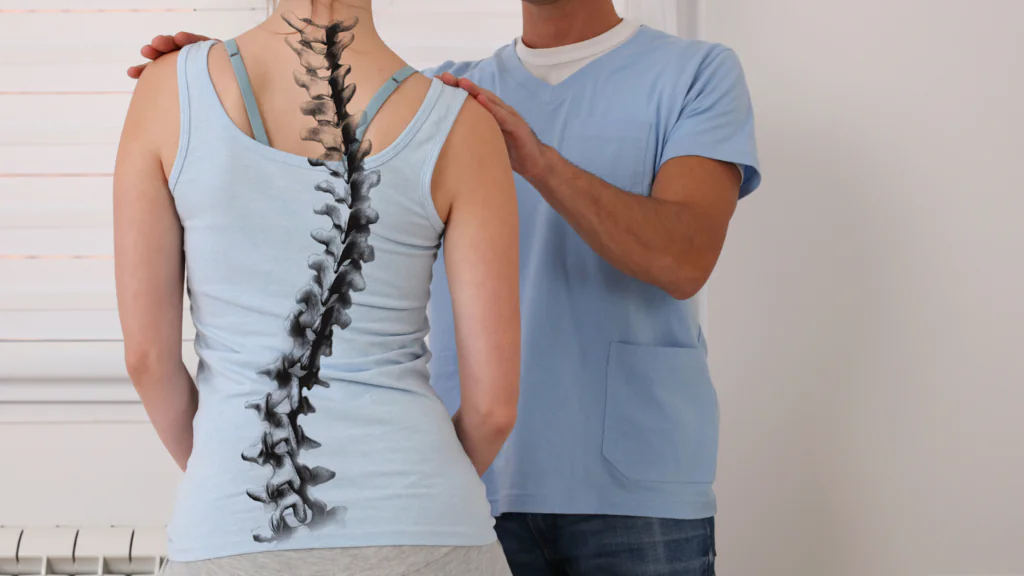
These therapies not only aid in muscle recovery but also tackle crucial mental aspects that are vital for athletes. Chiropractic care, in particular, focuses on aligning the spine and improving nervous system function, which can lead to better physical performance and reduced pain.
As you consider integrating these methods into your recovery routine, you may discover surprising improvements that reshape your understanding of what effective recovery truly involves. What if there's a whole new world of healing waiting for you that you've yet to experience? Let's explore these options together for a more holistic approach to your athletic recovery.
Understanding Athletic Recovery
As a local chiropractor, I want to emphasize the importance of understanding athletic recovery for anyone looking to improve their performance and minimize the risk of injuries. Recovery isn't merely about resting; it's a comprehensive process that includes physical, mental, and nutritional aspects. When you engage in training or competition, your body experiences stress, leading to muscle fatigue and micro-tears that need attention for optimal healing and adaptation.
Many people believe that recovery means doing nothing, but that's a misconception. Active recovery—such as gentle exercises, stretching, or even chiropractic adjustments—can enhance blood circulation and assist your muscles in detoxifying.
Additionally, nutrition plays a pivotal role in recovery. It's essential to maintain a balanced diet that includes adequate protein, carbohydrates, and healthy fats, as these nutrients provide the building blocks your body needs to repair itself. Don't forget hydration; drinking enough water is crucial for efficient recovery processes.
Sleep is another critical component of recovery that I want to highlight. During sleep, your body engages in significant healing and regeneration. Strive for 7-9 hours of quality sleep each night to ensure you're giving your body the necessary time to recover fully.
Lastly, it's important to listen to your body. If you're feeling excessively fatigued or experiencing discomfort, it's vital to take a step back and allow your body the time it needs to heal.
Integrating these recovery practices, along with regular chiropractic care, into your routine can enhance your athletic performance and significantly reduce the risk of injuries. Remember, your body is your most valuable asset; take care of it!
Benefits of Alternative Therapies
As a local chiropractor, I want to share how alternative therapies can significantly enhance your athletic recovery.
By focusing on methods that promote muscle recovery and reduce inflammation, we can help you bounce back more quickly from your workouts. Additionally, these therapies contribute to your mental well-being, allowing you to maintain focus and motivation throughout your training.
Improved Muscle Recovery
As a local chiropractor, I want to share with you the importance of enhanced muscle recovery for your athletic performance and overall well-being. Many people may not realize that alternative therapies can significantly contribute to this recovery process. Techniques such as massage therapy, acupuncture, and cryotherapy are effective methods that can help repair muscles and reduce soreness after intense workouts.
When you add massage therapy to your wellness routine, you're doing more than just indulging in a soothing experience. This therapy boosts blood circulation and relieves muscle tension, ensuring that vital nutrients reach your muscles more efficiently. This increased blood flow can greatly expedite your recovery time.
Furthermore, acupuncture can be a powerful tool in your recovery arsenal. It not only helps release endorphins—our body's natural painkillers—but also enhances circulation, which can help alleviate inflammation and discomfort.
Another method I recommend is cryotherapy, which involves exposing your body to very cold temperatures for a brief period. This technique can significantly minimize muscle damage and swelling after demanding physical activity.
In addition, practices like yoga and Pilates are beneficial as they promote flexibility and strength, which play a crucial role in preventing injuries and aiding recovery.
As a chiropractor, I believe in the power of natural healing methods. By incorporating these therapies into your routine, you can enhance your muscle recovery, allowing you to perform at your best while maintaining a healthy, active lifestyle.
Enhanced Mental Well-being
As a local chiropractor dedicated to your overall wellness, I want to share how incorporating various therapies, including chiropractic care, can significantly enhance your mental well-being. These natural healing approaches provide a holistic path to recovery, helping you achieve a more balanced and focused state of mind.
Here are three key benefits you can experience:
- Stress Reduction: Regular chiropractic adjustments, along with practices like yoga and meditation, can help diminish stress levels. By realigning your spine and optimizing your nervous system function, you'll find it easier to clear your mind and concentrate on the tasks at hand.
- Improved Mood: Chiropractic care can positively influence your mood by promoting the release of endorphins and improving your overall physical health. This can lead to a happier outlook on life and a greater sense of well-being.
- Enhanced Sleep Quality: Many patients report better sleep patterns after receiving chiropractic adjustments. When your body is aligned and tension is relieved, it becomes much easier to relax and enjoy restorative sleep, which is essential for mental clarity and peak performance.
Prioritizing your mental well-being through these natural healing methods not only benefits your mind but also supports your physical recovery.
By embracing chiropractic care and other complementary therapies, you can cultivate a resilient and positive mindset that will enhance your performance in all areas of life, including your athletic pursuits.
I encourage you to explore these options with me and discover how they can transform your mental state and overall recovery journey.
Reduced Inflammation Effects
As a local chiropractor, I want to share with you how incorporating various therapies can significantly aid in reducing inflammation, which is a common challenge many athletes encounter during their recovery.
If you're new to chiropractic care and natural healing, it's important to know that methods like cryotherapy, acupuncture, and massage can be powerful allies in your recovery journey.
For example, cryotherapy involves exposing your body to cold temperatures, which can numb pain and reduce inflammation effectively. This technique is particularly beneficial for athletes as it helps alleviate discomfort and speeds up recovery.
Acupuncture is another valuable therapy that targets specific points in the body. By doing so, it releases endorphins and promotes better circulation, which can help relieve soreness and tension. Many of my patients find that this holistic approach not only reduces inflammation but also enhances their overall well-being.
Additionally, massage therapy plays a crucial role in healing. It not only relaxes your muscles but also stimulates your body's natural healing processes. This can lead to further reductions in inflammation, helping you to recover more quickly and effectively.
If you're interested in exploring these therapies, I'd be happy to discuss how they can fit into your recovery plan and contribute to your overall health.
Acupuncture for Recovery
Acupuncture is an intriguing method for enhancing athletic recovery that many athletes are embracing for its restorative benefits. This ancient practice, which aligns closely with the principles of chiropractic care, focuses on stimulating specific points in the body to promote healing and restore balance.
If you're new to this holistic approach, here are three key benefits you might experience:
- Reduced Muscle Tension: Just like chiropractic adjustments can alleviate misalignments leading to muscle tightness, acupuncture effectively targets areas of discomfort to help release built-up tension. This promotes relaxation and can significantly speed up your recovery after intense workouts or competitions.
- Improved Blood Circulation: In chiropractic care, we emphasize the importance of good circulation for overall health. Acupuncture supports this by encouraging increased blood flow, which is essential for delivering nutrients that aid in tissue repair. Enhanced circulation can help reduce soreness and promote quicker recovery post-exercise.
- Pain Management: If you're dealing with chronic pain or injuries, acupuncture offers a natural alternative for pain relief, similar to the benefits of chiropractic adjustments. It stimulates the release of endorphins, which can help you manage pain effectively without relying solely on medications.
Whether you're an experienced athlete or just starting your fitness journey, incorporating acupuncture into your recovery routine can be transformative.
Many of my patients report feeling more energized, balanced, and ready to take on their next challenge after a session.
Massage Therapy Techniques
As a local chiropractor, I want to share some valuable insights about the benefits of massage therapy for athletes and anyone engaged in physical activity.
Massage therapy encompasses a variety of techniques, each designed to promote healing and enhance overall performance. For example, deep tissue massage targets deeper muscle layers to alleviate chronic tension, while sports massage specifically focuses on pre- and post-event care, helping to prevent injuries and reduce soreness.
Incorporating these massage techniques into your regular routine can greatly aid in your recovery process, allowing you to bounce back quicker and maintain peak performance levels.
Types of Massage Techniques
As a local chiropractor dedicated to promoting natural healing and overall wellness, I'd like to share how exploring various massage techniques can significantly aid in your athletic recovery.
Each technique has its own set of benefits that can specifically target muscle groups and alleviate tension, making them valuable tools in your recovery arsenal. Here are three popular massage techniques that I recommend you consider:
1. Swedish Massage: This technique utilizes long, gentle strokes designed to promote relaxation and enhance blood circulation.
It's an excellent option for alleviating muscle tension after strenuous workouts, allowing your body to recover more effectively.
2. Deep Tissue Massage: For those of you experiencing chronic pain or tightness, deep tissue massage might be the answer.
This method delves into the deeper layers of muscle and connective tissue, effectively breaking up knots and relieving long-standing tension.
It's an essential tool for managing discomfort and enhancing your overall mobility.
3. Sports Massage: Specifically designed for athletes, sports massage incorporates various techniques that prepare your body for peak performance.
It plays a crucial role in preventing injuries, improving flexibility, and speeding up recovery after physical exertion.
This is a fantastic option to incorporate into your training regimen.
By understanding and utilizing these massage techniques, you can support your body's natural healing processes and improve your athletic performance.
As always, I'm here to help you navigate your recovery journey and ensure you achieve optimal health and wellness.
Benefits for Athletes
As a local chiropractor, I want to educate you on the incredible benefits of massage therapy, especially for athletes who are striving for peak performance and effective recovery.
Regular massage sessions can significantly improve your flexibility, which translates to a greater range of motion in both training and competitive settings. This enhanced flexibility is crucial in minimizing the risk of injuries, an essential factor in sustaining a successful athletic career.
Additionally, massage therapy is known to boost circulation, which is vital for delivering oxygen and nutrients to your muscles while helping to clear out metabolic waste products. Improved circulation means quicker recovery times after intense workouts or competitions, allowing you to get back to your training sooner and with more vigor.
Massage therapy also plays a key role in relieving muscle tension and soreness. By addressing tightness in your muscles, you'll experience less discomfort and greater ease of movement. This not only enhances the quality of your training sessions but also supports better mental clarity and focus, enabling you to perform at your highest level.
Lastly, the relaxation effects of massage can help to reduce stress and anxiety, fostering a more positive mindset for performance.
Incorporating Into Routine
Incorporating massage therapy into your wellness routine can significantly enhance your athletic performance and recovery, and as a chiropractor, I often recommend it to my patients.
Regular massage sessions not only alleviate soreness in your muscles but also play a crucial role in preventing injuries and improving flexibility.
Here's how you can seamlessly integrate massage therapy into your overall health regimen:
- Schedule Regular Sessions: I suggest aiming for at least one massage each week, particularly following intense workouts. This regularity not only supports your body's ability to recover but also helps it adapt more effectively to your training demands.
- Select the Appropriate Technique: Different massage techniques are designed to address various needs. For example, if you're dealing with muscle soreness, a deep tissue massage may be the most beneficial. On the other hand, if relaxation is your goal, a Swedish massage could be ideal. It's important to understand your specific needs and communicate those to your massage therapist.
- Complement with Other Recovery Strategies: While massage is incredibly beneficial, it shouldn't be your sole recovery method. Combining it with proper hydration, balanced nutrition, and adequate sleep will provide a more comprehensive recovery experience. This holistic approach will help you maximize the benefits of each recovery strategy, including chiropractic care.
By incorporating these practices into your routine, you can enhance your overall well-being and athletic performance.
Cryotherapy and Its Effects
As a local chiropractor, I want to share some insights about a fascinating therapy that has been gaining traction among athletes and health enthusiasts alike: cryotherapy. This treatment leverages extreme cold to aid in quicker recovery times and alleviate muscle soreness, which can be especially beneficial for those of you who may engage in physical activities, whether casually or competitively.
Cryotherapy typically involves subjecting your body to subzero temperatures for a brief period, usually between two to three minutes. This process causes your blood vessels to constrict, effectively reducing inflammation and numbing any pain you may be experiencing.
Once you exit the cryotherapy chamber, your blood vessels dilate, leading to improved blood flow that carries oxygen and essential nutrients to your muscles, supporting recovery.
Many athletes report a significant reduction in muscle soreness following cryotherapy sessions, which enables them to train more intensely and recover more rapidly. You might find that your energy levels increase, making it easier for you to re-engage with your workout routine.
Furthermore, cryotherapy may expedite healing for minor injuries by reducing swelling and fostering tissue repair.
However, while the advantages of cryotherapy are promising, it's essential to approach this therapy thoughtfully. Not everyone will experience the same beneficial effects, and some individuals may find the extreme cold uncomfortable or even painful.
It's wise to consult with a healthcare professional, such as myself, especially if you have any underlying health conditions that could be impacted by this therapy.
Integrating cryotherapy into your recovery regimen could be a powerful addition to enhance your athletic performance and overall well-being.
Just remember to listen to your body and consider combining this method with other recovery strategies for optimal results.
Whether you're a seasoned athlete or someone who enjoys occasional physical activity, exploring cryotherapy could provide you with the edge you need for a healthier, more active lifestyle.
If you have any questions or would like to learn more, feel free to reach out during your next visit!
The Role of Mindfulness
As a local chiropractor, I want to share how mindfulness can significantly enhance your recovery process, especially when it comes to physical health and well-being. By staying present and focused during your recovery sessions, you can better understand what your body needs and how to respond to those needs effectively.
This awareness not only contributes to your overall performance but also supports your journey toward natural healing.
Here are three important benefits of incorporating mindfulness into your recovery routine:
- Reduced Stress: Engaging in mindfulness practices can help lower cortisol levels in your body, which directly reduces stress and anxiety. When your stress levels are minimized, your body is better equipped to recover, allowing you to bounce back more quickly after strenuous activities or treatments.
- Improved Focus: Mindfulness helps train your mind to concentrate on the present moment. By enhancing your focus, you can make the most out of your chiropractic sessions and avoid distractions that could impede your healing process.
- Enhanced Body Awareness: Mindfulness encourages you to tune into your body's signals more effectively. You'll become more aware of sensations like fatigue and muscle soreness, enabling you to adjust your recovery strategies and communicate better with your chiropractor about your needs.
Incorporating mindfulness techniques, such as meditation or breathing exercises, into your daily routine can lead to more effective recovery outcomes.
As you cultivate this practice, you'll find it easier to stay motivated and committed to your health goals. By embracing mindfulness, you're not just improving your recovery; you're also nurturing a deeper connection between your body and mind, which is vital for long-term health and wellness.
Nutrition and Alternative Approaches
As a local chiropractor, I want to emphasize the crucial role nutrition plays in your recovery and overall athletic performance. When you engage in rigorous physical activity, your body needs the right nutrients to repair and restore itself. By focusing on a balanced diet filled with whole foods, you can ensure your body receives the essential vitamins and minerals necessary for efficient recovery.
In addition to traditional nutrition, exploring alternative approaches can significantly enhance your recovery process. Many athletes have discovered the benefits of incorporating adaptogenic herbs, such as ashwagandha and rhodiola, into their routines. These herbs can help manage stress and improve endurance by supporting your body's natural ability to adapt to physical strain, thus promoting faster recovery.
It's also beneficial to include anti-inflammatory foods in your diet, such as berries, fatty fish, and leafy greens. These foods can help reduce inflammation in your muscles and joints, aiding in quicker recovery.
Staying properly hydrated is equally important, as it ensures your muscles remain well-hydrated, which is essential for optimal performance and recovery.
Another approach worth considering is nutrient timing. Consuming a combination of carbohydrates and protein soon after your workout can greatly enhance muscle repair and replenish glycogen stores.
Lastly, I want to highlight the potential benefits of supplementation. Omega-3 fatty acids, for instance, are known for their anti-inflammatory properties, while branched-chain amino acids (BCAAs) can help alleviate muscle soreness.
Integrating these nutritional strategies with chiropractic care can help you achieve a balanced approach to recovery and enhance your overall well-being. If you have questions about how to implement these practices, feel free to reach out; I'm here to support your journey to optimal health.
Integrating Therapies Into Routine
As a local chiropractor, I want to help you understand how to effectively integrate alternative therapies into your routine for optimal healing and recovery.
It's essential to start by identifying the methods that align with your health goals. Consider what you wish to achieve—whether it's alleviating pain, improving mobility, or simply enhancing your overall well-being. Once you have a clear understanding of your objectives, we can tailor a plan that suits your needs.
Here are three steps to help you seamlessly incorporate chiropractic care and other natural therapies into your wellness routine:
1. Establish a Routine: Set aside specific times for your chiropractic visits and other complementary therapies. Whether it's adjustments, massage therapy, or stretching exercises, consistency is crucial for your recovery. Schedule these appointments in your calendar, just like you'd for any other essential health commitment.
2. Explore Various Therapies: Don't shy away from combining different treatments to discover what works best for you. For instance, you might find that chiropractic adjustments combined with physical therapy exercises enhance your mobility or that regular massage therapy helps you relax more deeply after your adjustments.
Experimenting with different therapies can help you establish an effective recovery routine.
3. Tune In to Your Body: It's important to listen to how your body responds to each therapy. If you notice positive changes, continue with those practices. If something doesn't feel right, don't hesitate to reassess and make adjustments.
Remember, recovery is a personal journey, and what benefits one person may not work for another.
Conclusion
As a local chiropractor, I want to share how incorporating alternative therapies into your recovery routine can significantly enhance your athletic performance. Embracing methods such as chiropractic care, which focuses on spinal alignment and overall body mechanics, can help speed up your recovery while also supporting your general well-being.
In addition to chiropractic adjustments, consider therapies like acupuncture, massage, and cryotherapy. These techniques work hand-in-hand with your body's natural healing processes, providing relief from muscle tension, reducing inflammation, and promoting relaxation.
It's also essential to acknowledge the importance of mindfulness and proper nutrition in your recovery journey. When you combine these holistic approaches, you not only build resilience but also unlock your full training potential.
I encourage you to explore these therapies and discover how they can help you achieve peak performance while maintaining your health. Remember, your body is your most valuable asset—let's take care of it together.