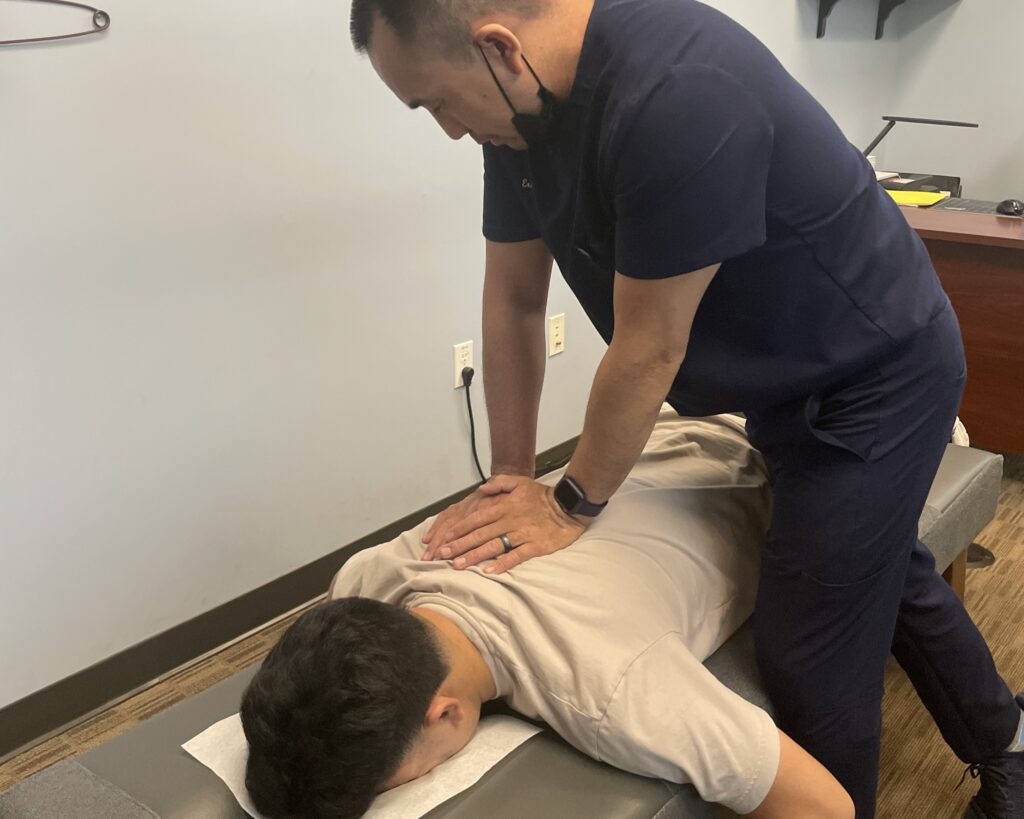
If you’ve ever battled the persistent burden of migraines, you understand how they can disrupt your daily life. This is a challenge many people encounter, often involving a journey of trial and error to find relief. Identifying your triggers, examining treatment avenues, and implementing lifestyle changes are essential steps along this intricate path. But what if there are effective strategies you haven’t yet considered?
Chiropractic care may be a powerful ally in your quest for migraine relief. By focusing on spinal health and alignment, chiropractic adjustments can help alleviate tension in your neck and spine, which may be contributing to your headaches. It’s important to understand that a well-aligned spine supports the nervous system, leading to improved overall wellness.
Here are some practical tips you can incorporate into your routine:
- Stay Hydrated: Dehydration can be a significant trigger for migraines. Ensure you’re drinking plenty of water throughout the day.
- Maintain Good Posture: Poor posture can lead to muscle tension in your neck and shoulders, increasing the likelihood of migraines. Be mindful of your posture while sitting and standing.
- Manage Stress: Stress is a common trigger for migraines. Consider incorporating relaxation techniques such as deep breathing, yoga, or meditation into your daily routine.
- Regular Chiropractic Visits: Regular adjustments can help keep your spine in alignment, reducing tension and improving your body’s ability to handle stress.
- Healthy Diet: Pay attention to your diet and consider keeping a food diary to identify any potential food triggers. A balanced diet rich in whole foods can also support overall health.
- Sleep Well: Establishing a regular sleep schedule can help prevent migraines. Aim for 7-9 hours of quality sleep each night.
By exploring these strategies and integrating chiropractic care into your wellness routine, you may discover a path toward freedom from the pain of migraines. Remember, every step you take towards better spinal health is a step towards a healthier, more vibrant life.
Understanding Migraine Triggers
What causes your migraines? Identifying triggers is essential for managing them effectively, and as a chiropractor, I believe in a holistic approach to health and wellness. Common triggers include stress, certain foods, and changes in sleep patterns. You might notice that skipping meals or consuming caffeine can trigger an episode. Additionally, environmental factors like bright lights or strong odors can also contribute to the discomfort.
Hormonal fluctuations are another significant trigger, particularly for women. If you find that your migraines tend to align with your menstrual cycle, this may provide important insight. Weather changes, such as shifts in barometric pressure, can also set off migraines.
One valuable tool in managing migraines is keeping a diary. Track your episodes along with potential triggers, such as what you eat, your stress levels, sleep quality, and environmental conditions. By recognizing patterns, you can gain a better understanding of what might be causing your migraines.
In addition to identifying triggers, consider incorporating chiropractic care into your wellness routine. Chiropractic adjustments can help improve spinal alignment and reduce tension in your body, which may contribute to fewer migraine episodes.
Here are some general tips to help reduce migraine frequency and intensity:
- Stay Hydrated: Drink plenty of water throughout the day to keep your body well-hydrated.
- Maintain a Regular Eating Schedule: Avoid skipping meals to help maintain stable blood sugar levels.
- Practice Stress Relief Techniques: Incorporate activities like yoga, meditation, or deep-breathing exercises to manage stress.
- Prioritize Sleep: Aim for a consistent sleep schedule and create a relaxing bedtime routine to improve sleep quality.
- Limit Caffeine and Alcohol: Be mindful of your caffeine and alcohol intake, as these can be potential triggers.
The Role of Medication in Migraine Management
While lifestyle changes and holistic approaches can greatly assist in managing migraines, many individuals often seek additional relief. It’s essential to explore natural solutions, including chiropractic care, which focuses on spinal health and overall wellness. Here’s a brief overview of how chiropractic care can support those suffering from migraines:
- Chiropractic Adjustments: Regular spinal adjustments can help alleviate tension in the neck and spine, which may reduce the frequency and severity of migraine attacks. By ensuring proper alignment, chiropractic care promotes better nervous system function.
- Lifestyle and Ergonomic Advice: Chiropractors can provide valuable tips on improving posture and ergonomics, especially for those who spend long hours sitting or working at a desk. Simple changes to your workspace can help decrease stress on your spine and reduce migraine triggers.
- Stress Management Techniques: Incorporating relaxation techniques such as deep breathing, meditation, or gentle stretching can be beneficial. A chiropractor can guide you through these practices to help manage stress, a common migraine trigger.
- Holistic Health Tips: Staying hydrated, maintaining a balanced diet, and getting regular exercise are crucial for overall wellness. These lifestyle adjustments can also play a significant role in reducing migraine occurrences.
- Personalized Care Plans: Every individual’s experience with migraines is unique. A chiropractor can work with you to develop a tailored care plan that addresses your specific symptoms and lifestyle, focusing on natural healing methods.
Consulting a chiropractor can provide you with the tools and support you need to manage migraines effectively and promote overall health and wellness.
Alternative Therapies for Migraine Relief
When traditional medications fall short in providing the relief you need, it can be beneficial to explore alternative therapies. As a chiropractor, I want to emphasize that chiropractic care is a natural and effective way to manage migraines and promote overall wellness.
Chiropractic adjustments focus on realigning the spine and relieving tension in the nervous system, which can often be a key factor in migraine pain. By correcting misalignments, or subluxations, in the spine, we aim to improve your body’s function and reduce the frequency as well as the intensity of migraines.
In addition to chiropractic care, you might also consider incorporating some lifestyle changes to support your health. Here are a few simple tips:
- Stay Hydrated: Dehydration can trigger migraines, so make sure you drink plenty of water throughout the day.
- Maintain a Regular Sleep Schedule: Consistent sleep patterns can help prevent migraines. Aim for 7-9 hours of quality sleep each night.
- Practice Stress Management: Techniques such as deep breathing, yoga, or meditation can help reduce stress, which is a common migraine trigger.
- Monitor Your Diet: Keep a food diary to identify any potential triggers, like certain foods or drinks that might lead to migraines.
- Regular Chiropractic Visits: Regular adjustments can help maintain spinal health and prevent the onset of migraines.
By focusing on chiropractic care and these healthy lifestyle habits, you can find a natural approach to managing your migraines and achieving optimal health.
Herbal Remedies for Migraines
If you’re looking to find natural relief from migraines, it’s important to consider the holistic approach of chiropractic care. Many patients have found that addressing spinal alignment and overall health can significantly reduce the frequency and intensity of their migraines.
In addition to chiropractic adjustments, certain herbal remedies may complement your wellness journey. Here are four herbs that could support your efforts:
1. Feverfew: This herb is known for its anti-inflammatory properties and may help ease migraine symptoms. While it can be a helpful addition to your routine, remember that chiropractic care is focused on treating the underlying causes of pain, which often includes addressing spinal health.
2. Butterbur: Some studies suggest that butterbur may help reduce the occurrence of migraines when taken regularly. However, it’s essential to prioritize your spinal health through chiropractic adjustments, which can help improve your overall well-being.
3. Peppermint: Using peppermint oil topically may provide soothing relief for tension and discomfort. This can be particularly helpful if muscle tension is contributing to your migraines.
Regular chiropractic care can also help relax tight muscles and improve circulation, further enhancing your relief.
4. Ginger: Known for its ability to aid digestion, ginger may also help alleviate nausea often associated with migraines. Incorporating ginger into your diet can be beneficial, but don’t forget the importance of maintaining a healthy spine, which chiropractic care can support.
Always consult with a healthcare professional before starting any herbal treatment, and remember that the best path to optimal health often includes regular chiropractic care.
Acupuncture and Pain Relief
Chiropractic care offers a holistic approach to managing migraines by focusing on spinal health and the alignment of the body. Instead of relying on medications or invasive procedures, chiropractic adjustments can help improve spinal function, enhance nerve communication, and promote overall wellness.
By addressing misalignments in the spine, chiropractors work to restore balance, which can significantly reduce the frequency and intensity of migraine episodes.
Many patients report experiencing improved blood flow and reduced muscle tension after chiropractic adjustments, both of which can play a crucial role in alleviating headaches.
In addition to regular adjustments, here are some tips to help manage migraines naturally:
- Stay Hydrated: Dehydration can trigger migraines, so aim to drink plenty of water throughout the day.
- Maintain a Regular Sleep Schedule: Consistent sleep patterns can help reduce headache frequency. Try to go to bed and wake up at the same time each day.
- Practice Stress Management: Incorporating relaxation techniques such as deep breathing, meditation, or yoga can help lower stress levels, which may be a trigger for migraines.
- Monitor Your Diet: Keep track of potential food triggers, as certain foods can contribute to headache onset. Maintaining a balanced diet rich in fruits, vegetables, and whole grains is key.
- Exercise Regularly: Physical activity can help reduce stress and improve overall health, which may lead to fewer migraines.
It’s crucial to consult with a qualified chiropractor who can tailor a treatment plan specifically for your needs.
Chiropractic care could be a valuable part of your migraine management strategy, helping you take charge of your health and live a more vibrant, pain-free life.
Lifestyle Changes to Reduce Migraine Frequency
Making some lifestyle changes can significantly reduce the frequency of your migraines, and as a chiropractor, I believe in a holistic approach to wellness that emphasizes natural healing. By focusing on dietary modifications, staying hydrated, and effectively managing stress, you can create a supportive environment for your health and well-being.
Let’s explore some practical adjustments that can help you feel better and reduce migraine occurrences.
First, consider your diet. Certain foods can trigger migraines, so it’s beneficial to keep a food diary to identify any potential culprits. Incorporating more whole foods, such as fruits, vegetables, and whole grains, can nourish your body and support overall health. Avoiding processed foods and refined sugars can also help maintain balanced energy levels throughout the day.
Staying hydrated is crucial. Dehydration is a common trigger for migraines, so aim to drink plenty of water throughout the day. Keeping a reusable water bottle handy can serve as a reminder to stay hydrated. Herbal teas can also be a soothing option that provides hydration along with added health benefits.
Stress management is key in preventing migraines, and chiropractic care can play a vital role in this area. Regular chiropractic adjustments can help relieve tension in your body, promote relaxation, and improve spinal alignment. When your spine is aligned, your nervous system functions more effectively, leading to reduced stress levels and improved overall health.
Additionally, consider incorporating mindfulness practices, such as yoga or meditation, to further support your mental well-being.
Lastly, prioritize regular physical activity. Exercise can help reduce stress, improve circulation, and promote the release of endorphins, which are natural pain relievers. Even a short daily walk can make a significant difference in how you feel.
By implementing these lifestyle changes and considering chiropractic care as a vital part of your wellness routine, you can create a healthier, more balanced life that supports migraine relief.
Dietary Modifications
Migraines can be a challenging experience, often triggered by various factors, including what we eat. As a chiropractor, I believe that making simple dietary modifications can significantly ease your discomfort and contribute to overall wellness. Here are four practical tips to help you manage migraines while embracing a healthier lifestyle:
- Recognize Your Triggers: Start by keeping a food diary. This can help you identify any specific foods that may spark your migraines, such as aged cheeses or processed meats. Understanding your triggers is the first step in avoiding them.
- Boost Your Magnesium Intake: Incorporate magnesium-rich foods into your meals. Foods like spinach, nuts, and whole grains aren’t only nutritious but can also help reduce the frequency of migraines. Magnesium has been shown to play a role in muscle and nerve function, which is essential for overall health.
- Establish Regular Meals: Consistency is key! Make sure to eat at regular intervals to keep your blood sugar levels stable. Skipping meals can lead to spikes and drops in blood sugar, which might trigger a migraine.
- Be Mindful of Caffeine: Pay attention to your caffeine consumption. While some people find that a small amount of caffeine can help alleviate headaches, too much or withdrawal from it can also lead to migraines. Moderation is essential.
By incorporating these dietary tips into your daily routine, you can pave the way for a more comfortable life.
Remember, chiropractic care can also play a vital role in managing pain and promoting overall wellness. Regular adjustments not only help alleviate discomfort but can also enhance your body’s natural healing processes.
Embrace these changes and consider how chiropractic care can further support your journey to optimal health!
Hydration Importance
Hydration is often underestimated, yet it plays a vital role in managing migraines. As a chiropractor, I want to emphasize how staying well-hydrated can significantly lessen the frequency and intensity of your migraine attacks. Dehydration can lead to increased tension in your body, which may trigger headaches.
To combat this, it’s important to drink adequate water throughout the day, even if you’re not feeling thirsty. A helpful guideline is to aim for at least eight 8-ounce glasses of water daily, though your needs may vary based on your level of activity and the climate you live in.
Additionally, incorporating hydrating foods like fruits and vegetables into your meals can enhance your hydration efforts. Keeping a water bottle with you can serve as a gentle reminder to sip water regularly.
By making hydration a priority, you’re taking a significant step toward reducing migraine triggers and enhancing your overall wellness. Remember, chiropractic care can also support your journey to optimal health by addressing any spinal misalignments that may contribute to tension and discomfort.
Together, proper hydration and chiropractic adjustments can pave the way for a healthier, migraine-free life.
Stress Management Techniques
Stress is a common trigger for migraines, making it crucial to manage stress effectively to help reduce their occurrence. As a chiropractor, I believe in the power of natural healing and holistic approaches for optimal health.
Here are some simple strategies you can incorporate into your daily routine to promote wellness and alleviate stress:
- Mindfulness Meditation: Take a few moments each day to practice mindfulness. This technique can help you center your thoughts, reduce anxiety, and promote overall well-being, which is essential for spinal health.
- Regular Exercise: Find physical activities that you enjoy, whether it’s walking, dancing, or yoga. Exercise not only boosts endorphins, which can elevate your mood, but it also supports your spine and overall body function.
- Adequate Sleep: Quality sleep is vital for your body’s recovery and stress management. Aim for 7-9 hours of restful sleep each night to support your health and well-being. Proper sleep also helps your spine recover from daily activities.
- Deep Breathing Exercises: Incorporate deep breathing techniques into your routine. These exercises can calm your mind and body, helping to alleviate tension and stress that may contribute to migraines.
By embracing these natural strategies, you can enhance your overall health and reduce the frequency of migraines.
The Importance of a Support System
When facing the difficulties of migraines, having a supportive network can greatly enhance your well-being. Friends, family, and coworkers can offer not just emotional support, but also practical help during those tough times. This community can help alleviate the feelings of isolation that often accompany chronic pain. Just knowing that you’re surrounded by understanding individuals can uplift your spirits and improve your ability to cope.
It’s important to communicate your needs clearly. Share with your loved ones what kind of support would be most beneficial for you—whether it’s having someone to talk to, assistance with daily activities, or simply understanding when you need time to recuperate. This honesty fosters deeper connections and encourages those around you to be supportive.
Additionally, connecting with others who experience migraines can be incredibly helpful. Sharing insights and experiences can provide encouragement and practical tips that lighten your burden. Engaging with a community that understands your struggles can make the journey feel less daunting.
While seeking support from others, don’t forget to prioritize your health through natural methods such as chiropractic care. Chiropractic adjustments can help alleviate tension in the spine, which may reduce the frequency and intensity of migraines. Regular chiropractic visits can promote overall wellness, helping your body function at its best.
Incorporating some healthy habits can also make a significant difference. Stay hydrated, maintain a balanced diet, and practice stress-management techniques such as deep breathing or gentle yoga. These simple lifestyle changes can complement chiropractic care and enhance your overall health.
Tracking Your Migraines: Keeping a Journal
Keeping a journal can be a transformative tool for managing your migraines, especially when combined with chiropractic care. By recording key details such as your triggers, symptoms, and how long each episode lasts, you can begin to spot patterns that may be affecting your overall well-being.
This practice not only deepens your understanding of your migraines but also empowers you to share valuable insights with your chiropractor.
As you track this information, consider how chiropractic adjustments can help alleviate the tension that often contributes to migraine episodes. Regular chiropractic care can improve spinal alignment and enhance your nervous system’s function, potentially reducing the frequency and intensity of your migraines.
Here are some general tips to enhance your migraine management:
- Identify Triggers: Pay attention to what seems to provoke your migraines—be it certain foods, stress, or lack of sleep—and note them in your journal.
- Practice Relaxation Techniques: Incorporate stress-reducing activities such as deep breathing, yoga, or meditation into your routine, which can help alleviate tension that may lead to migraines.
- Stay Hydrated: Dehydration can trigger migraines for many individuals. Make it a habit to drink plenty of water throughout the day.
- Maintain a Regular Sleep Schedule: Aim for consistent sleep patterns to help regulate your body’s rhythms, which can reduce the likelihood of migraines.
- Consult with Your Chiropractor: Share your journal findings with your chiropractor, who can help tailor a treatment plan to address your specific needs and improve your overall health.
Embracing these practices, along with chiropractic care, can support your journey toward a healthier, migraine-free life.
Essential Journal Components
Managing migraines can be a daunting experience, but keeping a journal can be a powerful tool in your journey toward better health. By recording your symptoms and experiences, you can uncover valuable insights that may help you understand your body better and find natural relief.
Here are four key components to include in your migraine journal:
- Date and Time: Document when your migraine begins and ends. This helps you see patterns over time and understand how your migraines may relate to your daily routine.
- Symptoms: Describe the type and intensity of pain you experience, along with any other symptoms like nausea or sensitivity to light. This detailed account can help you and your chiropractor tailor your treatment plan to your specific needs.
- Triggers: Keep track of potential migraine triggers, such as certain foods, stress, or even lack of sleep. Understanding these triggers can empower you to make lifestyle adjustments that promote better spinal and overall health.
- Chiropractic Care: Instead of focusing on medications, note any chiropractic treatments you’ve received and their effects on your migraines. Chiropractic adjustments can help alleviate tension and improve spinal alignment, which may reduce the frequency and severity of your migraines.
By maintaining this detailed record, you not only gain insights into your migraines but also enhance your conversations with your chiropractor.
Together, you can explore natural healing methods and lifestyle changes that support optimal wellness and pain relief. Remember, chiropractic care is a holistic approach that addresses the root causes of your discomfort, helping you achieve a healthier, pain-free life.
Analyzing Patterns Over Time
As you observe your migraine patterns over time, maintaining a detailed journal can unveil significant trends that may point you toward natural solutions. By tracking the frequency, duration, and intensity of your migraines, you can uncover potential triggers like certain foods, stress levels, or sleep patterns that might be affecting your overall wellness.
In addition to noting your migraine occurrences, consider documenting your environment, any chiropractic treatments you receive, and lifestyle changes you implement. Over time, you’ll start to notice patterns that can help you anticipate and potentially prevent future migraine attacks. This understanding empowers you to take proactive steps in managing your health naturally.
Chiropractic care is an excellent option for addressing migraines, as it focuses on spinal health and the alignment of your body. Misalignments in the spine can contribute to stress and tension, which may exacerbate migraine symptoms. Regular chiropractic adjustments can help restore proper alignment, promote relaxation, and improve your overall well-being.
Incorporating simple lifestyle changes, such as practicing stress-reduction techniques, ensuring adequate hydration, and maintaining a consistent sleep schedule, can also contribute to fewer migraines.
When to Seek Professional Help
When should you consider reaching out to a chiropractor about your migraines? It’s important to seek help when your migraines become overwhelming or interfere with your daily activities. Here are some signs that indicate it might be time to consult a chiropractic professional:
- Frequency: If you’re experiencing migraines more than twice a week, it’s a good idea to explore natural relief options.
- Severity: If your migraines are becoming more severe or debilitating, making it hard to go about your day, chiropractic care can help address the root causes.
- New Symptoms: If you notice new or unusual symptoms, like changes in vision or ongoing nausea, don’t ignore them—these can signal underlying issues that chiropractic adjustments can address.
- Ineffective Treatment: If over-the-counter medications or home remedies aren’t providing relief, consider how chiropractic care may help alleviate your pain naturally.
Chiropractic care offers a holistic approach to managing migraines by focusing on spinal health and alignment, which can play a crucial role in headache relief. Techniques such as spinal adjustments, physical therapy, and lifestyle advice can help reduce the frequency and intensity of your migraines without the need for medications or invasive procedures.
Additionally, here are some general tips to help manage migraines naturally:
- Stay hydrated: Drink plenty of water throughout the day.
- Maintain a regular sleep schedule: Aim for consistent sleep patterns to help reduce triggers.
- Manage stress: Incorporate relaxation techniques like yoga or meditation into your routine.
- Keep a migraine diary: Track your symptoms and potential triggers to identify patterns.
Don’t hesitate to reach out for help. A chiropractor can provide tailored treatment options and support you in achieving optimal health. Remember, you don’t have to face migraines alone, and taking action is a step toward reclaiming your life naturally!
Personal Stories of Triumph Over Migraines
Many individuals have experienced remarkable success in managing their migraines through holistic approaches, leading to uplifting stories of perseverance and recovery.
Let’s take a look at Sarah, who found relief through chiropractic care combined with yoga and meditation. After years of suffering from debilitating pain, she learned to listen to her body with the help of her chiropractor, who guided her in recognizing her triggers and aligning her spine. This alignment not only alleviated her pain but also helped her find tranquility amidst the chaos of her life.
Then there’s Tom, who embraced a healthier lifestyle with the support of chiropractic adjustments. After trying various medications with little success, he discovered that a holistic approach, including dietary changes and regular chiropractic care, significantly reduced his migraine frequency. By eliminating certain trigger foods and maintaining proper spinal alignment, he regained the ability to enjoy social outings with friends again.
These stories serve as a reminder that there’s hope and that you aren’t alone in your journey toward wellness. Each success story, no matter how small, shines a light for those still seeking relief.
By embracing chiropractic care along with other natural strategies, you too can achieve your own victory over migraines, ultimately fostering a renewed sense of freedom and joy in your life.
Here are some general tips to help you on your journey:
- Seek Chiropractic Care: Regular adjustments can help align your spine, alleviate tension, and reduce migraine frequency.
- Stay Hydrated: Dehydration can trigger migraines, so make sure to drink plenty of water throughout the day.
- Maintain a Healthy Diet: Pay attention to foods that might trigger your migraines, and consider keeping a food diary to identify patterns.
- Practice Relaxation Techniques: Incorporating yoga and meditation into your routine can help manage stress, which is a common migraine trigger.
- Get Enough Sleep: Establish a regular sleep schedule to ensure you’re well-rested, as sleep disruptions can lead to migraines.
Emerging Research and Innovations in Migraine Treatment
Chiropractic care and holistic approaches have been instrumental in helping many individuals find relief from migraines, and the journey toward better health continues to evolve. While new treatments are emerging, it’s essential to remember that chiropractic care remains a top choice for managing migraines naturally. Here are some promising developments and helpful tips that can enhance your journey to wellness:
- Chiropractic Adjustments: Regular spinal adjustments can help alleviate tension and misalignments that may trigger migraines. By improving spinal health, you may experience fewer headaches and a better overall sense of well-being.
- Neuromodulation Devices: While some devices are designed to stimulate nerves to prevent migraines, it’s important to consult with your chiropractor about how these technologies can complement your chiropractic treatment for maximum effectiveness.
- Healthy Diet Choices: Paying attention to your diet can make a significant difference in managing migraines. Consider incorporating whole foods, staying hydrated, and avoiding known triggers like processed foods and excessive caffeine. Your chiropractor can help guide you toward a nutrition plan that supports spinal health and reduces migraines.
- Personalized Care Plans: Every individual is unique, and so are their migraine triggers. Working closely with your chiropractor, you can develop a personalized wellness plan that focuses on your specific needs and lifestyle, helping you to manage and potentially reduce the frequency of your migraines.
- Stress Management Techniques: Stress is a common trigger for migraines. Incorporating relaxation techniques such as deep breathing, yoga, and regular chiropractic sessions can help manage stress levels and promote a more balanced state of mind.
- Regular Exercise: Engaging in regular physical activity, as guided by your chiropractor, can improve blood flow and reduce tension in the body, which can help keep migraines at bay.
As you explore these options, remember that chiropractic care not only focuses on alleviating pain but also promotes overall health and wellness.
Embracing a Life Beyond Migraine Pain
Embracing a life free from the burden of migraine pain is achievable for many individuals who take proactive steps in their health journey. As a chiropractor, I believe that chiropractic care is one of the most effective ways to address migraine pain naturally. By focusing on spinal health and overall wellness, you can reclaim your days and improve your quality of life.
To start your journey, it’s essential to identify your migraine triggers. Common triggers include stress, certain foods, and lack of sleep. Keeping a migraine diary can help you spot patterns and make necessary adjustments to your lifestyle. This awareness is a key step toward managing your migraines effectively.
Incorporating relaxation techniques such as chiropractic adjustments, meditation, or gentle yoga into your routine can be transformative. Chiropractic adjustments can help alleviate tension in your spine and improve your nervous system function, which may reduce the frequency and intensity of migraines.
Additionally, practices like meditation and yoga can lower stress levels and enhance your overall well-being.
Consider joining a local support group where you can share your experiences and gain insights from others who understand your journey. This community can provide encouragement and tips for managing your migraines more effectively.
Conclusion
Finding freedom from migraines is within reach, and it begins with understanding your triggers and exploring holistic treatment options that promote natural healing. Chiropractic care is a powerful tool in this journey, as it focuses on aligning the spine and optimizing nervous system function, which can significantly reduce the frequency and intensity of migraine attacks.
In addition to regular chiropractic adjustments, consider incorporating lifestyle changes that support overall wellness. Staying hydrated, maintaining a balanced diet, and practicing good sleep hygiene can all play a crucial role in managing migraines.
Alternative therapies, such as acupuncture or massage, can also complement chiropractic care and help alleviate pain. Moreover, building a strong support system with friends, family, or local support groups can provide emotional relief and encouragement as you navigate this journey.
Remember, you’re not alone—many have found relief through chiropractic care and have reclaimed their lives from the grips of migraine pain. Stay hopeful, keep exploring natural solutions, and don’t hesitate to reach out to a chiropractor for tailored care. Embrace the possibility of a life free from migraine pain through the power of chiropractic!