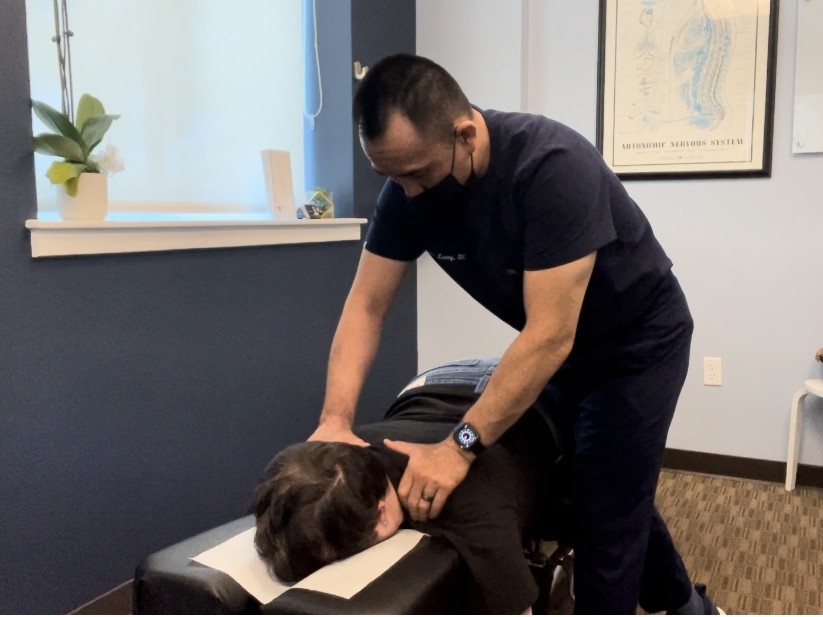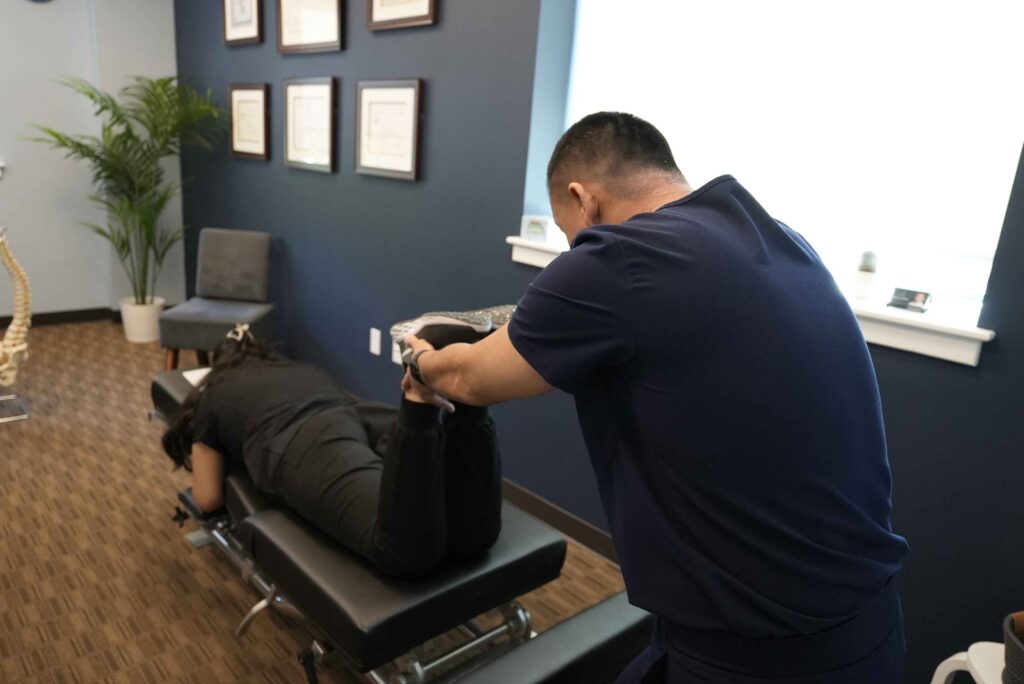
If you’re struggling with migraines and neck pain, you’re not alone—many individuals face these challenges. It can feel daunting to find effective relief, but there are practical strategies you can adopt to ease your discomfort naturally. One of the best approaches to consider is chiropractic care, which focuses on addressing the root causes of pain through spinal health and alignment.
Staying hydrated is crucial, as dehydration can contribute to both migraines and neck pain. Aim to drink plenty of water throughout the day to keep your body functioning optimally.
Next, consider incorporating gentle exercises and stretches into your daily routine. Not only does physical activity promote overall well-being, but specific neck and shoulder stretches can alleviate tension and improve mobility.
Additionally, maintaining good posture is essential. Poor posture can lead to increased strain on your neck and spine, exacerbating pain. Be mindful of how you sit, stand, and move throughout your day, especially when using electronic devices.
Regular chiropractic adjustments can also play a pivotal role in your recovery. By realigning the spine and relieving pressure on the nervous system, chiropractic care can help reduce the frequency and severity of migraines, as well as alleviate neck pain.
Lastly, consider incorporating relaxation techniques such as deep breathing, meditation, or yoga into your routine. These practices can help manage stress, which is often a trigger for migraines.
By embracing these simple yet effective strategies, you can take significant steps toward finding relief from migraines and neck pain. Remember, chiropractic care is a powerful tool in your journey to optimal health and wellness.
Stay Hydrated
When you’re dealing with migraines, staying hydrated is crucial for your overall health and well-being. Dehydration can often trigger migraines, making it essential to maintain adequate water intake. Aiming for at least eight glasses of water a day is a good start, but remember that everyone’s needs can vary. If you’re active or the weather is hot, you might need to drink even more.
In addition to plain water, consider adding hydration-rich foods to your diet, such as cucumbers, watermelon, and oranges. These not only help with hydration but also provide essential nutrients that support your body. Herbal teas are another fantastic option; they can be soothing and hydrating, making them a great choice to enjoy throughout the day.
Keeping a reusable water bottle with you is a simple yet effective way to remind yourself to drink more water regularly. Pay attention to your body’s signals—if you’re feeling thirsty, it’s a sign that you may already be dehydrated. It’s best to limit caffeine and alcohol, as these can further contribute to dehydration.
As a chiropractor, I can tell you that prioritizing hydration can’t only help reduce the frequency and severity of migraines but also support your spinal health and overall wellness.
When your body is well-hydrated, it can function more efficiently, which is essential for maintaining a healthy spine. By taking these hydration tips to heart, you’re making a proactive choice towards a more balanced and pain-free life.
Practice Relaxation Techniques
Staying hydrated is just one piece of the puzzle when it comes to managing migraines. As a chiropractor, I can tell you that practicing relaxation techniques can significantly help reduce stress, which is a common trigger for headaches. One effective technique is deep breathing exercises. These can calm both your mind and body.
Simply inhale slowly through your nose, hold your breath for a few seconds, and then exhale gently through your mouth. This practice can help lower tension in your spine and promote overall relaxation.
Meditation is another excellent method that can provide relief from stress. Even dedicating just a few minutes to mindfulness can make a difference. Find a quiet space, close your eyes, and concentrate on your breath or repeat a calming mantra.
This practice encourages a deeper connection to your body, which is vital for maintaining spinal health.
Don’t forget about the benefits of yoga! This gentle form of exercise combines movement with breath awareness and helps to release tension in your neck and shoulders, areas often affected by stress and poor posture.
Simple stretches can improve flexibility and promote better spinal alignment, which may alleviate pain and discomfort.
Incorporating these techniques into your daily routine can complement chiropractic care, helping you achieve optimal health and wellness naturally.
Apply Cold or Heat Therapy
Applying cold or heat therapy can be a valuable addition to your wellness routine, especially when it comes to alleviating migraine discomfort. Both methods can provide relief, and finding the right approach for you can enhance your overall health.
Here are some effective ways to incorporate cold and heat therapy into your self-care:
- Cold Compress: A cold pack or a bag of ice wrapped in a cloth can be soothing when placed on your forehead for about 15-20 minutes. This helps to numb the pain and reduce inflammation.
- Heating Pad: Placing a warm heating pad on your neck or shoulders can be beneficial in relieving tension. This warmth encourages blood flow and relaxes tight muscles, which may contribute to headaches.
- Warm Shower: Taking a warm shower or bath not only relaxes your muscles but also improves blood circulation. This can provide an immediate sense of relief and comfort.
- Ice Massage: You can gently massage your temples with an ice cube for quick relief. This localized cooling effect can help to alleviate headache symptoms.
- Contrast Therapy: Alternating between cold and heat can stimulate blood flow and reduce pain. Try switching between a cold compress and a warm heating pad to see what works best for you.
Remember, while these therapies can offer temporary relief, they aren’t a substitute for chiropractic care. Regular chiropractic adjustments can help address the underlying causes of migraines, improve spinal alignment, and promote overall wellness.
Listening to your body is key, so feel free to experiment with these methods and find what brings you the most comfort. Prioritize your health by exploring natural healing options, and consider chiropractic care as a vital part of your journey toward optimal health.
Maintain Good Posture
Maintaining good posture is crucial for preventing migraines, and as a chiropractor, I want to emphasize how important spinal alignment is for your overall health. Poor posture can create tension in your neck and shoulders, which can trigger those painful migraine episodes.
When you sit or stand, aim to have your ears aligned with your shoulders, and let your shoulders relax back. Keep your feet flat on the ground with your knees bent at a right angle. If you’re working at a desk, make sure to adjust your chair and monitor so that your neck isn’t strained.
It’s also important to take regular breaks throughout the day to stretch and check in with your posture. Slouching or leaning forward, particularly when using your phone or computer, can lead to discomfort. If you start to feel any tightness or pain, please adjust your position right away.
Consider looking into ergonomic furniture that promotes good posture, as it can be a great investment in your health.
By being mindful of your body alignment, you can significantly reduce muscle tension, which can help relieve migraine symptoms and enhance your overall well-being.
Remember, chiropractic care is an excellent way to support your spinal health and achieve optimal wellness. Regular adjustments can help keep your spine aligned, reducing tension and promoting a healthier lifestyle.
Take charge of your health today by focusing on good posture and considering chiropractic care as a key component of your wellness journey.
Incorporate Regular Exercise
Incorporating regular exercise can be a game changer for managing migraines, and as your local chiropractor, I want to emphasize how vital it’s for your overall health and wellness. Engaging in physical activities not only helps alleviate the frequency and intensity of headaches but also supports spinal health and enhances your body’s natural healing capabilities.
Whether it’s a brisk walk, gentle yoga, or a refreshing swim, finding activities you enjoy is essential for maintaining a consistent routine. Remember, regular movement encourages better circulation, reduces stress, and can promote a healthier spine—all factors that contribute to migraine relief.
As you explore different exercises, consider incorporating chiropractic care into your wellness routine. Regular chiropractic adjustments can help align your spine, improve your posture, and relieve tension, which may further reduce your susceptibility to migraines.
Here are a few tips to help you get started with regular exercise:
- Start Slow: If you’re new to exercise, begin with short sessions and gradually increase the duration and intensity.
- Stay Hydrated: Drink plenty of water before, during, and after your workouts to prevent dehydration, which can trigger migraines.
- Listen to Your Body: Pay attention to how your body responds to various activities. If something feels uncomfortable or triggers a headache, modify your approach.
- Make it Fun: Choose activities that you genuinely enjoy to keep your motivation high. Whether it’s dancing, hiking, or cycling, the enjoyment will make it easier to stick with your routine.
- Combine with Chiropractic Care: Consider regular visits to your chiropractor to ensure your spine is aligned and functioning optimally, supporting your exercise efforts and overall wellness.
Benefits of Exercise
As a local chiropractor, I want to share with you how regular exercise can play a significant role in managing migraines and promoting your overall health. While you may not think of exercise as a solution for migraines, incorporating it into your daily routine can offer numerous benefits that align perfectly with our goals of achieving optimal health through natural means.
Here’s how exercise can help you:
- Reduces stress and anxiety: Stress is a known trigger for migraines. Engaging in physical activity can help calm your mind and reduce anxiety, making it easier to manage those pesky headaches.
- Improves blood circulation: Better circulation can alleviate tension in your body, including the muscles around your neck and shoulders, which can often contribute to migraine pain.
- Boosts endorphins: Exercise naturally increases the production of endorphins, which act as your body’s natural painkillers. This can provide relief from migraine discomfort without the need for medications.
- Enhances sleep quality: Good sleep is crucial for preventing migraines. Regular physical activity can help you fall asleep faster and improve the overall quality of your rest, reducing the likelihood of future headaches.
- Strengthens neck and shoulder muscles: By incorporating exercises that target these areas, you can reduce pain and stiffness, which are common issues for many migraine sufferers.
In addition to these benefits, I encourage you to consider chiropractic care as a complementary approach to your exercise routine. Chiropractic adjustments can help align your spine and improve your body’s function, further enhancing your overall well-being and pain management.
Here are some tips to help you integrate exercise into your routine effectively:
- Start slow: If you’re new to exercise, begin with gentle activities like walking or stretching. Gradually increase the intensity as you feel more comfortable.
- Stay consistent: Aim for at least 30 minutes of moderate exercise most days of the week. Consistency is key in reaping the benefits.
- Focus on posture: Whether you’re exercising or going about your daily tasks, maintaining good posture can help prevent tension that may lead to migraines.
- Listen to your body: Pay attention to how your body responds to different activities. If something triggers a headache, it may be worth adjusting your routine.
- Combine with chiropractic care: Regular chiropractic visits can help ensure your spine is aligned, enhancing the benefits of your exercise routine.
By embracing a lifestyle that includes regular exercise and chiropractic care, you can take proactive steps toward reducing the frequency and intensity of migraines while promoting your overall health.
Types of Exercises
Finding the right types of exercises that suit your lifestyle can significantly impact your ability to manage migraines and promote overall wellness. As a chiropractor, I believe that movement is a vital component of natural healing. Low-impact activities like walking, swimming, or cycling are fantastic options because they’re gentle on your body and can help alleviate stress, which often triggers migraines.
Incorporating practices like yoga and Pilates can also be exceptionally beneficial. These exercises focus on stretching and relaxation, which can help reduce neck tension—a common issue for those who suffer from migraines.
Furthermore, moderate strength training can play a role in enhancing your overall physical health, but it’s crucial to approach it with care to avoid unnecessary strain.
Listening to your body is key. If you feel discomfort during any activity, it’s essential to take a step back. Finding a routine that you genuinely enjoy will keep you motivated and engaged in your health journey.
Remember, integrating movement into your daily life should feel good and uplifting. Chiropractic care can support this process by ensuring your spine is aligned and functioning optimally, helping your body respond better to physical activity.
Consistency Is Key
To effectively manage migraines, one of the best strategies is to incorporate regular exercise into your routine. Not only can physical activity help reduce the frequency and intensity of migraines, but it can also alleviate neck pain, which is often associated with these headaches.
Here are some practical tips to help you stay consistent with your exercise routine, while also considering the benefits of chiropractic care:
- Set a schedule: Designate specific days and times for your workouts. Just like your chiropractic appointments, consistency is key to seeing improvements in your health.
- Start small: If you’re new to exercise, begin with short, manageable sessions. Gradually increase the duration as your body adapts. This gentle approach aligns well with the principles of chiropractic care, which emphasizes gradual progress and natural healing.
- Mix it up: Variety is important to keep your routine engaging. Consider activities like walking, yoga, or swimming, all of which can complement the benefits of chiropractic adjustments by improving your overall flexibility and strength.
- Listen to your body: Pay close attention to how your body responds during and after exercise. If you notice any discomfort, it may be a good idea to consult your chiropractor, who can provide guidance on safe movements and techniques.
- Stay accountable: Share your health goals with a friend or consider joining a supportive group. This accountability can motivate you to stick with your routine and enhance the benefits of your chiropractic care.
By making exercise a regular part of your life and maintaining your chiropractic visits, you’ll be taking proactive steps towards a healthier, pain-free lifestyle.
Explore Dietary Adjustments
Making dietary adjustments can significantly influence your overall well-being, especially when it comes to managing migraines. As a local chiropractor, I encourage you to take a holistic approach to health, which includes paying attention to the foods you consume. Certain foods may trigger migraine symptoms, while others can help alleviate them.
To start, consider keeping a food diary. This can help you pinpoint potential triggers in your diet. Common culprits often include aged cheeses, processed meats, and alcohol. On the other hand, incorporating foods rich in magnesium, such as leafy greens, nuts, and seeds, might support your body in reducing the frequency of migraines.
Staying hydrated is also crucial since dehydration can lead to headaches. Aim for at least eight glasses of water a day, and consider that drinking enough fluids can contribute to your overall wellness.
Additionally, it’s important to eat regular meals and snacks to maintain stable blood sugar levels. Skipping meals can trigger migraines, so try to establish a routine that includes consistent meal times.
Some people find that moderate caffeine intake can provide relief during a migraine. However, it’s essential to consume it cautiously, as excessive caffeine can lead to the opposite effect.
By fine-tuning your diet and making these simple adjustments, you can create a more supportive environment for your body.
Consult With a Healthcare Professional
When it comes to managing your migraines, seeking the expertise of a chiropractor can be a game-changer. Chiropractic care focuses on the health of your spine and nervous system, which can play a significant role in alleviating migraine pain.
By addressing misalignments in the spine, chiropractors can help restore proper function and reduce stress on your nervous system, potentially leading to fewer and less intense migraine episodes.
During your visits, a chiropractor will work with you to identify any underlying issues that may be contributing to your discomfort. They’ll create a personalized treatment plan that may include spinal adjustments, lifestyle advice, and exercises to strengthen your body and promote overall wellness.
Additionally, regular chiropractic adjustments can help keep your body in balance, ensuring that your approach to managing migraines remains effective over time.
Here are some general tips to help manage migraines naturally:
- Stay Hydrated: Dehydration can trigger migraines, so make sure to drink plenty of water throughout the day.
- Maintain Good Posture: Poor posture can lead to tension in your neck and back, which may contribute to migraine headaches. Be mindful of your posture when sitting, standing, or working.
- Manage Stress: Stress is a common migraine trigger. Incorporate relaxation techniques like deep breathing, meditation, or yoga into your daily routine.
- Regular Exercise: Engaging in regular physical activity can help reduce the frequency and severity of migraines. Choose activities you enjoy, like walking, swimming, or cycling.
- Eat a Balanced Diet: Pay attention to your diet and note any foods that may trigger headaches. Eating regular, nutritious meals can help maintain stable blood sugar levels.
By incorporating these tips and working with a chiropractor, you can take significant steps toward managing your migraines naturally and improving your overall well-being.
Identify Underlying Conditions
Identifying underlying conditions that may contribute to your migraines is essential for finding effective relief, and chiropractic care can play a crucial role in this process. By consulting with a chiropractor, you can uncover potential issues that may be triggering your migraines, leading to better management and overall wellness.
Here are some common conditions to consider:
- Cervical spine problems: Misalignments in the neck can often trigger migraines. Chiropractic adjustments can help realign the spine, relieving tension and reducing migraine frequency.
- Hormonal imbalances: Changes in hormones can lead to more frequent migraines. While chiropractic care may not directly address hormonal levels, maintaining a well-aligned spine can support your body’s overall function, helping to balance your system naturally.
- Sleep disorders: Conditions like sleep apnea can make migraines worse. By improving spinal alignment, chiropractic care can help enhance your sleep quality and potentially reduce migraine occurrences.
- Medication overuse: Relying on pain relievers can lead to rebound headaches. Chiropractic offers a natural approach to pain management, helping you find relief without the need for medications.
- Stress and anxiety: Mental health plays a significant role in migraine occurrences. Chiropractic adjustments can help reduce stress levels by promoting relaxation and improving your body’s overall function.
General Tips for Managing Migraines:
- Stay hydrated and maintain a balanced diet to support your overall health.
- Incorporate regular physical activity, such as walking or stretching, to relieve tension.
- Practice relaxation techniques, like deep breathing or meditation, to reduce stress.
- Keep a migraine diary to track triggers and patterns, which can be useful when discussing with your chiropractor.
By focusing on natural healing and optimal spinal health, chiropractic care can be an effective choice for managing migraines and enhancing your overall wellness.
Tailored Treatment Plans
To effectively manage migraines, it’s essential to consult a healthcare professional who understands the benefits of chiropractic care. Each person’s experience with migraines is unique, and a personalized approach can significantly enhance your well-being.
As a chiropractor, I believe that addressing spinal health is crucial in managing migraines, as misalignments in the spine can contribute to tension and discomfort.
When you visit a chiropractor, we’ll evaluate factors such as the frequency, intensity, and triggers of your migraines, alongside any neck pain you may be experiencing. Through gentle adjustments and spinal manipulation, we can help restore proper alignment, which may alleviate pressure on nerves and muscles, ultimately reducing the frequency and severity of your migraines.
In addition to chiropractic adjustments, there are several lifestyle changes and natural therapies we can explore together. For instance, practicing good posture, staying hydrated, and incorporating regular exercise into your routine can all play a role in reducing migraine occurrences.
Consider keeping a migraine diary to track your symptoms and identify patterns, which can be helpful for us to create the most effective plan for you.
It’s important to communicate openly about your symptoms during our sessions, as this information is vital for tailoring your treatment.
Remember, the goal is to minimize your pain and improve your quality of life naturally. By working together and focusing on spinal health, we can find the best solutions for your migraine relief without the need for medications or invasive procedures.
Your journey to optimal health starts here!
Ongoing Monitoring Strategies
As you journey through managing your migraines, it’s important to consider ongoing monitoring not only for tracking your symptoms but also for exploring holistic approaches to support your health.
Partnering with a healthcare professional can greatly enhance your experience, allowing for personalized strategies that align with your wellness goals. Here are some chiropractic-focused strategies to consider during your consultations:
- Maintain a migraine diary: Keep track of when your migraines occur, how long they last, and their intensity. This can help identify patterns and potential triggers related to spinal alignment or posture.
- Discuss any changes in your symptoms: Open communication about new triggers or changes in your condition can help your chiropractor tailor your care to better support your body’s needs.
- Evaluate chiropractic adjustments: Regular chiropractic care can improve spinal function, potentially reducing the frequency and severity of your migraines. Discuss how your adjustments are impacting your overall comfort and wellbeing.
- Incorporate lifestyle modifications: Simple changes such as improving your posture, staying hydrated, and incorporating regular physical activity can complement your chiropractic care and enhance your quality of life.
- Stay informed about natural therapies: Explore various chiropractic techniques, such as spinal manipulation and soft tissue therapies, which can promote natural healing and pain relief without the need for medications.
By focusing on these strategies, you can work towards a healthier, migraine-free life while embracing the benefits of chiropractic care.
Conclusion
By embracing these seven tips, you can make significant strides towards alleviating migraines and neck pain naturally, with chiropractic care at the forefront of your journey to optimal health. Staying well-hydrated is essential; water helps keep your body functioning at its best. Practicing relaxation techniques, such as deep breathing or meditation, can help ease tension in your neck and reduce the frequency of migraines.
Maintaining good posture is crucial for spinal health. Poor posture can lead to neck strain, which can exacerbate pain and trigger migraines. Chiropractic care focuses on realigning your spine and improving posture, helping to relieve pain at its source. Regular exercise, such as gentle stretching or walking, also contributes to overall wellness and can help keep your spine healthy.
Dietary adjustments can play a significant role in managing migraines. Keeping a food diary to identify potential triggers can be beneficial. Remember, working with a chiropractor can provide you with personalized strategies to enhance your diet and lifestyle.
Don’t hesitate to consult with a chiropractor for tailored advice and treatment options. Chiropractic care not only addresses pain but also promotes natural healing and overall wellness. Remember, managing your health is a journey, and these practices can empower you to feel more in control and improve your quality of life without the need for medications or surgeries. Embrace these tips, and consider chiropractic care as a vital part of your wellness routine!