Throughout history, people have sought various methods for headache relief, and many of these ancient practices can still inform our understanding of health and wellness today. From herbal remedies used by ancient civilizations to techniques like bloodletting in medieval times, each culture contributed unique beliefs and practices that shaped how headaches were perceived and treated.
As you explore these historical insights, you’ll discover that the journey of understanding pain has evolved significantly. Interestingly, many of these age-old remedies laid the groundwork for the natural approaches we champion today, particularly through chiropractic care.
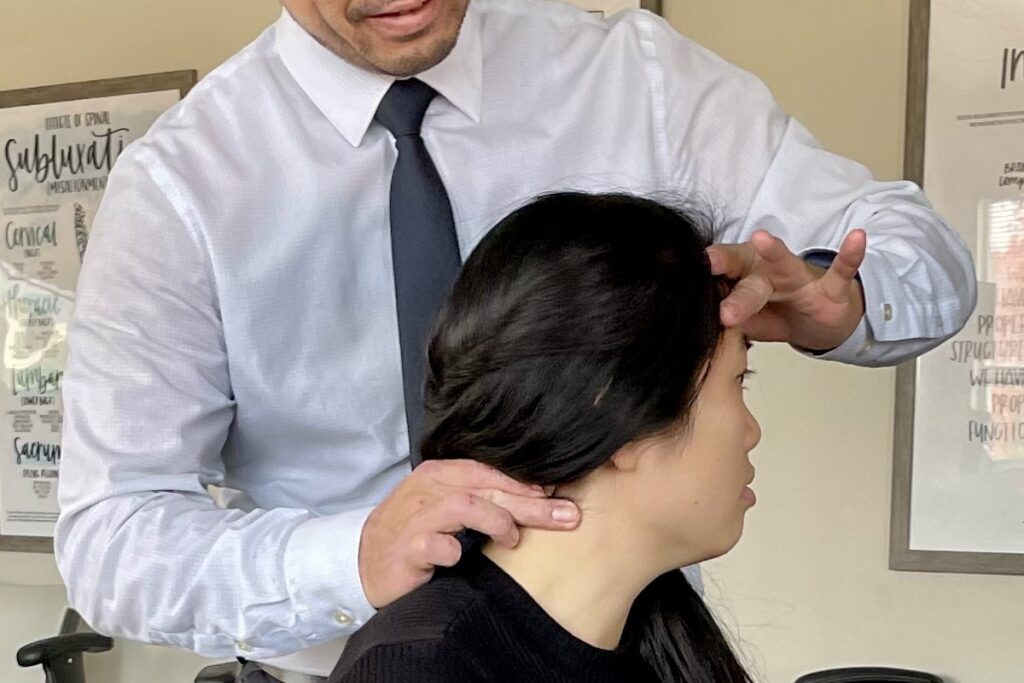
Chiropractic care focuses on the health of your spine and nervous system, which plays a crucial role in overall wellness. Misalignments in the spine can lead to tension and pain, including headaches. By addressing these issues through spinal adjustments, chiropractic care not only relieves headaches but also promotes better health overall.
Here are a few tips and tricks you can incorporate into your daily life for natural headache relief:
- Stay Hydrated: Dehydration is a common trigger for headaches. Make sure to drink plenty of water throughout the day.
- Posture Matters: Poor posture can lead to tension in your neck and shoulders, contributing to headaches. Be mindful of your posture, especially if you spend long hours at a desk.
- Regular Chiropractic Check-Ups: By visiting a chiropractor regularly, you can maintain spinal health, which may help prevent headaches before they start.
- Stress Management: High stress levels can lead to tension headaches. Incorporate relaxation techniques such as deep breathing, meditation, or yoga into your routine.
- Sleep Well: Ensure you’re getting adequate and quality sleep, as poor sleep can be a significant headache trigger.
By embracing these simple yet effective strategies and prioritizing chiropractic care, you can take significant steps towards achieving optimal health and reducing headaches naturally. Remember, your spine is the foundation of your health—taking care of it can lead to a happier, healthier life!
Key Takeaways
Headaches have been a common ailment throughout history, and different cultures have developed various remedies to provide relief. Ancient practices often turned to natural solutions like feverfew and peppermint, which were used not just to alleviate symptoms but to promote overall wellness. While these remedies focused on symptom relief, they laid the groundwork for understanding the importance of holistic health.
In medieval times, bloodletting was a popular method believed to balance the body’s humors to relieve headaches. This reflects a historical perspective on health that we now know can often be better addressed through natural methods. Today, we understand that headaches can often be linked to spinal health and overall wellness.
Herbal treatments like chamomile tea and ginger have been cherished for their soothing properties. These natural remedies highlight a longstanding reliance on gentle, holistic approaches to health. However, modern advancements in our understanding of pain relief have shown that addressing the root causes of headaches, especially those related to spinal alignment, can lead to lasting relief.
As a chiropractor, I believe that spinal health plays a critical role in how our bodies respond to pain, including headaches. By focusing on proper alignment and function of the spine, we can help alleviate tension and pressure that may contribute to headache pain. This approach not only provides immediate relief but also promotes long-term health and wellness.
Cultural perceptions of headaches have varied, with some societies embracing natural remedies while others attributed headaches to spiritual imbalances. Regardless of cultural beliefs, the importance of a healthy spine remains universal.
Here are some helpful tips to manage headaches naturally:
- Stay Hydrated: Dehydration can lead to headaches, so drink plenty of water throughout the day.
- Practice Good Posture: Maintaining proper posture, especially during long periods of sitting, can prevent tension headaches.
- Incorporate Regular Chiropractic Care: Regular adjustments can help keep your spine aligned, reducing the frequency and intensity of headaches.
- Use Relaxation Techniques: Stress management techniques such as deep breathing, yoga, or meditation can help alleviate headache triggers.
- Get Enough Sleep: Ensure you are getting restful sleep to help your body recover and function optimally.
By focusing on natural healing through chiropractic care and these wellness tips, you can work towards not just managing headaches but achieving overall optimal health.
Ancient Remedies: Herbal Treatments for Headaches
When you’re seeking relief from a headache, incorporating chiropractic care into your routine can be a game changer. Many people have found that spinal adjustments and therapies provided by chiropractors can significantly alleviate headache pain and improve overall wellness.
By addressing the root cause of headaches—often related to tension in the neck and spine—chiropractic care offers a natural alternative to modern pharmaceuticals.
In addition to chiropractic adjustments, exploring ancient herbal remedies can complement your wellness journey. For instance, feverfew has long been recognized for its potential to reduce migraine frequency. Ginger is another great option; its anti-inflammatory properties can also ease nausea that sometimes accompanies headaches.
You might also consider using peppermint oil—its menthol content can provide a cooling sensation and enhance circulation when applied to your temples. Just remember to massage it gently for the best effect.
Additionally, chamomile tea can be a soothing choice, promoting relaxation and potentially easing tension headaches.
To further support your health, make sure to maintain good posture, stay hydrated, and manage stress through techniques like deep breathing or yoga. Always consult with your chiropractor or a healthcare professional before trying new remedies or making significant changes, especially if you’re pregnant or have existing health conditions.
The Role of Spirituality in Pain Relief
While many people seek physical therapies for headache relief, incorporating a spiritual approach can also be beneficial in managing pain. Connecting with your spiritual side offers a holistic way to enhance your overall wellness. Simple practices like meditation, prayer, or mindfulness can foster a sense of peace and help lower stress and tension, which are often triggers for headaches.
Engaging in spiritual rituals or seeking support from your community can provide valuable insights into your pain, shifting your focus from discomfort to a deeper sense of purpose or acceptance. This shift can enhance your emotional resilience, which is important for overall health.
In addition to these spiritual practices, I recommend considering chiropractic care as a natural and effective way to address headaches. Chiropractic adjustments can help align your spine, reducing tension in the nervous system, which may alleviate headache pain.
Here are some tips to incorporate alongside chiropractic care for better headache management:
- Stay Hydrated: Dehydration can trigger headaches. Ensure you drink plenty of water throughout the day.
- Practice Good Posture: Poor posture can strain your neck and back, leading to tension headaches. Be mindful of your posture, especially when sitting for long periods.
- Incorporate Relaxation Techniques: Regularly practicing relaxation techniques, such as deep breathing exercises, can help manage stress levels.
- Get Enough Sleep: Aim for 7-9 hours of quality sleep each night to help your body recover and manage pain better.
- Stay Active: Regular physical activity can improve overall health and reduce the frequency of headaches.
Greco-Roman Contributions to Headache Understanding
Understanding headaches has come a long way, and it’s interesting to note how ancient Greco-Roman scholars laid the groundwork for our current understanding of this common issue. Figures like Hippocrates and Galen looked at headaches through the lens of balance within the body, believing they were caused by imbalances in bodily fluids known as the four humors: blood, phlegm, black bile, and yellow bile. This focus on balance is something we still carry forward in health practices today.
They didn’t just stop at causes; they also documented different types of headaches and how lifestyle factors like diet and stress played a role. This early observation encouraged a more systematic approach to headaches, allowing future generations to build upon their insights.
As a chiropractor, I want to emphasize that understanding the underlying causes of headaches can help you manage them naturally. Simple changes in your lifestyle, such as staying hydrated, maintaining a balanced diet, and managing stress through techniques like yoga or meditation, can greatly improve your overall well-being.
Chiropractic care focuses on aligning your spine and improving your nervous system function, which can lead to significant relief from headaches. Regular adjustments can help reduce tension and improve circulation, making it a natural way to alleviate pain and promote better health.
Medieval Practices: Bloodletting and Beyond
In medieval times, bloodletting was a common practice for treating headaches, thought to balance the body’s humors. While these historical methods may seem outdated, they reflect a time when people were searching for ways to alleviate pain.
Today, we know that a more holistic approach, like chiropractic care, is a natural and effective way to address headaches and other pain issues. Chiropractic care focuses on the health of your spine and nervous system, which can significantly impact how your body feels.
Instead of relying on bloodletting or other outdated techniques, modern chiropractic practices aim to realign the spine, reduce tension, and improve overall wellness, helping to relieve headaches at their source.
In addition to chiropractic adjustments, there are simple tips you can incorporate into your daily routine to enhance your well-being. Staying hydrated, practicing good posture, and engaging in regular physical activity can all contribute to reducing headache frequency and intensity.
Additionally, incorporating relaxation techniques like deep breathing or gentle stretching can help ease tension in the body.
Bloodletting Techniques Explained
While bloodletting may seem outdated now, it offers an interesting glimpse into the evolution of health practices. In the past, people believed that removing blood could help restore balance and alleviate issues like headaches and fevers. Techniques such as venesection and cupping were employed, along with the use of leeches, to draw blood and supposedly relieve ailments.
Today, we understand that the body has its own incredible ability to heal and maintain balance. Chiropractic care focuses on natural healing methods that promote optimal health without the need for invasive procedures or medications. By aligning the spine and ensuring proper nerve function, chiropractic adjustments can alleviate pain, improve mobility, and enhance overall wellness.
If you’re seeking relief from discomfort or looking to boost your health naturally, consider these tips:
- Stay Active: Regular movement, whether through walking, stretching, or targeted exercises, can keep your spine healthy and reduce tension.
- Maintain Good Posture: Be mindful of your posture while sitting or standing. Good posture supports spinal alignment and reduces strain on your back.
- Practice Relaxation Techniques: Stress can impact your overall health. Consider incorporating deep breathing, meditation, or yoga into your routine to promote relaxation.
- Stay Hydrated: Drinking plenty of water supports overall health and can help maintain the elasticity of your spinal discs.
- Schedule Regular Chiropractic Visits: Regular check-ups with a chiropractor can help keep your spine aligned and your body functioning at its best.
By embracing natural healing through chiropractic care, you can achieve optimal health and wellness without the complications of traditional medical practices.
Herbal Remedies in Use
Chiropractic care is a vital component of achieving optimal health and natural healing, especially when it comes to managing headaches. While herbal remedies have played a significant role in headache relief throughout history, I believe that chiropractic adjustments offer a more immediate and effective solution.
Historically, herbs like feverfew and peppermint were popular for easing pain, and many people brewed teas or created poultices from these plants. While these natural options can be soothing, they often provide temporary relief. In contrast, chiropractic care addresses the root causes of headaches by improving spinal alignment and function, which can lead to lasting pain relief.
Another interesting aspect of headache management is the traditional use of willow bark, known for its salicin content, which foreshadowed modern pain relief methods. However, chiropractic adjustments can help alleviate tension in the neck and spine, reducing the frequency and intensity of headaches without the need for herbal remedies or medications.
In addition to chiropractic care, there are simple, proactive steps you can take to enhance your well-being and minimize headaches. Staying hydrated, maintaining good posture, and incorporating regular stretching into your daily routine can be beneficial.
Also, consider keeping a headache diary to identify potential triggers, which can help you make informed lifestyle choices.
The Rise of Folk Medicine and Home Remedies
As more individuals seek alternatives to conventional medicine, the resurgence of folk remedies and home treatments for headaches has become increasingly popular. You may have noticed friends or family exploring methods that have been passed down through generations, such as essential oils, acupressure, or herbal infusions.
While these techniques often focus on natural ingredients, I want to emphasize the importance of chiropractic care as a primary option for achieving pain relief and overall wellness. Chiropractic care not only addresses headaches at their source, often related to spinal alignment and tension in the neck and upper back, but it also promotes a healthier lifestyle.
Simple practices, like maintaining proper posture and regular spinal adjustments, can significantly reduce headache frequency and intensity. You might also find relief from common practices such as applying a cool compress or staying hydrated, but remember that chiropractic adjustments can help optimize your body’s function and enhance your natural healing process.
Many people find that incorporating mindfulness practices, such as deep breathing or gentle stretching, can complement their chiropractic care. These approaches aren’t just about alleviating pain; they focus on fostering holistic wellness.
As you explore these options, keep in mind that individual experiences vary, and chiropractic care can offer tailored solutions that address your unique needs.
The 19th Century: Birth of Modern Pharmacology
As you explore headache relief techniques, it’s important to recognize that the 19th century marked a significant turning point in our understanding of pain management. This era saw the development of new analgesics, inspired by traditional herbal remedies, which paved the way for more effective treatments.
However, as a chiropractor, I want to emphasize the importance of exploring natural approaches to pain relief, such as chiropractic care. Chiropractic care focuses on the spine and its connection to overall health. By addressing misalignments in the spine, we can help alleviate headaches and promote wellness without relying on medications or invasive procedures.
Here are some tips to consider for natural headache relief:
- Posture Awareness: Pay attention to your posture throughout the day. Poor posture can lead to tension in the neck and shoulders, which can trigger headaches. Make sure your workspace is ergonomically friendly.
- Stay Hydrated: Dehydration can contribute to headaches, so make sure you’re drinking enough water throughout the day.
- Regular Exercise: Incorporating regular physical activity can help reduce stress and tension, which are common headache triggers. Even a short walk can be beneficial.
- Manage Stress: Practice relaxation techniques such as deep breathing, meditation, or yoga. These practices can help calm your mind and reduce headache frequency.
- Schedule Regular Chiropractic Visits: Regular adjustments can help maintain spinal health and reduce the occurrence of headaches. Your chiropractor can create a personalized plan tailored to your needs.
By focusing on these natural methods and prioritizing chiropractic care, you can achieve optimal health and find relief from headaches effectively.
Early Pain Relief Methods
While headaches have troubled people for centuries, the 19th century was a key turning point in how we approached pain relief. During this time, a variety of remedies were used to help ease discomfort, as the understanding of health and wellness began to evolve. Although many of these methods have historical significance, it’s important to focus on natural healing and the benefits of chiropractic care for effective pain relief today.
Chiropractic care is a holistic approach that addresses the root causes of pain, including headaches, by focusing on spinal health. Here’s a look at some early pain relief methods and how they relate to modern chiropractic care:
| Method | Ingredients/Approach | Purpose |
|---|---|---|
| Herbal Remedies | Willow bark, Chamomile | Anti-inflammatory effects |
| Bloodletting | Blood removal | Aimed to balance bodily humors |
| Cold Compresses | Ice or cool cloths | Numbing and reducing swelling |
| Opium | Poppy extracts | Sedation and temporary relief |
| Caffeine | Tea or coffee | Helps constrict blood vessels |
While these historical methods had their time, today’s focus is on natural wellness that promotes long-term health. Here are some tips to help you manage headaches and enhance your overall well-being:
- Stay Hydrated: Dehydration can lead to headaches. Ensure you drink plenty of water throughout the day.
- Practice Good Posture: Poor posture can strain your neck and spine, leading to tension headaches. Be mindful of your posture, especially if you sit for long periods.
- Regular Chiropractic Adjustments: Regular visits to a chiropractor can help align your spine, relieve tension, and reduce the frequency of headaches.
- Manage Stress: Incorporate relaxation techniques like deep breathing, yoga, or meditation to reduce stress and tension that may trigger headaches.
- Get Enough Sleep: Aim for 7-9 hours of quality sleep each night to help your body recover and reduce headache occurrences.
Development of Analgesics
The 19th century marked a pivotal moment in how we began to understand and address pain management, a journey that continues to evolve today. During this time, powerful compounds like morphine were introduced, providing relief for various types of pain, including headaches.
However, as we look for natural and effective ways to manage pain, it’s essential to recognize that there are alternatives to medications.
Chiropractic care stands out as a holistic approach to pain relief and overall wellness. By focusing on spinal health and alignment, chiropractors can help alleviate discomfort without the need for drugs or invasive procedures. This natural method encourages the body’s innate ability to heal itself, promoting a healthier lifestyle.
In addition to chiropractic adjustments, there are simple tips you can incorporate into your daily routine to enhance your well-being. Regular exercise, proper hydration, and maintaining good posture can significantly impact your overall health and help prevent pain.
Stretching, especially for the back and neck, can also be beneficial in easing tension and discomfort.
As we continue to explore ways to improve our health, remember that chiropractic care offers a safe and effective solution for pain relief and wellness. Embracing this natural path can lead to a more vibrant and pain-free life, aligning with our body’s natural healing processes.
Making informed choices about your health, like prioritizing chiropractic care, can lead to a lasting improvement in your quality of life.
Influence of Herbal Remedies
During the 19th century, as modern pharmacology began to take shape, many people still turned to herbal remedies for pain management and overall health care. Even back then, practitioners recognized the value of nature in providing relief, especially for headaches. Some well-known herbs, such as willow bark and feverfew, played an important role in these treatments, highlighting their effectiveness.
Here’s a look at some herbal remedies that were popular for headache relief during that time, along with tips on how to incorporate natural wellness into your life:
| Herb | Use in Headache Relief |
|---|---|
| Willow Bark | Known for its pain-relieving and anti-inflammatory properties, willow bark has been used for centuries to help alleviate pain. |
| Feverfew | This herb is particularly effective in reducing the frequency of migraines. Regular use may help keep headaches at bay. |
| Peppermint | Peppermint oil can be soothing when applied topically to the temples or inhaled for tension headaches. |
| Chamomile | Known for its calming effects, chamomile tea can help soothe nerves and promote restful sleep, which is essential for headache prevention. |
While these herbal remedies have their place, it’s essential to remember that chiropractic care is a powerful and natural way to address pain, including headaches. By focusing on spinal health and alignment, chiropractic adjustments can relieve tension and improve overall well-being.
Here are some general tips for maintaining a headache-free lifestyle:
- Stay Hydrated: Dehydration can trigger headaches, so drink plenty of water throughout the day.
- Practice Good Posture: Poor posture can lead to tension in your neck and shoulders, contributing to headaches. Make adjustments to your work setup and be mindful of your posture.
- Manage Stress: Incorporate relaxation techniques such as deep breathing, meditation, or yoga into your daily routine to help manage stress levels.
- Regular Chiropractic Care: Regular visits to your chiropractor can help maintain spinal health, reduce tension, and promote overall wellness.
Incorporating these practices into your routine can lead to a healthier, more balanced life, and chiropractic care can be a vital part of your journey toward optimal health. Remember, taking a natural approach to wellness not only helps with pain relief but also supports your body’s ability to heal itself.
The Influence of Culture on Headache Perception
Cultural background plays a significant role in how individuals perceive and manage headaches, and understanding this can help you find effective relief. In some cultures, headaches may be seen as a sign of a spiritual imbalance, while others might consider them strictly physical issues. This perspective influences how you might approach treatment options.
For example, many communities prefer natural remedies and rituals, which align well with chiropractic care. Chiropractic adjustments focus on restoring proper alignment in your spine, which can alleviate headache pain by relieving tension and improving overall body function. Embracing natural healing methods, such as chiropractic, can be a powerful way to address headaches without relying on medications.
Moreover, societal attitudes toward pain can also affect how you handle your headaches. In cultures that prioritize endurance, you might feel compelled to suffer in silence. However, more expressive societies often encourage open communication about discomfort. No matter your cultural background, it’s important to understand that seeking help for headaches is a sign of strength, and chiropractic care is a proactive step towards managing your pain.
In essence, your cultural context can shape your understanding of headaches and the types of treatments you consider. By recognizing this, you can enhance your approach to managing headaches naturally.
Here are some tips to consider:
- Stay Hydrated: Dehydration can lead to headaches, so make sure you drink plenty of water throughout the day.
- Regular Chiropractic Visits: Regular adjustments can help keep your spine aligned and reduce tension that may contribute to headaches.
- Practice Relaxation Techniques: Incorporate practices like yoga or meditation to manage stress, which can also trigger headaches.
- Maintain Good Posture: Pay attention to your posture at work or while using your phone, as poor alignment can lead to tension headaches.
- Get Adequate Sleep: Aim for a consistent sleep schedule, as lack of sleep can increase headache frequency.
Technological Advances in the 20th Century
Understanding how culture influences headache perception can help us explore important developments in health and wellness, particularly in how we manage pain naturally. In the 20th century, while there were advancements in headache treatments, it’s essential to recognize that chiropractic care has emerged as a powerful, natural approach to headache relief.
Chiropractic care focuses on the spine and its role in overall health. Misalignments in the spine can lead to tension and discomfort, contributing to headaches. By visiting a chiropractor, you can receive adjustments that help realign your spine, alleviating pressure, and promoting better function in your nervous system.
While over-the-counter medications like aspirin and ibuprofen may provide quick relief for some, they often mask the symptoms without addressing the underlying issues. Chiropractic care, on the other hand, aims to identify and treat the root causes of your headaches, leading to longer-lasting relief.
Additionally, advancements in understanding the body, such as recognizing the importance of posture and ergonomics, play a crucial role in preventing headaches. Simple changes in your daily routine—like maintaining good posture while sitting, taking regular breaks to stretch, and staying hydrated—can significantly reduce the frequency and severity of headaches.
Incorporating relaxation techniques and stress management strategies, often taught in chiropractic care, can also help you manage headaches effectively. Techniques such as deep breathing, gentle stretching, and mindfulness can empower you to take control of your health naturally.
Contemporary Approaches: Integrating History With Modern Science
As you seek relief from headaches, it’s important to consider how chiropractic care can play a vital role in your overall wellness. By integrating historical practices with modern chiropractic techniques, you can enhance your approach to managing headaches naturally.
Many individuals find that traditional methods, such as acupuncture and herbal remedies, work well alongside chiropractic adjustments. Understanding the principles behind these holistic practices can help you create a more comprehensive pain management plan.
For instance, chiropractic care focuses on aligning the spine and promoting optimal nervous system function, which can significantly reduce headache frequency and intensity. Additionally, techniques rooted in mindfulness and stress reduction—practices that go back centuries—are now backed by research showing their effectiveness in relieving tension headaches. Incorporating simple mindfulness exercises into your daily routine can help ease stress, which is often a trigger for headaches.
Another valuable tool is biofeedback, a technique that helps you become more aware of your body’s responses. This can empower you to manage tension and stress, both common contributors to headaches. By working hand-in-hand with your chiropractor, you can learn to recognize and respond to these triggers more effectively.
Here are some practical tips you can implement today:
- Maintain good posture throughout your daily activities to reduce spinal strain.
- Stay hydrated, as dehydration can lead to headaches.
- Practice relaxation techniques, like deep breathing or gentle stretching, to alleviate tension.
- Schedule regular chiropractic visits to keep your spine aligned and your nervous system functioning optimally.
By embracing chiropractic care and these holistic practices, you can take significant steps towards achieving optimal health and enjoying a headache-free life.
Conclusion
As a local chiropractor, it’s fascinating to look back at the historical techniques used for headache relief and see how they align with our understanding of pain management today. From ancient herbal remedies to the insights gained through modern science, each era has contributed valuable knowledge on how to alleviate discomfort.
Today, we know that chiropractic care plays a crucial role in addressing headaches and promoting overall wellness. By focusing on spinal health and alignment, we can help alleviate tension that often leads to headaches. This natural approach not only targets the source of the pain but also encourages the body’s ability to heal itself.
Incorporating techniques from both traditional practices and contemporary methods, chiropractic care offers effective relief without the need for medications or invasive procedures. By prioritizing holistic care, we can tackle headaches and improve your overall well-being.
Here are some general tips to help manage headaches naturally:
- Stay Hydrated: Dehydration can often trigger headaches. Make sure to drink plenty of water throughout the day.
- Maintain Good Posture: Poor posture can strain your neck and spine, leading to tension headaches. Be mindful of your posture, especially when sitting for long periods.
- Regular Chiropractic Adjustments: Regular visits to a chiropractor can help maintain spinal alignment, reduce tension, and prevent headaches from recurring.
- Practice Relaxation Techniques: Stress can be a major headache trigger. Consider incorporating relaxation methods such as deep breathing, meditation, or gentle yoga into your routine.
- Get Enough Sleep: Lack of sleep can contribute to headaches. Aim for a consistent sleep schedule and create a restful environment.
By integrating these lifestyle adjustments with chiropractic care, you can effectively manage headaches and enhance your overall health. Remember, your journey to wellness is a collaborative effort, and I’m here to support you every step of the way!