If you’ve been living with chronic back pain, sciatica, or a herniated disc, you’ve probably heard the term “spinal decompression” come up at some point. Maybe a friend mentioned it, or you stumbled across it while searching for relief options online. Either way, it’s a topic worth understanding deeply — because for many people dealing with debilitating spinal conditions, it can be a genuine turning point. Here at Resilience Chiropractic in San Leandro, CA, Dr. Ernest Luong works with patients every week who are searching for non-surgical, drug-free solutions to persistent spine-related pain. This article is designed to walk you through exactly how spinal decompression works, who it may help, and what you can realistically expect from this approach to care.
What Is Spinal Decompression?
Spinal decompression is a therapeutic technique designed to gently relieve pressure on the spinal discs and surrounding nerves. It works by creating a controlled, negative pressure within the disc space, which may encourage displaced disc material to retract and allow nutrients and fluids to flow back into the disc. In simple terms, it takes stress off the structures in your spine that are causing pain.
- How Spinal Decompression Works
- Conditions That May Benefit
- Manual vs. Mechanical Decompression
- How Chiropractic Care Fits In
- Practical Tips to Support Your Recovery
- When to See a Chiropractor for Spinal Decompression
- Spinal Decompression at a Glance
- Myths vs. Facts About Spinal Decompression
- Final Thoughts from Resilience Chiropractic
How Spinal Decompression Works
To truly appreciate how spinal decompression can help, it’s helpful to first understand what’s happening inside your spine when something goes wrong. Your spine is made up of vertebrae — the bony building blocks — separated by soft, gel-like discs that act as shock absorbers. These discs are under constant load throughout the day, whether you’re sitting, standing, or lifting. Over time, poor posture, repetitive stress, injury, or simply the aging process can cause those discs to lose height, bulge outward, or herniate — meaning the soft inner material pushes against surrounding nerves.
When a disc is compressed or damaged, it can place significant pressure on the nearby spinal nerves. This is what creates the sharp, radiating, or burning sensations many patients describe. Nerve compression can also cause weakness, numbness, and that frustrating sense of limited mobility that makes everyday tasks feel difficult.
Spinal decompression therapy works by applying a carefully controlled traction force to the spine. During a mechanical decompression session, you’re comfortably positioned on a specialized table that gently stretches and releases the spine in a slow, rhythmic pattern. This intermittent distraction creates a subtle negative pressure — almost like a vacuum effect — inside the affected disc. Research suggests this negative intradiscal pressure may help retract bulging disc material away from the nerve, restore disc height over time, and improve the flow of oxygen, water, and nutrients back into the disc tissue.
This is not a violent or aggressive process. One of the most important things Dr. Ernest Luong emphasizes to patients at Resilience Chiropractic is that decompression should feel comfortable — even relaxing — during a session. The force used is specific to each individual and is never applied in a way that causes pain.
Conditions That May Benefit from Spinal Decompression
Spinal decompression isn’t a one-size-fits-all fix, but evidence indicates it may offer meaningful relief for a fairly broad range of spinal conditions. Understanding which conditions respond well can help you determine whether this approach is worth exploring with a qualified chiropractor.
Herniated or Bulging Discs: This is one of the most common reasons patients at Resilience Chiropractic in San Leandro seek out spinal decompression therapy. When disc material has migrated outside its normal boundary, it can press on nerve roots and cause intense local or radiating pain. Decompression may help encourage that material to retract.
Sciatica: Sciatica refers to pain that travels along the sciatic nerve, often starting in the lower back and shooting down through the buttock and into the leg. It’s frequently caused by disc herniation or compression at the lumbar spine. By reducing that compression, spinal decompression can help ease sciatic nerve irritation.
Degenerative Disc Disease: As discs lose hydration and height over time, the spaces between vertebrae narrow, increasing the likelihood of nerve compression and joint stress. Decompression may help restore some disc height and reduce the mechanical load contributing to pain.
Spinal Stenosis: This condition involves narrowing of the spinal canal, which can place pressure on the spinal cord or nerve roots. Gentle decompression may provide relief in certain presentations, though a thorough evaluation is always recommended first.
Facet Syndrome and Posterior Joint Pain: The facet joints at the back of the spine can become compressed and inflamed over time. Distraction-based decompression techniques can reduce the loading on these joints and provide relief.
Manual vs. Mechanical Decompression: What’s the Difference?
When people hear “spinal decompression,” they sometimes think only of the motorized traction tables they’ve seen advertised online. But it’s worth knowing that decompression can be applied in more than one way, and both have a place in thoughtful chiropractic care.
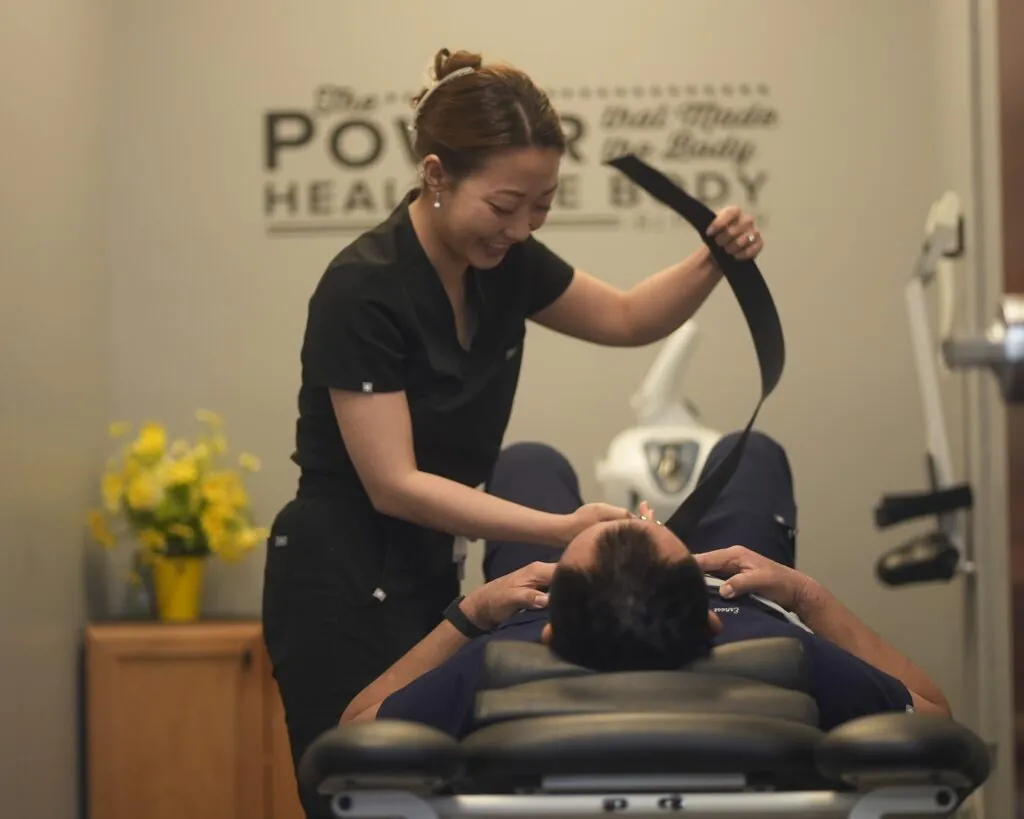
Mechanical Decompression uses a computer-controlled table that delivers precise, calibrated traction forces to specific spinal segments. The patient is secured comfortably, and the table gently separates the vertebrae in a controlled cycle. The precision of this approach allows the chiropractor to target specific levels of the spine and adjust force based on the patient’s response.
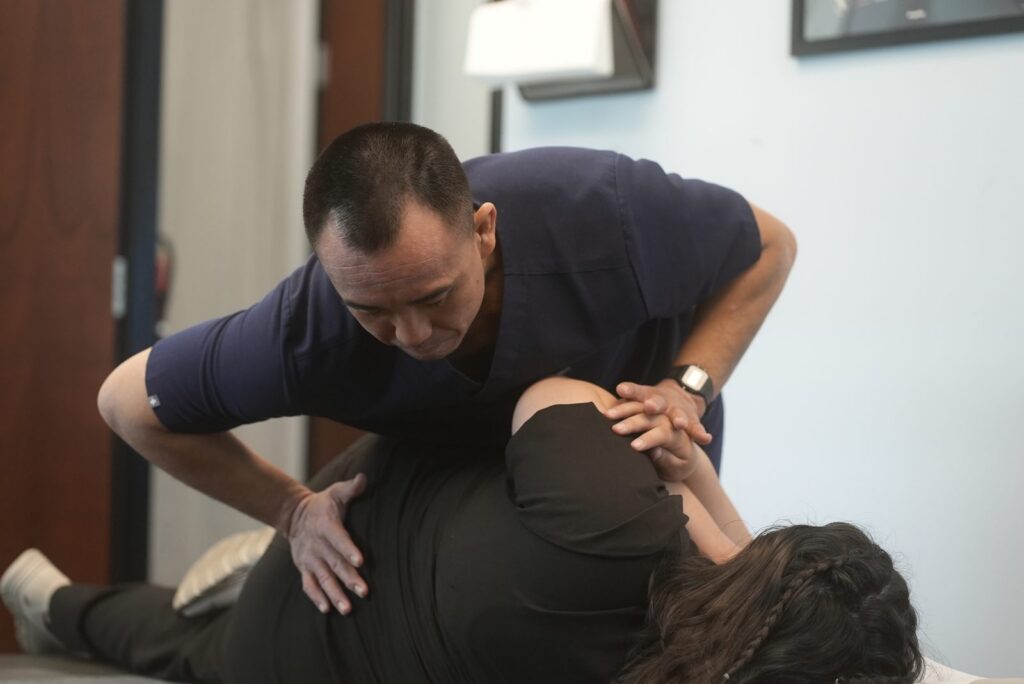
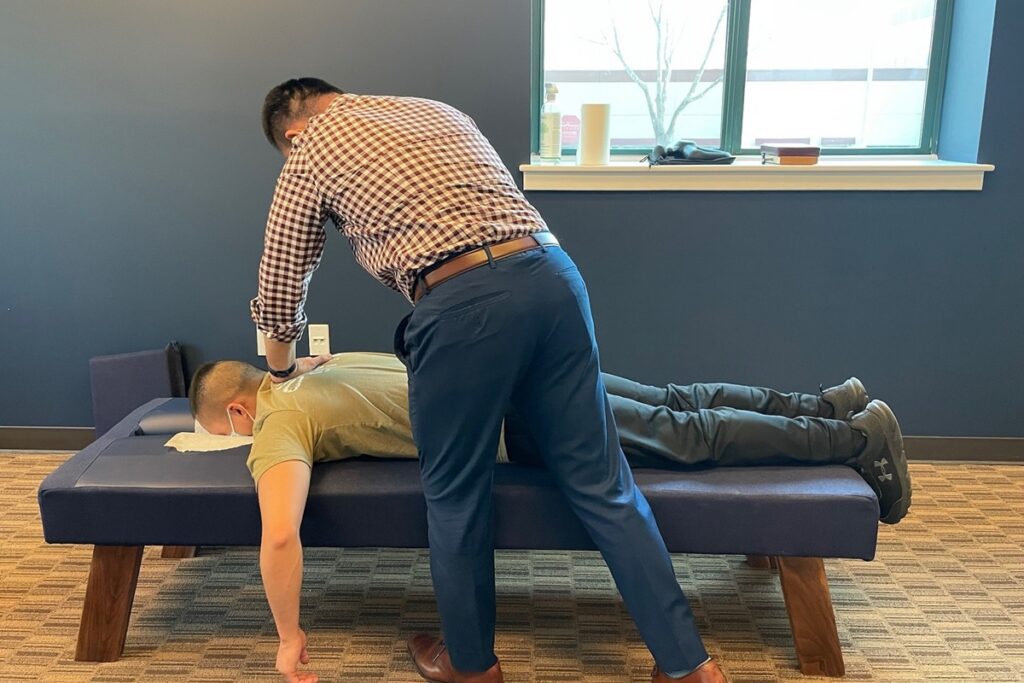
Manual Decompression refers to hands-on techniques performed by the chiropractor. This includes specific adjustments, flexion-distraction technique, and other manual methods that create gentle separation of the vertebral joints. Flexion-distraction, in particular, has a strong evidence base for lumbar disc conditions and involves a specially designed table that allows the chiropractor to apply a rhythmic motion while simultaneously distracting the lumbar spine.
At Resilience Chiropractic in San Leandro, CA, Dr. Ernest Luong takes an individualized approach to care. That means he evaluates each patient’s condition, history, and goals before recommending whether mechanical, manual, or a combination of decompression strategies makes the most sense. Not every person is a candidate for every technique, and that careful assessment is part of what makes care effective.
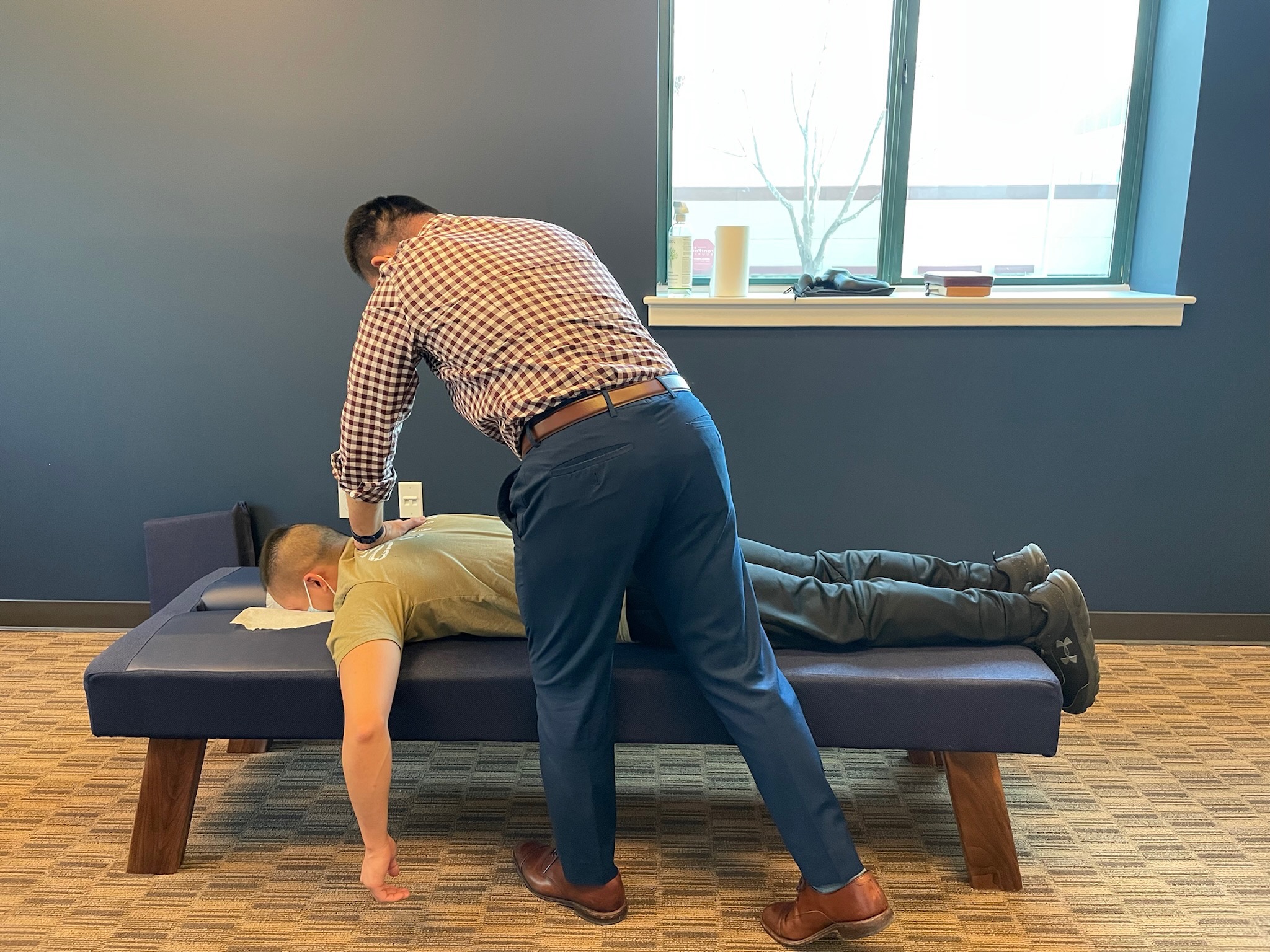
How Chiropractic Care Fits Into Spinal Decompression Therapy
Spinal decompression doesn’t exist in isolation. For the best outcomes, it’s most effective when it’s part of a broader, coordinated chiropractic care plan. This is something Dr. Ernest Luong at Resilience Chiropractic takes seriously — the goal is never to simply perform a technique in a vacuum, but to understand the whole patient and support their body’s natural ability to heal.
Chiropractic adjustments, for example, can complement decompression by restoring proper joint motion and alignment. If certain vertebral segments are restricted or subluxated, they can interfere with the effectiveness of decompression and contribute to ongoing nerve irritation. By addressing those restrictions through targeted adjustments, the spine is better positioned to respond to decompression therapy.
Soft tissue work, rehabilitative exercises, and postural correction strategies may also be layered into a care plan. Strengthening the core and stabilizing muscles that support the spine is essential for long-term results — decompression can create the space for healing, but the muscles need to be able to maintain that improved environment over time.
Patients here in San Leandro often find that a comprehensive, conservative approach — combining decompression, adjustments, and movement-based care — provides more lasting relief than any single modality on its own.
Practical Tips to Support Your Recovery
Whether you’re actively receiving spinal decompression care or simply trying to reduce the strain on your spine between visits, there are several habits and lifestyle adjustments that can meaningfully support your progress.
Staying hydrated matters more than most people realize. Spinal discs are largely composed of water, and they depend on good hydration to maintain their height and shock-absorbing capacity. Drinking adequate water throughout the day supports disc health at a foundational level.
Pay close attention to how you sit. Prolonged sitting — especially with a rounded lower back — is one of the most common contributors to disc compression. If you work at a desk, make sure your chair supports the natural curve of your lower back, and try to stand or walk briefly every 30 to 45 minutes. Here in San Leandro, many of our patients spend long hours commuting or working at computers, and small ergonomic improvements can make a big difference over time.
Be mindful of how you lift. Lifting heavy objects with a bent back places enormous pressure on the lumbar discs. Instead, hinge at the hips, keep the object close to your body, and engage your core before the lift. This simple habit can prevent significant disc stress over a lifetime of movement.
Sleep position also plays a role. Sleeping on your side with a pillow between your knees can help keep the spine in a more neutral alignment and reduce overnight disc compression. Sleeping on your stomach is generally discouraged for anyone with existing spinal issues, as it increases the arch in the lower back and strains the neck.
When to See a Chiropractor About Spinal Decompression
If you’ve been dealing with lower back pain that radiates into your legs, neck pain that travels into your arms, or persistent discomfort that hasn’t responded to rest, stretching, or over-the-counter remedies, it may be time to have a proper evaluation. Spinal decompression is a conservative, non-invasive option that’s often worth exploring before considering more aggressive interventions.
Generally speaking, someone may be a good candidate for spinal decompression if they’ve been dealing with disc-related pain for several weeks or longer, if imaging has confirmed a herniation or disc bulge, or if they are seeking an alternative to pain medication or surgery.
However, there are certain situations where spinal decompression would not be recommended. These include active fractures, significant osteoporosis, certain types of spinal instability, tumors, or pregnancy. This is exactly why a thorough evaluation — including health history and, when necessary, imaging review — is essential before beginning any decompression protocol.
If you are experiencing severe neurological symptoms such as loss of bowel or bladder control, rapidly progressing weakness, or significant numbness, these are red flags that warrant immediate medical attention rather than a chiropractic visit.
Spinal Decompression at a Glance
| Feature | Mechanical Decompression | Manual / Flexion-Distraction | Surgical Decompression |
|---|---|---|---|
| Invasiveness | Non-invasive | Non-invasive | Invasive (requires surgery) |
| Recovery Time | None | None | Weeks to months |
| Anesthesia Required | No | No | Yes |
| Risk Level | Very low when properly evaluated | Very low when properly evaluated | Higher (surgical risks apply) |
| Typical Setting | Chiropractic or rehab clinic | Chiropractic clinic | Hospital or surgical center |
| Addresses Root Cause | Often yes, through disc and nerve focus | Often yes, through joint mobilization | Depends on surgical approach |
Myths vs. Facts About Spinal Decompression
Myth: Spinal decompression is the same as a regular back stretch
Fact: While stretching can provide temporary relief, mechanical spinal decompression applies precise, controlled traction forces to specific spinal segments. This creates negative intradiscal pressure in a way that passive stretching simply cannot replicate. The technique and intention behind decompression therapy are clinically distinct from general flexibility work.
Myth: Spinal decompression is only for elderly patients
Fact: Disc injuries, sciatica, and spinal compression can affect people of all ages. Dr. Ernest Luong at Resilience Chiropractic sees patients ranging from young adults dealing with sports injuries to older individuals managing degenerative conditions. Age alone is not the determining factor — the nature and cause of the spinal issue matters most.
Myth: If you need spinal decompression, surgery is probably next
Fact: This is a common fear, but it’s not accurate. Spinal decompression is a conservative, first-line option that many patients pursue successfully without ever needing surgery. In fact, guidelines from organizations such as the American College of Physicians recommend exhausting conservative care options before considering surgical intervention for most cases of low back pain.
Myth: Spinal decompression is painful
Fact: Most patients find decompression sessions comfortable and even relaxing. The forces used are carefully calibrated and should not cause pain. If discomfort does arise during a session, the approach is adjusted accordingly. This is not a “no pain, no gain” therapy.
Myth: One or two sessions will solve the problem
Fact: Like most conservative care approaches, spinal decompression typically works best as part of a consistent care plan over several weeks. Disc tissue heals slowly, and sustainable improvement takes time. Dr. Ernest Luong sets realistic expectations with every patient so that progress is measured and meaningful, not overpromised.
Final Thoughts from Resilience Chiropractic in San Leandro
Living with chronic spine pain can feel isolating and exhausting. It can affect how you work, how you sleep, and how much you’re able to participate in the activities and relationships that matter most to you. The good news is that you don’t have to simply accept that pain as permanent. There are thoughtful, evidence-informed, non-surgical approaches available — and spinal decompression is one of the most promising among them.
At Resilience Chiropractic, serving the San Leandro, CA community, Dr. Ernest Luong is committed to helping patients understand their conditions and their options clearly and honestly. There are no exaggerated promises here — just a genuine commitment to conservative, personalized care that honors the body’s capacity to heal when given the right support.
If you’re curious about whether spinal decompression might be appropriate for your situation, the best first step is a thorough evaluation. Understanding what’s driving your pain is essential before any care plan is recommended — and that evaluation is always the foundation of what we do here in San Leandro.
Frequently Asked Questions
How long does a spinal decompression session typically last?
Most mechanical spinal decompression sessions last between 20 and 45 minutes, depending on the protocol being used and the individual’s condition. Manual decompression techniques like flexion-distraction may be incorporated into broader chiropractic visits of similar length. Your chiropractor will outline what to expect before your first session.
How many sessions of spinal decompression are usually needed?
The number of sessions varies based on the severity of the condition, how long it’s been present, and how the individual responds to care. Many patients begin to notice improvement within a few weeks, while others may benefit from a longer course of treatment. A personalized care plan will be discussed after a thorough evaluation.
Is spinal decompression covered by insurance?
Coverage varies widely depending on the insurance provider and the specific services rendered. It’s always best to check directly with your insurance carrier about what is included in your plan. The front desk team at your chiropractic office can also help you understand your benefits.
Can spinal decompression make my condition worse?
When properly evaluated and applied, spinal decompression is considered very safe for appropriate candidates. This is why a thorough health history and evaluation are essential before starting care — certain conditions are contraindications to decompression. If you’re not a candidate, your chiropractor will let you know and discuss alternatives.
Is spinal decompression at a chiropractor different from what a physical therapist does?
Both chiropractors and physical therapists may use traction-based techniques, but the approach, philosophy, and integration with other care strategies differ between professions. Chiropractors may combine decompression with spinal adjustments, nerve-focused care, and a broader musculoskeletal framework. The best fit depends on your specific condition and goals.
Does spinal decompression work for neck pain as well as back pain?
Yes, cervical (neck) spinal decompression is used to address disc herniations, nerve compression, and related symptoms in the upper spine. The same general principles apply — reducing pressure on affected discs and nerves to relieve pain and support tissue healing. An evaluation will determine whether cervical decompression is appropriate for your situation.
TL;DR
- Spinal decompression is a non-invasive therapy that reduces pressure on spinal discs and nerves, potentially helping the body heal from within.
- It may benefit conditions like herniated discs, sciatica, degenerative disc disease, and spinal stenosis.
- Both mechanical (table-based) and manual (hands-on) decompression methods exist, and the right approach depends on the individual patient.
- Chiropractic care at Resilience Chiropractic in San Leandro, CA integrates decompression with adjustments, rehabilitation, and postural support for more complete, lasting results.
- Always get a thorough evaluation before starting decompression therapy — not everyone is a candidate, and personalized care is the foundation of safe, effective treatment.\