As a local chiropractor, I understand that many of you may be struggling with back pain and are seeking effective solutions. I encourage you to consider a holistic approach to your discomfort. This means looking beyond just medication to address the underlying causes of your pain. By integrating various therapies, such as chiropractic adjustments, physical therapy, mindfulness practices, and proper nutrition, you can develop a comprehensive strategy that may lead to lasting relief.
Chiropractic care focuses on aligning the spine and improving your overall musculoskeletal health, which can play a crucial role in alleviating back pain. Additionally, incorporating mindfulness techniques can help you manage stress and enhance your mental well-being, while a balanced diet can support your body’s healing process.
What specific methods can truly make a difference in your daily life? Exploring chiropractic care along with these complementary therapies could lead you to improved health and a significant reduction in pain. I’m here to guide you on this journey towards better well-being and a pain-free lifestyle.
Understanding the Root Causes of Back Pain
As a local chiropractor, I often hear patients wondering, “What really causes back pain?” Many people assume that it’s simply due to lifting heavy objects or poor posture, but the truth is that back pain can be quite complex.
It may arise from muscle strain, injuries, or underlying issues with your spine, such as herniated discs or arthritis.
Interestingly, back pain isn’t always purely physical. Emotional stress can also lead to tension in your back, which is something that often goes unnoticed.
If you find yourself sitting for long periods or leading a sedentary lifestyle, that can significantly contribute to your discomfort as well.
It’s important to recognize that everyday habits, including how you sleep and the type of shoes you wear, can impact your back health.
Even weight gain plays a role by placing extra pressure on your spine.
Understanding these root causes is essential for effectively addressing your pain.
By acknowledging the various factors at play, you can take informed steps toward healing and prevention.
My goal is to guide you in achieving a healthier back and improving your overall quality of life through natural healing methods.
Together, we can work on a personalized approach to alleviate your pain and enhance your well-being.
The Role of Physical Therapy in Holistic Healing
As a local chiropractor, I want to share how chiropractic care plays a crucial role in holistic healing, especially for those suffering from back pain. Many people think of chiropractic treatment solely as a means of addressing injuries, but its benefits extend far beyond that. Chiropractic care focuses on enhancing your overall health and well-being, not just alleviating pain.
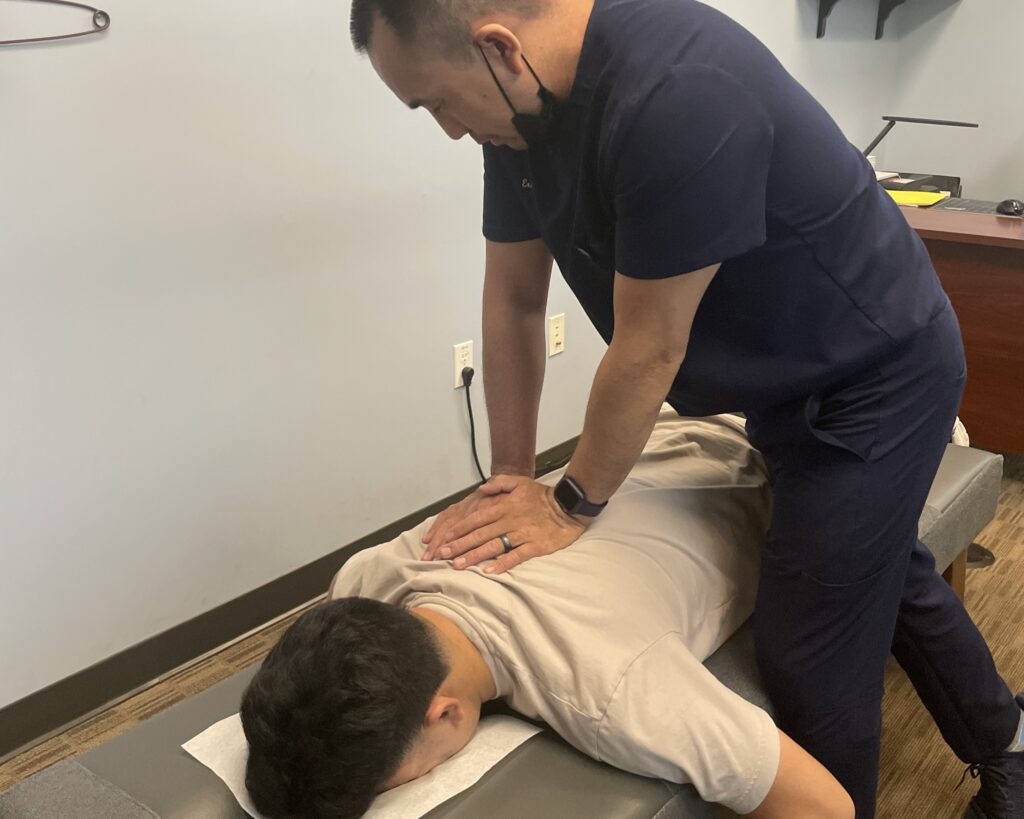
When you visit our practice, we’ll thoroughly evaluate your posture and movement patterns to identify any misalignments or imbalances. Based on this assessment, I’ll create a personalized treatment plan aimed at addressing your unique needs. Our approach often includes spinal adjustments, which can help restore proper alignment and function to your body, thereby alleviating pain and preventing future issues.
In addition to spinal adjustments, we may incorporate exercises designed to strengthen your core and improve your flexibility. These exercises are essential for empowering you to take an active role in your recovery and fostering self-awareness about your body.
Moreover, chiropractic care encourages lifestyle changes that promote holistic healing. By understanding how your body functions and recognizing the importance of maintaining spinal health, you can effectively manage and reduce back pain over time.
Ultimately, my goal as your chiropractor is to help you achieve a deeper understanding of your body and support you on your journey to enhanced health and vitality.
Incorporating Mindfulness and Meditation
As a local chiropractor dedicated to helping you find relief from back pain, I want to emphasize the importance of incorporating mindfulness and meditation into your daily routine. These practices can significantly enhance your healing journey by fostering a deeper awareness of both your body and mind, ultimately allowing for better pain management.
Here are four effective ways to weave mindfulness and meditation into your life:
- Daily Meditation: I recommend setting aside 10-15 minutes each day for meditation. Focus on your breath during this time, allowing your mind to quiet and your body to enter a state of relaxation. This simple practice can create a sense of calmness that supports your overall healing.
- Body Scan: Try practicing a body scan meditation. This involves mentally checking in with each part of your body, paying special attention to areas where you may feel tension or discomfort. This awareness can be incredibly useful in understanding your body’s signals and guiding our chiropractic treatments.
- Mindful Movement: I encourage you to engage in gentle activities such as yoga or tai chi. These practices combine mindfulness with physical movement, which can help improve your flexibility and reduce pain. They complement chiropractic care beautifully by promoting a balanced and functional body.
- Gratitude Journaling: Consider spending a few minutes each day writing down what you’re grateful for. This shift in focus from pain to positivity can help foster a more resilient mindset, which is essential for your healing process.
The Impact of Nutrition on Spinal Health
As a chiropractor dedicated to your spinal health, I want to emphasize the significant impact that nutrition has on your well-being. The foods you consume are more than just fuel; they play a crucial role in strengthening your spine. By incorporating essential nutrients into your diet, you can support your spinal structure and function.
Additionally, focusing on inflammation-fighting foods can help alleviate pain and discomfort in your back, enhancing your overall comfort and mobility.
Remember, staying properly hydrated is also vital for maintaining healthy intervertebral discs, which act as cushions between the bones in your spine.
By making mindful choices about what you eat and ensuring you drink enough water, you can take important steps towards a healthier spine and a more active lifestyle.
If you have questions about how nutrition interacts with chiropractic care, I’m here to help guide you on your journey to natural healing.
Essential Nutrients for Spine
As a local chiropractor, I’m here to emphasize the vital role that nutrition plays in maintaining a healthy spine. The right nutrients can significantly support bone strength, decrease inflammation, and enhance your overall well-being.
To ensure your spine remains in top condition, I encourage you to incorporate these essential nutrients into your daily diet:
- Calcium – This mineral is fundamental for maintaining bone density. You can find it in dairy products, leafy greens, and many fortified foods. Keeping your bones strong is crucial for spinal health.
- Vitamin D – This vitamin plays a key role in enhancing calcium absorption, which is vital for bone health. You can naturally obtain Vitamin D from sunlight, fatty fish, and fortified cereals. Regular exposure to sunlight can help keep your spine healthy.
- Magnesium – Essential for both muscle function and bone structure, magnesium can be found in nuts, seeds, and whole grains. It helps relax your muscles, which can alleviate tension in the spine.
- Omega-3 Fatty Acids – These healthy fats are known to promote joint health and reduce inflammation. You’ll find them in fish, flaxseeds, and walnuts. Incorporating Omega-3s into your diet can help maintain the integrity of your joints and spine.
By prioritizing these nutrients, you can help support your spine and enhance your overall health.
Inflammation-Fighting Foods
As a local chiropractor, I want to share an important aspect of wellness that often goes overlooked when it comes to managing back pain: the impact of your diet on inflammation levels in your body.
While many people associate back pain with physical strain or injury, the truth is that what you eat can play a significant role in your overall discomfort.
Incorporating inflammation-fighting foods into your diet is a proactive way to alleviate pain and support your spinal health. For instance, omega-3 fatty acids, which are abundant in fatty fish like salmon and in walnuts, are renowned for their anti-inflammatory properties. Adding these to your meals can be beneficial.
Don’t forget about leafy greens, such as spinach and kale. These vegetables are packed with antioxidants that help combat inflammation.
Berries are another excellent choice; their high levels of vitamins and antioxidants contribute positively to your health as well.
Spices can also be your allies in this journey. Turmeric, for example, contains curcumin, which is known for its powerful anti-inflammatory effects.
By focusing on these foods, you can create a supportive environment for your spine and may even experience a reduction in back pain over time.
Remember, eating well isn’t just about maintaining a healthy weight; it’s an essential step toward feeling better overall.
Let’s work together to explore how both chiropractic care and nutrition can enhance your well-being!
Hydration and Disc Health
As your local chiropractor, I want to emphasize the importance of hydration for your overall spinal health. Many people overlook how vital proper hydration is, especially when it comes to supporting the intervertebral discs in your spine.
These discs serve as shock absorbers, and when they’re well-hydrated, they maintain their shape and function effectively. This can significantly reduce your risk of experiencing pain or injury.
Here are some practical hydration tips to promote better disc health:
- Drink Water Regularly: Aim for at least 8-10 cups of water each day to keep your body well-hydrated.
- Limit Caffeine and Alcohol: Both of these substances can lead to dehydration, so it’s best to consume them in moderation.
- Incorporate Hydrating Foods: Adding fruits and vegetables with high water content—such as cucumbers and watermelon—can boost your hydration levels.
- Monitor Your Urine Color: A light yellow color typically indicates that you’re well-hydrated.
Remember, staying hydrated is crucial not only for your overall health but particularly for maintaining a healthy spine.
Benefits of Regular Exercise and Movement
As a local chiropractor, I want to share with you the significant benefits of regular exercise and movement in managing back pain and enhancing your overall well-being. By making physical activity a part of your daily routine, you can strengthen the muscles that support your spine, which in turn improves your posture and reduces unnecessary strain on your back.
Even engaging in simple activities, such as walking or gentle stretching, can greatly increase your flexibility and circulation. This improved blood flow nourishes your spinal discs and helps alleviate tension in your back.
Furthermore, regular movement triggers the release of endorphins, which are the body’s natural painkillers. This not only helps lift your mood but also diminishes your perception of pain. It’s important to note that you don’t need to dive into high-intensity workouts to reap these benefits—what matters most is consistency. Strive for moderate activities several times a week and tune in to your body’s needs.
Additionally, maintaining an active lifestyle is an effective way to manage your weight, which can significantly reduce the strain on your back.
Whether you find joy in yoga, swimming, or simply opting for the stairs instead of the elevator, incorporating movement into your daily life can lead to a remarkable improvement in your quality of life. Embrace these activities, and let’s work together towards a healthier, pain-free future.
Alternative Therapies: Acupuncture and Chiropractic Care
As a local chiropractor, I want to emphasize the importance of incorporating movement and alternative therapies into your approach to managing back pain. Many patients may not be familiar with how chiropractic care, along with other natural therapies like acupuncture, can significantly enhance your healing journey.
These methods are designed to restore balance and alignment in your body, providing relief in ways that traditional treatments sometimes can’t achieve.
Let me share some key benefits of chiropractic care and acupuncture:
- Pain Relief: Chiropractic adjustments focus on aligning the spine, which can greatly reduce discomfort. Similarly, acupuncture targets specific points to release endorphins, your body’s natural pain relievers.
- Improved Mobility: Regular chiropractic sessions can enhance your range of motion and flexibility, making daily activities much easier and more enjoyable.
- Stress Reduction: Both chiropractic care and acupuncture promote relaxation, helping to alleviate tension and stress that can contribute to back pain.
- Holistic Healing: These therapies go beyond just treating symptoms; they aim to address the underlying causes of your pain, promoting overall well-being and a healthier lifestyle.
I encourage you to consider integrating chiropractic care and acupuncture into your back pain management plan for a more comprehensive approach to healing.
Together, we can work towards a pain-free life.
Conclusion
As a local chiropractor, I want to share how holistic approaches to managing back pain can significantly enhance your overall well-being. It’s essential to understand that back pain often stems from various root causes, and addressing these can lead to more effective pain relief.
Engaging in physical therapy is a great starting point, but I also encourage you to explore mindfulness practices that can help you manage stress and promote relaxation. Remember, nutrition and regular exercise play vital roles in maintaining spinal health and overall body function.
Additionally, alternative therapies such as chiropractic care and acupuncture can offer substantial relief. Chiropractic adjustments focus on restoring proper alignment to your spine, which can alleviate pressure on nerves and improve mobility. By integrating these strategies into your routine, you’re not merely treating your pain; you’re investing in a healthier, more resilient version of yourself. If you’re curious about how these methods can work for you, I’m here to guide you on your journey to wellness.