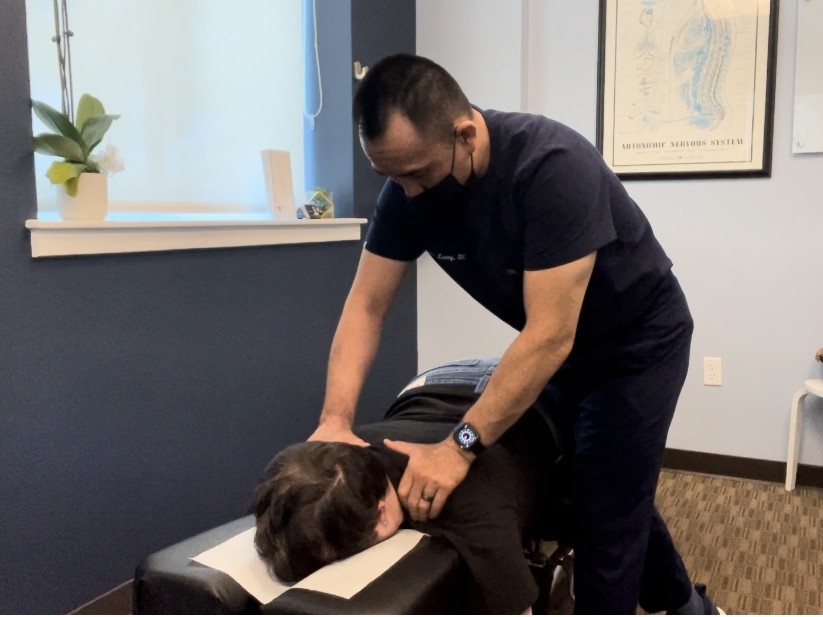
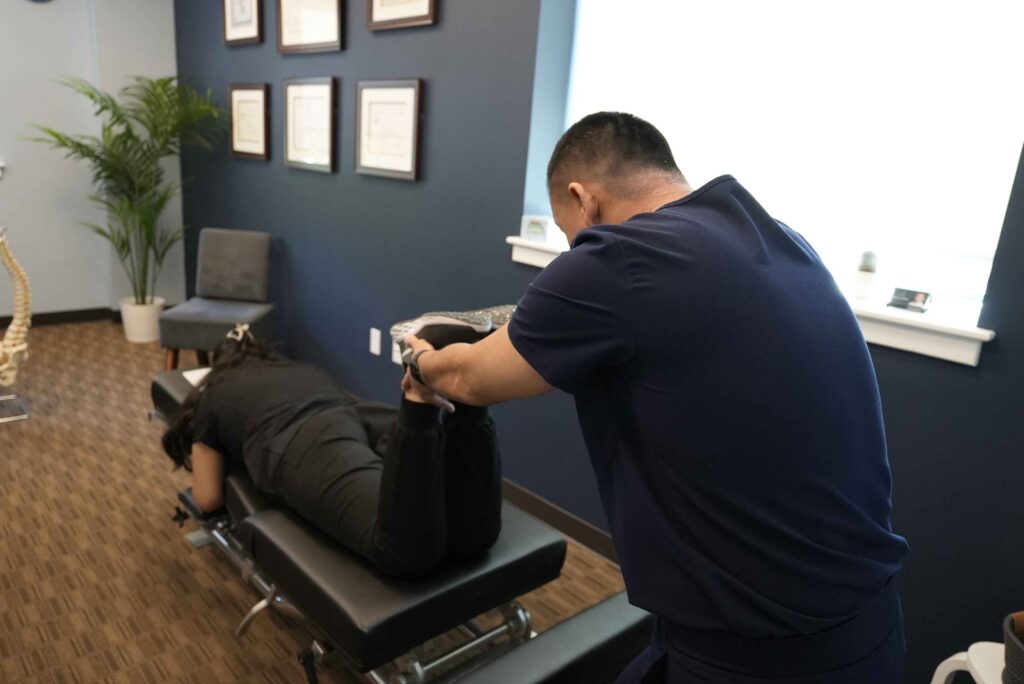
As a local chiropractor, I want to reassure you that if you’re dealing with back pain, you’re certainly not alone. Many individuals seek out natural solutions to alleviate discomfort without relying heavily on medications. It’s important to understand that there are effective, holistic approaches that can help tackle the underlying causes of your pain.
By incorporating a range of simple strategies—such as targeted exercises, proper posture training, and dietary adjustments—you can make significant strides in your recovery. These methods not only promote healing but also enhance your overall well-being.
Let me guide you through these natural approaches, which can truly transform your daily life and help you regain control over your back health. Together, we can explore how chiropractic care and lifestyle changes can make a meaningful difference for you.
Stretching and Strengthening Exercises
As a local chiropractor, I want to emphasize the importance of stretching and strengthening exercises in effectively managing back pain. These exercises are a vital component of your wellness routine, helping to improve flexibility, enhance muscle support, and alleviate tension in your body.
To begin, I recommend starting with gentle stretches, such as the cat-cow or child’s pose. These movements can help to relax tight muscles and alleviate discomfort, while also increasing your range of motion. It’s essential to listen to your body during these stretches; if you feel any pain, it’s important to modify the movement or stop altogether.
Once you feel comfortable with stretching, we’ll shift our focus to strengthening your core. A strong core is crucial for stabilizing your spine and supporting your overall posture. Incorporating exercises like planks and bridges can be particularly effective in building core strength.
It’s important to create a balanced exercise program that targets not only your back but also your hips and abdomen.
Consistency is key to experiencing the benefits of these exercises. I encourage you to set aside a few minutes each day to engage in these routines. Over time, you may notice a reduction in pain and an improvement in your movement, allowing you to participate more fully in your daily activities.
Hot and Cold Therapy
As a local chiropractor, I want to share with you how hot and cold therapy can be incredibly beneficial in managing back pain.
Many of my patients find that heat therapy is excellent for relaxing tense muscles and enhancing blood circulation, which can help alleviate discomfort.
On the other hand, cold therapy is effective in reducing inflammation and numbing any sharp pain you might be experiencing.
It’s important to understand how to use these methods correctly to maximize their benefits.
Incorporating hot and cold therapy into your routine can significantly improve your comfort and aid in your recovery process.
If you have any questions about how to apply these techniques or how they can complement your chiropractic care, feel free to ask!
Benefits of Heat Therapy
As a local chiropractor, I often see patients seeking relief from back pain, and one effective method I recommend is heat therapy. This approach can include both hot and cold treatments, but heat therapy specifically offers numerous benefits.
It’s particularly helpful in relaxing tight muscles and boosting blood circulation, which plays a crucial role in promoting healing.
When you apply warmth to your back—whether through a heating pad, a warm bath, or a hot water bottle—the heat penetrates deep into your tissues, alleviating discomfort. Many of my patients report a decrease in stiffness and an increase in flexibility, which makes daily movements much easier.
Heat therapy is especially advantageous for those dealing with chronic pain, as it provides a soothing effect that can last long after application. I typically recommend applying heat for about 15-20 minutes. Just be sure to keep the heat at a comfortable level—warm, but not too hot—to avoid any risk of burns.
Integrating heat therapy into your self-care routine can greatly enhance your overall comfort and mobility. If you’re curious about how this and other natural healing methods can assist you in your journey to wellness, I’d be happy to discuss it further during your next visit.
Advantages of Cold Therapy
As a local chiropractor, I want to share with you the benefits of cold therapy, especially when it comes to managing back pain. Many of my patients have found this approach to be a powerful complement to heat therapy, particularly during painful flare-ups.
When you apply cold packs to your back, you’re not just providing temporary relief; you’re actively reducing inflammation and numbing sharp pain. This method works by constricting blood vessels, which helps minimize swelling and slows down the nerve signals that convey pain.
Incorporating cold therapy into your daily routine is simple! You can use ice packs or even a bag of frozen vegetables wrapped in a towel for convenience. I recommend applying the cold for 15-20 minutes at a time, and be sure to allow your skin a break in between sessions.
Not only does this technique alleviate discomfort, but it also aids in faster recovery after physical activity.
If you’re dealing with back pain, consider trying cold therapy as part of your journey towards relief. It may be just what you need to feel better and support your overall wellness.
Mindfulness and Meditation
As a local chiropractor, I want to share with you how mindfulness and meditation can be effective in managing back pain.
These practices aren’t just about relaxation; they can significantly enhance your awareness of your body and its needs. By incorporating breathing techniques and body awareness into your daily routine, you can cultivate a stronger connection with yourself.
This holistic approach not only alleviates discomfort but also contributes to your overall well-being. Embracing these natural healing methods, alongside chiropractic care, can lead to a more comprehensive and effective pain management strategy.
Breathing Techniques
As a local chiropractor, I often see patients struggling with the challenges of back pain. One of the most effective, yet often overlooked, tools for relief is the incorporation of breathing techniques through mindfulness and meditation. Focusing on your breath can significantly help to anchor your mind, reducing the stress and tension that may worsen your discomfort.
I encourage you to start by finding a comfortable position, closing your eyes, and taking deep, slow breaths. Inhale deeply through your nose, letting your abdomen expand fully, and then exhale through your mouth, consciously releasing any tightness you may feel. This simple practice not only calms your mind but also promotes relaxation in your back muscles, which is crucial for healing.
I recommend making these breathing techniques a part of your daily routine. With consistent practice, many of my patients have found a noticeable decrease in their pain levels and an overall improvement in their well-being.
Body Awareness Practices
As a local chiropractor, I want to share an effective approach to improving your body awareness and alleviating back pain through mindfulness and meditation practices. Many people are unfamiliar with how these techniques can enhance their overall well-being, so let me explain.
By focusing on the present moment, you can develop a stronger connection with your body, making it easier to identify tension and discomfort before it worsens.
I recommend starting with just a few minutes each day to sit quietly, take deep breaths, and pay attention to your physical sensations. As you meditate, visualize areas of tension in your body softening and releasing. This practice not only promotes relaxation but also helps you become more aware of your posture and movements throughout your daily activities.
Incorporating mindfulness into your routine can be a proactive way to manage pain, giving you the tools to take control of your health.
Proper Posture Awareness
As a local chiropractor, I want to emphasize the significant role posture plays in your overall back health. Many individuals often overlook this crucial aspect, but being mindful of how you sit and stand can make a world of difference. Good posture allows for even weight distribution across your spine, which can help alleviate unnecessary stress and discomfort.
When you’re sitting, ensure your feet are flat on the ground, your knees are either at or below hip level, and your back is straight against the chair. If you spend a lot of time at a desk, it’s essential to adjust your chair and computer screen so they’re at eye level. This simple adjustment can minimize neck strain and promote a healthier alignment.
When standing, remember to keep your shoulders back, your chin parallel to the ground, and distribute your weight evenly across both feet. Engaging your core muscles can provide additional support for your spine.
I encourage you to periodically check in on your posture throughout the day, as it’s easy to fall into poor habits without realizing it.
By consciously developing a habit of maintaining proper posture, you can’t only reduce back pain but also enhance your overall well-being. Remember, these small changes can lead to significant improvements in your health.
If you have any questions or would like personalized advice on posture and spinal health, feel free to reach out!
Dietary Adjustments
As a local chiropractor, I want to emphasize that while maintaining proper posture is crucial for alleviating back pain, the foods you choose to eat are equally important in supporting your spinal health. Incorporating anti-inflammatory foods into your diet can significantly reduce pain and enhance your overall wellness.
I encourage you to focus on a variety of fruits and vegetables, particularly those high in antioxidants, such as berries, leafy greens, and citrus fruits. These foods can help fight inflammation in your body.
Additionally, consider incorporating sources of omega-3 fatty acids, which are found in fish, flaxseeds, and walnuts, as they’re known for their anti-inflammatory properties.
Hydration is also vital; drinking plenty of water helps keep your spinal discs healthy and functioning properly. Conversely, it’s wise to limit processed foods, added sugars, and excessive salt, as these can lead to increased inflammation and discomfort in your body.
Lastly, maintaining a healthy weight through balanced eating is essential, as it can help relieve additional pressure on your back.
Essential Oils and Herbal Remedies
As a chiropractor dedicated to your holistic well-being, I want to introduce you to some natural approaches that can complement your back pain management.
Essential oils and herbal remedies can be valuable tools in your journey towards relief. For instance, oils such as lavender, peppermint, and eucalyptus possess anti-inflammatory properties that may help alleviate discomfort. You can dilute a few drops of these oils in a carrier oil and apply them with a gentle massage to your back, or use a diffuser to enjoy their calming aromas.
In addition, herbal remedies like turmeric and ginger are known for their anti-inflammatory benefits. I encourage you to consider adding them to your diet or exploring supplement options.
Another effective option is arnica gel, which can be applied directly to the skin to help reduce pain and swelling.
Before trying any new essential oil, it’s essential to perform a patch test to ensure your skin doesn’t react negatively.
While these natural remedies can be quite effective, I always recommend discussing them with your healthcare provider, including me, to ensure they fit well with your specific health needs.
Acupuncture and Massage Therapy
As a local chiropractor, I want to share with you the benefits of two powerful complementary treatments that can significantly aid in managing back pain: acupuncture and massage therapy.
Acupuncture is a technique that involves inserting thin needles into specific points on your body. This practice helps to balance the flow of energy, or “qi,” and can effectively alleviate both chronic and acute back pain. Many patients experience relief after just a few sessions, making it a valuable option for those seeking natural pain management solutions.
Massage therapy is another excellent approach that focuses on manipulating muscles and soft tissues. This technique reduces tension, improves circulation, and increases flexibility—all crucial factors in relieving pain.
By addressing specific areas of discomfort, massage can help release tight muscles and reduce stress, which is often tied to back pain.
When these therapies are combined, they create a holistic approach to managing back pain that many patients find highly effective.
I encourage anyone considering these options to consult with a licensed practitioner, whether it’s a chiropractor, acupuncturist, or massage therapist, to discuss your individual needs.
You may be pleasantly surprised by the benefits these natural treatments can bring to your overall well-being.
Conclusion
As a local chiropractor, I want to share with you seven natural approaches that can help you manage and alleviate your back pain effectively. By incorporating regular exercise, maintaining proper posture, and practicing mindfulness, alongside making dietary adjustments and exploring holistic therapies, you are taking proactive steps towards better health and well-being.
It’s essential to listen to your body and find what works best for you—this is where chiropractic care can play a significant role. We can help guide you through these methods and tailor them to your specific needs. Remember, recovery takes time, so be patient with yourself. With consistent effort and the right support, you can find relief and move towards a pain-free lifestyle. Let’s start this journey together today!